Categories
Herbalism in Fiction

Herbalism in Fiction: A Discovery of Witches

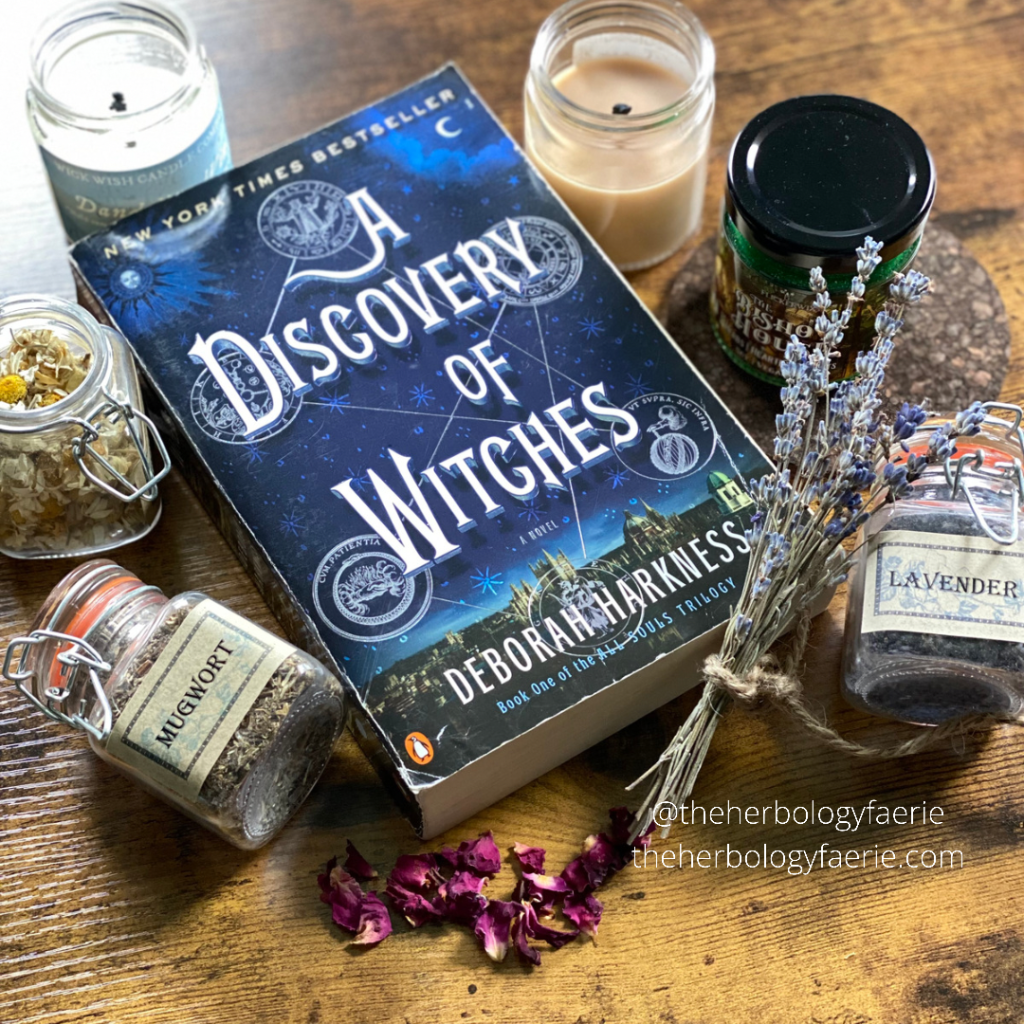
I have the most oddly specific favorite sub-genre of books: fiction (be it fantasy, mystery, historical, or otherwise) that includes heavy doses of herbalism and lush, immersive description. So, in case there are others who adore this type of novel, I am going to begin sharing my favorite books that meet those criteria here on the blog. The first book I’m featuring is A Discovery of Witches by Deborah Harkness (and the whole All Souls series).

The series follows Diana Bishop, a historian and witch who gets caught up in dangers and deceptions after discovering a lost magical book in the Bodleian Library. Having once shunned her powers, Diana must finally come to terms with them to find out what the book means and what it has to do with her. The story also centers around the two other types of creatures, vampires and daemons, and the dynamics and traditions between these three groups of otherworldly beings. Add in romance, ghosts, time travel, real historical figures, science, mysteries, intrigue, dark secrets, and also lovable characters and inviting settings, and you’ve got this thoroughly gripping series in as good a nutshell as I can manage to stuff it into. These books contain magical multitudes.

But I’m specifically here to heap praise on this series for its hygge herbology connections. There is so much to love in these books in that regard! I adore the very lovingly-detailed descriptions of the teas Diana loves and how she takes them, the scenes involving the harvesting and blending of a particular type of herbal tisane at a castle in France (I can’t elaborate because, spoilers), and the unique descriptions of each character’s particular botanical scent. There are viscerally-appealing, incredibly immersive descriptions of locations like dark, antiquarian libraries and cozy Oxford haunts that really stick with you. And don’t even get me started on the depth of detail in the installment that primarily takes place in Elizabethan England.

But far and away, my favorite parts of these books take place in Diana’s witch aunts’ colonial family home in upstate New York. You can hear every creak of the floorboards, smell the mixed scents of wood smoke and coffee and herbs, and feel the weighty presence of the family ghosts in every word. The aunts’ witch’s garden brims with herbs, and there just aren’t enough scenes spent in Sarah’s dark still room with dried aromatic plants and her old coffee-maker-turned-cauldron. The sense of safety and family Diana feels here, even if she tries to deny it at times, is utterly palpable to the reader.

So, all that wordiness to say, if you like this stuff, then read these books! They are my literal favorite books of all time and I will not disclose how many times I have read them. Until you get on the train and come back to tell me how right I was!

Categories
Hygge

This Hygge Business

What is all this “hygge” business about?

You may already be familiar with the popular term, which gained recognition due to the publication of the book The Little Book of Hygge by Meik Wiking (and many other books on the topic by others since). “Hygge” is a Danish concept (from a Norwegian word) that refers to a particular type of cultivated coziness and comfort. Things like slow living, hand-made and baked goods, candlelight, quality time in nature, comfortable simplicity, and companionship during such activities.

As you might gather, herbalism and hygge go well together! Creating traditional recipes with natural herbal ingredients and taking slow, quiet moments to enjoy them are all about as hygge as it gets. Sharing one’s love of this with others? Even more so. And gardening, herbal baking, gifting handmade items, using herbal bath products, learning about the botanical world…it all conjures those hygge vibes.

The hygge concept has other points of appeal for me, personally, too. For starters, I learned a few years ago through a DNA test that much of my cultural heritage stems from the very region hygge comes from. Suddenly, my intense, innate need to seek out and cultivate coziness makes more sense! Bring on the pastries, hikes, and scented candles.

My life situation, even before the pandemic, involves being very much rooted (aka stuck) at home. I am a stay-at-home-mom to three kids currently six and under, one of which is being temporarily homeschooled due to the pandemic. Even after they begin attending school in the fall (the twins are four and will be doing half-day pre-k in the fall and big sister will be in first grade), I will still be spending almost all my time at home. My life is fairly solitary and a bit lonely. Focusing on cultivating hygge coziness helps me feel more present, grounded, content, and fulfilled. And it helps take the edge off when loneliness or anxiety get overwhelming.

Connecting with hygge makes me feel connected to something traditional, visceral, and both elementary yet kind of complicated at the same time. In today’s world it is difficult to give yourself permission to slow down and drink in every moment. But this cultivates peace of mind and connection with the small and slow things, the natural world around you, and the quiet contentment you can find within yourself if you pause and listen.