Categories
Herbalism in Fiction

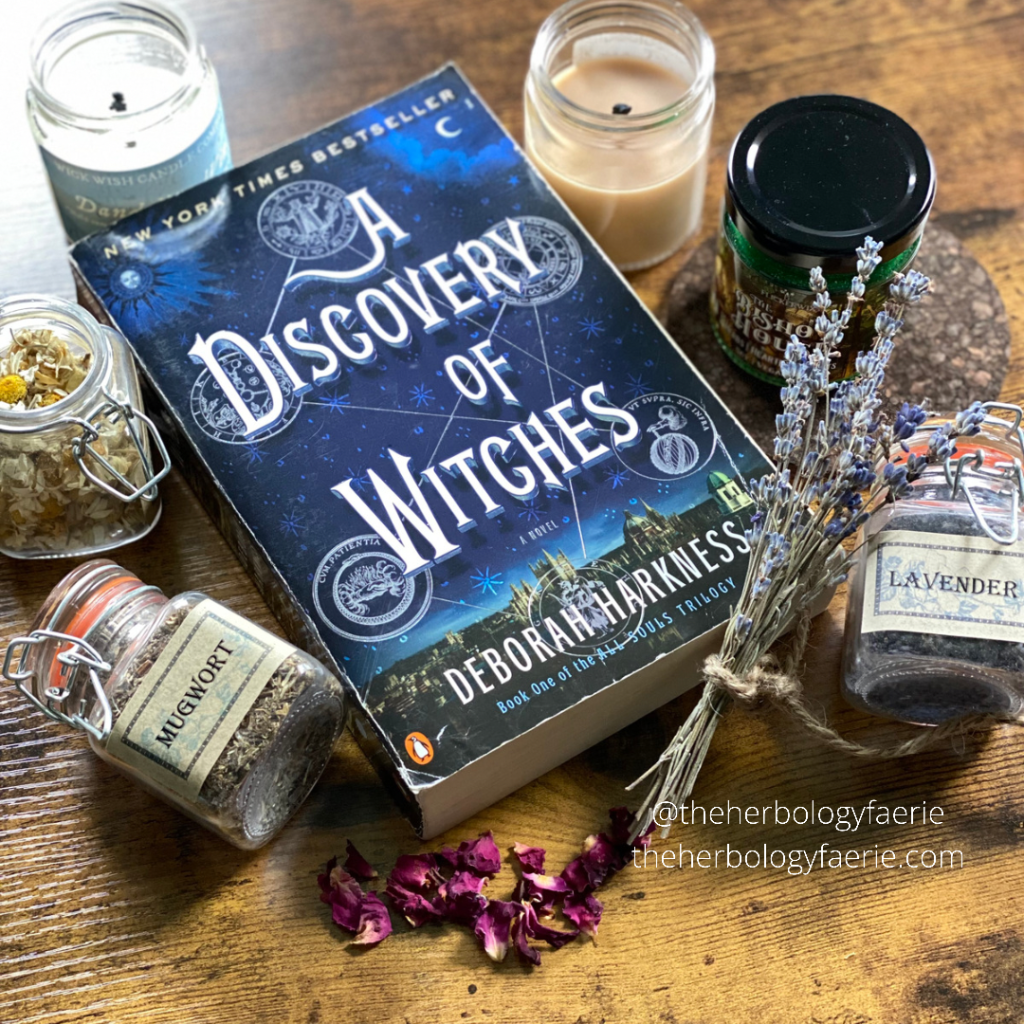
Herbalism in Fiction: A Discovery of Witches

I have the most oddly specific favorite sub-genre of books: fiction (be it fantasy, mystery, historical, or otherwise) that includes heavy doses of herbalism and lush, immersive description. So, in case there are others who adore this type of novel, I am going to begin sharing my favorite books that meet those criteria here on the blog. The first book I’m featuring is A Discovery of Witches by Deborah Harkness (and the whole All Souls series).

The series follows Diana Bishop, a historian and witch who gets caught up in dangers and deceptions after discovering a lost magical book in the Bodleian Library. Having once shunned her powers, Diana must finally come to terms with them to find out what the book means and what it has to do with her. The story also centers around the two other types of creatures, vampires and daemons, and the dynamics and traditions between these three groups of otherworldly beings. Add in romance, ghosts, time travel, real historical figures, science, mysteries, intrigue, dark secrets, and also lovable characters and inviting settings, and you’ve got this thoroughly gripping series in as good a nutshell as I can manage to stuff it into. These books contain magical multitudes.

But I’m specifically here to heap praise on this series for its hygge herbology connections. There is so much to love in these books in that regard! I adore the very lovingly-detailed descriptions of the teas Diana loves and how she takes them, the scenes involving the harvesting and blending of a particular type of herbal tisane at a castle in France (I can’t elaborate because, spoilers), and the unique descriptions of each character’s particular botanical scent. There are viscerally-appealing, incredibly immersive descriptions of locations like dark, antiquarian libraries and cozy Oxford haunts that really stick with you. And don’t even get me started on the depth of detail in the installment that primarily takes place in Elizabethan England.

But far and away, my favorite parts of these books take place in Diana’s witch aunts’ colonial family home in upstate New York. You can hear every creak of the floorboards, smell the mixed scents of wood smoke and coffee and herbs, and feel the weighty presence of the family ghosts in every word. The aunts’ witch’s garden brims with herbs, and there just aren’t enough scenes spent in Sarah’s dark still room with dried aromatic plants and her old coffee-maker-turned-cauldron. The sense of safety and family Diana feels here, even if she tries to deny it at times, is utterly palpable to the reader.

So, all that wordiness to say, if you like this stuff, then read these books! They are my literal favorite books of all time and I will not disclose how many times I have read them. Until you get on the train and come back to tell me how right I was!

Categories
Herbs and Herbalism

Where to Buy Herbs: Tips for Budding Herbalists

Are you just starting out on your herbalist journey, and you’re not sure where to buy herbs (not to mention which ones to buy—which I’ll be talking about in another upcoming blog post)? I, too, started out a bit overwhelmed and unsure of what would be the best way to come by herbs for teas and other recipes. So, today I am going to save you a bit of the leg work and share what I’ve learned with you. There is no one right or wrong way to buy herbs, but being as I formed as you can be will help you weigh all the factors when you’re deciding what’s best for your own practice.

Local options

Let’s begin with your local options. It is always good to focus heavily on local herbs for your practice, both to work with plants sharing your own environment and also to support local businesses. (It’s also better for the environment to buy them locally!) This isn’t always easy, however. Some of you may be lucky enough to live in a town or city with local herbalists selling high quality herbs, but others like me? Not so much. There are a few other options, however.

First off, check your local supermarket! Not everything you’re looking for will be there, but some things will. You best believe I get cinnamon sticks, cloves, and cardamom pods at the grocery store. Don’t forget to check out the produce and garden sections for fresh options, too.

Is there a weekend farmers market local to you? That’s another worthwhile place to check for herbs, or even plants you can take home and grow yourself. And speaking of growing them yourself, if that’s an option for you, you might consider it. Just keep in mind it takes a lot of work for a small yield.

Foraging can be another option in some locations, but it’s best to take precautions and care. Make sure you’re educated on local plant safety, and think about finding an experienced foraging mentor to teach you what they know. Also, be sure to know how to forage carefully for the sake and longevity of the plants, and take only what you need.

Online

If you’re like me, navigating online shopping options tends to be the most realistic choice for most dried herb purchases. However, it can be tricky to know where to start and who to trust.

For starters, I am going to establish here and now that while I am not a fan of the dark side of Amazon, I am also not a snob about Amazon shopping. Some people don’t have the privilege of choosing other places to make purchases. I am sometimes one of those people. I will say, though, if you shop for herbs on Amazon, you’re going to find it’s a bit of a mixed bag when it comes to quality and even prices. Definitely research all your options before deciding Amazon is the way to go.

Many small herbal retailers have online shopping options, so do keep that in mind! It’s great to be able to buy high quality herbs online and support a small business. Pricing is often a bit higher with these businesses, but you are paying for quality and service.

Another online option is Mountain Rose Herbs. They are a well-known online herb retailer with usually good prices. You do have to pay shipping, but this can be worth it if you’re buying in bulk. Also, they’re a reputable herb supplier with a wide variety of products and a pretty great website with recipes and tons of information! Many herbalists promote / endorse MRH.

Finally, if you’re still overwhelmed, try to focus on starting small with a few versatile herbs that can be used in many combinations and ways. In retrospect, I’ve found that there are several herbs I’ve bought that I rarely use! If you begin with staples (think chamomile, mint, ginger, and others), you’ll be able to build a good foundation. (Stay tuned for a whole post on this soon!)

Are there any other herbal resources I’ve forgotten? Let me know in the comments!