Categories
Herbs and Herbalism Recipes

Roasted Roots + Coffee Mix

When I first became interested in herbalism, my dad surprised me by gifting me all of my great grandmother’s herbalism and gardening books. By chance, or most likely not, I had wandered into a family legacy. My dad then regaled me with stories of some of her practices, like how she used to brew sassafras tea and root beer, made dandelion fritters, and added chicory and dandelion root to the coffee she brewed every day. 

It is actually a long-standing tradition to add roots like dandelion, chicory, and burdock to coffee to add nutritional benefits and cut some of the bitterness. Beyond those roots, you can get creative with sweet and aromatic spices if you’d like to add more complex flavors. It’s really a very hygge—simple and intentionally cozy—process to develop your own personal mix and roast the ingredients yourself. 

I love that I am carrying on my great grandma’s legacy. Many times when I make coffee, I also mix in roasted roots like she used to cut her coffee with. Herbs like dandelion, chicory, and burdock are nutritious and grounding, and help lessen the overall caffeine in your mug. They taste quite similar to coffee, though perhaps more complex and earthy, and you can put your own spin on your recipe with the addition of other flavorful botanicals. 


Here is a closer look at some of the ingredients you might add to your own roasted root blend:

Dandelion root

Strong liver, gallbladder, + kidney support 

Vitamin + mineral rich

Supports heart + balances blood pressure

Chicory root

Vitamin + mineral rich

Digestion support

Antioxidant rich

Supports liver + stomach

Burdock root

Kidney + liver support

Anti-inflammatory • Antioxidant • Detoxifying

Antibacterial + antifungal • Skin clearing

Blood sugar regulating

Cacao

Mildly stimulating

Synergizes other herbs

Heart + blood pressure support

Blood sugar regulating

Cinnamon

Digestive support • Circulation stimulating

Blood sugar regulating • Analgesic

Antimicrobial + antifungal

Antioxidants • Supports brain health

Warming + drying

Allspice, cardamom, cloves, fennel

Digestive support

Promotes circulation • Immune support

Soothing • warming • uplifting


Method

Roast equal parts of chosen roots on a baking sheet at 375° for 20 minutes, stirring once or twice to prevent burning. Allow to cool.

Mix in any spices or additional ingredients like cacao nibs and cinnamon chips, then grind in a coffee grinder and brew as you normally brew coffee. Opt for a coarser grind if brewing with a French press.


Adapted from my Roasted Roots article from the Autumn 2022 edition of Botanical Anthology.

For educational purposes only. Not intended for medical advice. Always consult your physician.

*This post contains affiliate links, which means if you choose to buy something from a link that I share, I will make a small percentage of the sale *at no extra cost to you*.

Categories
Herbs and Herbalism plant wonder collective Recipes

Medicinal Hawthorn Syrup

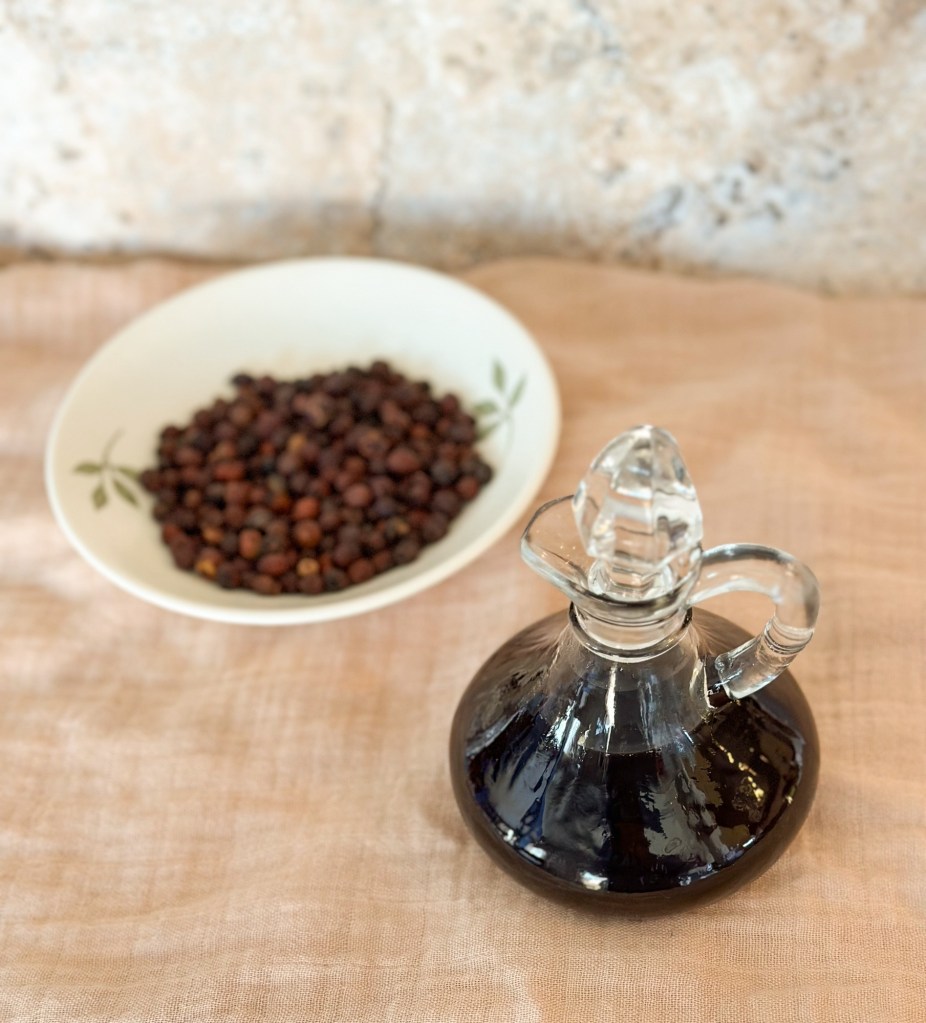
Hawthorn syrup is an amazing and delicious late-winter herbal medicine! Not only does it support circulation, blood pressure, overall heart health, digestion, and the immune system; it also helps dispel some of those late-winter blues with its sweet nervine powers. But it doesn’t need to be reserved for this time of year—it is a gentle tonic herb that can in most cases be safely taken frequently, year-round.

Whether you take a couple spoonfuls a day, mix it into water or tea, or use it as a mocktail or cocktail ingredient (who says medicine can’t be fun?!), hawthorn syrup will bolster your body as well as your emotional wellbeing. And the flavor is so, so nice—from dried berries it produces a tangy, slightly earthy berry flavor. Reminds me a little of fig, or port wine.

All you need is three ingredients to make this syrup. Here is the recipe!


Ingredients:

1 cup water

1 cup sugar (I used raw cane sugar)

1 cup dried hawthorn berries

Directions:

In a saucepan, heat water and sugar over low-medium heat until the sugar dissolves completely, stirring often with a wooden spoon. 

Add the hawthorn berries and allow to come to a light simmer, stirring often. Continue to simmer and stir for about 10 minutes. (We are being careful to keep this a syrup and not a caramel!)

Remove from heat and allow the hawthorn berries to steep in the syrup for another 20-30 minutes as it cools. Strain through a mesh strainer, and store in a clean jar or bottle in the fridge. Use within about 3-4 weeks.

Instead of discarding all the used syrup berries, brew a cup of tea with some of them!

A note about dried hawthorn berries: if you see a white substance on the outside of them, this is not mold and they’re not bad! It is the natural sugar in the berries that sort of collected on the surface as they dried.


Hawthorn is the Plant Wonder Collective plant of the month!

Plant Wonder Collective: Connecting you to nature through food, drink, play, garden, medicine, magic, and art.

If you’d like to support the work of PWC, please consider joining our Study Circle on Patreon for exclusive recipes, articles, digital downloads and printables for the plant of the month. We appreciate you being on this learning journey with us!


For educational purposes only. Not intended for medical advice. Always consult your physician.

*This post contains affiliate links, which means if you choose to buy something from a link that I share, I will make a small percentage of the sale *at no extra cost to you*.
Categories
herbal skincare Hygge Recipes

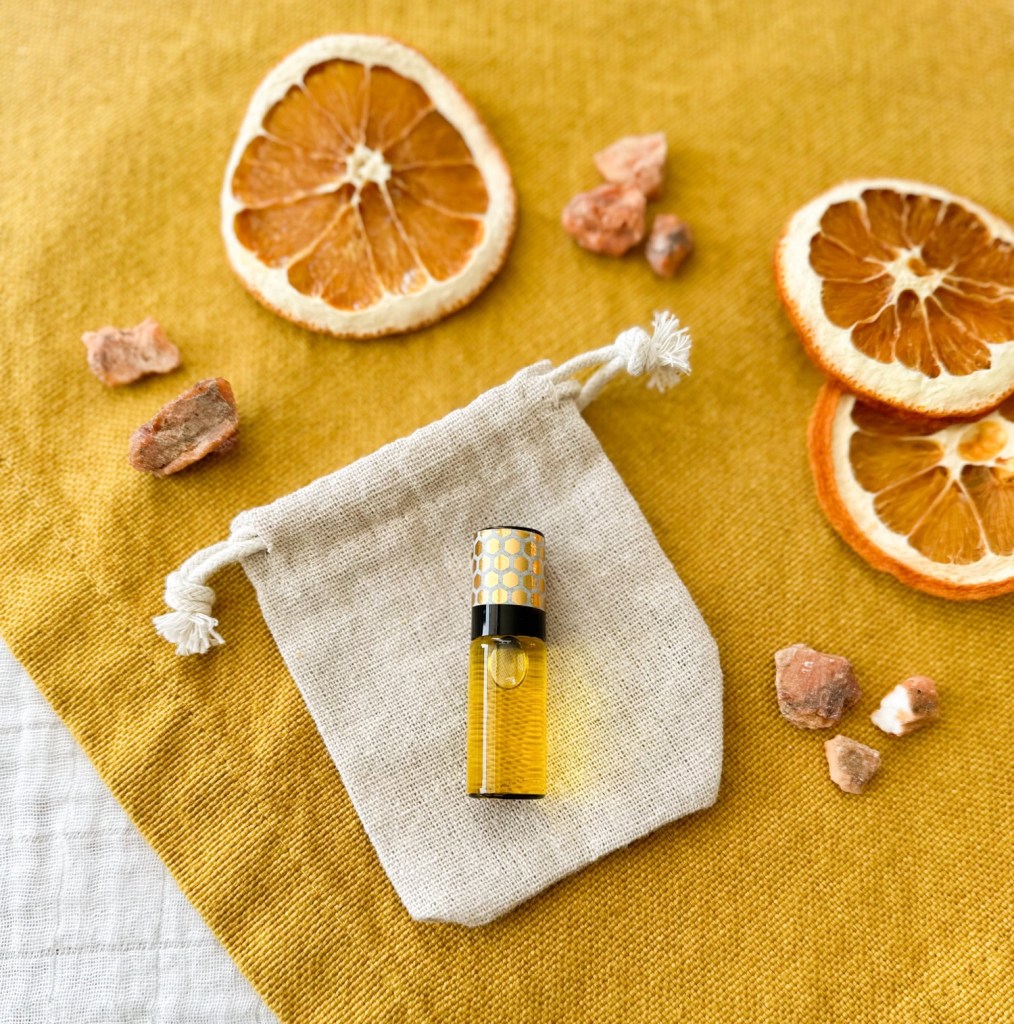
Happy Vibes Perfume & Aromatherapy Oil

A few friends close in heart but far geographically exchanged holiday gifts recently. It was so much fun to send homemade gifts to each other! Some were gifts that we had made to give to friends and family for the holiday season, but I wanted to include something that made me think of them specifically.

So I created us each a Happy Vibes essential oil perfume / aromatherapy roller to convey the joy I get from our friendship!

The scent is very reminiscent of orange blossom: floral, sweet, creamy and citrusy, with a touch of green. Uplifting and happy! Just like our friendships. The intention infused in the making of these rollers conveys that joy each time I apply a bit to my wrists and experience the scent!

Would you like to make some of your own rollers for friends who make you feel happy vibes?

You Will Need:

To Make:

To make a perfume roller, fill a 5 ml roller bottle about halfway with jojoba oil. Add 4 drops of ylang ylang essential oil, 3 drops of benzoin essential oil, 2 drops of tangerine essential oil, and 2 drops of cypress essential oil. (If you have sensitive skin, you can adjust and use less of the essential oils. If you want a stronger scent for aromatherapy, you can add 1-2 more drops of each oil.) Fill the remaining space in the bottle with more of the jojoba oil, leaving a little headspace for the roller. Insert the roller and screw on the cap, giving the bottle a swirl to mix the oils in.

——

*This post contains affiliate links, which means if you choose to buy something from a link that I share, I will make a small percentage of the sale *at no extra cost to you*.
Categories
Herbs and Herbalism plant wonder collective Recipes

Turmeric Tincture Inside & Out

Turmeric has so many health benefits—for mind, body, and spirit. As for the body, it has properties that support the immune system, modulate inflammation and pain, support the liver, and so much more. Regarding mind and spirit, turmeric has a warming, cozy, grounding taste and strengthening energy.

One very versatile way to work with turmeric is in tincture form. Turmeric tincture is easy to make and so beneficial! It only requires two ingredients, a couple simple supplies, and 6 weeks of waiting for it to infuse its goodness.

And did you know you can use it internally and externally? Internally, putting a few drops up to a dropperful in a couple ounces of water, a small mug of tea, or a shot glass of orange juice (my favorite) to drink can deliver those wonderful aforementioned benefits—like immune support, pain, inflammation, digestion, and more.

Externally, try mixing a few drops with your favorite body oil (like calendula olive oil) or moisturizer and massage into skin for cramps, aches, and even arthritis.

Here is what you need to know for making a simple turmeric tincture!


Ingredients

Dried turmeric root pieces

Plain vodka or other clear alcohol, highest proof available (80 or higher is best)

1-pint glass canning jar

BPA-free plastic canning jar lid

Mesh strainer

Optional: cheesecloth

Dropper bottle/s

Instructions

Start with a sanitized, dry jar. Fill the jar 1/2 full with the dried turmeric root pieces.

Top with vodka / alcohol, covering the plant material with about an inch of liquid. Poke the hops down with a wooden chopstick or the handle of a wooden spoon to ensure complete coverage and add more vodka if needed.

Cap tightly and label with the date and name of the tincture. Store in a cool, dark place, shaking daily. Allow to macerate for 6-8 weeks.

Strain with a fine mesh strainer and/or cheesecloth, and store in a clean jar or bottles in a dark place. Add to a dropper bottle for dosing. 

Use a few drops to one dropperful internally up to 3 times a day, or combine a dropperful with about ¼ cup body oil for external use.


Turmeric is the Plant Wonder Collective plant of the month!

Plant Wonder Collective: Connecting you to nature through food, drink, play, garden, medicine, magic, and art.

If you’d like to support the work of PWC, please consider joining our Study Circle on Patreon for exclusive recipes, articles, digital downloads and printables for the plant of the month. We appreciate you being on this learning journey with us!


For educational purposes only. Not intended for medical advice. Always consult your physician.

*This post contains affiliate links, which means if you choose to buy something from a link that I share, I will make a small percentage of the sale *at no extra cost to you*.

Categories
Herbs and Herbalism Hygge wheel of the year

Yule: Candles, Tea, and Books

Happy Yuletide! I can’t say that I am the most knowledgeable regarding the background and traditions of winter solstice celebrations and rituals, but I am learning more as I go and loving what I learn. I wanted to pop in today to share a few of my favorite cozy Yule traditions with you.

Whether you celebrate Christmas, Yule, a combination, or simply mark the winter solstice, the astronomical beginning of winter and the shortest day and longest night are at the center of this occasion. It is a time of merriment as a way to bring light and cheer into the darkness, and to remind ourselves that the sun and its life-giving warmth will return. This is very much based in the agrarian lifestyle of our ancestors and the greater danger winter posed to their survival. Today we feel the hold-over of these traditions in more metaphorical ways but they’re still deeply ingrained. Other pagan and Christian elements and traditions of this holiday came in later, but all still revolve around the natural occurrence of the winter solstice.

Despite the jolly festivities, as I get older I feel the need more and more to snuggle in at home, slow down, eat cozy treats, and enjoy quiet times with my family just playing games and reading books. I think my connection to the natural world slowing down and going to its winter rest deepens the older I get! So I don’t feel the need for more gifts and parties, but rather candles, tea, and good books.

Candles

I absolutely love making my own candles this time of year. With a few simple, natural ingredients, candles that are healthier and more special than the store bought variety can easily be whipped up in your kitchen. Candles add a warming glow to Yuletide evenings and events, can be given as very special gifts, and you can add your own intention both when you’re stirring the wax to make them and when you take the time to light them each night.

Check out the recipe for these Yule Forest Candles I shared last year, these cozy Pumpkin Spice Coffee Candles from when I was just beginning to learn candlemaking, or purchase the Winter Candlemaking Guide from my Etsy shop to learn how to make candles at home.

Tea

Hot tea is a wonderful way to spend a winter evening during the Yuletide season! There is nothing better than brewing a big pot of tea tailored to the energies of the season, your health, or simply your mood. 

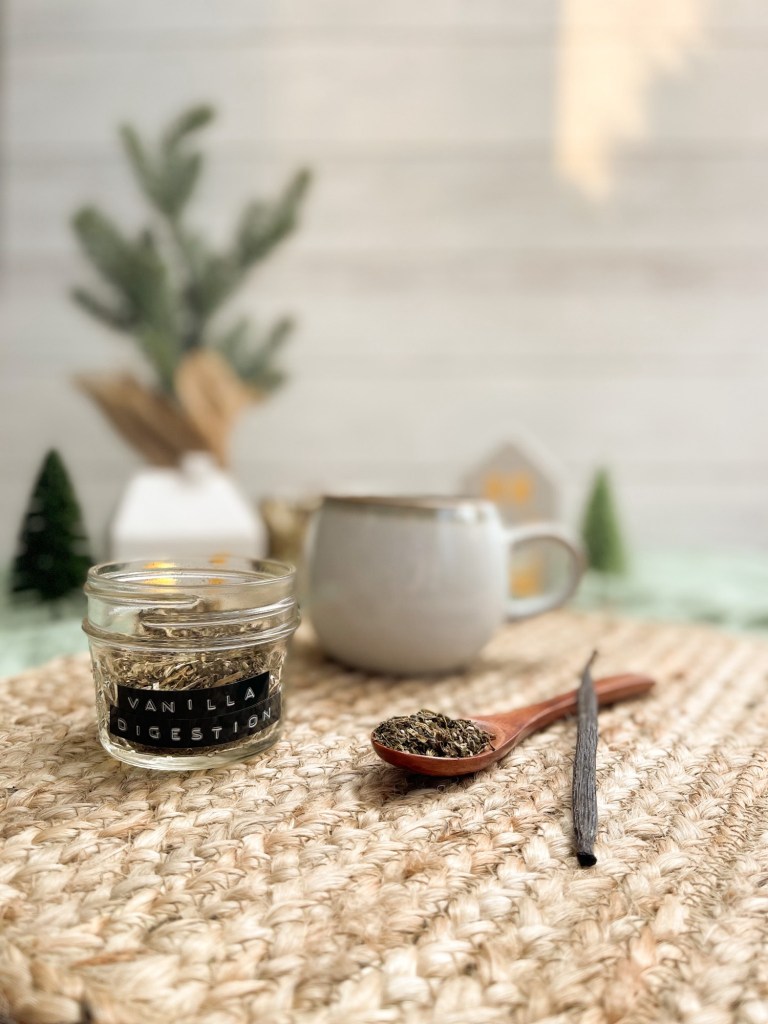
During this season of eating sweets and overindulging, a digestive-boosting tea like the Vanilla Digestion Tea I shared last year can be both helpful and tasty. An Immune Boosting Tea Blend can’t go amiss this time of year, either. Mushroom Coffee makes for a hearty and energizing, yet grounding, brew. Or check out the many other winter tea recipes in my Winter Tea Booklet in my Etsy shop.

Books

I am never at a loss for good books to read! Here I will keep the explanation short and simply share some links to books that are perfect for this season. 

Children’s books about Yule / the Winter Solstice / Wintertime (that are wonderful for adults, too):

The Shortest Day (Susan Cooper)

The Winter Solstice

Goodbye Autumn, Hello Winter

The Tomten

Flower Fairies of the Winter

The Shortest Day (Wendy Pfeffer)

The Nutcracker Ballet

Adult fiction and nonfiction – my recent cozy or cozy-adjacent favorites

Emily Wilde’s Encyclopedia of Faeries

Legends and Lattes

A Spell in the Wild

The Wake-Up Call

The Tale of Hilltop Farm (the Cottage Tales of Beatrix Potter)

The Hobbit

Kitchen Witch

A Morbid Taste for Bones (the Brother Cadfael mysteries)

Little Women

Slavic Kitchen Alchemy

Healing Herbal Teas

What cozy ways are you enjoying the Yuletide season?


For educational purposes only. Not intended for medical advice. Always consult your physician.

*This post contains affiliate links, which means if you choose to buy something from a link that I share, I will make a small percentage of the sale *at no extra cost to you*.

Categories
Herbs and Herbalism Recipes

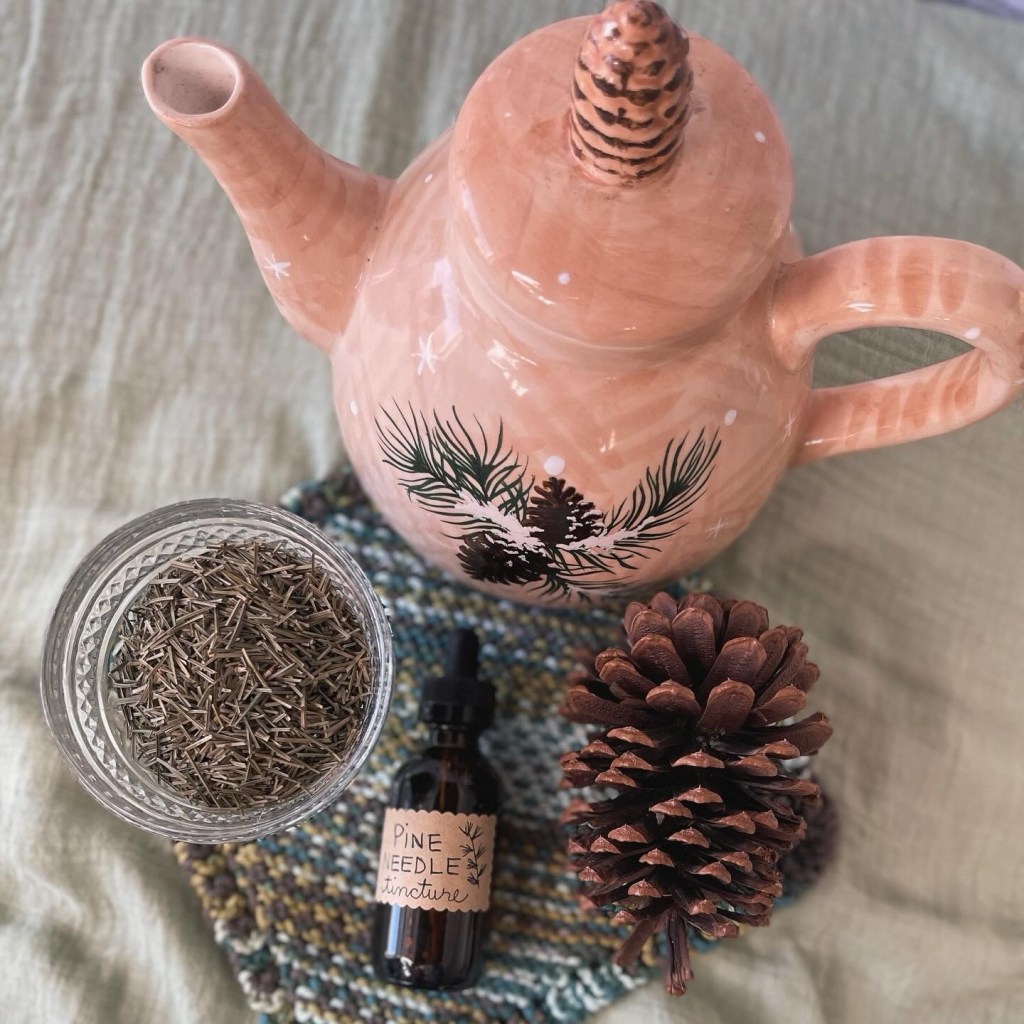
Pine Needle Tincture

A tincture is a simple and powerful way to experience an herb’s benefits and energies. I’ve brewed up a batch of pine needle tincture to enjoy the taste and effects this winter season!

Pine has so many benefits to body and mind. Medicinally, it can help aid the immune system with its high vitamin C content and antimicrobial qualities, it can help with pain and inflammation, and it can offer relief to colds and coughs. Energetically, pine is said to encourage peace, harmony, wisdom, intuition, grounding, and courage.


Here is the simple recipe for making your own pine tincture!

Materials

To make a pine tincture, fill a clean glass jar about ¾ full with dried pine needles (make sure you’ve sourced from a safe-to-consume species!) and top with high-proof alcohol such as vodka, filling to about an inch over the plant material. Stir with a wooden spoon or chopstick, and cap tightly with a bpa-free plastic lid. Store in a cool, dark place and shake daily for about 4-6 weeks. Strain and rebottle in a clean jar / dropper jars.


This can be taken medicinally by drops or dropperful in water or under the tongue…but it can also be enjoyed by the dropperful as an addition to tea or juice—or even used as fancy bitters in cocktails and mocktails! (I am envisioning it as a very cool wintry addition to an Irish whisky with gin & lime!) You can also mix a bit with a carrier oil and use it externally for minor pains and inflammation.


For educational purposes only. Not intended for medical advice. Always consult your physician.

*This post contains affiliate links, which means if you choose to buy something from a link that I share, I will make a small percentage of the sale *at no extra cost to you*.

Categories
herbal skincare Herbs and Herbalism

Beauty in Bloom!

I am extremely late to be posting this, but…I wanted to share about a publication I contributed two articles to! I am so excited to have had the opportunity to contribute to this gorgeous publication.

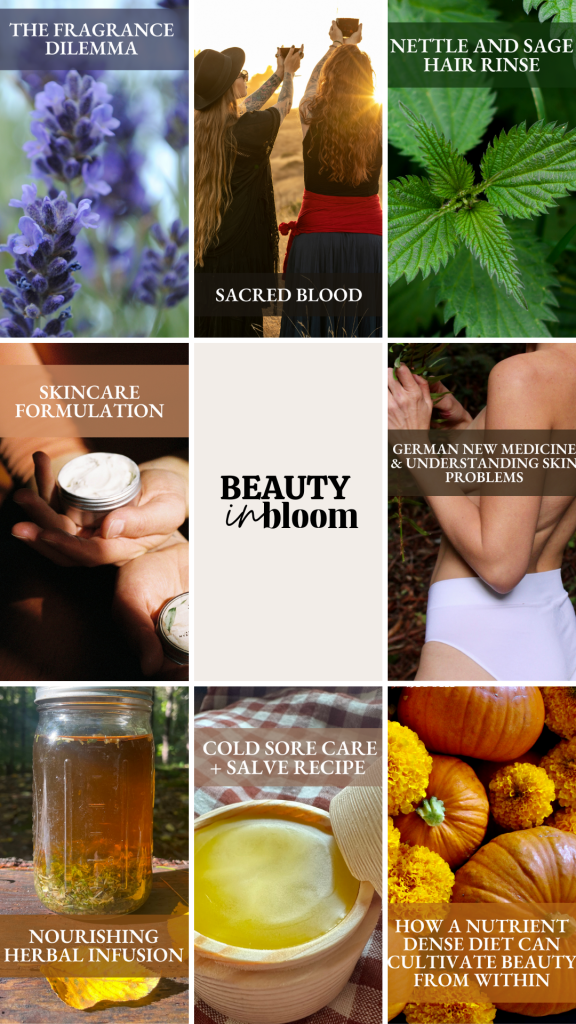
Beauty in Bloom” is a collaborative effort of 18 herbalists sharing 30+ recipes and DIY projects to help you with herbal self care and natural beauty from the inside out.

Holistic Beauty Glow-Up

At the heart of Beauty in Bloom lies the mission to redefine beauty as a holistic, interconnected experience beyond skin-deep. We believe in the power of the plants to nourish, heal, and elevate our well-being, and this belief has fueled the creation of our publication.

Beauty in Bloom is more than a beauty guide; it celebrates the synergy between humanity and nature. Our mission is to inspire you to embrace beauty practices that enhance your external radiance and honor the earth.

You’ll learn how to make your own skincare and hair care products and health remedies from herbalists and holistic health professionals, Including:

  • Healing Psoriasis Holistically- Tips & Tricks to support psoriasis
  • Cold Sore Care- Holistically formulate Herbal Salve & Tea Infusions for Cold Sores
  • DIY Magnesium Oil- For Sore Muscles & Nervous System
  • Gut Loving Mocktail- Mocktails for IBS, GERD, Bloating and Digestive Issues
  • DIY Herbal Cream Making and Cream Recipe
  • DIY Calendula + Olive Oil Lotion Bars
  • DIY Green Tea + Matcha Bath Soak
  • DIY Nettle + Sage Hair Rinse
  • Dina Charya- Dive into 6 Ayurveda self-care practices
  • Hibiscus Tinted Lip Balm Recipe- Avoid toxic chemicals in most colored lip products and make a nourishing one from commonly found herbs.
  • DIY Rendering Tallow for Skin Health
  • How a Nutrient-Dense Diet Can Cultivate Beauty From Within
  • Nurturing Your Skin’s Guardian- The Acid Mantle and Tending To Skin Health
  • Herbal Glow Gycerite Recipe for Glowing Skin
  • Thyme- Herbal Spotlight on Thyme and The Benefits for Skin Health
  • Held By The Earth- Self-Care and Connecting to Natural Medicines as a Birthright
  • Sacred Blood- Rituals for Menstrual Cycle Stages
  • Herbal Allies for The Lymphatic System
  • Kakuda Plum- Ingredient Spotlight and Skin Care Uses
  • Skin Care Formulation with Australian Lemon Myrtle and sandalwood
  • German New Medicine- Knowing Patterns for Wellness and Healthy Skin
  • Mallow Succus- Using Mallow for Hair Rinse and Body Nourishment
  • Chamomile- Creating Healing Serums for Skin
  • Supporting the Nervous System for Healthy Skin
  • From Head to Toe- Self-Care Practices and a DIY Spa Day from home
  • The Fragrance Dilemma- Toxic Phthalates and the Impact on Skin & Endocrine Systems

All of the projects are easy to make and use commonly found herbs, flowers, oils, and other natural ingredients. No fancy equipment or previous experience is required! “Beauty in Bloom” is packed with basic formulas to make your own one-of-a-kind creations. Going organic has never been easier or more affordable. With the wisdom of 18 Herbalists, “Beauty in Bloom” empowers you to use local, natural ingredients to make something beautiful, effective, and good for you and your family.

Choose your path to “Beauty in Bloom”:

📖 Printed Petals: Immerse yourself in the tangible beauty of “Beauty in Bloom.” Click [here] to order your printed copy and receive a carefully crafted guide delivered to your doorstep.

🌐 Digital Bloom: Dive into the world of “Beauty in Bloom” instantly. Click [here] to secure your digital copy now. Access over 30 recipes and formulas for DIY skincare and holistic well-being from the comfort of your digital device.

What to Expect in Beauty in Bloom:

DIY Herbal Formulas: Unleash your creativity with over 30 recipes and formulas for homemade body lotions, skin creams, herbal medicines, and more.

Educational Insights: Dive deep into topics like Ayurveda, hormonal balance, and the benefits of natural ingredients, guided by herbalists and holistic health professionals.

Empowering You: “Beauty in Bloom” is more than a publication; it’s your companion on the path to self-empowerment, enabling you to take charge of your beauty and well-being.

Join us in redefining beauty as a holistic experience that begins within and blooms into a radiant, harmonious existence.

Let the beauty revolution begin!

Categories
Botanical Anthology Herbs and Herbalism Recipes

Immune Boosting Herbs + Tea

This article appears in the Winter 2022 edition of Botanical Anthology. You can purchase a digital copy HERE or a print copy HERE.

Along with the joys winter brings, it unfortunately also carries increased risk of illness in its wake. Between extra time spent indoors during colder weather and the season’s gatherings and festivities, exposure to many types of illnesses sees a dramatic uptick. To that end, immune support becomes a constant refrain.

Herbal allies can be indispensable when it comes to this winter barrage of germs. But what does “herbal immune boosting” mean? It is a many-pronged approach to keeping your body functioning optimally so that you might avoid some illnesses altogether, or at least lessen their severity. Different types of herbs work together synergistically to aid with this never-ending task.


Adaptogens
Fatigue, burnout, and chronic stress are common problems that weaken the immune system and its ability to fend off illness. Adaptogenic herbs help restore balance and protect the body’s systems and processes to counter these effects, the immune system being an important beneficiary. Tulsi, astragalus, reishi and chaga mushrooms and licorice root are just a few examples of adaptogens.

Nervines
Stress and insomnia deplete the body and create the perfect breeding ground for germs. Luckily, nervine herbs help combat both of these issues, and many are gentle and safe for everyday use for most individuals. As an added bonus, some nervines have antimicrobial properties, too. Gentle nervine herbs include chamomile, lavender, lemon balm, tulsi, rosemary, linden, hawthorn, and passionflower.

Diaphoretics
Diaphoretic herbs are warming and promote circulation. Once sick, these herbs go on to help sweat out a fever and offer respiratory relief. These include yarrow, elderflower and berry, chamomile, ginger, catnip, cayenne, garlic, and linden.

Aromatics
Aromatic herbs don’t just taste great—they provide important immune boosting actions, too. Most aid digestion, while also offering strong antimicrobial support. These germ-killers include ginger, cardamom, cinnamon, cloves, anise, allspice, rosemary, and fennel.

Antioxidants
Antioxidants like vitamin C aid immunity by supporting and stimulating antimicrobial actions on a cellular level as well as protecting body tissues from damage. Antioxidant herbs that provide much-needed immune boosting include rooibos, rose hips, hibiscus, elderberry, orange peel, and raspberry leaves.

Alteratives
Alterative herbs aid in detoxifying your body by supporting the organs and systems that handle this important task. You need your liver, kidneys, and lymphatic system in tip-top shape to fight off illness! This category of herbs includes echinacea, calendula, dandelion root, burdock root, and nettles.


There are countless combinations one can work with to create an immune-boosting herbal recipe. To make things a little less daunting, here is a simple tea as a starting point. It features elderberry, a tried-and- true immunity aid, but also rooibos, an oft-overlooked antioxidant powerhouse. There is a bit here from each of the above categories, and plenty to tempt the taste buds, as well.

Blend this combination of herbs as the recipe states, or use it as a jumping-off point to inspire your own immune supporting formulation!


Materials
3 tbsp elderberry, dried 2 tbsp rooibos
2 tbsp tulsi
1 tbsp calendula
1 tbsp lemon balm
1⁄2 tbsp yarrow
1⁄2 tbsp ginger
1⁄2 tbsp cinnamon
Fresh orange zest or slice, if desired
Honey, if desired

Method
Mix all ingredients except orange in a bowl. Transfer to an airtight container.

To make a single cup of tea, add 1 tablespoon to a tea strainer, eco-friendly tea bag, or French press. Pour about 1 1⁄2 cups hot water over the tea and steep for 5 to 10 minutes. Add fresh orange zest or orange slice and honey to taste, if desired.

Notes This recipe yields approximately 10 servings of tea.
If making a small batch, measure the parts in teaspoons—it should yield about 2 servings of tea.


For educational purposes only. Not intended for medical advice. Always consult your physician.

*This post contains affiliate links, which means if you choose to buy something from a link that I share, I will make a small percentage of the sale *at no extra cost to you*.

Categories
herbal skincare Herbs and Herbalism Hygge Recipes

Autumn Spice Botanical Hand Soap

DIY botanical hand soap is incredibly simple to make and can bring lovely, refreshing scent, moisturizing properties, and natural ingredients to the sinks in your home. It also makes a nice house-warming or holiday gift!

It is something extra special to concoct your own personalized soap from some of your favorite natural ingredients. You can capture the season, cozy vibes, and your favorite scents all in something you use many times a day! And the process of very easy and fun! My eight-year-old daughter especially enjoys creating this hand soap with me.

Simply combine castile soap, water, herb-infused oil (such as coconut, jojoba, sweet almond, or olive oil), and essential oils (these are optional but help add a stronger scent). You can also add ingredients like vegetable glycerine and/or aloe vera for extra moisturization, and vitamin E oil to extend the shelf life.

For this particular batch of hand soap, I invoked an autumnal energy by including rose-infused jojoba oil, orange essential oil, frankincense essential oil, cinnamon sticks, star anise, dried orange, and a few cloves. The dried botanicals and spices are added for accent and visual appeal, and they are hard enough so they won’t break down too much in the soap mixture to interfere with the soap. If you’d like, envision a warming and cozy intention while adding these to this soap your family and friends will use in your home.

Here is the recipe!


Autumn Spice Hand Soap

Materials:

Instructions:

Starting with a clean jar, add 1 cup water. Add 1/2 cup castille soap and all other ingredients. Replace lid and carefully swirl vigorously to mix. If the jar looks too empty, top up with a bit more water and castille soap.

The mixture will be a bit foamy at the top, and will be thin but luxuriously moisturizing for the skin.

Note: you may need to give it a swirl once in a while as the ingredients can separate while it sits and settles. Also, if very young children or anyone with skin sensitivities will be using the soap, you can omit the essential oils.


Would you make DIY hand soap? Which ingredients or scents would you use in yours?


For educational purposes only. Not intended for medical advice. Always consult your physician.

*This post contains affiliate links, which means if you choose to buy something from a link that I share, I will make a small percentage of the sale *at no extra cost to you*.

Categories
Folklore Herbs and Herbalism Recipes

Protection Carpet & Sweeping Powder

This time of year, the quest for protection from illness lines right up nicely with the folk idea of protection from negative energy, unfriendly spirits, and the like. Whether you are seeking one, the other, or both forms of protection, there is a simple and cozy way to invoke that sentiment, freshen your house, and refresh the energies of your home: herbal carpet powder!

Did you know that strewing herbs on the floor goes way, way back? From the ancient Romans to the Middle Ages, and even up to about the 18th century herbs were strewn over the floor with rushes and straw to release a pleasant aroma and repel unwanted pests. Some households swept them up each day and replaced them with fresh herbs, while others left them for a longer interval. Rosemary, lavender, chamomile, hyssop, sage, and marjoram were among the many herbs commonly used for this purpose. Modern carpet / vacuum powders aren’t left on the floor for very long—you let them sit for 15-30 minutes before vacuuming back up—but they certainly hearken back to this practice.

While you can easily buy ready-made carpet powders at the grocery store, it is incredibly easy and fun to make your own and stir a bit of intention and personalization into the mix. If you have pets and small children, it would be best to leave out any essential oils or only use the gentlest ones you’re already used to using around your small people and creatures. Otherwise, you can experiment and create your own blend that combines the scents and intentions you prefer!

For this recipe, I’ve used rosemary for protection and remembrance (for the upcoming sabbat of Samhain); allspice and cinnamon for prosperity, luck, and healing; and orange for lovely, cozy, and uplifting vibes. And all these ingredients have antibacterial and antimicrobial properties!


Ingredients:

3 cups baking soda

3 tsp rosemary powder

1 tsp allspice powder

1 tsp cinnamon powder

20 drops sweet orange essential oil

OR 1-2 tsp orange zest

Method:

Mix ingredients well in a bowl and transfer to a glass jar. I used an empty Himalayan pink salt shaker jar because of the convenient shaker lid! Sprinkle on your carpet (and even wood or tile floors if you like), allow to sit for 15-30 minutes, and then vacuum up thoroughly. You can also sprinkle a bit of this powder around doorways and windowsills to repel insects (and maybe more? 👻).


For educational purposes only. Not intended for medical advice. Always consult your physician.

*This post contains affiliate links, which means if you choose to buy something from a link that I share, I will make a small percentage of the sale *at no extra cost to you*.