I can’t believe October is already more than halfway through! Life has certainly been busy over here in the Herbology Faerie’s apothecary. My children have been home for their two week fall break, my husband took a trip for work, there have been visitors and visits, sickness, and it’s just been a bit of chaos around here. But I have still been connecting with the plant world, so I am here to share a bit about that!
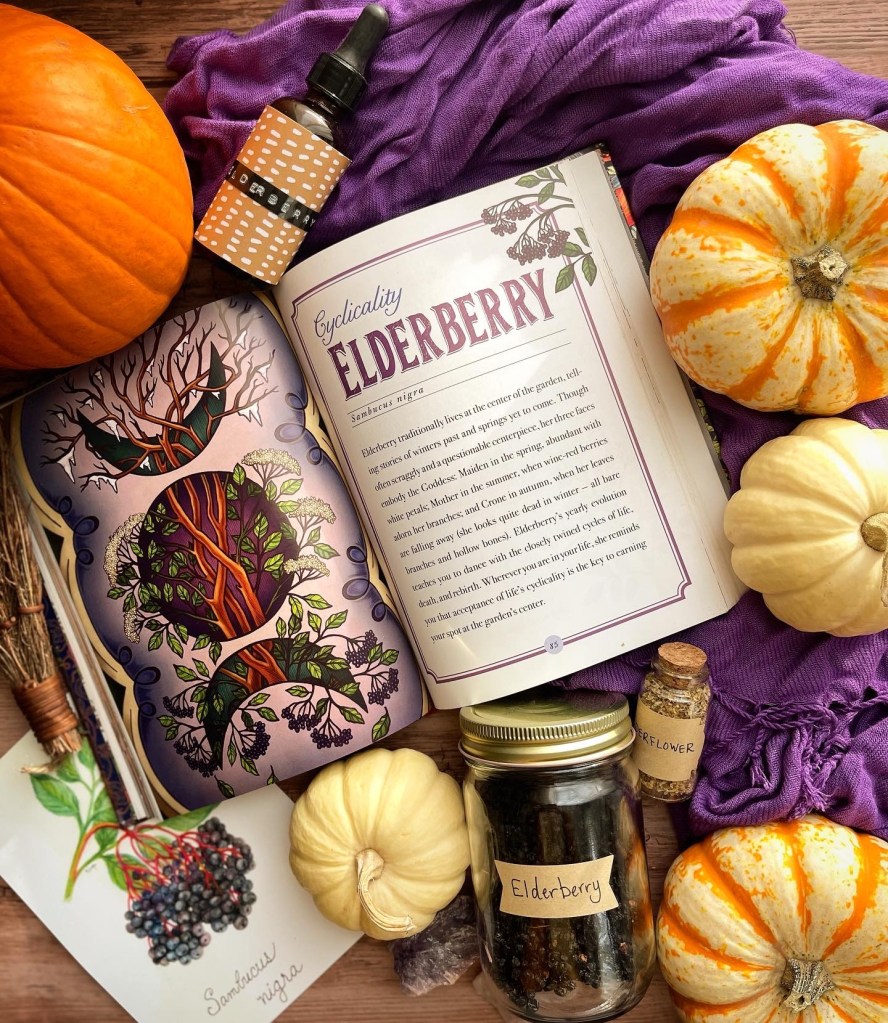
This month has been elderberry month at the Plant Wonder Collective! I have so enjoyed working with lovely elderberry this October. I have not yet had the time to write up a monograph post for elderberry this month, but I will try to do that before October is done. Meanwhile, here is a link to the Plant Wonder Collective’selderberry monograph post!
I have concocted a couple of fun elderberry potions this month which I have shared on Instagram. I’ll share them here, too, to make them easier to find. First up: an elderberry hot toddy!
Next, I shared the beginnings of my elderberry infused gin this week. It is still infusing, but I will be straining it soon and sharing a cocktail or two made with this lovely liquor. Here is the initial post about its creation!
I hope October is treating you well, friends! Perhaps you’ll find some inspiration here to connect with elderberry in your own ways this month, or in the months to come!
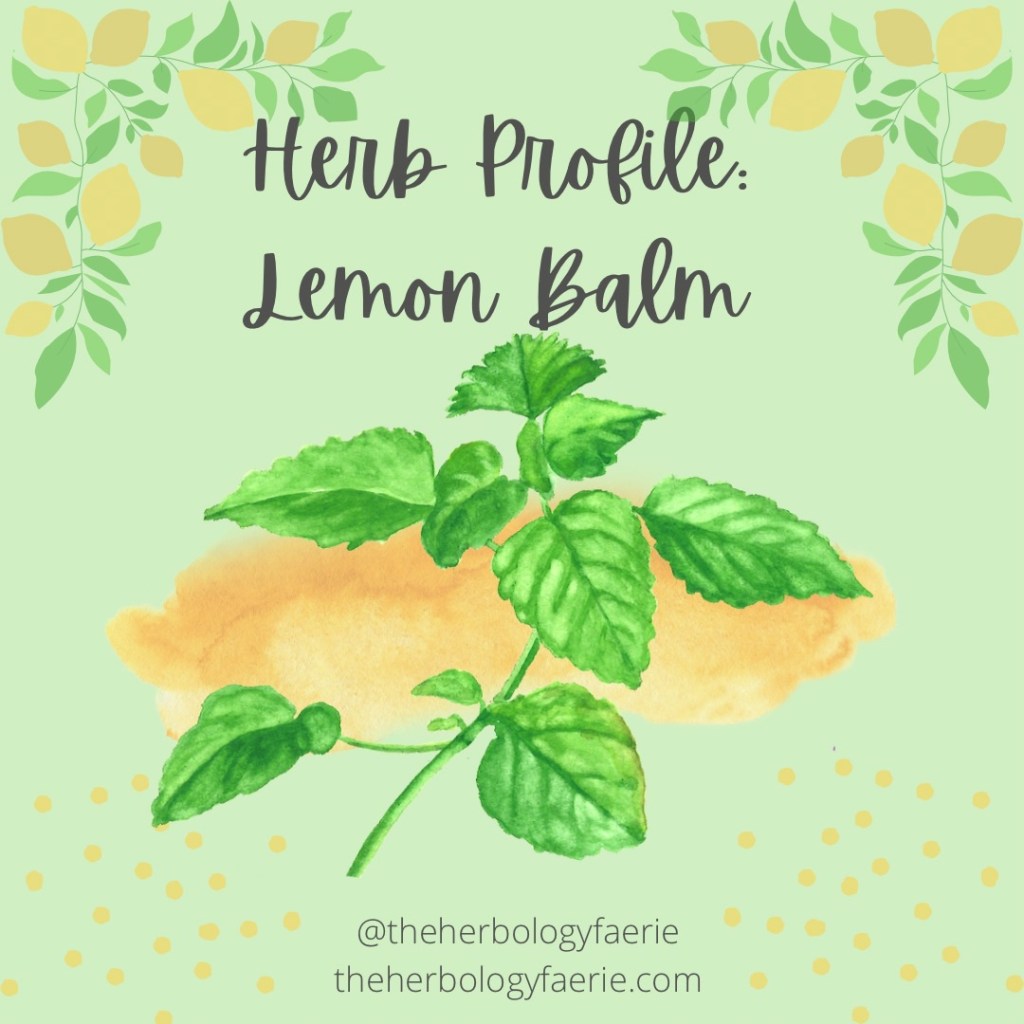
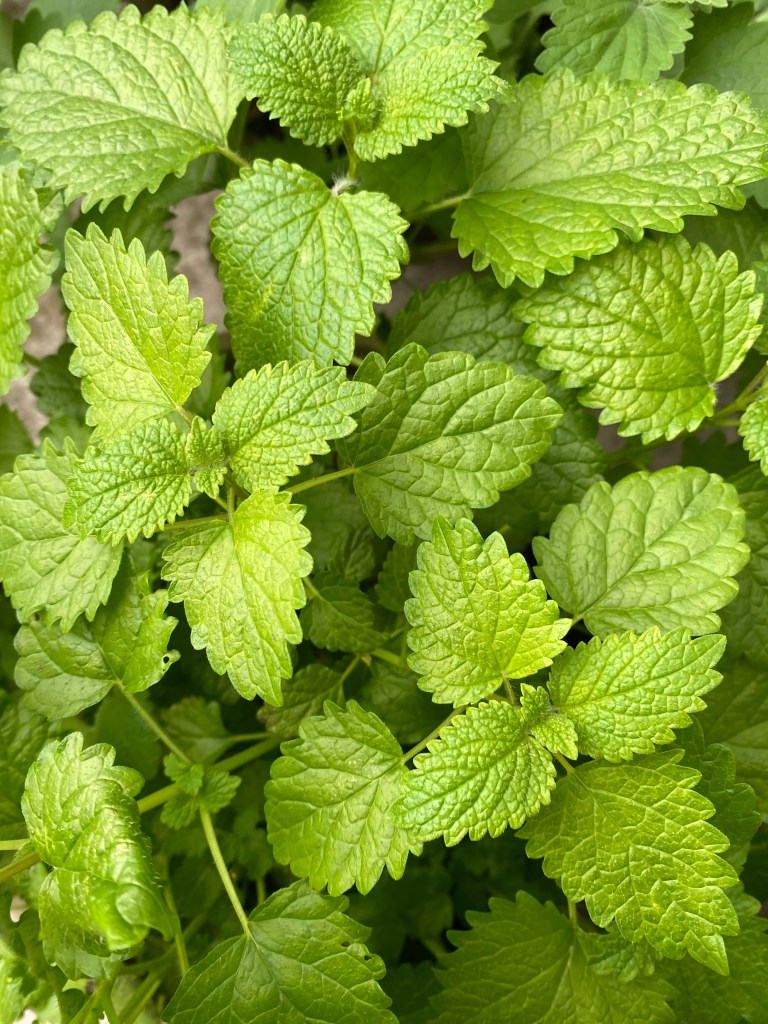
Happy September! It’s a new month (one of the best ones!) and time for a new plant profile. Since I’ve officially joined in on the Plant Wonder Collective on Instagram, I’m going to begin featuring the PWC herb of the month in my plant profile blog posts to coincide. So, for September, let’s take a look at lemon balm!
I think of lemon balm as being one of the most “chill” herbs I’ve had the pleasure to befriend and work with. The spirit of this plant is so happy, cheerful, and uplifting. And its scent and taste are, too! It should come as no surprise, then, that lemon balm is considered a relaxing nervine herb. But it is so much more than that, too!
Originally native to southern and Central Europe, the Middle East, and parts of Asia, lemon balm is now much more widespread in its naturalization. One thing I find fascinating about lemon balm is its varied recorded historical uses—from the Greeks and Romans, to the Middle Ages, and beyond. It was a favorite strewing herb and had many medicinal, culinary, and even perfuming applications. In folklore, lemon balm is associated with protection and joy (echoing its medicinal qualities) and is associated with the goddess Diana.
Lemon balm has a primarily sour taste (though many find it sweet as well) and is energetically cooling and drying. It has a wide range of properties—relaxing nervine, antiviral and antimicrobial, antioxidant, antispasmodic, digestant, and probably more. Lemon balm is well known as a gentle, safe aid for stress, anxiety, indigestion, nausea, and insomnia. It is also helpful for colds, fever, flu, and other infections, as well as topically for rashes, small wounds, and bug bites. It is great for the heart, cognitive function, and pain, and can help with depression and seasonal affective disorder as well.
One thing I’ve observed about lemon balm is that it smells and tastes much more potent and lemony when fresh. Dried lemon balm is equally useful and you’ll find it in many herbal teas, but nothing compares to fresh lemon balm. If you don’t have access to garden space, this is one herb you’ll definitely want to consider growing in a sunny windowsill!
I’ll be sharing more lemon balm recipes both here and over on Instagram throughout September, but I’ll leave you with one of the simplest and most soothing tea recipes I’ve encountered. It’s a classic you’re sure to have seen before on other recipe blogs or books, or even in a supermarket tea. There is a reason for that! It tastes wonderful cold or hot, it’s safe for kids and adults, and it is a gently relaxing tea to help with stress, anxiety, depression, digestion, colds, and insomnia.
Simple Soother:
1 part lemon balm
1 part chamomile
½ part lavender
That’s it! You can use fresh or dried herbs interchangeably in this recipe; I use what I have on hand. I like to cold brew big jars of this overnight and sip it any time of the day. I also share it with my kids, because they love it!
Are you a lemon balm lover? What is your favorite way to work with lemon balm?
———
Sources:
• Rosalee de la Foret, Herb Mentor monograph
• Rebecca Beyer, Wild Witchcraft
• Sarah Farr, Healing Herbal Teas
• Tina Sams, Herbal Medicine for Emotional Healing
Not long ago, I shared a post that was a brief overview of nervine herbsand how they work to relax, tone, soothe, calm, and even gently stimulate the nervous system, digestive function, and circulation. Nervines are such gentle, steady friends!
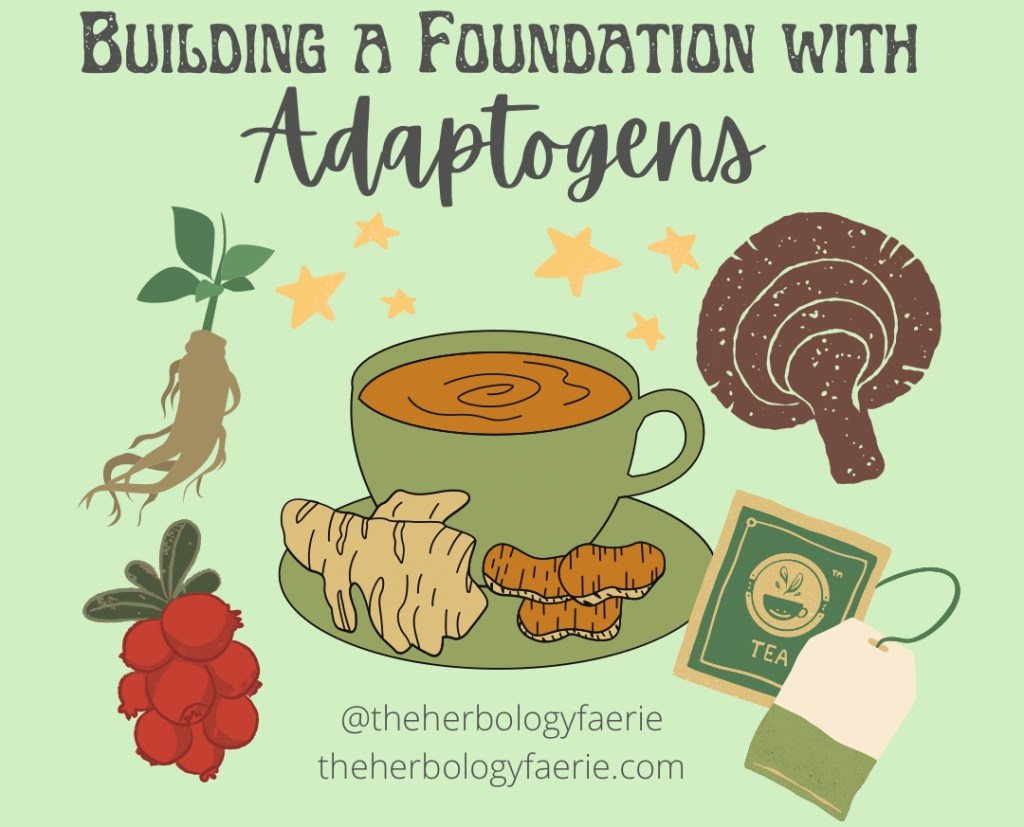
I thought today I would touch on another, often overlapping category of herbs and botanicals: adaptogens.
Where nervines primarily help calm, adaptogens are known for helping to stabilize and protect. They are extremely grounding; help to protect from fatigue, overwhelm, and burnout; aid against anxiety, depression, and chronic stress; support and protect brain function; build resilience and uplift; and aid the immune system. Basically, adaptogens are powerhouse holistic mental and physical health supporters! Though every person’s constitution and health situation is different and they must use caution before trying any new substances, many adaptogens are generally as safe as most nervines are in normal doses.
If you prefer a less clinical perspective, think of it this way. While nervines can offer you a steady, calming pulse of reassurance and mental and physical support, adaptogens can hold you up, offer you inner strength, sharpen your mind, and keep you going. Adaptogens have your back.
So, who are these adaptogenic allies? Here is a list of a few of my favorites!
Tulsi
Nettles
Rhodiola
Schisandra
Eleuthero
Ashwagandha
Reishi
Astragalus
Licorice
Maca
Green tea
Ginseng
Most of these adaptogens can be found where you purchase herbs online if you can’t find them in person—Mountain Rose Herbs is often where I go to look for herbs on this list.
And now it’s recipe time! I thought I’d share two adaptogen recipes: a tea and a tincture. The tea is a great one to sip in the morning—you might even want to replace coffee with it sometimes for a more stable energy boost. In both the tea and the tincture, I’ve added some nervines too for taste and added benefits.
Simple Strength Adaptogen Tea:
1 part green tea
1 part tulsi
½ part mint
½ part cardamom
¼ part fennel
Adaptogen Tincture:
1 part ashwagandha
1 part astragalus
1 part nettle
½ part mint
Vodka
. . . . . . .
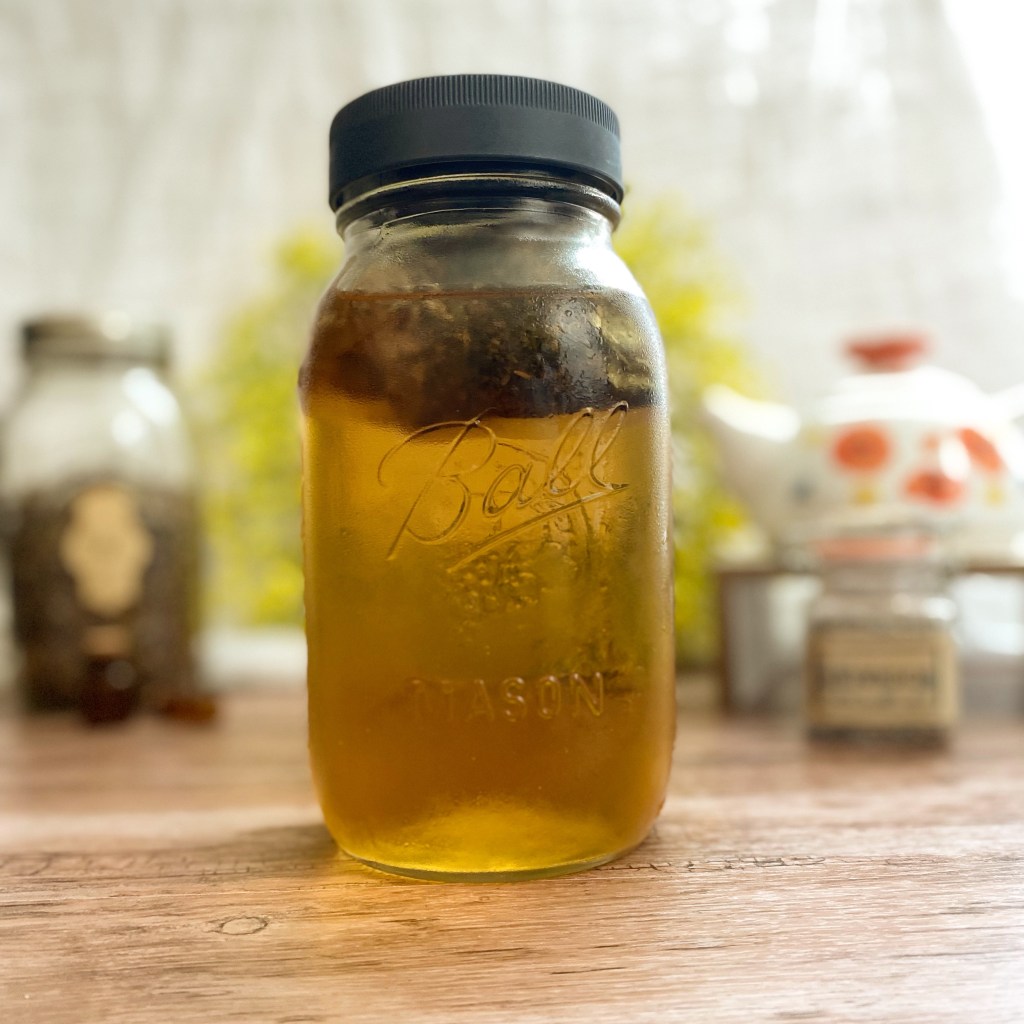
Place herbs in a clean glass jar. Fill about ½ inch above the herbs with vodka, using a wooden spoon to make sure the herbs are fully covered. Place waxed paper and canning lid or bpa-free plastic lid on jar and store in a cool, dry place. Shake the jar each day, and if the herbs rise above the vodka or appear to have absorbed too much, add a bit more to cover them. (You can also move your mixture to a larger jar mid-process if needed.) Allow to macerate for 4-6 weeks. Strain into dropper bottles; take one dropperful either in a glass of water, in another beverage, or under the tongue.
If your health situation supports it, then daily doses of a couple of adaptogens that are suited to your needs can be an amazing holistic health approach. Many people sip on an adaptogen-based beverage every day instead of coffee to build up a strong foundation and mental and physical reserves. (I actually enjoy drinking coffee that has adaptogens right in it!)
Are you new to adaptogenic herbs? If not, which are your favorites? If so, which do you think you’d like to try?
July is flying by! I blinked and now we are halfway through this month already; I kind of can’t even get my bearings. My twins’ fifth birthday began the month, there are other family goings-on, and it’s already back-to-school shopping time as my kids go back to school at the end of this month! (We have a different school calendar than most where we live.) Needless to say, my brain is a bit scrambled. But I’m here to talk about a favorite herb of mine for this crazy time of year—it’s not a nervine, but it pairs well with them and has an incredibly soothing effect during this hottest part of the year. It’s hibiscus!
There are actually many varieties of hibiscus, but the species most commonly referred to and used for consumption is Hibiscus sabdariffa. This hibiscus is also called roselle or sorrel. It is likely native to North or West Africa but now grows in many places throughout the world, and has been long used in Africa, Southeast Asia, Latin America, and the Caribbean.
Hibiscus is considered a sour herb with cooling and moistening properties. It is especially helpful for heart health, blood pressure regulation, inflammation modulating, summer cooling, and nutrition as it’s dense with vitamins, minerals, and antioxidants.
Hibiscus tastes delicious—hibiscus tea is strongly reminiscent of cranberry juice! My kids love making hibiscus and berry sun tea during the summer months and then chilling it in the fridge for a sweet, cooling summer beverage. When you’re making your own blends with hibiscus, think about combining it with chamomile or mint, cinnamon, honey, and your favorite fruits.
Hibiscus doesn’t do well as an alcohol tincture, so tea or food tend to be the most common ways it’s consumed. (It used to be commonly made into jam, and in some regions is eaten pickled!) Though that summer connection with hibiscus is strong, I also love using it as an ingredient in wintertime non-alcoholic mulled “wine” tea as it has that sharp, deep berry flavor that mimics wine and tastes great with warming spices.
But since we are still very much in the heat of summer in the U.S. where I am, I’m going to share a super simple and refreshing hibiscus drink I love to make. It’s a very flexible recipe; use whichever ingredients you like or have on-hand!
——————————
Do you enjoy hibiscus? What are your favorite types of hibiscus drinks, or even foods if you’ve tried them?
——————————————
Sources:
• Rosalee de la Foret, Herb Mentor monograph
• Apothecary At Home’s hibiscus herb-of-the-month club box
Today’s blog post is all about my unique take on a method of herbalism study called “herbal simpling.” I am including a related resource at the end of this post, so please read on to learn more and see if you want to check it out!
I often call myself a “hygge herbalist.” The concept of hygge resonates with me deeply, and though I have an ancestral connection to it, I don’t think that’s necessary at all to feel hygge in your bones. Hygge has a strong link to rustic, folk DIY endeavors that you derive a deep sense of fulfillment from, and this is definitely the angle I approach herbalism from. It’s something that soothes my soul.
I also love learning and growing as an herbalist, in my self-paced, cobbled together type of self-education. In this vein, I really gravitate to the approach called “herbal simpling,” which is as simple as it sounds. Basically, you develop a relationship and deeper understanding of each herb by studying them one at a time. You take a deep dive with each herb by reading, tasting, meditating, and creating with it.
This approach can be very cerebral and academic, or it can be very cozy and grounding. I do prefer the latter. I like making friends with each herb as I get to know it. Not only does it help build a foundation in herbal knowledge you can be proud of, but it helps you feel so very familiarly comfortable and, yes, friendly, with the herbs as you learn about them. You come to know who to lean on when you’re feeling down, who to rely on when stress has worn you thin, who peps you up when you have a cold or soothes you best when you’re in pain. Each person is unique, and so different herbs work best with one’s unique needs and states.
Herbal simpling can even be a welcoming methodology for the hobby, casual, intimidated, time-constrained, or resource-lacking herbalist. (Because yes, even in any of these circumstances, you can still be an herbalist if you want to be!) You can choose your particular study methods based on your constraints, interests, and needs. You can choose herbs you have easy access to as the subjects of your study (think the grocery store tea and spice aisles). You can choose the aspects of herbs to study that interest or pertain to you.
So, if you’d like to give herbal simpling a try, I am including a link to a useful Pinterest board below this post that you can use for that very purpose! It’s a collection of free and low-cost simpling and materia medica pages or journals, so you can choose which one/s meet your needs to use as you begin your herbal simpling journey. Or, you can use these examples as a starting point to develop your own worksheet that meets your specific needs.
So, which herb are you going to get to know first?
In the northern hemisphere, summer has just begun! In my neck of the woods, it is almost unbearably hot this time of year; that summer sunshine can be intense. So, for June’s herb profile, I thought I would talk about a favorite cooling herb of mine: mint.
I was actually also inspired by the Plant Wonder Collectiveon Instagram to talk about mint, too, because it’s their herb of the month. If you aren’t already following along with their monthly herb features, I highly recommend that you do! They share collective recipes, DIYs, information, and botanical love featuring a different herb each month and showcasing many varied contributors. I’ve just recently begun following along and I am so enjoying it!
Anyway, back to mint! It’s actually interesting because many people are referring specifically to peppermint when they mention mint, but there are actually many varieties of mint. Sweet mint, spearmint, wild mint, water mint, apple mint, pineapple mint, brandy mint, chocolate mint, orange mint, horse mint, foxtail mint, mojito mint, and many others grow in a variety of areas around the world. (Interestingly, the specific species of peppermint wasn’t officially recorded in the Western pharmacopoeia until the mid-1700s!)
Mint should not be written off as simply a flavoring. It can be a potent ally in so many ways! Mint varieties can vary from warming to cooling, but peppermint is cooling, and drying. The properties of mint include digestive, mood boosting, uplifting and calming, memory and focus enhancing, gently energizing, pain easing, cold relieving, anti-inflammatory, anti-nausea, antibacterial, anti-fungal properties, and more. In folk belief, mint is associated with healing, prosperity, vitality, communication, dreams, awakening, protection, purification and cleansing, love, and positivity.
A note on growing your own mint, if you are considering adding it to an herb garden: it is best in containers! Mint is easy to grow and absolutely flourishes…a little too well. It will take over any space where you plant it and overtake its neighboring herbs. So, it’s best to plant mint in its own separate containers rather than in a shared herb bed. That said, mint is incredibly beginner-friendly and a great starter herb for those just testing the gardening waters!
Though some might associate the flavor of mint with winter holidays, I love it for its cooling effects in the summer! There is nothing better than a cold infusion of fresh mint and its cousin lemon balm, kept in a jar in the fridge to be sipped throughout the day. Also, a sun tea of mint, hibiscus, and lime is super refreshing and cooling on a hot day.
Here is one more recipe, for Summer Mint Moon Tea. I like to moon-brew (overnight infusion) this combo of herbs and enjoy it before bed as a cooling, calming, soothing sip. Its combination of cooling, calming, memory-aiding, dream-inducing, and heart-soothing herbs makes for sweet summertime dreams.
Summer Mint Moon Tea:
2 parts mint (peppermint or spearmint)
1 part lavender
1 part rosemary
1 part mugwort
1/2 – 1 part rose petals
——————————
Are you a mint-lover? How many varieties of mint have you tried? Do you have any unique ways you like to work with mint?
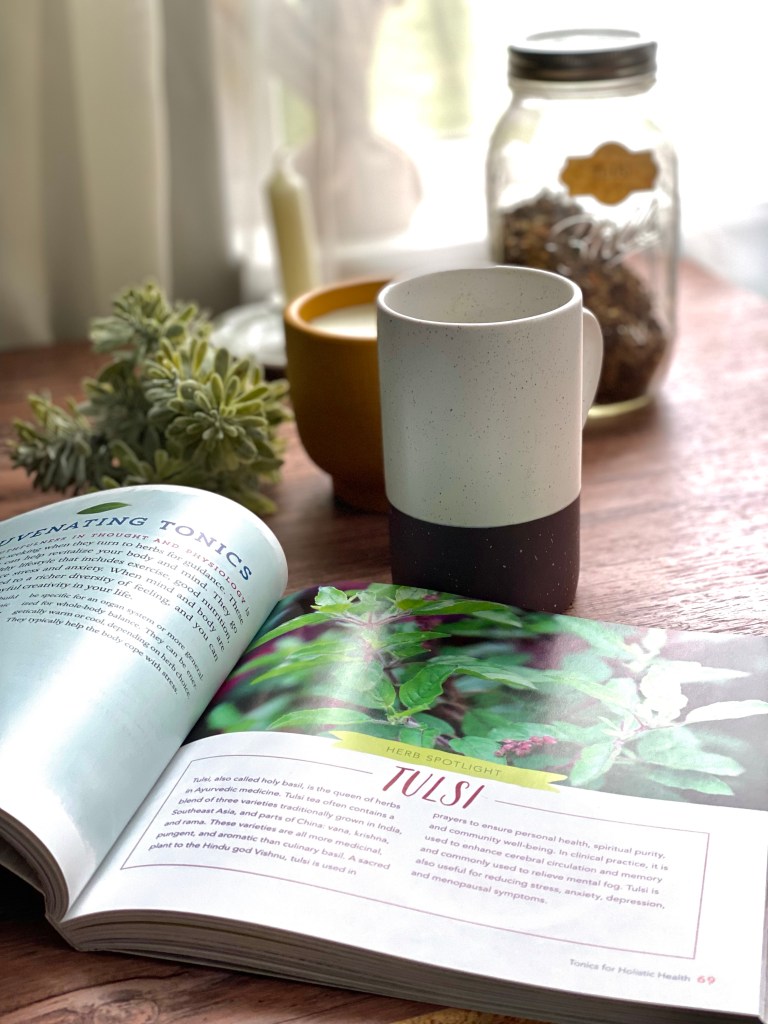
Hello, Herbology Faeries! It has been busy around these parts and I’ve had less time for the blog than I would have hoped this past month…but I am back today with another herb profile. Today we’re talking about an herb I lean on a LOT for support and grounding: tulsi!
Tulsi, or Holy Basil, is a pungent, aromatic, and somewhat warming herb. Though tulsi has reached herbal popularity heights in Western herbalism, it is a sacred plant in India and is native to subtropical climates. It thrives best grown in warm, sunny regions.
It’s easy to see why tulsi is so revered in India and beyond. Tulsi is an herb that does it ALL. It is a relaxing nervine and an adaptogen, meaning it addresses stress, anxiety, depression, and overall health and functioning. Tulsi is also incredibly helpful for pain, infections, viruses, heart health and blood pressure, allergies, high blood sugar, digestion, cognitive health, the immune system, and more. It is one of those herbs you can’t go wrong with as a daily tonic. (Some suggest caution if fertility is a priority for you, as tulsi may affect that.) Not only offering these health benefits, tulsi is also grounding and soothing to the spirit.
Tulsi represents spiritual and physical health, the well-being of the home and community, and mindfulness and the body-mind connection. Maia Toll says very aptly in her book The Illustrated Herbiary that tulsi reminds you to “come home” to your body and to honor your body and your spirit. If you ever feel like you need a reminder that you are enough, tulsi is definitely the ally to seek out.
You can use tulsi in teas, tinctures, oils, honey, and even as a culinary herb to flavor foods. Tulsi pairs excellently with spicy botanicals like ginger and cardamom, or with cooling herbs like mint and hibiscus. Honestly, though, I’ve rarely felt there was a combination of herbs that didn’t blend well with tulsi.
Instead of offering a recipe, I’m going to suggest a couple of simple options to help you get to know tulsi. The first is to purchase some tulsi and make a strong cup of hot tulsi tea. In my opinion, this herb stands so well on its own and is so incredibly grounding and nourishing, you will benefit from getting to know it on its own. I’m not kidding—sipping a strong mug of hot tulsi is like wrapping up in the softest blanket. It is pure comfort.
The other option I’m suggesting is this: if you need the simplest, cheapest, or most low-energy means of introduction to tulsi, you can find boxed tulsi tea without too much trouble. Traditional Medicinals sells a delicious Tulsi with Ginger tea, Numi makes a Tulsi blend, and Pukka has a Tulsi Clarity tea—you might even be able to find one of these at the grocery store, depending on your location. Trying a store bought variety of herbal tea is a super accessible, and no less legitimate approach!
So, are you a tulsi / holy basil lover already? If not, are you planning to give this amazing herb a try?
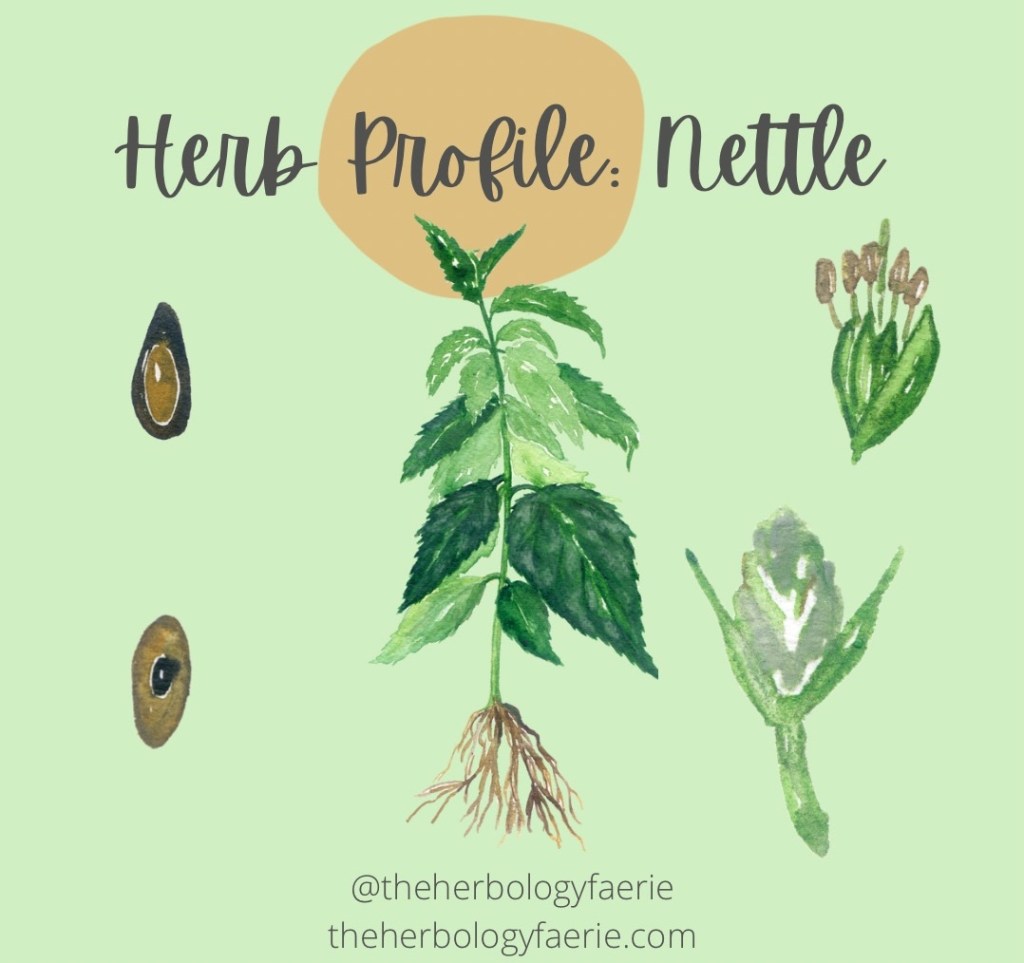
Hey there, Herbology Faeries! Since spring is almost here, I thought I’d share a new herb profile today about the herb I most associate with early spring: nettle.
Nettle, or stinging nettle, is a sign of early spring because in many places it flourishes during this time. Nettle is also a beneficial spring ally in aiding with seasonal allergies, nourishing and toning body systems after the winter, fighting inflammation, and much more. Folk traditions see nettle as a protective ally, helping with not only healing but also courage and banishing, and it’s not hard to see why when you encounter its prickles!
I know there are many who forage fresh nettles in the spring. There are many benefits to consuming local, fresh nettles. That said, not everyone has local nettles available or are not able to get out there and brave the stings to collect them fresh. That’s okay—high quality dried nettle can be purchased from small online apothecaries or Mountain Rose Herbs.
Nettle is a salty, slightly bitter, cooling and drying herb. It is nutrient dense, full of fiber, iron, calcium, and magnesium. Not only is nettle used to support allergies and to nourish the body, but it’s said to aid menstrual issues, eczema, fatigue, arthritis, and more. It’s a wonderful herb to consume daily as a holistic health aid for maintaining energy and health. The main safety considerations with nettles are the stings if you are working with fresh nettles (use gloves and blanch the leaves before consumption), and the diuretic effect the herb has—you might need to adjust your intake based on how strongly this affects you.
I do drink nettle in tea—it goes well combined with herbs like mint and rose. I am also intrigued with the idea of using nettle as food! You see many instances of this online: nettle pesto, nettle soup, even dried nettle used in baking. I am experimenting with using nettle in homemade ramen recipes for a salty, mineral-y kick and added nutrition!
Here is a simple springtime tea recipe featuring nettle, to get you started with this wonderful ally!
Daily Nettle Boost:
• 1 part nettle
• 1 part tulsi
• 1 part peppermint
• 1/2 part rosemary
This can be hot-brewed by the cup if you prefer it in small doses. You can also hot or cold brew it in a larger batch in a glass jar. If cold brewing, the longer you let it brew, the more helpful constituents will be infused into your tea. I’ve run across some sources that say you should hot brew nettle and let it infuse for 4+ hours to reap the full benefits, but I prefer my nettle a bit weaker and more palatable than that—to keep me coming back to it!
Have you tried nettles? How do you like to prepare them, or how do you think you would like to if you’re new to them?
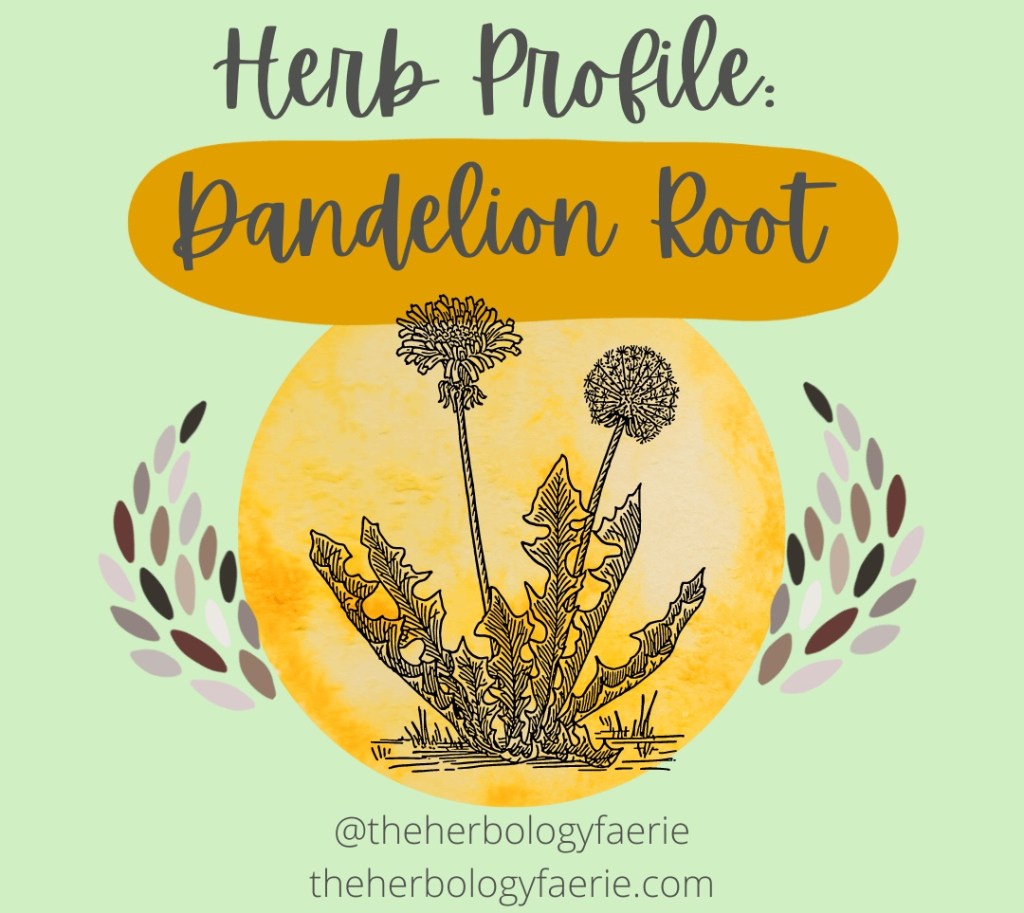
I’m back with another herb profile about one of my very favorite herbs, this time being dandelion root! Dandelions may evoke visions of sunny spring days for many, but I’ve come to associate dandelion root with cozy, grounding autumn and winter brews. It’s such a simple and beneficial herb to use, and it’s definitely one of my main staples.
(Dandelion leaves are used as well as the root—in teas, as salad greens, in pesto, and more. The flowers are even used in making wine. But the root is my favorite part to work with, so that’s my focus for this post.)
The bitter and yet somewhat sweet dandelion root is usually harvested in the autumn. (If harvesting your own, make sure it is from an area free of weed sprays!) It can be used in a myriad of ways, but for teas and tinctures it is usually used dried and sometimes roasted. The roots tend to be cooling and drying, and offer benefits such as liver function aid, digestion aid, inflammation modulation, nutrition, and overall balancing and grounding.
Many herbalists prefer dandelion root in tinctures, but my favorite ways to work with it involve teas. Dandelion makes an excellent addition to or replacement for coffee! Roasted dandelion root and chicory, with or without additions like cacao nibs and cinnamon, make an excellent and healthy coffee alternative. I also love pairing dandelion root with herbal chai mixes—it adds an earthy grounding element and all kinds of healthy benefits.
One of my favorite dandelion root tea blends is one shared by The Herbal Academy, called Grounding Gratitude Tea. The mix of dandy root and tulsi, which offers a mildly stimulating, calm energy, along with warming ginger, is one of my go-to teas to make me feel at home in my own body.
So, are you a dandelion root fan? What is your favorite way to work with this lovely plant ally?
Aside from chai, another beverage that I associate with autumn and winter is spiced or mulled wine. The warm, soothing-yet-spirited drink is rich with digestive, warming, and immune-supporting spices. Not to mention how festive and rooted it feels to share this deep, tart ruby liquid with others at a gathering in the colder months.
But! I very rarely imbibe actual spiced wine. Instead, I mix up a similar potion replacing the wine element with extremely beneficial harvest berries and botanicals. They add the same vibrant garnet color, along with nutritional and healing properties, without the alcohol content. An herbal substitute for mulled wine is also quicker and more convenient when you want this type of pick-me-up (any time of day!) and it can be shared with anyone.
You can make your own preferred version of spiced “wine” tea with various ingredients and methods! I’ll share my recipe with you here so you can either use it yourself, or use it as a starting point to concoct your own recipe.
Spiced “Wine” Tea
Rosehips: These tasty red jewels are ready for harvest in October in many locations. You can use fresh or dried (I always have dried rosehips on hand). They add a tart cherry type of flavor, vitamin C, and minerals that aid in heart health, circulation, pain relief, cholesterol and blood pressure health, and even pain.
Elderberries: Dried elderberries impart a deep berry flavor and amazing immune-boosting benefits. Aside from their antiviral properties, elderberries also have anti-inflammatory benefits. I am always conscious to be moderate with the amount of elderberries included, in case of possible digestive discomfort. (I’ve never experienced this side effect myself, but I’ve read that it can happen so I use caution.)
Hawthorn berries: Hawthorn berries add nearly magical benefits of not only boosting heart health in a physical sense, but also soothing and strengthening the emotional heart and aiding with anxiety.
Hibiscus: This is a go-to base ingredient in fruity, berry-flavored teas for me. Hibiscus is an excellent heart ally and gives the tea a full-bodied, cranberry-ish, and even wine-ish taste.
Orange peel, dried or fresh: Obviously vitamin C is a big part of spiced wine. But so is rich, strong flavor! Orange in some form is almost essential to this type of brew.
Spices – cloves, cinnamon, allspice, ginger: You can’t have spiced wine without your warming, grounding, immune-boosting spices! These add taste, physical and mental health benefits, warming cozy comfort, and synergy between ingredients. Of course, you can get creative and use your own favorite combination of mulling spices!
Optional – rooibos: Rooibos is an herbal ally I adore and use often to fill out and add body to teas while providing wonderful benefits. (See my rooibos profile post for more on this herb!)
You can play around with your favorite berries (even adding fresh or dried blackberries or cherries!), spices, flavorings, and even splash in apple cider for a fruity kick or ginger ale for a fizzy twist. It’s up to you how you concoct your festive, warming brew. Then enjoy it all autumn and winter on quiet afternoons or cozy family gatherings! Or take a thermos of it on your outdoor autumn adventures!
What additional or different ingredients are you going to try in your spiced “wine” tea? I’d love to hear so I can try them, too!