Categories
Recipes Tea

Dandelion Boost Tea

Dandelion root is a botanical friend that somehow manages to ground and uplift at the same time. Perhaps it is the fact that helping to replenish and nourish the body through its herbal actions allows for a lighter, energized constitution. How can a plant that has such sunny, nectar-filled blossoms not have the very best of roots?
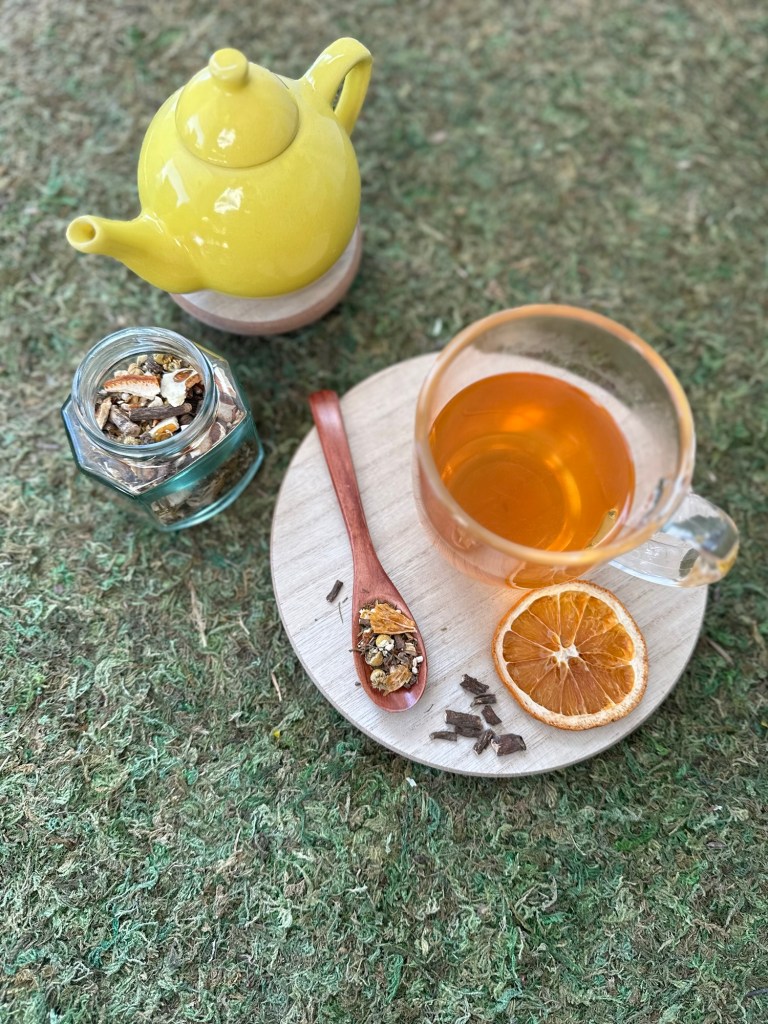
A tea blend anchored by dandelion root can offer the best sort of boost to the body and spirit. While dandelion provides a steady base of stabilization with its nutritive and detoxifying qualities, it can serve as a recipe component that lays the groundwork for adaptogens and nervines to do their work optimally.

Layer on top botanical ingredients that work in conjunction with that solid foundation. Ashwagandha lends additional balancing and nourishment through its adaptogenic properties, while chamomile eases and soothes. Orange refreshes and uplifts, and offers a healthy dose of vitamin C. So does your choice of either green tea or green rooibos, which you can select based on your relationship with caffeine.

Sip this tea hot or cold! It could serve as a wonderful springtime morning beverage, or a late afternoon pick-me-up. Bring some in a thermos to sip as you take a spring hike and enjoy the dandelions!

Materials

1 tsp dandelion root, dried

1 tsp chamomile

1 orange slice, dried or fresh (break into pieces if dried)

½ tsp ashwagandha

½ tsp cinnamon pieces

½ tsp green tea or green rooibos

Method

To make a single cup of tea, add 1 tablespoon to a tea strainer, eco-friendly tea bag, or French press. Pour 1 to 11/2 cups hot water over the tea and steep for about 5 minutes. Add sweetener of choice to taste, if desired.

Notes

• To cold-brew this tea, add the ingredients (1 tablespoon of tea blend per 8 ounces of water) to a glass jar or French press, steep overnight in the refrigerator, strain, and serve.

———

I first shared this recipe in the Botanical Anthology’s All About Dandelion booklet! (I’m in there but I do not get any kind of affiliate kickbacks if you grab yourself a copy, full disclosure. I’m just sharing the plant love!)
Categories
Herbs and Herbalism Hygge Recipes

Hygge Hearth Tincture

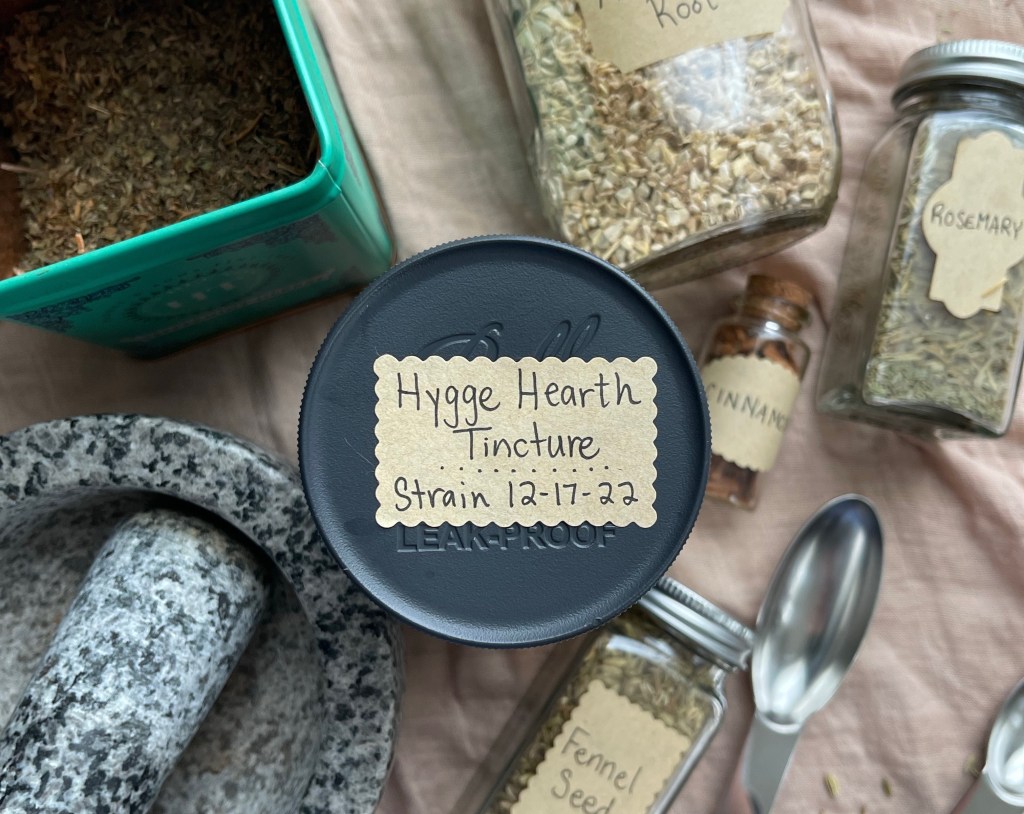
Inspiration struck this morning and I decided to start a tincture that will be ready just in time for Yule! It has all the happy, cozy, hygge vibes with digestion support, stress relief, balancing, and immune boosting to boot.

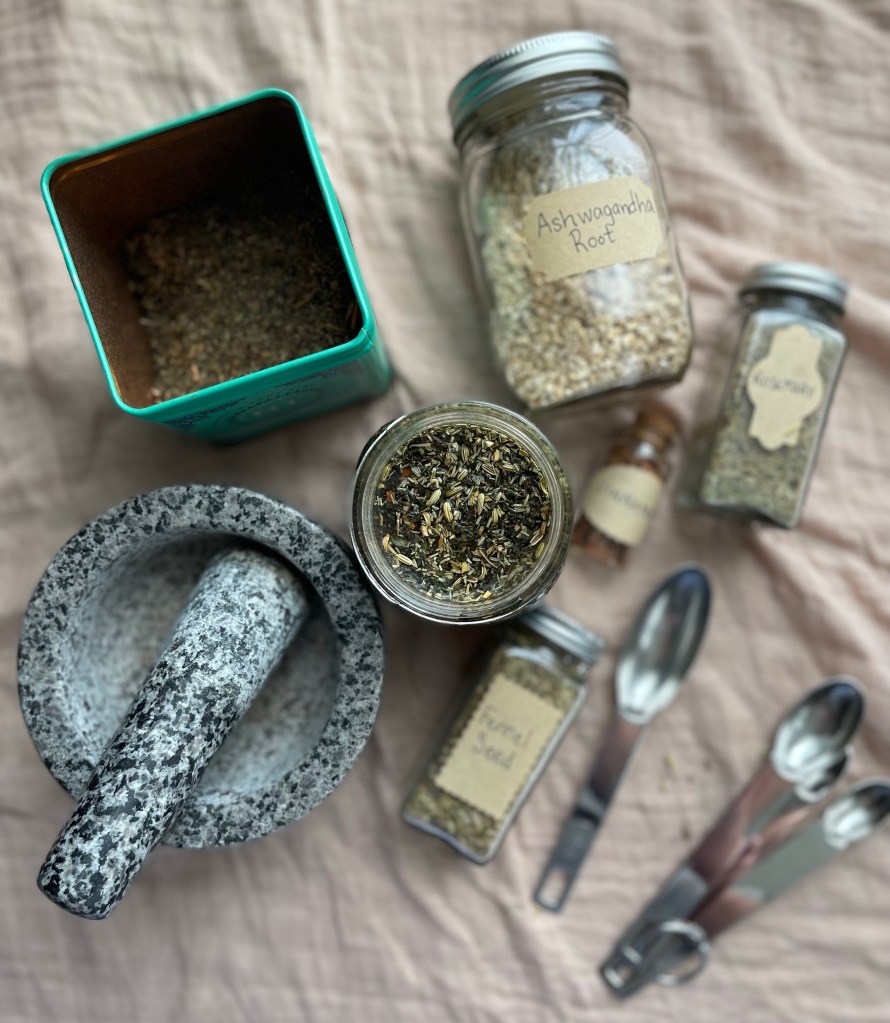
Mint is the star of the show here, paired with “really good Ceylon cinnamon” (please tell me you read that in Ina Garten’s voice 😂). I adore the sweet combo of cooling mint and warming cinnamon! With these I combined fennel seed, rosemary, and ashwagandha root. 

Then I topped it off with not the usual vodka, but GIN for more cozy, botanical, wintry vibes.

Here is the full recipe! For once, I actually loosely measured instead of doing it in parts!

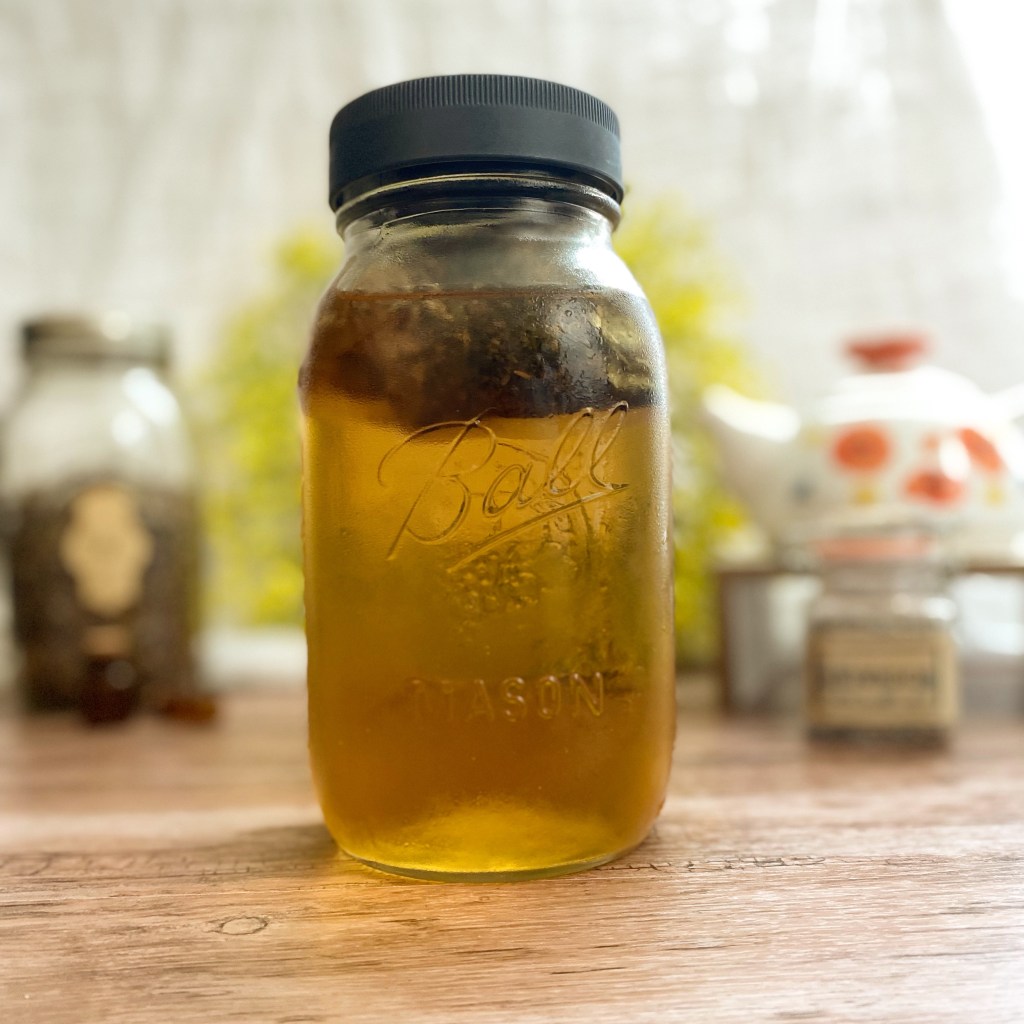
Add herbs to a 16 oz glass jar. Cap and shake the jar thoroughly to mix herbs. Top with gin, filling to near the brim. Cap with a plastic canning jar lid or parchment paper and canning lid. Store in a cool, dark place, shaking daily, and strain after 6-8 weeks. Store in dark glass jars or dropper bottles if you can. 

You can take this tincture in tea, coffee, still or sparkling water, ginger ale, juice, or even cocktails! Ginger ale is my favorite vehicle for tinctures—if you prefer, use your favorite homemade or natural ginger ale.

Categories
Herbs and Herbalism Recipes

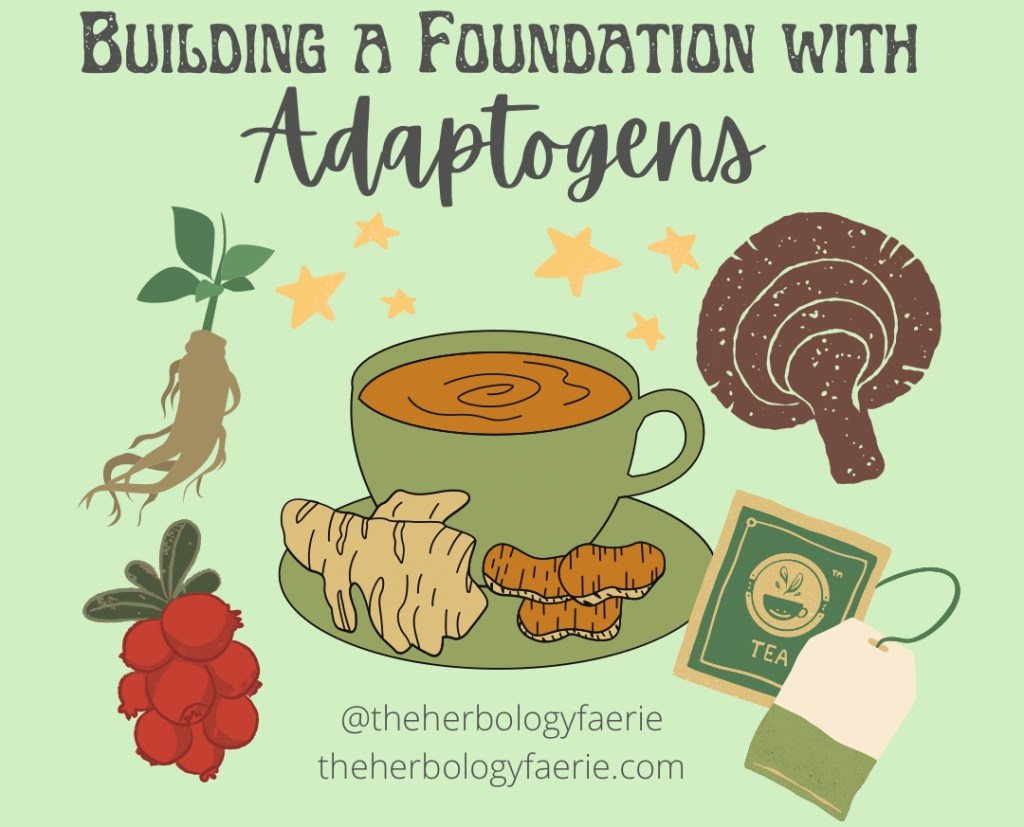
Building a Foundation With Adaptogens

Not long ago, I shared a post that was a brief overview of nervine herbs and how they work to relax, tone, soothe, calm, and even gently stimulate the nervous system, digestive function, and circulation. Nervines are such gentle, steady friends!

I thought today I would touch on another, often overlapping category of herbs and botanicals: adaptogens.

Where nervines primarily help calm, adaptogens are known for helping to stabilize and protect. They are extremely grounding; help to protect from fatigue, overwhelm, and burnout; aid against anxiety, depression, and chronic stress; support and protect brain function; build resilience and uplift; and aid the immune system. Basically, adaptogens are powerhouse holistic mental and physical health supporters! Though every person’s constitution and health situation is different and they must use caution before trying any new substances, many adaptogens are generally as safe as most nervines are in normal doses.

If you prefer a less clinical perspective, think of it this way. While nervines can offer you a steady, calming pulse of reassurance and mental and physical support, adaptogens can hold you up, offer you inner strength, sharpen your mind, and keep you going. Adaptogens have your back.

So, who are these adaptogenic allies? Here is a list of a few of my favorites!

Tulsi

Nettles

Rhodiola

Schisandra

Eleuthero

Ashwagandha

Reishi

Astragalus

Licorice

Maca

Green tea

Ginseng

Most of these adaptogens can be found where you purchase herbs online if you can’t find them in person—Mountain Rose Herbs is often where I go to look for herbs on this list.


And now it’s recipe time! I thought I’d share two adaptogen recipes: a tea and a tincture. The tea is a great one to sip in the morning—you might even want to replace coffee with it sometimes for a more stable energy boost. In both the tea and the tincture, I’ve added some nervines too for taste and added benefits.

Simple Strength Adaptogen Tea:

1 part green tea

1 part tulsi

½ part mint 

½ part cardamom

¼ part fennel


Adaptogen Tincture:

1 part ashwagandha 

1 part astragalus 

1 part nettle

½ part mint

Vodka

. . . . . . .

Place herbs in a clean glass jar. Fill about ½ inch above the herbs with vodka, using a wooden spoon to make sure the herbs are fully covered. Place waxed paper and canning lid or bpa-free plastic lid on jar and store in a cool, dry place. Shake the jar each day, and if the herbs rise above the vodka or appear to have absorbed too much, add a bit more to cover them. (You can also move your mixture to a larger jar mid-process if needed.) Allow to macerate for 4-6 weeks. Strain into dropper bottles; take one dropperful either in a glass of water, in another beverage, or under the tongue.


If your health situation supports it, then daily doses of a couple of adaptogens that are suited to your needs can be an amazing holistic health approach. Many people sip on an adaptogen-based beverage every day instead of coffee to build up a strong foundation and mental and physical reserves. (I actually enjoy drinking coffee that has adaptogens right in it!)

Are you new to adaptogenic herbs? If not, which are your favorites? If so, which do you think you’d like to try?