Aside from chai, another beverage that I associate with autumn and winter is spiced or mulled wine. The warm, soothing-yet-spirited drink is rich with digestive, warming, and immune-supporting spices. Not to mention how festive and rooted it feels to share this deep, tart ruby liquid with others at a gathering in the colder months.
But! I very rarely imbibe actual spiced wine. Instead, I mix up a similar potion replacing the wine element with extremely beneficial harvest berries and botanicals. They add the same vibrant garnet color, along with nutritional and healing properties, without the alcohol content. An herbal substitute for mulled wine is also quicker and more convenient when you want this type of pick-me-up (any time of day!) and it can be shared with anyone.

You can make your own preferred version of spiced “wine” tea with various ingredients and methods! I’ll share my recipe with you here so you can either use it yourself, or use it as a starting point to concoct your own recipe.
Spiced “Wine” Tea
Rosehips: These tasty red jewels are ready for harvest in October in many locations. You can use fresh or dried (I always have dried rosehips on hand). They add a tart cherry type of flavor, vitamin C, and minerals that aid in heart health, circulation, pain relief, cholesterol and blood pressure health, and even pain.
Elderberries: Dried elderberries impart a deep berry flavor and amazing immune-boosting benefits. Aside from their antiviral properties, elderberries also have anti-inflammatory benefits. I am always conscious to be moderate with the amount of elderberries included, in case of possible digestive discomfort. (I’ve never experienced this side effect myself, but I’ve read that it can happen so I use caution.)
Hawthorn berries: Hawthorn berries add nearly magical benefits of not only boosting heart health in a physical sense, but also soothing and strengthening the emotional heart and aiding with anxiety.
Hibiscus: This is a go-to base ingredient in fruity, berry-flavored teas for me. Hibiscus is an excellent heart ally and gives the tea a full-bodied, cranberry-ish, and even wine-ish taste.
Orange peel, dried or fresh: Obviously vitamin C is a big part of spiced wine. But so is rich, strong flavor! Orange in some form is almost essential to this type of brew.
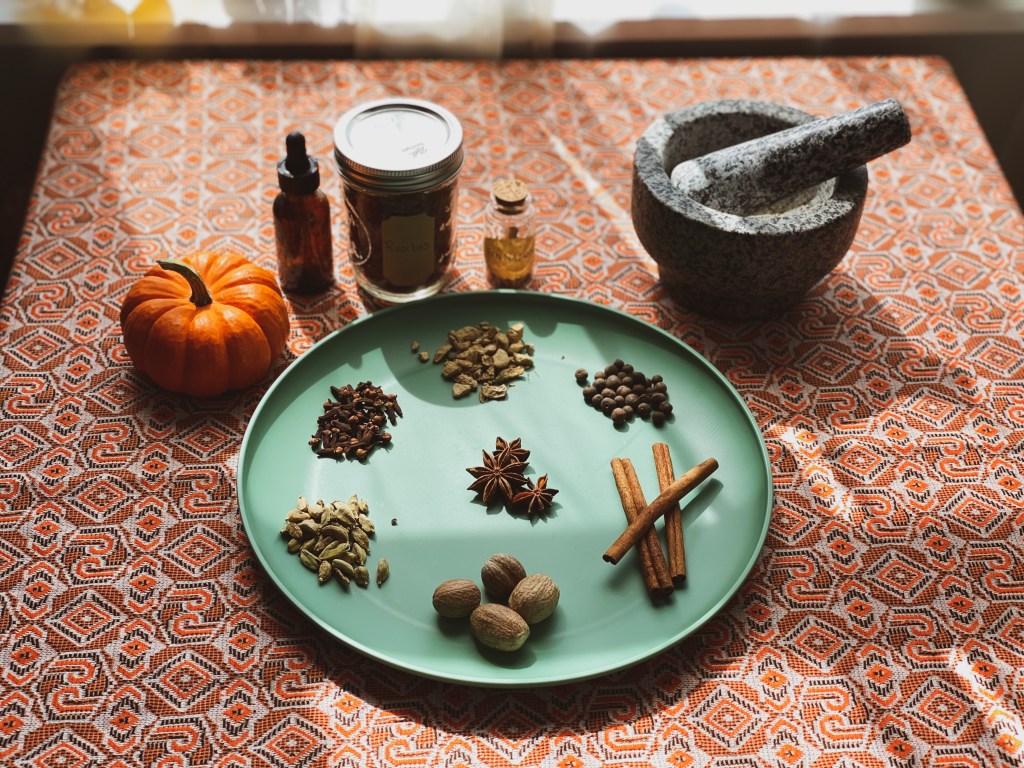
Spices – cloves, cinnamon, allspice, ginger: You can’t have spiced wine without your warming, grounding, immune-boosting spices! These add taste, physical and mental health benefits, warming cozy comfort, and synergy between ingredients. Of course, you can get creative and use your own favorite combination of mulling spices!
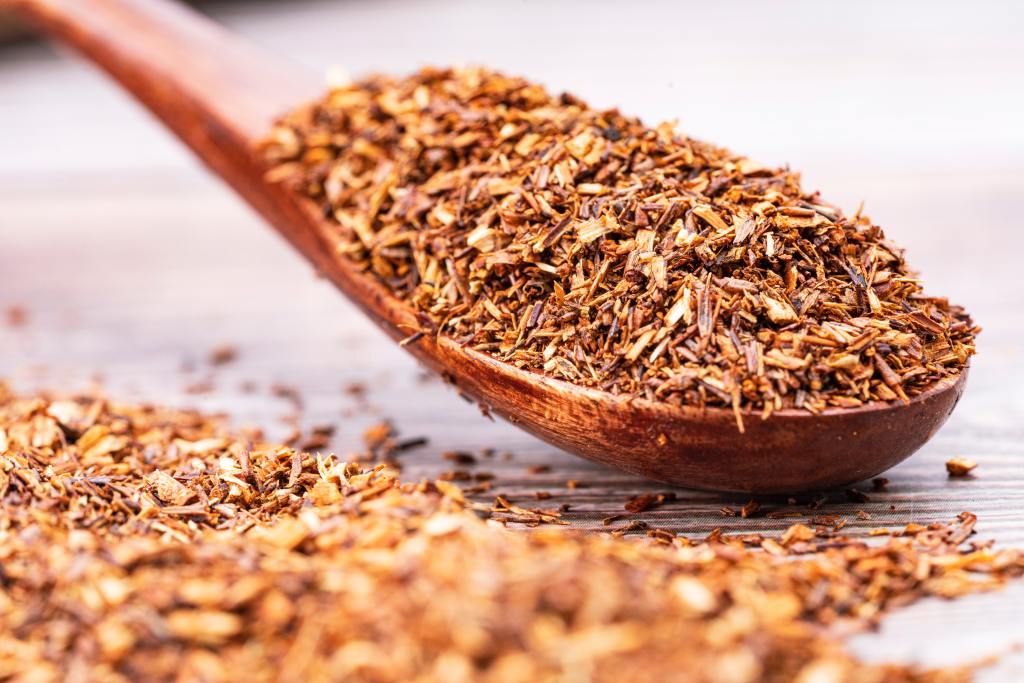
Optional – rooibos: Rooibos is an herbal ally I adore and use often to fill out and add body to teas while providing wonderful benefits. (See my rooibos profile post for more on this herb!)
You can play around with your favorite berries (even adding fresh or dried blackberries or cherries!), spices, flavorings, and even splash in apple cider for a fruity kick or ginger ale for a fizzy twist. It’s up to you how you concoct your festive, warming brew. Then enjoy it all autumn and winter on quiet afternoons or cozy family gatherings! Or take a thermos of it on your outdoor autumn adventures!
What additional or different ingredients are you going to try in your spiced “wine” tea? I’d love to hear so I can try them, too!



 The Herbology Faerie