Categories
Recipes Tea wheel of the year

Summer Solstice Sun & Strawberry Moon Tea

I am so excited that June’s full moon (the Strawberry Moon) and Litha (the summer solstice) fall together this year. It is a convergence that doesn’t happen often—in fact, the last time it did was 1985! All that bright energy of both the longest day and the full moon combined—so magical! 
For me, I think the order of the day is celebration, gratitude, and soaking up every bit of that energy I can. I feel like too often, we see these astrological occasions as calls to act in grandiose ways, to manifest changes and new directions, to enact grand gestures. But this pressure is not necessary, and most likely you have many plates spinning already at this busy cusp of summer! Instead, it is perfectly okay to give yourself permission to rest, recharge from the added light, lean into the sensation of lightness, and simply enjoy and give thanks. Mindfulness can be your act of devotion.

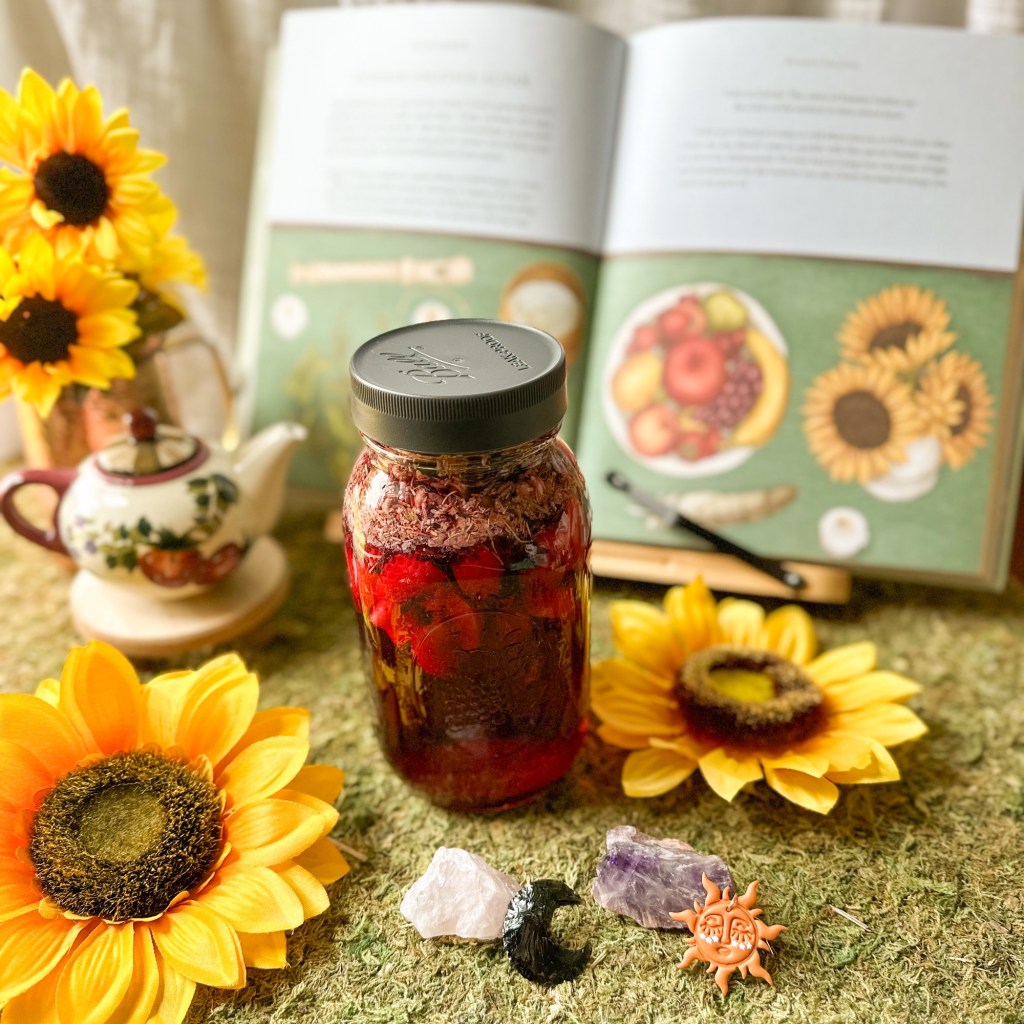
To this end, I am going to brew a Sun and Moon Tea!

I am calling the tea such because I’ve chosen a blend of herbs and botanicals that includes affinities for both the sun and the moon to reflect the meaning of the occasion. There are also botanicals chosen for their ties to Litha, fire, water, and Venus, all of which I am feeling strong influences of during this time. 

Here are the ingredients, and a few of their astrological ties:

•Linden (sun, Litha)

•Chamomile (sun, Litha)

•Jasmine (moon, water)

•Rosemary (sun, moon, fire)

•Strawberry (strawberry moon, Venus, water)

•Hibiscus (fire, water, Venus)

•Lavender (Litha)

And here is the recipe! It’s simple, so you can concentrate on enjoying your mindful moments under the solstice sun and Strawberry Moon. 


Ingredients

32 oz mason jar

1 cup sliced strawberries

2 Tbsp hibiscus

1 Tbsp rosemary

1 Tbsp linden

1 Tbsp chamomile

1 Tbsp jasmine

½ Tbsp lavender

Honey to taste, optional

Directions

Add ingredients to mason jar and fill with cold, fresh water. (If using dried herbs, you might choose to place them in a large eco-friendly tea bag or linen reusable tea bag.) 

Cap tightly and place in a sunny location (free of disturbance by kids or pets!) for 2-3 hours. 

If not using a tea bag or strainer, strain tea into a fresh jar or a pitcher over ice if drinking immediately. You can stir in honey while it is still warm if you’d like! Refrigerate and drink cold. 

Note—

You can substitute fresh herbs for dried ones if you have access to them! You don’t necessarily have to go by the measurements in that case—just add sprigs of each. 


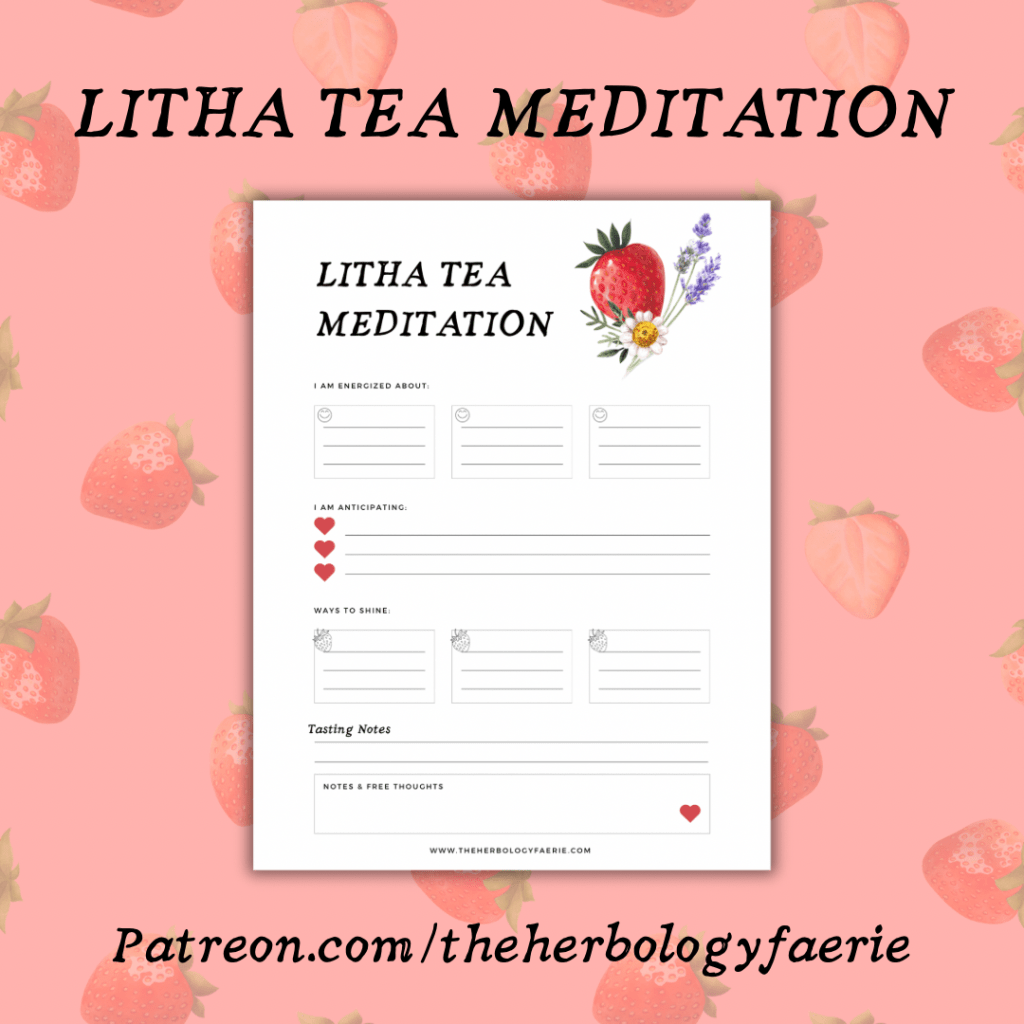
For a printable Litha Tea Meditation journaling page and a printable version of this recipe, join my Patreon at Patreon.com/theherbologyfaerie!
Categories
Herbs and Herbalism Recipes

Herb Profile: Hibiscus

July is flying by! I blinked and now we are halfway through this month already; I kind of can’t even get my bearings. My twins’ fifth birthday began the month, there are other family goings-on, and it’s already back-to-school shopping time as my kids go back to school at the end of this month! (We have a different school calendar than most where we live.) Needless to say, my brain is a bit scrambled. But I’m here to talk about a favorite herb of mine for this crazy time of year—it’s not a nervine, but it pairs well with them and has an incredibly soothing effect during this hottest part of the year. It’s hibiscus!

There are actually many varieties of hibiscus, but the species most commonly referred to and used for consumption is Hibiscus sabdariffa. This hibiscus is also called roselle or sorrel. It is likely native to North or West Africa but now grows in many places throughout the world, and has been long used in Africa, Southeast Asia, Latin America, and the Caribbean.

Hibiscus is considered a sour herb with cooling and moistening properties. It is especially helpful for heart health, blood pressure regulation, inflammation modulating, summer cooling, and nutrition as it’s dense with vitamins, minerals, and antioxidants. 

Hibiscus tastes delicious—hibiscus tea is strongly reminiscent of cranberry juice! My kids love making hibiscus and berry sun tea during the summer months and then chilling it in the fridge for a sweet, cooling summer beverage. When you’re making your own blends with hibiscus, think about combining it with chamomile or mint, cinnamon, honey, and your favorite fruits.

Hibiscus doesn’t do well as an alcohol tincture, so tea or food tend to be the most common ways it’s consumed. (It used to be commonly made into jam, and in some regions is eaten pickled!) Though that summer connection with hibiscus is strong, I also love using it as an ingredient in wintertime non-alcoholic mulled “wine” tea as it has that sharp, deep berry flavor that mimics wine and tastes great with warming spices. 

But since we are still very much in the heat of summer in the U.S. where I am, I’m going to share a super simple and refreshing hibiscus drink I love to make. It’s a very flexible recipe; use whichever ingredients you like or have on-hand!

——————————

Do you enjoy hibiscus? What are your favorite types of hibiscus drinks, or even foods if you’ve tried them?

——————————————

Sources:

• Rosalee de la Foret, Herb Mentor monograph

• Apothecary At Home’s hibiscus herb-of-the-month club box

• Sarah Farr, Healing Herbal Teas