Categories
Uncategorized

November Updates

Hello, friends! I apologize that it has been so long since I’ve shared any recipes, projects or herbal info with you here. November has been a very busy and unusual month! So I thought I would pop in and tell you a few things that have been going on lately, including some exciting publications coming out soon.
Not to start on a sad note, but my grandmother died at the beginning of November. We were not close, but I have still felt the effects of losing a family member, and have also spent some time helping my parents with a few things regarding her home and belongings. So, that has thrown off my usual autumn recipe writing and making.

My grandma

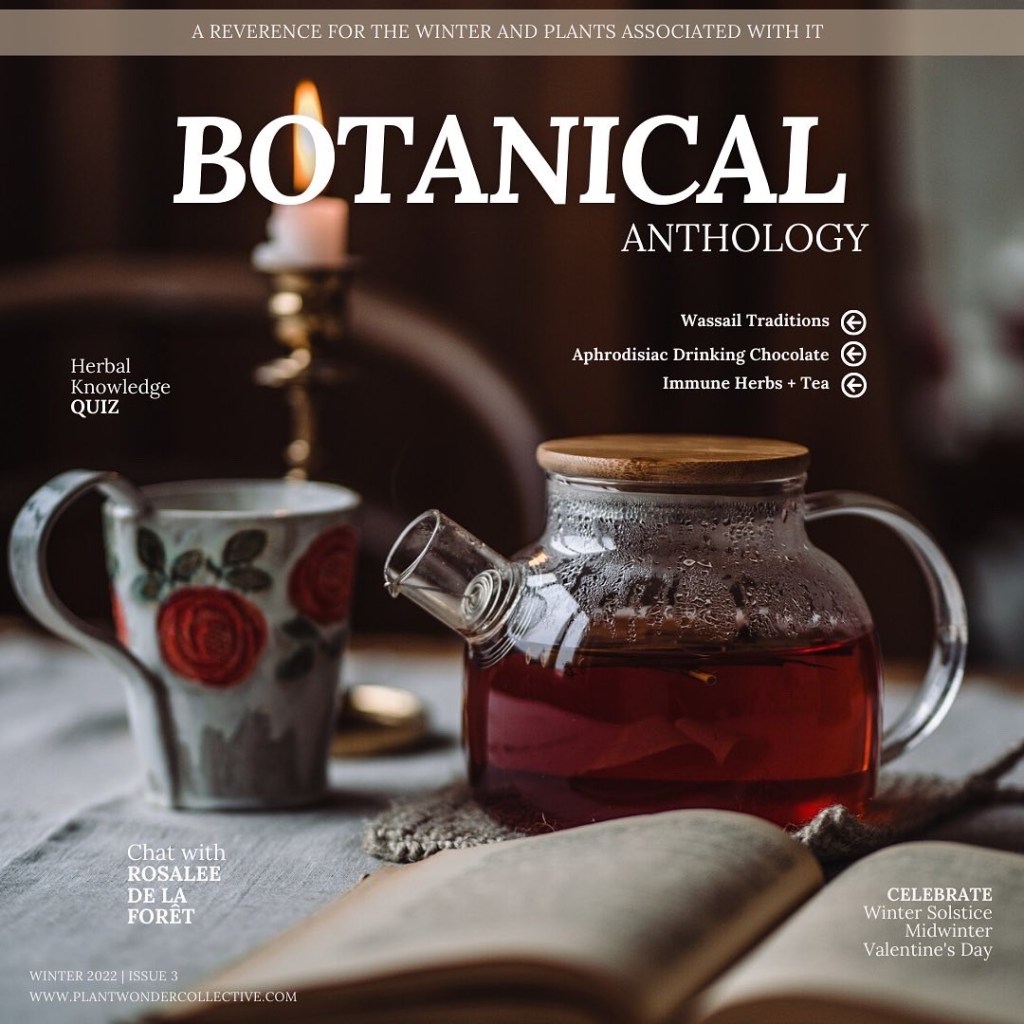
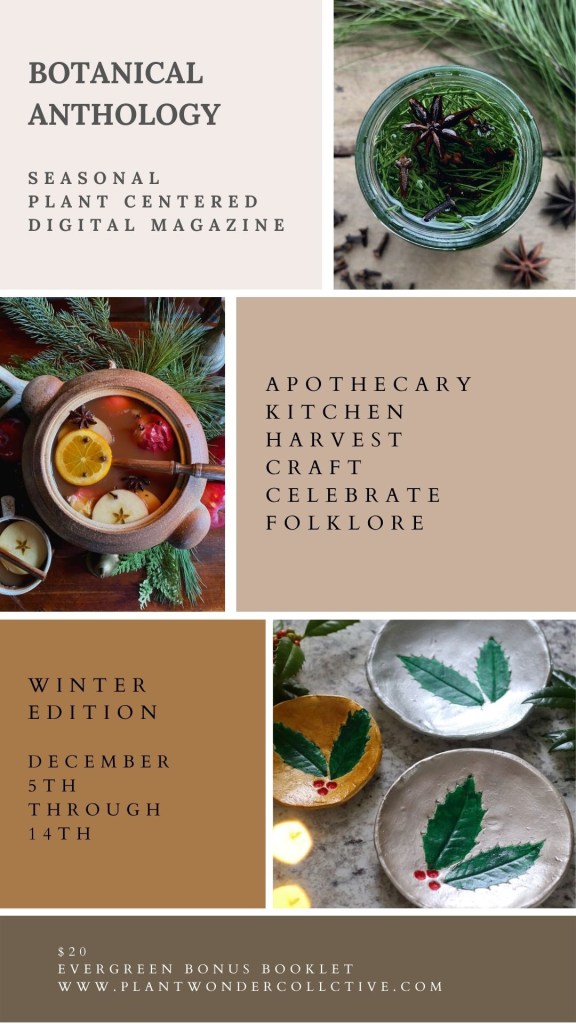
On a happier note, I have been hard at work helping to edit the upcoming winter edition of the Botanical Anthology magazine! With an almost month-early release date and lots of extra side projects tied in, this endeavor has kept me on my toes. I can’t wait to share more with you about this cozy plant-centered publication and the articles I’ve written for it.
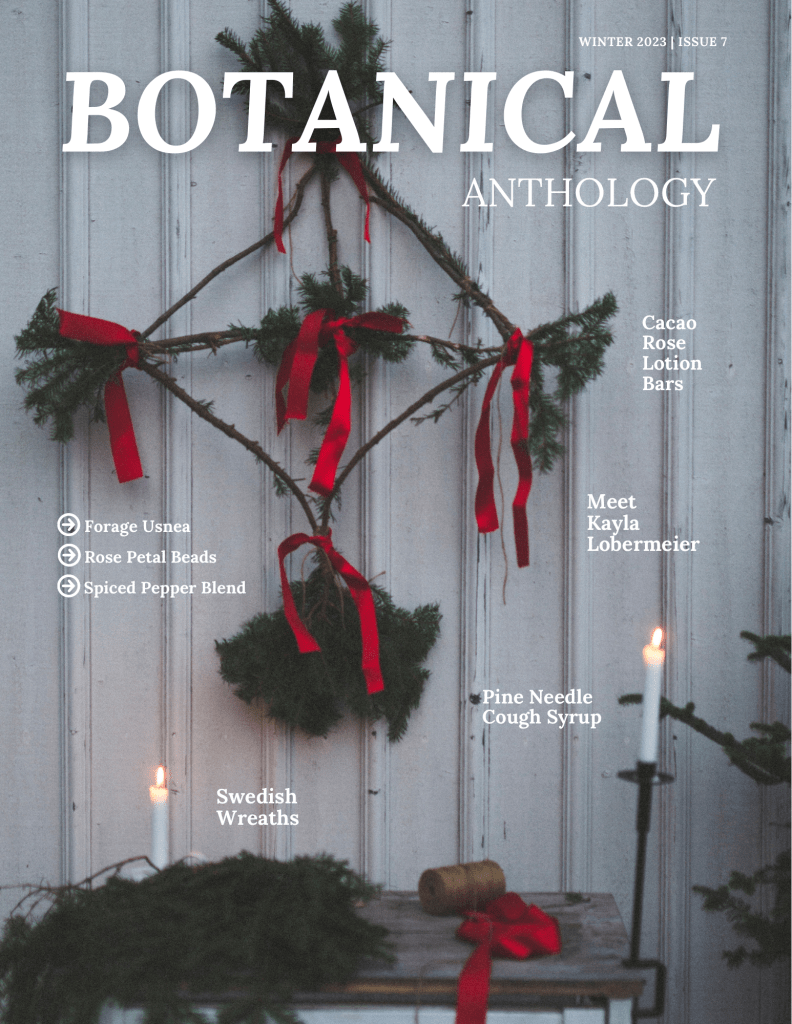
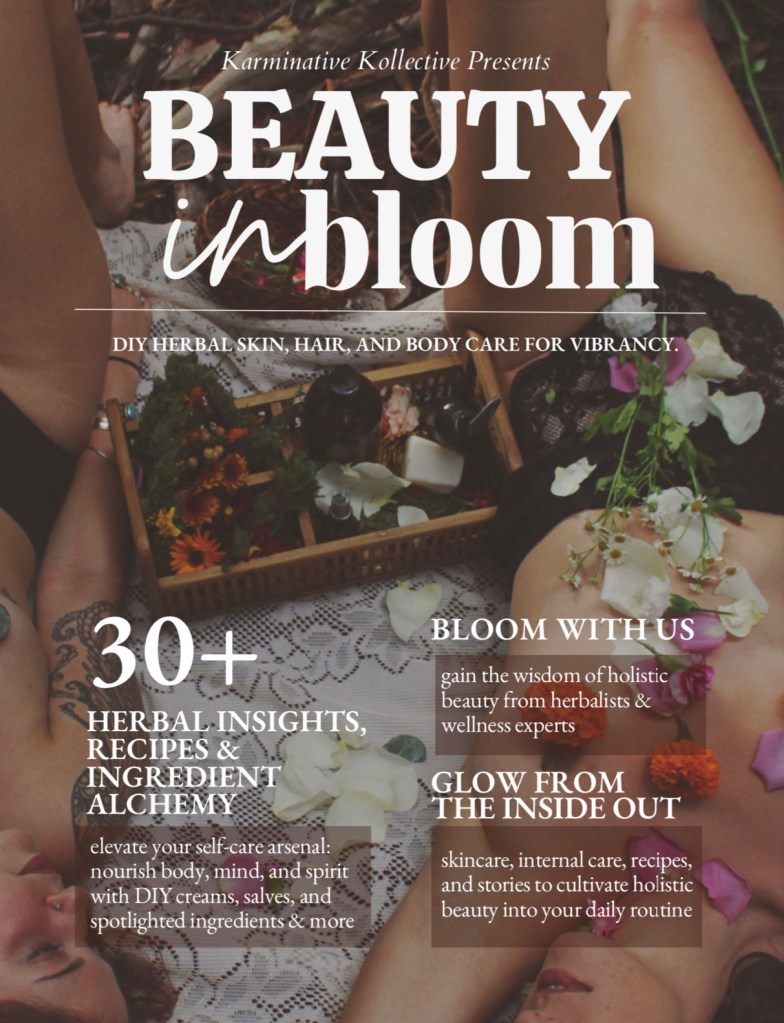
I have also written articles for other publications! The winter edition of Willow & Sage came out this month and includes a Lavender Pine Lip Balm recipe by me. And soon, a new publication called Beauty in Bloom will release with two articles by me inside!
I’ve been hard at work finishing my Winter Tea Booklet, the recipe ebook (already available!) in my Etsy shop. Rosemary Faerie tier Patreon patrons will receive this as one of their December gifts!

As ever, I’ve been creating other posts and printables for those lovely Patreon patrons, too. This month they’ve received a tea recipe coloring page, an herb monograph all about cardamom, a mini guide to crafting winter candles (also in my Etsy shop), and more!

If you’re missing the recipes I normally post here, you might be interested to hop over and check out a few from my Instagram feed this month. I’ve shared a grief tea, my November Cozy tea, Cardamom Hearth incense, herbal cooking salt, and a festive Sparkling Cranberry-Apple Spiced Sangria Mocktail. Cheers!

I will be back soon to share more about the Botanical Anthology and Beauty in Bloom, as well as more recipes again! Thank you for sticking with me here, my faerie friends!

Categories
Botanical Anthology

Botanical Anthology: Autumn!

I am so excited to share that yesterday was the launch of the autumn issue of Botanical Anthology!

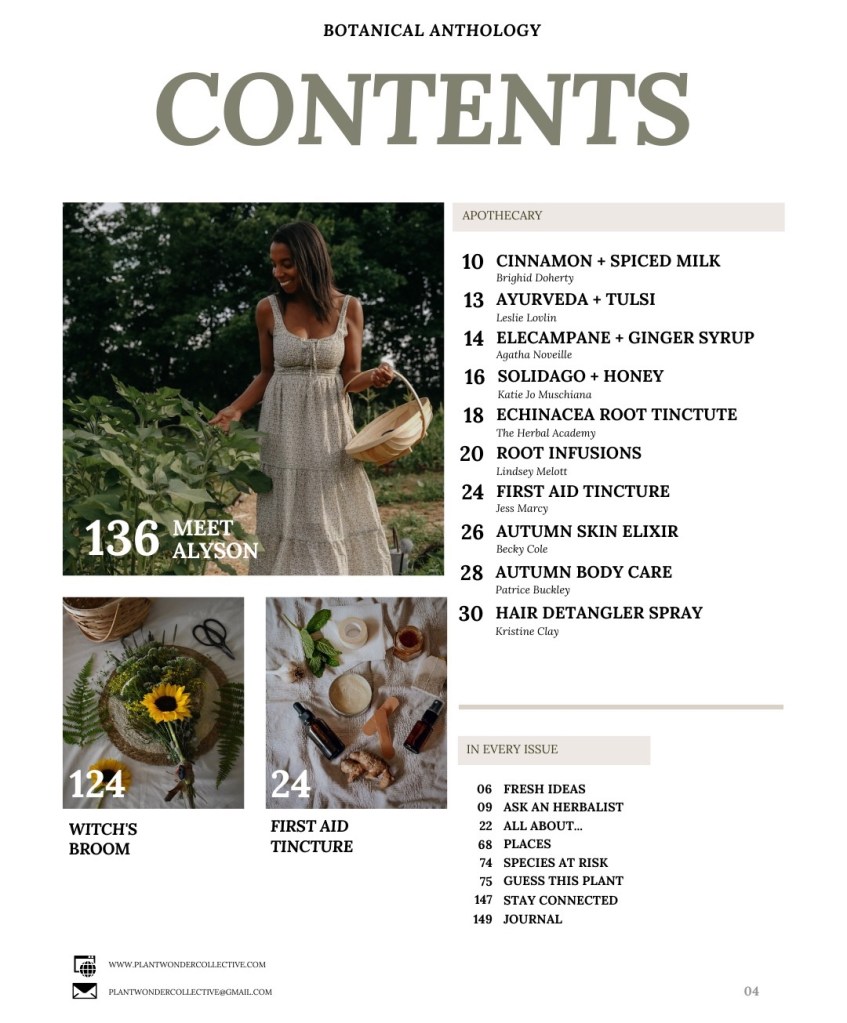
We have worked hard to create a beautiful, useful, cozy, and magical botanical compendium (because it’s way too huge to call a “magazine,” in reality) about all things plants + fall. (I am both a contributing writer for this magazine, with 4 articles / pieces in this issue, as well as its copyeditor!)

If you love plants, living aligned with the seasons, trying your hand at homemade foods + skin products + decor + fun crafts, connecting to nature, and extreme coziness, you’ll love the BA. It is a seasonal, plant-centered quarterly digital + print journal bringing you over 50 articles from 49 contributors to incorporate herbs into your autumn apothecary, kitchen, foraging and gardening, crafts, and celebrations.

From September 12th – 21st, receive the Botanical Anthology Autumn edition digital download, plus our garlic bonus booklet digital download, for just $18. Come next week, the garlic booklet will no longer be included, and the price will increase. (It is also available in print on Amazon for ~$26; Amazon changes the price periodically but that’s the current price.)

In this issue:

* Infuse a first aid tincture, steep root infusions + transition skincare to autumn

* Make pumpkin spice marshmallows, sip cacao bone broth + bake chocolate chestnut cookies

* Harvest medicinal roots, forage birch polypore + put your garden to rest

* Print leaves, dye with mushrooms + weave a cornucopia

* Divine with apples, craft a witch’s broom + discover olive folklore

* Celebrate Autumn Equinox + Samhain with simple observances

* Meet Alyson Morgan, Leah Larabell + Kirstie Gildersleeve

* Check out our new feature Ask an Herbalist

We are so proud of this labor of love, creativity, and love of plants. Let us be your guide to work with plants as you journey through the autumn season!

Categories
Herbs and Herbalism plant wonder collective Recipes

Mushroom Coffee

I am so excited that September is mushroom month at the Plant Wonder Collective! I love all things mushroom for culinary, medicinal, craft, and folklore purposes. I can’t wait to share the mushroom love this month!

The medicinal and therapeutic qualities of mushrooms have become much more widely known and embraced in the mainstream, and that has led to lots of commercially available mushroom coffee blends and coffee alternatives. Which is great! But they can be quite costly. So today I am sharing a simple and cost-effective diy option if you’d like to try making your own mushroom coffee at home.

((I will note, if your aim is primarily to get the medicinal benefits, you might not get the most out of your woody mushrooms by brewing them in a simple infusion or decoction. (In the summer Botanical Anthology, Susan Ilka Tuttle shared a great article on how to make a reishi double decoction to extract all the beneficial constituents.) But there are definitely water-soluble constituents you can benefit from if coffee is the most accessible & preferable method for you.))

This coffee-alternative blend uses reishi mushrooms, coral tooth mushrooms, roasted dandelion root, roasted chicory root, and cinnamon chips. You could easily modify the recipe with your own favorite hearty spices like cloves and allspice. Or combine it with actual coffee! (This is my preference usually.)

The idea of mushroom coffee sounds quite odd and even off-putting to some, but it tastes nothing like the mushrooms on your pizza! It tastes bitter, earthy, and pungent, but in a way that is reminiscent of traditional coffee—especially when combined with coffee itself or roasted roots that are often used in place of coffee.


Before we get into the recipe, let’s take a quick look at the benefits of the two mushrooms we’re using—

Reishi

Reishi mushroom has long been associated with longevity. It can aid the liver, help with blood pressure and cholesterol, boost the immune system, reduce inflammation, help you relax, and much more. Reishi has been pretty well-studied and the results are so promising!

Coral Tooth

Coral tooth is very closely related to lion’s mane mushroom, and is used interchangeably with it. It may help boost the immune system, modulate inflammation, relieve allergies and eczema, reduce anxiety symptoms, and more.


Mushroom Herbal Coffee Blend

Ingredients per about two cups

  • 1 tsp dried mushrooms of choice (reishi and coral tooth in this case), broken into small pieces or crushed with mortar and pestle
  • 1 tsp roasted dandelion root
  • 1 tsp roasted chicory root
  • 1 tsp cinnamon stick chips
  • 1/2 tsp cloves

Method

Add ingredients plus about three cups water (adjust according to your coffee strength preferences) to a saucepan and simmer over low-medium heat for anywhere from 20 to 40 minutes, strain, and serve how you take your coffee.

Or—

You can also grind the blend in a coffee grinder to a rough grind and brew in a French press or drip coffee maker. Not as many medicinal constituents will extract from the mushrooms, but you’ll still get some benefits and enjoy the earthy taste.

Alternatively, you can mix this blend to your preferred ratio with traditional ground coffee and brew as usual.

One more note:

Take care when foraging or purchasing medicinal mushrooms and make sure you are absolutely certain of the species before consuming! Also be sure to forage ethically or purchase mushrooms that were sourced ethically. My reishi and coral tooth were ethically foraged by my brother and his partner and gifted to me!


Have you ever tried mushroom coffee? Are you interested or curious to try it?

Categories
herbal skincare plant wonder collective Recipes

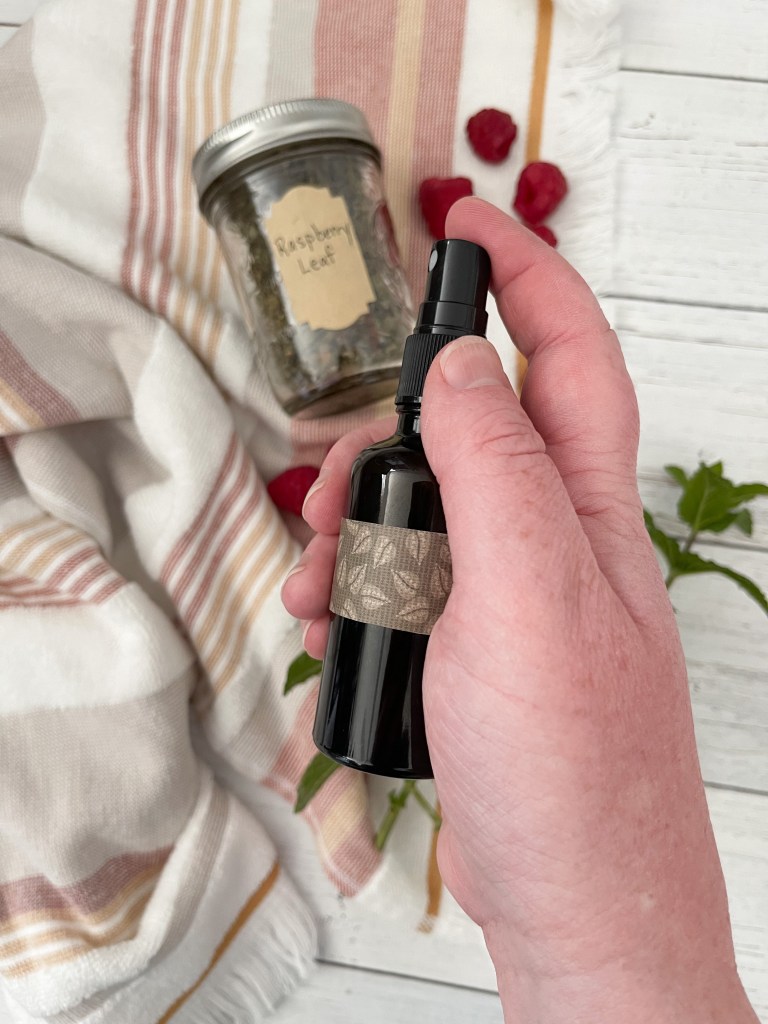
Raspberry Leaf Face Refreshing Mist

In these dog days of summer, your skin can easily become overheated and stressed out! That’s where raspberry leaf comes in. Raspberry leaf is well known for its tissue tightening and toning properties, and in a gentle face mist, this action can help to prevent moisture loss and provide soothing.

This recipe isn’t for a witch hazel or alcohol based toner—I didn’t want it to be that strongly astringent. So, instead, I’ve made a strong tea with the raspberry leaf and combined that with a cooling mint hydrosol—which you can easily make on your stovetop with some fresh mint, or you can purchase ready-made mint (or rose, lavender, or chamomile) hydrosol if you prefer.

Because this is an entirely water-based recipe, it has a shorter shelf life so you’ll want to make it in small batches and store it in the fridge. But it’s totally worth it for a very gentle, refreshing, soothing summer face mist that even the kids can use after a sweaty day of playing out in the hot sun! (It makes a great after-sun spray, too!)

This recipe comes in two parts: the mint hydrosol recipe and the raspberry tea / face mist recipe. Let’s start with the mint hydrosol!

Mint Hydrosol

Materials:
Large stock pot with lid
Small heat-safe bowl (ceramic or glass)
Heat-safe glass measuring cup
Distilled water
Fresh mint leaves
Ice

Method:
Place the heat-safe bowl upside down in the stock pot and fill the bottom of the pot with enough water that it covers the bowl. Place the glass measuring cup right-side up on top of the bowl. Place a good amount of mint leaves in the water around the bowl—a couple big handfuls of plant material. Place the pot lid upside-down on the pot and place ice cubes on top. Simmer on medium heat until a sufficient amount of steam has condensed and dripped into the measuring cup—that’s your hydrosol! Store this in the fridge.

Raspberry Leaf Facial Mist

Materials:
3 tablespoons dried raspberry leaf
Large tea mug
Plate to cover the mug with
Distilled water
Tea kettle
Strainer
Glass bowl or measuring cup
Small misting bottle (4-8 oz)

Method:
Place raspberry leaf in the tea mug and cover with water freshly boiled in a tea kettle; cover with plate and allow to steep for 10-15 minutes. Strain into a glass bowl or measuring cup and allow to cool or refrigerate.

Fill the misting bottle half full with mint hydrosol and half with raspberry leaf tea. Cap tightly and shake well to mix. Store in the fridge to prolong its shelf life and so it’s nice and cool when you’re ready to mist your face!

Categories
Botanical Anthology Recipes

Strawberry Lavender Julep by Kristine Clay

This is an excerpt from the Summer edition of Botanical Anthology. A plant lover’s dream, it is a seasonal, plant centered quarterly publication bringing you over 45 articles from 46 contributors to incorporate herbs in your apothecary, kitchen, summer foraging and gardening, crafts, and celebrations.

This herbal magazine, featuring remedies and recipes with medicinal plants for budding herbalists, can be purchased as a digital version here and as a printed version here.


Photo by Kristine Clay

If you enjoy the classic herbal cocktail, the mint julep, then this fruity, floral rendition is sure to become a fast favorite.

Infused whiskey lends stunning color and bursts with fresh strawberry flavor, while lavender rounds out the beverage with pleasant herbaceous notes that hint of mint. Lavender can ease stress and anxiety, helping you to unwind as you sip.

Serve this boozy beverage at your next get together or enjoy with friends on a warm summer evening. 

Strawberry Whiskey Materials

2 c strawberries, fresh, sliced 

Whiskey

16 oz jar

Strawberry Whiskey Method 

Place strawberries in a jar. 

Pour whiskey over top, filling the jar.

Cap tightly with a lid and shake well. Let the strawberries steep in whiskey for at least 1-2 weeks, shaking daily or as often as you remember. 

You can use the whiskey after about a week, but giving it a full 2 weeks to infuse will allow the flavor to really develop.

Note

If you won’t be using the whiskey right away, there’s no need to strain out the infusing strawberries after 2 weeks. Longer steep times allow the flavor to deepen, and can make for a very tasty liquor.

Photo by Kristine Clay

Lavender Simple Syrup Materials

¼ c lavender, dried

½ c sugar

¼ c lime juice

¼ c water

Lavender Simple Syrup Method

Add the ingredients to a small saucepan.

Bring the liquid to a rapid boil then reduce the heat and simmer lightly for about 10 minutes. 

Remove from heat and let the syrup cool. 

Strain out the lavender pieces and bottle the syrup. 

Store leftover syrup in the refrigerator.

Photo by Kristine Clay

Strawberry Lavender Julep Materials

1 ½ f. oz strawberry whiskey

½ fl oz lavender simple syrup

Ice cubes

Fresh lavender sprigs 

Club soda or sparkling water, optional 

Strawberry Lavender Julep Method

Pour whiskey and simple syrup into a glass and stir. 

Add ice. 

If desired, top with a splash of club soda or sparkling water. 

Garnish with a sprig or two of fresh lavender.

Note

This recipe makes one cocktail.


Article written by Kristine Clay. Kristine is a mother, herbalist, & writer who lives on an off-grid homestead in the Ecuadorian Andes. She enjoys crafting botanical concoctions, baking, and hiking with her partner in the eco-sanctuary they steward. You can read her musings about herbs, nourishing foods, & holistic mothering on her blog: mamalibelula.com and find out more about Andean plants, regenerative land management, & raising rabbits at: SierrayCielo.org.

Categories
Botanical Anthology

Summer Botanical Anthology!

I am so, so very excited to share with you about this labor of love, the Summer edition of Botanical Anthology, which is launching tomorrow, June 12!

I am personally more involved than ever in the production of this publication—aside from writing articles for it, I am now its copyeditor. I’ve worked closely with the magazine’s founder/editor, my friend Harmonie, on the design and content of this edition as well as editing all the articles. I can tell you that all 46 contributors are bringing amazing articles, recipes, and other content centering around summer and how to incorporate herbs in your apothecary, kitchen, spring foraging and gardening, crafts, and summer celebrations.

Here is a sampling of what’s inside:

* Whip up an itch soothing salve, steep a California poppy tincture + infuse an evening primrose oil

* Whisk a milky oats honey mustard, make watermint chocolate chip ice cream + bake a starflower cucumber cake

* Grow amaranth, make fertilizer with comfrey + learn why you should add herbs to your garden

* Create clay mushrooms, eco print with coreopsis + make sidewalk chalk

* Form summer rituals, build a Lion’s Gate altar + discover rose family folklore

* Celebrate Summer Solstice + Lammas with simple observances

* Meet Rebecca Desnos, Susan Leopold + Tiffany Jones


From June 12th – 21st, receive the Botanical Anthology Summer edition digital download, plus our lavender bonus booklet download, for just $18. Come next week, the lavender booklet will no longer be included, and the price will increase.

And now you can purchase a printed option via Amazon!!  Plus we have gift card and digital subscription options on our website!

As a thank you for being here with me as a BLOG FOLLOWER, enjoy $3 off the publication with the code: BASummer23Take$3

Thank you so much for taking the time to read this message as I share my excitement about this magazine I am so lucky to be a part of. If you’d like to learn more about the publication and what’s inside, and consider buying your own copy, follow this link:

Botanical Anthology Summer

Categories
Folklore plant wonder collective Tea

Mugwort Diana Tea

Long time, no write! I have been away from this space because life has been very busy lately…including editing a novel and a magazine, writing articles and taking photos for various publications, and some unexpected life bits mixed in along the way. So, I am more than ready to return today with a calming tea featuring the Plant Wonder Collective’s herb of the month for June: mugwort!

Mugwort is sacred to the goddess Artemis (Greek) / Diana (Roman): the goddess of the hunt, the moon, fertility, wild places, maidens, and magic. (In fact, the Latin name of this plant is Artemisia vulgaris.) I decided it would be very fitting to create a tea blend in Artemis / Diana’s honor that focuses on mugwort but also includes other herbs specifically associated with her. Here are the ingredients–


Mugwort: dream work, clairvoyance, magic, visions; used medicinally for anxiety, menstruation & uterine health, digestion, pain relief

(California) Poppy: dream work, moon magic, love, visions, luck; used medicinally for sleep, anxiety, menstrual cramps, headaches, pain relief

Lemon Balm: clarity, comfort, emotional healing, love, focus, memory; used medicinally for anxiety, colds, fever, sleep, depression

Pine: fertility, grounding, spirituality, strength, wisdom, peace; used medicinally for nutrients, inflammation, cold and flu, skin applications

Nutmeg: awareness, clairvoyance, divination, dream work, memory, the mind; used medicinally for stress, sleep, digestion


Mugwort and these other accompanying herbs make an excellent tea for sleep, and perhaps dream work. Here is the simple recipe for brewing a cup!

1 part mugwort

½ part California poppy

1 part lemon balm

½ part pine needles

¼ part freshly grated nutmeg

Brew with hot water for 4-5 minutes, and sweeten with honey or maple syrup if you’d like.


Have you worked with mugwort before? What is your favorite way to work with mugwort?

Categories
Herbs and Herbalism plant wonder collective Recipes

Dill Potato Soup

For dill month with the Plant Wonder Collective, I decided to make potato soup! Dill pairs so nicely with potatoes, and gives the soup a fresher flavor for springtime rather than a heavier, wintry taste.

You could make your own favorite potato soup recipe and simply add dill in wherever herbs are called for, or you can try out this easy slow cooker recipe I used!

Slow Cooker Dill Potato Soup

Ingredients

  • 6 slices bacon, diced
  • 2-3 pounds petite red/gold potatoes, chopped (no need to peel)
  • 3-4 cups chicken stock
  • 1 yellow onion, chopped
  • 3-4 cloves garlic, minced
  • 2-3 sprigs fresh dill
  • 2 sprigs fresh thyme or 1 tsp dried thyme
  • 1 tablespoon butter
  • 1 cup shredded cheddar cheese, plus more to top
  • 1 pint (16 oz) heavy cream
  • Salt and pepper, to taste

Directions

  • Cook bacon according to your preferred method.
  • Add potatoes, bacon, 3 cups of the chicken stock, onion, garlic, dill, thyme, and butter into 4-quart slow cooker and stir to combine.
  • Cover and cook, on low heat for about 7-8 hours or high heat for about 3-4 hours, until potatoes are tender.
  • Use a potato masher to mash the potatoes to your desired consistency. Add in cheese and heavy cream, stirring until smooth. Salt and pepper to taste.
  • Replace cover and cook on low heat until warmed through, stirring occasionally, for about 15-20 minutes. If the mixture is too thick, add more chicken stock as needed.
  • Top with more shredded cheese to serve.

Recipe adapted from this one by Damn Delicious.

Categories
Herbs and Herbalism plant wonder collective Recipes

Dill & Cheese Beer Bread

March is dill month at the Plant Wonder Collective! I was searching for inspiration and recipes online, and realized that dill bread is a bit of an old-fashioned, simple, cozy favorite. Perfect!

We may think of dill as being mostly reserved for culinary uses (dill pickles and dill havarti—yum!) but there is some historical precedent for other applications. Dill is great for digestion and is often found in infant gripe water. It is nutrient-dense and high in flavonoids, which make it a great cardio-tonic herbal ally. Dill can help with inflammation and pain, and has been historically used for soothing in many contexts (it’s name comes from an Old Norse word meaning “to soothe”).

Interestingly, in the Middle Ages dill was used for protection and as a ward against witchcraft! It also represented luck and wealth, and might be found hanging in a home or worn as charms.

Whatever its other benefits, dill tastes really green and fresh! I used it to flavor a loaf of beer bread I made, and it tasted great paired with the mozzarella cheese I added. (Would be great with cheddar, too!) Here is the recipe if you’d like to try it!

Dill & Cheese Beer Bread

Ingredients

  • 3 cups all-purpose flour
  • 1/2 tsp salt
  • 2 tsp dried or 4 tsp fresh dill
  • 1 12-oz can or bottle of beer
  • 1 Tbsp baking powder
  • 1 cup shredded cheese of your choice (mozzarella, cheddar, or havarti)
  • 2 Tbsp butter, melted

Instructions

  1. Preheat oven to 350° F.
  2. Grease a 9 x 5 bread pan or line with parchment paper.
  3. In a bowl, combine all ingredients except the beer and butter. Mix well.
  4. Add the beer gradually and stir well to incorporate.
  5. Transfer dough into the loaf pan.
  6. Pour the melted butter over the top. You can also sprinkle a little more dill and shredded cheese over the top if you wish.
  7. Bake for 40 – 50 minutes. Check with a toothpick—if it comes out clean, the bread is ready to come out.
  8. Let cool slightly, then turn out onto a cooling rack. Slice and enjoy!

Recipe inspired by this one from TheSaltyPot.com.

Categories
Botanical Anthology

Winter Botanical Anthology

I am proud to say that the winter edition of Botanical Anthology, a plant-centered, seasonal digital publication with over 45 articles from 30 contributors, is available for purchase!

I am so excited for this beautiful publication to be out in the world, and so proud to be a part of it along with so many creative contributors. This issue is gorgeous and bursting at the seams with lovely, cozy, healing, creative, and meaningful ways to tap into the spirit of the winter season. I personally can’t wait to dive into all the inspiring lore, wisdom, recipes, rituals, crafts, and more.

In the winter edition, you’ll find articles, recipes, and ideas to help you:

*Sip on immune tea, miso broth, wassail + gingerbread golden milk

*Learn how to make ghee, gluten free sourdough and activated nuts

*Whip up hand sanitizer, a warming foot bath and body butter

*Forage wintergreen, raspberry stems and chaga

*Develop rituals + routines for the season ahead while listening to a winter playlist

*Weave wreaths, make trinket dishes + draw narcissus

*Celebrate Winter Solstice, Midwinter + Valentine’s Day with simple observances

And so much more!

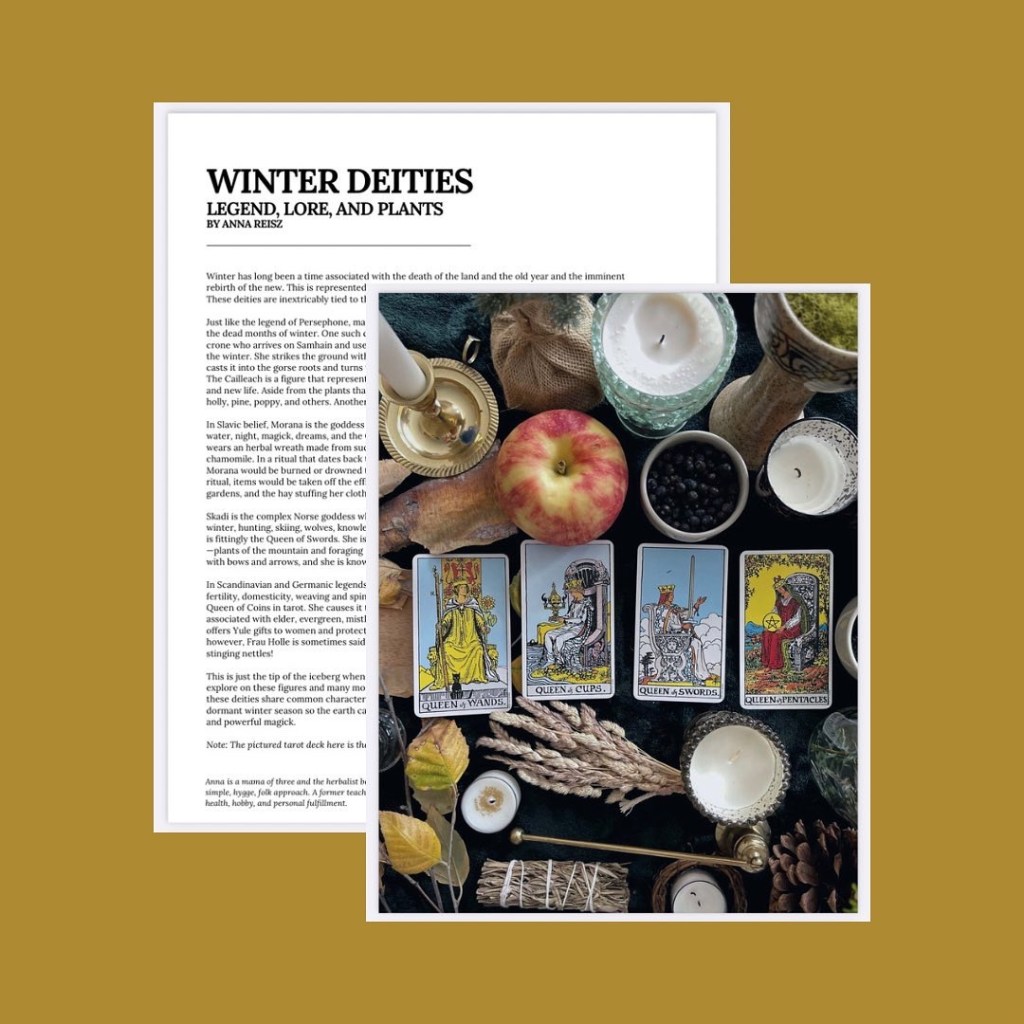
I contributed five pieces to this edition, including an article about immune-boosting herbs with a tea recipe, a piece about the folklore surrounding juniper, a deep-dive into a few winter deities and their plant associations, and a review of one of my favorite books about tea. I so enjoyed writing these articles, and I hope you get a chance to read them!

The Botanical Anthology is a seasonal digital magazine for plant and nature lovers with articles to help you incorporate herbs into your home apothecary, kitchen, foraging, crafts, and wintertime celebrations. It was founded by the Plant Wonder Collective, a group of like-minded plant lovers from a variety of backgrounds and walks of life who each have unique perspectives and approaches to share. Nurture your mind, body, and spirit through the winter season with the words and ideas from our hearts to yours!

Until 12/15, grab your copy for $20 and receive the bonus evergreen booklet. Download instantly and dive right into the 150+ pages of plant magic!

You can get your copy of Botanical Anthology here!