Categories
Herbs and Herbalism plant wonder collective Recipes

Turmeric Tincture Inside & Out

Turmeric has so many health benefits—for mind, body, and spirit. As for the body, it has properties that support the immune system, modulate inflammation and pain, support the liver, and so much more. Regarding mind and spirit, turmeric has a warming, cozy, grounding taste and strengthening energy.

One very versatile way to work with turmeric is in tincture form. Turmeric tincture is easy to make and so beneficial! It only requires two ingredients, a couple simple supplies, and 6 weeks of waiting for it to infuse its goodness.

And did you know you can use it internally and externally? Internally, putting a few drops up to a dropperful in a couple ounces of water, a small mug of tea, or a shot glass of orange juice (my favorite) to drink can deliver those wonderful aforementioned benefits—like immune support, pain, inflammation, digestion, and more.

Externally, try mixing a few drops with your favorite body oil (like calendula olive oil) or moisturizer and massage into skin for cramps, aches, and even arthritis.

Here is what you need to know for making a simple turmeric tincture!


Ingredients

Dried turmeric root pieces

Plain vodka or other clear alcohol, highest proof available (80 or higher is best)

1-pint glass canning jar

BPA-free plastic canning jar lid

Mesh strainer

Optional: cheesecloth

Dropper bottle/s

Instructions

Start with a sanitized, dry jar. Fill the jar 1/2 full with the dried turmeric root pieces.

Top with vodka / alcohol, covering the plant material with about an inch of liquid. Poke the hops down with a wooden chopstick or the handle of a wooden spoon to ensure complete coverage and add more vodka if needed.

Cap tightly and label with the date and name of the tincture. Store in a cool, dark place, shaking daily. Allow to macerate for 6-8 weeks.

Strain with a fine mesh strainer and/or cheesecloth, and store in a clean jar or bottles in a dark place. Add to a dropper bottle for dosing. 

Use a few drops to one dropperful internally up to 3 times a day, or combine a dropperful with about ¼ cup body oil for external use.


Turmeric is the Plant Wonder Collective plant of the month!

Plant Wonder Collective: Connecting you to nature through food, drink, play, garden, medicine, magic, and art.

If you’d like to support the work of PWC, please consider joining our Study Circle on Patreon for exclusive recipes, articles, digital downloads and printables for the plant of the month. We appreciate you being on this learning journey with us!


For educational purposes only. Not intended for medical advice. Always consult your physician.

*This post contains affiliate links, which means if you choose to buy something from a link that I share, I will make a small percentage of the sale *at no extra cost to you*.
Categories
Herbs and Herbalism Tea

Herbal Coffee Alternatives

Someone recently brought up in conversation that she is trying to wean herself off coffee, and it made me think about coffee alternatives. I don’t think it is necessarily as simple as swapping out any tea or herbal tea for your morning joe. Especially since some want to cut caffeine completely, some just want to reduce their intake, and some have non-caffeine related issues with coffee instead like stomach problems.

I am personally still a coffee drinker, even though I am a home herbalist and spend so much time blending and drinking herbal and “true” tea blends! I definitely don’t overdo coffee and tend to only drink it in the mornings, and I love experimenting with herb/spice/botanical additions to my mug.

I am very much NOT caffeine sensitive, so my one or two cups a day don’t have much impact on me, and though I might feel a bit grumpy if I miss my morning java ritual, I honestly don’t feel any detrimental physical impact if I skip a day. I know I am very lucky in this, however! Coffee can affect people so differently, and some just need ways to cut back or cut it out completely.

There are many different herbal / botanical coffee alternatives that can suit different needs. I thought I would share a few of my favorites, which can help fill a specific void that coffee leaves behind:


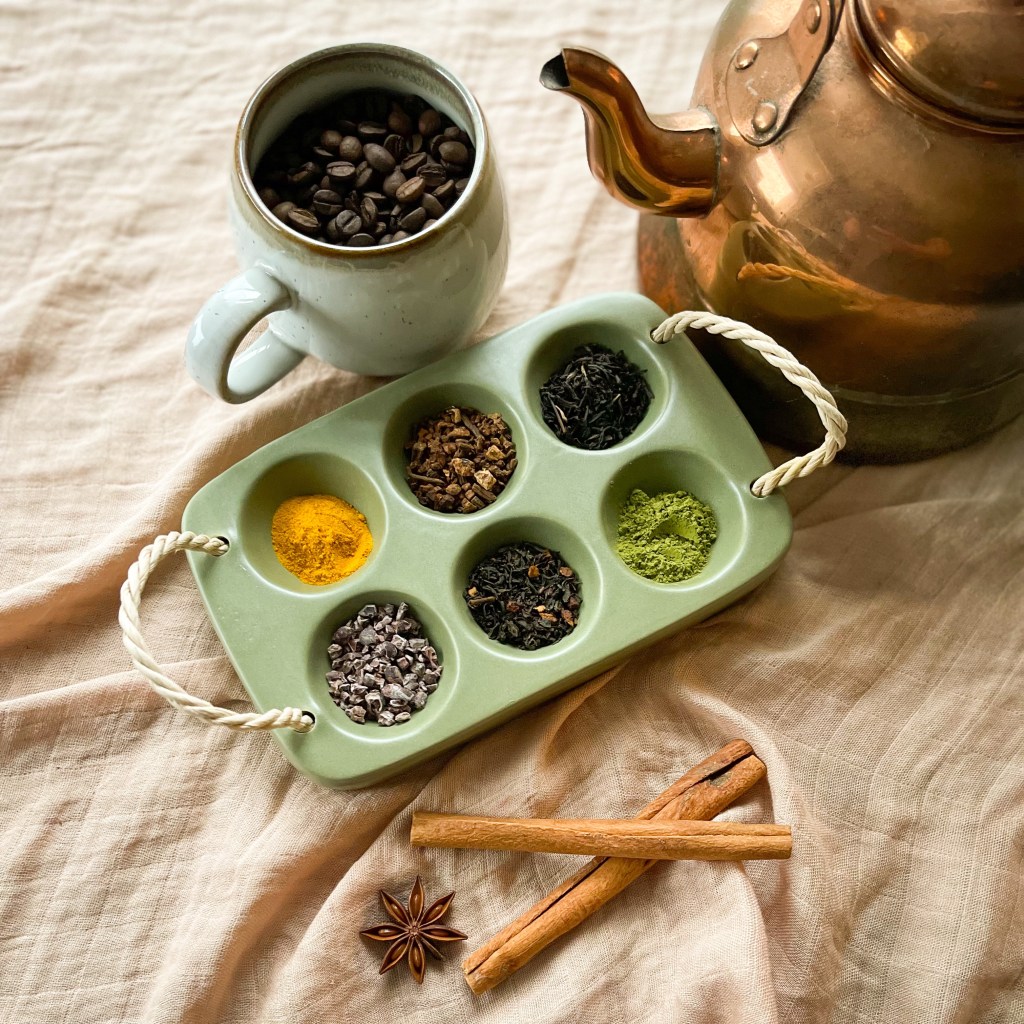
Golden Milk (turmeric, sweet spices, black pepper, sugar / honey / etc., and milk) for a warming, very healthy, comforting, aromatic, immune-boosting & inflammation-modulating decaf sip (although to be honest—I personally still drink coffee myself, but often add about ¼ tsp of this to my mug and stir it in to enjoy the benefits & taste of both)

Roasted dandelion root for a cozy, earthy, hearty, grounding, detoxifying caffeine-free brew (my evening go-to; I often mix this with cacao nibs and cinnamon stick chips. You can also cut your ground coffee with dandelion root to reduce the caffeine and add health benefits!)

Lapsang souchong for some caffeine (but not as much as coffee) and a dark, bitter, smoky, complex, satisfying cuppa (an acquired taste, but I adore it)

Cacao nibs for a wee bit of caffeine, tons of antioxidants & beneficial minerals, mood-boosting endorphins, and rich & decadent taste

Chai or other spiced black tea for a bit of caffeine in a satisfying, aromatic, grounding, flavorful, cozy, warming brew (pictured here is a favorite of mine—hot apple spice)

Matcha for a complex, earthy, herbaceous, fresh, soothing cuppa with moderate caffeine that is offset by amazing health benefits (I’ll admit, I am not a huge matcha person when it’s by itself, but I do sometimes incorporate it into recipes and blends—but some people swear by it!)


Have you transitioned away from coffee with any of these, or perhaps a different alternative? Let us know in the comments — I have a feeling there are others who could benefit from some ideas to try!