Categories
herbal skincare Herbs and Herbalism Hygge Recipes

Autumn Spice Botanical Hand Soap

DIY botanical hand soap is incredibly simple to make and can bring lovely, refreshing scent, moisturizing properties, and natural ingredients to the sinks in your home. It also makes a nice house-warming or holiday gift!

It is something extra special to concoct your own personalized soap from some of your favorite natural ingredients. You can capture the season, cozy vibes, and your favorite scents all in something you use many times a day! And the process of very easy and fun! My eight-year-old daughter especially enjoys creating this hand soap with me.

Simply combine castile soap, water, herb-infused oil (such as coconut, jojoba, sweet almond, or olive oil), and essential oils (these are optional but help add a stronger scent). You can also add ingredients like vegetable glycerine and/or aloe vera for extra moisturization, and vitamin E oil to extend the shelf life.

For this particular batch of hand soap, I invoked an autumnal energy by including rose-infused jojoba oil, orange essential oil, frankincense essential oil, cinnamon sticks, star anise, dried orange, and a few cloves. The dried botanicals and spices are added for accent and visual appeal, and they are hard enough so they won’t break down too much in the soap mixture to interfere with the soap. If you’d like, envision a warming and cozy intention while adding these to this soap your family and friends will use in your home.

Here is the recipe!


Autumn Spice Hand Soap

Materials:

Instructions:

Starting with a clean jar, add 1 cup water. Add 1/2 cup castille soap and all other ingredients. Replace lid and carefully swirl vigorously to mix. If the jar looks too empty, top up with a bit more water and castille soap.

The mixture will be a bit foamy at the top, and will be thin but luxuriously moisturizing for the skin.

Note: you may need to give it a swirl once in a while as the ingredients can separate while it sits and settles. Also, if very young children or anyone with skin sensitivities will be using the soap, you can omit the essential oils.


Would you make DIY hand soap? Which ingredients or scents would you use in yours?


For educational purposes only. Not intended for medical advice. Always consult your physician.

*This post contains affiliate links, which means if you choose to buy something from a link that I share, I will make a small percentage of the sale *at no extra cost to you*.
Categories
Botanical Anthology

Cinnamon + Spiced Milk by Brighid Doherty

This is an excerpt from the article Cinnamon, More than One Spice by Brighid Doherty featured in the Autumn edition of Botanical Anthology. A plant lover’s dream, it is a seasonal, plant centered quarterly publication bringing you over 50 articles from 49 contributors to incorporate herbs in your apothecary, kitchen, foraging and gardening, crafts, and celebrations.

To learn more about the similarities and differences between the two types of cinnamon plus their medicinal qualities check out our autumn edition. This herbal magazine, featuring remedies and recipes with medicinal plants for budding herbalists, can be purchased as a digital version here and as a printed version here.

Photo by Brighid Doherty

Breathe Easy Spiced Milk

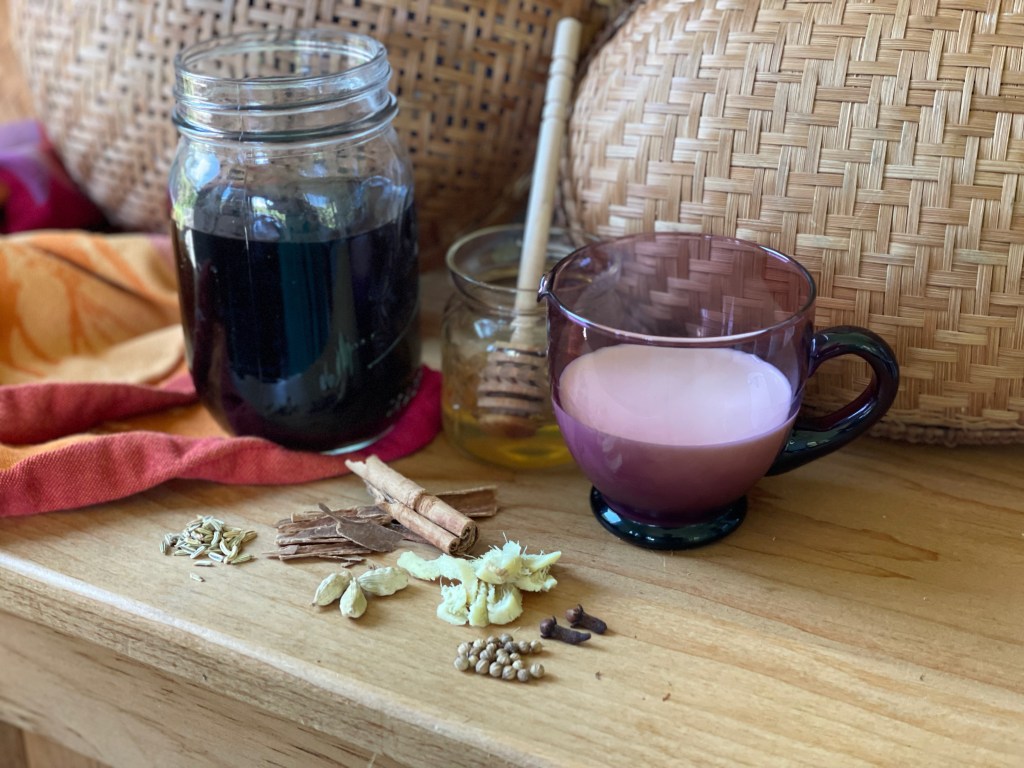
This infusion is a nourishing combination of mullein, cinnamon, milk and honey that supports lung health. Whether the lungs have been exposed to excessive smoke or air pollution or experience chronic asthma, allergies, bronchitis or coughs, this remedy will help them function better. All of the ingredients soothe and nourish lung tissue. Mullein is a classic lung tonic herb. Cinnamon is warming, soothing and antimicrobial. Milk soothes lung tissue and provides important minerals allowing them to be calm. Honey sweetens and adds anti-microbial and soothing properties to the beverage.

Photo by Brighid Doherty

Materials

½ oz mullein leaves

2 c water, boiling hot 

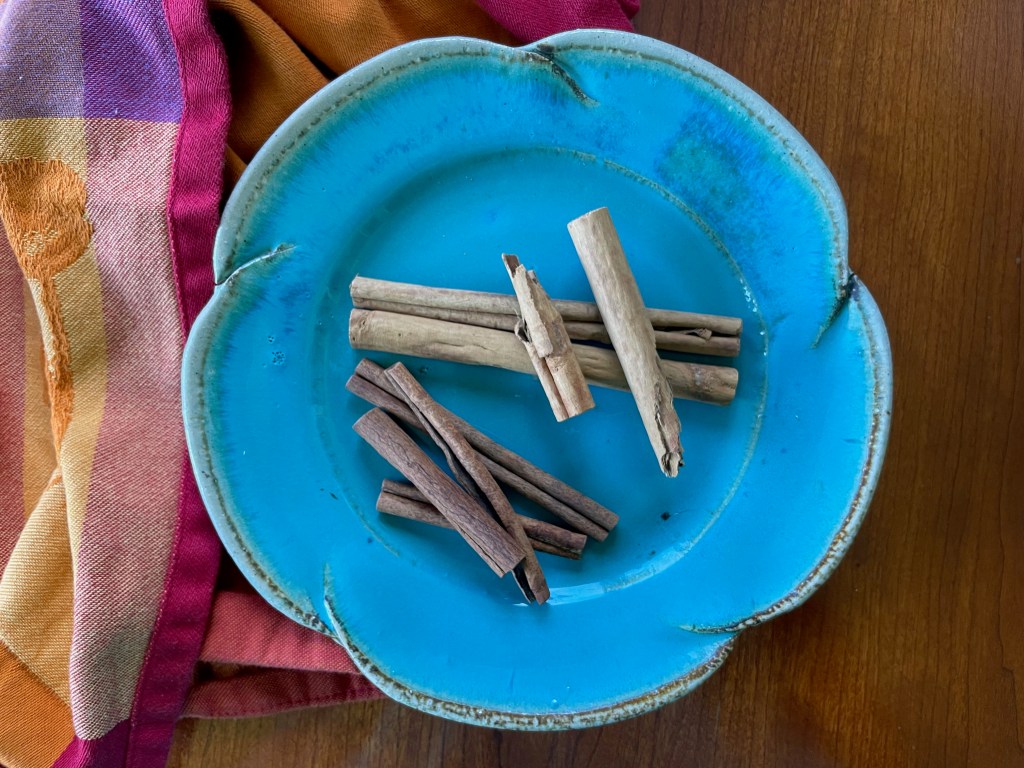
2 tbsp cinnamon chips or 2 quills  

1-2 teaspoon each of cloves, cardamom, ginger, fennel seeds, optional

2 c organic whole milk or half and half

1 tbsp or more honey

1 quart mason jar and lid

Unbleached coffee filter paper and ceramic drip cup or fine mesh strainer

Small sauce pot

Method

Add mullein and boiling water to a quart mason jar and cover with a tight lid. Steep for 4-8 hours.

Strain the infusion into a small sauce pot. Add the milk, cinnamon and other desired spices. Simmer gently for 20-40 minutes.

Strain out the cinnamon and spices. Sweeten with honey to your preference. Pour into the quart jar to store.

Drink at least one cup per day.  Enjoy warm or cold.

Store mullein infusion in the fridge for up to 1 week. Once the milk has been added it should be consumed within three days.

Notes

Mullein leaves have fine hairs that have the potential to irritate the throat when consumed.  To avoid the hairs, mullein infusion is best strained through a fine mesh or unbleached coffee filter.  

Premixed chai blends can be used instead of using cinnamon alone, or you can make your own spice blend.

Photo by Brighid Doherty

Brighid is a mother, gardener, herbalist, educator, podcaster, and author living on a bridged island in Maine. She is founder of The Solidago Herb School, The Healthy Herb Podcast, and author of Drinkable Healing Herbal Infusions. Connect with her @solidagoherbschool and solidagoherbschool.com

Categories
Hygge Recipes

Gluten Free Chai Apple Crisp

It may not be pumpkin spice time yet (Says who? It’s always pumpkin spice time to me!) but apples are ripening and it’s a great time to whip up some apple crisp. I am gathering with friends this evening, so I made a chai apple crisp that is gluten-free for one of my friends’ dietary needs.

You can’t fault me for rushing Autumn if I’m using chai spices! And anyway, there are so many benefits to chai spices. Medicinally they’re immunity boosting, digestion aiding, circulation stimulating, and so much more—check out THIS blog post for more on that. Chai spices also help soothe, relax, and even help with sleep. And symbolically / spiritually, many of these warming spices are said to bring prosperity, protection, joy, and divinatory insight. Plus, they’re just cozy and tasty! Perfect for a gathering with friends paired with tart Granny Smith apples.

Here is the recipe!


Gluten-Free Chai Apple Crisp—

Ingredients

For the filling—

  • 8-10 Granny Smith apples, peeled, cored, and sliced or chopped
  • 2 Tbsp gluten-free flour blend
  • 2 Tbsp sugar
  • 1 tsp pumpkin spice mix (cinnamon, nutmeg, ginger, and cloves) or ¼ tsp of each 
  • 1/4 – 1/2 tsp allspice
  • 1/2 tsp cardamom powder
  • 1 tsp vanilla extract

For the crumble—

  • 1 cup gluten-free old-fashioned oats
  • 1/2 cup gluten-free flour blend
  • 1/8 tsp salt
  • 1 cup dark brown sugar
  • 1/2 tsp pumpkin spice
  • 1/8 tsp allspice
  • 1/4 tsp cardamom
  • 1 stick of butter of choice, cold, cubed

Method

Preheat oven to 375° F. Grease a 9 x 13 glass baking dish and set aside.

Prepare apples and put in a large mixing bowl. Sprinkle with sugar, flour, and spices and stir to coat; add vanilla extract and stir again. Scoop this mixture into your greased baking dish.

In the same mixing bowl if you’d like, mix the oats, flour, spices, and salt well. (If you’d like to ease back on the spices, omit them from the crumble.) Add the brown sugar and butter and cut in with a pastry blender or fork until pebbly consistency is reached. Sprinkle over the apple filling evenly.

Bake 30 to 35 minutes; cool before serving.


Notes

Serves 6-8

Substitute in your favorite chai spices and play around with the amounts to your preference!

Would also be amazing with walnuts in the crumble topping.

This recipe could easily be adapted to be non gluten free with conventional flour.


Are you a big fan of apple crisp? And do you think August is too soon for it? Let me know in the comments!

Categories
Herbs and Herbalism Tea

Herbal Coffee Alternatives

Someone recently brought up in conversation that she is trying to wean herself off coffee, and it made me think about coffee alternatives. I don’t think it is necessarily as simple as swapping out any tea or herbal tea for your morning joe. Especially since some want to cut caffeine completely, some just want to reduce their intake, and some have non-caffeine related issues with coffee instead like stomach problems.

I am personally still a coffee drinker, even though I am a home herbalist and spend so much time blending and drinking herbal and “true” tea blends! I definitely don’t overdo coffee and tend to only drink it in the mornings, and I love experimenting with herb/spice/botanical additions to my mug.

I am very much NOT caffeine sensitive, so my one or two cups a day don’t have much impact on me, and though I might feel a bit grumpy if I miss my morning java ritual, I honestly don’t feel any detrimental physical impact if I skip a day. I know I am very lucky in this, however! Coffee can affect people so differently, and some just need ways to cut back or cut it out completely.

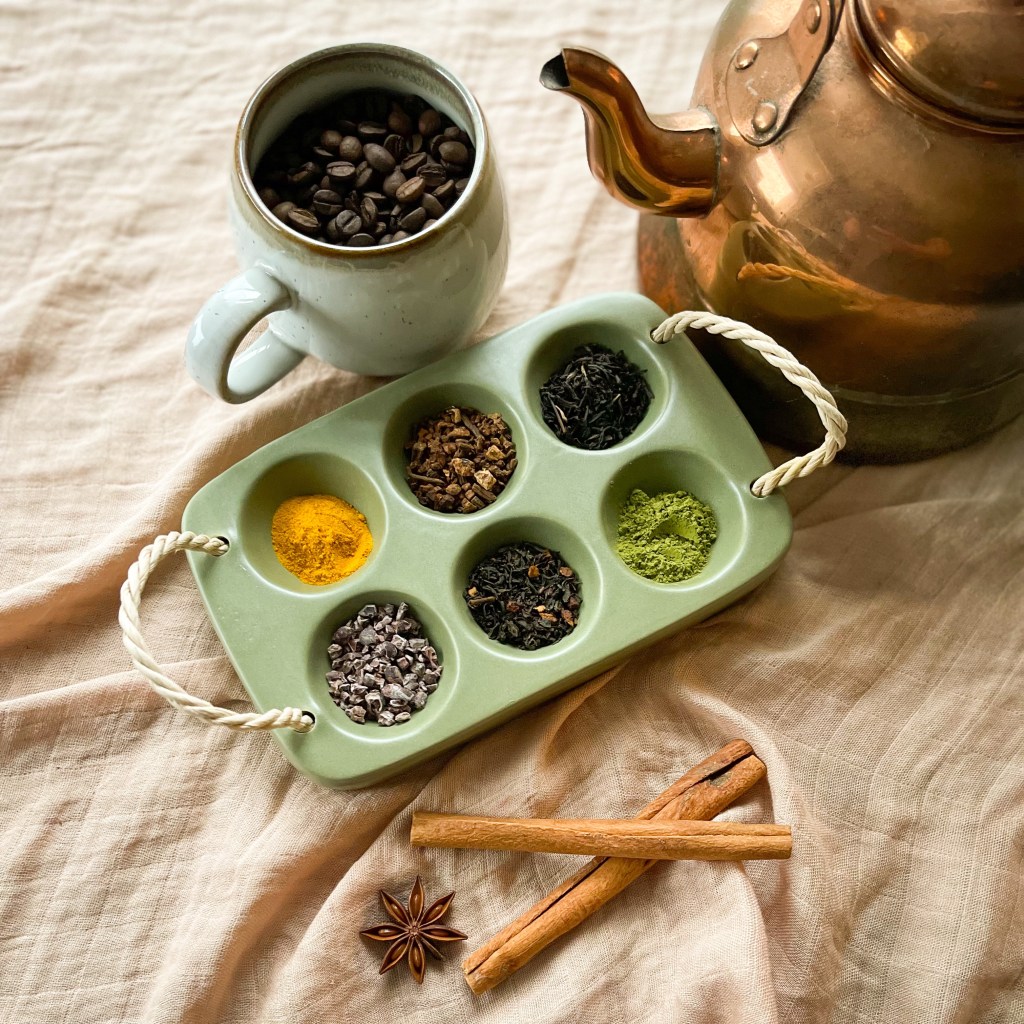
There are many different herbal / botanical coffee alternatives that can suit different needs. I thought I would share a few of my favorites, which can help fill a specific void that coffee leaves behind:


Golden Milk (turmeric, sweet spices, black pepper, sugar / honey / etc., and milk) for a warming, very healthy, comforting, aromatic, immune-boosting & inflammation-modulating decaf sip (although to be honest—I personally still drink coffee myself, but often add about ¼ tsp of this to my mug and stir it in to enjoy the benefits & taste of both)

Roasted dandelion root for a cozy, earthy, hearty, grounding, detoxifying caffeine-free brew (my evening go-to; I often mix this with cacao nibs and cinnamon stick chips. You can also cut your ground coffee with dandelion root to reduce the caffeine and add health benefits!)

Lapsang souchong for some caffeine (but not as much as coffee) and a dark, bitter, smoky, complex, satisfying cuppa (an acquired taste, but I adore it)

Cacao nibs for a wee bit of caffeine, tons of antioxidants & beneficial minerals, mood-boosting endorphins, and rich & decadent taste

Chai or other spiced black tea for a bit of caffeine in a satisfying, aromatic, grounding, flavorful, cozy, warming brew (pictured here is a favorite of mine—hot apple spice)

Matcha for a complex, earthy, herbaceous, fresh, soothing cuppa with moderate caffeine that is offset by amazing health benefits (I’ll admit, I am not a huge matcha person when it’s by itself, but I do sometimes incorporate it into recipes and blends—but some people swear by it!)


Have you transitioned away from coffee with any of these, or perhaps a different alternative? Let us know in the comments — I have a feeling there are others who could benefit from some ideas to try!

Categories
Herbs and Herbalism

Herb Profile: Dandelion Root

I’m back with another herb profile about one of my very favorite herbs, this time being dandelion root! Dandelions may evoke visions of sunny spring days for many, but I’ve come to associate dandelion root with cozy, grounding autumn and winter brews. It’s such a simple and beneficial herb to use, and it’s definitely one of my main staples.

(Dandelion leaves are used as well as the root—in teas, as salad greens, in pesto, and more. The flowers are even used in making wine. But the root is my favorite part to work with, so that’s my focus for this post.)

The bitter and yet somewhat sweet dandelion root is usually harvested in the autumn. (If harvesting your own, make sure it is from an area free of weed sprays!) It can be used in a myriad of ways, but for teas and tinctures it is usually used dried and sometimes roasted. The roots tend to be cooling and drying, and offer benefits such as liver function aid, digestion aid, inflammation modulation, nutrition, and overall balancing and grounding.

Many herbalists prefer dandelion root in tinctures, but my favorite ways to work with it involve teas. Dandelion makes an excellent addition to or replacement for coffee! Roasted dandelion root and chicory, with or without additions like cacao nibs and cinnamon, make an excellent and healthy coffee alternative. I also love pairing dandelion root with herbal chai mixes—it adds an earthy grounding element and all kinds of healthy benefits.

One of my favorite dandelion root tea blends is one shared by The Herbal Academy, called Grounding Gratitude Tea. The mix of dandy root and tulsi, which offers a mildly stimulating, calm energy, along with warming ginger, is one of my go-to teas to make me feel at home in my own body.

So, are you a dandelion root fan? What is your favorite way to work with this lovely plant ally?

Categories
Herbs and Herbalism Tea

Autumn Chai for Health & Grounding

Since tea is my preferred vehicle for herbalism and ritual, I thought today I’d touch on my favorite type of tea during autumn: CHAI. It is full of benefits befitting the season: digestive, circulation-stimulating, warming, anti-inflammatory, immunity-boosting, and so many more. And chai is extremely grounding, protective, and COZY.

So I’m going to touch on a few of my favorite chai botanicals, digging in with a bit of research and preparation ideas.

Origins

I of course have to begin with the origins of chai. Even if what we think of as the “traditional fall spices” that are included in chai go way back, neither the spices nor chai have Western origins. Masala chai hails from India, a centuries-old traditional and health tonic drink. While recipes can vary widely, the main basis includes black tea and warming spices (the words masala chai literally mean “spiced tea”). The Western world recognized the benefits and amazing taste of chai spices long ago and has adopted and adapted them in many ways (which connects to a long and complicated history of colonialism we won’t get into here today). But regardless, chai and its related spices come to us thanks to their ancient origins in India.

There are so many non-traditional and revised spins on chai out there, either to incorporate different flavor profiles or to address varying health concerns. Milk and black pepper are common and traditional ingredients which helps to make the nutrients more bioavailable, but I sometimes enjoy chai without milk or with plant milk. Some versions include berries, fruits, or different herb or tea bases. My favorite base ingredient isn’t even tea—it’s rooibos! But in general, the essential components combine to aid digestion, immunity, and more, making chai a boon to holistic health.

Components

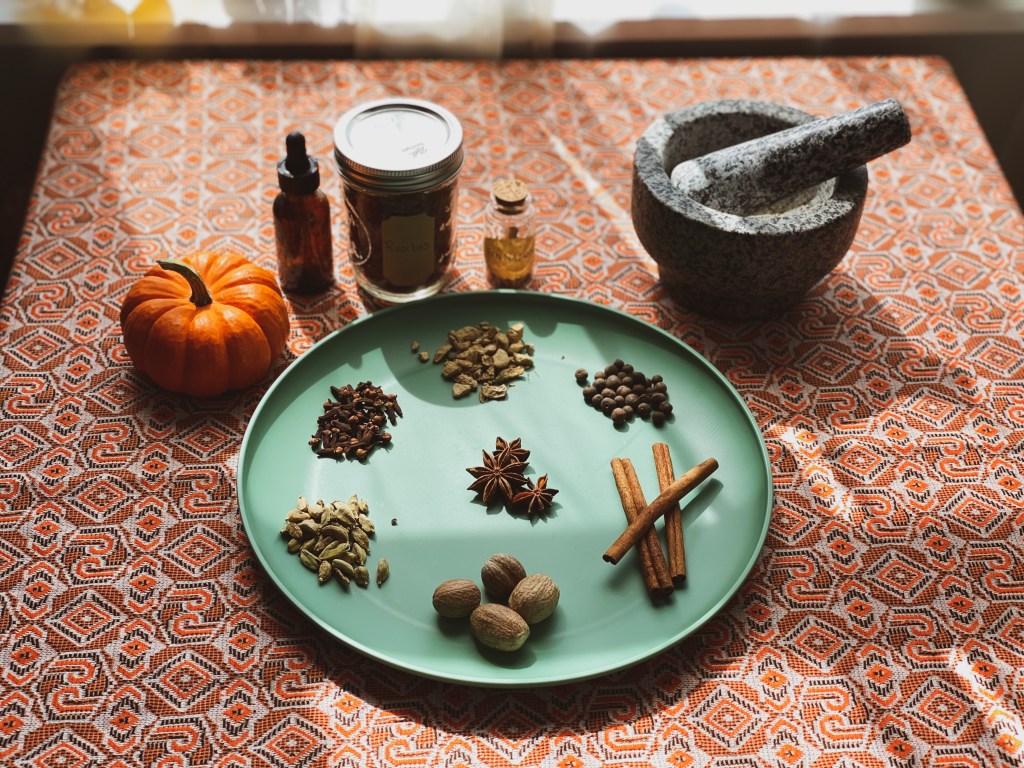
I’ve recently done some research on the specific benefits of some of my favorite chai spices! Read on for a brief run-through of each:

Cinnamon – This warming, drying, pungent bark has anti-microbial, analgesic, antioxidant, and many other qualities and helps with digestion, cramping, regulating blood sugar, soothing sore throats and colds, and more. Folk tradition also holds to other benefits including protection, purification, energizing, healing, love, and prosperity.

Ginger – Another warming, drying botanical. Ginger is a healing powerhouse! It aids in everything from circulation, inflammation, digestion, pain, cramps, cold and flu, sore throats, nausea, heart health, energy, and many more. It is an energizing and synergy-boosting herb, in both health and folk tradition aspects.

Nutmeg – I had no idea of this until recently, but nutmeg is great for stress, anxiety, and insomnia. This pungent, warming, drying spice is also antispasmodic and anti-microbial, along with many other properties. It is also believed to aid in happiness, love, overall health, and psychic abilities, if that’s your thing.

Cloves – Cloves are great for your teeth and breath! They’re also known to be antiviral, antibacterial, anti-fungal, anti-inflammatory, antispasmodic, analgesic, anesthetic, and expectorant. Whew! These fragrant little powerhouses aid digestion, colds and flu, arthritis, pain, headaches, and spasms. Cloves are thought to offer protection, purification, general healing, and mental aid.

Other common chai ingredients include cardamom, allspice, anise, fennel, black tea, and peppercorns. Flavor or health variations can include turmeric, rose, mint, fruit like apple or orange, astragalus, echinacea, reishi…it goes on and on. Don’t be afraid to put your own spin on your chai recipes!

Preparation

Due to the hardy nature of the seeds, roots, barks, and such that make up chai, it’s often suggested to make a decoction with the herbs before combining with the tea component, rather than an infusion. A decoction is simple, though: just boil the ingredients on the stovetop for an extended period (it depends on how concentrated you’re going for, but it can be as little as 15-20 minutes), strain, and add to your brewed black or rooibos tea (if you’re not making a strictly herbal chai). Then top with plant or dairy milk if you like! A decoction tends to turn out more concentrated than a simple tea infusion, so that’s why you often add additional liquid to the mix after decocting. How much liquid you add depends on how long you simmer your decoction.

All that said, though, I often don’t have time to make a decoction and need a quicker cuppa! When this is the case, I grind the spices well with my mortar and pestle (you can use a coffee grinder, too) and steep for longer than I normally would with a simple tea infusion—as much as 10 or 12 minutes.

I could go on and on about chai—I feel like I already have in this post—but I think I’ll stop here for now! Are you a fan of chai? What ingredients do you like to incorporate? Which of the basic chai components is your favorite?