Categories
Herbs and Herbalism seasons

Herbs to Love in October

October is here! It is, in my opinion, the most magical of months. The sensory delights of autumn transport me to childhood and to the most inspired and attuned spirit of imagination and nature connection. Maybe it is nostalgia, or maybe it’s something that runs far deeper. 

Even as the plants prepare to rest and the trees put on their blaze of glory, we can tune into our bodies and our relationship to the natural world via herbs. To that end, here are a few of the herbs I love to lean on in October!
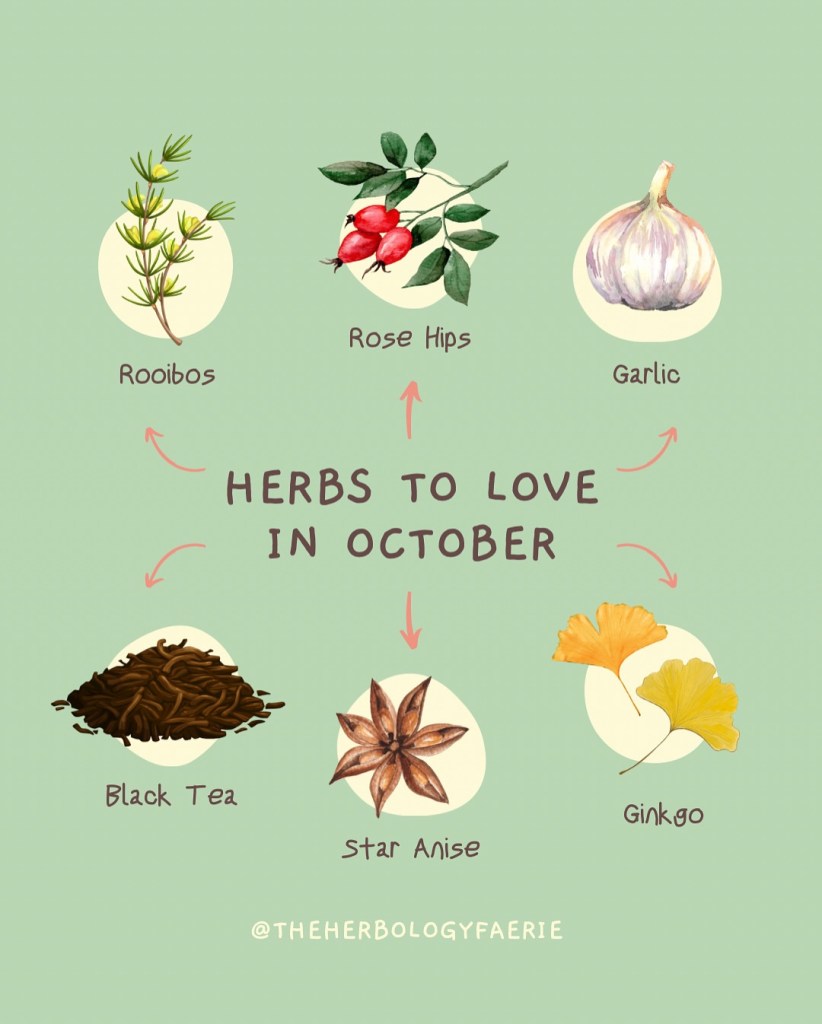
Rooibos: also known as “red tea,” this shrub plant native to South Africa is treated and prepared like traditional tea. Less talked about in the herb world, it deserves recognition! High in vitamin C, great for immunity and inflammation, rich in antioxidants, grounding, tasty, and caffeine free—it’s a great coffee replacement and daily tonic. For some reason, I am just extra drawn to rooibos tea blends during the autumn months. When instinct tells me something like this, I listen! It certainly doesn’t hurt that some of my favorite autumn tea blends are based around rooibos – a couple tea companies make amazing rooibos-pumpkin spice and rooibos-apple blends.

Rose Hips: in season after the first frost of autumn, which I *hope* is coming soon! Rose hips are amazing for immunity, heart health, skin, digestion, modulating inflammation, and overall wellbeing. They are lovely in jams, baked goods, skin oils, teas, and more. What’s more, roses and rose hips have age-old associations to love, luck, protection, divination, and healing, as well as Venus, Demeter, Isis, and the water element. 

Garlic: not just for warding off vampires! Garlic is a fiery plant with ties to Hecate and Samhain, so for obvious reasons it fits perfectly with October. But its protective aid in preventing illness, its addition to cozy stews and soups, and its hearty flavor all compound garlic’s usefulness during this month. And don’t forget that it can be a wonderful remedy when applied topically, too! Garlic salve is a favorite recipe of mine that can be rubbed into stiff, aching joints and used as an ointment for minor wounds.

Black Tea: there is something about grounding, cardio-supportive black tea that I find I’m drawn to in October. It offers a balanced burst of energy without too much caffeine. Nothing better than an autumn cuppa! Like rooibos, black tea is naturally a gorgeous base for tea blends (ha, obviously) and pairs amazingly with other herbs. It also makes for a wonderful, universally appreciated gift to share with others. I am particularly fond of smoky lapsang souchong, which puts me in mind of October bonfires and burning leaf piles. Just breathing the aroma in makes me feel cozy and homey. 

Star Anise: licorice-like taste, so very pretty, and a star in chai and sweet spice blends! Star anise has associations with divination, luck, and purification. It can add an energy boost to your intentional recipes and workings, and with ties to both air and water it helps open channels of communication. The flavor itself is complex and adds layers of depth to sweet and savory culinary applications. Add it to your autumn ciders and sangrias for some extra oomph!

Ginkgo: said to promote longevity, aids brain and memory, helps with blood pressure and heart health. Ginkgo leaves turn golden this month where I live and taste amazing in tea! This ancient tree has long been regarded as sacred, with wisdom and longevity being its spiritual as well as medicinal associations. In both Western medicine and TCM (Traditional Chinese Medicine), ginkgo is believed to aid in circulation, movement in the body, respiratory health, cognitive health, and ease anxiety and depression, too. 

Which of these are herbs YOU love in October? Or do you have some different favorites?
Categories
Recipes wheel of the year

Samhain Tea

Samhain is one of the most widely-known sabbats, as it is so closely tied up in Halloween. However, the roots of this celebration run a bit deeper. The last harvest festival, Samhain marks a time when the veil between worlds thins and spirits are closer at hand, so death and remembrance are at the forefront. The death of the earth as winter approaches is also represented with this day. Shadow work, ancestor remembrance and communion, and protection are all important at this time.

A really special way I love to celebrate Samhain is to brew up a batch of Samhain Tea to take along trick-or-treating in thermoses. It’s such a simple but special ritual! If you don’t go trick-or-treating, you could take the tea along on a spooky hike, sip while you cozy up around a fire telling scary stories, or while you spend this day / night in some other way: a warm cup of Samhain Tea can bolster your courage and help ground you. 

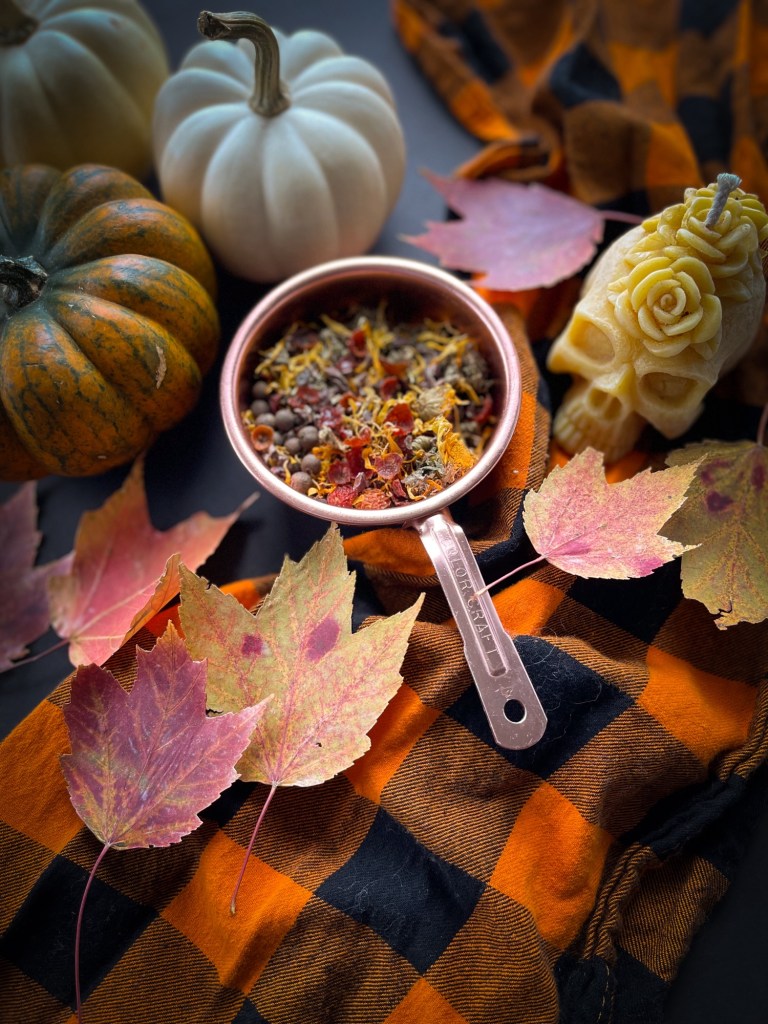
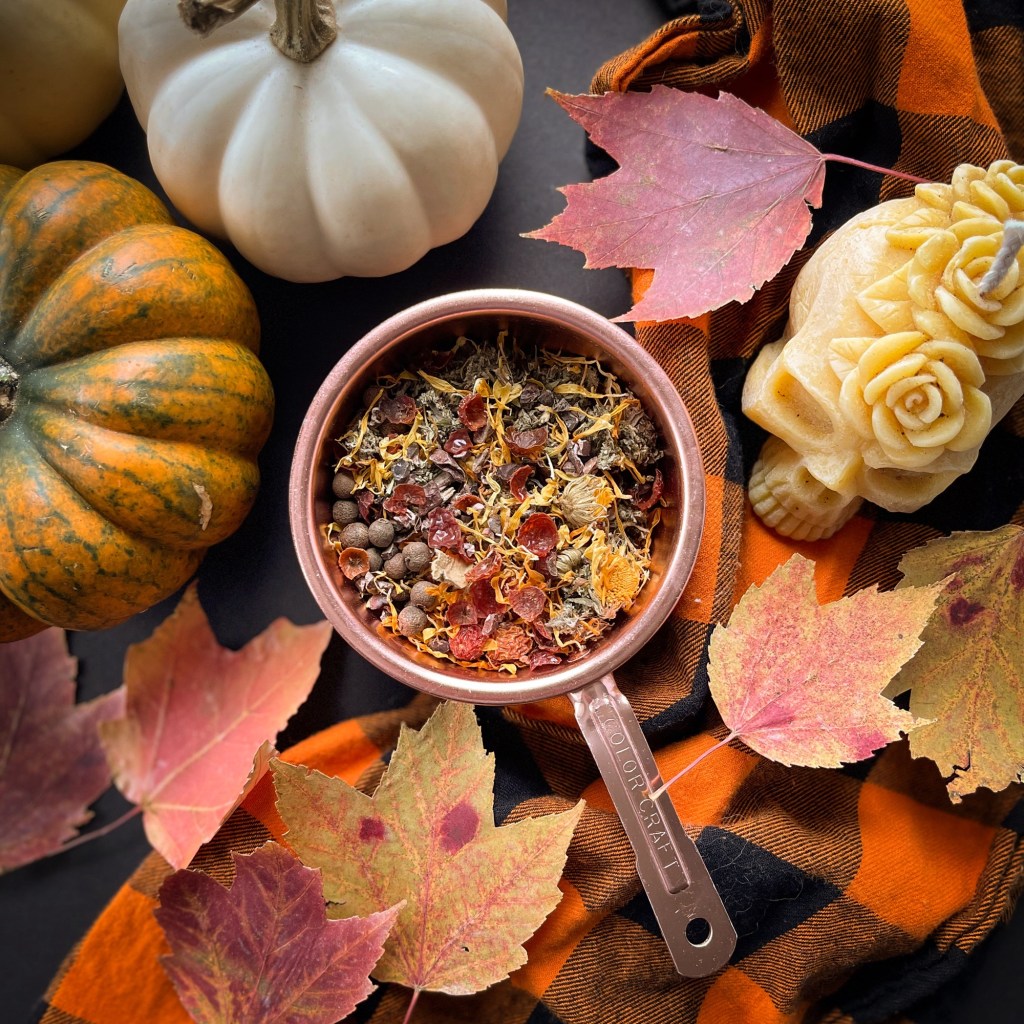
This Samhain tea blend features seasonally appropriate and healthy rose hips, mugwort for dreams, rosemary for remembrance, calendula to honor the departed, cacao for sacredness and offering, and allspice for luck and prosperity. 

Here’s what you need—


Ingredients

1 part cacao nibs 

1 part rose hips

1 part calendula 

1⁄2 part mugwort 

1⁄2 part allspice

1⁄2 part rosemary

Directions

To make a single cup of tea, add 1-2 tablespoons to a tea strainer, eco-friendly tea bag, or French press. Pour 1 to 1 1⁄2 cups hot water over the tea and steep for 4-5 minutes. Add honey or other sweetener, if desired. 


For educational purposes only. Not intended for medical advice. Always consult your physician.

*This post contains affiliate links, which means if you choose to buy something from a link that I share, I will make a small percentage of the sale *at no extra cost to you*.

Categories
Recipes Tea

October: Falling Leaves Moon in Aries + Tea Recipe

Though the Falling Leaves Moon or Hunter’s Moon fell on October 17th this year and has technically passed, the full moon’s energy can still be tapped into. Read on to learn more about this month’s full moon and a corresponding tea recipe!


The Ojibwe named the full moon during what we call October the Falling Leaves Moon. We await the “peak” of the vibrant colors knowing the shedding of these leaves marks winter’s approach. As this full moon nears, we may feel Aries’ pull to dive into autumn with an energy as vibrant as the leaves. But the sun sign Libra may temper this drive with a need for balance to conserve our energies for the coming cold.

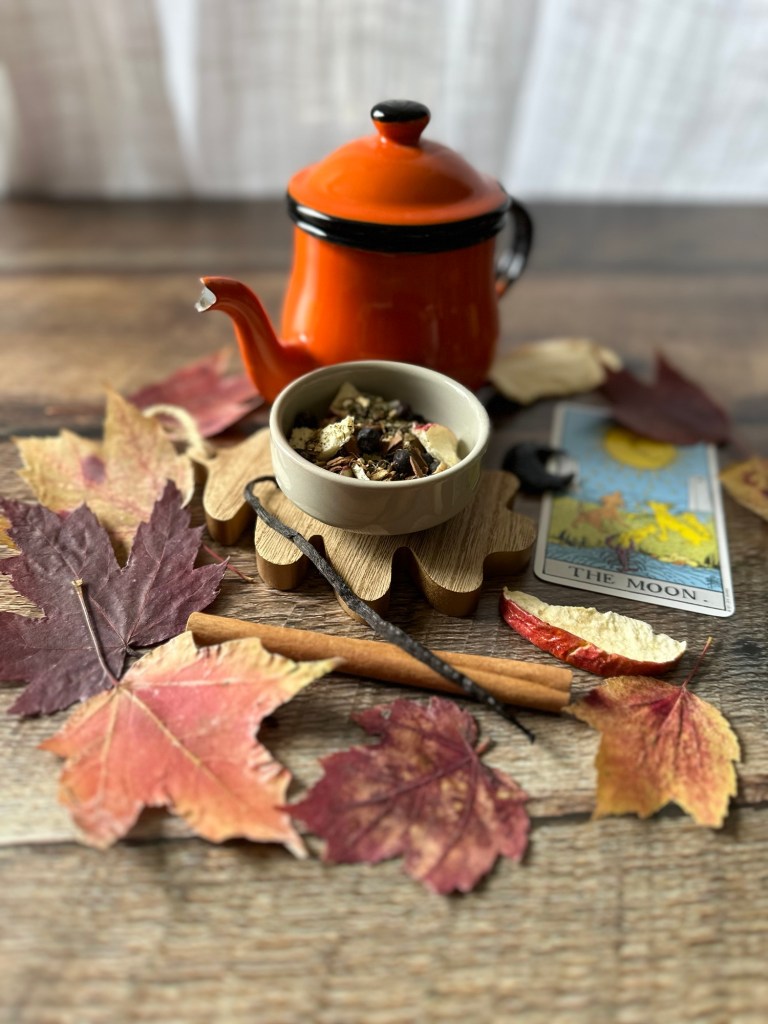
Brew this tea to mark the Falling Leaves Moon which includes gifts given from trees for both their symbolic and astro-herbalism connections. Hawthorn bolsters the heart, while juniper, cinnamon, and ginger support the Aries fire. Apple and vanilla round things out with sweetness to cool that fire off a bit and bring things back to balance.

Falling Leaves Moon in Aries Tea Materials-

1 tbsp apple pieces, dried 

1 tsp hawthorn leaf

1 tsp juniper berries

½ tsp cinnamon stick pieces

¼ tsp ginger root, dried 

¼ tsp vanilla bean powder or ¼ vanilla bean pod

Method-

To make a single cup of tea, add 1 tablespoon to a tea strainer, eco-friendly tea bag, or French press. Pour 1 to 1 ½ cups hot water over the tea and steep for about 5 minutes. Strain, and serve. Add sweetener of choice to taste, if desired.

If you’d like recipes to mark each month’s full moon, check out the current and upcoming issues of Botanical Anthology where I share these recipes!


For educational purposes only. Not intended for medical advice. Always consult your physician.

*This post contains affiliate links, which means if you choose to buy something from a link that I share, I will make a small percentage of the sale *at no extra cost to you*.

Categories
Hygge Recipes Tea

Happy Hobbit Weekend & Tea!

The Hobbit and The Lord of the Rings books by J.R.R. Tolkien have been my very favorite books since I first read them as a teenager, and I have always felt a very strong connection to hobbits: simple folk who prefer the comforts of home, well-stocked larders and bookshelves, and the joy of silly fun with family and friends, yet who can be prevailed upon to draw deeply from a well of courage and wit to save the world on occasion. If any fictional folk represents me, it’s the hobbit-folk. 

So the publication anniversary of The Hobbit (my birthday, 9/21) and the birthday of both Bilbo and Frodo Baggins (9/22) alongside the beginning of fall are all something I like to mark wrapped up into one special span of a couple days. I might read bits of The Hobbit to my own halflings, or we might watch the 1970s Rankin Bass animated film of The Hobbit (wonderfully nostalgic and kid friendly).

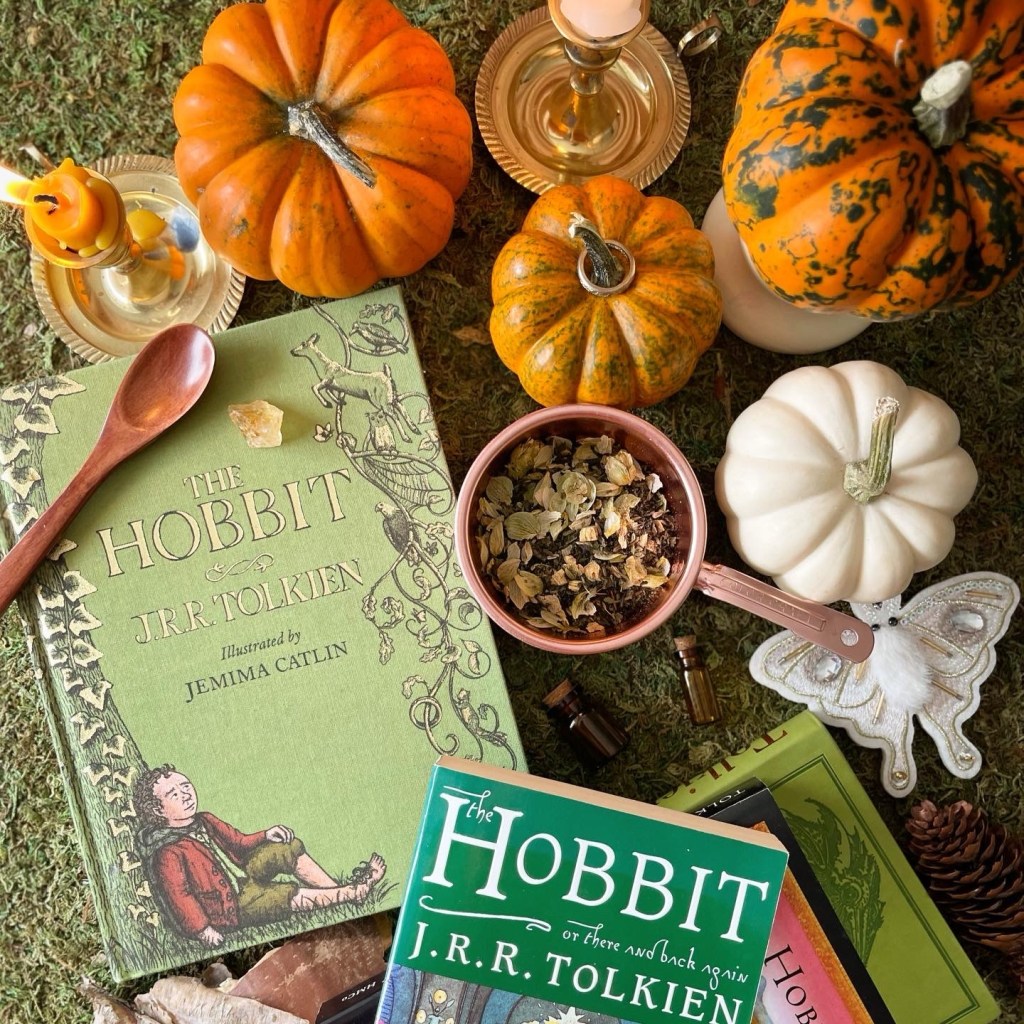
We may enjoy a hobbit-y teatime, too, with fresh baked goods and hobbit-inspired tea from the recipe I created. It combines smoky lapsang souchong tea for that famous pipe-leaf all hobbits love, hops to represent the tankards of ale they heartily imbibe, reishi mushrooms foraged right from the woods surrounding the shire, and other flavorful herbs and spices.


Ingredients:

1 part loose leaf lapsang souchong (or other black tea)

1 part mint

1⁄2 part reishi, broken into small pieces (substitute with licorice root if you are unable to find reishi)

1⁄2 part hops

1⁄4 part fennel

1⁄4 part nutmeg

1⁄4 part powdered vanilla bean or 1 vanilla bean per 4 cups of tea, split

Directions:

To make a single cup of tea, add 1 tablespoon to a tea strainer, eco- friendly tea bag, or French press. Pour 1 to 1 1⁄2 cups hot water over the tea and steep for 5 minutes. Add honey or other sweetener, if desired.


For educational purposes only. Not intended for medical advice. Always consult your physician.

*This post contains affiliate links, which means if you choose to buy something from a link that I share, I will make a small percentage of the sale *at no extra cost to you*.

Categories
Craftbrunch Folklore Recipes Tea

Chang’e  and the Moon Rabbit: Immortality Elixir Tea 

As a lover of all things autumn, I love branching out and learning about how different cultures mark my favorite season! I have recently learned a bit about the Mid-Autumn Festival in Chinese culture, which takes place around mid-September to early October and centers around the timing of what we know as the Harvest Moon. 

During this autumn equinox festival, celebrations focus on the harvest—with gratitude and family gatherings; the moon; Chang’e (the goddess of the moon); and her companion, a white rabbit who pounds herbs in his mortar and pestle to make immortality elixir. Other symbols and parts of the celebration include lanterns, mooncakes, cassia wine, and burning incense as an offering to Chang’e.

This festival and the lore surrounding Chang’e and the Moon Rabbit are a wonderful Craftbrunch theme! There are lovely picture books on this folklore to share with children, you can decorate lanterns and make moon cakes, and more. 

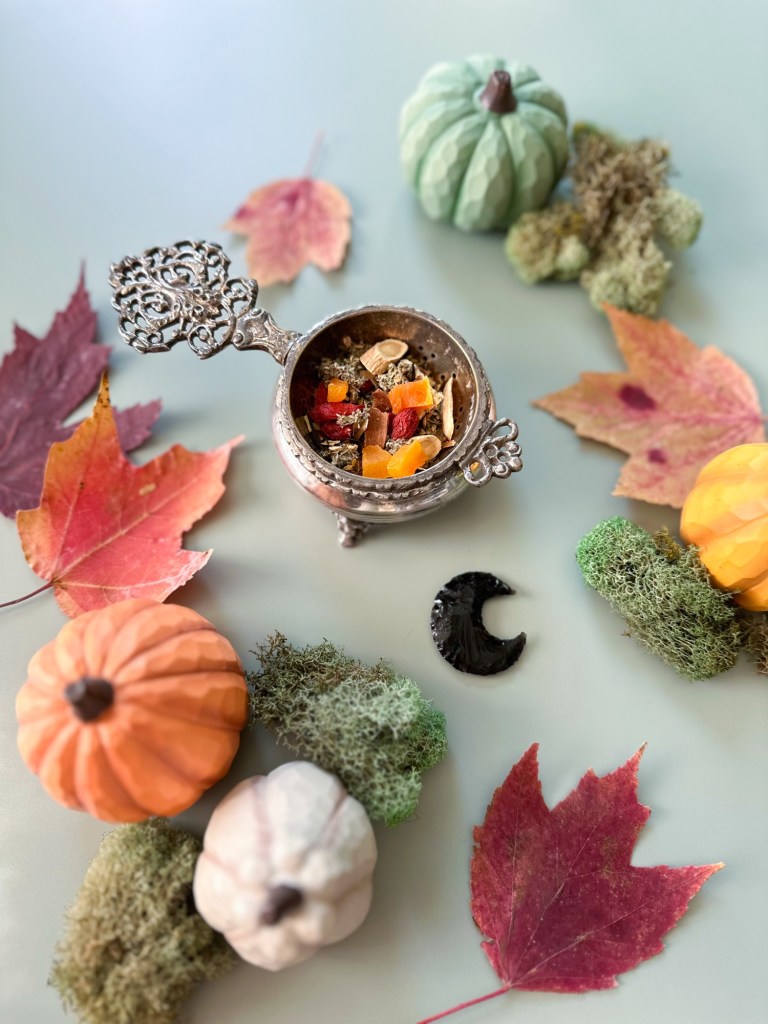
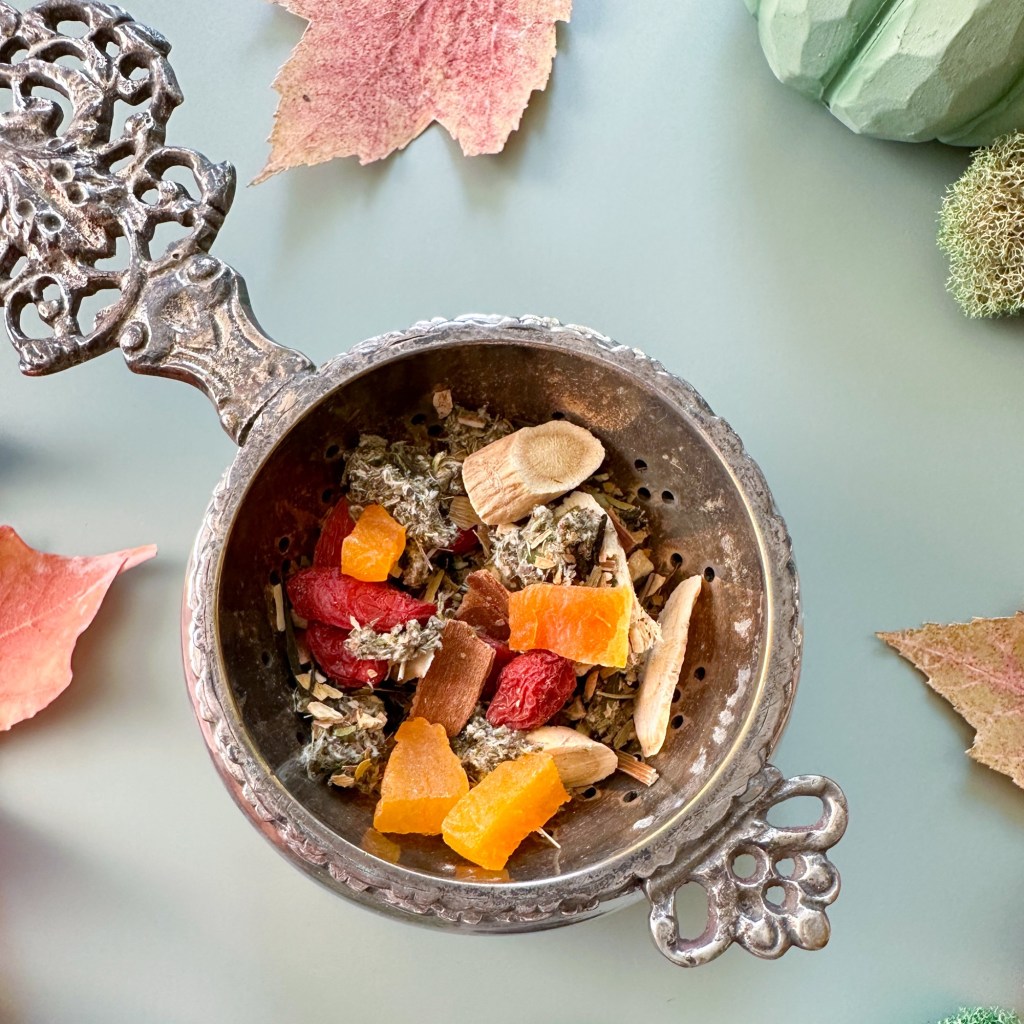
My contribution to the #autumnnaturemagic #Craftbrunch celebration I’ve joined on Instagram is a tea blend based on the idea of the immortality elixir that the Moon Rabbit makes! Most of the ingredients are longevity herbs in TCM (Traditional Chinese Medicine), and the cassia cinnamon and dried apricots are present to represent cassia wine, which I’ve not tried but I read it tastes like peaches or apricots!

(This tea is safe for adults and kids alike, but if you prefer you can substitute decaf green tea or leave it out altogether.)

Here is the recipe! It should be enough for a few cups of tea but you can increase accordingly for the number of people you’re serving. 


Moon Rabbit’s Immortality Tea

Ingredients:

1 Tbsp Green tea

1 Tbsp Astragalus root

1 Tbsp Ginkgo (I like golden ginkgo)

1 Tbsp Mugwort

1 Tbsp Goji berries, dried

½ Tbsp Ginger, dried, or 1-2 small knobs fresh

Cassia cinnamon, 1-2 sticks broken into pieces

Dried apricots – 3-4, chopped

Instructions:

Brew for 3-4 minutes with just-boiled water; you can brew longer if you omit the green tea, or perhaps put the green tea in a separate tea strainer and remove it before the other ingredients. 

Garnish with cinnamon sticks and dried apricots if you like! Sip this tea before a lantern-lit autumn hike under the moonlight!


For educational purposes only. Not intended for medical advice. Always consult your physician.

*This post contains affiliate links, which means if you choose to buy something from a link that I share, I will make a small percentage of the sale *at no extra cost to you*.

Categories
Botanical Anthology Recipes

Botanical Anthology: Licorice Root Fizz

This is an excerpt from the article Root Mocktails by Leah Jorgensen Jean featured in the Autumn Vol 3 | Issue 10 | 2024 edition of Botanical Anthology. To learn more about mocktails and for the accompanying S’mores mocktail recipe using marshmallow root, check out the entire article! Our herbal magazine, featuring remedies, recipes and projects with plants for the autumn season, can be purchased as a digital version here and as a printed version here

Licorice Root Fizz 

Licorice Root Fizz is a delightful drink for those who appreciate its distinctive flavor. Licorice root provides a sweet, herbal taste that is soothing and mildly spicy.  Combined with sparkling water, it transforms into a refreshing and unique beverage, delivering an unexpectedly intense, complex, and invigorating experience. It is an excellent alternative for those who enjoy sipping on licorice-flavored liquors such as Pastis, Sambuca, Ouzo, Pernod, or Absinthe.

Materials

¼ c water
¼ c granulated sugar

2 tbsp licorice root, dried

Ice cubes
Juice of ½ lemon

Sparkling water or club soda
Lemon slice or twist, for garnish

Method
In a small saucepan, combine the water, sugar, and licorice root. Heat over medium heat, stirring occasionally, until the sugar is completely dissolved.  Bring the mixture to a gentle simmer, then remove from the heat. Let the licorice root syrup cool to room temperature, then strain it through a fine-mesh sieve or cheesecloth. Transfer the syrup to a clean jar or bottle and store it in the refrigerator until ready to use.

To make the Licorice Root Fizz, fill a glass with ice, and add 2 to 3 tablespoons of the licorice root syrup, depending on your sweetness preference. Squeeze the juice from the lemon into the glass and stir to combine. Top with sparkling water or club soda, stirring gently to mix. Garnish with a lemon slice or twist and serve immediately.


Notes

  • Licorice should not be used while pregnant or nursing and those who have high blood pressure.

Leah Jorgensen Jean is a professional winemaker, holistic nutritionist, and regenerative herbal medicine grower based in Newberg, Oregon. She received her certificate in herbalism from Ecoversity and grows and prepares medicinal plants for her small town herbalist community.  Visit her on Instagram @cosmicculturebotanicals 

These recipes are excerpts from her first book The Herbalist’s Guide for the Sober Curious: 65 Garden-To-Glass Recipes published by Chartwell Books available wherever books are sold in January 2025. Visit her on Instagram @cosmicculturebotanicals 

Categories
Botanical Anthology plant wonder collective

Botanical Anthology Autumn!

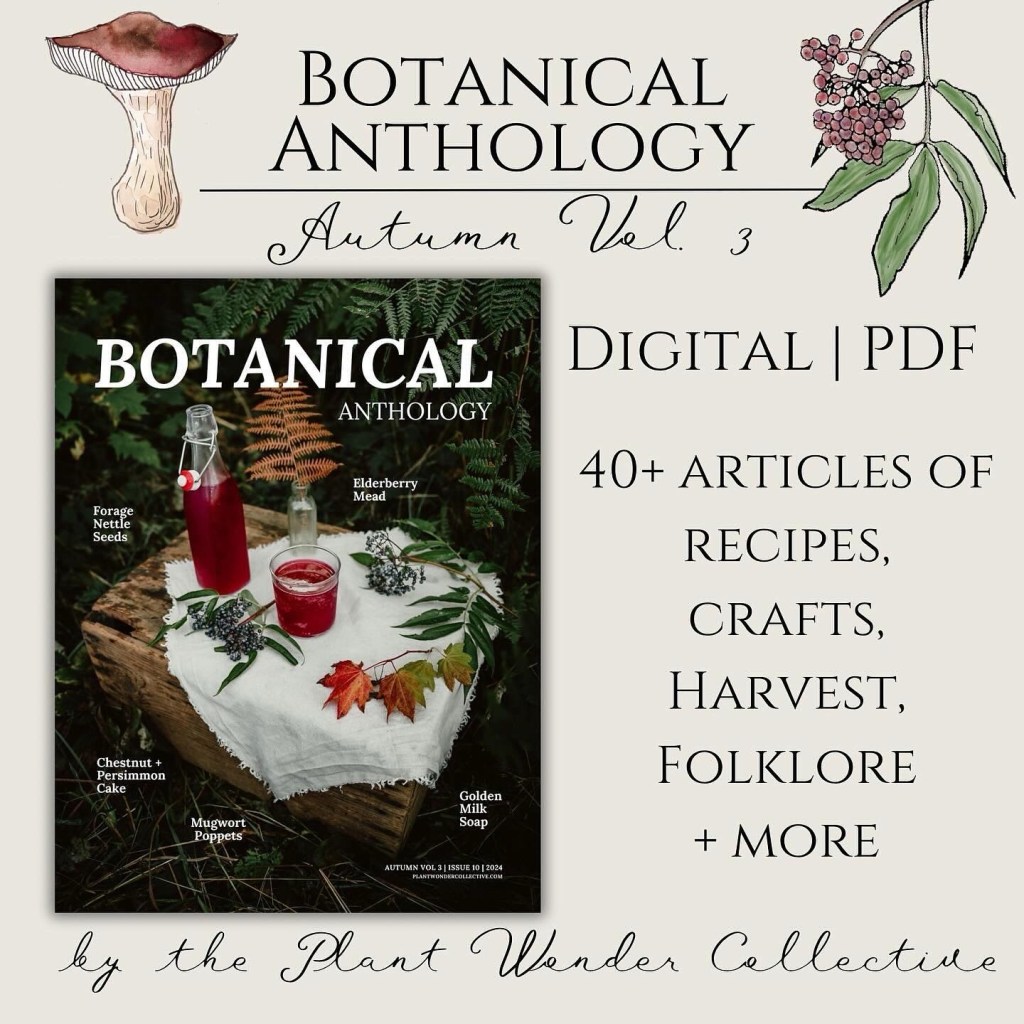
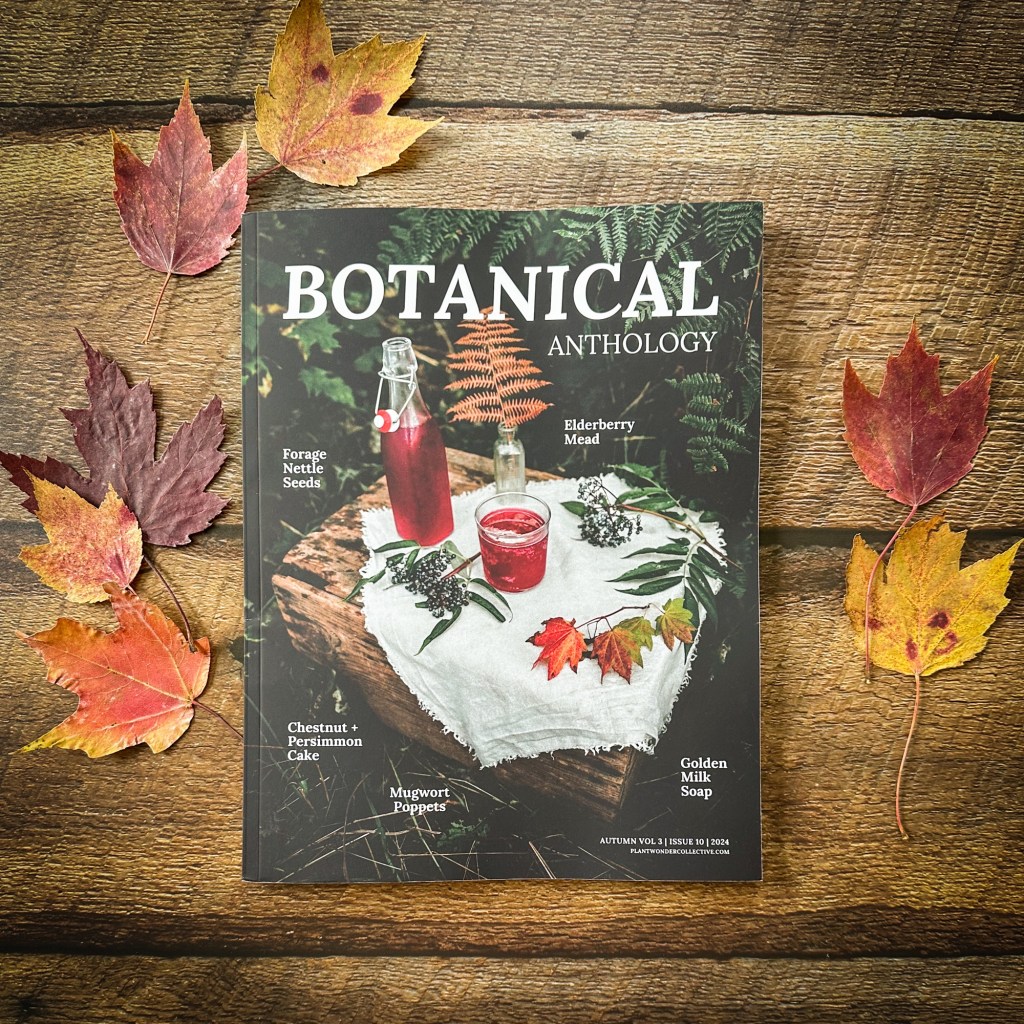
It’s here: the Botanical Anthology Autumn issue is available now!

It is a joint labor of love and adoration of plants by the creatives of the Plant Wonder Collective. Our fearless leader Harmonie, the lovely & incredibly creative contributors, and I have all worked tirelessly to bring you this amazing autumn tome we are so proud of. 

Recipes, harvest, folklore, apothecary, celebrations, rituals, interviews, crafts, poetry, foraging, tips, books and podcasts to love, fresh ideas, self care, and so much more to connect you to the wisdom of plants this autumn season. 

For this edition, I contributed an article on ritual teas for autumn’s full moons, a quick craft making hops dream pillows, a piece on the folklore of autumn goddesses and their associated plants, a book review, and a recipe for elderberry fire cider. 

From 9/3 through 9/12, you can pick up the digital (ebook) edition for only $16 and it comes with the All About Elderberry bonus booklet free! If that sounds like just the fall treat you’d like to dive into, here is the link:

DIGITAL EDITION 

Or if you prefer a print copy you can hold in your hands, place on your bookshelf and return to each autumn (as these issues are evergreen and you can enjoy them again and again), here is the link for that:

PRINT EDITION

Are you as ready for fall as I am? 

Categories
Uncategorized

November Updates

Hello, friends! I apologize that it has been so long since I’ve shared any recipes, projects or herbal info with you here. November has been a very busy and unusual month! So I thought I would pop in and tell you a few things that have been going on lately, including some exciting publications coming out soon.

Not to start on a sad note, but my grandmother died at the beginning of November. We were not close, but I have still felt the effects of losing a family member, and have also spent some time helping my parents with a few things regarding her home and belongings. So, that has thrown off my usual autumn recipe writing and making.

My grandma

On a happier note, I have been hard at work helping to edit the upcoming winter edition of the Botanical Anthology magazine! With an almost month-early release date and lots of extra side projects tied in, this endeavor has kept me on my toes. I can’t wait to share more with you about this cozy plant-centered publication and the articles I’ve written for it.

I have also written articles for other publications! The winter edition of Willow & Sage came out this month and includes a Lavender Pine Lip Balm recipe by me. And soon, a new publication called Beauty in Bloom will release with two articles by me inside!

I’ve been hard at work finishing my Winter Tea Booklet, the recipe ebook (already available!) in my Etsy shop. Rosemary Faerie tier Patreon patrons will receive this as one of their December gifts!

As ever, I’ve been creating other posts and printables for those lovely Patreon patrons, too. This month they’ve received a tea recipe coloring page, an herb monograph all about cardamom, a mini guide to crafting winter candles (also in my Etsy shop), and more!

If you’re missing the recipes I normally post here, you might be interested to hop over and check out a few from my Instagram feed this month. I’ve shared a grief tea, my November Cozy tea, Cardamom Hearth incense, herbal cooking salt, and a festive Sparkling Cranberry-Apple Spiced Sangria Mocktail. Cheers!

I will be back soon to share more about the Botanical Anthology and Beauty in Bloom, as well as more recipes again! Thank you for sticking with me here, my faerie friends!

Categories
herbal skincare Herbs and Herbalism Hygge Recipes

Autumn Spice Botanical Hand Soap

DIY botanical hand soap is incredibly simple to make and can bring lovely, refreshing scent, moisturizing properties, and natural ingredients to the sinks in your home. It also makes a nice house-warming or holiday gift!

It is something extra special to concoct your own personalized soap from some of your favorite natural ingredients. You can capture the season, cozy vibes, and your favorite scents all in something you use many times a day! And the process of very easy and fun! My eight-year-old daughter especially enjoys creating this hand soap with me.

Simply combine castile soap, water, herb-infused oil (such as coconut, jojoba, sweet almond, or olive oil), and essential oils (these are optional but help add a stronger scent). You can also add ingredients like vegetable glycerine and/or aloe vera for extra moisturization, and vitamin E oil to extend the shelf life.

For this particular batch of hand soap, I invoked an autumnal energy by including rose-infused jojoba oil, orange essential oil, frankincense essential oil, cinnamon sticks, star anise, dried orange, and a few cloves. The dried botanicals and spices are added for accent and visual appeal, and they are hard enough so they won’t break down too much in the soap mixture to interfere with the soap. If you’d like, envision a warming and cozy intention while adding these to this soap your family and friends will use in your home.

Here is the recipe!


Autumn Spice Hand Soap

Materials:

Instructions:

Starting with a clean jar, add 1 cup water. Add 1/2 cup castille soap and all other ingredients. Replace lid and carefully swirl vigorously to mix. If the jar looks too empty, top up with a bit more water and castille soap.

The mixture will be a bit foamy at the top, and will be thin but luxuriously moisturizing for the skin.

Note: you may need to give it a swirl once in a while as the ingredients can separate while it sits and settles. Also, if very young children or anyone with skin sensitivities will be using the soap, you can omit the essential oils.


Would you make DIY hand soap? Which ingredients or scents would you use in yours?


For educational purposes only. Not intended for medical advice. Always consult your physician.

*This post contains affiliate links, which means if you choose to buy something from a link that I share, I will make a small percentage of the sale *at no extra cost to you*.

Categories
Folklore Herbs and Herbalism Recipes

Protection Carpet & Sweeping Powder

This time of year, the quest for protection from illness lines right up nicely with the folk idea of protection from negative energy, unfriendly spirits, and the like. Whether you are seeking one, the other, or both forms of protection, there is a simple and cozy way to invoke that sentiment, freshen your house, and refresh the energies of your home: herbal carpet powder!

Did you know that strewing herbs on the floor goes way, way back? From the ancient Romans to the Middle Ages, and even up to about the 18th century herbs were strewn over the floor with rushes and straw to release a pleasant aroma and repel unwanted pests. Some households swept them up each day and replaced them with fresh herbs, while others left them for a longer interval. Rosemary, lavender, chamomile, hyssop, sage, and marjoram were among the many herbs commonly used for this purpose. Modern carpet / vacuum powders aren’t left on the floor for very long—you let them sit for 15-30 minutes before vacuuming back up—but they certainly hearken back to this practice.

While you can easily buy ready-made carpet powders at the grocery store, it is incredibly easy and fun to make your own and stir a bit of intention and personalization into the mix. If you have pets and small children, it would be best to leave out any essential oils or only use the gentlest ones you’re already used to using around your small people and creatures. Otherwise, you can experiment and create your own blend that combines the scents and intentions you prefer!

For this recipe, I’ve used rosemary for protection and remembrance (for the upcoming sabbat of Samhain); allspice and cinnamon for prosperity, luck, and healing; and orange for lovely, cozy, and uplifting vibes. And all these ingredients have antibacterial and antimicrobial properties!


Ingredients:

3 cups baking soda

3 tsp rosemary powder

1 tsp allspice powder

1 tsp cinnamon powder

20 drops sweet orange essential oil

OR 1-2 tsp orange zest

Method:

Mix ingredients well in a bowl and transfer to a glass jar. I used an empty Himalayan pink salt shaker jar because of the convenient shaker lid! Sprinkle on your carpet (and even wood or tile floors if you like), allow to sit for 15-30 minutes, and then vacuum up thoroughly. You can also sprinkle a bit of this powder around doorways and windowsills to repel insects (and maybe more? 👻).


For educational purposes only. Not intended for medical advice. Always consult your physician.

*This post contains affiliate links, which means if you choose to buy something from a link that I share, I will make a small percentage of the sale *at no extra cost to you*.