Categories
Herbs and Herbalism seasons

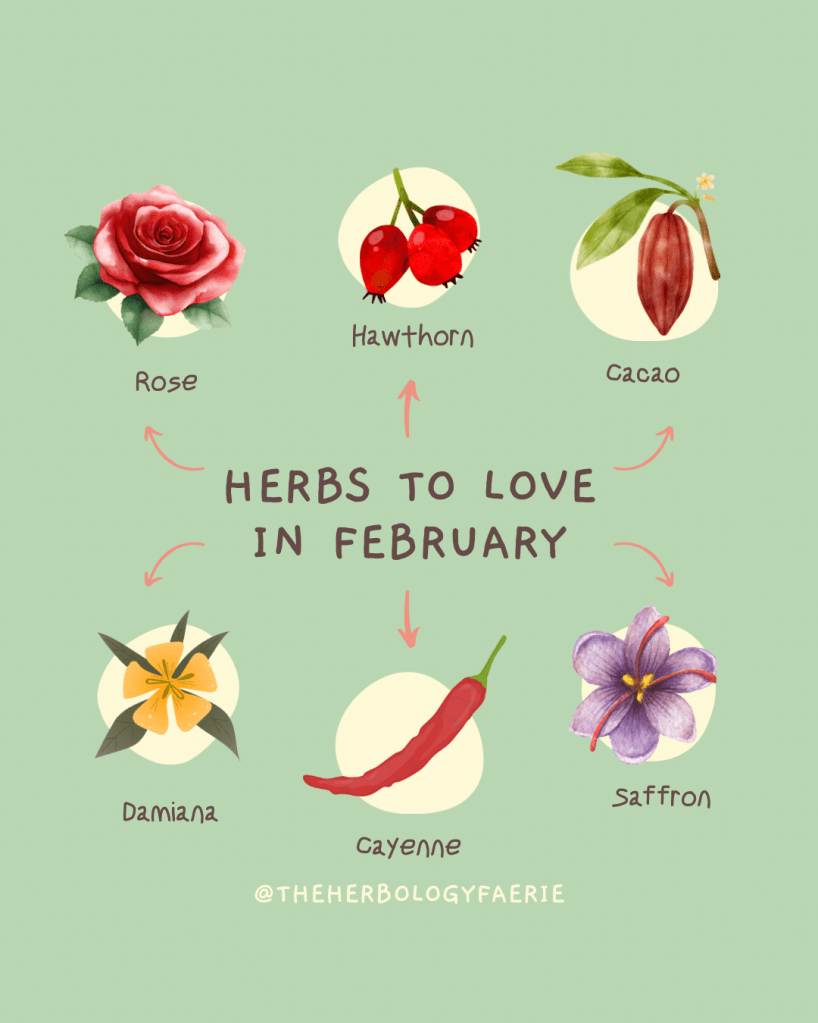
Herbs to Love in January

January is such an odd time of year. We feel the pull to start things anew at the turning of the year, and yet we are also drawn to habits and practices of wintering and hibernation, especially those of us residing in places that get cold and snowy in the winter. It’s a strange dichotomy that tugs us from two directions! To get our footing firmly beneath us, it is best to try and tune outside influences out and pay attention to what our bodies and spirits are calling for. Not always an easy task, but certainly rewarding and stabilizing!

To that end, here are a few of the herbs I love to lean on in January for extra winter mind, body, and spirit support-

Eucalyptus: This camphorous, fragrant plant that is native to Australia but now naturalized much more widely is a wonderful winter ally due to its healing properties. There are few plants more soothing and refreshing to enjoy in a steam, summer pot, bath, or tea than eucalyptus – it is a go-to for easing cold symptoms and promoting healthy breathing. In spiritual terms eucalyptus has ties to water, the moon, feminine energy, and healing and protection. It has long been a traditional plant in smoke cleansing and is a lovely addition to smoke bundles and loose incense, and can be utilized in talismans and sachets for protection and health.

Hops: Though some might find hops an unusual choice for January, I find it to be a de-frazzling, nourishing, sleep-aiding miracle worker after a busy and stressful December. Hops helps you unwind, destress, sleep, cools off tense feelings, heals skin, and soothes digestion. This makes it an exceptional plant to depend on as a strong reset button of sorts! Hops has traditional uses in teas, baths, and especially sleep pillows and sachets – it is not just for brewing beer, though that is certainly also a big part of its history! This plant is associated with the air element, the planet Mars, the goddesses Brighid and Demeter, as well as Imbolc, winter, good dreams, and healing. 

Echinacea: I adore this flower, also called coneflower. It is native to the U.S. and is best known as a cold and flu remedy—so important this time of year! It is very stimulating to the immune system and isn’t something to reach for daily, but to certainly work with in times of need. It also helps with acne and other skin issues and infections. Use in teas and salves for these reasons! But make sure to source your echinacea responsibly, as it is a victim of over-harvesting and is an at-risk plant as a result. Echinacea also has spiritual ties to strengthening, so consider adding it to workings for that purpose and even to adopt the imagery (a responsible usage that doesn’t harm the species!) for strength as well. 

Schisandra: This five-flavored wonder berry is an equalizing adaptogen to get the body back into a better state after the holidays. It offers liver support, sleep support, heart support, balance, energy, immune support, and so much more. This plant has long been valued in Traditional Chinese Medicine as a restorative, nourishing botanical that can help to reset and rebuild the chronically stressed and wrung-out individual. One of the best ways to take schisandra is via decoction (long-simmered tea) to ensure extraction of all the good stuff it has to offer. In metaphysical terms, schisandra is thought to have the same balancing effect on the spirit and is highly valued for re-centering and helping to stabilize energy. 

Astragalus: This plant shows up in my January apothecary for very similar reasons to schisandra! Astragalus is a member of the pea family, and is a sweet root that supports and sustains. This adaptogen aids in immunity, helps with fatigue, promotes resilience, supports the heart and liver, improves digestion, and so much more. It is a wonderful herb to work with after you have been ill and need to rebuild your energy stores, and also after periods of stress when you feel wrung out and need restorative aid. Try it in a chai decoction – a wonderful and tasty way to enjoy this root! Like schisandra, astragalus is also quite important in TCM. It is associated with protection, strength, luck, enhancing vitality, and even boosting divination. 

Lemon: This citrus fruit is a tart, refreshing vitamin C boost in the cold of winter, with antimicrobial properties to help ward off winter illness, aromatherapy perks in a winter simmer pot, and useful properties for homemade cleaning products. Lemon works in so many applications, tastes and works wonderfully in so many recipes, and is an all-around powerhouse of a botanical ally! It is associated with the moon and water, as well as love, joy, friendship, purity, and longevity. 

Which of these are herbs YOU love in January? Or do you have some different favorites?

Categories
Herbs and Herbalism seasons

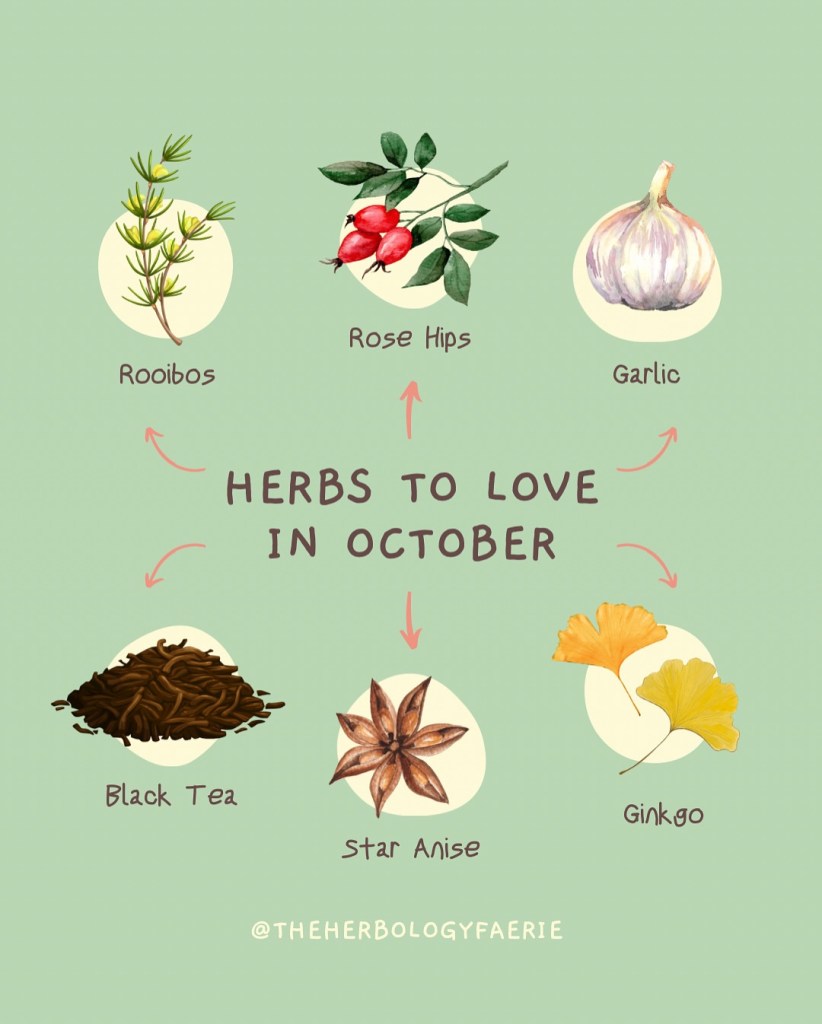
Herbs to Love in October

October is here! It is, in my opinion, the most magical of months. The sensory delights of autumn transport me to childhood and to the most inspired and attuned spirit of imagination and nature connection. Maybe it is nostalgia, or maybe it’s something that runs far deeper. 

Even as the plants prepare to rest and the trees put on their blaze of glory, we can tune into our bodies and our relationship to the natural world via herbs. To that end, here are a few of the herbs I love to lean on in October!

Rooibos: also known as “red tea,” this shrub plant native to South Africa is treated and prepared like traditional tea. Less talked about in the herb world, it deserves recognition! High in vitamin C, great for immunity and inflammation, rich in antioxidants, grounding, tasty, and caffeine free—it’s a great coffee replacement and daily tonic. For some reason, I am just extra drawn to rooibos tea blends during the autumn months. When instinct tells me something like this, I listen! It certainly doesn’t hurt that some of my favorite autumn tea blends are based around rooibos – a couple tea companies make amazing rooibos-pumpkin spice and rooibos-apple blends.

Rose Hips: in season after the first frost of autumn, which I *hope* is coming soon! Rose hips are amazing for immunity, heart health, skin, digestion, modulating inflammation, and overall wellbeing. They are lovely in jams, baked goods, skin oils, teas, and more. What’s more, roses and rose hips have age-old associations to love, luck, protection, divination, and healing, as well as Venus, Demeter, Isis, and the water element. 

Garlic: not just for warding off vampires! Garlic is a fiery plant with ties to Hecate and Samhain, so for obvious reasons it fits perfectly with October. But its protective aid in preventing illness, its addition to cozy stews and soups, and its hearty flavor all compound garlic’s usefulness during this month. And don’t forget that it can be a wonderful remedy when applied topically, too! Garlic salve is a favorite recipe of mine that can be rubbed into stiff, aching joints and used as an ointment for minor wounds.

Black Tea: there is something about grounding, cardio-supportive black tea that I find I’m drawn to in October. It offers a balanced burst of energy without too much caffeine. Nothing better than an autumn cuppa! Like rooibos, black tea is naturally a gorgeous base for tea blends (ha, obviously) and pairs amazingly with other herbs. It also makes for a wonderful, universally appreciated gift to share with others. I am particularly fond of smoky lapsang souchong, which puts me in mind of October bonfires and burning leaf piles. Just breathing the aroma in makes me feel cozy and homey. 

Star Anise: licorice-like taste, so very pretty, and a star in chai and sweet spice blends! Star anise has associations with divination, luck, and purification. It can add an energy boost to your intentional recipes and workings, and with ties to both air and water it helps open channels of communication. The flavor itself is complex and adds layers of depth to sweet and savory culinary applications. Add it to your autumn ciders and sangrias for some extra oomph!

Ginkgo: said to promote longevity, aids brain and memory, helps with blood pressure and heart health. Ginkgo leaves turn golden this month where I live and taste amazing in tea! This ancient tree has long been regarded as sacred, with wisdom and longevity being its spiritual as well as medicinal associations. In both Western medicine and TCM (Traditional Chinese Medicine), ginkgo is believed to aid in circulation, movement in the body, respiratory health, cognitive health, and ease anxiety and depression, too. 

Which of these are herbs YOU love in October? Or do you have some different favorites?
Categories
Folklore Recipes Tea

JULY: THUNDER MOON IN CAPRICORN 7/10/25

July’s Thunder Moon captures the essence of summer’s balmy, heady heat. Afternoon storms during this time help balance out the strength of the sun but also pack a punch with their turbulent energy. The sun in Cancer contributes a further watery element of heightened emotion and intuition; lightning can strike in so many ways. 

Add to it the presiding Capricorn sign of the full moon this cycle, and you introduce an element of stabilization and determination. This synergy can be a powerful tool, offering a ripe energy for soul searching, brave and honest internal reflection and truth seeking. 

Nettle lends strength to this endeavor and rose softens the heart to create openness. Cinnamon provides luck, and birch offers protection. 

Thunder Moon in Capricorn Tea Materials

1 tbsp nettle

1 tbsp rose

½ tsp cinnamon bark

¼ tsp birch bark

Method

To make a single cup of tea, add 1 tablespoon to a tea strainer, eco-friendly tea bag, or French press. Pour 1 to 1 1⁄2 cups hot water over the tea and steep for about 5 minutes. Add sweetener of choice to taste, if desired.

Notes

To cold-brew, add the ingredients (1 tablespoon of tea blend per 8 ounces of water) to a glass jar or French press, steep overnight in the refrigerator (or under the moon), strain, and serve.

This excerpt is from my Zodiac Full Moon Teas recipe in the summer 2025 edition of Botanical Anthology

Categories
Herbs and Herbalism seasons

Herbs to Love in May

May is such a special month where I live. The “merry merry month of May” lyric comes to mind. It is generally a time of unabashed sunshine, warming breezes, flourishing blossoms, and frenetic energy. The joy of May is infectious and refreshing! Spring is fully awake, and we are energized and full of her spark. 

While the weather from one year to the next varies, and so, too, does the timing of May’s blooms, there are certainly favorite plant allies that I always find myself drawn to during this month. These are a few of them!

Yarrow: white, pinkish, or more yellow—these blossoms that flourish in mid-spring are magical no matter the color. A harmonizing herb that can both cool and warm, staunch and aid flow, it can be used medicinally for a wide variety of things including styptic powder, teas, salves, steams, incense, and more. In folklore, yarrow has quite the long tradition of use in love spells, protective charms, sachets, cleansing and divination preparations, among other uses. Yarrow is on my planting list this year. Plant some near your home for a bit of beauty and protection, and harvest some for a host of beneficial applications!

Lilac: fleeting May magic! Lilac blooms where I live for a short time in early May, so I have to enjoy it quickly! That’s all part of the fun. Lilac sugar, tea, honey, syrup or jelly, skin recipes, and baked-good adornments are some favorite ways to harness its powerful sweetness. I love the longstanding tradition of planting this shrubby plant near doorways—then when it is in bloom, you can access it easily and quickly. Lilac is also said to be a protector of the home. 

Hawthorn: ubiquitous with May, whether they’re blooming on Beltane where you live or not. Hawthorn guards the gates to faerie realms, protects, gladdens the heart, and calms the nerves. I adore a strong cup of hawthorn leaf & flower tea! Just be sure to show the hawthorn tree her due respect: Mother Hawthorn expects to be approached with care, asked permission before you harvest from her branches, and left with an offering near her roots. Also, it is said that you shouldn’t bring hawthorn branches indoors, as it is bad luck. 

Red Clover: this springtime beauty is equal parts medicinal and magical. Wonderfully nutritive, beneficial to the skin and female system, for balance and movement, and more…and also so lovely in salads, honey, sweets, fritters, teas, lemonade, and other special treats. It is also a wonderful ally in soothing skin applications including bath teas, salves, and more! Red clover tends to grow wild and free in many areas, especially meadows, fields, and pastures—so much plenty for the taking! Just be careful to ensure that the place you’re harvesting from is safe—not too near roads or where chemicals are sprayed. 

Honeysuckle: yes, I know it is an invasive non-native species here in the U.S. But it is so very prolific where I live, and it’s not honeysuckle’s fault it was brought here! It has always been a special plant to me, since I was a kid when we had a magical honeysuckle that grew entwined with a blackberry bush at my childhood home. The great thing about honeysuckle is you don’t have to feel bad about foraging it, and don’t have to worry about taking too much! It smells so nice tucked into vases, twisted and twined into wreaths, or enjoyed in teas, cordials, and jellies. 

Catnip: I adore catnip, and it seems to adore me! It reseeds itself in more of my herb pots each year and springs up in late April and May. This rampant herb in my little container garden is not just for cats. A member of the mint family, it is wonderful for calming frazzled nerves and stress in humans and is gentle enough for children. I like to think of catnip as bringing both a dash of calm and a dose of courage, all in one go. It imparts a strong yet gentle resilience. When my plants are ready to begin harvesting, I plan to incorporate catnip into sun teas, lemonade, and popsicles to share with my kiddos!

Which herbs do you find that you favor in May?

Categories
Folklore Recipes

Aries Season Herbal Tea

We are firmly in the heart of Aries season, so I am sharing my simple tea recipe meant to help you ground into this energy! My daughter is a very fiery Aries herself so I am all too familiar with the spirit of this sign.


Aries.

March 21 – April 20.

Cardinal Fire sign. 

Ruled by Mars + the Sun.

Bold, driven, ambitious, energetic, fiery, friendly, confident, daredevil, competitive, adventurous, optimistic.

Associated with the Emperor in tarot; the root and solar plexus chakras; yang energy; red, pink, yellow, and white; and diamond, carnelian, citrine, and fire opal.


Aries Tea—

1 tsp nettle

1⁄2 tsp thyme

1 tsp rose

1⁄4 to 1⁄2 tsp cloves

To make a single cup of tea, add 1 tablespoon to a tea strainer, eco- friendly tea bag, or French press. Pour 1 to 1 1⁄2 cups hot water over the tea and steep for 3-4 minutes. Add honey or other sweetener, if desired.


———

For educational purposes only. Not intended for medical advice. Always consult your physician.

*This post contains affiliate links, which means if you choose to buy something from a link that I share, I will make a small percentage of the sale *at no extra cost to you*.

Categories
Tea wheel of the year

Brigid Tea for Imbolc

Blessed Imbolc! This sabbat marks the halfway point between the winter solstice and spring equinox, so it is also called midwinter. And it is Candlemas, when candles were brought to be blessed for the year. 

It’s also a time that is traditionally dedicated to St. Brigid and/or the goddess Brigid. This Celtic goddess is a fire deity who embodies the light and warmth of spring. She is sometimes represented as a triple-goddess or as presiding over three flames: the flame of inspiration and creativity, the flame of the hearth, and the flame of the forge and smithing. Brigid is also associated with healing, wisdom, poetry, livestock, and protection.

As Celtic legend tells, the Cailleach–the crone goddess of winter–and Brigid split the year between them. When the Cailleach’s fire goes out, she cedes rule to Brigid, who presides over her half of the year until Samhain when her counterpart returns.

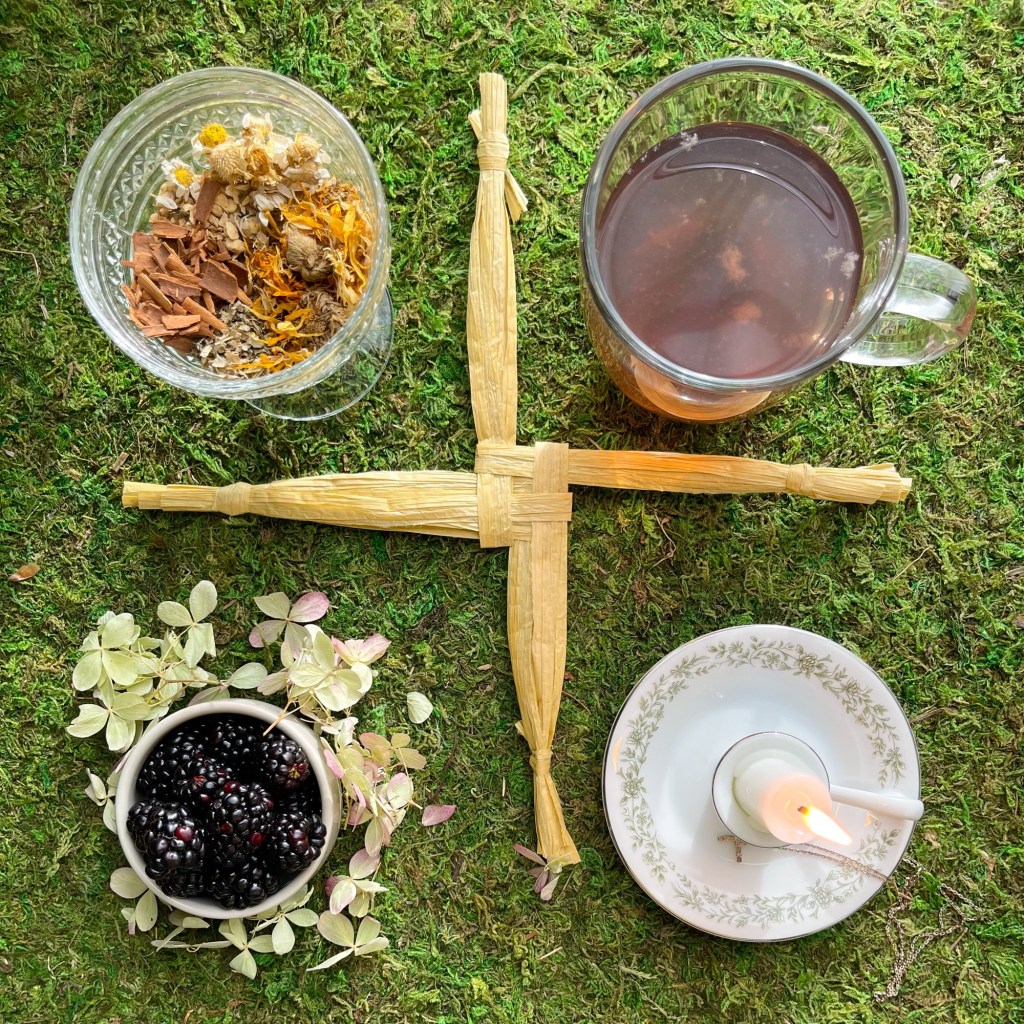
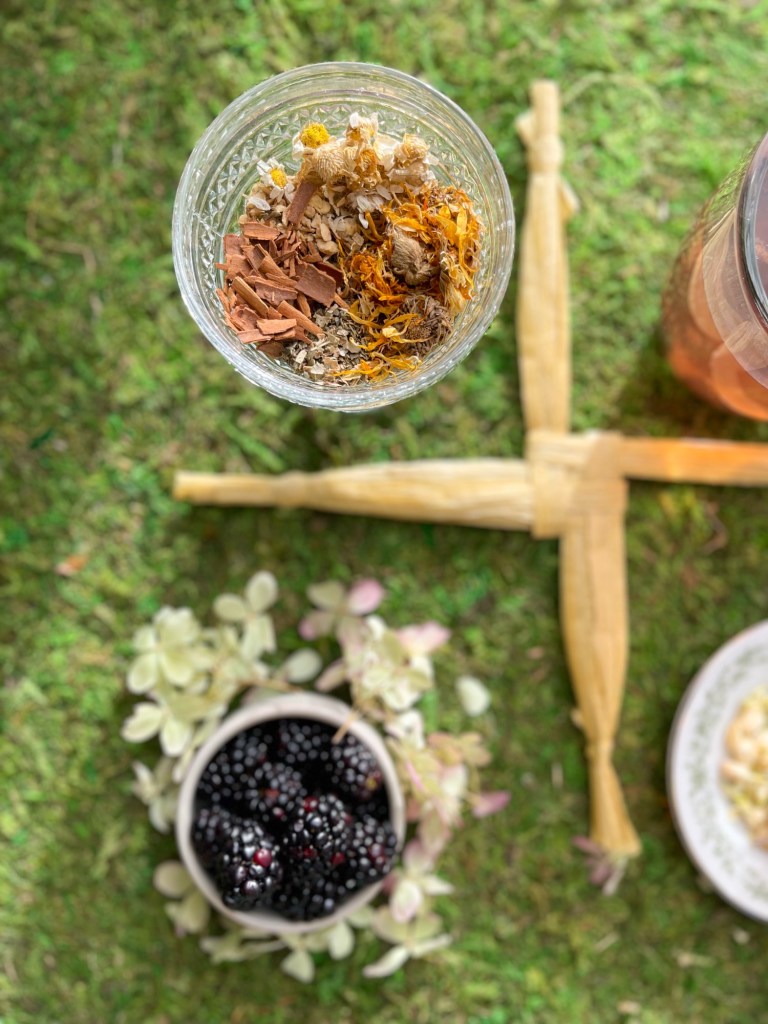
This tea to welcome Brigid’s return contains blackberry leaf and fruit along with chamomile, which are all sacred to the goddess, in combination with calendula, ginger, and cinnamon to represent her three flames.

Brigid’s Tea

1 part blackberry leaf

2 parts dried or fresh blackberries 

1 part chamomile 

1 part calendula

½ part ginger

½ part cinnamon

Directions

If using fresh blackberries, muddle 2-3 in the bottom of a cup (you’ll strain the tea after brewing); if using dried berries, simply add them to the tea herbs. Add 1 tablespoon to a tea strainer, eco-friendly tea bag, or French press. Pour 1 to 1 ½ cups hot water over the tea and steep for 5 minutes. Strain out the muddled blackberries now if using this method. Add honey or other sweetener, if desired.


For educational purposes only. Not intended for medical advice. Always consult your physician.

*This post contains affiliate links, which means if you choose to buy something from a link that I share, I will make a small percentage of the sale *at no extra cost to you*.

Categories
Herbs and Herbalism Recipes

Orange & Herb Infused Sugar

I love making herbal sugars! They are so versatile, and can be used for so many things—like to sweeten tea and hot beverages, adorn a mocktail or cocktail glass rim, sprinkle on sugar cookies / shortbread cookies / other baked goods, add pizzazz to oatmeal, and even to make a batch of sugar scrub for botanical skincare purposes!

Orange is the star of this particular blend of herbal sugar. With its bright, tangy flavor, vitamin C punch, and complexity of bitter + sour + sweet, it adds depth and delight. 

Orange offers so many nutritional and medicinal benefits. It aids the immune system, the heart, addresses inflammation, offers antioxidant benefits, and a host of other perks!

Herbal sugars can be utilized for ritual and spiritual purposes, too, and orange shines in this role. Orange is associated with love, joy, prosperity, luck, and divination. You could certainly change up the ingredients to suit your intentions, but the following recipe would certainly boost intentions of sweetness, joy, and love!


Orange & Herb Infused Sugar

Ingredients

Method

Mix white sugar, fresh orange zest, peppermint, and one vanilla bean (split and scraped, then the whole bean tossed in) in a bowl. Then spread it out to dry awhile on a cookie sheet before transferring the mixture (including the vanilla bean) to a jar. The vanilla bean will continue to impart its sweet flavor in the sugar and it will only get better!

Let the jar sit tightly lidded for a few days to infuse with all the lovely orange oil and vanilla before using it in all the delicious and creative ways you can imagine!


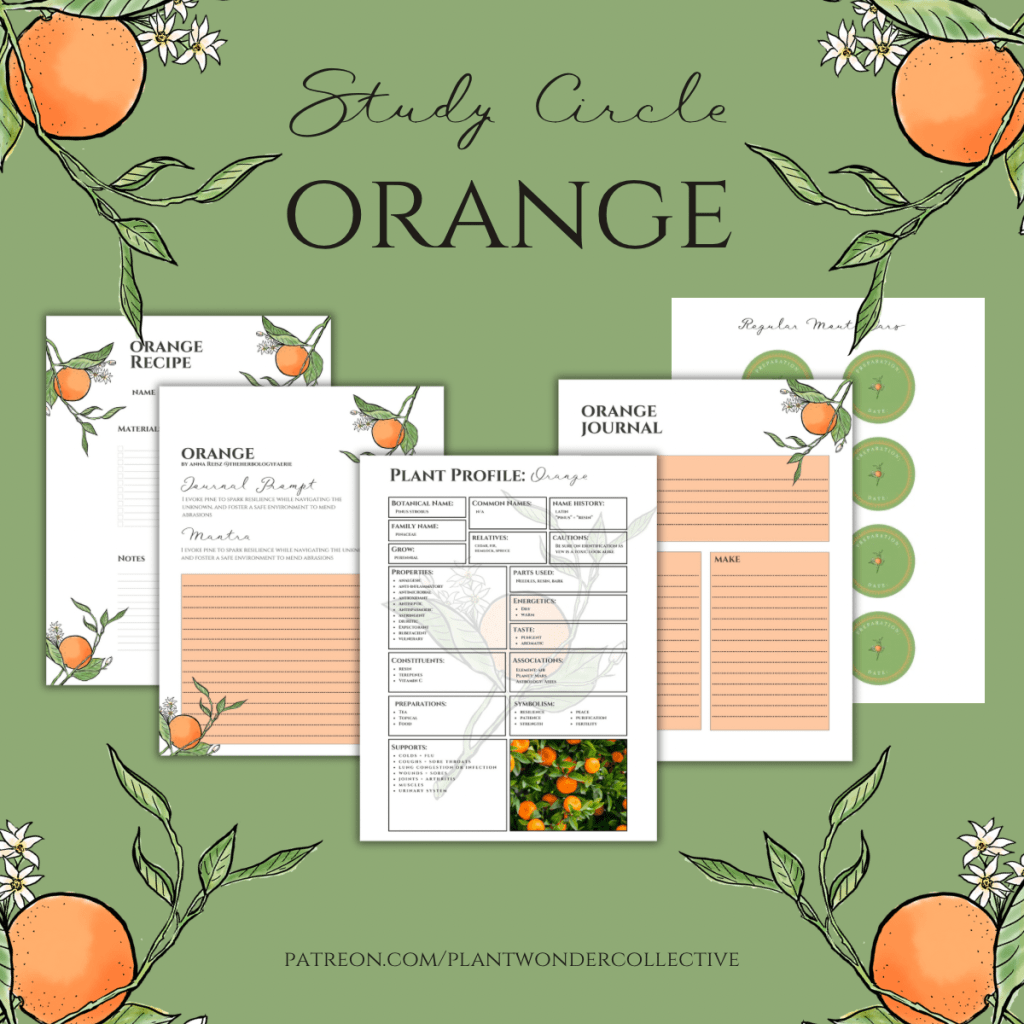
It is ORANGE month at the Plant Wonder Collective Patreon Study Circle! If you’d like to support the work of PWC, please consider joining our Study Circle for exclusive recipes, articles, digital downloads and printables for the plant of the month.


For educational purposes only. Not intended for medical advice. Always consult your physician.

*This post contains affiliate links, which means if you choose to buy something from a link that I share, I will make a small percentage of the sale *at no extra cost to you*.

Categories
Recipes Tea

October: Falling Leaves Moon in Aries + Tea Recipe

Though the Falling Leaves Moon or Hunter’s Moon fell on October 17th this year and has technically passed, the full moon’s energy can still be tapped into. Read on to learn more about this month’s full moon and a corresponding tea recipe!


The Ojibwe named the full moon during what we call October the Falling Leaves Moon. We await the “peak” of the vibrant colors knowing the shedding of these leaves marks winter’s approach. As this full moon nears, we may feel Aries’ pull to dive into autumn with an energy as vibrant as the leaves. But the sun sign Libra may temper this drive with a need for balance to conserve our energies for the coming cold.

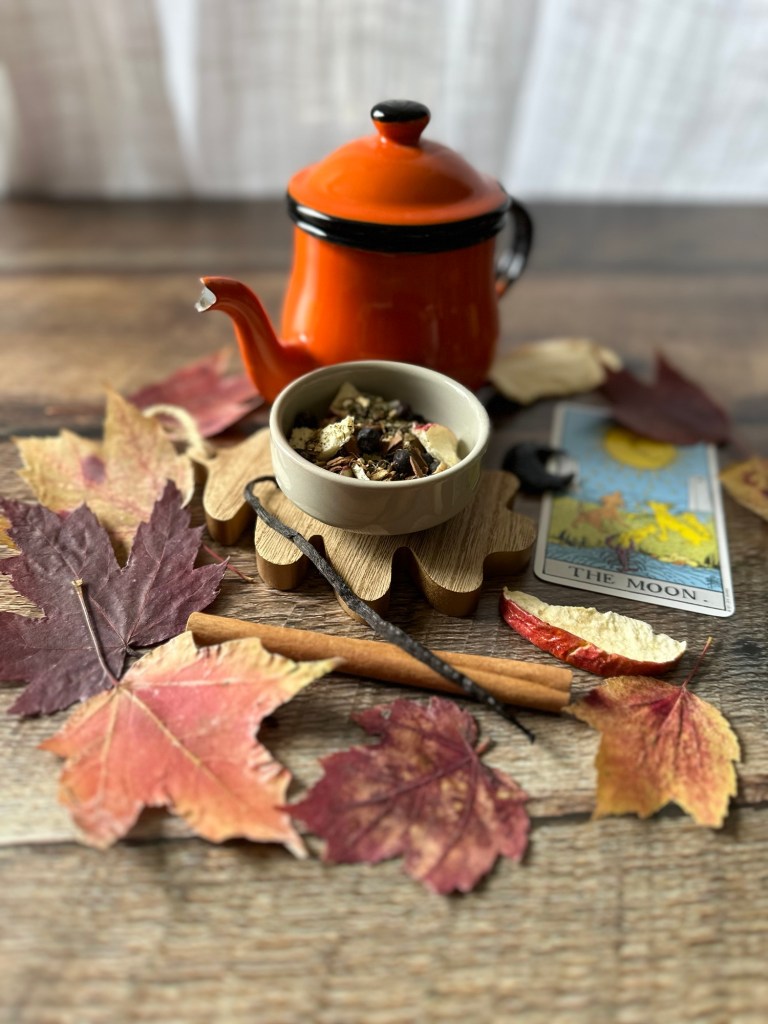
Brew this tea to mark the Falling Leaves Moon which includes gifts given from trees for both their symbolic and astro-herbalism connections. Hawthorn bolsters the heart, while juniper, cinnamon, and ginger support the Aries fire. Apple and vanilla round things out with sweetness to cool that fire off a bit and bring things back to balance.

Falling Leaves Moon in Aries Tea Materials-

1 tbsp apple pieces, dried 

1 tsp hawthorn leaf

1 tsp juniper berries

½ tsp cinnamon stick pieces

¼ tsp ginger root, dried 

¼ tsp vanilla bean powder or ¼ vanilla bean pod

Method-

To make a single cup of tea, add 1 tablespoon to a tea strainer, eco-friendly tea bag, or French press. Pour 1 to 1 ½ cups hot water over the tea and steep for about 5 minutes. Strain, and serve. Add sweetener of choice to taste, if desired.

If you’d like recipes to mark each month’s full moon, check out the current and upcoming issues of Botanical Anthology where I share these recipes!


For educational purposes only. Not intended for medical advice. Always consult your physician.

*This post contains affiliate links, which means if you choose to buy something from a link that I share, I will make a small percentage of the sale *at no extra cost to you*.

Categories
Craftbrunch Folklore Recipes Tea

Chang’e  and the Moon Rabbit: Immortality Elixir Tea 

As a lover of all things autumn, I love branching out and learning about how different cultures mark my favorite season! I have recently learned a bit about the Mid-Autumn Festival in Chinese culture, which takes place around mid-September to early October and centers around the timing of what we know as the Harvest Moon. 

During this autumn equinox festival, celebrations focus on the harvest—with gratitude and family gatherings; the moon; Chang’e (the goddess of the moon); and her companion, a white rabbit who pounds herbs in his mortar and pestle to make immortality elixir. Other symbols and parts of the celebration include lanterns, mooncakes, cassia wine, and burning incense as an offering to Chang’e.

This festival and the lore surrounding Chang’e and the Moon Rabbit are a wonderful Craftbrunch theme! There are lovely picture books on this folklore to share with children, you can decorate lanterns and make moon cakes, and more. 

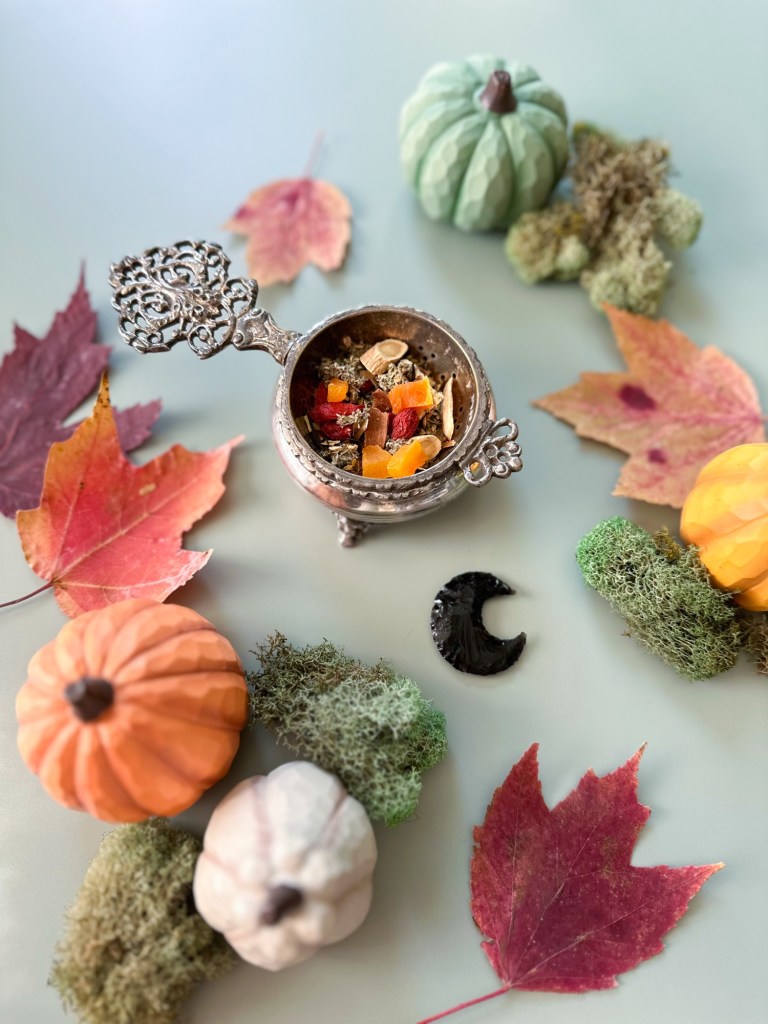
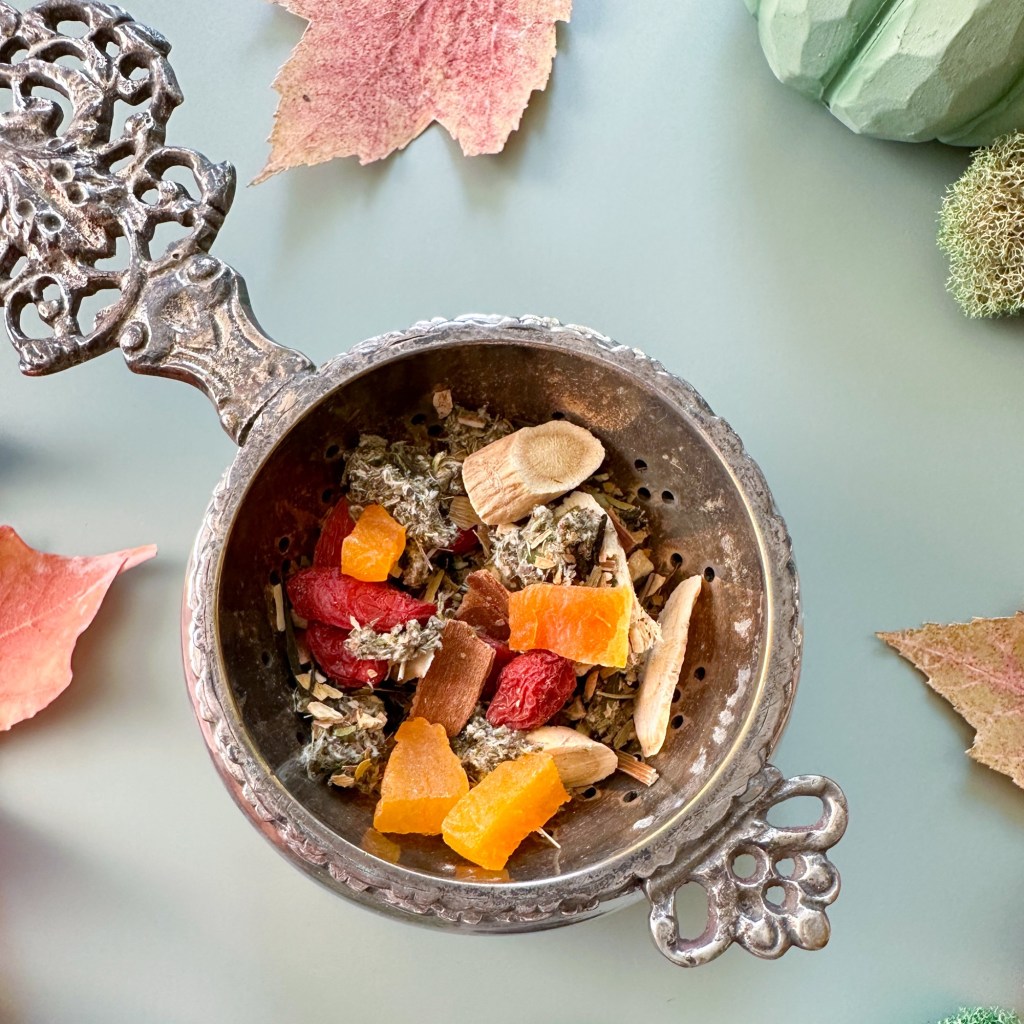
My contribution to the #autumnnaturemagic #Craftbrunch celebration I’ve joined on Instagram is a tea blend based on the idea of the immortality elixir that the Moon Rabbit makes! Most of the ingredients are longevity herbs in TCM (Traditional Chinese Medicine), and the cassia cinnamon and dried apricots are present to represent cassia wine, which I’ve not tried but I read it tastes like peaches or apricots!

(This tea is safe for adults and kids alike, but if you prefer you can substitute decaf green tea or leave it out altogether.)

Here is the recipe! It should be enough for a few cups of tea but you can increase accordingly for the number of people you’re serving. 


Moon Rabbit’s Immortality Tea

Ingredients:

1 Tbsp Green tea

1 Tbsp Astragalus root

1 Tbsp Ginkgo (I like golden ginkgo)

1 Tbsp Mugwort

1 Tbsp Goji berries, dried

½ Tbsp Ginger, dried, or 1-2 small knobs fresh

Cassia cinnamon, 1-2 sticks broken into pieces

Dried apricots – 3-4, chopped

Instructions:

Brew for 3-4 minutes with just-boiled water; you can brew longer if you omit the green tea, or perhaps put the green tea in a separate tea strainer and remove it before the other ingredients. 

Garnish with cinnamon sticks and dried apricots if you like! Sip this tea before a lantern-lit autumn hike under the moonlight!


For educational purposes only. Not intended for medical advice. Always consult your physician.

*This post contains affiliate links, which means if you choose to buy something from a link that I share, I will make a small percentage of the sale *at no extra cost to you*.

Categories
Recipes Tea wheel of the year

Summer Solstice Sun & Strawberry Moon Tea

I am so excited that June’s full moon (the Strawberry Moon) and Litha (the summer solstice) fall together this year. It is a convergence that doesn’t happen often—in fact, the last time it did was 1985! All that bright energy of both the longest day and the full moon combined—so magical! 

For me, I think the order of the day is celebration, gratitude, and soaking up every bit of that energy I can. I feel like too often, we see these astrological occasions as calls to act in grandiose ways, to manifest changes and new directions, to enact grand gestures. But this pressure is not necessary, and most likely you have many plates spinning already at this busy cusp of summer! Instead, it is perfectly okay to give yourself permission to rest, recharge from the added light, lean into the sensation of lightness, and simply enjoy and give thanks. Mindfulness can be your act of devotion.

To this end, I am going to brew a Sun and Moon Tea!

I am calling the tea such because I’ve chosen a blend of herbs and botanicals that includes affinities for both the sun and the moon to reflect the meaning of the occasion. There are also botanicals chosen for their ties to Litha, fire, water, and Venus, all of which I am feeling strong influences of during this time. 

Here are the ingredients, and a few of their astrological ties:

•Linden (sun, Litha)

•Chamomile (sun, Litha)

•Jasmine (moon, water)

•Rosemary (sun, moon, fire)

•Strawberry (strawberry moon, Venus, water)

•Hibiscus (fire, water, Venus)

•Lavender (Litha)

And here is the recipe! It’s simple, so you can concentrate on enjoying your mindful moments under the solstice sun and Strawberry Moon. 


Ingredients

32 oz mason jar

1 cup sliced strawberries

2 Tbsp hibiscus

1 Tbsp rosemary

1 Tbsp linden

1 Tbsp chamomile

1 Tbsp jasmine

½ Tbsp lavender

Honey to taste, optional

Directions

Add ingredients to mason jar and fill with cold, fresh water. (If using dried herbs, you might choose to place them in a large eco-friendly tea bag or linen reusable tea bag.) 

Cap tightly and place in a sunny location (free of disturbance by kids or pets!) for 2-3 hours. 

If not using a tea bag or strainer, strain tea into a fresh jar or a pitcher over ice if drinking immediately. You can stir in honey while it is still warm if you’d like! Refrigerate and drink cold. 

Note—

You can substitute fresh herbs for dried ones if you have access to them! You don’t necessarily have to go by the measurements in that case—just add sprigs of each. 


For a printable Litha Tea Meditation journaling page and a printable version of this recipe, join my Patreon at Patreon.com/theherbologyfaerie!