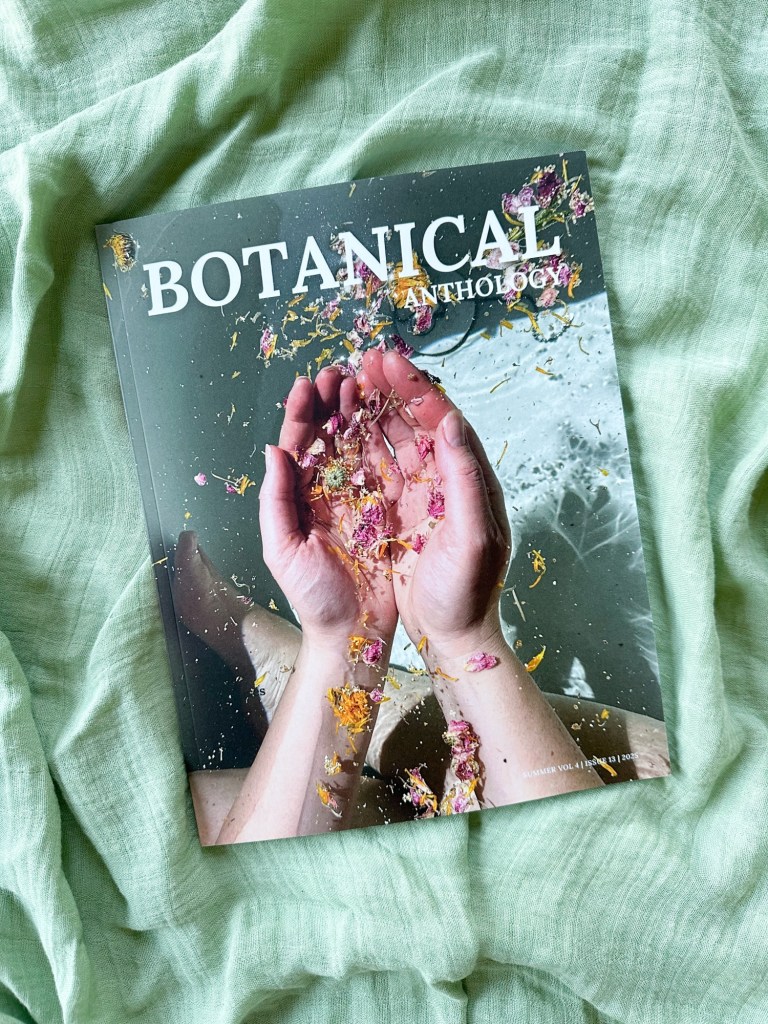
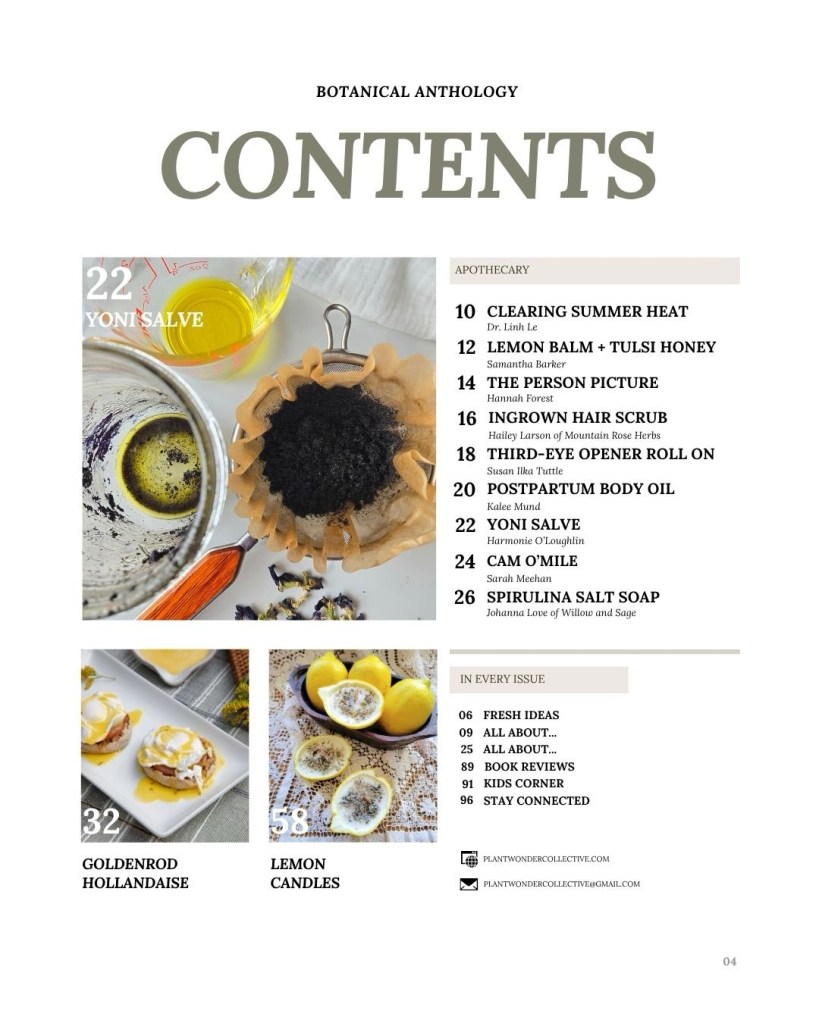
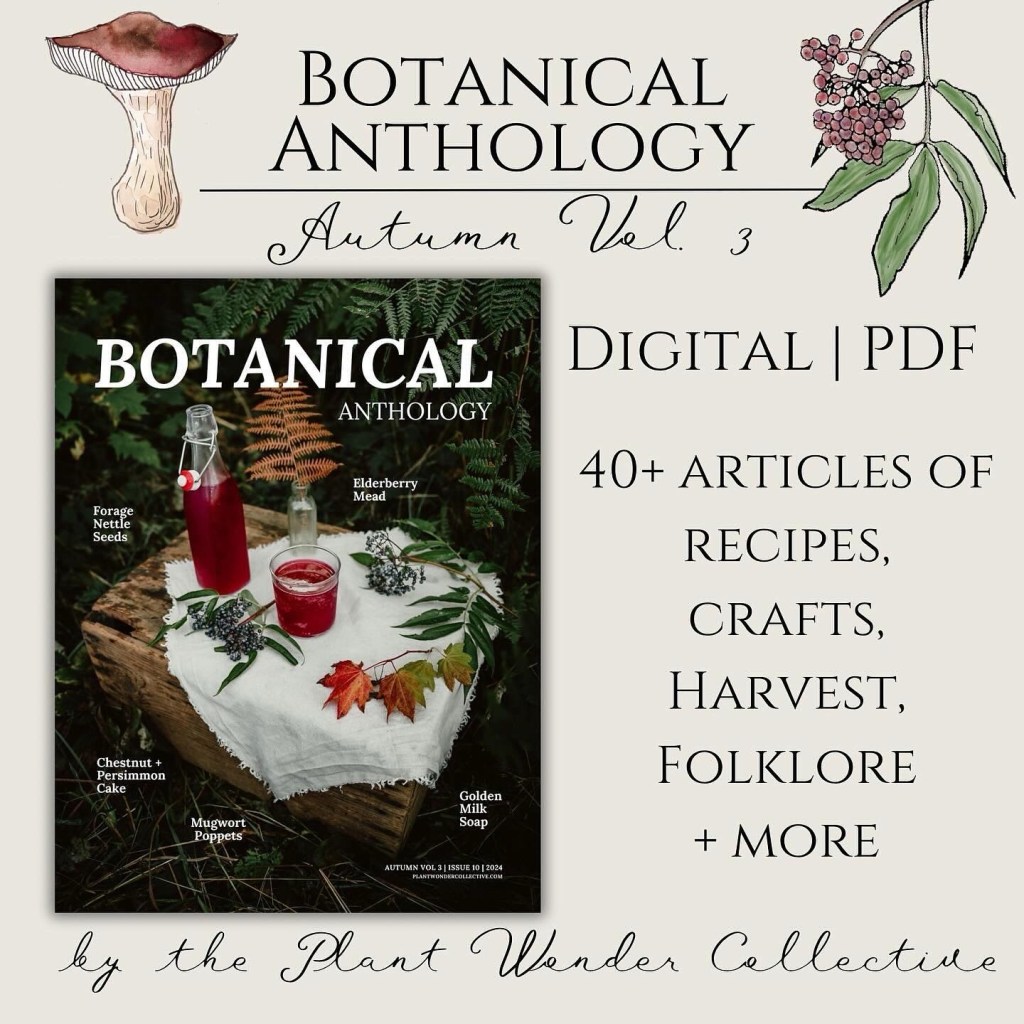
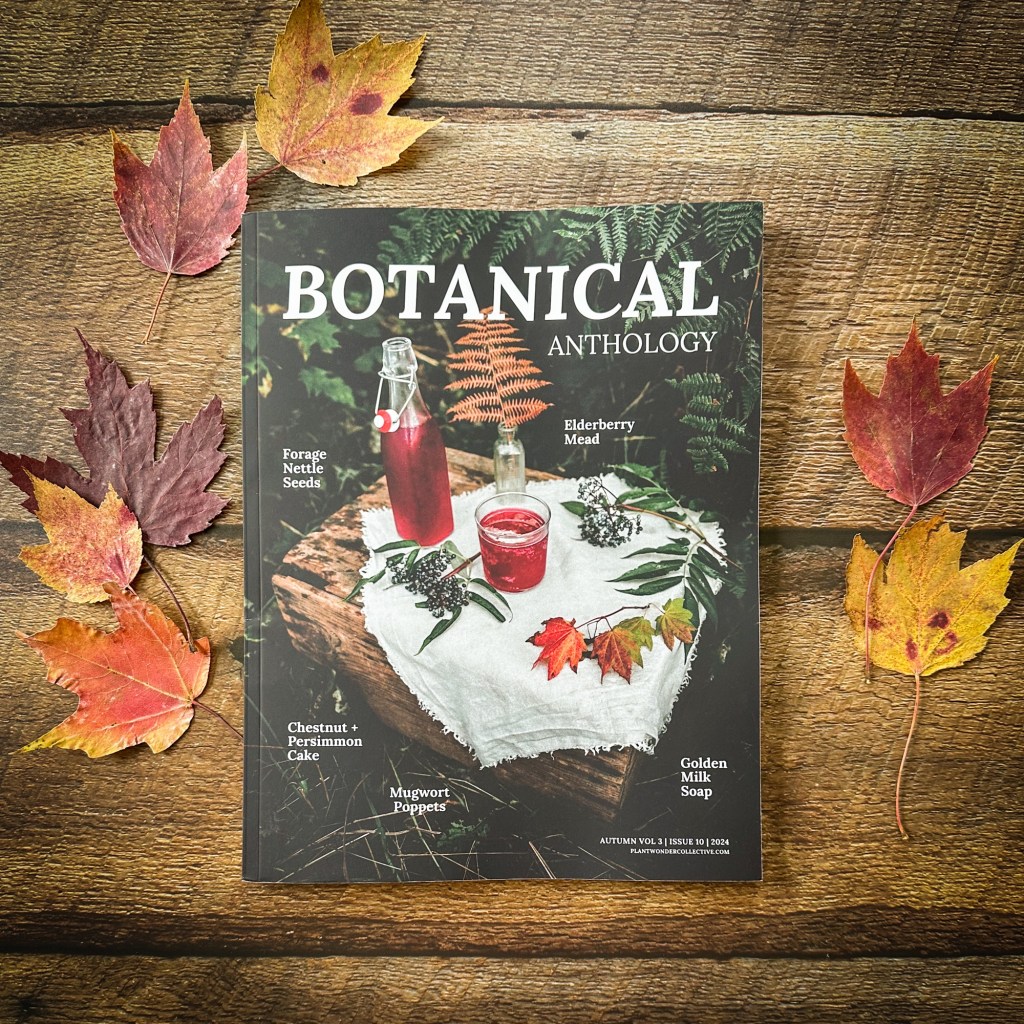
Botanical Anthology is an indie magazine made by and for plant lovers, which I am lucky to write articles for, edit, and help produce. It is very much a labor of love and is full of herbal and seasonal magic! Apothecary knowledge, tasty recipes, gardening tips, creative crafts, folklore, seasonal celebrations, interviews, and more!
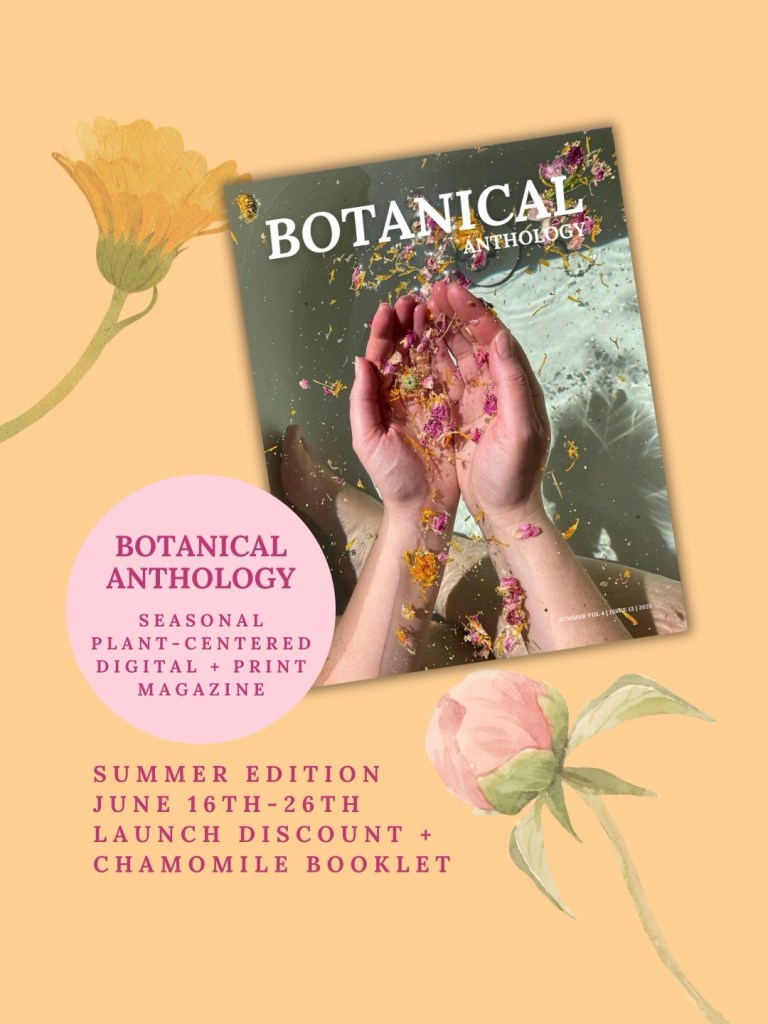
Now through 6/26, you can pick up the digital (ebook) edition for only $15 and it comes with the All About Chamomile bonus booklet free!
Or purchase the print edition via Amazon or Lulu, and email your proof of purchase to plantwondercollective@gmail.com to get your free digital All About Chamomile booklet!
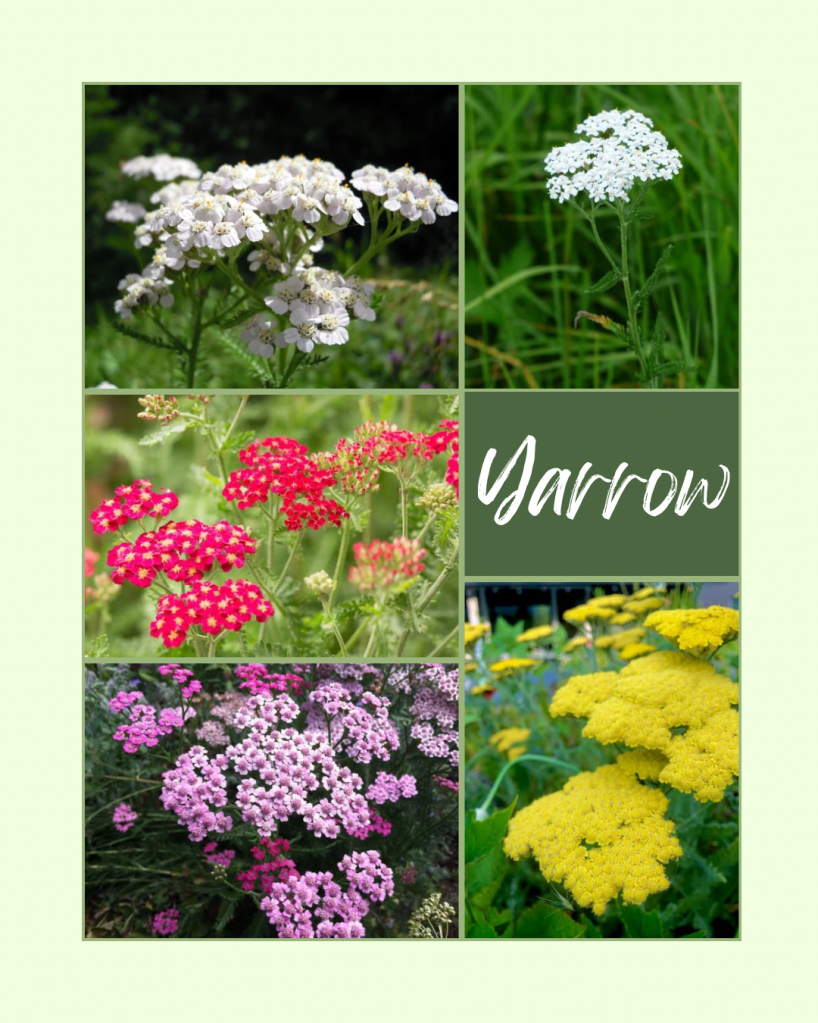
Yarrow is a plant that I had not previously worked with very much, outside of adding a pinch of it to tea blends here and there. So I am really loving learning more about it in terms of its medicinal and spiritual attributes.
Yarrow is a bit of a chameleon; it can be both cooling and warming, aiding flow and stopping it, and in astroherbalism terms it has ties to both water and air. But harmonizing lies at the center where these variances overlap. Finding wisdom in discernment, in balance, in both drawing clear boundaries yet allowing for flow and openness, all bring harmony. (Yarrow cards shown from The Herbal Astrology Oracle and The Herbcrafter’s Tarot.)
In folklore, yarrow is associated with love and visionary abilities; the tides of emotion and the clarity of communication that a combination of water and air brings.
—
One of my new favorite ways to work with yarrow is in a lovely skin toner. Toners are not just about wiping down your face at night to improve skin and treat blemishes; they are a beneficial ritual that, when used before bed, can offer (magical-metaphorical-mindful-whatever you feel best calling it) plant-infused healing, nurturing, and intention. Botanical glamour magicks or simple self-care, it’s all the same.
Yarrow is at the heart of this new skin toner recipe I’ve created to offer the medicinal applications of astringency (pore tightening and texture benefitting), anti-inflammation, promoting circulation, and anti-microbial action for acne. But it is also present for its more esoteric value of promoting love, beauty, attraction, happiness, balance, and protection. Its association with war and battle—Achilles was said to have treated his soldiers’ wounds on the battlefield with it—means that your use of it each night is like putting on your own magical armor to defend against outside forces. And the folk application that witches might have used yarrow to boost the potency of workings translates here as an amplifier for your own inner power.
This toner also includes lavender for calming the skin and the mind, hawthorn for its antioxidants and heart-mending magic, and rose water for moisture, soothing, and beauty.
Add dried plant material to your jar. Add rose water, then top up with witch hazel, leaving about 1 inch of headspace at the top of the jar. Stir with a wooden chopstick or the handle of a wooden spoon to make sure all the plant material is submerged and your liquids are well combined.
If using a BPA-free plastic lid, cap it tightly; if using waxed paper and a regular metal canning lid, add the waxed paper first before screwing the lid on to prevent corrosion of the metal.
Label your jar with the contents and date, and allow to steep for 2-4 weeks. Top up with extra witch hazel if the plant material floats to the top and dries out.
Strain the plant material out with a mesh strainer and coffee filter or cheesecloth, bottle (a spray bottle works well), and use by spritzing or swiping over your face gently with a soft cloth.
Note: you can also add a few drops of lavender, rose, jasmine, or geranium essential oil to the toner if you’d like!
—
This year will be my first year to grow yarrow in my little chaotic herb garden at home. I am a bit of a “throw it at the wall and see what sticks” gardener, so I have a few spots where I plan to plant a bit: in those “luck garden” flower beds I mentioned earlier in this month’s Little Rituals post, in a couple containers in my patio tea garden, and around my daughter’s new rose bush because my fellow PWC friend Erin Harwood (@plantmagicwitherin on Instagram and Ponderings & Wanderings on Substack) shared that yarrow can aid in attracting helpful insects that feast on pesky aphids. Check out her Substack for lovely plant content, by the way!
—
Aside from love, beauty, protection, and healing, yarrow is valued for its divinitory insight, emotional strength, and has ties with the faeries and animal magic.
A simple yarrow tea can be drunk to aid in clarity and insight.
A pouch of yarrow can be carried as a token and talisman for courage, protection, and love.
In the kitchen, yarrow has a long history of use in fermented drinks like beer and mead. If you are a brewer, try replacing hops with yarrow to mix things up! Or, perhaps infuse some yarrow honey, add the young fresh leaves to a salad, or grind the dried flowers for seasoning blends and salts—I plan on trying that soon!
A plant lover’s dream, it is a seasonal, plant centered quarterly digital + print magazine bringing you 50+ articles from 45+ contributors to incorporate herbs into your winter apothecary, kitchen, foraging and gardening, crafts, rituals, celebrations, and more.
* Blend vitamin C powder, steep cough elixirs + whip up oatmeal lotion
* Roast hyssop chicken, bake friendship bread + ferment pine needle soda
* Forage juniper, care for houseplants + consider windfall herbs
From November 25th – December 10th, receive the Botanical Anthology Winter edition digital download, plus our All About Turmeric + Herbal Cookie Tray Volume 2 + Herbal Advent Calendars booklets, for just $16.
As a thank you for being here with us, enjoy $1 off the publication with this code:
Take$1BAWinter24
Or head to Amazon to order the print version for $26 then email plantwondercollective@gmail.com with proof of purchase so we know to send you the booklets! We also offer bulk pricing on print orders through our website to save you a bit of moolah.
Give the gift of plants this holiday season. Botanical Anthology is perfect for the budding herbalist, natural health enthusiast, (urban) homesteader, and nature lover in your life. Feel good knowing you are directly supporting a small business and each contributor of this independently published magazine.
Come mid December, the booklets will no longer be included, and the price will increase.
Let us be your guide to work with plants as you journey through the winter season!
I recently had a friend dealing with recurring tension headaches ask what herbs might be helpful in a tea to offer him some relief. (He is also being treated by his doctor, but needed some additional gentle diy to help relax his frazzled nerves and throbbing head & get him some sleep!)
Oatstraw immediately came to mind. They’re a wonderfully gentle soother for frayed nerves, burnout, overwhelm, stress, tension—all things that lack of sleep and depletion from migraines and tension headaches can cause.
In addition to the oatstraw, I added damiana (a headache-easing favorite of mine), calming linden, sleepy passionflower, and cooling peppermint to the batch of tea I made for my friend. He reported back that the tea was very helpful and he got a decent night’s sleep after drinking his first cup!
To make a big batch to keep on hand, choose a larger unit of measure such as a quarter cup or half cup for your parts. For a single mug of tea, choose a small unit of measure – I’d suggest half teaspoons (it will still make a very strong cuppa, or two cups).
To make a single cup of tea, add 1-2 tablespoons to a tea strainer, eco-friendly tea bag, or French press. Pour 1 to 1 1⁄2 cups hot water over the tea and steep for 4-5 minutes. Add honey or other sweetener, if desired.
What are your favorite herbal tea ingredients to help combat headaches?
For educational purposes only. Not intended for medical advice. Always consult your physician.
*This post contains affiliate links, which means if you choose to buy something from a link that I share, I will make a small percentage of the sale *at no extra cost to you*.
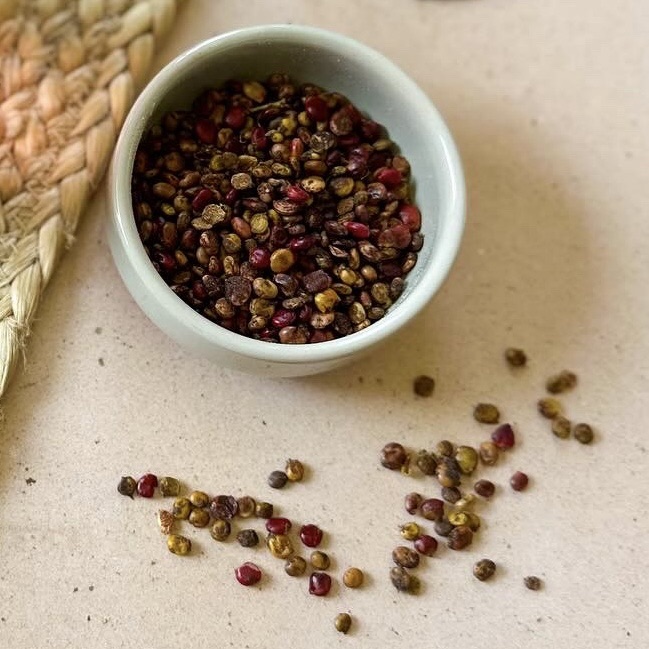
It’s sumac month at the Plant Wonder Collective, and I am so excited because this is a new plant for me! I am loving getting acquainted with these little ruby gems.
The taste of sumac is hard to describe; sour, tart, earthy, and in my opinion, delicious. It’s cooling and drying—very astringent and gives that tannin feeling of black tea or red wine. But the flavor is light, and both fruity yet complex and mineral-y.
From tea to spice rub, tincture to wound salve, and even a lovely pink dye, sumac has a host of applications. This plant is full of antioxidants, offers anti-inflammatory aid, is wonderfully healing inside and out, and can help with unpleasant conditions such as water retention and diarrhea. It is good for the cardiovascular system, can aid in drying out the sinuses, and can even lower blood sugar, too! Sumac is widely forageable in the U.S. and has a long history of use by indigenous peoples.
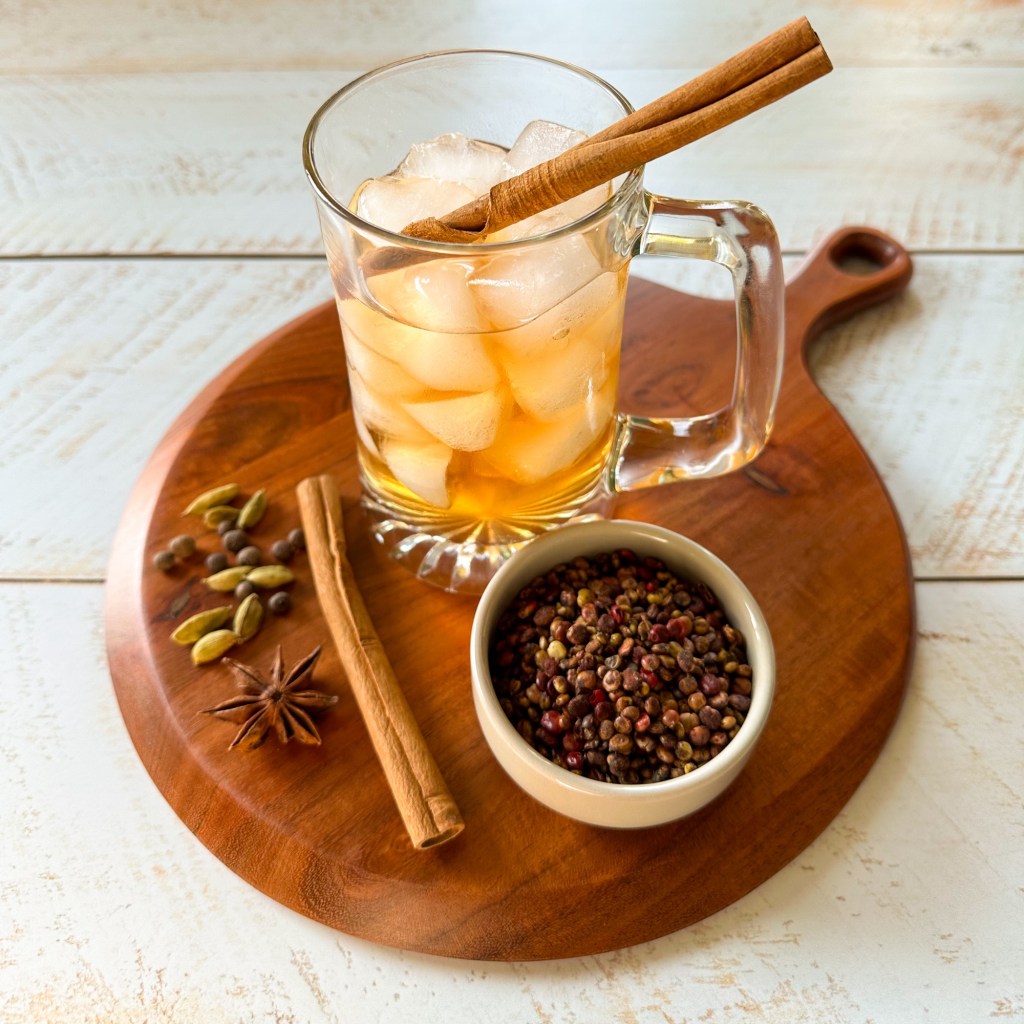
Sumac is tart and delicious as a cold beverage, much like lemonade, and so is often cold-brewed as such—I found lots of simple instructions for doing just that online. But of course I wanted to add a different spin on the typical sumac “lemon”ade, and a September-y flavor profile!
Since I am a huge fan of tart apples and fall cider, I thought I’d try a sumac cider combining this month’s plant with apple and spices! It makes for a lip smacking, satisfyingly-sour and tasty beverage that’s easy to make and kid-friendly, too.
Combine all ingredients in a pitcher; you might decide to use a large tea strainer or large eco-friendly paper tea bag to hold the mulling spices for ease of removal. Allow to cold brew either at room temperature or in the refrigerator for 4 hours to overnight.
Strain the spices and sumac berries out using a fine mesh sieve (a cheesecloth or coffee filter can help, too). Chill and serve over ice!
If you’d like to make this a bit more of an adult drink, you can always add a splash of bourbon or your preferred liquor to your cup; you could also make a stronger brew of the base cider-ade and add then Prosecco or champagne for fizz.
For educational purposes only. Not intended for medical advice. Always consult your physician.
*This post contains affiliate links, which means if you choose to buy something from a link that I share, I will make a small percentage of the sale *at no extra cost to you*.
This is an excerpt from the article Root Mocktails by Leah Jorgensen Jean featured in the Autumn Vol 3 | Issue 10 | 2024 edition of Botanical Anthology. To learn more about mocktails and for the accompanying S’mores mocktail recipe using marshmallow root, check out the entire article! Our herbal magazine, featuring remedies, recipes and projects with plants for the autumn season, can be purchased as a digital version here and as a printed version here.
Licorice Root Fizz
Licorice Root Fizz is a delightful drink for those who appreciate its distinctive flavor. Licorice root provides a sweet, herbal taste that is soothing and mildly spicy. Combined with sparkling water, it transforms into a refreshing and unique beverage, delivering an unexpectedly intense, complex, and invigorating experience. It is an excellent alternative for those who enjoy sipping on licorice-flavored liquors such as Pastis, Sambuca, Ouzo, Pernod, or Absinthe.
Materials
¼ c water ¼ c granulated sugar
2 tbsp licorice root, dried
Ice cubes Juice of ½ lemon
Sparkling water or club soda Lemon slice or twist, for garnish
Method In a small saucepan, combine the water, sugar, and licorice root. Heat over medium heat, stirring occasionally, until the sugar is completely dissolved. Bring the mixture to a gentle simmer, then remove from the heat. Let the licorice root syrup cool to room temperature, then strain it through a fine-mesh sieve or cheesecloth. Transfer the syrup to a clean jar or bottle and store it in the refrigerator until ready to use.
To make the Licorice Root Fizz, fill a glass with ice, and add 2 to 3 tablespoons of the licorice root syrup, depending on your sweetness preference. Squeeze the juice from the lemon into the glass and stir to combine. Top with sparkling water or club soda, stirring gently to mix. Garnish with a lemon slice or twist and serve immediately.
Notes
Licorice should not be used while pregnant or nursing and those who have high blood pressure.
Leah Jorgensen Jean is a professional winemaker, holistic nutritionist, and regenerative herbal medicine grower based in Newberg, Oregon. She received her certificate in herbalism from Ecoversity and grows and prepares medicinal plants for her small town herbalist community. Visit her on Instagram @cosmicculturebotanicals
These recipes are excerpts from her first book The Herbalist’s Guide for the Sober Curious: 65 Garden-To-Glass Recipes published by Chartwell Books available wherever books are sold in January 2025. Visit her on Instagram @cosmicculturebotanicals
It is a joint labor of love and adoration of plants by the creatives of the Plant Wonder Collective. Our fearless leader Harmonie, the lovely & incredibly creative contributors, and I have all worked tirelessly to bring you this amazing autumn tome we are so proud of.
Recipes, harvest, folklore, apothecary, celebrations, rituals, interviews, crafts, poetry, foraging, tips, books and podcasts to love, fresh ideas, self care, and so much more to connect you to the wisdom of plants this autumn season.
For this edition, I contributed an article on ritual teas for autumn’s full moons, a quick craft making hops dream pillows, a piece on the folklore of autumn goddesses and their associated plants, a book review, and a recipe for elderberry fire cider.
From 9/3 through 9/12, you can pick up the digital (ebook) edition for only $16 and it comes with the All About Elderberry bonus booklet free! If that sounds like just the fall treat you’d like to dive into, here is the link:
Or if you prefer a print copy you can hold in your hands, place on your bookshelf and return to each autumn (as these issues are evergreen and you can enjoy them again and again), here is the link for that:
School starts very early where we live (July 31 was our first day this year!), so it can be interesting to combine autumn immune boosting herbs with cold summer treats and summer seasonal plants.
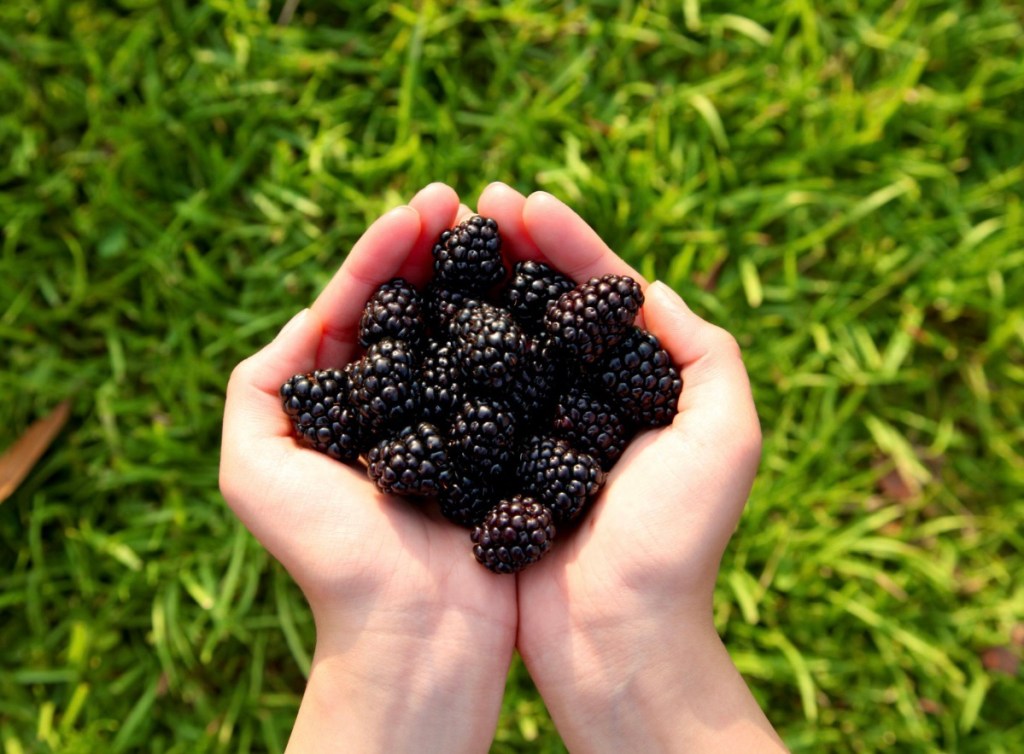
That’s where blackberry comes in! Blackberry is a nourishing, protective, antioxidant-rich ally in itself, and is in its prime this time of year. The vitamins and nutrients in blackberry can help to bolster the immune system and fight off illness.
Add in elderberry, whose immune modulating properties are well known, along with fresh ginger for zing and an extra immune boost, and you have the start to an herbal syrup that can be used to make summer-friendly lemonade! (As an added bonus, since my kids don’t love the taste of elderberry on its own, blackberry is a perfect flavor partner to help add some sweetness and round out some of elderberry’s more mineral-y twang.)
Here’s the recipe if you’d like to try it for yourself and get a summertime immune boost!
To make the simple syrup, add sugar and water to a saucepan and dissolve over low-medium heat. Add blackberries, elderberries, and ginger slices. Mash the contents with a potato masher. Simmer on low for 5 to 7 minutes, then remove from heat and allow to infuse for a further 10 minutes. Strain with a mesh strainer into a clean jar, cap, and refrigerate.
To make the lemonade, juice the lemons and add to a pitcher. Add the ice, water, and 1 cup of the simple syrup. Stir well and taste; add more simple syrup if it isn’t sweet enough for your taste. Chill and serve over ice, or use frozen blackberries as ice cubes!
Notes
•Frozen or fresh blackberries can be used in this recipe interchangeably.
•If your kids are averse to the taste of elderberry, you might choose to use less elderberries; if you’re making this for adults you might choose to add a bit more instead.
For educational purposes only. Not intended for medical advice. Always consult your physician.
*This post contains affiliate links, which means if you choose to buy something from a link that I share, I will make a small percentage of the sale *at no extra cost to you*.
It’s here! The launch of theSummer edition of Botanical Anthology is TODAY! It’s coming at ya just when the heat is rising, and plants are coming into their full glory.
A plant lover’s dream, Botanical Anthology is a seasonal, plant-centered digital + print magazine bringing you over 40 articles from over 40 contributors in 110+ pages to incorporate herbs in your apothecary, kitchen, self-care, foraging, gardening, crafts, and summer celebrations. This is our ninth edition, beginning our next circle around the sun.
(I am extra proud of this magazine because not only am I a contributing writer, but I am also the copyeditor of the magazine!)
At Plant Wonder Collective, we love sharing daily inspiration on our plant of the month, but for this project, we really want to connect to the seasons. Let us be your guide to working with plants in the months ahead.
Through 6/19, grab your digital copy for just $16 and receive the All About Rose booklet for free!
Butterfly Pea Flower is just so very magical! It is astounding how brilliantly blue the flowers can so easily turn the water in a cup of tea. It feels like a bit of faerie magic, for sure!
When I was doing some research for the faerie + plant folklore book I am writing (!!), I came across a type of Eastern European faerie called Er Tütra, which means Morning Mist: the name for a type of weather spirit/faerie. These Morning Mist folk are only visible to human eyes in the form of their namesake natural phenomenon, but they are hard at work to promote the health and growth of crops—an invaluable service to the fauna and humans of the land.
I made the connection between butterfly pea flower and these Morning Mist faeries because of the folklore surrounding this lovely plant. There are strong ties between butterfly pea flower in Southeast Asian cultures and motherhood and divine feminine symbolism, with a distinct focus on protection and mothering. The Er Tütra certainly perform this caretaking role for the land and crops. What’s more, there are very interesting studies on the use of butterfly pea flower in natural insecticides for crops! Yet another cool connection.
Here is the recipe for the Butterfly Pea Faerie tea! Embody the springtime Morning Mist with this tea blend and perhaps offer some to the Er Tütra for their aid in your spring garden.
To make a single cup of tea, add 1 tablespoon to a tea strainer, eco- friendly tea bag, or French press. Pour 1 to 1 1⁄2 cups hot water over the tea and steep for 3-4 minutes. Add honey or your preferred sweetener to taste, if desired.
To cold-brew this tea blend, add the ingredients to a glass jar or French press, steep overnight in the refrigerator, strain, and serve.
This recipe was shared as a part of Butterfly Pea Flower month at the Plant Wonder Collective! If you’d like to support the work of PWC, please consider joining our Study Circle on Patreon for exclusive recipes, articles, digital downloads and printables for the plant of the month, including this graphic available for print as an apothecary jar sticker. We appreciate you being on this learning journey with us!
For educational purposes only. Not intended for medical advice. Always consult your physician.
*This post contains affiliate links, which means if you choose to buy something from a link that I share, I will make a small percentage of the sale *at no extra cost to you*.