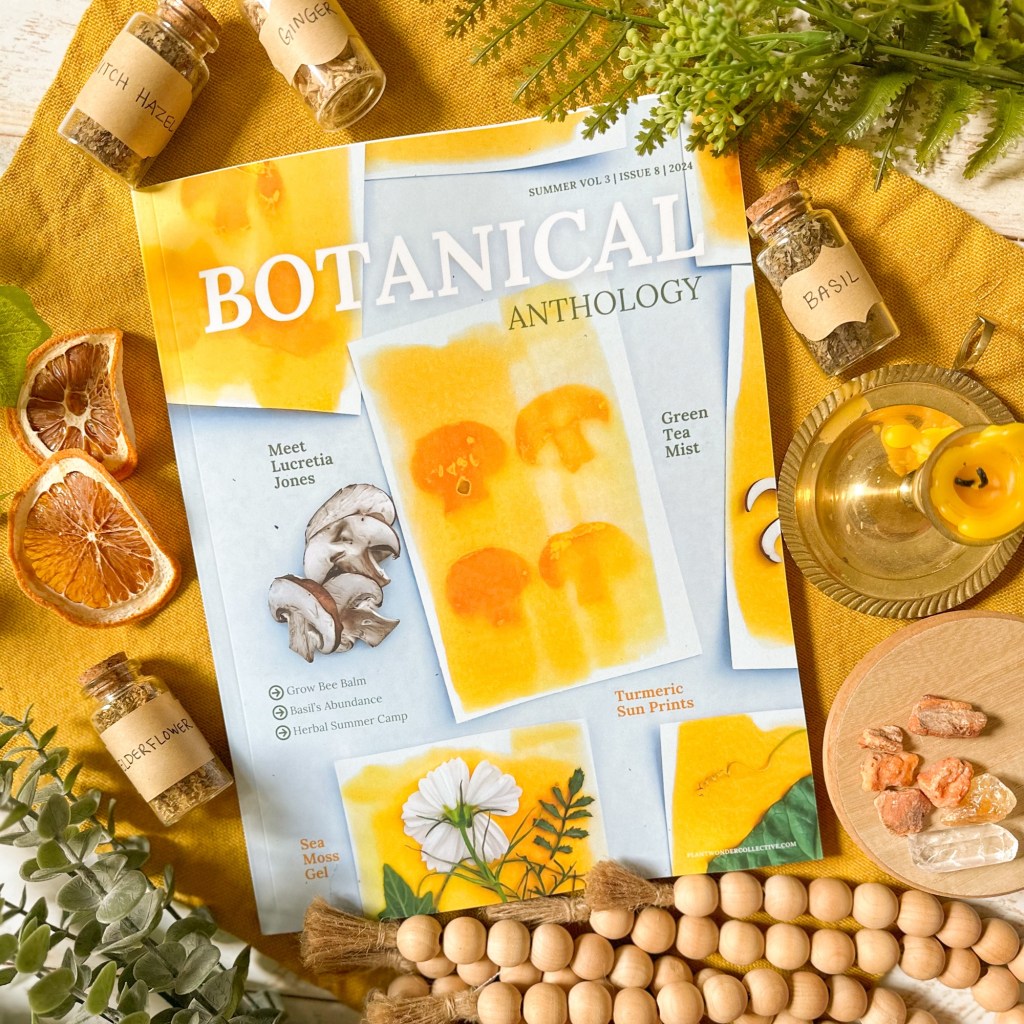
It’s here! The launch of theSummer edition of Botanical Anthology is TODAY! It’s coming at ya just when the heat is rising, and plants are coming into their full glory.
A plant lover’s dream, Botanical Anthology is a seasonal, plant-centered digital + print magazine bringing you over 40 articles from over 40 contributors in 110+ pages to incorporate herbs in your apothecary, kitchen, self-care, foraging, gardening, crafts, and summer celebrations. This is our ninth edition, beginning our next circle around the sun.
(I am extra proud of this magazine because not only am I a contributing writer, but I am also the copyeditor of the magazine!)
At Plant Wonder Collective, we love sharing daily inspiration on our plant of the month, but for this project, we really want to connect to the seasons. Let us be your guide to working with plants in the months ahead.
Through 6/19, grab your digital copy for just $16 and receive the All About Rose booklet for free!
Butterfly Pea Flower is just so very magical! It is astounding how brilliantly blue the flowers can so easily turn the water in a cup of tea. It feels like a bit of faerie magic, for sure!
When I was doing some research for the faerie + plant folklore book I am writing (!!), I came across a type of Eastern European faerie called Er Tütra, which means Morning Mist: the name for a type of weather spirit/faerie. These Morning Mist folk are only visible to human eyes in the form of their namesake natural phenomenon, but they are hard at work to promote the health and growth of crops—an invaluable service to the fauna and humans of the land.
I made the connection between butterfly pea flower and these Morning Mist faeries because of the folklore surrounding this lovely plant. There are strong ties between butterfly pea flower in Southeast Asian cultures and motherhood and divine feminine symbolism, with a distinct focus on protection and mothering. The Er Tütra certainly perform this caretaking role for the land and crops. What’s more, there are very interesting studies on the use of butterfly pea flower in natural insecticides for crops! Yet another cool connection.
Here is the recipe for the Butterfly Pea Faerie tea! Embody the springtime Morning Mist with this tea blend and perhaps offer some to the Er Tütra for their aid in your spring garden.
To make a single cup of tea, add 1 tablespoon to a tea strainer, eco- friendly tea bag, or French press. Pour 1 to 1 1⁄2 cups hot water over the tea and steep for 3-4 minutes. Add honey or your preferred sweetener to taste, if desired.
To cold-brew this tea blend, add the ingredients to a glass jar or French press, steep overnight in the refrigerator, strain, and serve.
This recipe was shared as a part of Butterfly Pea Flower month at the Plant Wonder Collective! If you’d like to support the work of PWC, please consider joining our Study Circle on Patreon for exclusive recipes, articles, digital downloads and printables for the plant of the month, including this graphic available for print as an apothecary jar sticker. We appreciate you being on this learning journey with us!
For educational purposes only. Not intended for medical advice. Always consult your physician.
*This post contains affiliate links, which means if you choose to buy something from a link that I share, I will make a small percentage of the sale *at no extra cost to you*.
Today is the day! The spring issue of Botanical Anthology, the plant-centered independent magazine I contribute articles to (and edit) comes out today! I am so excited about all the lovely spring recipes, apothecary preparations, celebrations, crafts, sabbat magic, gardening, foraging, poetry, and more inside its pages.
This digital + print magazine contains over 40 articles from 38 creative contributors. It is a gorgeous springtime plant-filled wonder and is evergreen—you can come back to it every year, more like a book than a magazine.
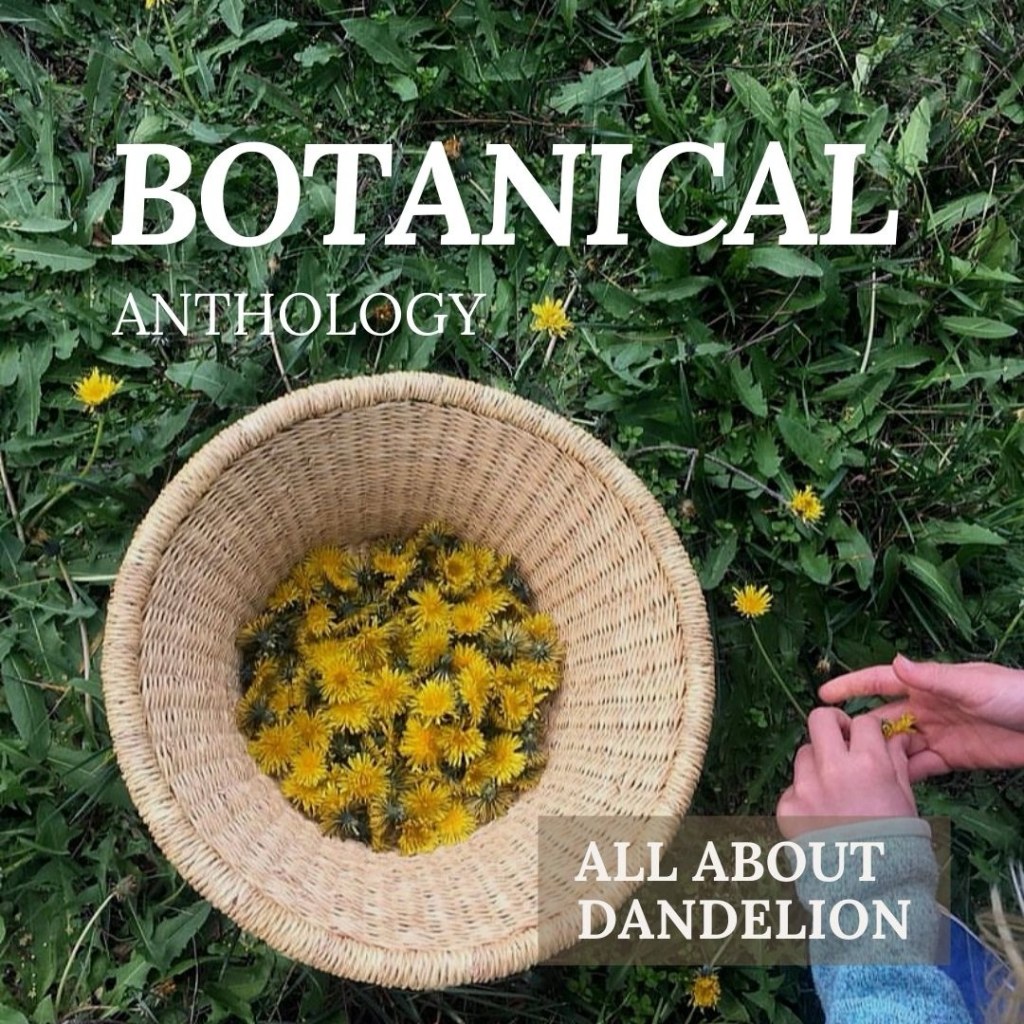
And this time around, the bonus booklet is all about DANDELION! It is the biggest bonus booklet yet, and possibly my favorite one so far. (The bonus booklet is exclusive to those who purchase the magazine now through 3/14.)
Full disclosure—if you use my link to purchase a digital copy, I get a little tiny boost; but if you prefer a physical copy, I get a teensy one if you use my link for that, too.
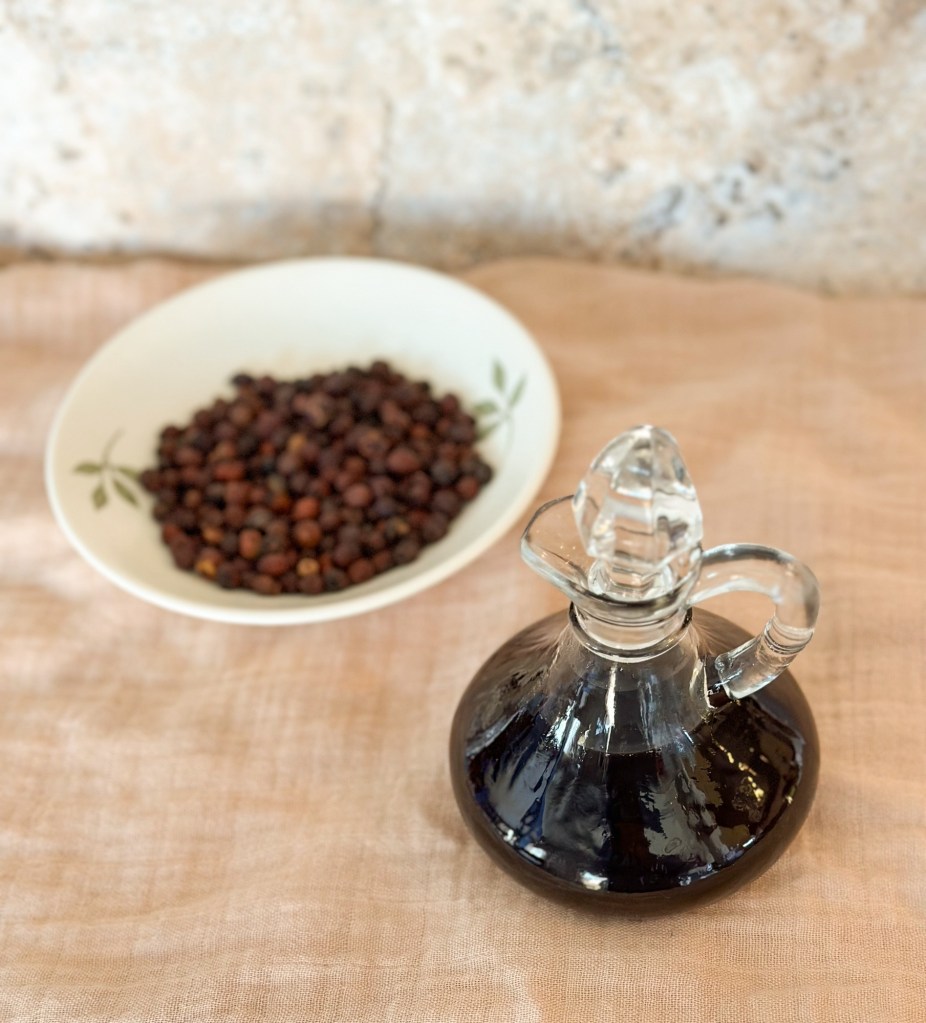
Hawthorn syrup is an amazing and delicious late-winter herbal medicine! Not only does it support circulation, blood pressure, overall heart health, digestion, and the immune system; it also helps dispel some of those late-winter blues with its sweet nervine powers. But it doesn’t need to be reserved for this time of year—it is a gentle tonic herb that can in most cases be safely taken frequently, year-round.
Whether you take a couple spoonfuls a day, mix it into water or tea, or use it as a mocktail or cocktail ingredient (who says medicine can’t be fun?!), hawthorn syrup will bolster your body as well as your emotional wellbeing. And the flavor is so, so nice—from dried berries it produces a tangy, slightly earthy berry flavor. Reminds me a little of fig, or port wine.
All you need is three ingredients to make this syrup. Here is the recipe!
In a saucepan, heat water and sugar over low-medium heat until the sugar dissolves completely, stirring often with a wooden spoon.
Add the hawthorn berries and allow to come to a light simmer, stirring often. Continue to simmer and stir for about 10 minutes. (We are being careful to keep this a syrup and not a caramel!)
Remove from heat and allow the hawthorn berries to steep in the syrup for another 20-30 minutes as it cools. Strain through a mesh strainer, and store in a clean jar or bottle in the fridge. Use within about 3-4 weeks.
Instead of discarding all the used syrup berries, brew a cup of tea with some of them!
A note about dried hawthorn berries: if you see a white substance on the outside of them, this is not mold and they’re not bad! It is the natural sugar in the berries that sort of collected on the surface as they dried.
Hawthorn is the Plant Wonder Collective plant of the month!
Plant Wonder Collective: Connecting you to nature through food, drink, play, garden, medicine, magic, and art.
If you’d like to support the work of PWC, please consider joining our Study Circle on Patreon for exclusive recipes, articles, digital downloads and printables for the plant of the month. We appreciate you being on this learning journey with us!
For educational purposes only. Not intended for medical advice. Always consult your physician.
*This post contains affiliate links, which means if you choose to buy something from a link that I share, I will make a small percentage of the sale *at no extra cost to you*.
Turmeric has so many health benefits—for mind, body, and spirit. As for the body, it has properties that support the immune system, modulate inflammation and pain, support the liver, and so much more. Regarding mind and spirit, turmeric has a warming, cozy, grounding taste and strengthening energy.
One very versatile way to work with turmeric is in tincture form. Turmeric tincture is easy to make and so beneficial! It only requires two ingredients, a couple simple supplies, and 6 weeks of waiting for it to infuse its goodness.
And did you know you can use it internally and externally? Internally, putting a few drops up to a dropperful in a couple ounces of water, a small mug of tea, or a shot glass of orange juice (my favorite) to drink can deliver those wonderful aforementioned benefits—like immune support, pain, inflammation, digestion, and more.
Externally, try mixing a few drops with your favorite body oil (like calendula olive oil) or moisturizer and massage into skin for cramps, aches, and even arthritis.
Here is what you need to know for making a simple turmeric tincture!
Start with a sanitized, dry jar. Fill the jar 1/2 full with the dried turmeric root pieces.
Top with vodka / alcohol, covering the plant material with about an inch of liquid. Poke the hops down with a wooden chopstick or the handle of a wooden spoon to ensure complete coverage and add more vodka if needed.
Cap tightly and label with the date and name of the tincture. Store in a cool, dark place, shaking daily. Allow to macerate for 6-8 weeks.
Strain with a fine mesh strainer and/or cheesecloth, and store in a clean jar or bottles in a dark place. Add to a dropper bottle for dosing.
Use a few drops to one dropperful internally up to 3 times a day, or combine a dropperful with about ¼ cup body oil for external use.
Turmeric is the Plant Wonder Collective plant of the month!
Plant Wonder Collective: Connecting you to nature through food, drink, play, garden, medicine, magic, and art.
If you’d like to support the work of PWC, please consider joining our Study Circle on Patreon for exclusive recipes, articles, digital downloads and printables for the plant of the month. We appreciate you being on this learning journey with us!
For educational purposes only. Not intended for medical advice. Always consult your physician.
*This post contains affiliate links, which means if you choose to buy something from a link that I share, I will make a small percentage of the sale *at no extra cost to you*.
I am extremely late to be posting this, but…I wanted to share about a publication I contributed two articles to! I am so excited to have had the opportunity to contribute to this gorgeous publication.
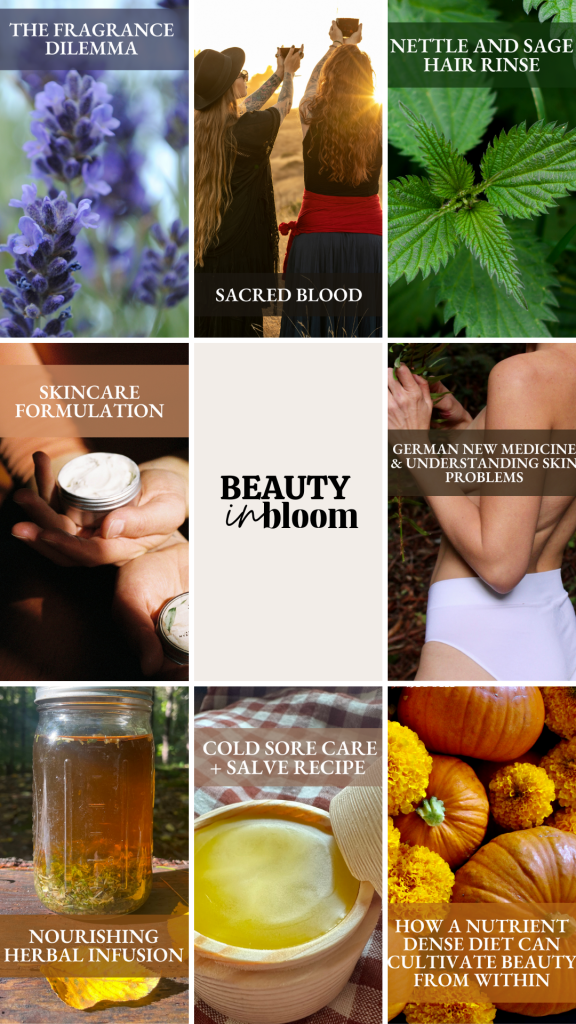
“Beauty in Bloom” is a collaborative effort of 18 herbalists sharing 30+ recipes and DIY projects to help you with herbal self care and natural beauty from the inside out.
Holistic Beauty Glow-Up
At the heart of Beauty in Bloom lies the mission to redefine beauty as a holistic, interconnected experience beyond skin-deep. We believe in the power of the plants to nourish, heal, and elevate our well-being, and this belief has fueled the creation of our publication.
Beauty in Bloom is more than a beauty guide; it celebrates the synergy between humanity and nature. Our mission is to inspire you to embrace beauty practices that enhance your external radiance and honor the earth.
You’ll learn how to make your own skincare and hair care products and health remedies from herbalists and holistic health professionals, Including:
Healing Psoriasis Holistically- Tips & Tricks to support psoriasis
DIY Magnesium Oil- For Sore Muscles & Nervous System
Gut Loving Mocktail- Mocktails for IBS, GERD, Bloating and Digestive Issues
DIY Herbal Cream Making and Cream Recipe
DIY Calendula + Olive Oil Lotion Bars
DIY Green Tea + Matcha Bath Soak
DIY Nettle + Sage Hair Rinse
Dina Charya- Dive into 6 Ayurveda self-care practices
Hibiscus Tinted Lip Balm Recipe- Avoid toxic chemicals in most colored lip products and make a nourishing one from commonly found herbs.
DIY Rendering Tallow for Skin Health
How a Nutrient-Dense Diet Can Cultivate Beauty From Within
Nurturing Your Skin’s Guardian- The Acid Mantle and Tending To Skin Health
Herbal Glow Gycerite Recipe for Glowing Skin
Thyme- Herbal Spotlight on Thyme and The Benefits for Skin Health
Held By The Earth- Self-Care and Connecting to Natural Medicines as a Birthright
Sacred Blood- Rituals for Menstrual Cycle Stages
Herbal Allies for The Lymphatic System
Kakuda Plum- Ingredient Spotlight and Skin Care Uses
Skin Care Formulation with Australian Lemon Myrtle and sandalwood
German New Medicine- Knowing Patterns for Wellness and Healthy Skin
Mallow Succus- Using Mallow for Hair Rinse and Body Nourishment
Chamomile- Creating Healing Serums for Skin
Supporting the Nervous System for Healthy Skin
From Head to Toe- Self-Care Practices and a DIY Spa Day from home
The Fragrance Dilemma- Toxic Phthalates and the Impact on Skin & Endocrine Systems
All of the projects are easy to make and use commonly found herbs, flowers, oils, and other natural ingredients. No fancy equipment or previous experience is required! “Beauty in Bloom” is packed with basic formulas to make your own one-of-a-kind creations. Going organic has never been easier or more affordable. With the wisdom of 18 Herbalists, “Beauty in Bloom” empowers you to use local, natural ingredients to make something beautiful, effective, and good for you and your family.
Choose your path to “Beauty in Bloom”:
📖 Printed Petals: Immerse yourself in the tangible beauty of “Beauty in Bloom.” Click [here] to order your printed copy and receive a carefully crafted guide delivered to your doorstep.
🌐 Digital Bloom: Dive into the world of “Beauty in Bloom” instantly. Click [here] to secure your digital copy now. Access over 30 recipes and formulas for DIY skincare and holistic well-being from the comfort of your digital device.
What to Expect in Beauty in Bloom:
DIY Herbal Formulas: Unleash your creativity with over 30 recipes and formulas for homemade body lotions, skin creams, herbal medicines, and more.
Educational Insights: Dive deep into topics like Ayurveda, hormonal balance, and the benefits of natural ingredients, guided by herbalists and holistic health professionals.
Empowering You: “Beauty in Bloom” is more than a publication; it’s your companion on the path to self-empowerment, enabling you to take charge of your beauty and well-being.
Join us in redefining beauty as a holistic experience that begins within and blooms into a radiant, harmonious existence.
This article appears in the Winter 2022 edition of Botanical Anthology. You can purchase a digital copy HERE or a print copy HERE.
Along with the joys winter brings, it unfortunately also carries increased risk of illness in its wake. Between extra time spent indoors during colder weather and the season’s gatherings and festivities, exposure to many types of illnesses sees a dramatic uptick. To that end, immune support becomes a constant refrain.
Herbal allies can be indispensable when it comes to this winter barrage of germs. But what does “herbal immune boosting” mean? It is a many-pronged approach to keeping your body functioning optimally so that you might avoid some illnesses altogether, or at least lessen their severity. Different types of herbs work together synergistically to aid with this never-ending task.
Adaptogens Fatigue, burnout, and chronic stress are common problems that weaken the immune system and its ability to fend off illness. Adaptogenic herbs help restore balance and protect the body’s systems and processes to counter these effects, the immune system being an important beneficiary. Tulsi, astragalus, reishi and chaga mushrooms and licorice root are just a few examples of adaptogens.
Nervines Stress and insomnia deplete the body and create the perfect breeding ground for germs. Luckily, nervine herbs help combat both of these issues, and many are gentle and safe for everyday use for most individuals. As an added bonus, some nervines have antimicrobial properties, too. Gentle nervine herbs include chamomile, lavender, lemon balm, tulsi, rosemary, linden, hawthorn, and passionflower.
Diaphoretics Diaphoretic herbs are warming and promote circulation. Once sick, these herbs go on to help sweat out a fever and offer respiratory relief. These include yarrow, elderflower and berry, chamomile, ginger, catnip, cayenne, garlic, and linden.
Aromatics Aromatic herbs don’t just taste great—they provide important immune boosting actions, too. Most aid digestion, while also offering strong antimicrobial support. These germ-killers include ginger, cardamom, cinnamon, cloves, anise, allspice, rosemary, and fennel.
Antioxidants Antioxidants like vitamin C aid immunity by supporting and stimulating antimicrobial actions on a cellular level as well as protecting body tissues from damage. Antioxidant herbs that provide much-needed immune boosting include rooibos, rose hips, hibiscus, elderberry, orange peel, and raspberry leaves.
Alteratives Alterative herbs aid in detoxifying your body by supporting the organs and systems that handle this important task. You need your liver, kidneys, and lymphatic system in tip-top shape to fight off illness! This category of herbs includes echinacea, calendula, dandelion root, burdock root, and nettles.
There are countless combinations one can work with to create an immune-boosting herbal recipe. To make things a little less daunting, here is a simple tea as a starting point. It features elderberry, a tried-and- true immunity aid, but also rooibos, an oft-overlooked antioxidant powerhouse. There is a bit here from each of the above categories, and plenty to tempt the taste buds, as well.
Blend this combination of herbs as the recipe states, or use it as a jumping-off point to inspire your own immune supporting formulation!
Method Mix all ingredients except orange in a bowl. Transfer to an airtight container.
To make a single cup of tea, add 1 tablespoon to a tea strainer, eco-friendly tea bag, or French press. Pour about 1 1⁄2 cups hot water over the tea and steep for 5 to 10 minutes. Add fresh orange zest or orange slice and honey to taste, if desired.
Notes This recipe yields approximately 10 servings of tea. If making a small batch, measure the parts in teaspoons—it should yield about 2 servings of tea.
For educational purposes only. Not intended for medical advice. Always consult your physician.
*This post contains affiliate links, which means if you choose to buy something from a link that I share, I will make a small percentage of the sale *at no extra cost to you*.
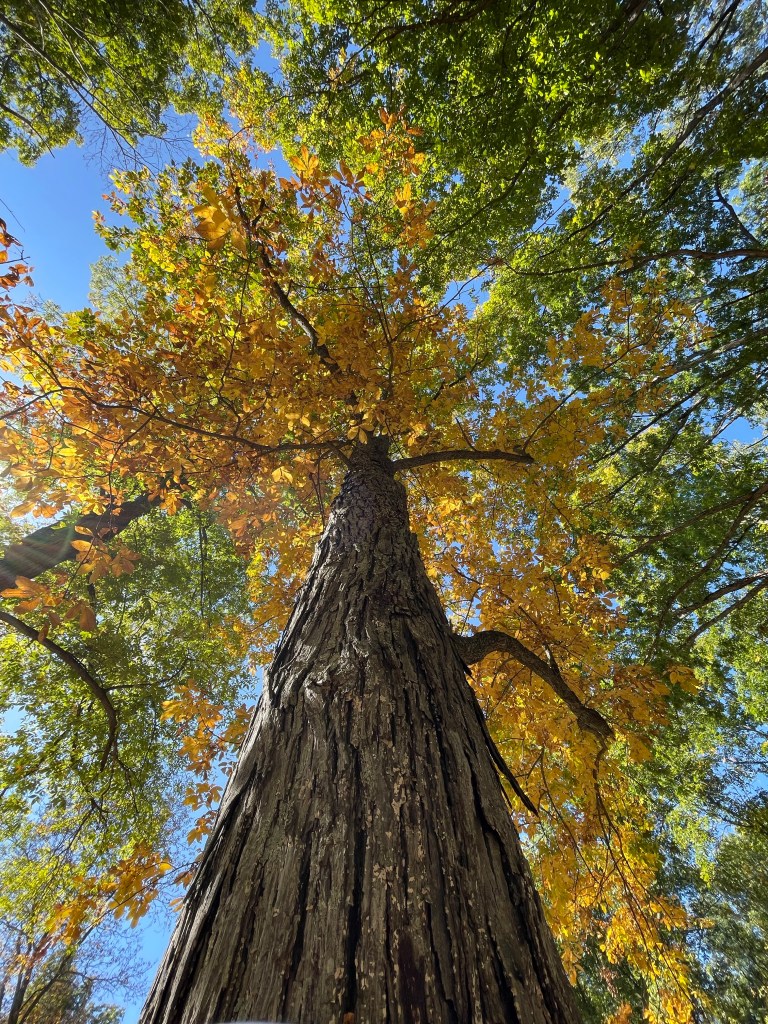
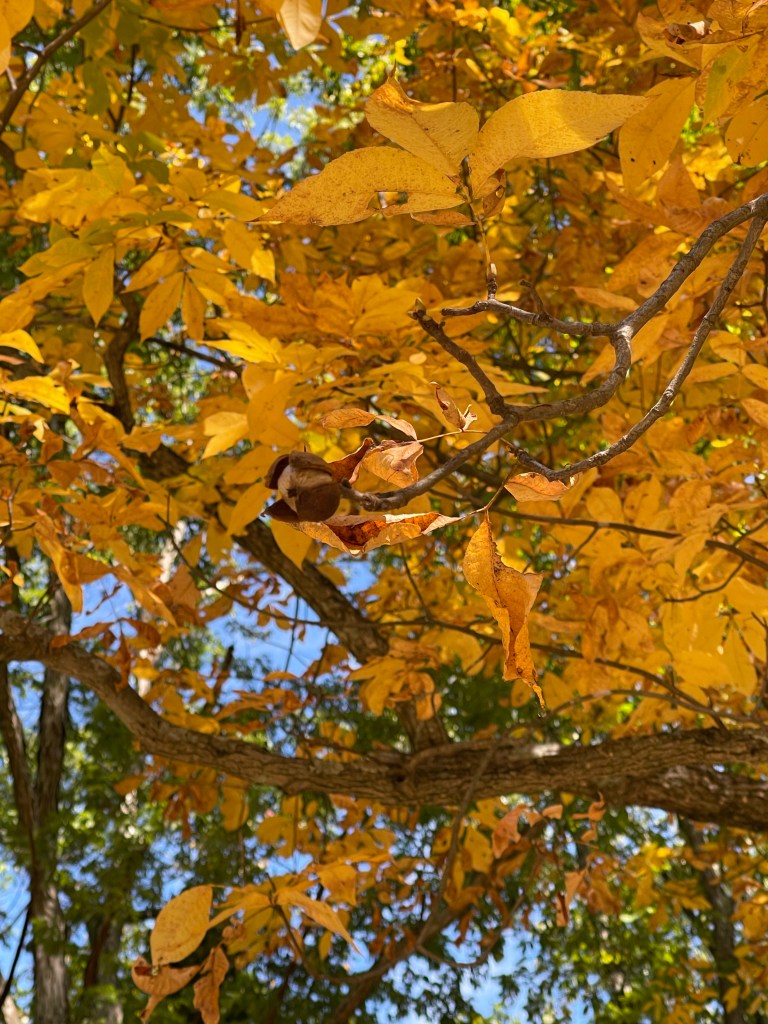
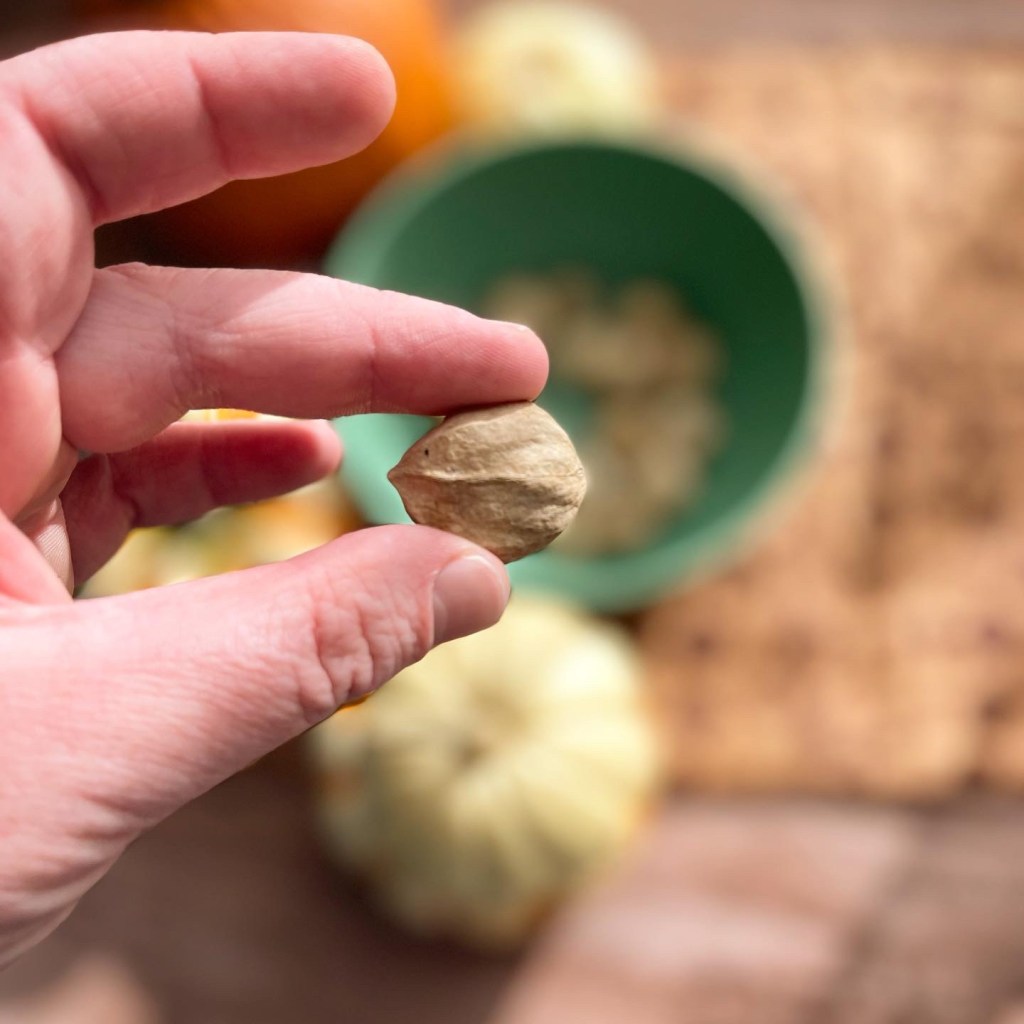
Last October I had the opportunity to collect some hickory nuts, and I’m hoping I get to when I revisit the same location again this year! Yesterday at a state park we encountered some shagbark hickory trees that were quite picked over by the squirrels already. But the place we collected them last year was so busy with people (an apple orchard) that the squirrels had steered clear and left them for the lucky humans to find.
Hickory nuts are incredibly nutritionally dense. They’re quite tricky and time consuming to crack and extract from the shells, so it’s a good thing they pack a punch! They are incredibly high in protein and those heart-protecting, cholesterol-lowering good fats you find in olive oil and avocados. They provide lots of folate and other important nutrients, as well. Hickory nuts are important to many native peoples whose diets have long included them. Numerous wildlife species also rely on them for vital nutrition.
And they taste amazing! If you have the patience to dig through these tricky shells, you’re rewarded with nuts that are wonderful raw and taste somewhat like a cross between walnuts and pecans but with a sweeter, maple syrup-like hint of flavor.
Hickory nuts have folk associations as well. In many Seneca tales, hickory nuts are associated with the dead and even bringing the dead back to life. (Very fitting as we approach Samhain!) Hickory nuts also represent nourishment, grounding, strength, and patience. (Not in small part because it takes 30-40 years of growth before the tree starts to bear nuts!)
With last year’s small harvest (I was mindful not to take more than my share) I allowed them to dry out in the sun before savoring a couple, while saving most of them for special occasions since I only have a few. I considered making a little strength talisman out of the smallest one, but I haven’t done so yet. I hope I get to add a few more to my little, precious collection!
Have you ever tried a hickory nut? What would you do with them if you had a few?
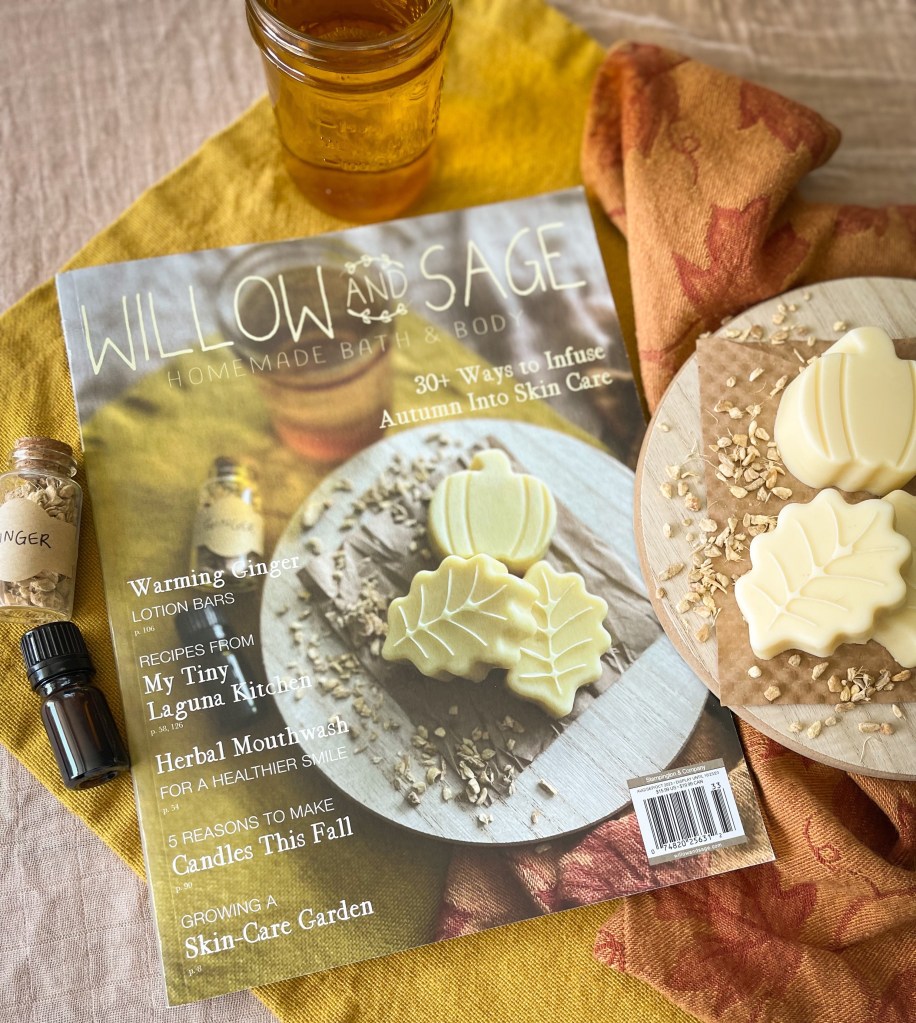
Have you ever read Willow & Sage magazine? It’s a lovely publication that shares recipes, crafts, gardening, uses, and packaging ideas for handmade botanical bath, body, and natural home products. Many creatives contribute these recipes, articles, and photos which make up this unique magazine.
I am so excited to share that a photo I took is on the cover of Willow & Sage magazine’s latest issue, and two articles I wrote are inside! You can find this issue at, among other retailers, Barnes & Noble and Joann, both of which I did on August 1 to see it out in the wild with my own eyes. I am very excited and proud to be a part of this publication!
I wrote the cover article with the recipe for warming ginger lotion bars, as well as an article and recipe for coffee and rose aromatherapy oil. I loved crafting these cozy and creative botanical projects, and I can’t wait to follow the other recipes in this issue to make some amazing creations by all the other contributors.
Thank you to Willow & Sage for this opportunity! I am so thankful for this chance to flex my creative muscles and brew up recipes such as these.
Thank you so much to everyone who purchases a copy or subscription of Willow & Sage, too! I am so grateful for all the ways you support my work.
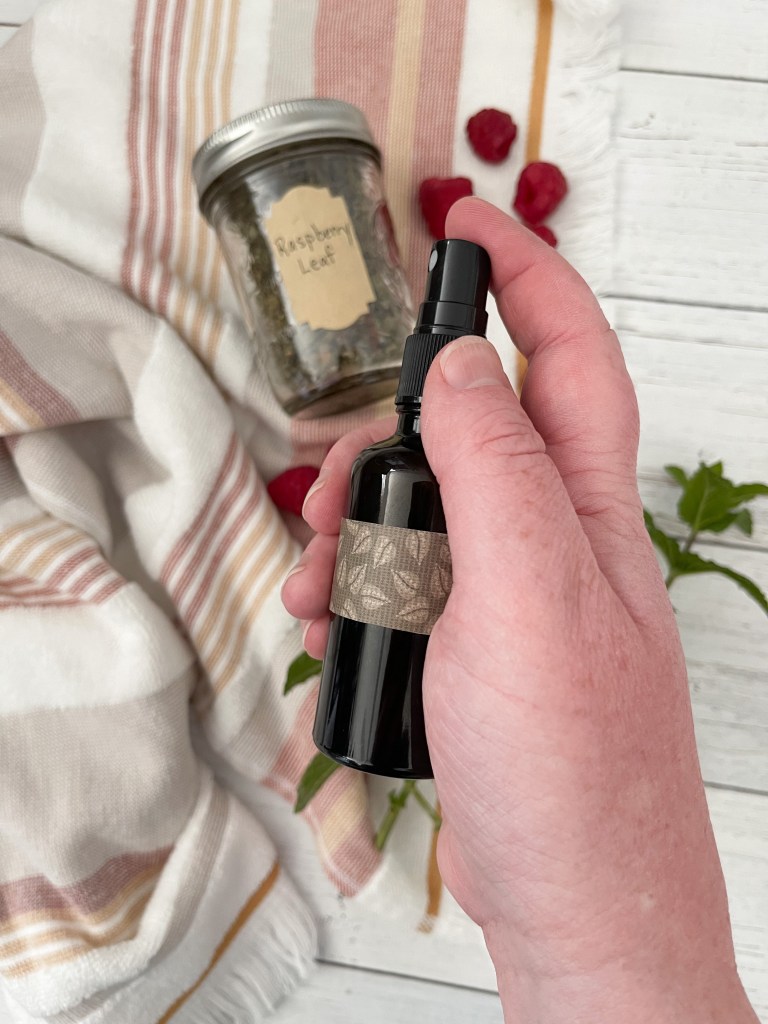
In these dog days of summer, your skin can easily become overheated and stressed out! That’s where raspberry leaf comes in. Raspberry leaf is well known for its tissue tightening and toning properties, and in a gentle face mist, this action can help to prevent moisture loss and provide soothing.
This recipe isn’t for a witch hazel or alcohol based toner—I didn’t want it to be that strongly astringent. So, instead, I’ve made a strong tea with the raspberry leaf and combined that with a cooling mint hydrosol—which you can easily make on your stovetop with some fresh mint, or you can purchase ready-made mint (or rose, lavender, or chamomile) hydrosol if you prefer.
Because this is an entirely water-based recipe, it has a shorter shelf life so you’ll want to make it in small batches and store it in the fridge. But it’s totally worth it for a very gentle, refreshing, soothing summer face mist that even the kids can use after a sweaty day of playing out in the hot sun! (It makes a great after-sun spray, too!)
This recipe comes in two parts: the mint hydrosol recipe and the raspberry tea / face mist recipe. Let’s start with the mint hydrosol!
Mint Hydrosol
Materials: Large stock pot with lid Small heat-safe bowl (ceramic or glass) Heat-safe glass measuring cup Distilled water Fresh mint leaves Ice
Method: Place the heat-safe bowl upside down in the stock pot and fill the bottom of the pot with enough water that it covers the bowl. Place the glass measuring cup right-side up on top of the bowl. Place a good amount of mint leaves in the water around the bowl—a couple big handfuls of plant material. Place the pot lid upside-down on the pot and place ice cubes on top. Simmer on medium heat until a sufficient amount of steam has condensed and dripped into the measuring cup—that’s your hydrosol! Store this in the fridge.
Raspberry Leaf Facial Mist
Materials: 3 tablespoons dried raspberry leaf Large tea mug Plate to cover the mug with Distilled water Tea kettle Strainer Glass bowl or measuring cup Small misting bottle (4-8 oz)
Method: Place raspberry leaf in the tea mug and cover with water freshly boiled in a tea kettle; cover with plate and allow to steep for 10-15 minutes. Strain into a glass bowl or measuring cup and allow to cool or refrigerate.
Fill the misting bottle half full with mint hydrosol and half with raspberry leaf tea. Cap tightly and shake well to mix. Store in the fridge to prolong its shelf life and so it’s nice and cool when you’re ready to mist your face!















 The Herbology Faerie