Categories
Hygge Recipes Tea

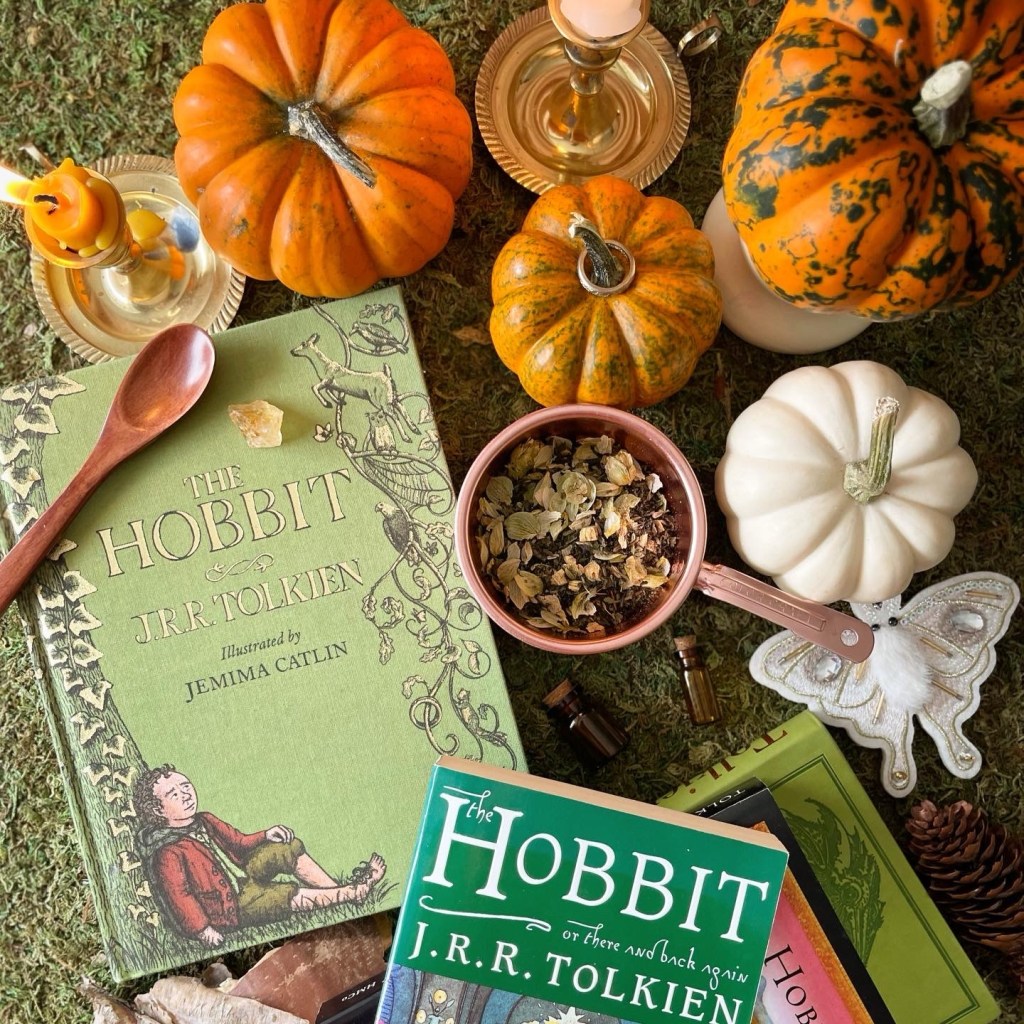
Happy Hobbit Weekend & Tea!

The Hobbit and The Lord of the Rings books by J.R.R. Tolkien have been my very favorite books since I first read them as a teenager, and I have always felt a very strong connection to hobbits: simple folk who prefer the comforts of home, well-stocked larders and bookshelves, and the joy of silly fun with family and friends, yet who can be prevailed upon to draw deeply from a well of courage and wit to save the world on occasion. If any fictional folk represents me, it’s the hobbit-folk. 

So the publication anniversary of The Hobbit (my birthday, 9/21) and the birthday of both Bilbo and Frodo Baggins (9/22) alongside the beginning of fall are all something I like to mark wrapped up into one special span of a couple days. I might read bits of The Hobbit to my own halflings, or we might watch the 1970s Rankin Bass animated film of The Hobbit (wonderfully nostalgic and kid friendly).

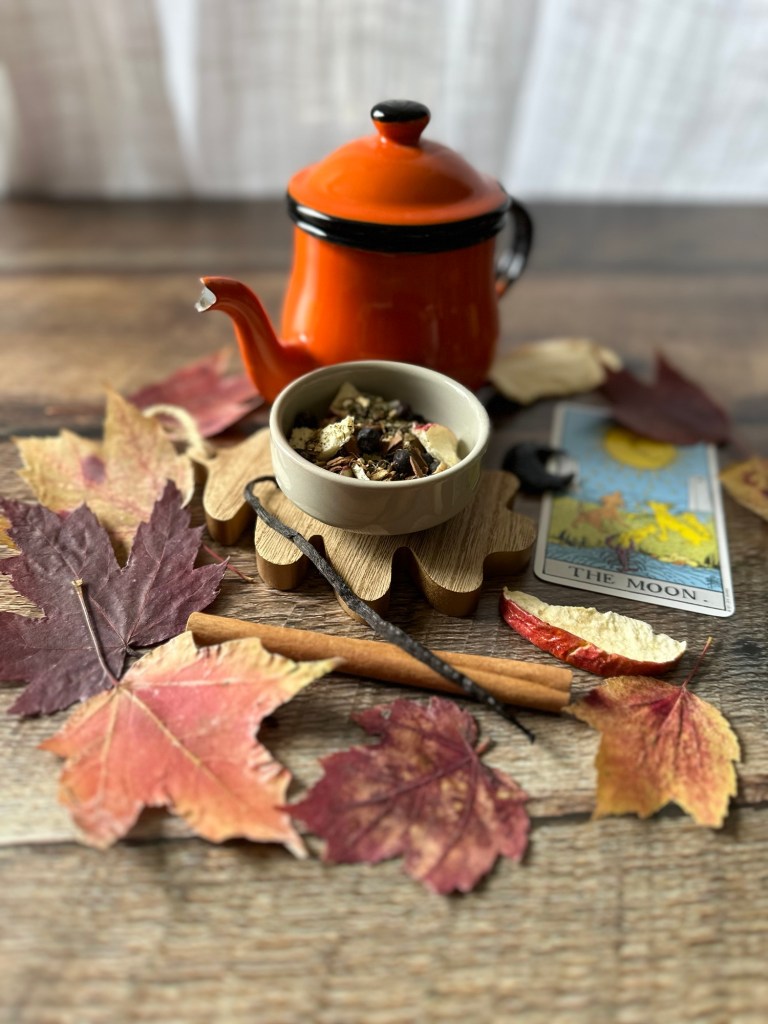
We may enjoy a hobbit-y teatime, too, with fresh baked goods and hobbit-inspired tea from the recipe I created. It combines smoky lapsang souchong tea for that famous pipe-leaf all hobbits love, hops to represent the tankards of ale they heartily imbibe, reishi mushrooms foraged right from the woods surrounding the shire, and other flavorful herbs and spices.


Ingredients:

1 part loose leaf lapsang souchong (or other black tea)

1 part mint

1⁄2 part reishi, broken into small pieces (substitute with licorice root if you are unable to find reishi)

1⁄2 part hops

1⁄4 part fennel

1⁄4 part nutmeg

1⁄4 part powdered vanilla bean or 1 vanilla bean per 4 cups of tea, split

Directions:

To make a single cup of tea, add 1 tablespoon to a tea strainer, eco- friendly tea bag, or French press. Pour 1 to 1 1⁄2 cups hot water over the tea and steep for 5 minutes. Add honey or other sweetener, if desired.


For educational purposes only. Not intended for medical advice. Always consult your physician.

*This post contains affiliate links, which means if you choose to buy something from a link that I share, I will make a small percentage of the sale *at no extra cost to you*.
Categories
Herbs and Herbalism plant wonder collective Recipes

Sumac Cider-Ade

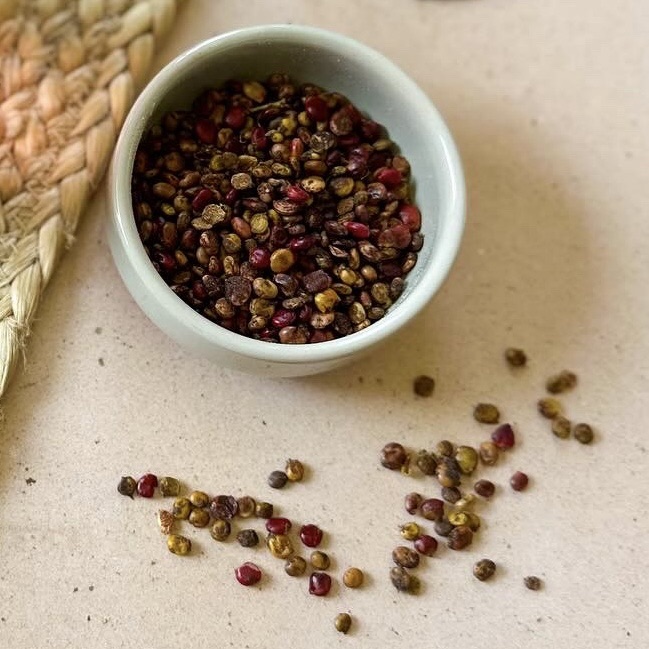
It’s sumac month at the Plant Wonder Collective, and I am so excited because this is a new plant for me! I am loving getting acquainted with these little ruby gems. 

The taste of sumac is hard to describe; sour, tart, earthy, and in my opinion, delicious. It’s cooling and drying—very astringent and gives that tannin feeling of black tea or red wine. But the flavor is light, and both fruity yet complex and mineral-y.

From tea to spice rub, tincture to wound salve, and even a lovely pink dye, sumac has a host of applications. This plant is full of antioxidants, offers anti-inflammatory aid, is wonderfully healing inside and out, and can help with unpleasant conditions such as water retention and diarrhea. It is good for the cardiovascular system, can aid in drying out the sinuses, and can even lower blood sugar, too! Sumac is widely forageable in the U.S. and has a long history of use by indigenous peoples

(For more info on sumac, consider checking out the free mini month of content on the Plant Wonder Collective Study Circle Patreon!)

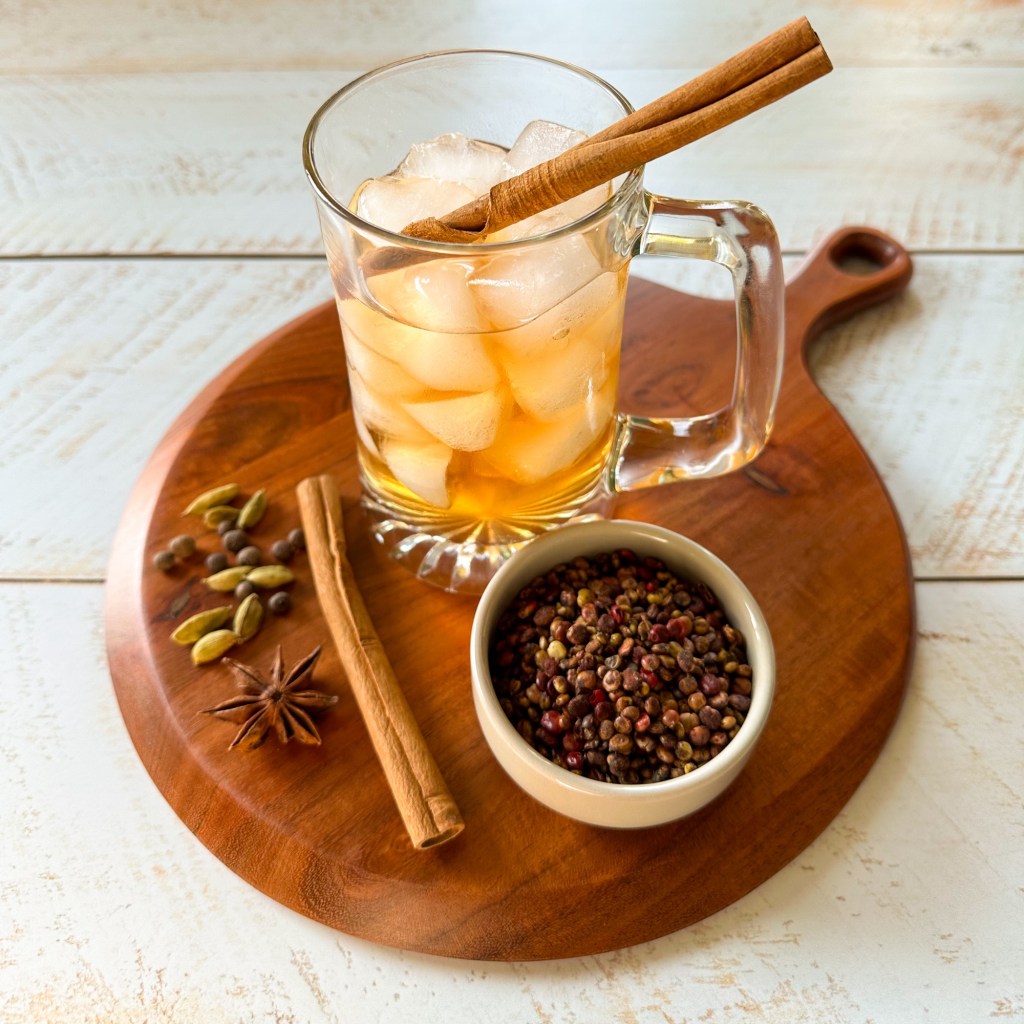
Sumac is tart and delicious as a cold beverage, much like lemonade, and so is often cold-brewed as such—I found lots of simple instructions for doing just that online. But of course I wanted to add a different spin on the typical sumac “lemon”ade, and a September-y flavor profile! 

Since I am a huge fan of tart apples and fall cider, I thought I’d try a sumac cider combining this month’s plant with apple and spices! It makes for a lip smacking, satisfyingly-sour and tasty beverage that’s easy to make and kid-friendly, too. 


Ingredients:

4 cups apple cider / juice

¼ cup sumac berries, crushed with mortar & pestle

2 tsp simple syrup

1 lemon or orange, juiced

1 cinnamon stick, broken into pieces / crushed with mortar & pestle

3-4 slices fresh ginger or 1 Tbsp dried ginger pieces

7 cardamom pods

6 cloves

1 tsp allspice berries 

1 star anise

Instructions:

Combine all ingredients in a pitcher; you might decide to use a large tea strainer or large eco-friendly paper tea bag to hold the mulling spices for ease of removal. Allow to cold brew either at room temperature or in the refrigerator for 4 hours to overnight. 

Strain the spices and sumac berries out using a fine mesh sieve (a cheesecloth or coffee filter can help, too). Chill and serve over ice!

If you’d like to make this a bit more of an adult drink, you can always add a splash of bourbon or your preferred liquor to your cup; you could also make a stronger brew of the base cider-ade and add then Prosecco or champagne for fizz. 


For educational purposes only. Not intended for medical advice. Always consult your physician.

*This post contains affiliate links, which means if you choose to buy something from a link that I share, I will make a small percentage of the sale *at no extra cost to you*.
Categories
Craftbrunch Folklore Recipes Tea

Chang’e  and the Moon Rabbit: Immortality Elixir Tea 

As a lover of all things autumn, I love branching out and learning about how different cultures mark my favorite season! I have recently learned a bit about the Mid-Autumn Festival in Chinese culture, which takes place around mid-September to early October and centers around the timing of what we know as the Harvest Moon. 

During this autumn equinox festival, celebrations focus on the harvest—with gratitude and family gatherings; the moon; Chang’e (the goddess of the moon); and her companion, a white rabbit who pounds herbs in his mortar and pestle to make immortality elixir. Other symbols and parts of the celebration include lanterns, mooncakes, cassia wine, and burning incense as an offering to Chang’e.

This festival and the lore surrounding Chang’e and the Moon Rabbit are a wonderful Craftbrunch theme! There are lovely picture books on this folklore to share with children, you can decorate lanterns and make moon cakes, and more. 

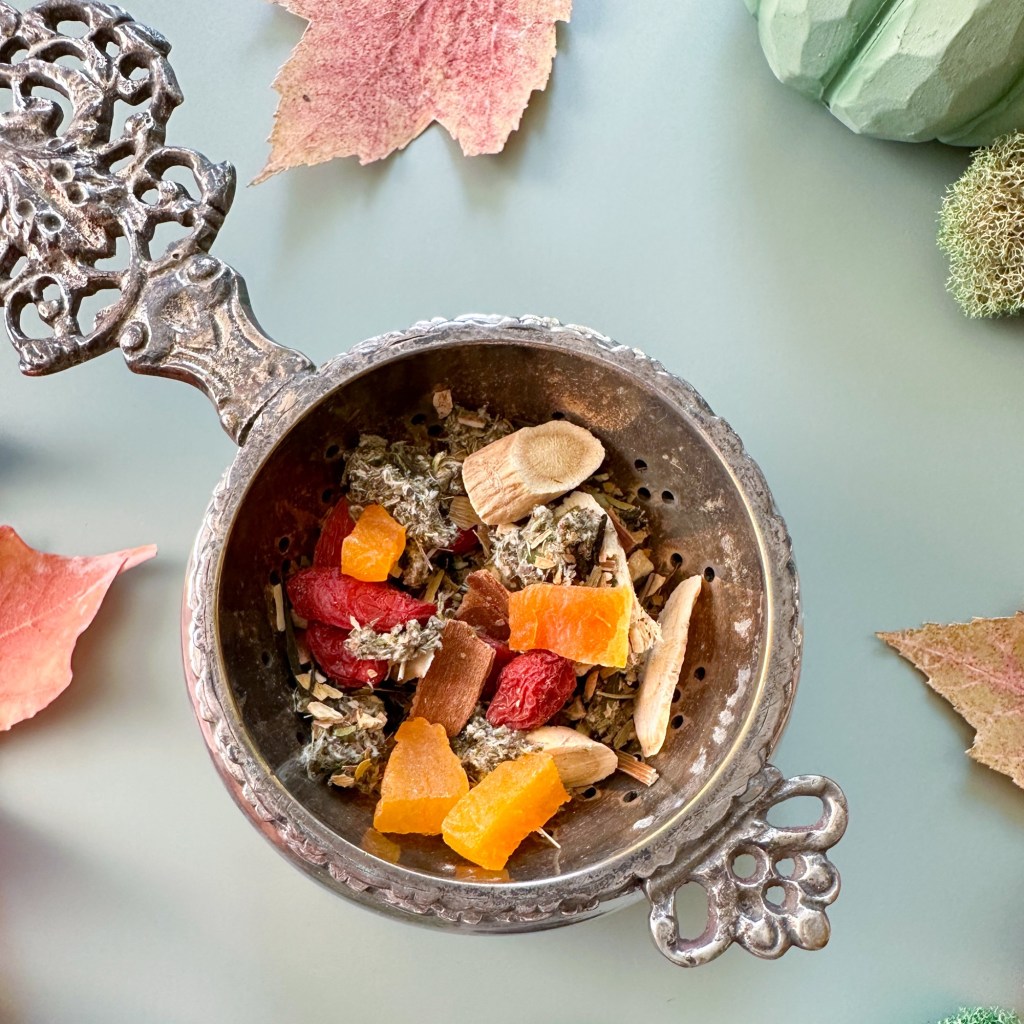
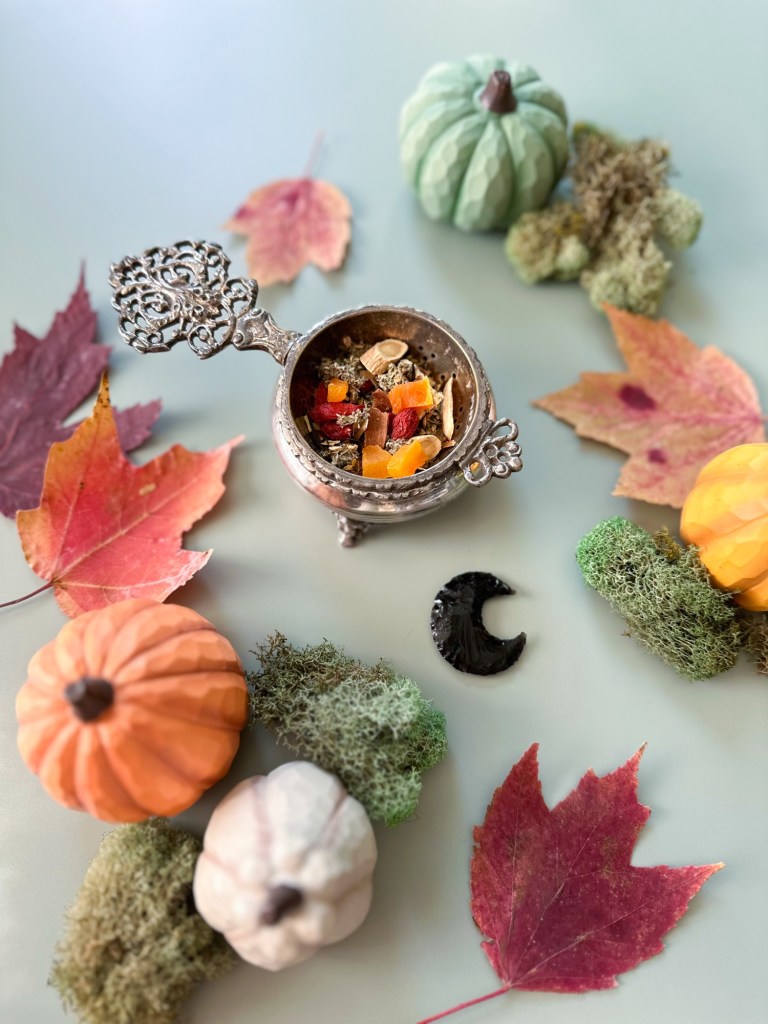
My contribution to the #autumnnaturemagic #Craftbrunch celebration I’ve joined on Instagram is a tea blend based on the idea of the immortality elixir that the Moon Rabbit makes! Most of the ingredients are longevity herbs in TCM (Traditional Chinese Medicine), and the cassia cinnamon and dried apricots are present to represent cassia wine, which I’ve not tried but I read it tastes like peaches or apricots!

(This tea is safe for adults and kids alike, but if you prefer you can substitute decaf green tea or leave it out altogether.)

Here is the recipe! It should be enough for a few cups of tea but you can increase accordingly for the number of people you’re serving. 


Moon Rabbit’s Immortality Tea

Ingredients:

1 Tbsp Green tea

1 Tbsp Astragalus root

1 Tbsp Ginkgo (I like golden ginkgo)

1 Tbsp Mugwort

1 Tbsp Goji berries, dried

½ Tbsp Ginger, dried, or 1-2 small knobs fresh

Cassia cinnamon, 1-2 sticks broken into pieces

Dried apricots – 3-4, chopped

Instructions:

Brew for 3-4 minutes with just-boiled water; you can brew longer if you omit the green tea, or perhaps put the green tea in a separate tea strainer and remove it before the other ingredients. 

Garnish with cinnamon sticks and dried apricots if you like! Sip this tea before a lantern-lit autumn hike under the moonlight!


For educational purposes only. Not intended for medical advice. Always consult your physician.

*This post contains affiliate links, which means if you choose to buy something from a link that I share, I will make a small percentage of the sale *at no extra cost to you*.
Categories
Botanical Anthology Recipes

Botanical Anthology: Licorice Root Fizz

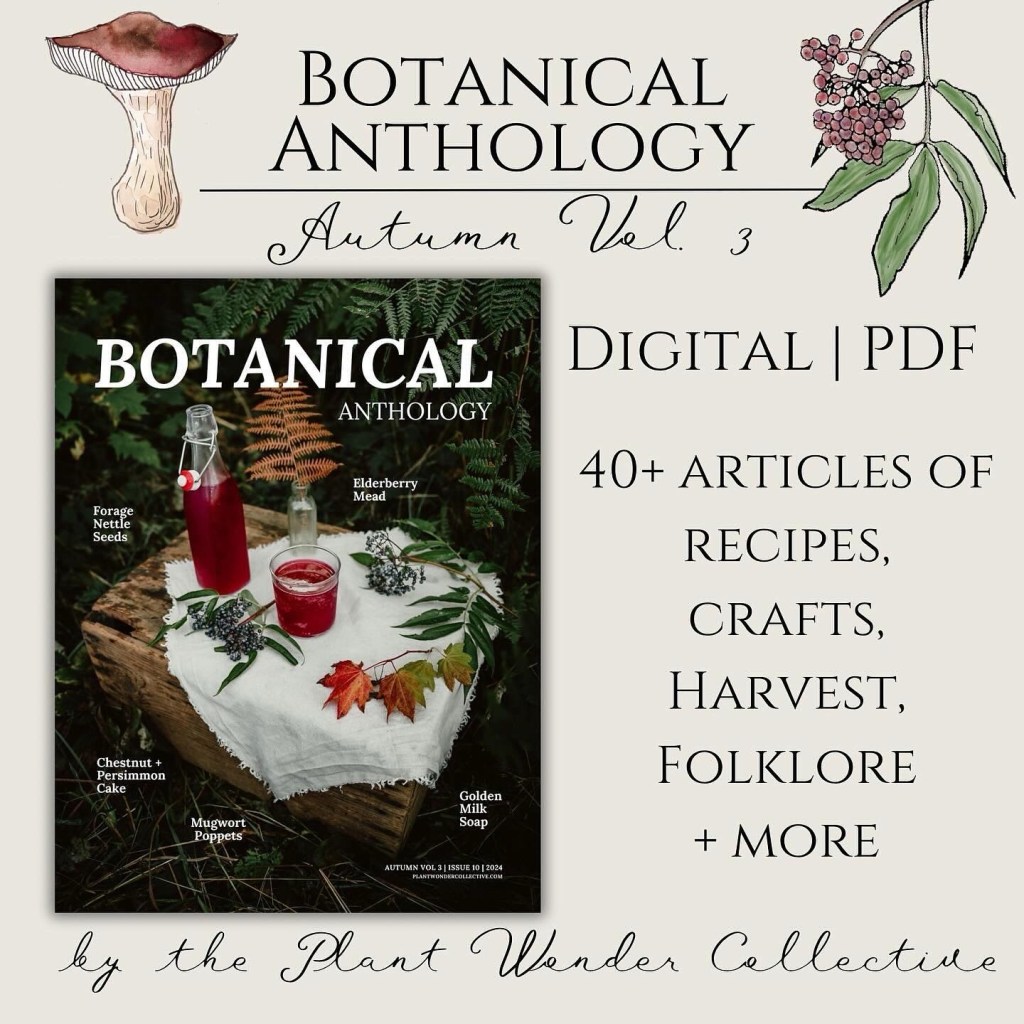
This is an excerpt from the article Root Mocktails by Leah Jorgensen Jean featured in the Autumn Vol 3 | Issue 10 | 2024 edition of Botanical Anthology. To learn more about mocktails and for the accompanying S’mores mocktail recipe using marshmallow root, check out the entire article! Our herbal magazine, featuring remedies, recipes and projects with plants for the autumn season, can be purchased as a digital version here and as a printed version here

Licorice Root Fizz 

Licorice Root Fizz is a delightful drink for those who appreciate its distinctive flavor. Licorice root provides a sweet, herbal taste that is soothing and mildly spicy.  Combined with sparkling water, it transforms into a refreshing and unique beverage, delivering an unexpectedly intense, complex, and invigorating experience. It is an excellent alternative for those who enjoy sipping on licorice-flavored liquors such as Pastis, Sambuca, Ouzo, Pernod, or Absinthe.

Materials

¼ c water
¼ c granulated sugar

2 tbsp licorice root, dried

Ice cubes
Juice of ½ lemon

Sparkling water or club soda
Lemon slice or twist, for garnish

Method
In a small saucepan, combine the water, sugar, and licorice root. Heat over medium heat, stirring occasionally, until the sugar is completely dissolved.  Bring the mixture to a gentle simmer, then remove from the heat. Let the licorice root syrup cool to room temperature, then strain it through a fine-mesh sieve or cheesecloth. Transfer the syrup to a clean jar or bottle and store it in the refrigerator until ready to use.

To make the Licorice Root Fizz, fill a glass with ice, and add 2 to 3 tablespoons of the licorice root syrup, depending on your sweetness preference. Squeeze the juice from the lemon into the glass and stir to combine. Top with sparkling water or club soda, stirring gently to mix. Garnish with a lemon slice or twist and serve immediately.


Notes

  • Licorice should not be used while pregnant or nursing and those who have high blood pressure.

Leah Jorgensen Jean is a professional winemaker, holistic nutritionist, and regenerative herbal medicine grower based in Newberg, Oregon. She received her certificate in herbalism from Ecoversity and grows and prepares medicinal plants for her small town herbalist community.  Visit her on Instagram @cosmicculturebotanicals 

These recipes are excerpts from her first book The Herbalist’s Guide for the Sober Curious: 65 Garden-To-Glass Recipes published by Chartwell Books available wherever books are sold in January 2025. Visit her on Instagram @cosmicculturebotanicals 

Categories
Herbs and Herbalism Tea wheel of the year

Lammas, Calendula, & a Tea Meditation

Lammas / Lughnasadh / the First Harvest festival is almost here, coming up on August 1!

In years past, I was very much NOT a fan of the month of August. Where I live it tends to be incredibly hot, buggy, and like a dragging obstacle between me and my favorite season: autumn.

But recently, I came to see August in a new light. I’ve learned about the sabbat of Lughnasadh / Lammas (they tend to be used interchangeably) on the wheel of the year. Lammas marks the first harvest festival—the first of three, including Mabon and Samhain. The connections with Lammas tend to be the late summer veg and herb harvests, grain, bread making, beer, wine, fruits and vegetables, abundance, and gratitude. This opens the doorway for our descent toward autumn. Nights begin to gradually get cooler, and sunflowers bloom at the flower farm near my home. I can get behind this imagery, this spirit of anticipating autumn and gratitude for the end of summer’s abundance!

Lammas and Calendula

When I first learned about Lammas, I immediately, intuitively connected it with calendula. This may not resonate for you—you may have another plant you feel called to at this time. But for me, it’s all about this gorgeous, sunny orange flower.

Medicinally, calendula offers immune boosting, gut healing, inflammation modulating, stagnation clearing, and liver supporting properties when used internally. Externally, it supports skin healing and treats bug bites, rashes, burns, wound healing, and overall skin health support.

Spiritually, calendula is connected to the sun, Leo and Cancer—giving fiery yet nurturing qualities, warmth, comfort, healing, protection, happiness, peace, abundance, hard work, and responsibility. I find that ingesting, and even just seeing this plant on my home altar spaces, helps bolster and nourish me during this industrious time! I tend to add calendula into most of my teas and baked goods during the Lammas season.

Lammas Tea Meditation Download

To celebrate this occasion, I am sharing with you a special Lammas Tea Meditation journaling page that you can download, print, and perhaps pair with a mug of calendula tea. Quiet your mind, breathe deeply, and allow your impressions of the herb to wash over you and impart its gifts.

Download, print, and use this mediation journal page along with any other Lammas / Lughnasadh / First Harvest celebrations and reflections!

Categories
Recipes Tea wheel of the year

Summer Solstice Sun & Strawberry Moon Tea

I am so excited that June’s full moon (the Strawberry Moon) and Litha (the summer solstice) fall together this year. It is a convergence that doesn’t happen often—in fact, the last time it did was 1985! All that bright energy of both the longest day and the full moon combined—so magical! 

For me, I think the order of the day is celebration, gratitude, and soaking up every bit of that energy I can. I feel like too often, we see these astrological occasions as calls to act in grandiose ways, to manifest changes and new directions, to enact grand gestures. But this pressure is not necessary, and most likely you have many plates spinning already at this busy cusp of summer! Instead, it is perfectly okay to give yourself permission to rest, recharge from the added light, lean into the sensation of lightness, and simply enjoy and give thanks. Mindfulness can be your act of devotion.

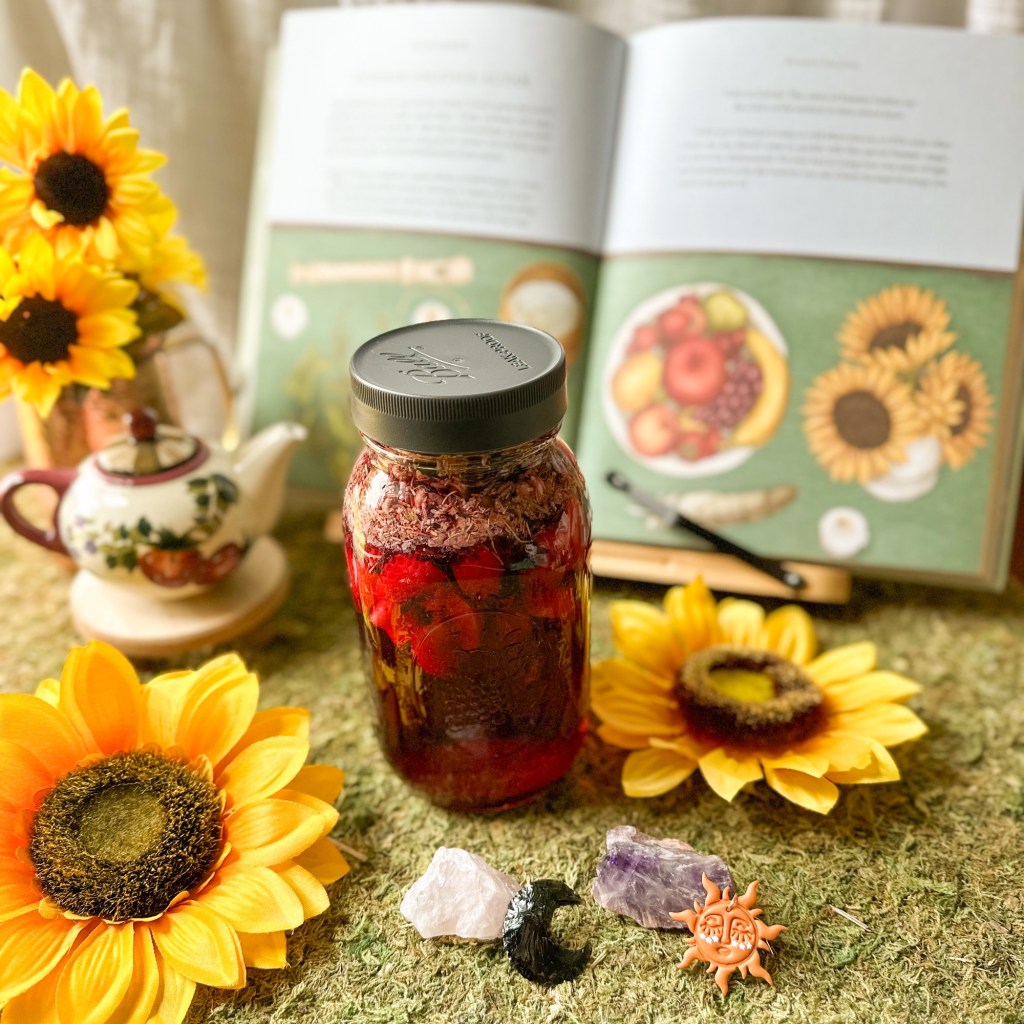
To this end, I am going to brew a Sun and Moon Tea!

I am calling the tea such because I’ve chosen a blend of herbs and botanicals that includes affinities for both the sun and the moon to reflect the meaning of the occasion. There are also botanicals chosen for their ties to Litha, fire, water, and Venus, all of which I am feeling strong influences of during this time. 

Here are the ingredients, and a few of their astrological ties:

•Linden (sun, Litha)

•Chamomile (sun, Litha)

•Jasmine (moon, water)

•Rosemary (sun, moon, fire)

•Strawberry (strawberry moon, Venus, water)

•Hibiscus (fire, water, Venus)

•Lavender (Litha)

And here is the recipe! It’s simple, so you can concentrate on enjoying your mindful moments under the solstice sun and Strawberry Moon. 


Ingredients

32 oz mason jar

1 cup sliced strawberries

2 Tbsp hibiscus

1 Tbsp rosemary

1 Tbsp linden

1 Tbsp chamomile

1 Tbsp jasmine

½ Tbsp lavender

Honey to taste, optional

Directions

Add ingredients to mason jar and fill with cold, fresh water. (If using dried herbs, you might choose to place them in a large eco-friendly tea bag or linen reusable tea bag.) 

Cap tightly and place in a sunny location (free of disturbance by kids or pets!) for 2-3 hours. 

If not using a tea bag or strainer, strain tea into a fresh jar or a pitcher over ice if drinking immediately. You can stir in honey while it is still warm if you’d like! Refrigerate and drink cold. 

Note—

You can substitute fresh herbs for dried ones if you have access to them! You don’t necessarily have to go by the measurements in that case—just add sprigs of each. 


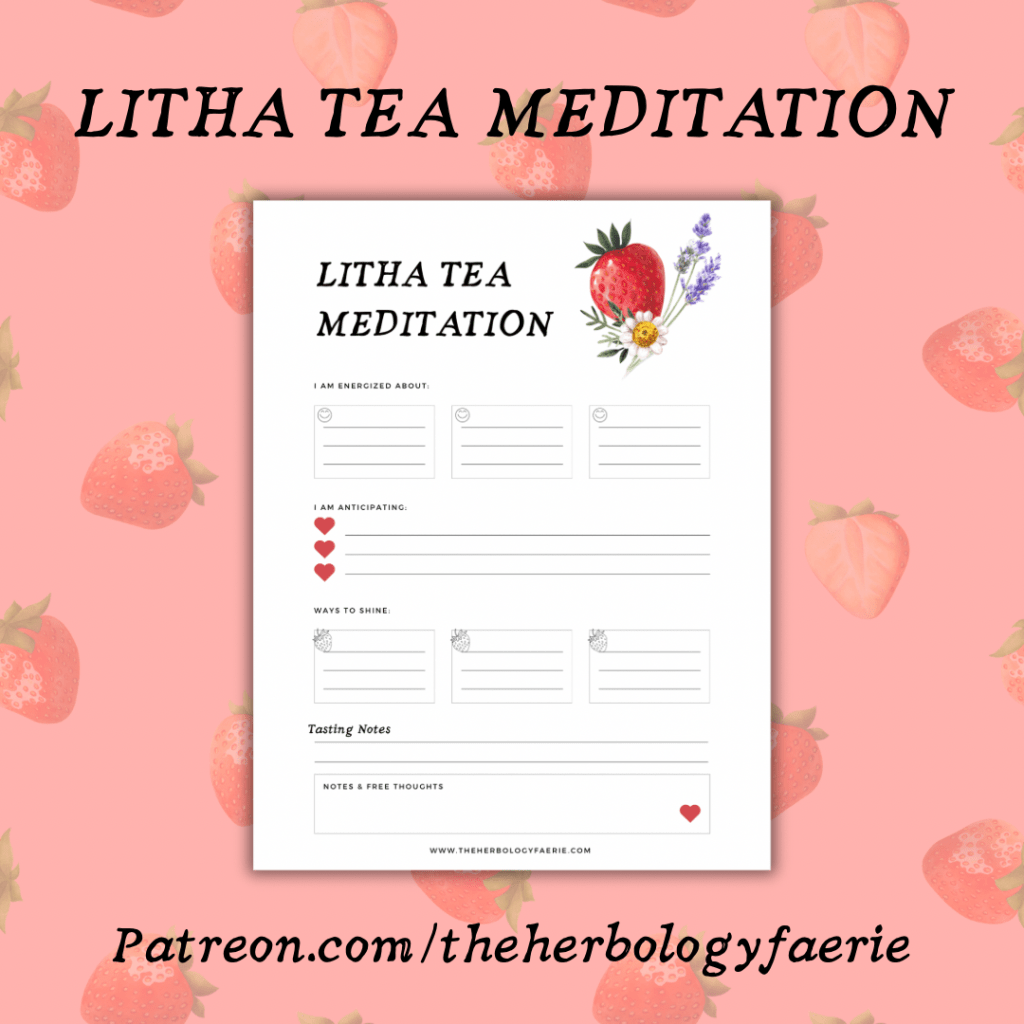
For a printable Litha Tea Meditation journaling page and a printable version of this recipe, join my Patreon at Patreon.com/theherbologyfaerie!

Categories
Botanical Anthology

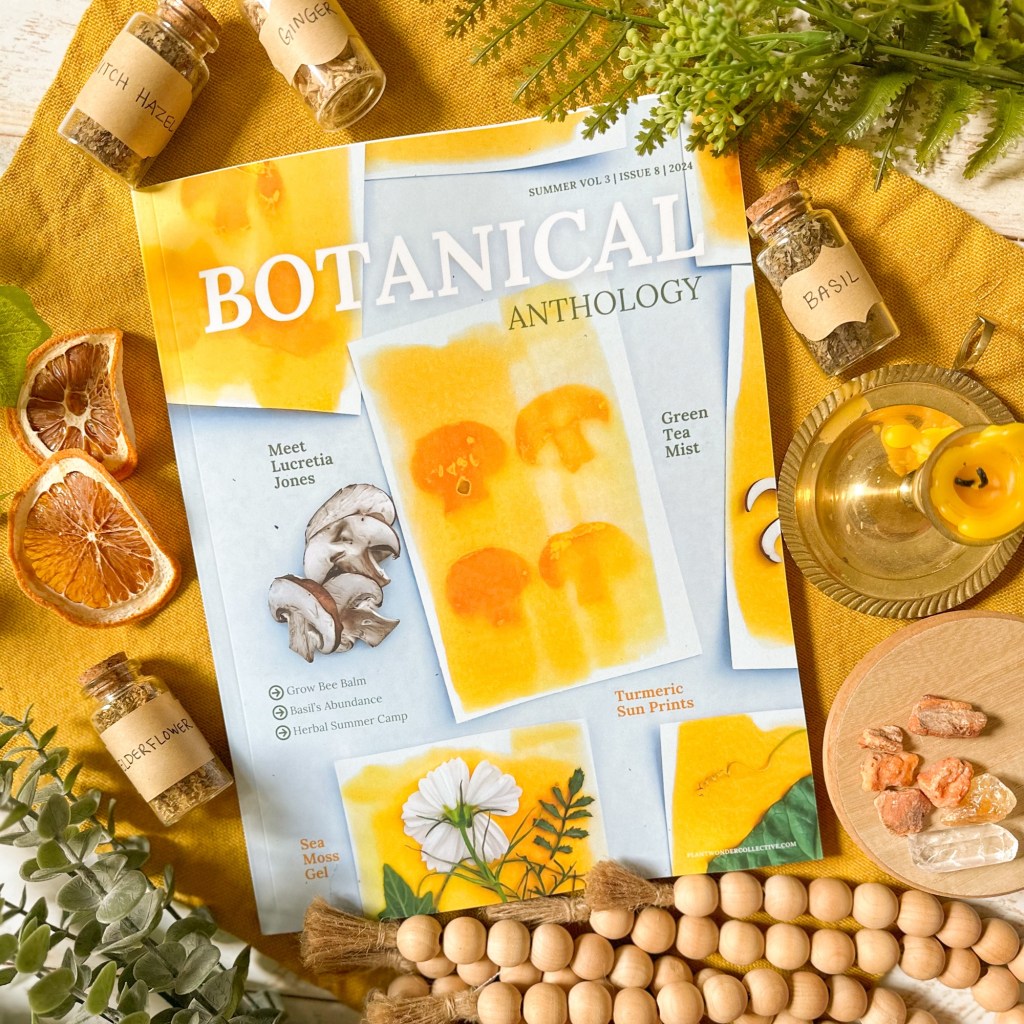
Botanical Anthology Summer 2024!

It’s here! The launch of the Summer edition of Botanical Anthology is TODAY! It’s coming at ya just when the heat is rising, and plants are coming into their full glory. 

A plant lover’s dream, Botanical Anthology is a seasonal, plant-centered digital + print magazine bringing you over 40 articles from over 40 contributors in 110+ pages to incorporate herbs in your apothecary, kitchen, self-care, foraging, gardening, crafts, and summer celebrations. This is our ninth edition, beginning our next circle around the sun.

(I am extra proud of this magazine because not only am I a contributing writer, but I am also the copyeditor of the magazine!)

At Plant Wonder Collective, we love sharing daily inspiration on our plant of the month, but for this project, we really want to connect to the seasons. Let us be your guide to working with plants in the months ahead.

Through 6/19, grab your digital copy for just $16 and receive the All About Rose booklet for free

Here are the links to purchase:

DIGITAL edition

PRINT edition

We now offer gift cards and digital subscriptions, and the printed edition makes a great gift for the plant lover in your life!

Here are a few examples of what botanical goodness you’ll find within this issue’s pages!

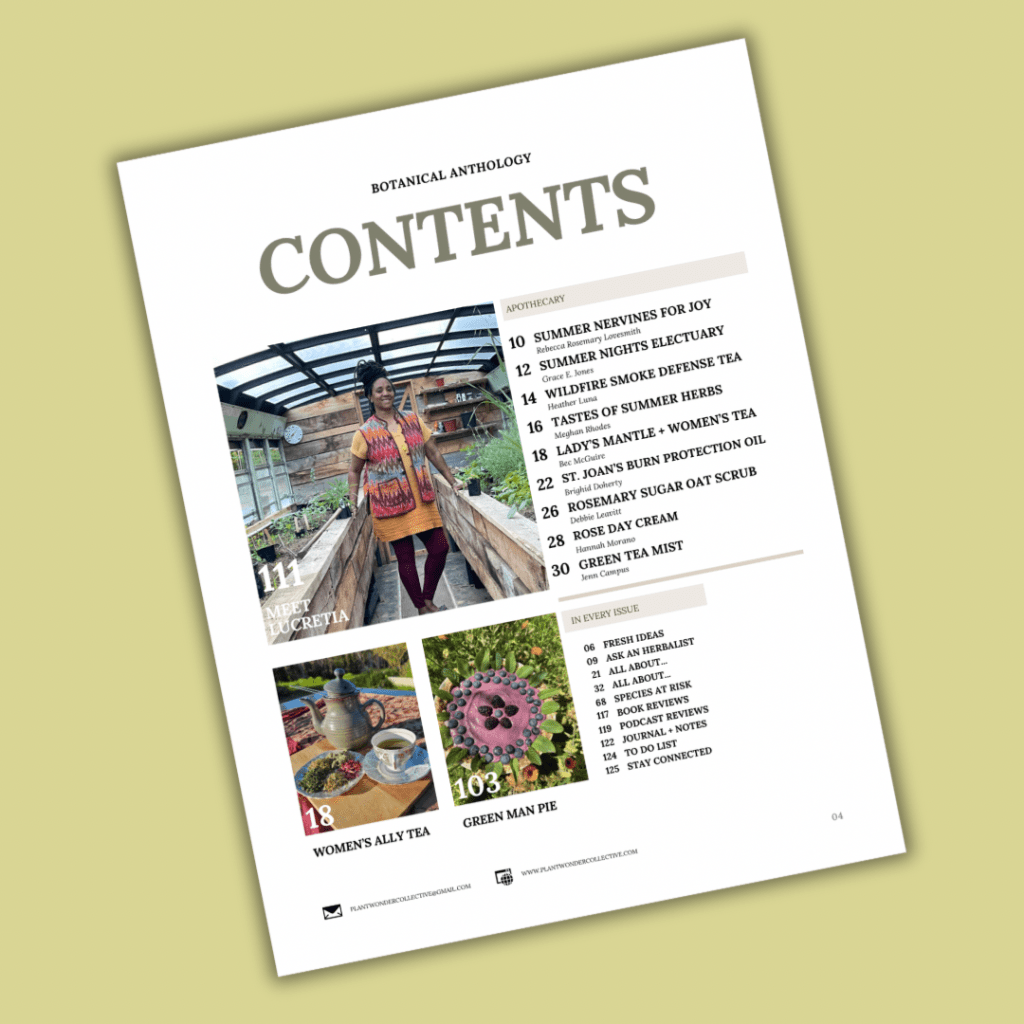
* Whip up a batch of rose day cream, steep St. Joan’s wort oil + infuse a summer nights electuary

* Bake a cake with elderflower, sip a coriander lime cooler + dip hollyhock wraps in rose tahini sauce

* Grow bee balm, save tomato seeds + consider what is a weed

* Make sun prints with turmeric, beeswax dip plants for a garland + sew peppermint repellent sachets

* Brew full moon teas, cultivate abundance with basil + discover summer as fire

* Celebrate Father’s Day, Summer Solstice, First Harvest + Back to School with simple observances

* Meet Lucretia Jones, Reede Haroian, Tanner Filyaw, Dr. Tieraona Low Dog + Audrey Gilbert

📷  Our vibrant cover story is Solar-Powered Turmeric Prints authored by Julia Linsteadt: @a.farm.to.keep on Instagram / www.afarmtokeep.com

Categories
Herbs and Herbalism Tea wheel of the year

Beltane Lilac Tea Meditation

Beltane, also called May Day, marks the cross-quarter between Ostara (the spring equinox) and Litha (the summer solstice). Beltane is a time of heightened romance, carefree joy, ripening fruits, and faerie magic. Take care where you wander on Beltane night as the bonfires burn, lest you stumble into the land of Faerie!

Lilac is, in many parts of the northern hemisphere, ubiquitous with Beltane as its prime blooming period. To celebrate Beltane, harvest some fresh lilac if it is in bloom near you and enjoy a lilac tea meditation ritual. 

((You can also substitute a different fresh food safe flower that is in season near you, such as dandelion, for this meditation, or even dried flowers like jasmine or lavender if fresh flowers aren’t accessible to you!))

Choose a handful of blossoms that look fresh, not wilted. Leave blossoms attached to the stems, but remove most of the twigs.

Dunk in cold water to rinse off any debris and critters. Pour heated water from your tea kettle over the blossoms in a mug to cover the flowers and allow to steep for about 3 minutes before you begin to sip. No need to remove the flowers if they’re attached to the stems—they shouldn’t float loose.

Grab a journal and pen, and seat yourself in an outdoor spot if possible, or next to an open window if not. Sip the tea and feel the sun/moon/breeze on your face, closing your eyes. 

Notice the flavor of the lilac tea. It should be fragrant, floral, a tad sweet and a bit bitter all at once. Very tannic, it should pucker your tongue a bit and leave a dry mouthfeel. Savor the flavor and aroma as you drink, and think of it as nature’s champagne! Rare, beautiful, elegant, joyful, celebratory. Let the taste uplift you and permeate throughout you. Envision a sweet purple light enveloping you, bringing happiness and beauty from the outside-in, if you like. 

Grab your journal. Write down three things you are happy about, three things you are anticipating, and three ways you’d like to grow. Meditate on these ideas as you finish your tea. Then, compost the spent lilac blossoms. 


As an alternative to using a journal, I’ve made a journal page especially for this meditation that you can print and use! Just click on the file below, print, and use alongside your Beltane Lilac Tea Meditation!

Categories
herbal skincare Herbs and Herbalism plant wonder collective

Butterfly Pea Lip Balm

Due to its nourishing skin benefits and its striking blue hue, I decided to try out making butterfly pea flower lip balm! Butterfly pea flower has long been used in Southeast Asia in beauty and skin products, but is just starting to gain notice more broadly. This versatile plant has many applications inside and out, and this is a fun and portable one!

There are a number of ways you can tailor diy lip balm to your texture preferences and skin needs. You could infuse dried butterfly pea flowers in oil (the oil won’t be blue), try different base oils and essential oils, use more or less of the powder, etc. Here is how I made this batch:


Melt and combine beeswax, shea butter, sweet almond oil, and butterfly pea powder in a double boiler over low heat, stirring very well with a wooden chopstick to help combine the ingredients and dissolve the powder. 

Remove from heat and stir in essential oils well. (Omit them if sensitive skin is an issue.) Pour into lip balm tubes (or tins) and allow to cool and harden for a few hours. (You can speed this process up by placing them in the fridge.) 

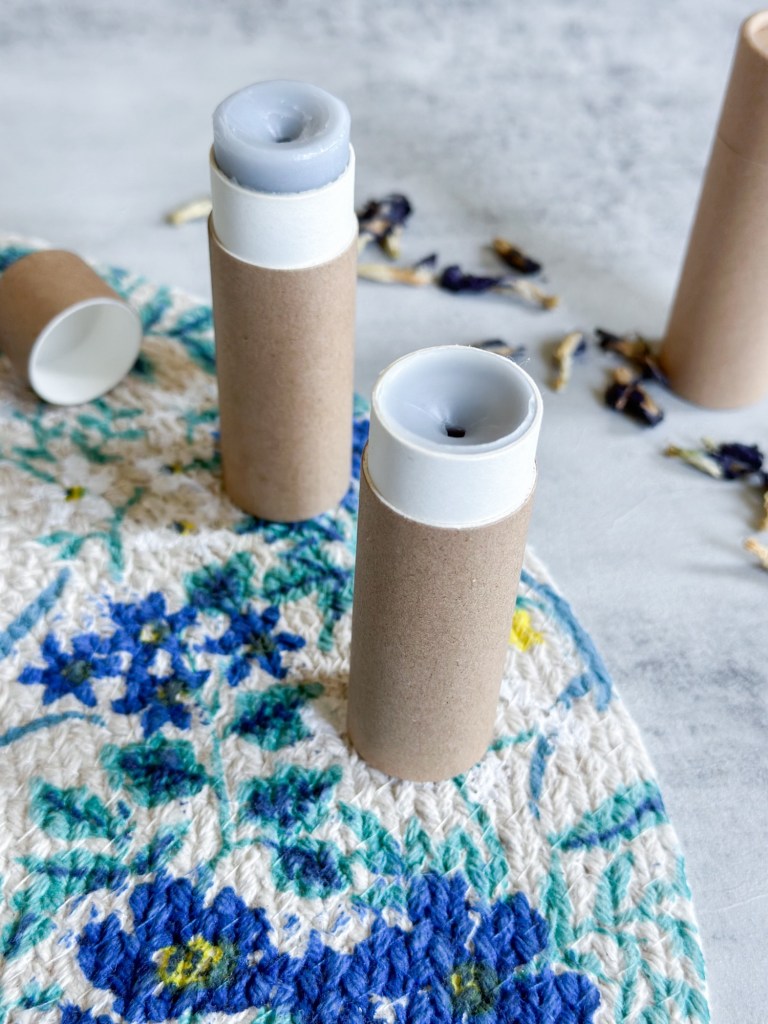
This lip balm has a pretty light blue color in the tube, but looks clear on the lips. (You could experiment with adding more powder if you want more color.) It is silky soft, incredibly moisturizing, and healing & conditioning for the lips. You could also use this lip balm on the go for other skin issues like dry, cracked knuckles in the colder months!


This recipe was shared as a part of Butterfly Pea Flower month at the Plant Wonder Collective! If you’d like to support the work of PWC, please consider joining our Study Circle on Patreon for exclusive recipes, articles, digital downloads and printables for the plant of the month. We appreciate you being on this learning journey with us!


For educational purposes only. Not intended for medical advice. Always consult your physician.

*This post contains affiliate links, which means if you choose to buy something from a link that I share, I will make a small percentage of the sale *at no extra cost to you*.
Categories
Folklore Herbs and Herbalism plant wonder collective Recipes Tea

Butterfly Pea Faerie Tea

Butterfly Pea Flower is just so very magical! It is astounding how brilliantly blue the flowers can so easily turn the water in a cup of tea. It feels like a bit of faerie magic, for sure!

When I was doing some research for the faerie + plant folklore book I am writing (!!), I came across a type of Eastern European faerie called Er Tütra, which means Morning Mist: the name for a type of weather spirit/faerie. These Morning Mist folk are only visible to human eyes in the form of their namesake natural phenomenon, but they are hard at work to promote the health and growth of crops—an invaluable service to the fauna and humans of the land. 

I made the connection between butterfly pea flower and these Morning Mist faeries because of the folklore surrounding this lovely plant. There are strong ties between butterfly pea flower in Southeast Asian cultures and motherhood and divine feminine symbolism, with a distinct focus on protection and mothering. The Er Tütra certainly perform this caretaking role for the land and crops. What’s more, there are very interesting studies on the use of butterfly pea flower in natural insecticides for crops! Yet another cool connection. 

Here is the recipe for the Butterfly Pea Faerie tea! Embody the springtime Morning Mist with this tea blend and perhaps offer some to the Er Tütra for their aid in your spring garden.


Ingredients

1 part green tea or green rooibos 

1 part meadowsweet

1 part passionflower

1/2 part mint

1/2 part yarrow

1/2 part butterfly pea flower

Directions

To make a single cup of tea, add 1 tablespoon to a tea strainer, eco- friendly tea bag, or French press. Pour 1 to 1 1⁄2 cups hot water over the tea and steep for 3-4 minutes. Add honey or your preferred sweetener to taste, if desired.

To cold-brew this tea blend, add the ingredients to a glass jar or French press, steep overnight in the refrigerator, strain, and serve.


This recipe was shared as a part of Butterfly Pea Flower month at the Plant Wonder Collective! If you’d like to support the work of PWC, please consider joining our Study Circle on Patreon for exclusive recipes, articles, digital downloads and printables for the plant of the month, including this graphic available for print as an apothecary jar sticker. We appreciate you being on this learning journey with us!


For educational purposes only. Not intended for medical advice. Always consult your physician.

*This post contains affiliate links, which means if you choose to buy something from a link that I share, I will make a small percentage of the sale *at no extra cost to you*.