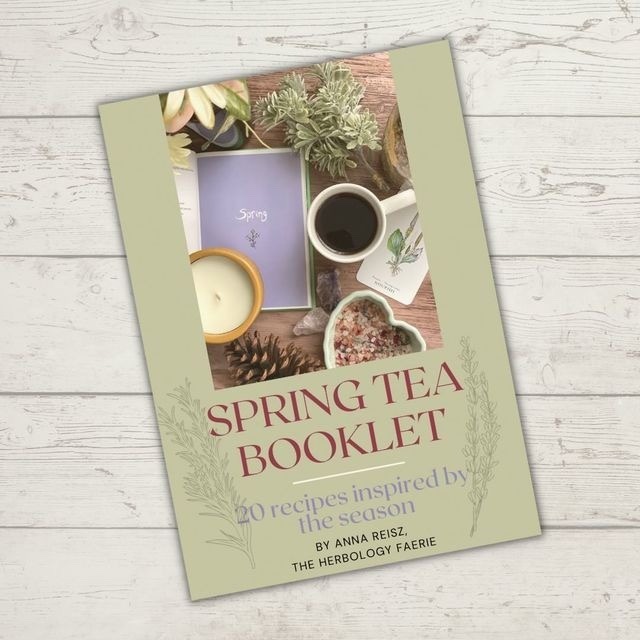
I am so proud to say that I’ve written a recipe ebook! It is available for purchase now in my Etsy shop, HERE.
The Spring Tea Booklet contains 20 tea recipes based on the season, nature, nature-based festivities, folklore, art, cozy aesthetics, and more! It also includes tips on tea-making and sourcing herbs and ingredients.
Lovingly created, written, photographed, and designed by folk herbalist Anna Reisz (me!!), this tea recipe booklet is a cozy and magical way to ground into the season. These recipes are approachable and perfect for anyone, from beginners to experienced tea blenders. Draw on the inspiration in these pages to create teas for self care, parties and special occasions, gifts, and more.
Recipes include:
Spring Full Moons (3 recipes) Persephone Ace of Wands Robin Cottagecore Anne Shirley Element: Air Spring Equinox Light Academia Spring Forest Intention: Creativity Spring Zodiac Signs (3 recipes) Beltane Brigid Beatrix Potter Spring Dreams
I am grateful to anyone who considers taking a peek at this creation that I am proud of and considers purchasing a copy. This cozy herb thing is something I do because I love it, and I am so happy when others think it is pretty cool, too. Your support helps me continue to be able to do this—learning, creating, and sharing.
“The odor of burning juniper is the sweetest fragrance on the face of the earth, in my honest judgment; I doubt if all the smoking censers of Dante’s paradise could equal it.”
—Edward Abbey
Happy (belated) New Year!
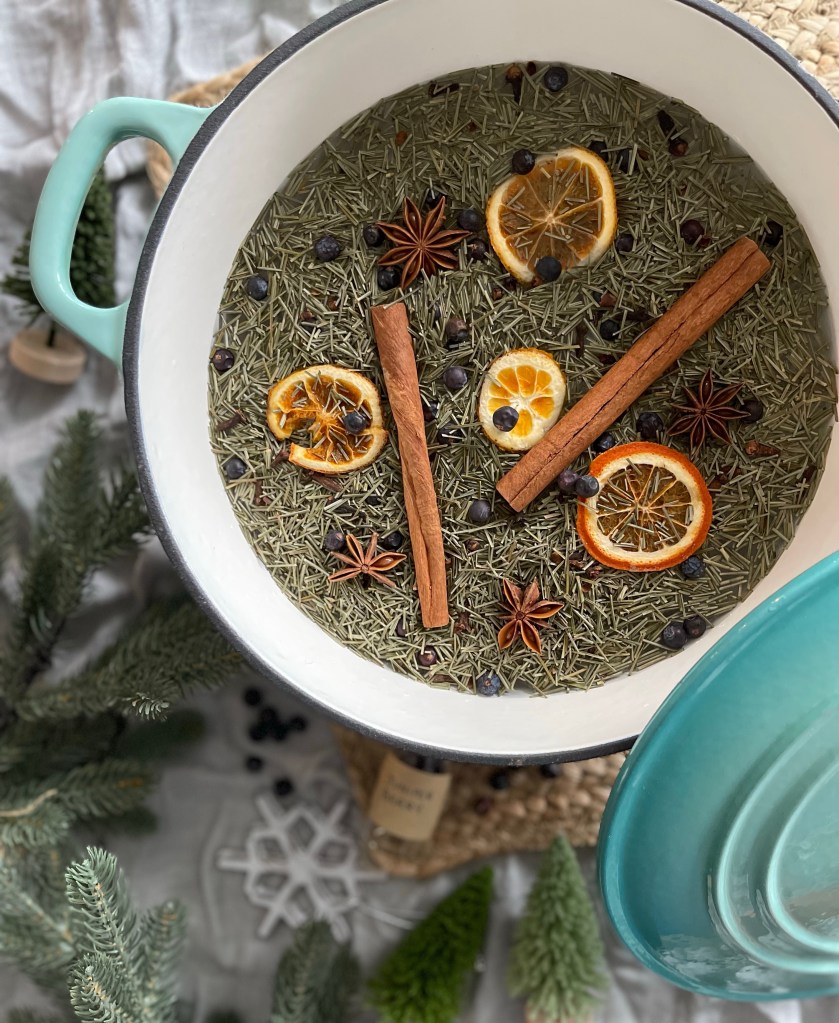
Today, my wildlings are back at school, and I am celebrating the beginning of the new year with a simmer pot containing dried juniper berries, pine needles, orange slices, cinnamon, rosemary, and cloves. (You can read more about it on my Instagram post HERE.)
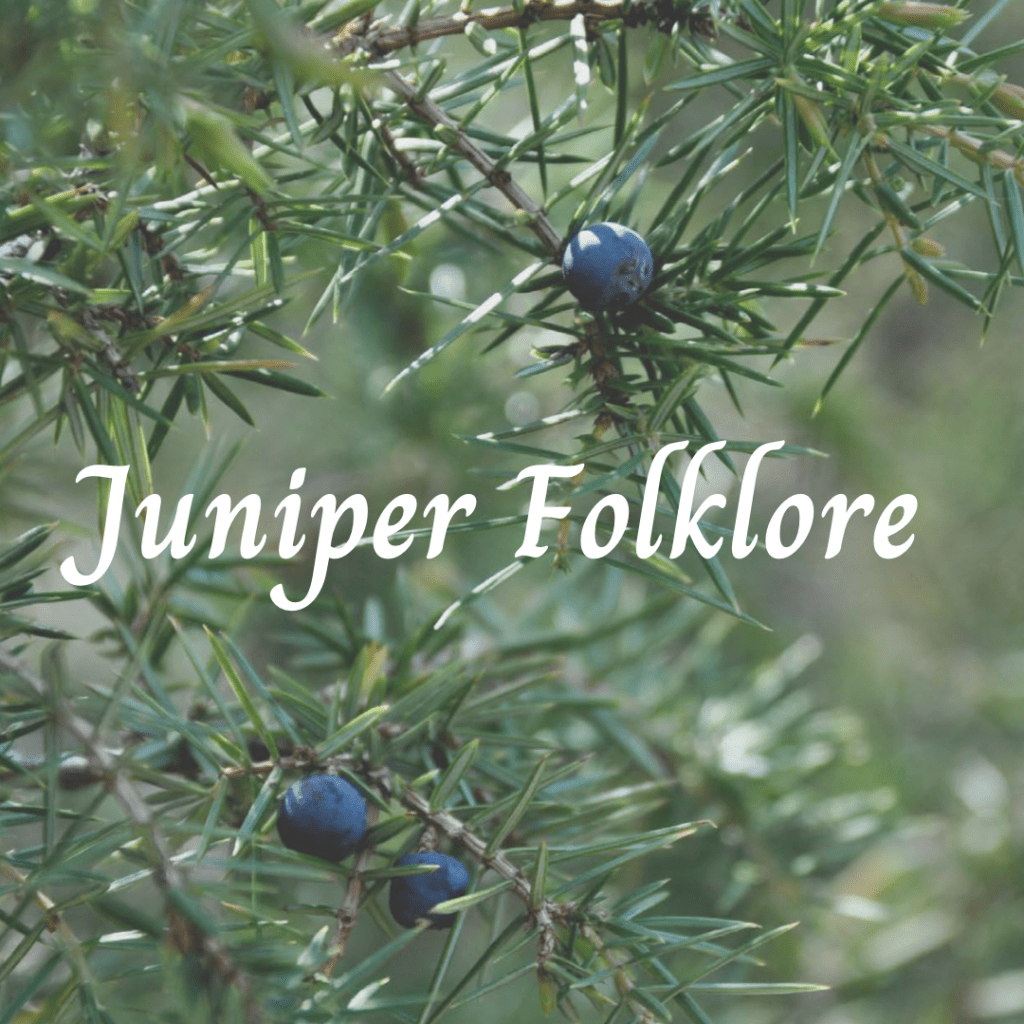
Did you know I wrote an article all about juniper folklore for the recent Winter Botanical Anthology? I’m case you missed it, and because juniper is such a lovely botanical for this time of year, I thought I’d share that article with you here today!
Though it’s perhaps not the first evergreen one thinks of in connection to winter, juniper has a long and storied history that often ties it to the colder parts of the year.
Juniper represents hope and warmth, thriving in overwrought soil where other trees can’t. It is symbolically, elementally, and astrologically associated with fire, ruled by the Sun and closely tied to Mars. Juniper also symbolizes eternal life.
The juniper tree’s berry-like cones and twigs provide food for animals, often the only available winter sustenance. They offer culinary and medicinal uses for humans, and there are many ritualistic applications for juniper’s wood and berries, as well. It is quite interesting how juniper’s folk associations mirror its medicinal uses.
The age-old use of juniper medicinally for healing, relieving stagnation, and protection from diseases probably stems in large part from the berries’ diuretic and anti-inflammatory properties. One of the most pleasant ways to administer these medicinal benefits came in the form of gin, the juniper berry liquor that dates back as far as the 11th century, as well as medicinal juniper twig beer.
In accord with these historical medical practices, juniper was—and still is—used in folk practice for protection. For disease, poison, plague, spirits, demons, and especially thievery, juniper has been a potent ward.
Often, smoke and charms are the vehicle by which juniper performs this protective service. Many cultures, including ancient Greeks and Egyptians, used juniper incense in this manner. Various types of protective amulets and charms were made from juniper berries, as well. The trees have even been long used in some places as Yule or Christmas trees or greenery for some added protection.
The Scottish have a long-standing winter tradition. The day after Hogmanay, the celebration of New Year’s eve, women would perform a saining, a smoke cleansing of the entire house with smoldering juniper branches. The aromatic smoke was carried and dispersed throughout the house for blessings, purification, and protection for the coming year; the same was performed through barns and to purify livestock.
Several species of juniper are also native to the Americas, as reflected by juniper’s presence in many indigenous Americans’ traditions and tales. Among those, the Hopi, Navajo, Blackfoot, and Seneca tell legends surrounding the tree or its berries. A Seneca tale involves junipers and other evergreens standing up to old man winter so spring may return.
While winter persists, perhaps juniper is a plant to explore a deeper relationship with. Whether it’s branches in greenery that decorates the home, fragrant incense, or even a sip of gin, inviting juniper in is a way to connect to this plant’s long history.
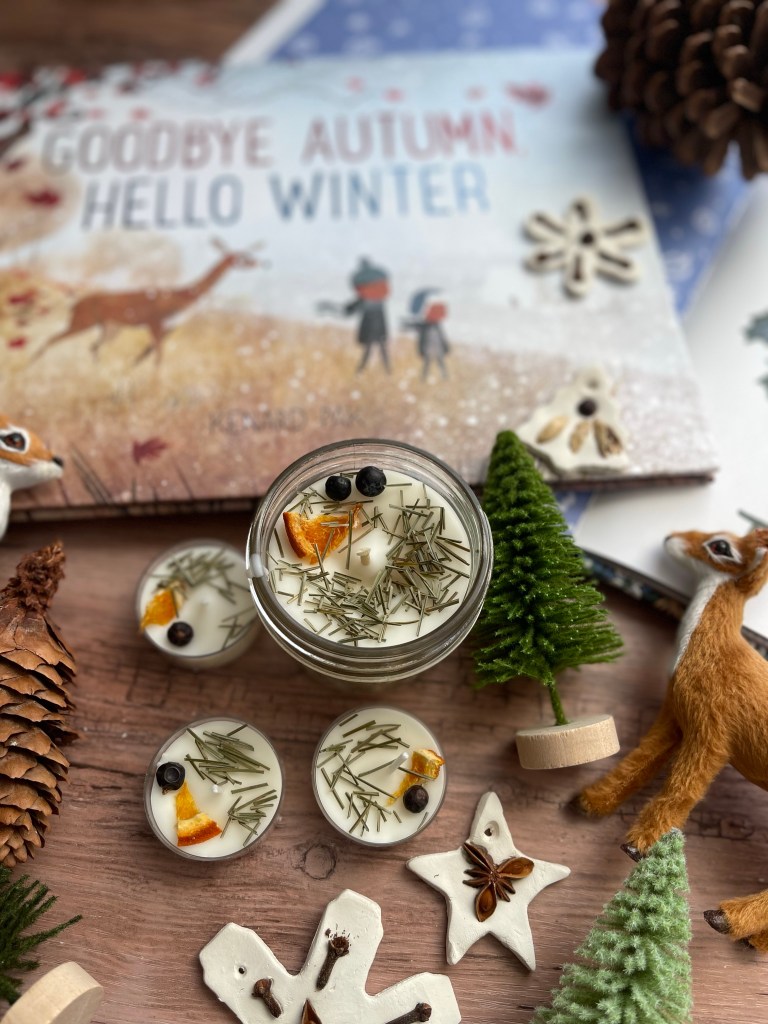
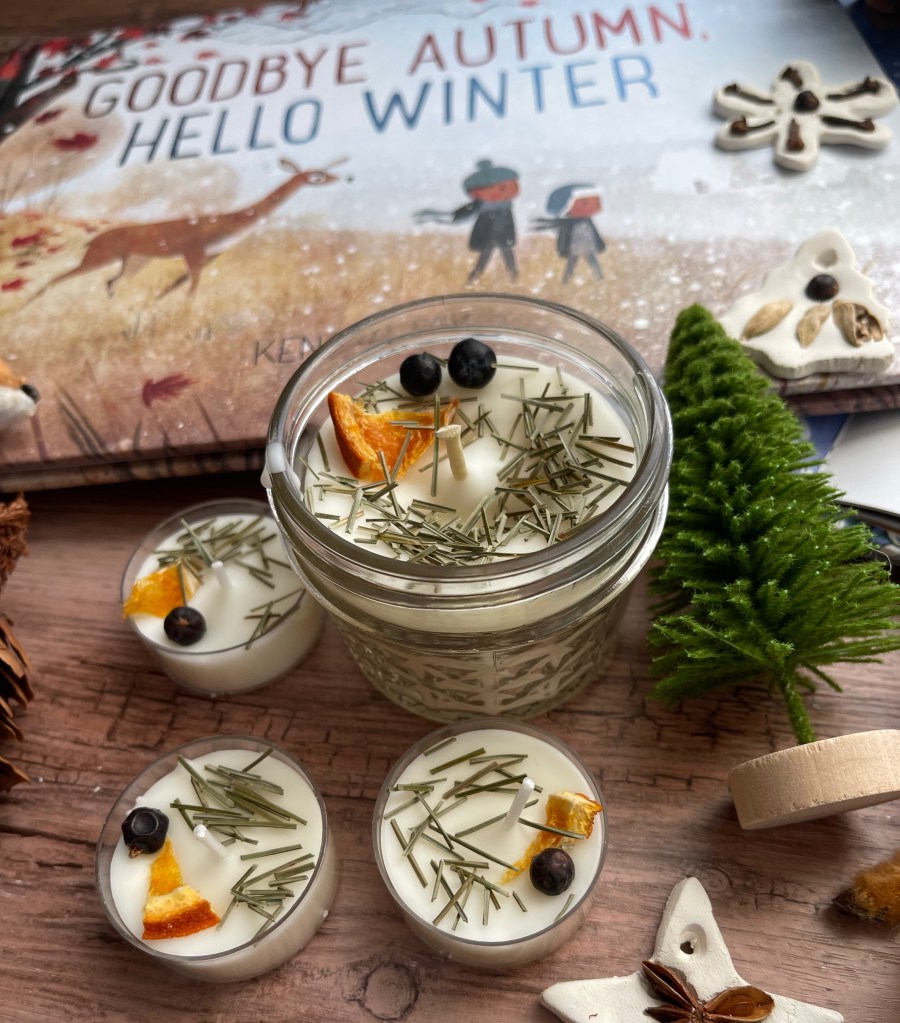
To celebrate the winter solstice and Yule, I have made some special candles to help mark the occasion as my family and I make (and eat!) cookies and read books about the solstice. Although it is the official beginning of winter, it is also the darkest night—and the light of our candles reminds us that the warmth of the sun shines through and will strengthen with each coming day. It is how people have long gathered their courage to face the winter’s cold: the returning of the light offers hope.
For my Yule Forest candles, I combined beeswax, a bit of coconut oil, and essential oils for a natural scent option. (Make sure you do your due diligence in choosing ethical essential oil companies to buy from 💚). Here are the scents I chose, along with their symbolic attributes:
Here are the directions for making the candles if you’d like to make some, too!
Making 6 candles:
We will enjoy the gentle light and wintry woods scent of one of these candles (I made 6 so I could gift the others to loved ones) while munching on chai snickerdoodles and reading. The pictured books (Goodbye Autumn, Hello Winter and the winter story from Little Witch Hazel) are a couple of our favorites to welcome the solstice.
One of my new favorite things to make is lotion bars, made with herbal infused oils! They’re easier to make than you might think, and feel so soothing and luxurious on your skin.
I started with olive oil I had infused with calendula a while back for skincare purposes. Calendula is very healing and beneficial to the skin, and olive oil is quite moisturizing and good for the hands, arms, and legs. Very helpful this time of year when we begin getting dry, chapped skin from the cold & dry weather!
I combined the herb-infused oil with beeswax and shea butter, then added a small bit of tangerine essential oil for a cheery scent addition. (The essential oil is optional, though. Also, remember to choose ethical essential oil companies to buy from!)
Here is the full recipe, in case you’d like to make some of your own!
Calendula Olive Oil Lotion Bars
(Makes 8 good sized lotion bars)
Materials:
Silicone molds or silicone cupcake liners
Double boiler (optional)
112 g shea butter
80 g beeswax pellets
96 g olive oil infused with calendula flowers
12-16 drops essential oil (optional; I used tangerine)
Method:
Prepare your supplies and area; you might want to put down a layer of parchment or waxed paper in case of dribbles.
Melt the beeswax pellets, shea butter, and calendula olive oil slowly over low heat in the double boiler. If you don’t have a double boiler, set a large glass mixing bowl over a small saucepan containing about 1 inch of water, put your ingredients in the mixing bowl, and it works the same way.
Once the ingredients are melted, remove from heat and carefully add and stir in essential oil if you’re using it.
Carefully pour the hot liquid into your silicone molds. Allow to cool completely for a good long while before trying to turn them out—I like to have the molds all lined up on a baking sheet and transfer that to the fridge for quicker setting, but that’s optional.
Once the lotion bars are finished, store them in individual small tins, waxed paper bags, or jars for gifting. They warm up quickly when rubbed against the skin and turn into a light but nourishing lotion. These can double as lip balm, too!
I made a couple batches of these and plan to gift them to friends and family for the holidays! (Sorry for the spoiler, friends and family! 😂) They’re such a nice little handmade gift that feels extra special. And the calendula oil is like a bit of sunshine to soak up during the winter months!
This recipe was inspired by a recipe in 101 Easy Homemade Products for your Skin, Health, and Home by Jan Berry.
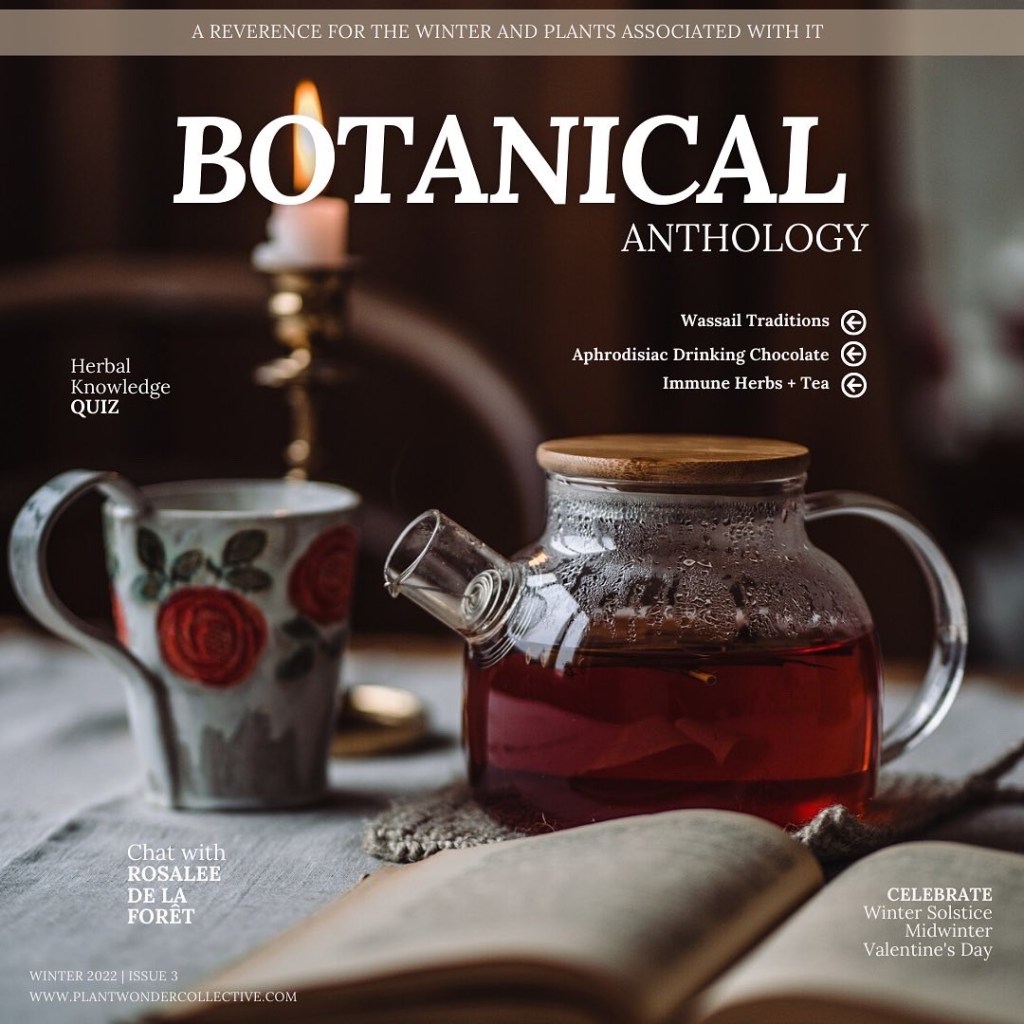
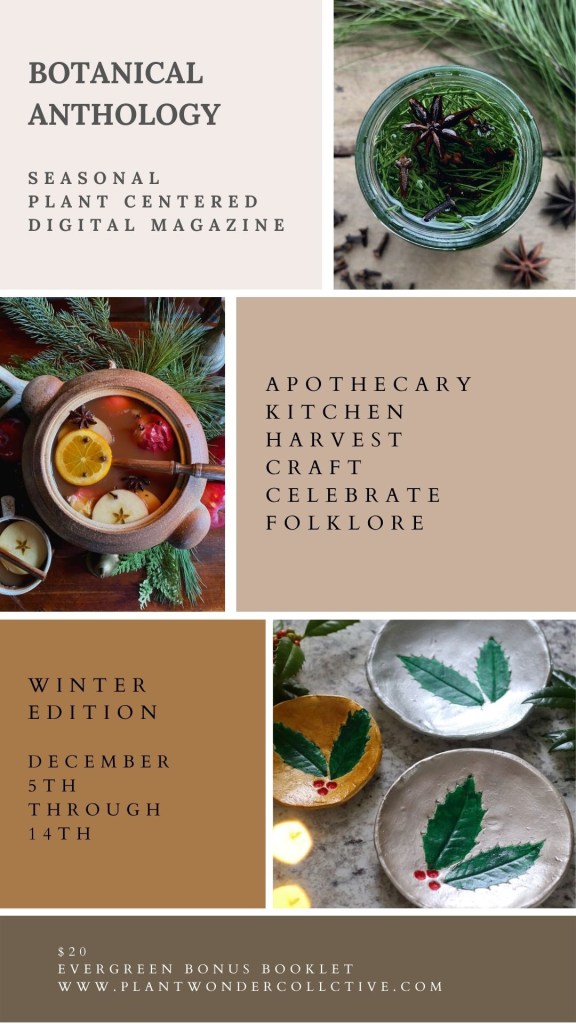
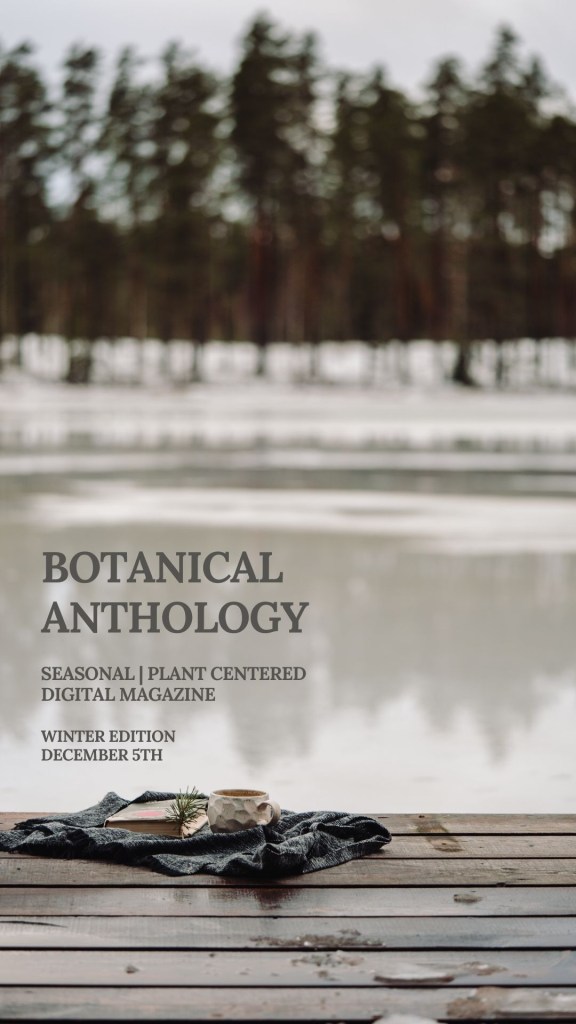
I am proud to say that the winter edition of Botanical Anthology, a plant-centered, seasonal digital publication with over 45 articles from 30 contributors, is available for purchase!
I am so excited for this beautiful publication to be out in the world, and so proud to be a part of it along with so many creative contributors. This issue is gorgeous and bursting at the seams with lovely, cozy, healing, creative, and meaningful ways to tap into the spirit of the winter season. I personally can’t wait to dive into all the inspiring lore, wisdom, recipes, rituals, crafts, and more.
In the winter edition, you’ll find articles, recipes, and ideas to help you:
*Sip on immune tea, miso broth, wassail + gingerbread golden milk
*Learn how to make ghee, gluten free sourdough and activated nuts
*Whip up hand sanitizer, a warming foot bath and body butter
*Forage wintergreen, raspberry stems and chaga
*Develop rituals + routines for the season ahead while listening to a winter playlist
*Weave wreaths, make trinket dishes + draw narcissus
*Celebrate Winter Solstice, Midwinter + Valentine’s Day with simple observances
And so much more!
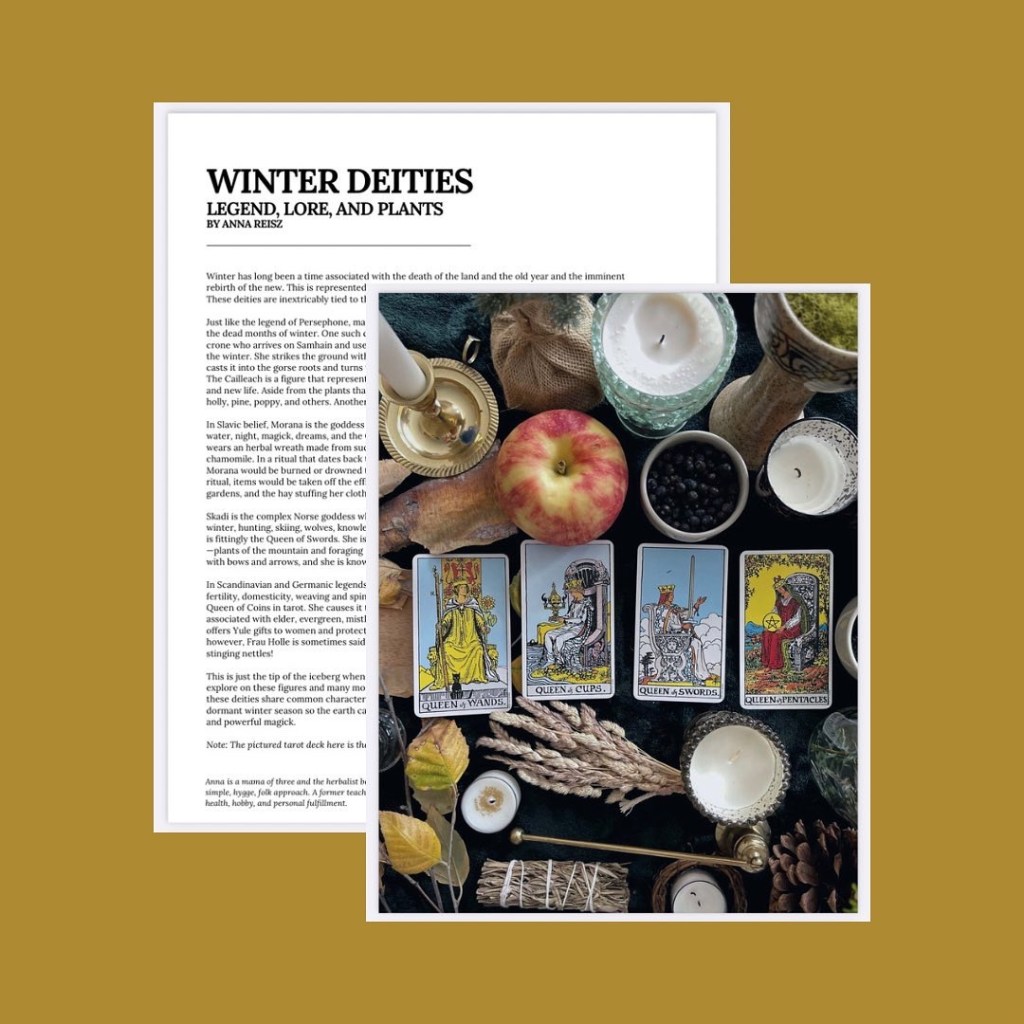
I contributed five pieces to this edition, including an article about immune-boosting herbs with a tea recipe, a piece about the folklore surrounding juniper, a deep-dive into a few winter deities and their plant associations, and a review of one of my favorite books about tea. I so enjoyed writing these articles, and I hope you get a chance to read them!
The Botanical Anthology is a seasonal digital magazine for plant and nature lovers with articles to help you incorporate herbs into your home apothecary, kitchen, foraging, crafts, and wintertime celebrations. It was founded by the Plant Wonder Collective, a group of like-minded plant lovers from a variety of backgrounds and walks of life who each have unique perspectives and approaches to share. Nurture your mind, body, and spirit through the winter season with the words and ideas from our hearts to yours!
Until 12/15, grab your copy for $20 and receive the bonus evergreen booklet. Download instantly and dive right into the 150+ pages of plant magic!
I am *just* beginning to teach myself the art of candle making! It is not terribly difficult, but there is definitely a knack to it and little things to learn through the process. I am no expert yet, but I am quickly learning some of the finer points!
I have decided to use a combo of beeswax and coconut oil for my candle base for the time being, and I scent my candles with essential oils. The scent is more subtle than that from my favorite store-bought candles, but it’s lovely and natural, healthier, and much more magical and special to make them myself. All the cozy and loving intention is poured into each one with the wax.
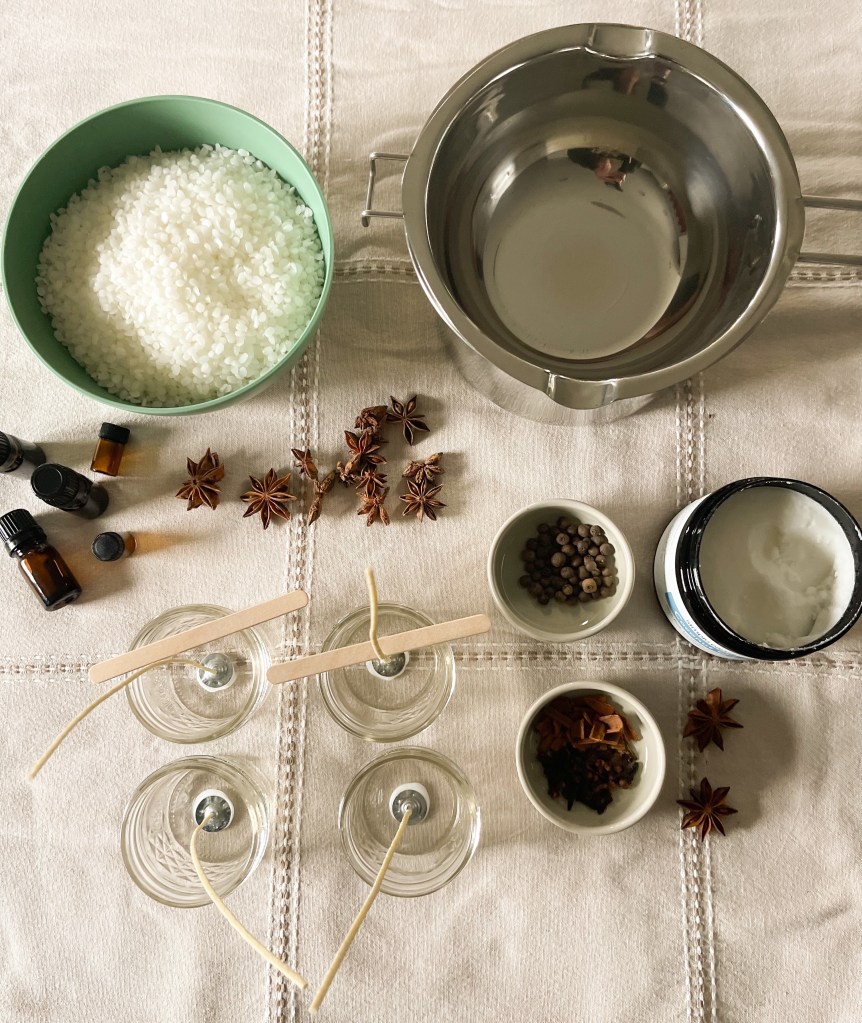
For those who are also interested in candle making but aren’t sure where to start, here is a little list of the basic supplies I decided to begin with:
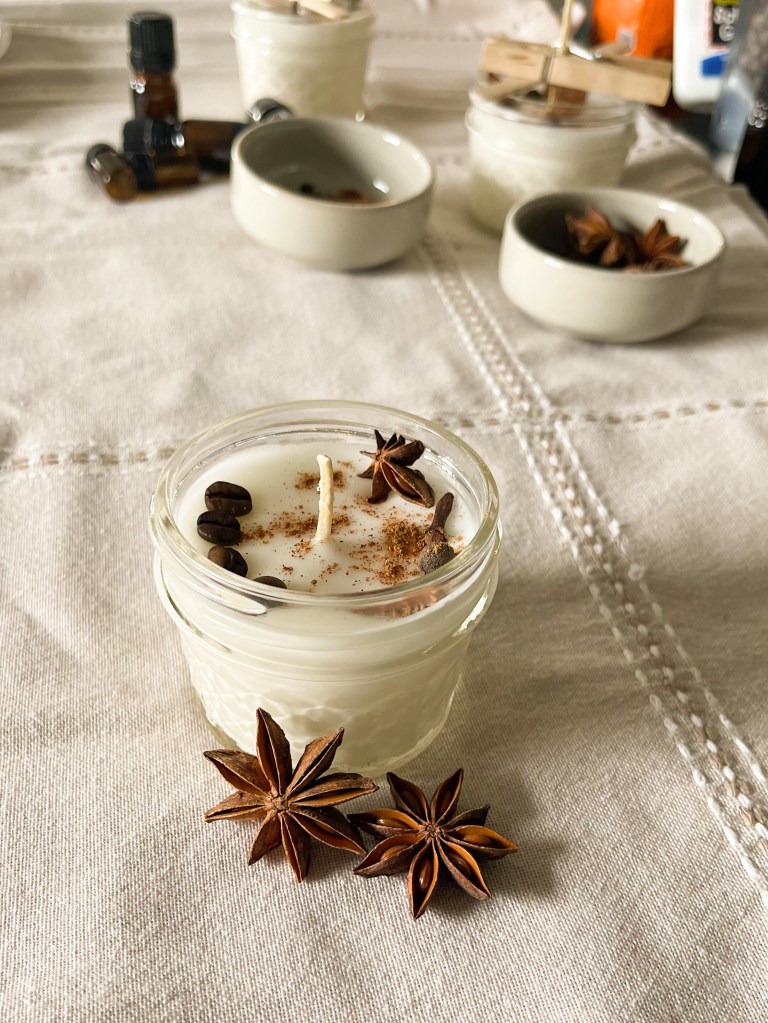
This batch of beeswax candles combines the scents of coffee, cinnamon, vanilla, clove, nutmeg, ginger, cardamom, lemon, blood orange, and balsam copaiba essential oils. (The coffee oil is a separate one from Simply Earth; the rest are in a pumpkin spice oil blend from Plant Therapy.)
Aside from providing a cozy, delicious scent perfect for this time of year, these botanicals are grounding, balancing, energizing, and represent love, luck, and healing. I’ve topped each candle with coffee beans, star anise, allspice, cinnamon, and cloves.
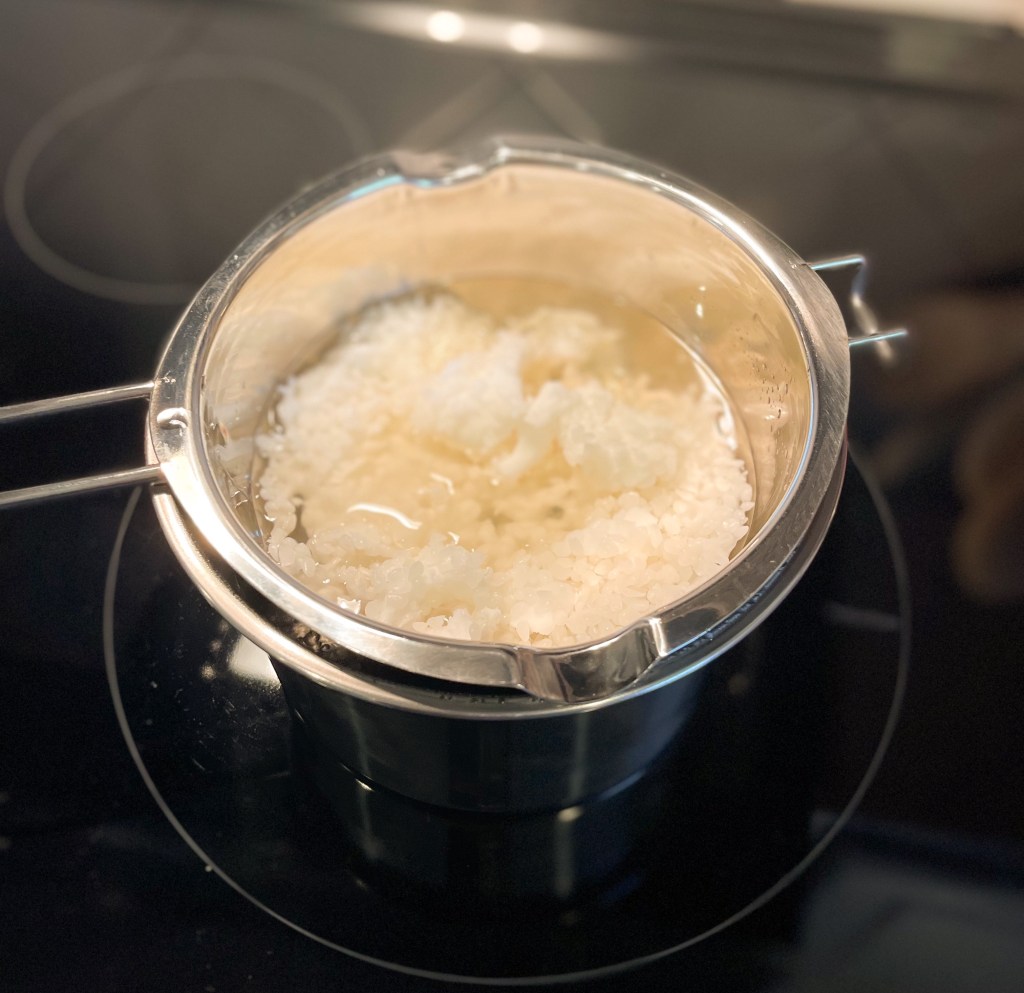
Here are the instructions for how I made this batch of candles—it makes 6 four-ounce candles.
(A couple notes: I am still experimenting with the essential oil amounts. You could definitely use more than I did here for a stronger scent—up to 200 drops! But I went conservative here for lightly scented candles. Also, be very careful topping candles with cinnamon, and make sure it isn’t too near the wick! It can spark if it catches the flame just right.)
I plan to keep a couple of these and share the love by gifting the rest this holiday season! And I hope to make more with different scent profiles and additions soon—I’ll share those here or on Instagram when I do.
Have you ever tried your hand at candle making? Is it something you’re interested in trying?
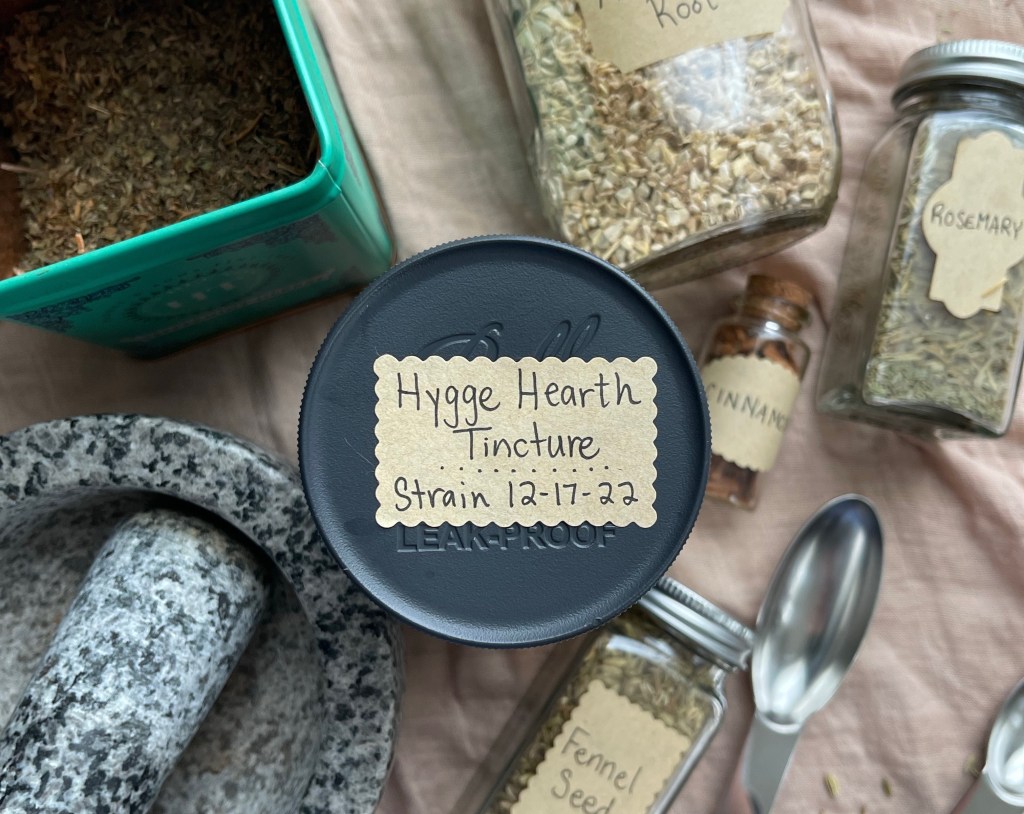
Inspiration struck this morning and I decided to start a tincture that will be ready just in time for Yule! It has all the happy, cozy, hygge vibes with digestion support, stress relief, balancing, and immune boosting to boot.
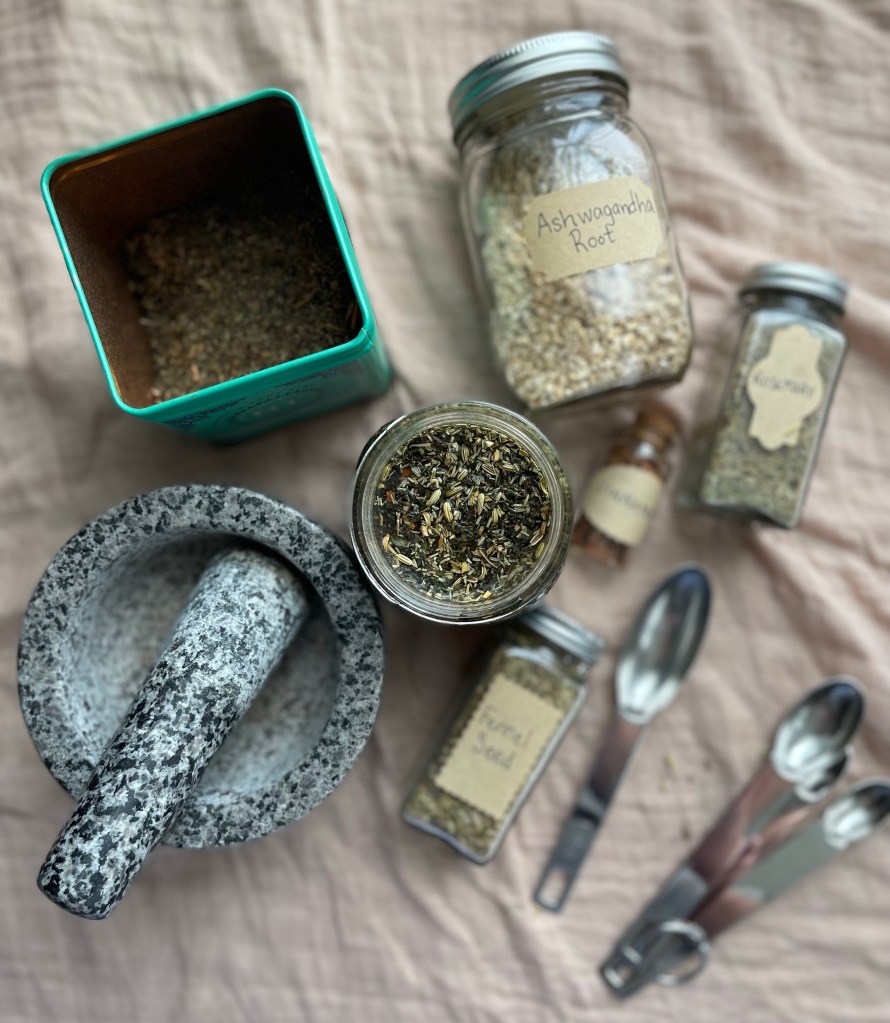
Mint is the star of the show here, paired with “really good Ceylon cinnamon” (please tell me you read that in Ina Garten’s voice 😂). I adore the sweet combo of cooling mint and warming cinnamon! With these I combined fennel seed, rosemary, and ashwagandha root.
Then I topped it off with not the usual vodka, but GIN for more cozy, botanical, wintry vibes.
Here is the full recipe! For once, I actually loosely measured instead of doing it in parts!
Add herbs to a 16 oz glass jar. Cap and shake the jar thoroughly to mix herbs. Top with gin, filling to near the brim. Cap with a plastic canning jar lid or parchment paper and canning lid. Store in a cool, dark place, shaking daily, and strain after 6-8 weeks. Store in dark glass jars or dropper bottles if you can.
You can take this tincture in tea, coffee, still or sparkling water, ginger ale, juice, or even cocktails! Ginger ale is my favorite vehicle for tinctures—if you prefer, use your favorite homemade or natural ginger ale.
Happy Tuesday! Whether you’re here from my Instagram post or you found this blog post first, welcome to the lemon balm party!
Lemon balm is a subtle but sweet and tasty herb for making simple syrup. I decided to brew some up and then experiment with using it to create some tasty mocktails and cocktails.
I used fresh lemon balm to make a small batch of simple syrup with my usual recipe: dissolve ½ cup of sugar in ½ cup of water on the stovetop over medium heat, add in about 1 cup of the herb, remove from heat and steep for 30 minutes, strain, and refrigerate for up to 2 weeks.
Then came the fun part! Of course, you can use the syrup in any kind of tea (black, green, herbal) for a bit of sweetness and the calming, soothing effects of lemon balm. But I decided to take a few diy concoctions for a spin! My favorite combination was ginger ale, a splash of apple cider (apple juice works too), and about a tablespoon of lemon balm simple syrup. If you find your lemon balm syrup’s flavor turned out too subtle, though, you can always just combine it with seltzer or ginger ale so it can be the star of the show.
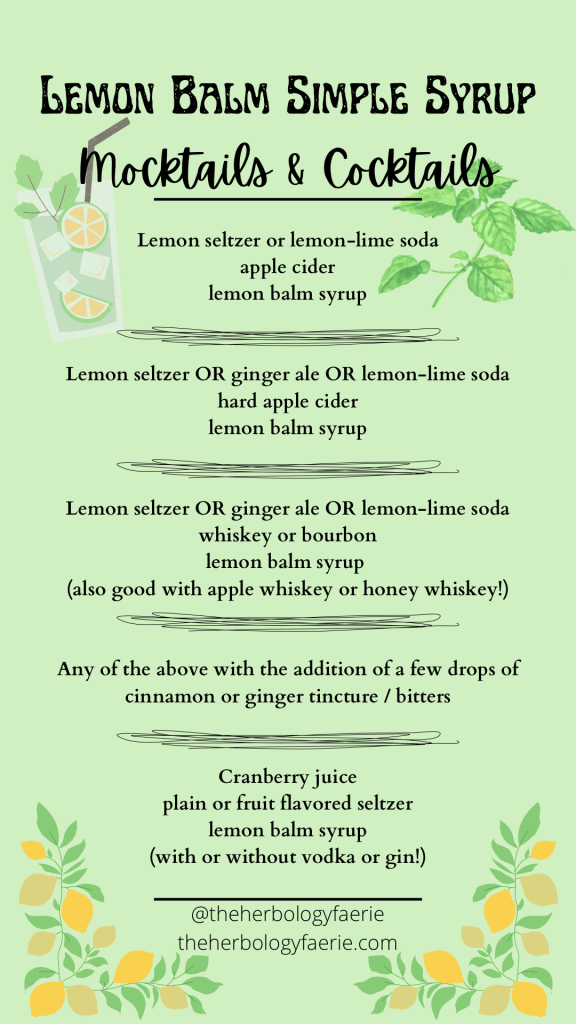
There are plenty more ways to combine lemon balm simple syrup in other mocktails and cocktails, too. Here are some of my favorite combinations!
Follow along for more Lemon Balm wonder throughout the day and join us this month through our hashtags and at @plantwondercollective on Instagram!
Today’s blog post is all about my unique take on a method of herbalism study called “herbal simpling.” I am including a related resource at the end of this post, so please read on to learn more and see if you want to check it out!
I often call myself a “hygge herbalist.” The concept of hygge resonates with me deeply, and though I have an ancestral connection to it, I don’t think that’s necessary at all to feel hygge in your bones. Hygge has a strong link to rustic, folk DIY endeavors that you derive a deep sense of fulfillment from, and this is definitely the angle I approach herbalism from. It’s something that soothes my soul.
I also love learning and growing as an herbalist, in my self-paced, cobbled together type of self-education. In this vein, I really gravitate to the approach called “herbal simpling,” which is as simple as it sounds. Basically, you develop a relationship and deeper understanding of each herb by studying them one at a time. You take a deep dive with each herb by reading, tasting, meditating, and creating with it.
This approach can be very cerebral and academic, or it can be very cozy and grounding. I do prefer the latter. I like making friends with each herb as I get to know it. Not only does it help build a foundation in herbal knowledge you can be proud of, but it helps you feel so very familiarly comfortable and, yes, friendly, with the herbs as you learn about them. You come to know who to lean on when you’re feeling down, who to rely on when stress has worn you thin, who peps you up when you have a cold or soothes you best when you’re in pain. Each person is unique, and so different herbs work best with one’s unique needs and states.
Herbal simpling can even be a welcoming methodology for the hobby, casual, intimidated, time-constrained, or resource-lacking herbalist. (Because yes, even in any of these circumstances, you can still be an herbalist if you want to be!) You can choose your particular study methods based on your constraints, interests, and needs. You can choose herbs you have easy access to as the subjects of your study (think the grocery store tea and spice aisles). You can choose the aspects of herbs to study that interest or pertain to you.
So, if you’d like to give herbal simpling a try, I am including a link to a useful Pinterest board below this post that you can use for that very purpose! It’s a collection of free and low-cost simpling and materia medica pages or journals, so you can choose which one/s meet your needs to use as you begin your herbal simpling journey. Or, you can use these examples as a starting point to develop your own worksheet that meets your specific needs.
So, which herb are you going to get to know first?
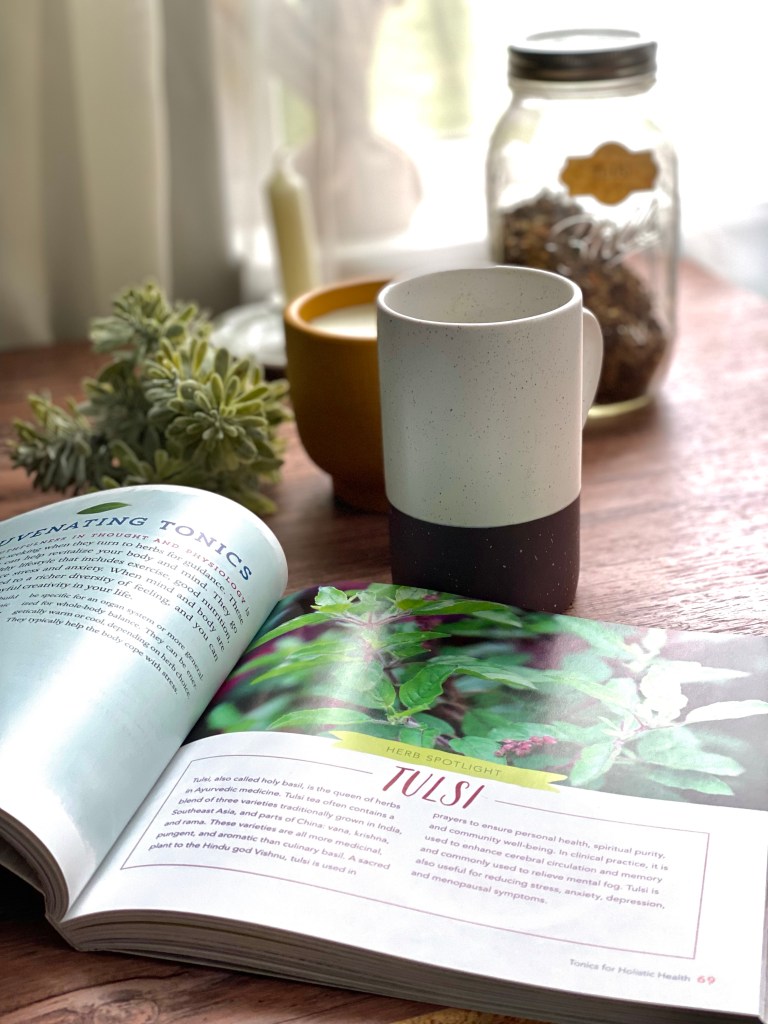
Hello, Herbology Faeries! It has been busy around these parts and I’ve had less time for the blog than I would have hoped this past month…but I am back today with another herb profile. Today we’re talking about an herb I lean on a LOT for support and grounding: tulsi!
Tulsi, or Holy Basil, is a pungent, aromatic, and somewhat warming herb. Though tulsi has reached herbal popularity heights in Western herbalism, it is a sacred plant in India and is native to subtropical climates. It thrives best grown in warm, sunny regions.
It’s easy to see why tulsi is so revered in India and beyond. Tulsi is an herb that does it ALL. It is a relaxing nervine and an adaptogen, meaning it addresses stress, anxiety, depression, and overall health and functioning. Tulsi is also incredibly helpful for pain, infections, viruses, heart health and blood pressure, allergies, high blood sugar, digestion, cognitive health, the immune system, and more. It is one of those herbs you can’t go wrong with as a daily tonic. (Some suggest caution if fertility is a priority for you, as tulsi may affect that.) Not only offering these health benefits, tulsi is also grounding and soothing to the spirit.
Tulsi represents spiritual and physical health, the well-being of the home and community, and mindfulness and the body-mind connection. Maia Toll says very aptly in her book The Illustrated Herbiary that tulsi reminds you to “come home” to your body and to honor your body and your spirit. If you ever feel like you need a reminder that you are enough, tulsi is definitely the ally to seek out.
You can use tulsi in teas, tinctures, oils, honey, and even as a culinary herb to flavor foods. Tulsi pairs excellently with spicy botanicals like ginger and cardamom, or with cooling herbs like mint and hibiscus. Honestly, though, I’ve rarely felt there was a combination of herbs that didn’t blend well with tulsi.
Instead of offering a recipe, I’m going to suggest a couple of simple options to help you get to know tulsi. The first is to purchase some tulsi and make a strong cup of hot tulsi tea. In my opinion, this herb stands so well on its own and is so incredibly grounding and nourishing, you will benefit from getting to know it on its own. I’m not kidding—sipping a strong mug of hot tulsi is like wrapping up in the softest blanket. It is pure comfort.
The other option I’m suggesting is this: if you need the simplest, cheapest, or most low-energy means of introduction to tulsi, you can find boxed tulsi tea without too much trouble. Traditional Medicinals sells a delicious Tulsi with Ginger tea, Numi makes a Tulsi blend, and Pukka has a Tulsi Clarity tea—you might even be able to find one of these at the grocery store, depending on your location. Trying a store bought variety of herbal tea is a super accessible, and no less legitimate approach!
So, are you a tulsi / holy basil lover already? If not, are you planning to give this amazing herb a try?













 The Herbology Faerie