Categories
Herbs and Herbalism plant wonder collective Recipes

May: Yarrow Behind the Scenes

The plant of the month for herbal studies in the Plant Wonder Collective and our Patreon Study Circle is Yarrow! 

Yarrow is a plant that I had not previously worked with very much, outside of adding a pinch of it to tea blends here and there. So I am really loving learning more about it in terms of its medicinal and spiritual attributes. 
Yarrow is a bit of a chameleon; it can be both cooling and warming, aiding flow and stopping it, and in astroherbalism terms it has ties to both water and air. But harmonizing lies at the center where these variances overlap. Finding wisdom in discernment, in balance, in both drawing clear boundaries yet allowing for flow and openness, all bring harmony. (Yarrow cards shown from The Herbal Astrology Oracle and The Herbcrafter’s Tarot.) 

In folklore, yarrow is associated with love and visionary abilities; the tides of emotion and the clarity of communication that a combination of water and air brings. 

One of my new favorite ways to work with yarrow is in a lovely skin toner. Toners are not just about wiping down your face at night to improve skin and treat blemishes; they are a beneficial ritual that, when used before bed, can offer (magical-metaphorical-mindful-whatever you feel best calling it) plant-infused healing, nurturing, and intention. Botanical glamour magicks or simple self-care, it’s all the same. 

Yarrow is at the heart of this new skin toner recipe I’ve created to offer the medicinal applications of astringency (pore tightening and texture benefitting), anti-inflammation, promoting circulation, and anti-microbial action for acne. But it is also present for its more esoteric value of promoting love, beauty, attraction, happiness, balance, and protection. Its association with war and battle—Achilles was said to have treated his soldiers’ wounds on the battlefield with it—means that your use of it each night is like putting on your own magical armor to defend against outside forces. And the folk application that witches might have used yarrow to boost the potency of workings translates here as an amplifier for your own inner power. 

This toner also includes lavender for calming the skin and the mind, hawthorn for its antioxidants and heart-mending magic, and rose water for moisture, soothing, and beauty.

Materials

¼ cup dried yarrow

¼ cup dried lavender

2 Tbsp dried hawthorn leaf & flower 

2 Tbsp dried hawthorn berries 

½ cup rose water (rose hydrosol)

Witch hazel

1-pint mason jar

BPA-free plastic lid or waxed paper

Method

Add dried plant material to your jar. Add rose water, then top up with witch hazel, leaving about 1 inch of headspace at the top of the jar. Stir with a wooden chopstick or the handle of a wooden spoon to make sure all the plant material is submerged and your liquids are well combined. 

If using a BPA-free plastic lid, cap it tightly; if using waxed paper and a regular metal canning lid, add the waxed paper first before screwing the lid on to prevent corrosion of the metal. 

Label your jar with the contents and date, and allow to steep for 2-4 weeks. Top up with extra witch hazel if the plant material floats to the top and dries out. 

Strain the plant material out with a mesh strainer and coffee filter or cheesecloth, bottle (a spray bottle works well), and use by spritzing or swiping over your face gently with a soft cloth. 

Note: you can also add a few drops of lavender, rose, jasmine, or geranium essential oil to the toner if you’d like!

This year will be my first year to grow yarrow in my little chaotic herb garden at home. I am a bit of a “throw it at the wall and see what sticks” gardener, so I have a few spots where I plan to plant a bit: in those “luck garden” flower beds I mentioned earlier in this month’s Little Rituals post, in a couple containers in my patio tea garden, and around my daughter’s new rose bush because my fellow PWC friend Erin Harwood (@plantmagicwitherin on Instagram and Ponderings & Wanderings on Substack) shared that yarrow can aid in attracting helpful insects that feast on pesky aphids. Check out her Substack for lovely plant content, by the way!

Aside from love, beauty, protection, and healing, yarrow is valued for its divinitory insight, emotional strength, and has ties with the faeries and animal magic. 

A simple yarrow tea can be drunk to aid in clarity and insight.

A pouch of yarrow can be carried as a token and talisman for courage, protection, and love. 

In the kitchen, yarrow has a long history of use in fermented drinks like beer and mead. If you are a brewer, try replacing hops with yarrow to mix things up! Or, perhaps infuse some yarrow honey, add the young fresh leaves to a salad, or grind the dried flowers for seasoning blends and salts—I plan on trying that soon!

Categories
Herbs and Herbalism seasons

Herbs to Love in May

May is such a special month where I live. The “merry merry month of May” lyric comes to mind. It is generally a time of unabashed sunshine, warming breezes, flourishing blossoms, and frenetic energy. The joy of May is infectious and refreshing! Spring is fully awake, and we are energized and full of her spark. 

While the weather from one year to the next varies, and so, too, does the timing of May’s blooms, there are certainly favorite plant allies that I always find myself drawn to during this month. These are a few of them!

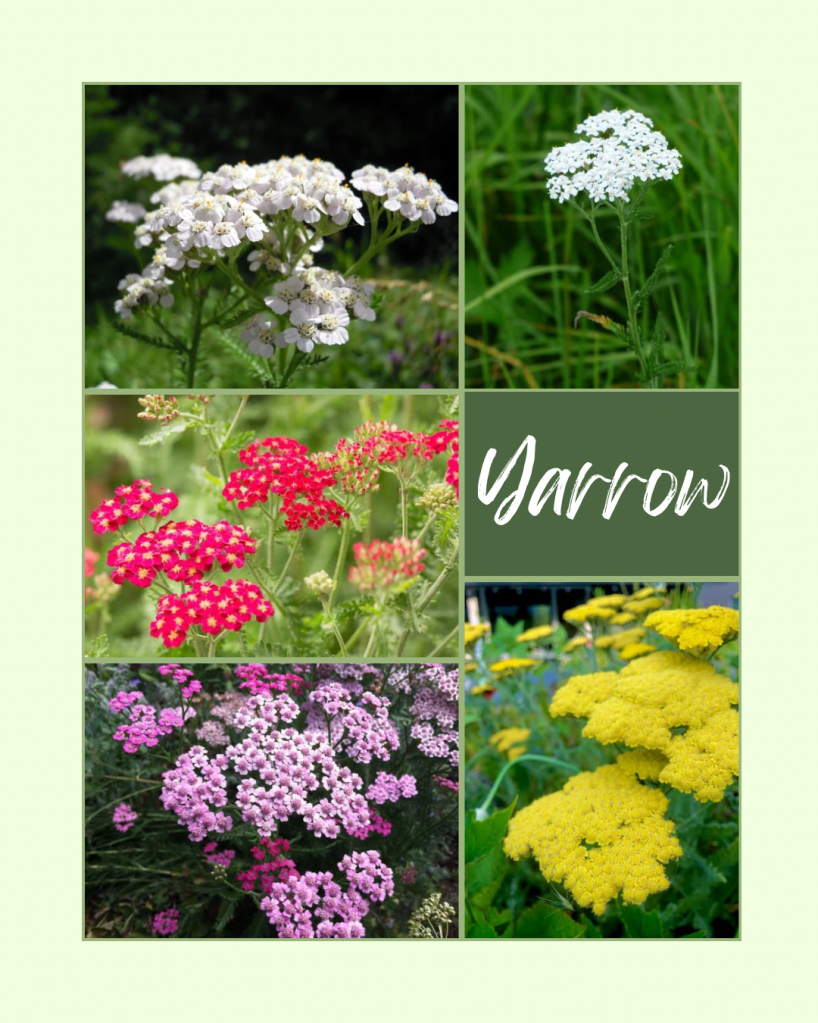
Yarrow: white, pinkish, or more yellow—these blossoms that flourish in mid-spring are magical no matter the color. A harmonizing herb that can both cool and warm, staunch and aid flow, it can be used medicinally for a wide variety of things including styptic powder, teas, salves, steams, incense, and more. In folklore, yarrow has quite the long tradition of use in love spells, protective charms, sachets, cleansing and divination preparations, among other uses. Yarrow is on my planting list this year. Plant some near your home for a bit of beauty and protection, and harvest some for a host of beneficial applications!

Lilac: fleeting May magic! Lilac blooms where I live for a short time in early May, so I have to enjoy it quickly! That’s all part of the fun. Lilac sugar, tea, honey, syrup or jelly, skin recipes, and baked-good adornments are some favorite ways to harness its powerful sweetness. I love the longstanding tradition of planting this shrubby plant near doorways—then when it is in bloom, you can access it easily and quickly. Lilac is also said to be a protector of the home. 

Hawthorn: ubiquitous with May, whether they’re blooming on Beltane where you live or not. Hawthorn guards the gates to faerie realms, protects, gladdens the heart, and calms the nerves. I adore a strong cup of hawthorn leaf & flower tea! Just be sure to show the hawthorn tree her due respect: Mother Hawthorn expects to be approached with care, asked permission before you harvest from her branches, and left with an offering near her roots. Also, it is said that you shouldn’t bring hawthorn branches indoors, as it is bad luck. 

Red Clover: this springtime beauty is equal parts medicinal and magical. Wonderfully nutritive, beneficial to the skin and female system, for balance and movement, and more…and also so lovely in salads, honey, sweets, fritters, teas, lemonade, and other special treats. It is also a wonderful ally in soothing skin applications including bath teas, salves, and more! Red clover tends to grow wild and free in many areas, especially meadows, fields, and pastures—so much plenty for the taking! Just be careful to ensure that the place you’re harvesting from is safe—not too near roads or where chemicals are sprayed. 

Honeysuckle: yes, I know it is an invasive non-native species here in the U.S. But it is so very prolific where I live, and it’s not honeysuckle’s fault it was brought here! It has always been a special plant to me, since I was a kid when we had a magical honeysuckle that grew entwined with a blackberry bush at my childhood home. The great thing about honeysuckle is you don’t have to feel bad about foraging it, and don’t have to worry about taking too much! It smells so nice tucked into vases, twisted and twined into wreaths, or enjoyed in teas, cordials, and jellies. 

Catnip: I adore catnip, and it seems to adore me! It reseeds itself in more of my herb pots each year and springs up in late April and May. This rampant herb in my little container garden is not just for cats. A member of the mint family, it is wonderful for calming frazzled nerves and stress in humans and is gentle enough for children. I like to think of catnip as bringing both a dash of calm and a dose of courage, all in one go. It imparts a strong yet gentle resilience. When my plants are ready to begin harvesting, I plan to incorporate catnip into sun teas, lemonade, and popsicles to share with my kiddos!

Which herbs do you find that you favor in May?

Categories
Craft Hygge

Pine Impression Clay Ornaments

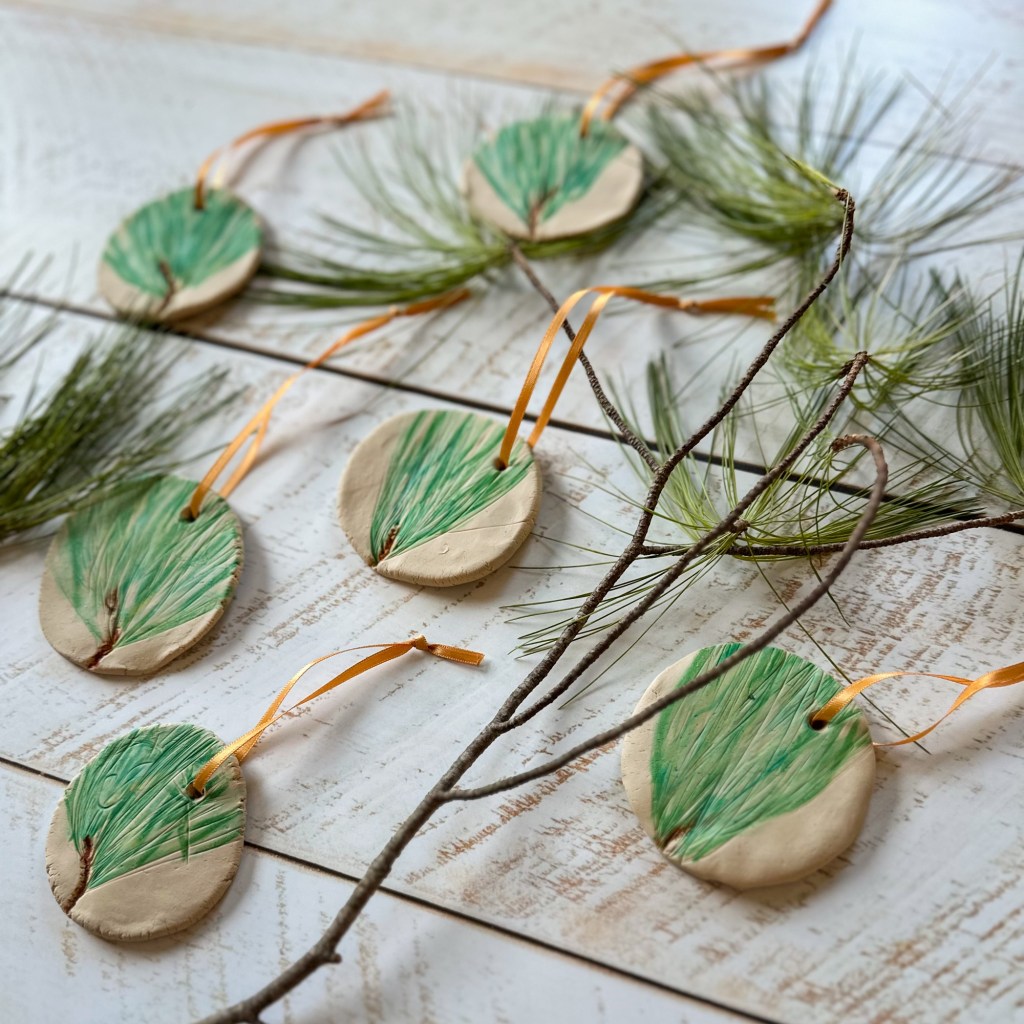
I wanted to share a fun winter craft with you today: simple, sweet pine needle impression clay ornaments!

I know these are not a new idea, but I’ve been meaning to make some for a while, and I am excited with how they turned out. They are a lovely activity for kids to make, or perhaps a gathering of friends on a wine or tea night!  

And if you live in an apartment where you can’t have a live Christmas tree, or perhaps another reason prevents you, you can forage for pine branches at a local park to take home and make this craft and then apply some drops of pine essential oil to the backs to bring fresh pine scent to your home. (Orange, clove, and cinnamon essential oils would also be fitting and traditional midwinter scents to add!) It’s an accessible way to bring the goodness of pine indoors!

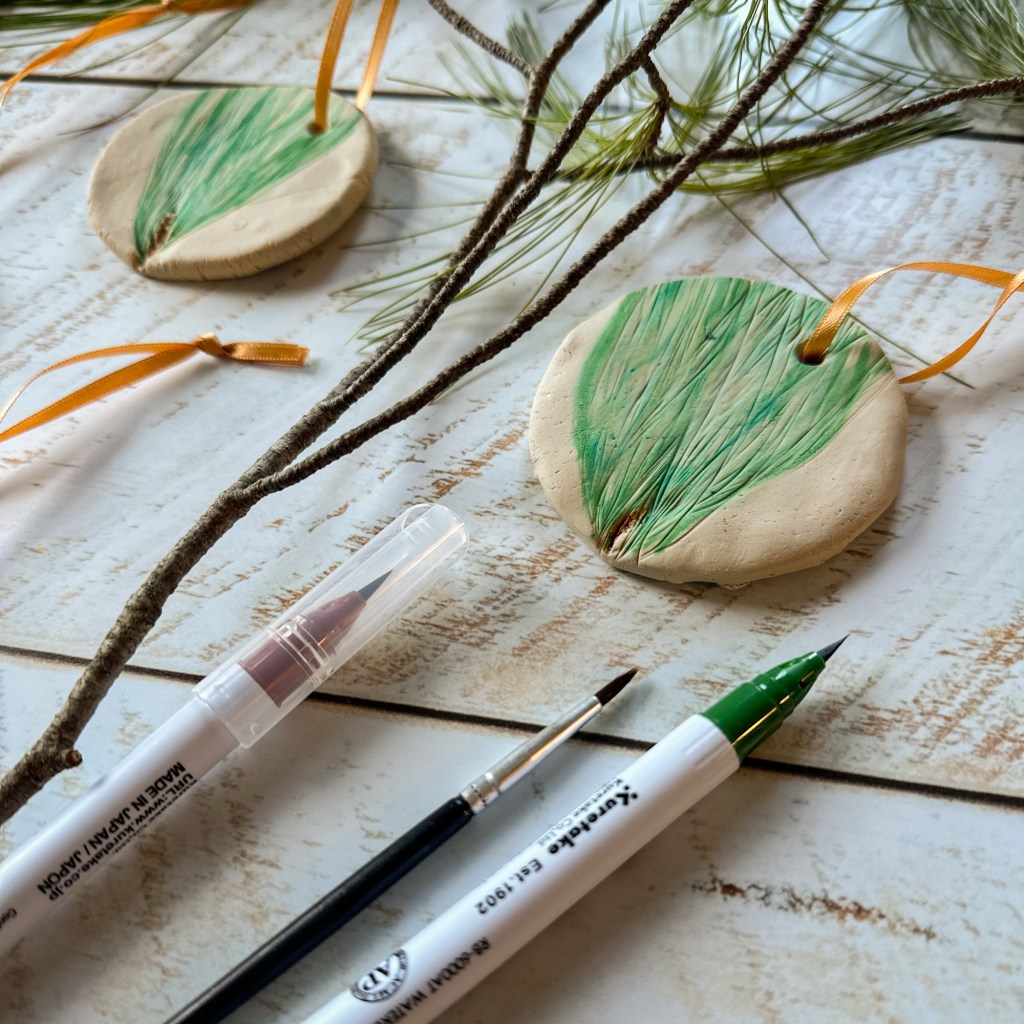
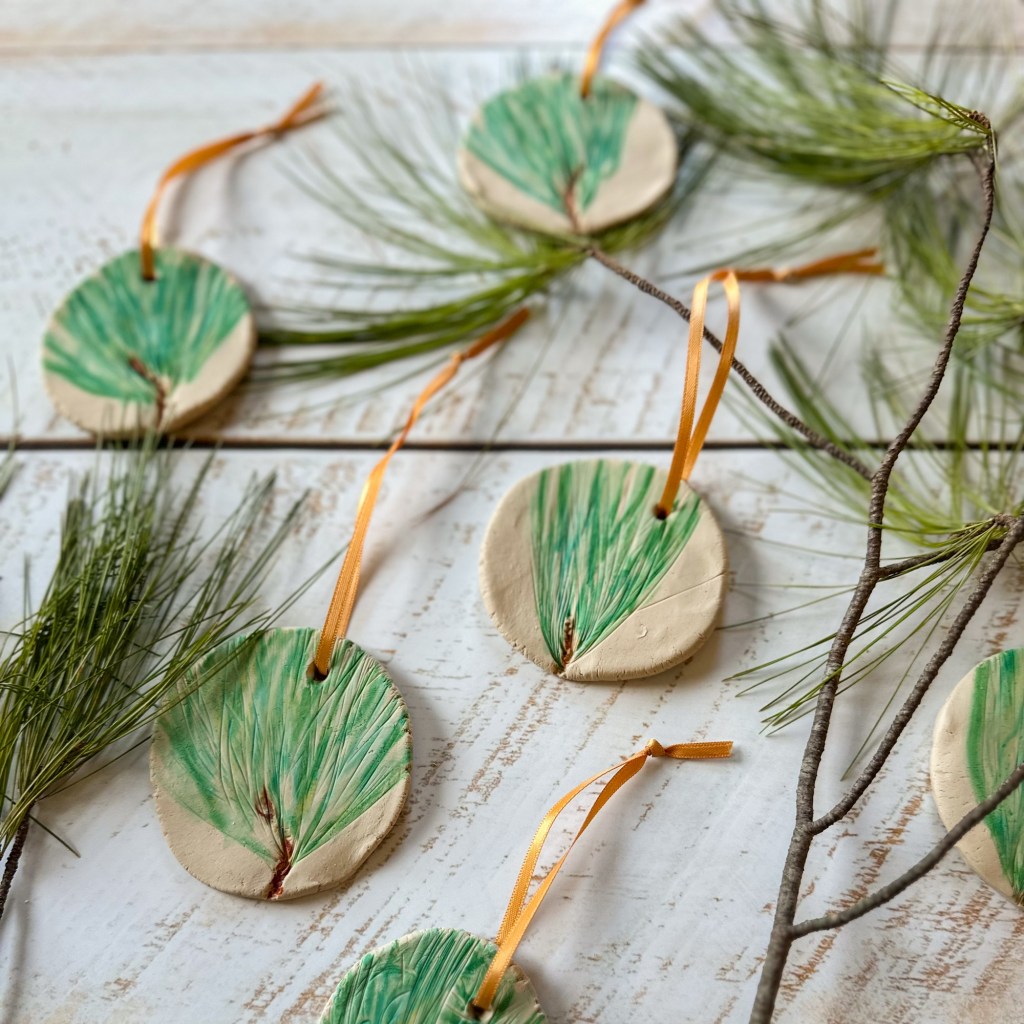
To make the ornaments, roll air-dry clay into 1-inch balls and then press flat into discs with a book or container lid. Or, if you’re fancier than me, you can roll out the clay and use cookie cutters for neater and more uniform ornaments. (Mine are “rustic,” ha!) Then press sprigs of pine needles into the clay to form an impression and poke a hole for ribbon or string. Make sure the ornaments aren’t stuck onto your work surface (waxed paper might help here). Leave them to dry overnight, then the next day paint with watercolor to emphasize the look of the pine sprigs. I used watercolor brush pens and water with a small paintbrush to thin and spread out the paint pigment. 

Once dry, string ribbon or twine through so they can be hung on a tree, drawer knobs, stocking hooks, or even used as gift tags. They can also be used as drawer or car fresheners! 

These simple little ornaments aren’t fancy, but they are cheery and fun to make, give you a chance to do some fun winter foraging with kids or friends, and bring a bit of natural pine into your holiday decorating. 


*This post contains affiliate links, which means if you choose to buy something from a link that I share, I will make a small percentage of the sale *at no extra cost to you*.

Categories
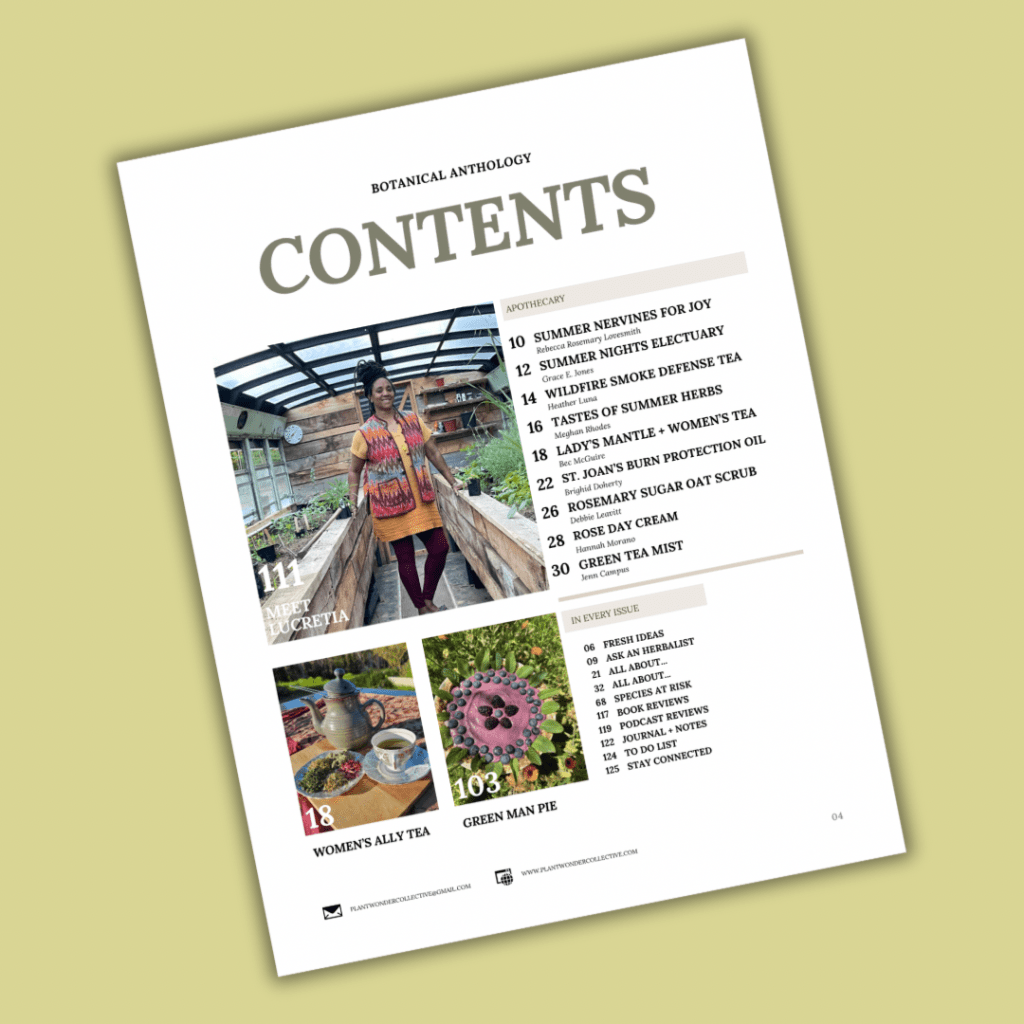
Botanical Anthology

Botanical Anthology Winter 2024!

With a reverence for winter and the plants associated with it, TODAY we launch our third Winter edition of Botanical Anthology.  

Digital Edition: HERE

Print Edition: HERE

A plant lover’s dream, it is a seasonal, plant centered quarterly digital + print magazine bringing you 50+ articles from 45+ contributors to incorporate herbs into your winter apothecary, kitchen, foraging and gardening, crafts, rituals, celebrations, and more. 

* Blend vitamin C powder, steep cough elixirs + whip up oatmeal lotion

* Roast hyssop chicken, bake friendship bread + ferment pine needle soda

* Forage juniper, care for houseplants + consider windfall herbs

* Make gingerbread candle holders, fashion rosemary wreaths + carve block print stamps

* Brew full moon teas, start a women’s circle + muse over poisonous gifts

* Celebrate the Winter Solstice with gløgg, Midwinter with scrying, + discover Mother’s Night + Hen Galen

* Meet Connie Byers, Kathleen Perillo + Rebecca Fils-Aime

From November 25th –  December 10th, receive the Botanical Anthology Winter edition digital download, plus our All About Turmeric + Herbal Cookie Tray Volume 2 + Herbal Advent Calendars booklets, for just $16.  

As a thank you for being here with us, enjoy $1 off the publication with this code:

Take$1BAWinter24

Or head to Amazon to order the print version for $26 then email plantwondercollective@gmail.com with proof of purchase so we know to send you the booklets! We also offer bulk pricing on print orders through our website to save you a bit of moolah.

Give the gift of plants this holiday season. Botanical Anthology is perfect for the budding herbalist, natural health enthusiast, (urban) homesteader, and nature lover in your life. Feel good knowing you are directly supporting a small business and each contributor of this independently published magazine.  

Come mid December, the booklets will no longer be included, and the price will increase.  

Let us be your guide to work with plants as you journey through the winter season!

Categories
Recipes Tea

October: Falling Leaves Moon in Aries + Tea Recipe

Though the Falling Leaves Moon or Hunter’s Moon fell on October 17th this year and has technically passed, the full moon’s energy can still be tapped into. Read on to learn more about this month’s full moon and a corresponding tea recipe!


The Ojibwe named the full moon during what we call October the Falling Leaves Moon. We await the “peak” of the vibrant colors knowing the shedding of these leaves marks winter’s approach. As this full moon nears, we may feel Aries’ pull to dive into autumn with an energy as vibrant as the leaves. But the sun sign Libra may temper this drive with a need for balance to conserve our energies for the coming cold.

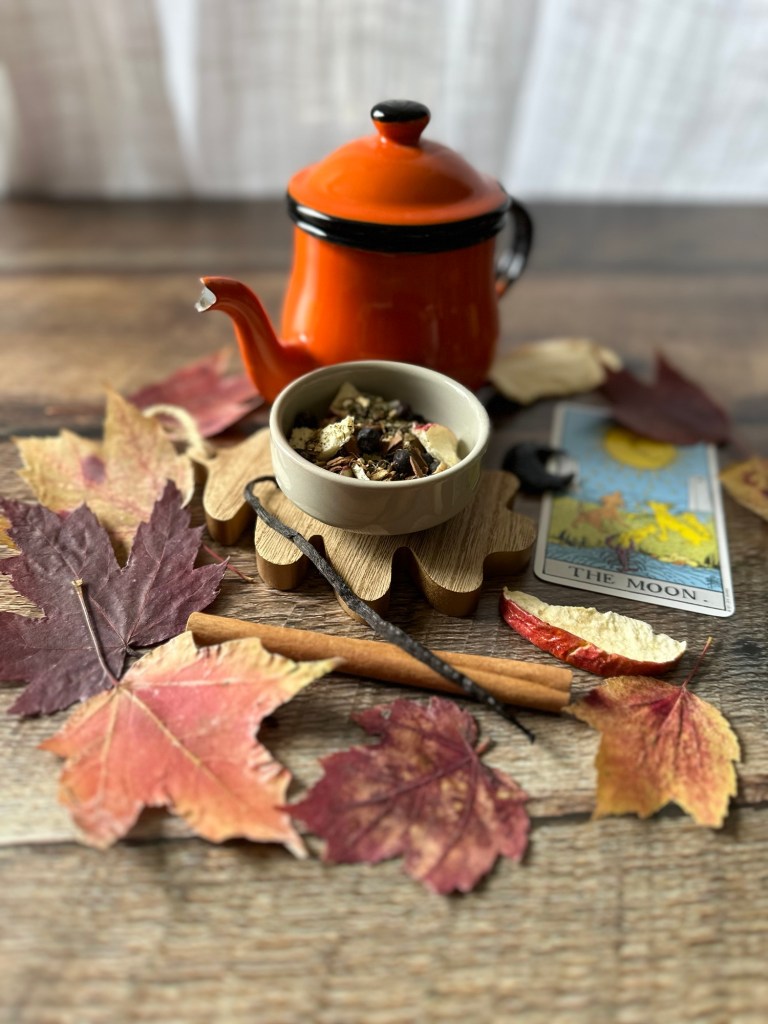
Brew this tea to mark the Falling Leaves Moon which includes gifts given from trees for both their symbolic and astro-herbalism connections. Hawthorn bolsters the heart, while juniper, cinnamon, and ginger support the Aries fire. Apple and vanilla round things out with sweetness to cool that fire off a bit and bring things back to balance.

Falling Leaves Moon in Aries Tea Materials-

1 tbsp apple pieces, dried 

1 tsp hawthorn leaf

1 tsp juniper berries

½ tsp cinnamon stick pieces

¼ tsp ginger root, dried 

¼ tsp vanilla bean powder or ¼ vanilla bean pod

Method-

To make a single cup of tea, add 1 tablespoon to a tea strainer, eco-friendly tea bag, or French press. Pour 1 to 1 ½ cups hot water over the tea and steep for about 5 minutes. Strain, and serve. Add sweetener of choice to taste, if desired.

If you’d like recipes to mark each month’s full moon, check out the current and upcoming issues of Botanical Anthology where I share these recipes!


For educational purposes only. Not intended for medical advice. Always consult your physician.

*This post contains affiliate links, which means if you choose to buy something from a link that I share, I will make a small percentage of the sale *at no extra cost to you*.

Categories
Herbs and Herbalism Tea wheel of the year

Lammas, Calendula, & a Tea Meditation

Lammas / Lughnasadh / the First Harvest festival is almost here, coming up on August 1!

In years past, I was very much NOT a fan of the month of August. Where I live it tends to be incredibly hot, buggy, and like a dragging obstacle between me and my favorite season: autumn.

But recently, I came to see August in a new light. I’ve learned about the sabbat of Lughnasadh / Lammas (they tend to be used interchangeably) on the wheel of the year. Lammas marks the first harvest festival—the first of three, including Mabon and Samhain. The connections with Lammas tend to be the late summer veg and herb harvests, grain, bread making, beer, wine, fruits and vegetables, abundance, and gratitude. This opens the doorway for our descent toward autumn. Nights begin to gradually get cooler, and sunflowers bloom at the flower farm near my home. I can get behind this imagery, this spirit of anticipating autumn and gratitude for the end of summer’s abundance!

Lammas and Calendula

When I first learned about Lammas, I immediately, intuitively connected it with calendula. This may not resonate for you—you may have another plant you feel called to at this time. But for me, it’s all about this gorgeous, sunny orange flower.

Medicinally, calendula offers immune boosting, gut healing, inflammation modulating, stagnation clearing, and liver supporting properties when used internally. Externally, it supports skin healing and treats bug bites, rashes, burns, wound healing, and overall skin health support.

Spiritually, calendula is connected to the sun, Leo and Cancer—giving fiery yet nurturing qualities, warmth, comfort, healing, protection, happiness, peace, abundance, hard work, and responsibility. I find that ingesting, and even just seeing this plant on my home altar spaces, helps bolster and nourish me during this industrious time! I tend to add calendula into most of my teas and baked goods during the Lammas season.

Lammas Tea Meditation Download

To celebrate this occasion, I am sharing with you a special Lammas Tea Meditation journaling page that you can download, print, and perhaps pair with a mug of calendula tea. Quiet your mind, breathe deeply, and allow your impressions of the herb to wash over you and impart its gifts.

Download, print, and use this mediation journal page along with any other Lammas / Lughnasadh / First Harvest celebrations and reflections!

Categories
Botanical Anthology

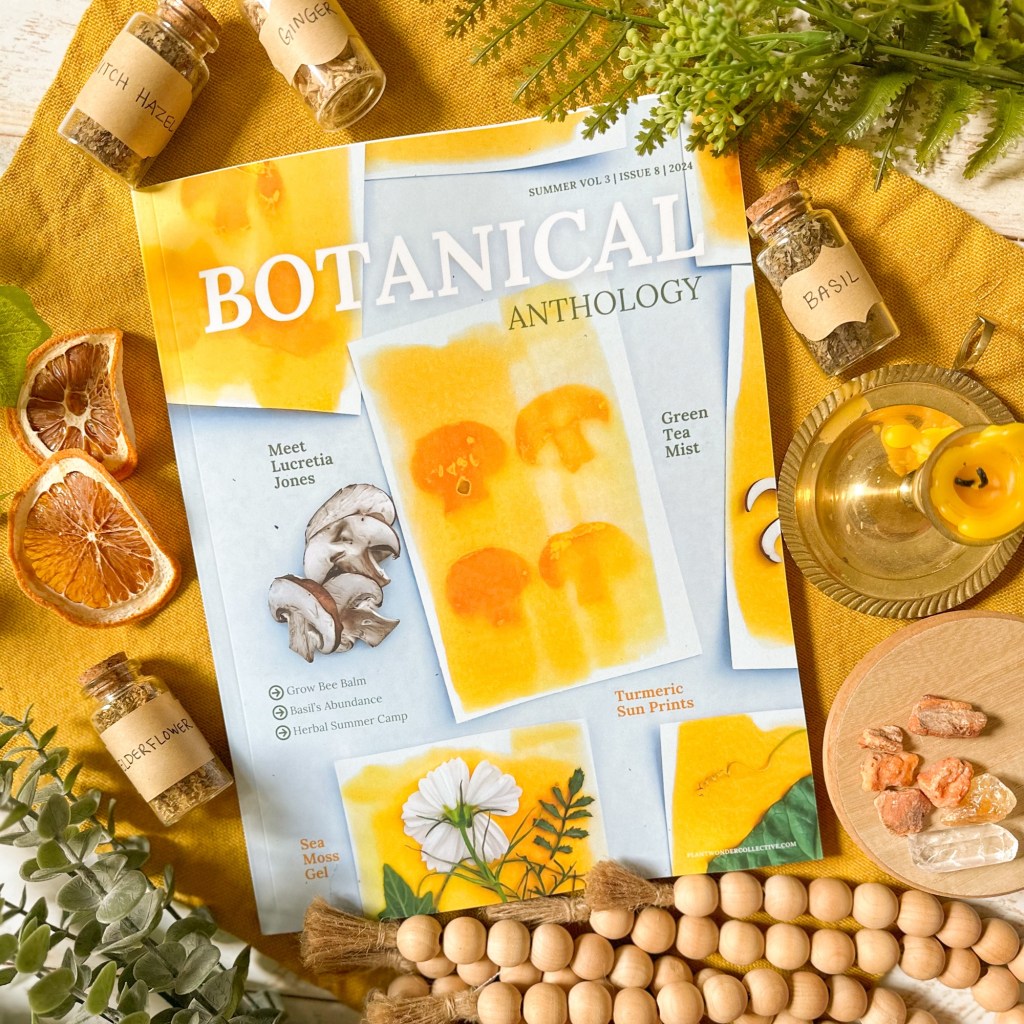
Botanical Anthology Summer 2024!

It’s here! The launch of the Summer edition of Botanical Anthology is TODAY! It’s coming at ya just when the heat is rising, and plants are coming into their full glory. 

A plant lover’s dream, Botanical Anthology is a seasonal, plant-centered digital + print magazine bringing you over 40 articles from over 40 contributors in 110+ pages to incorporate herbs in your apothecary, kitchen, self-care, foraging, gardening, crafts, and summer celebrations. This is our ninth edition, beginning our next circle around the sun.

(I am extra proud of this magazine because not only am I a contributing writer, but I am also the copyeditor of the magazine!)

At Plant Wonder Collective, we love sharing daily inspiration on our plant of the month, but for this project, we really want to connect to the seasons. Let us be your guide to working with plants in the months ahead.

Through 6/19, grab your digital copy for just $16 and receive the All About Rose booklet for free

Here are the links to purchase:

DIGITAL edition

PRINT edition

We now offer gift cards and digital subscriptions, and the printed edition makes a great gift for the plant lover in your life!

Here are a few examples of what botanical goodness you’ll find within this issue’s pages!

* Whip up a batch of rose day cream, steep St. Joan’s wort oil + infuse a summer nights electuary

* Bake a cake with elderflower, sip a coriander lime cooler + dip hollyhock wraps in rose tahini sauce

* Grow bee balm, save tomato seeds + consider what is a weed

* Make sun prints with turmeric, beeswax dip plants for a garland + sew peppermint repellent sachets

* Brew full moon teas, cultivate abundance with basil + discover summer as fire

* Celebrate Father’s Day, Summer Solstice, First Harvest + Back to School with simple observances

* Meet Lucretia Jones, Reede Haroian, Tanner Filyaw, Dr. Tieraona Low Dog + Audrey Gilbert

📷  Our vibrant cover story is Solar-Powered Turmeric Prints authored by Julia Linsteadt: @a.farm.to.keep on Instagram / www.afarmtokeep.com

Categories
Herbs and Herbalism Tea wheel of the year

Beltane Lilac Tea Meditation

Beltane, also called May Day, marks the cross-quarter between Ostara (the spring equinox) and Litha (the summer solstice). Beltane is a time of heightened romance, carefree joy, ripening fruits, and faerie magic. Take care where you wander on Beltane night as the bonfires burn, lest you stumble into the land of Faerie!

Lilac is, in many parts of the northern hemisphere, ubiquitous with Beltane as its prime blooming period. To celebrate Beltane, harvest some fresh lilac if it is in bloom near you and enjoy a lilac tea meditation ritual. 

((You can also substitute a different fresh food safe flower that is in season near you, such as dandelion, for this meditation, or even dried flowers like jasmine or lavender if fresh flowers aren’t accessible to you!))

Choose a handful of blossoms that look fresh, not wilted. Leave blossoms attached to the stems, but remove most of the twigs.

Dunk in cold water to rinse off any debris and critters. Pour heated water from your tea kettle over the blossoms in a mug to cover the flowers and allow to steep for about 3 minutes before you begin to sip. No need to remove the flowers if they’re attached to the stems—they shouldn’t float loose.

Grab a journal and pen, and seat yourself in an outdoor spot if possible, or next to an open window if not. Sip the tea and feel the sun/moon/breeze on your face, closing your eyes. 

Notice the flavor of the lilac tea. It should be fragrant, floral, a tad sweet and a bit bitter all at once. Very tannic, it should pucker your tongue a bit and leave a dry mouthfeel. Savor the flavor and aroma as you drink, and think of it as nature’s champagne! Rare, beautiful, elegant, joyful, celebratory. Let the taste uplift you and permeate throughout you. Envision a sweet purple light enveloping you, bringing happiness and beauty from the outside-in, if you like. 

Grab your journal. Write down three things you are happy about, three things you are anticipating, and three ways you’d like to grow. Meditate on these ideas as you finish your tea. Then, compost the spent lilac blossoms. 


As an alternative to using a journal, I’ve made a journal page especially for this meditation that you can print and use! Just click on the file below, print, and use alongside your Beltane Lilac Tea Meditation!

Categories
Herbs and Herbalism Hygge wheel of the year

Yule: Candles, Tea, and Books

Happy Yuletide! I can’t say that I am the most knowledgeable regarding the background and traditions of winter solstice celebrations and rituals, but I am learning more as I go and loving what I learn. I wanted to pop in today to share a few of my favorite cozy Yule traditions with you.

Whether you celebrate Christmas, Yule, a combination, or simply mark the winter solstice, the astronomical beginning of winter and the shortest day and longest night are at the center of this occasion. It is a time of merriment as a way to bring light and cheer into the darkness, and to remind ourselves that the sun and its life-giving warmth will return. This is very much based in the agrarian lifestyle of our ancestors and the greater danger winter posed to their survival. Today we feel the hold-over of these traditions in more metaphorical ways but they’re still deeply ingrained. Other pagan and Christian elements and traditions of this holiday came in later, but all still revolve around the natural occurrence of the winter solstice.

Despite the jolly festivities, as I get older I feel the need more and more to snuggle in at home, slow down, eat cozy treats, and enjoy quiet times with my family just playing games and reading books. I think my connection to the natural world slowing down and going to its winter rest deepens the older I get! So I don’t feel the need for more gifts and parties, but rather candles, tea, and good books.

Candles

I absolutely love making my own candles this time of year. With a few simple, natural ingredients, candles that are healthier and more special than the store bought variety can easily be whipped up in your kitchen. Candles add a warming glow to Yuletide evenings and events, can be given as very special gifts, and you can add your own intention both when you’re stirring the wax to make them and when you take the time to light them each night.

Check out the recipe for these Yule Forest Candles I shared last year, these cozy Pumpkin Spice Coffee Candles from when I was just beginning to learn candlemaking, or purchase the Winter Candlemaking Guide from my Etsy shop to learn how to make candles at home.

Tea

Hot tea is a wonderful way to spend a winter evening during the Yuletide season! There is nothing better than brewing a big pot of tea tailored to the energies of the season, your health, or simply your mood. 

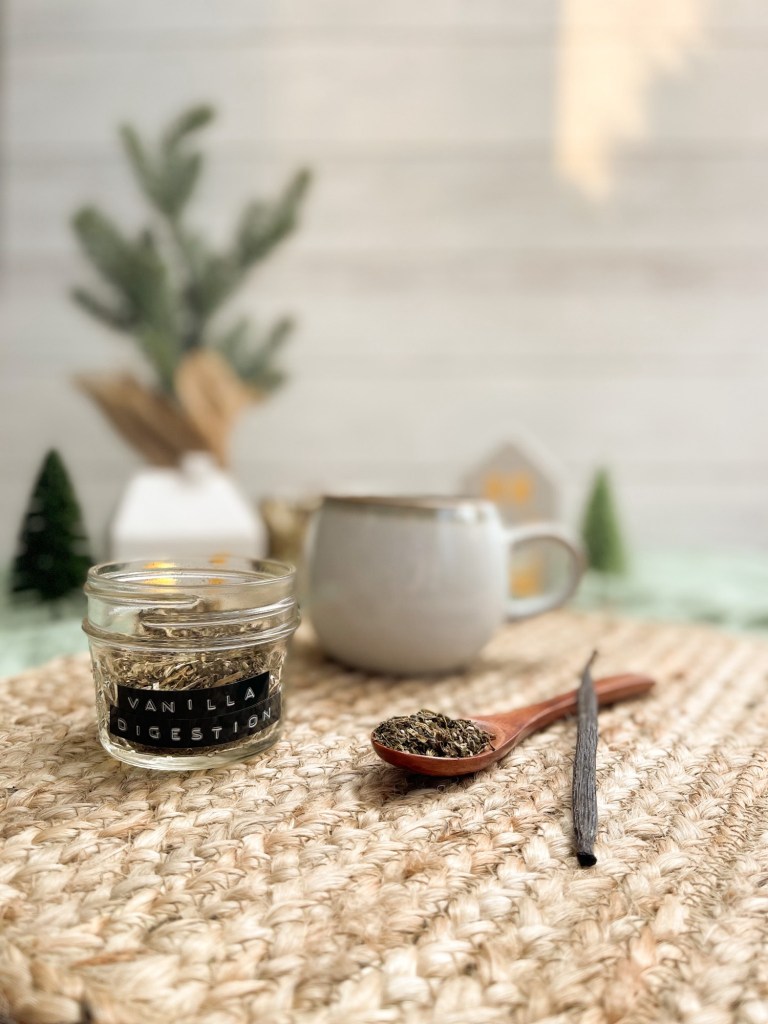
During this season of eating sweets and overindulging, a digestive-boosting tea like the Vanilla Digestion Tea I shared last year can be both helpful and tasty. An Immune Boosting Tea Blend can’t go amiss this time of year, either. Mushroom Coffee makes for a hearty and energizing, yet grounding, brew. Or check out the many other winter tea recipes in my Winter Tea Booklet in my Etsy shop.

Books

I am never at a loss for good books to read! Here I will keep the explanation short and simply share some links to books that are perfect for this season. 

Children’s books about Yule / the Winter Solstice / Wintertime (that are wonderful for adults, too):

The Shortest Day (Susan Cooper)

The Winter Solstice

Goodbye Autumn, Hello Winter

The Tomten

Flower Fairies of the Winter

The Shortest Day (Wendy Pfeffer)

The Nutcracker Ballet

Adult fiction and nonfiction – my recent cozy or cozy-adjacent favorites

Emily Wilde’s Encyclopedia of Faeries

Legends and Lattes

A Spell in the Wild

The Wake-Up Call

The Tale of Hilltop Farm (the Cottage Tales of Beatrix Potter)

The Hobbit

Kitchen Witch

A Morbid Taste for Bones (the Brother Cadfael mysteries)

Little Women

Slavic Kitchen Alchemy

Healing Herbal Teas

What cozy ways are you enjoying the Yuletide season?


For educational purposes only. Not intended for medical advice. Always consult your physician.

*This post contains affiliate links, which means if you choose to buy something from a link that I share, I will make a small percentage of the sale *at no extra cost to you*.

Categories
Herbs and Herbalism

Autumn Harvest: Hickory Nuts

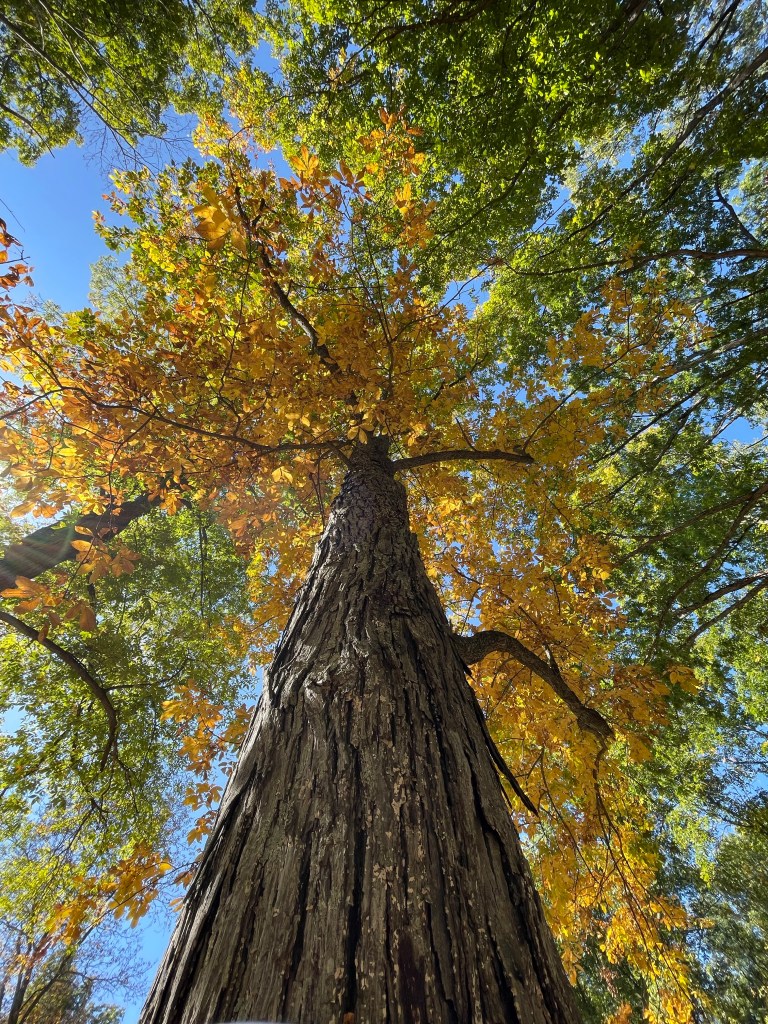
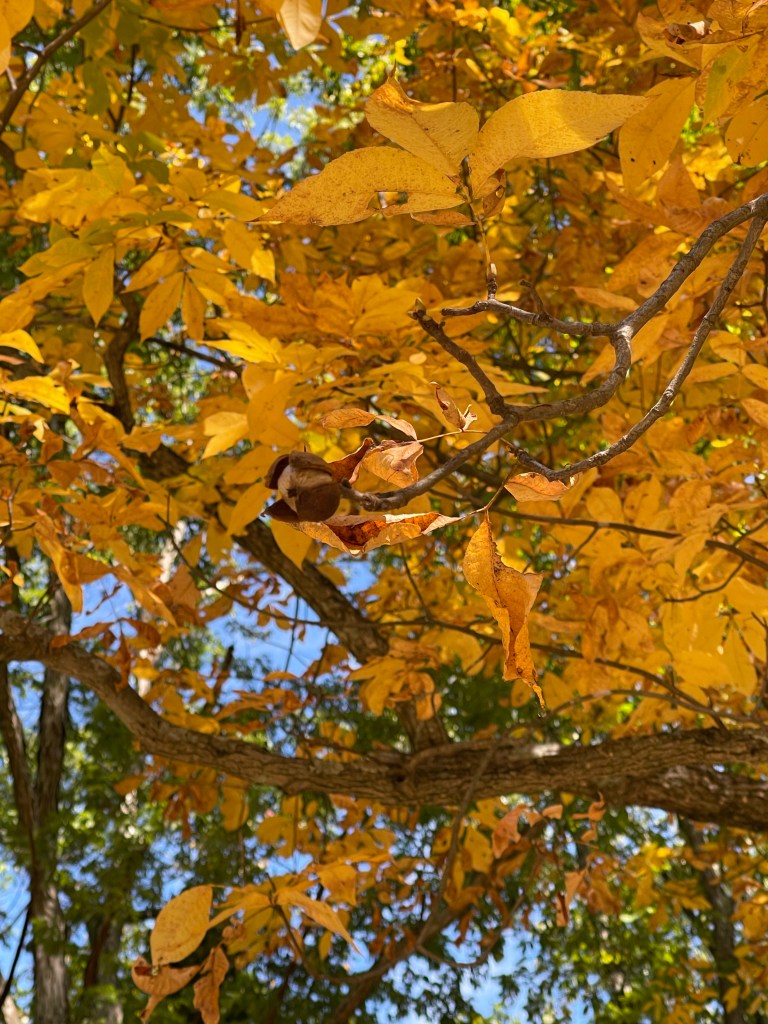
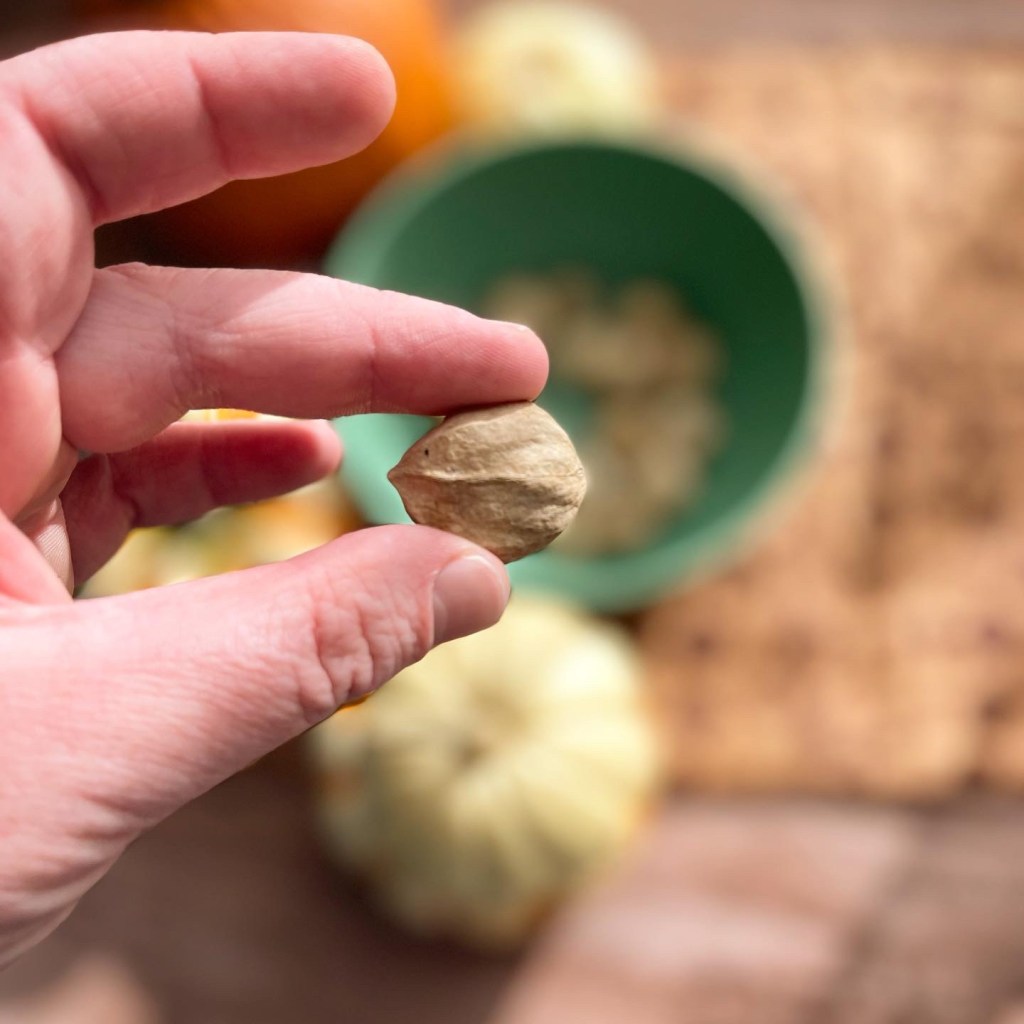
Last October I had the opportunity to collect some hickory nuts, and I’m hoping I get to when I revisit the same location again this year! Yesterday at a state park we encountered some shagbark hickory trees that were quite picked over by the squirrels already. But the place we collected them last year was so busy with people (an apple orchard) that the squirrels had steered clear and left them for the lucky humans to find.

Hickory nuts are incredibly nutritionally dense. They’re quite tricky and time consuming to crack and extract from the shells, so it’s a good thing they pack a punch! They are incredibly high in protein and those heart-protecting, cholesterol-lowering good fats you find in olive oil and avocados. They provide lots of folate and other important nutrients, as well. Hickory nuts are important to many native peoples whose diets have long included them. Numerous wildlife species also rely on them for vital nutrition.

And they taste amazing! If you have the patience to dig through these tricky shells, you’re rewarded with nuts that are wonderful raw and taste somewhat like a cross between walnuts and pecans but with a sweeter, maple syrup-like hint of flavor.

Hickory nuts have folk associations as well. In many Seneca tales, hickory nuts are associated with the dead and even bringing the dead back to life. (Very fitting as we approach Samhain!) Hickory nuts also represent nourishment, grounding, strength, and patience. (Not in small part because it takes 30-40 years of growth before the tree starts to bear nuts!)

With last year’s small harvest (I was mindful not to take more than my share) I allowed them to dry out in the sun before savoring a couple, while saving most of them for special occasions since I only have a few. I considered making a little strength talisman out of the smallest one, but I haven’t done so yet. I hope I get to add a few more to my little, precious collection!

Have you ever tried a hickory nut? What would you do with them if you had a few?