Categories
Botanical Anthology

Winter Botanical Anthology

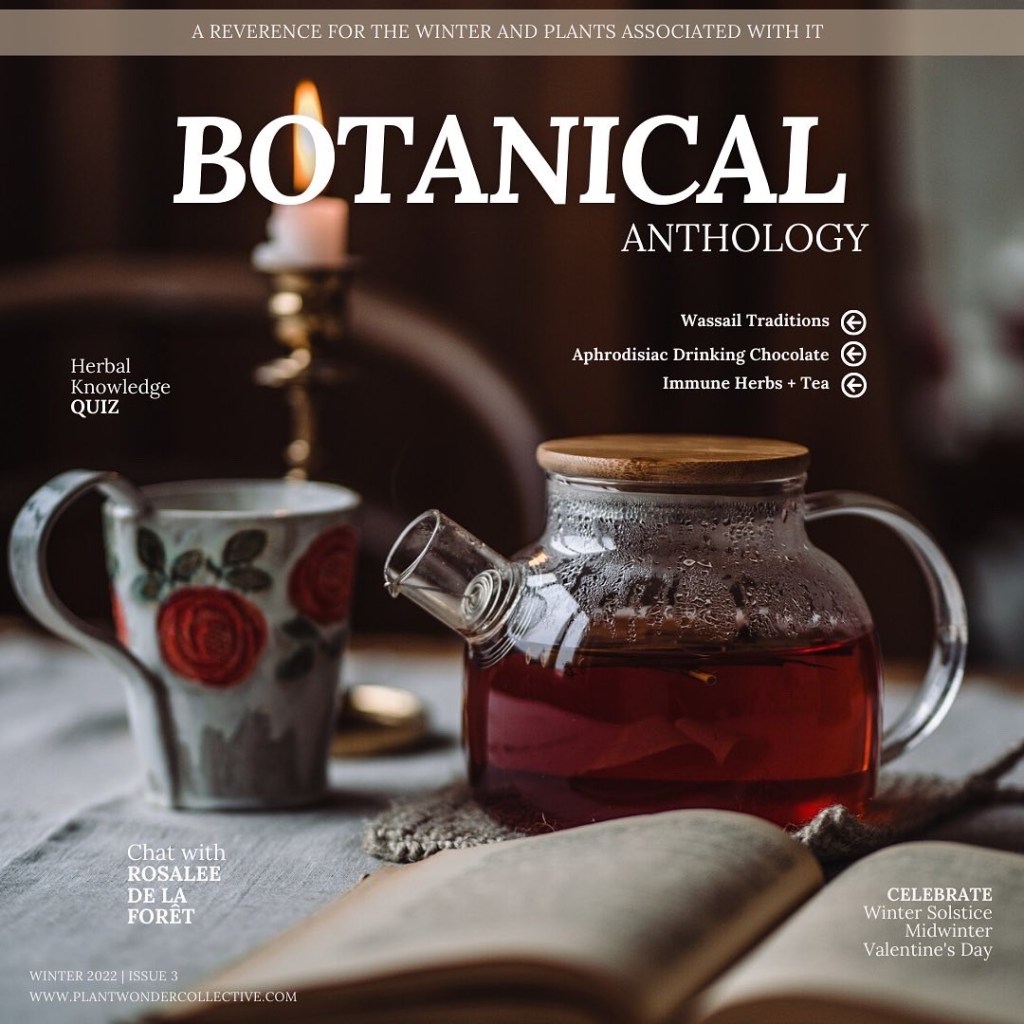
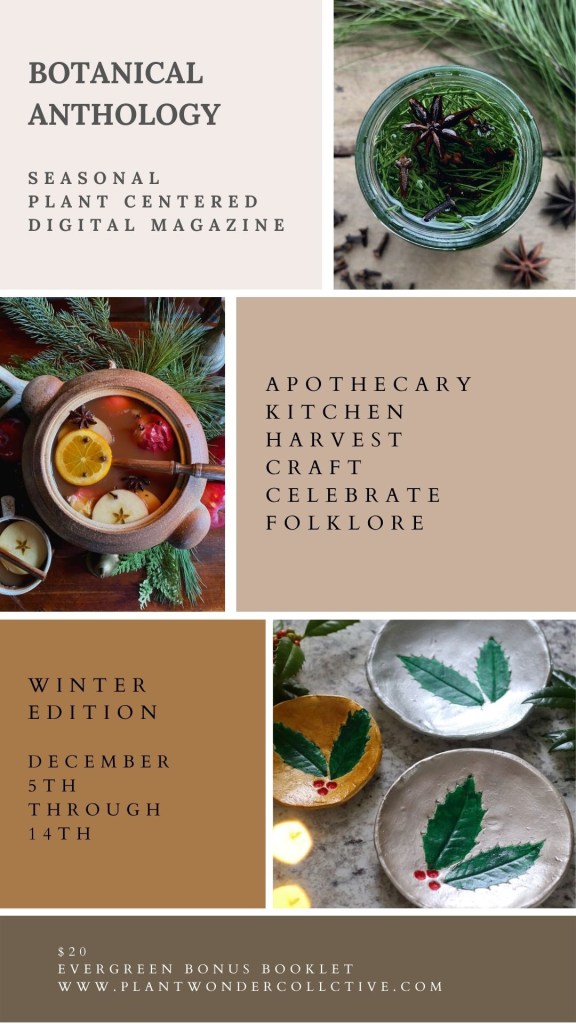
I am proud to say that the winter edition of Botanical Anthology, a plant-centered, seasonal digital publication with over 45 articles from 30 contributors, is available for purchase!

I am so excited for this beautiful publication to be out in the world, and so proud to be a part of it along with so many creative contributors. This issue is gorgeous and bursting at the seams with lovely, cozy, healing, creative, and meaningful ways to tap into the spirit of the winter season. I personally can’t wait to dive into all the inspiring lore, wisdom, recipes, rituals, crafts, and more.

In the winter edition, you’ll find articles, recipes, and ideas to help you:

*Sip on immune tea, miso broth, wassail + gingerbread golden milk

*Learn how to make ghee, gluten free sourdough and activated nuts

*Whip up hand sanitizer, a warming foot bath and body butter

*Forage wintergreen, raspberry stems and chaga

*Develop rituals + routines for the season ahead while listening to a winter playlist

*Weave wreaths, make trinket dishes + draw narcissus

*Celebrate Winter Solstice, Midwinter + Valentine’s Day with simple observances

And so much more!

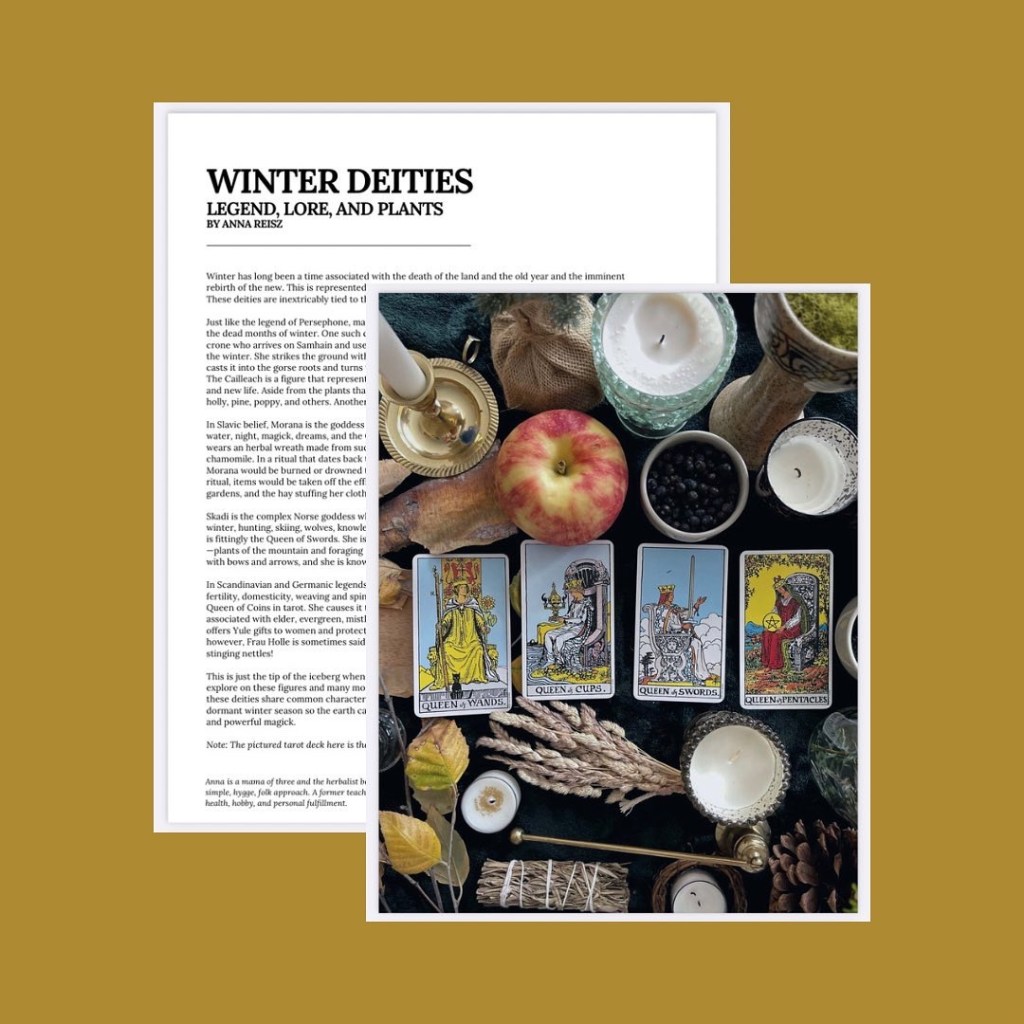
I contributed five pieces to this edition, including an article about immune-boosting herbs with a tea recipe, a piece about the folklore surrounding juniper, a deep-dive into a few winter deities and their plant associations, and a review of one of my favorite books about tea. I so enjoyed writing these articles, and I hope you get a chance to read them!

The Botanical Anthology is a seasonal digital magazine for plant and nature lovers with articles to help you incorporate herbs into your home apothecary, kitchen, foraging, crafts, and wintertime celebrations. It was founded by the Plant Wonder Collective, a group of like-minded plant lovers from a variety of backgrounds and walks of life who each have unique perspectives and approaches to share. Nurture your mind, body, and spirit through the winter season with the words and ideas from our hearts to yours!

Until 12/15, grab your copy for $20 and receive the bonus evergreen booklet. Download instantly and dive right into the 150+ pages of plant magic!

You can get your copy of Botanical Anthology here!

Categories
Herbs and Herbalism plant wonder collective Recipes Tea

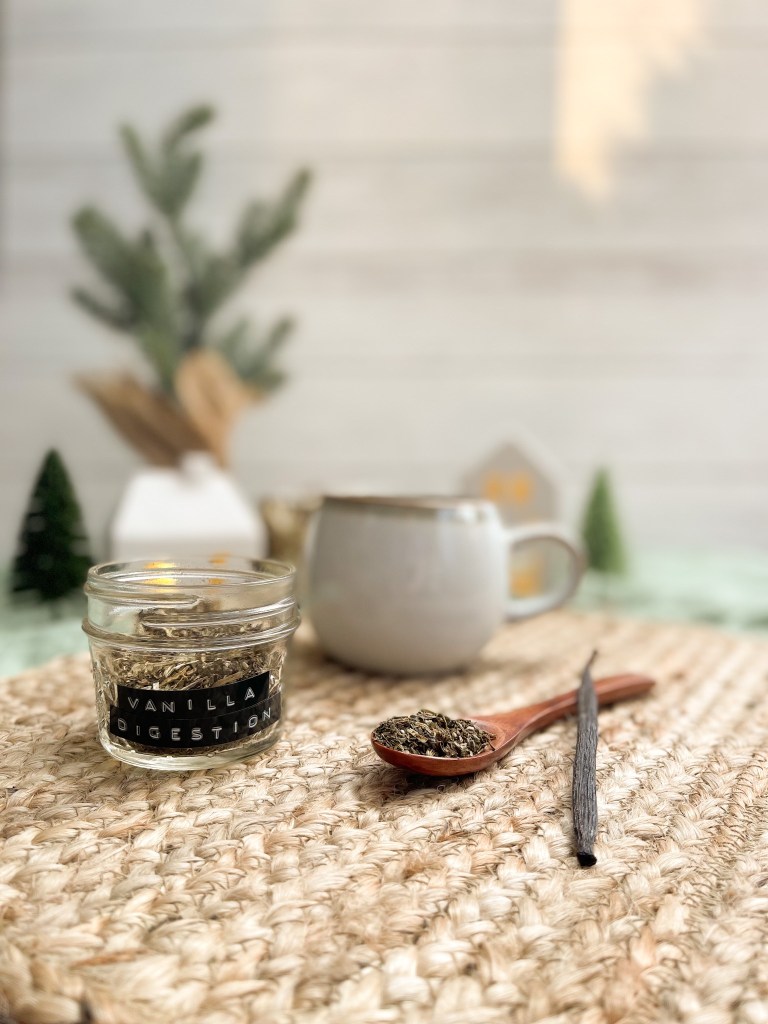
Vanilla Digestion Tea

It’s the time of year when digestion is key! Heavy, rich foods abound due to the holidays and the approach of winter, and many of us need some extra relief.

Often, digestion teas rely heavily on ginger, but I find it too spicy and irritating sometimes. I often need more of a cooling approach to indigestion instead. That’s where this tasty vanilla digestion tea comes in!

Vanilla is an aromatic stimulant and carminative botanical, with anti-inflammatory, digestive-soothing, calming, and fever easing benefits. These properties make it a great ingredient in a digestion tea!

In the interest of a more cooling approach to digestion, I’ve combined the vanilla with meadowsweet, mint, and fennel seed. If you add honey or your sweetener of choice, it’s a light and tasty dessert all on its own with a taste reminiscent of candy canes!

A bit of a breakdown of the other herbal ingredients I’ve combined with the vanilla here—

Mint can be both warming and cooling, depending on your constitution, but I find it affects me in a soothing and cooling manner. It is a mildly stimulating herb, so it aids in moving things along in the digestion process.

Meadowsweet is a top tier digestion reliever. Its cooling, drying, astringent, inflammation modulating, and even pain modulating properties make it an indispensable ally. However, if you’re sensitive to aspirin, you should avoid meadowsweet because it contains naturally-occurring salicylic acid. (If this is you, substitute chamomile or elderflower.)

Fennel is one of my very favorite herbs for digestion. It’s a pungent aromatic herb with antispasmodic and carminative properties, making it ideal for a digestion tea. Interestingly, I found a hand-written note in my great grandmother’s herbalism books suggesting to use fennel for calming. Though it isn’t technically considered a nervine or adaptogen, there is an inextricable link between gut health and mental health, so it does check out!

Here is the simple and sweet recipe for cooling vanilla digestion tea:

1 part vanilla (use chopped vanilla beans or powdered vanilla bean—my choice for economical purposes)

2 parts meadowsweet

2 parts mint

1 part fennel seed

——

Brew for about 5 minutes; longer can cause a bitter taste from the meadowsweet.

Do you suffer from digestive issues this time of year? Let me know if you try this tea! You might find that soothed digestion leads to a calmer state of mind this time of year!

Categories
Herbs and Herbalism Recipes

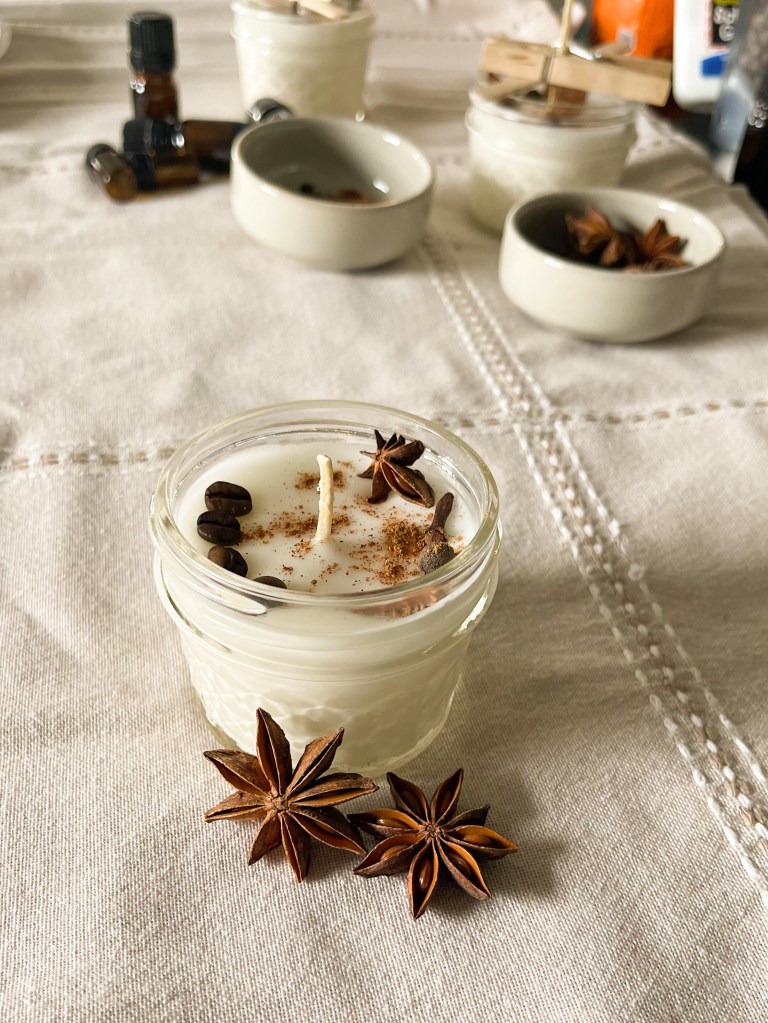
Pumpkin Spice Coffee Beeswax Candles

I am *just* beginning to teach myself the art of candle making! It is not terribly difficult, but there is definitely a knack to it and little things to learn through the process. I am no expert yet, but I am quickly learning some of the finer points!

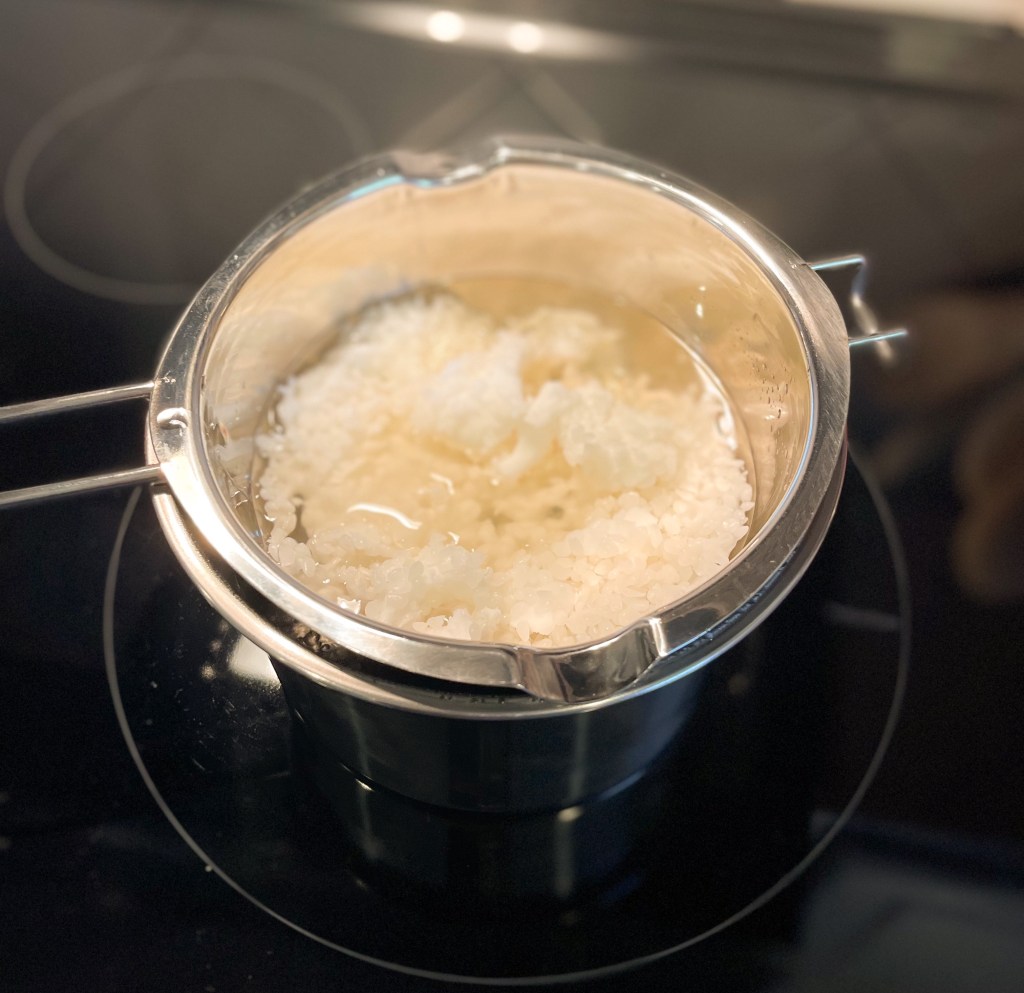
I have decided to use a combo of beeswax and coconut oil for my candle base for the time being, and I scent my candles with essential oils. The scent is more subtle than that from my favorite store-bought candles, but it’s lovely and natural, healthier, and much more magical and special to make them myself. All the cozy and loving intention is poured into each one with the wax.

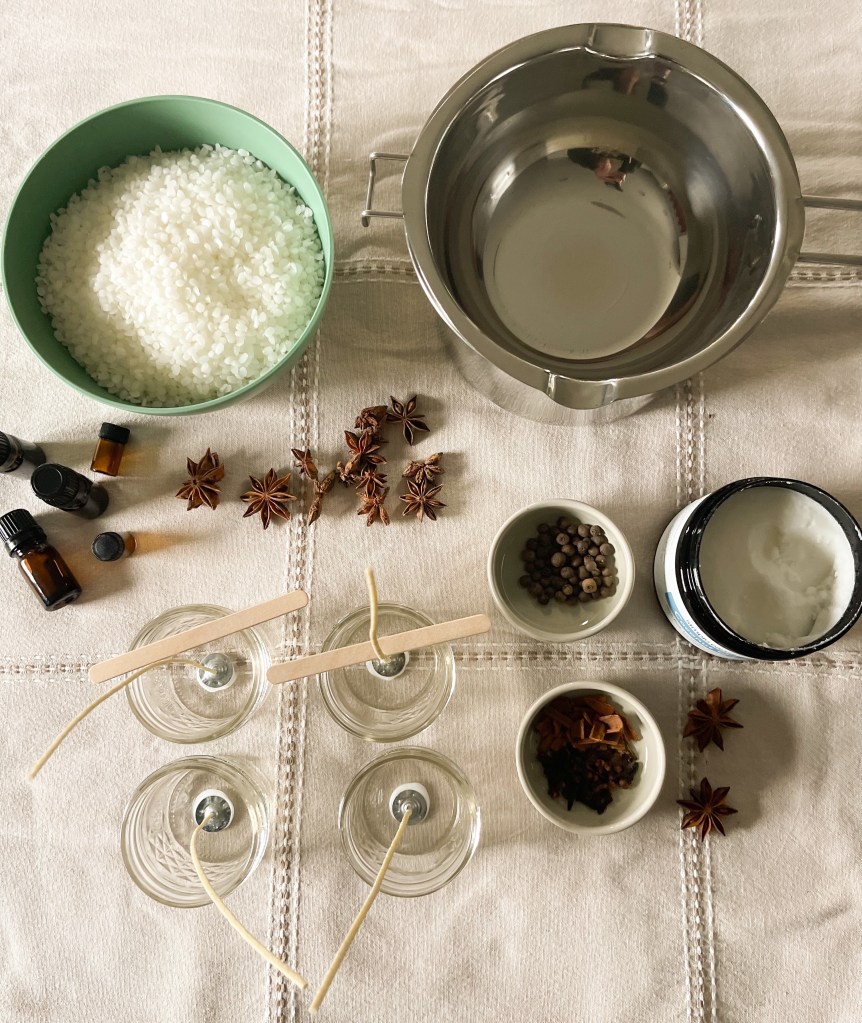
For those who are also interested in candle making but aren’t sure where to start, here is a little list of the basic supplies I decided to begin with:

This batch of beeswax candles combines the scents of coffee, cinnamon, vanilla, clove, nutmeg, ginger, cardamom, lemon, blood orange, and balsam copaiba essential oils. (The coffee oil is a separate one from Simply Earth; the rest are in a pumpkin spice oil blend from Plant Therapy.)

Aside from providing a cozy, delicious scent perfect for this time of year, these botanicals are grounding, balancing, energizing, and represent love, luck, and healing. I’ve topped each candle with coffee beans, star anise, allspice, cinnamon, and cloves. 

Here are the instructions for how I made this batch of candles—it makes 6 four-ounce candles.

(A couple notes: I am still experimenting with the essential oil amounts. You could definitely use more than I did here for a stronger scent—up to 200 drops! But I went conservative here for lightly scented candles. Also, be very careful topping candles with cinnamon, and make sure it isn’t too near the wick! It can spark if it catches the flame just right.)

I plan to keep a couple of these and share the love by gifting the rest this holiday season! And I hope to make more with different scent profiles and additions soon—I’ll share those here or on Instagram when I do.

Have you ever tried your hand at candle making? Is it something you’re interested in trying?

Categories
Herbs and Herbalism Hygge Recipes

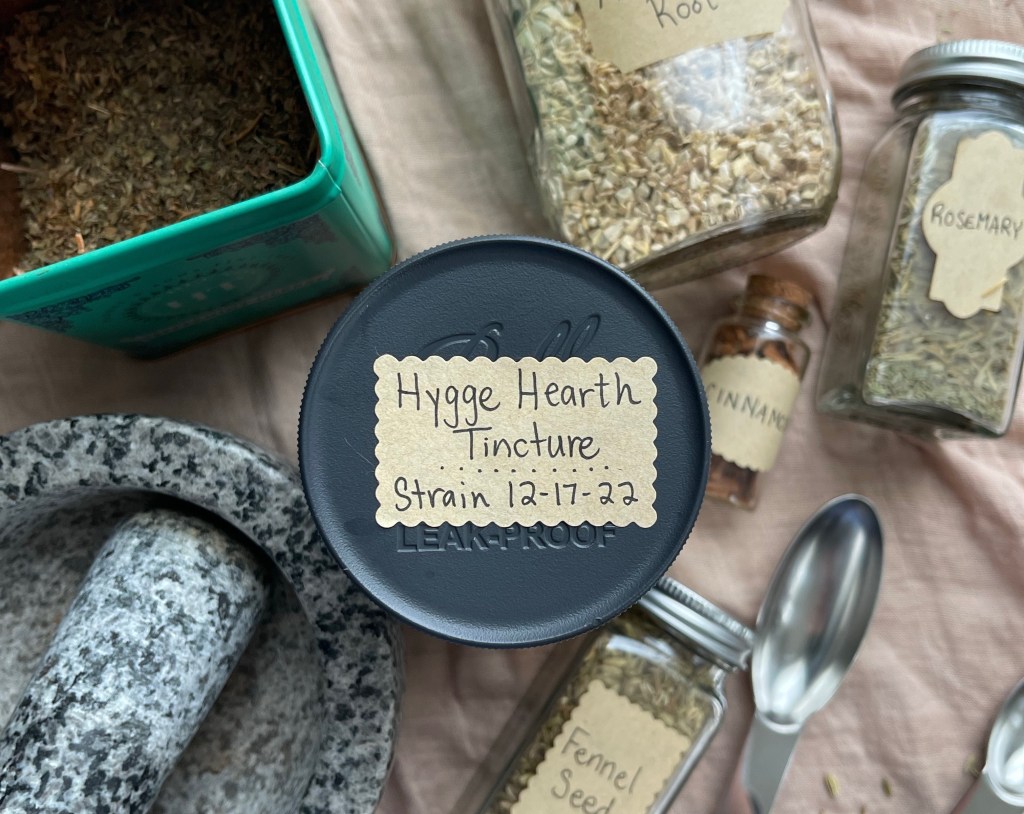
Hygge Hearth Tincture

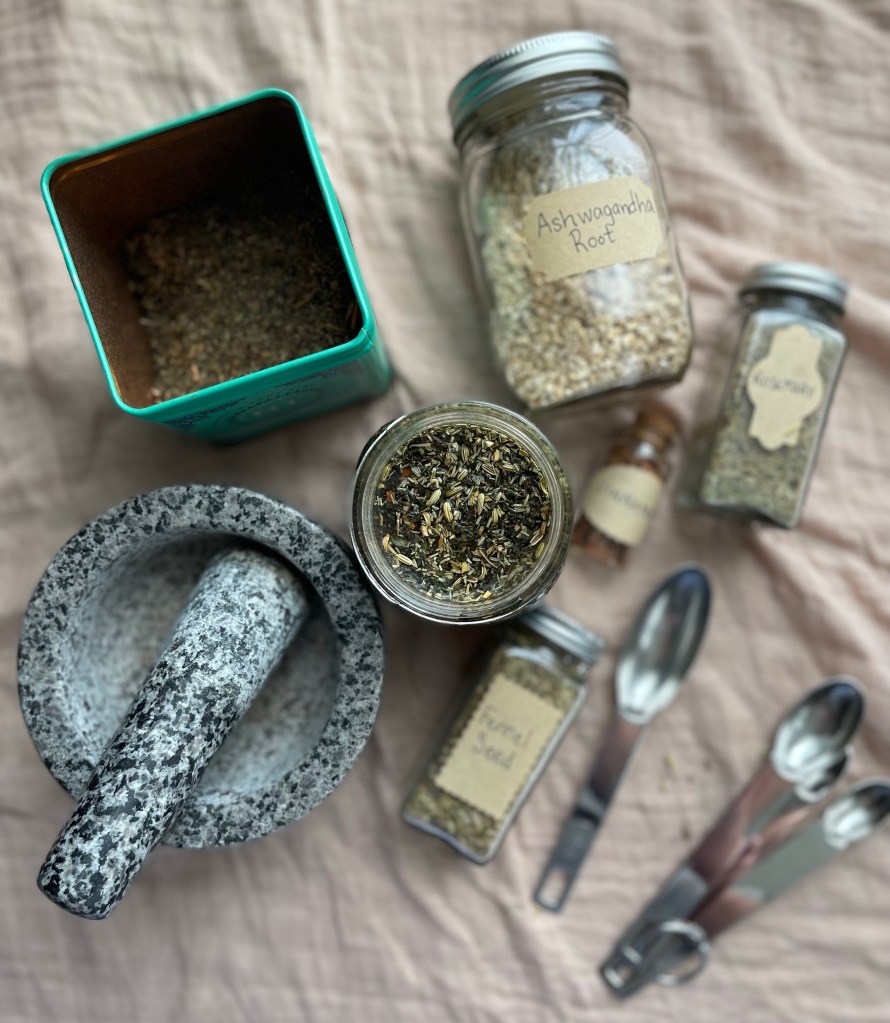
Inspiration struck this morning and I decided to start a tincture that will be ready just in time for Yule! It has all the happy, cozy, hygge vibes with digestion support, stress relief, balancing, and immune boosting to boot.

Mint is the star of the show here, paired with “really good Ceylon cinnamon” (please tell me you read that in Ina Garten’s voice 😂). I adore the sweet combo of cooling mint and warming cinnamon! With these I combined fennel seed, rosemary, and ashwagandha root. 

Then I topped it off with not the usual vodka, but GIN for more cozy, botanical, wintry vibes.

Here is the full recipe! For once, I actually loosely measured instead of doing it in parts!

Add herbs to a 16 oz glass jar. Cap and shake the jar thoroughly to mix herbs. Top with gin, filling to near the brim. Cap with a plastic canning jar lid or parchment paper and canning lid. Store in a cool, dark place, shaking daily, and strain after 6-8 weeks. Store in dark glass jars or dropper bottles if you can. 

You can take this tincture in tea, coffee, still or sparkling water, ginger ale, juice, or even cocktails! Ginger ale is my favorite vehicle for tinctures—if you prefer, use your favorite homemade or natural ginger ale.

Categories
Herbs and Herbalism plant wonder collective

October: Elderberry Month

I can’t believe October is already more than halfway through! Life has certainly been busy over here in the Herbology Faerie’s apothecary. My children have been home for their two week fall break, my husband took a trip for work, there have been visitors and visits, sickness, and it’s just been a bit of chaos around here. But I have still been connecting with the plant world, so I am here to share a bit about that!

This month has been elderberry month at the Plant Wonder Collective! I have so enjoyed working with lovely elderberry this October. I have not yet had the time to write up a monograph post for elderberry this month, but I will try to do that before October is done. Meanwhile, here is a link to the Plant Wonder Collective’s elderberry monograph post!

Elderberry Monograph

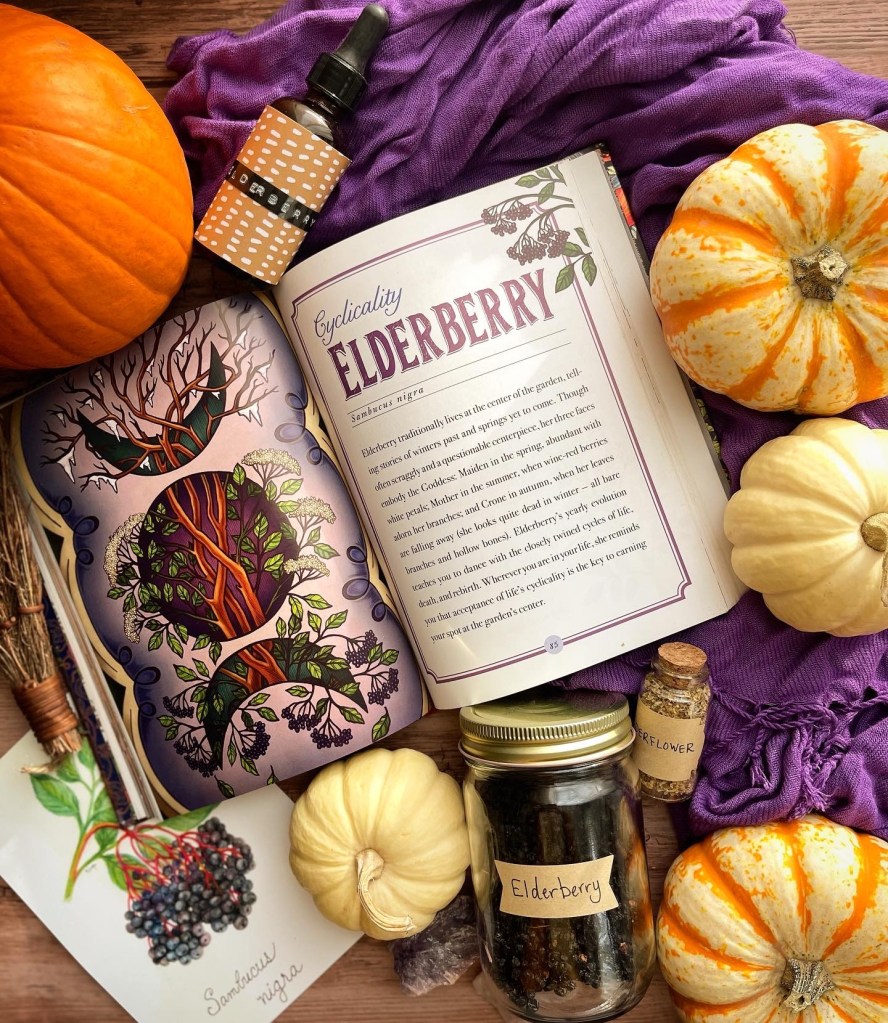
I have concocted a couple of fun elderberry potions this month which I have shared on Instagram. I’ll share them here, too, to make them easier to find. First up: an elderberry hot toddy!

Elderberry Hot Toddy

Next, I shared the beginnings of my elderberry infused gin this week. It is still infusing, but I will be straining it soon and sharing a cocktail or two made with this lovely liquor. Here is the initial post about its creation!

Elderberry Gin

And one last post to share: here is some elderberry wisdom from The Illustrated Herbiary by Maia Toll. Elderberry reminds us to embrace the cycles and seasons of life and our place within them.

I hope October is treating you well, friends! Perhaps you’ll find some inspiration here to connect with elderberry in your own ways this month, or in the months to come!

Categories
Botanical Anthology Recipes

Roasted Roots: An Herbal Coffee Tradition

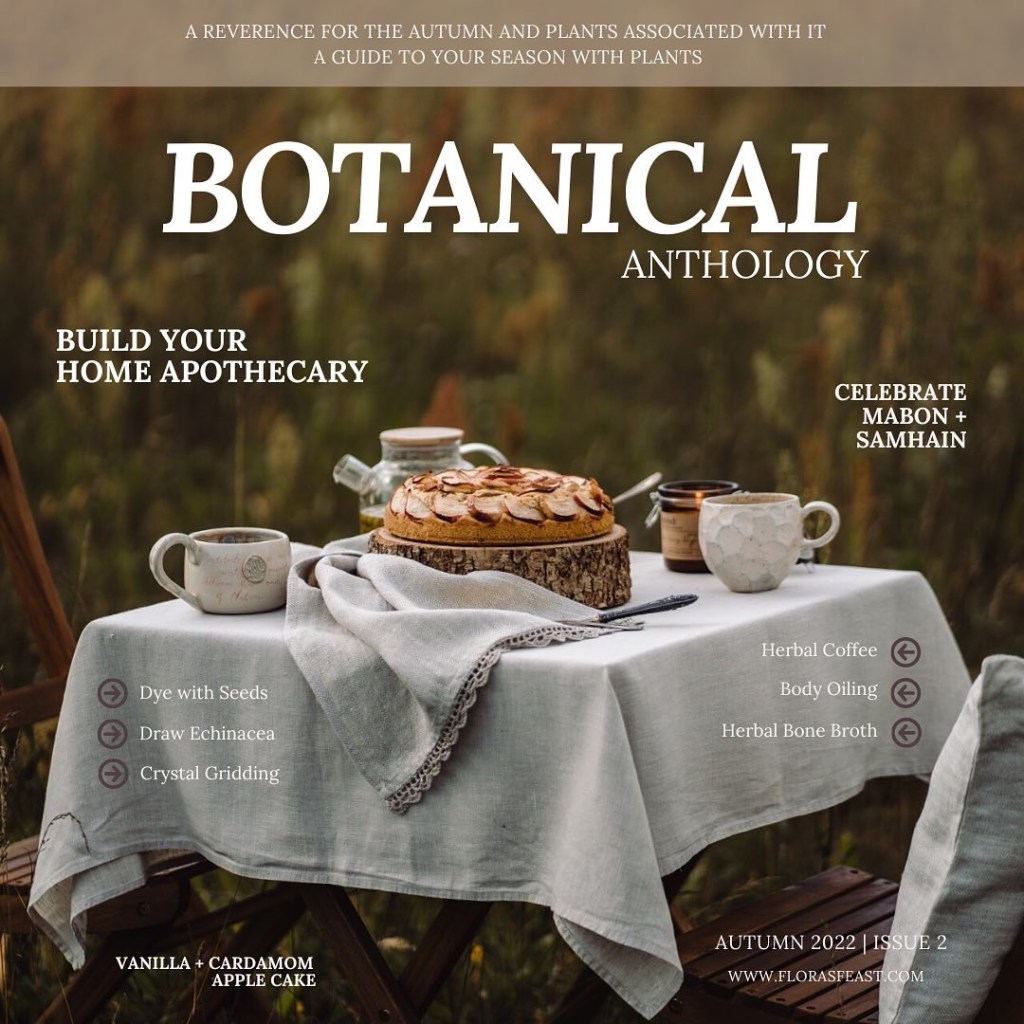
The Autumn Botanical Anthology digital magazine is available TODAY! To celebrate, I’m giving you a sneak peek at one of my articles from the publication below. But first, I must tell you a bit about this magazine I am so proud to be a part of!

Cover image by @marigold_stories

This labor of love is a seasonal, plant centered digital magazine bringing you over 45 articles from 30 contributors to incorporate autumnal herbs in your apothecary, kitchen, harvests, crafts, and fall celebrations.  

Until 9/28, grab your copy for $20 and receive the bonus cinnamon booklet. Download instantly and dive right into the 150+ pages of plant magic!

https://www.florasfeast.com/product-page/botanical-anthology-autumn-2022

Now without further ado, here is one of my articles!

Roasted Roots: An Herbal Coffee Tradition

Herbal coffee is a tradition that can be found, with a little digging, in many family histories. It was once common practice to replace or mix ground coffee with the roasted roots of plants like dandelion, chicory, and burdock. Not only did these easily-foraged plants make coffee go further, but they also cut some of the bitterness in the flavor. These roots also provided a nutritious and grounding alternative ingredient or replacement for coffee without the unwanted side effects of caffeine. Additional spices can be added to the mix for flavor and further health benefits, as well.

Here is a closer look at some of the ingredients you might add to your own roasted root blend.

Dandelion root

Strong liver, gallbladder, + kidney support 

Vitamin + mineral rich

Supports heart + balances blood pressure

Chicory root

Vitamin + mineral rich

Digestion support

Antioxidant rich

Supports liver + stomach

Burdock root

Kidney + liver support

Anti-inflammatory • Antioxidant • Detoxifying

Antibacterial + antifungal • Skin clearing

Blood sugar regulating

Cacao

Mildly stimulating

Synergizes other herbs

Heart + blood pressure support

Blood sugar regulating

Cinnamon

Digestive support • Circulation stimulating

Blood sugar regulating • Analgesic

Antimicrobial + antifungal

Antioxidants • Supports brain health

Warming + drying

Allspice, cardamom, cloves, fennel

Digestive support

Promotes circulation • Immune support

Soothing • warming • uplifting

When cooler autumn days make you long for more cups of cozy hot coffee, consider instead roasting and brewing up this alternative herbal blend. Get creative and formulate your own flavorful blend!  Or to get started, here is a simple and tasty recipe to try.

Materials

1 part dandelion root

1 part chicory root

1 part burdock root

½ part cinnamon chips

¼ part cacao nibs

¼ part allspice

Method

Preheat oven to 375°.

Spread dandelion, chicory, and burdock roots in a thin layer on a baking sheet. Roast for 10-15 minutes, stirring once or twice to prevent burning. Roast for a shorter time if using a dark or nonstick pan.

Allow to cool.

Mix in cacao nibs, cinnamon chips, and allspice. 

Grind in a coffee grinder and brew as you normally brew coffee. Approximately 1 heaping tablespoon of the mixture makes 1 strong cup of herbal coffee.

Notes

Opt for a coarser grind if brewing with a French press.

If using pre-roasted chicory root, add it when mixing in cacao, cinnamon, and allspice. 

This blend may also be mixed with coffee, using your desired ratio (50/50 is recommended), to reduce bitterness and caffeine.

Categories
Herbs and Herbalism

Herb Profile: Mint

In the northern hemisphere, summer has just begun! In my neck of the woods, it is almost unbearably hot this time of year; that summer sunshine can be intense. So, for June’s herb profile, I thought I would talk about a favorite cooling herb of mine: mint.

I was actually also inspired by the Plant Wonder Collective on Instagram to talk about mint, too, because it’s their herb of the month. If you aren’t already following along with their monthly herb features, I highly recommend that you do! They share collective recipes, DIYs, information, and botanical love featuring a different herb each month and showcasing many varied contributors. I’ve just recently begun following along and I am so enjoying it!

Anyway, back to mint! It’s actually interesting because many people are referring specifically to peppermint when they mention mint, but there are actually many varieties of mint. Sweet mint, spearmint, wild mint, water mint, apple mint, pineapple mint, brandy mint, chocolate mint, orange mint, horse mint, foxtail mint, mojito mint, and many others grow in a variety of areas around the world. (Interestingly, the specific species of peppermint wasn’t officially recorded in the Western pharmacopoeia until the mid-1700s!)

Mint should not be written off as simply a flavoring. It can be a potent ally in so many ways! Mint varieties can vary from warming to cooling, but peppermint is cooling, and drying. The properties of mint include digestive, mood boosting, uplifting and calming, memory and focus enhancing, gently energizing, pain easing, cold relieving, anti-inflammatory, anti-nausea, antibacterial, anti-fungal properties, and more. In folk belief, mint is associated with healing, prosperity, vitality, communication, dreams, awakening, protection, purification and cleansing, love, and positivity.

A note on growing your own mint, if you are considering adding it to an herb garden: it is best in containers! Mint is easy to grow and absolutely flourishes…a little too well. It will take over any space where you plant it and overtake its neighboring herbs. So, it’s best to plant mint in its own separate containers rather than in a shared herb bed. That said, mint is incredibly beginner-friendly and a great starter herb for those just testing the gardening waters!

Though some might associate the flavor of mint with winter holidays, I love it for its cooling effects in the summer! There is nothing better than a cold infusion of fresh mint and its cousin lemon balm, kept in a jar in the fridge to be sipped throughout the day. Also, a sun tea of mint, hibiscus, and lime is super refreshing and cooling on a hot day.

Here is one more recipe, for Summer Mint Moon Tea. I like to moon-brew (overnight infusion) this combo of herbs and enjoy it before bed as a cooling, calming, soothing sip. Its combination of cooling, calming, memory-aiding, dream-inducing, and heart-soothing herbs makes for sweet summertime dreams.

Summer Mint Moon Tea:

2 parts mint (peppermint or spearmint)

1 part lavender

1 part rosemary

1 part mugwort

1/2 – 1 part rose petals

——————————

Are you a mint-lover? How many varieties of mint have you tried? Do you have any unique ways you like to work with mint?

——————————————

Sources:

• Rosalee de la Foret, Alchemy of Herbs

• Apothecary At Home’s Peppermint monograph

• Sarah Farr, Healing Herbal Teas

• Patti Wigington, Herb Magic

• Tina Sams, Herbal Medicine for Emotional Healing

Categories
Hygge wheel of the year

Celebrate Ostara!

Spring is finally upon us, Herbologists! In the Northern Hemisphere, the vernal (spring) equinox and the sabbat of Ostara fall on March 20th (while it’s Mabon in the Southern Hemisphere). This is a time traditionally associated with rebirth, creativity, growth, renewal, planting seeds, new beginnings, and balance. Many of us feel a renewal of our creative energy (follow-through is another story in my case, though!) and we are inspired to begin gardens, clean the house, or begin new projects and routines.

Ostara / the spring equinox feels much more like the beginning of the new year than January 1st to me, and I know some traditions view it as such. As the earth begins to warm and come alive, our energy tends to rise and rhythms return to more activity and excitement. It’s certainly a busy time of year!

In honor of the changing of the season, I am going to share a few low energy Ostara / equinox activities I am planning, as well as some spring herbal tea recipes I’ve developed. Hopefully this helps spark a few cozy, simple ideas for you, too!

——————————————

Spring Simmer Pot

My kids enjoy a good seasonal simmer pot, so I am planning a spring-y one to mark the occasion. We’ll use ingredients like dried lavender, rose, eucalyptus, rosemary, and lemon to fill the house with a floral, herbal scent to welcome in spring. 

If you haven’t made a simmer pot before, it’s pretty simple: choose your ingredients (plants, flowers, fruits, spices, etc.), add to a pan on the stovetop and cover the ingredients with water, simmer as long as you like, and add more water as needed so it doesn’t dry out and burn. This will fill the house with a clean, sweet scent (in the case of these floral and spring-y herbs) and all the cozy spring vibes to put everyone in the spirit of the occasion.

Garden Planning

It is too soon where I live to begin planting this year’s garden yet, but my wildlings and I are all chomping at the bit to begin. So instead, I’m planning for us to discuss and begin planning our little container garden together. This will inevitably turn into an art project with my kiddos as they will want to illustrate their ideas! And perhaps we will start some seeds in the kitchen window sill, too. 

Spring Teas

Drinking seasonal teas is a wonderful way to literally welcome a new season in! On that note, I’m going to share a few of my favorite tea blend recipes in honor of the energies of Ostara and the spring equinox. Herbs can support us through this big transition in a big way!

——————————

The first recipe I’m sharing is one I simply call Ostara Tea. It contains herbal allies for gentle warming, grounding, immune support, and a sense of peace and calm. 

Ostara Tea

1 part Chamomile

1 part Elderflower

1/2 part Ginger

1 part Green Rooibos

Citrus (peel / slices) – optional

——————————

Next up is the Inspired Spring tea blend for calm creative energy. It combines herbs that help with stress, boost your brain function, and provide calm balance. In this season of new directions and new leaves, this can be a great ally!

Inspired Spring

1 part Tulsi

1 part Linden

1/2 part Fennel

1-2 parts Spearmint

1 part Ginkgo

——————————

Finally, we have Springtime Sleepies, to help you wind down after a busy spring day so you can rebuild your energy reserves for the next day of springtime activities.

Springtime Sleepies

1 part Passionflower

2 parts Chamomile

1 part Rose

1/2 part Lavender

1/4 part Cardamom

——————————

So, those are a few of the simple ways my family will be ushering in Ostara and spring! Do you mark the spring equinox? How do you like to celebrate this season?

Categories
Herbs and Herbalism

Herb Profile: Nettle

Hey there, Herbology Faeries! Since spring is almost here, I thought I’d share a new herb profile today about the herb I most associate with early spring: nettle.

Nettle, or stinging nettle, is a sign of early spring because in many places it flourishes during this time. Nettle is also a beneficial spring ally in aiding with seasonal allergies, nourishing and toning body systems after the winter, fighting inflammation, and much more. Folk traditions see nettle as a protective ally, helping with not only healing but also courage and banishing, and it’s not hard to see why when you encounter its prickles!

I know there are many who forage fresh nettles in the spring. There are many benefits to consuming local, fresh nettles. That said, not everyone has local nettles available or are not able to get out there and brave the stings to collect them fresh. That’s okay—high quality dried nettle can be purchased from small online apothecaries or Mountain Rose Herbs.

Nettle is a salty, slightly bitter, cooling and drying herb. It is nutrient dense, full of fiber, iron, calcium, and magnesium. Not only is nettle used to support allergies and to nourish the body, but it’s said to aid menstrual issues, eczema, fatigue, arthritis, and more. It’s a wonderful herb to consume daily as a holistic health aid for maintaining energy and health. The main safety considerations with nettles are the stings if you are working with fresh nettles (use gloves and blanch the leaves before consumption), and the diuretic effect the herb has—you might need to adjust your intake based on how strongly this affects you. 

I do drink nettle in tea—it goes well combined with herbs like mint and rose. I am also intrigued with the idea of using nettle as food! You see many instances of this online: nettle pesto, nettle soup, even dried nettle used in baking. I am experimenting with using nettle in homemade ramen recipes for a salty, mineral-y kick and added nutrition!

Here is a simple springtime tea recipe featuring nettle, to get you started with this wonderful ally!

Daily Nettle Boost:

• 1 part nettle

• 1 part tulsi

• 1 part peppermint

• 1/2 part rosemary

This can be hot-brewed by the cup if you prefer it in small doses. You can also hot or cold brew it in a larger batch in a glass jar. If cold brewing, the longer you let it brew, the more helpful constituents will be infused into your tea. I’ve run across some sources that say you should hot brew nettle and let it infuse for 4+ hours to reap the full benefits, but I prefer my nettle a bit weaker and more palatable than that—to keep me coming back to it! 

Have you tried nettles? How do you like to prepare them, or how do you think you would like to if you’re new to them?

———————

Sources:

• Rosalee de la Foret, Alchemy of Herbs

• Herb Mentor’s Stinging Nettle monographs 

• Sarah Farr, Healing Herbal Teas

Categories
Hygge wheel of the year

Been Wintering.

*Is this thing on?*

It’s been awhile, but I am back! I unintentionally took a break from this blog as well as theherbologyfaerie Instagram account during the seasons of Yule and Imbolc, as other life things came to the forefront. It appears that my waning here coincided very appropriately with winter.

I am the type of person who hops from hyper-focus to hyper-focus, with extreme tunnel vision on the thing I’m in the midst of. (Hello, neurodiversity. I’m sure if you’re reading this, there is a good chance you relate!) I am working on not exactly breaking that pattern, because I recognize it is part of who I am, but on loosening the tightness of its grip on my psyche, if that makes sense. I am trying to breathe more, to strike a better balance, and to let go of holding onto things so tightly.

Right now that means coming back to this space and allowing this creative outlet to be just that once more—a place to express myself and share what I have to share without pressure or expectations. A hobby can be a hobby. I think many of us lose sight of that in this influencer, Instagram, Etsy age.

Waxing and waning and wintering periods are all a natural part of life. I’m so glad I’m cycling back to this space! I have many things I want to share here, so stay tuned if you’d like to walk this path with me.