Categories
Craft Hygge

Pine Impression Clay Ornaments

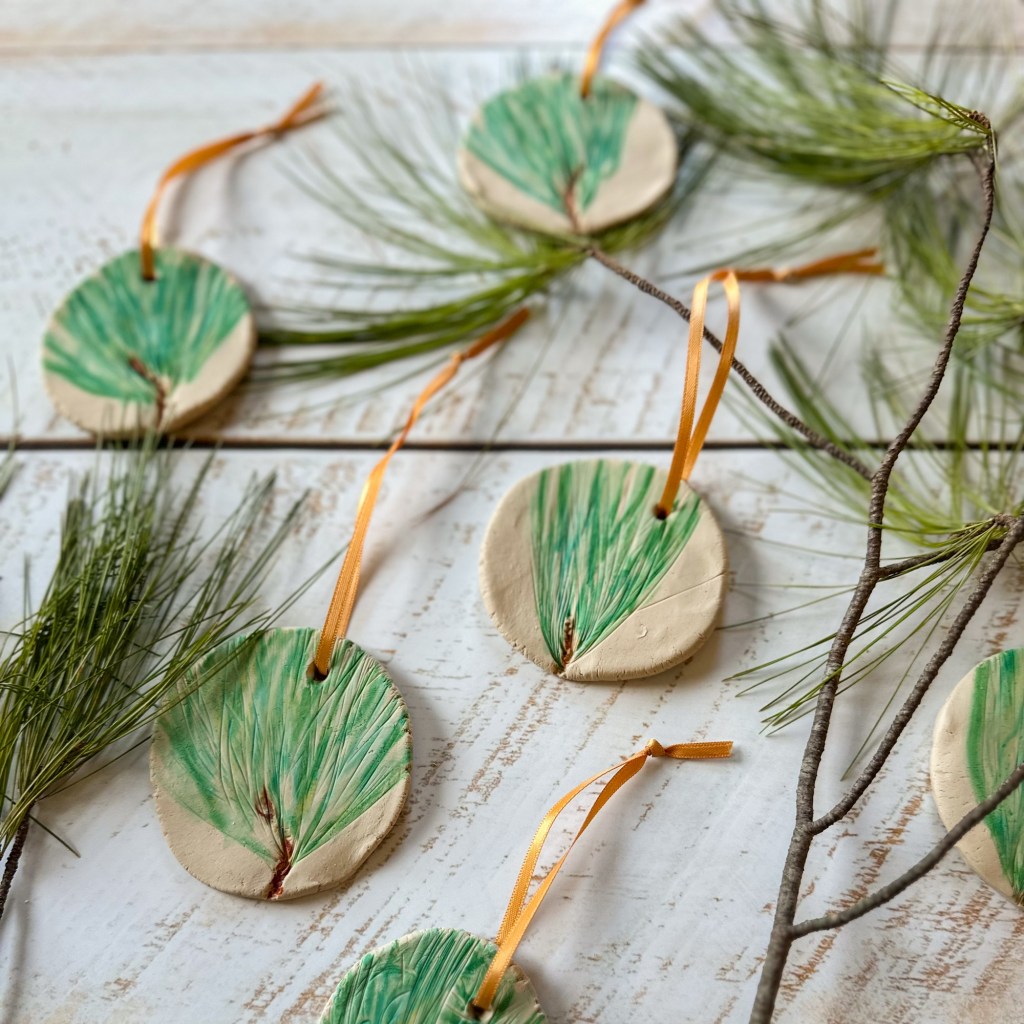
I wanted to share a fun winter craft with you today: simple, sweet pine needle impression clay ornaments!
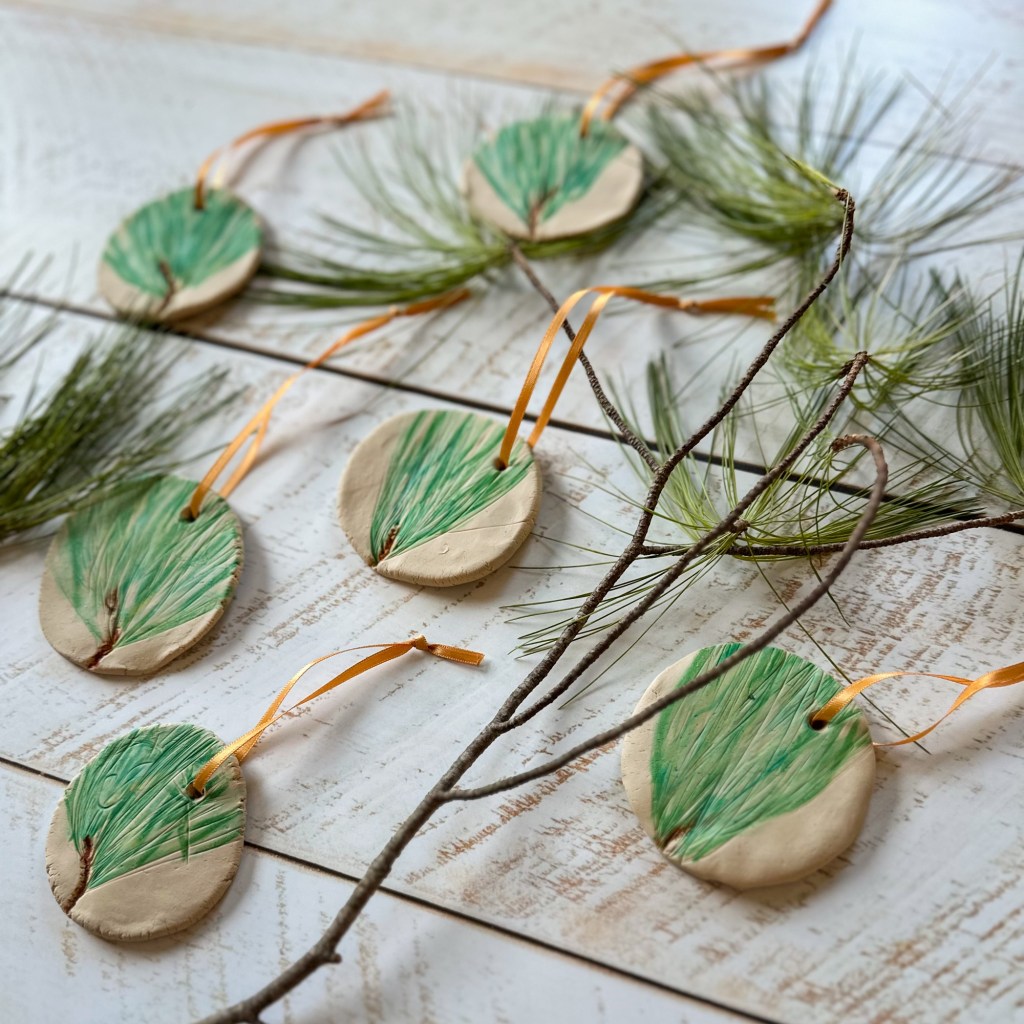
I know these are not a new idea, but I’ve been meaning to make some for a while, and I am excited with how they turned out. They are a lovely activity for kids to make, or perhaps a gathering of friends on a wine or tea night!  

And if you live in an apartment where you can’t have a live Christmas tree, or perhaps another reason prevents you, you can forage for pine branches at a local park to take home and make this craft and then apply some drops of pine essential oil to the backs to bring fresh pine scent to your home. (Orange, clove, and cinnamon essential oils would also be fitting and traditional midwinter scents to add!) It’s an accessible way to bring the goodness of pine indoors!

To make the ornaments, roll air-dry clay into 1-inch balls and then press flat into discs with a book or container lid. Or, if you’re fancier than me, you can roll out the clay and use cookie cutters for neater and more uniform ornaments. (Mine are “rustic,” ha!) Then press sprigs of pine needles into the clay to form an impression and poke a hole for ribbon or string. Make sure the ornaments aren’t stuck onto your work surface (waxed paper might help here). Leave them to dry overnight, then the next day paint with watercolor to emphasize the look of the pine sprigs. I used watercolor brush pens and water with a small paintbrush to thin and spread out the paint pigment. 
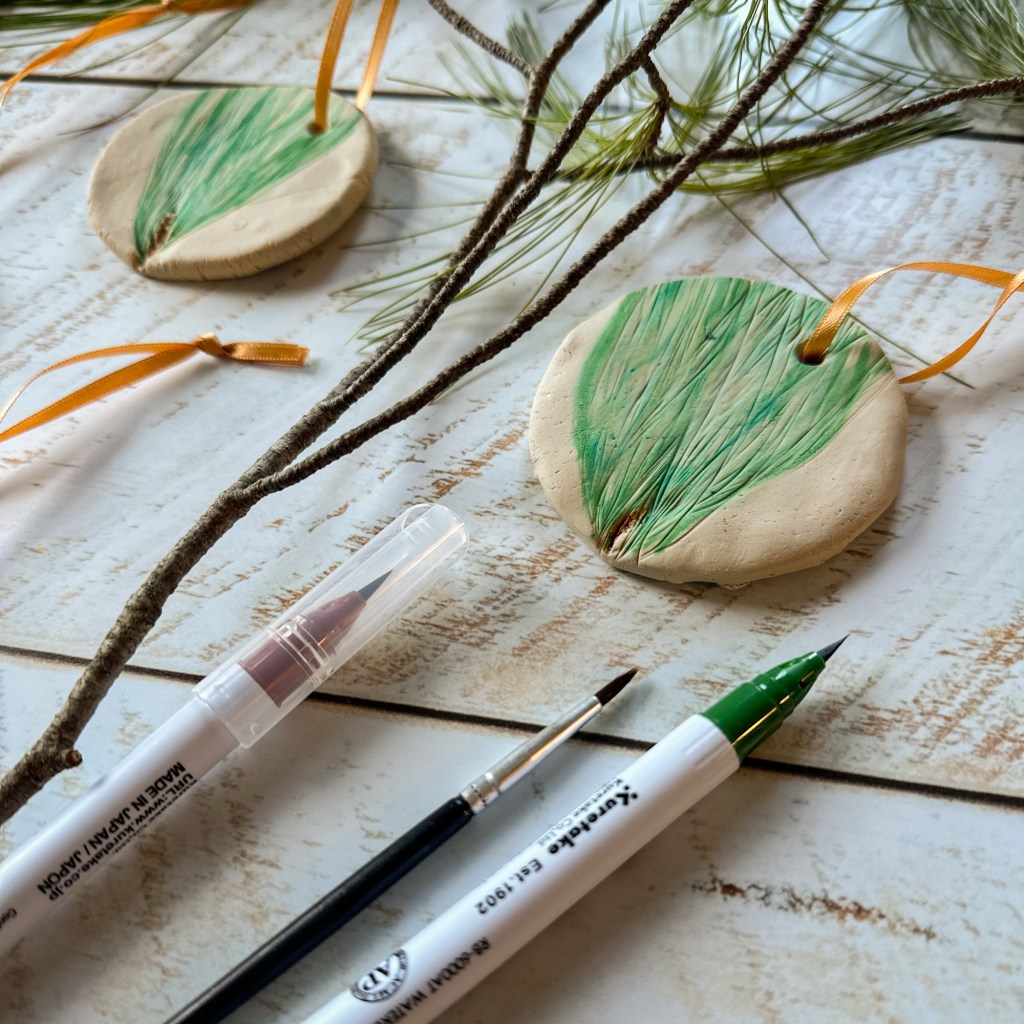
Once dry, string ribbon or twine through so they can be hung on a tree, drawer knobs, stocking hooks, or even used as gift tags. They can also be used as drawer or car fresheners! 

These simple little ornaments aren’t fancy, but they are cheery and fun to make, give you a chance to do some fun winter foraging with kids or friends, and bring a bit of natural pine into your holiday decorating. 

*This post contains affiliate links, which means if you choose to buy something from a link that I share, I will make a small percentage of the sale *at no extra cost to you*.
Categories
Hygge Recipes Tea

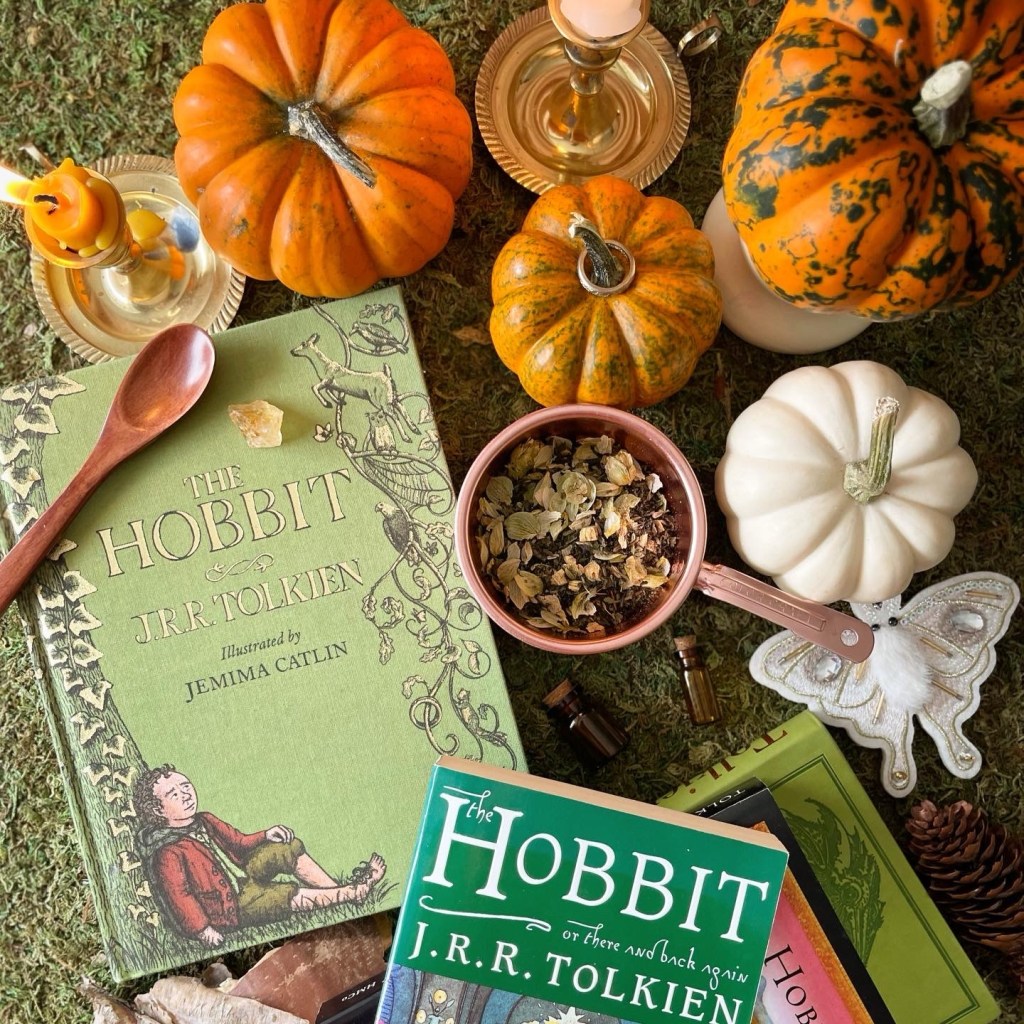
Happy Hobbit Weekend & Tea!

The Hobbit and The Lord of the Rings books by J.R.R. Tolkien have been my very favorite books since I first read them as a teenager, and I have always felt a very strong connection to hobbits: simple folk who prefer the comforts of home, well-stocked larders and bookshelves, and the joy of silly fun with family and friends, yet who can be prevailed upon to draw deeply from a well of courage and wit to save the world on occasion. If any fictional folk represents me, it’s the hobbit-folk. 

So the publication anniversary of The Hobbit (my birthday, 9/21) and the birthday of both Bilbo and Frodo Baggins (9/22) alongside the beginning of fall are all something I like to mark wrapped up into one special span of a couple days. I might read bits of The Hobbit to my own halflings, or we might watch the 1970s Rankin Bass animated film of The Hobbit (wonderfully nostalgic and kid friendly).

We may enjoy a hobbit-y teatime, too, with fresh baked goods and hobbit-inspired tea from the recipe I created. It combines smoky lapsang souchong tea for that famous pipe-leaf all hobbits love, hops to represent the tankards of ale they heartily imbibe, reishi mushrooms foraged right from the woods surrounding the shire, and other flavorful herbs and spices.


Ingredients:

1 part loose leaf lapsang souchong (or other black tea)

1 part mint

1⁄2 part reishi, broken into small pieces (substitute with licorice root if you are unable to find reishi)

1⁄2 part hops

1⁄4 part fennel

1⁄4 part nutmeg

1⁄4 part powdered vanilla bean or 1 vanilla bean per 4 cups of tea, split

Directions:

To make a single cup of tea, add 1 tablespoon to a tea strainer, eco- friendly tea bag, or French press. Pour 1 to 1 1⁄2 cups hot water over the tea and steep for 5 minutes. Add honey or other sweetener, if desired.


For educational purposes only. Not intended for medical advice. Always consult your physician.

*This post contains affiliate links, which means if you choose to buy something from a link that I share, I will make a small percentage of the sale *at no extra cost to you*.

Categories
Hygge Recipes wheel of the year

Ostara: Orange Vanilla Soda Bread

There is, in my opinion, no better way to celebrate the turning of the season (or just anything!) than with warm, freshly baked bread. You just can’t help but be mindful for a moment as you stop and appreciate the ingredients that went into the bread, the hands that made it, and the warming and grounding experience of enjoying it. That is some simple but powerful alchemy, right there. 

This year for Ostara (the spring equinox) I decided to make an easy, rustic loaf of soda bread with some cheery, sweet, springy flavors. I incorporated orange zest and juice and vanilla, because the two together just put me in mind of sunshine and the sweet scent of early spring flowers. 

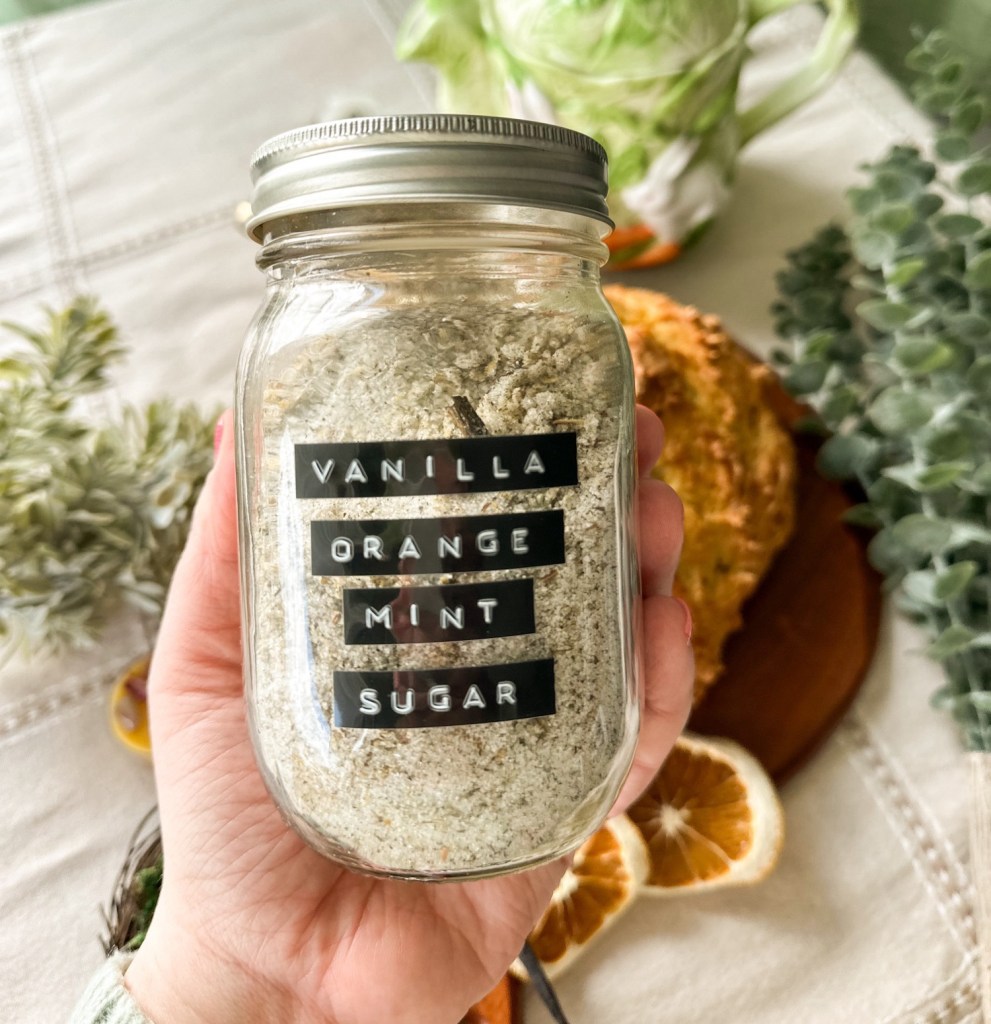
I also sweetened up this traditionally sugarless recipe with a generous helping of the vanilla-orange-mint infused sugar I made awhile back. You could easily use plain sugar, of course, but I had this on hand and it further drives that flavor home and adds a little something extra. 

My family loves snacking on this bread, and it is really nice at breakfast time, too. I like to think it’s a very hobbit-ish sort of treat to celebrate spring with!


The recipe for Orange Vanilla Soda Bread:

Ingredients

4 cups flour (all white flour, part whole wheat, or you could also try your preferred GF flour)

1 ½ tsp baking soda

1 ½ tsp salt

3 Tbsp sugar (vanilla orange mint sugar)

2 tsp vanilla extract

Zest of one orange

1-2 Tbsp orange juice

1 ½ to 1 ¾ cups buttermilk

Method

Preheat oven to 400°F.

In a deep mixing bowl, mix together flour, baking soda, salt, and sugar with a whisk. Whisk in orange zest.

Make a well in the dry ingredients and add the wet ingredients to it. Mix together with a wooden spoon, folding and turning the bowl until a sticky dough forms. If the dough seems too dry, you can add additional buttermilk a spoonful at a time.

Scoop ball of dough out onto a large floured cutting board. Knead a few times lightly. It will still be quite sticky, but you can flour your hands and add a pinch or two of flour if it seems too wet. 

Form into a large round loaf. Place in a greased / oiled Dutch oven or on parchment paper on a baking sheet. Cut an X into the top with a sharp knife. Top with a small pat of butter on each of the four quadrants if you’d like. 

Cover with the Dutch oven’s lid or tent with foil and bake for 30 minutes. Remove cover and bake for an additional 15 minutes. Bread is done when a toothpick comes out clean and/or the X in the center appears done (my X disappeared 😅 but that’s ok). It should also sound hollow if you tap it!

Allow to cool for 10-15 minutes before eating. Then, enjoy!


I love making infused sugars! Here is the recipe for Orange Mint Vanilla Sugar:

Ingredients

1.5 cups of white sugar

Zest of one orange

1 Tbsp ground dried peppermint leaf

1 vanilla bean

Method

Mix the white sugar, the fresh zest of one orange, ground dried peppermint (pulsed to a powder in a coffee grinder reserved for herbs), and one vanilla bean (split and scraped, then the whole bean tossed in) in a bowl. Then spread it out to dry a while on a cookie sheet before transferring the mixture (including the vanilla bean) to a jar. The vanilla bean will continue to impart its sweet flavor in the sugar and it will only get better!

Let the jar sit tightly lidded for a few days to infuse with all the lovely orange oil and vanilla. Then you can use the sugar in teas, coffee (have you ever tried the combo of orange and coffee?), baked goods (imagine rolling sugar cookies in this!), fancy cocktail / mocktail rims, and more!


How do you plan on celebrating the start of spring, in your own way, big or small?


For educational purposes only. Not intended for medical advice. Always consult your physician.

*This post contains affiliate links, which means if you choose to buy something from a link that I share, I will make a small percentage of the sale *at no extra cost to you*.
Categories
herbal skincare Hygge Recipes

Happy Vibes Perfume & Aromatherapy Oil

A few friends close in heart but far geographically exchanged holiday gifts recently. It was so much fun to send homemade gifts to each other! Some were gifts that we had made to give to friends and family for the holiday season, but I wanted to include something that made me think of them specifically.

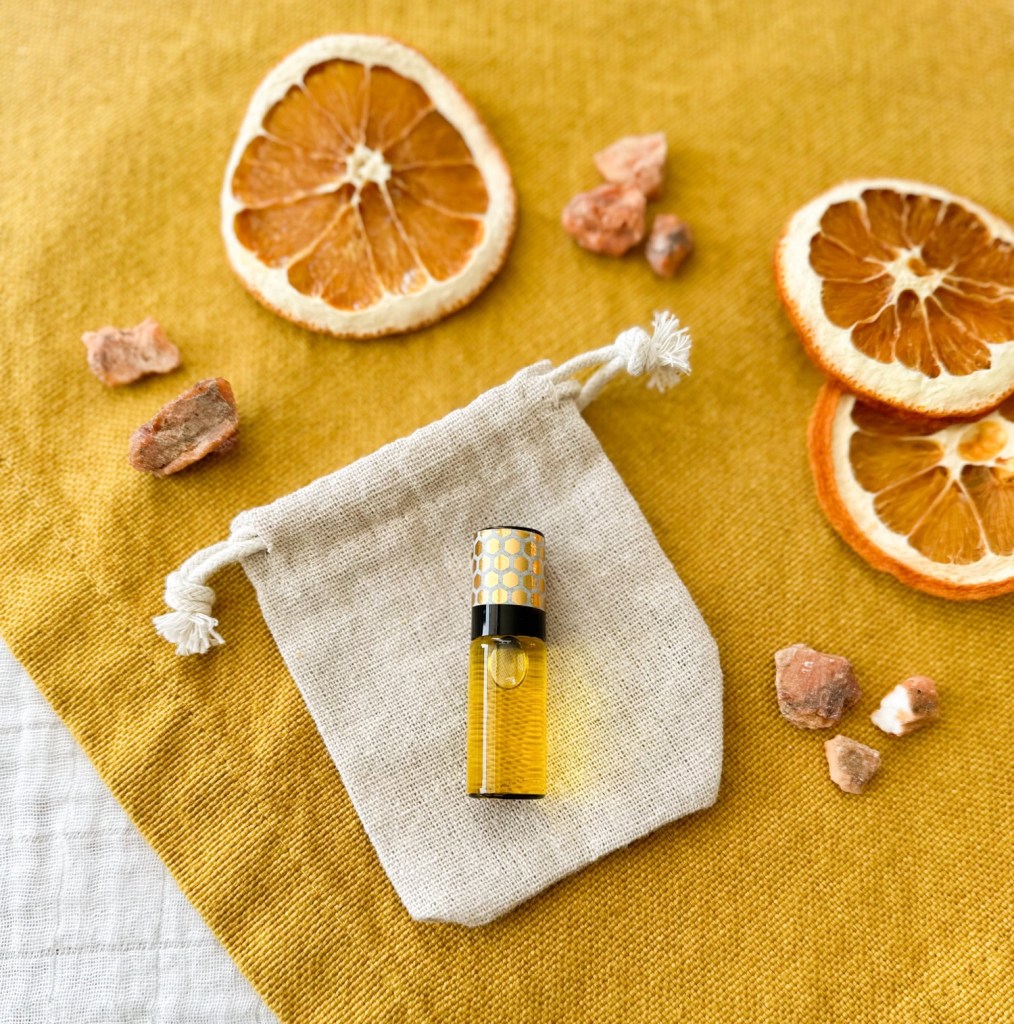
So I created us each a Happy Vibes essential oil perfume / aromatherapy roller to convey the joy I get from our friendship!

The scent is very reminiscent of orange blossom: floral, sweet, creamy and citrusy, with a touch of green. Uplifting and happy! Just like our friendships. The intention infused in the making of these rollers conveys that joy each time I apply a bit to my wrists and experience the scent!

Would you like to make some of your own rollers for friends who make you feel happy vibes?

You Will Need:

To Make:

To make a perfume roller, fill a 5 ml roller bottle about halfway with jojoba oil. Add 4 drops of ylang ylang essential oil, 3 drops of benzoin essential oil, 2 drops of tangerine essential oil, and 2 drops of cypress essential oil. (If you have sensitive skin, you can adjust and use less of the essential oils. If you want a stronger scent for aromatherapy, you can add 1-2 more drops of each oil.) Fill the remaining space in the bottle with more of the jojoba oil, leaving a little headspace for the roller. Insert the roller and screw on the cap, giving the bottle a swirl to mix the oils in.

——

*This post contains affiliate links, which means if you choose to buy something from a link that I share, I will make a small percentage of the sale *at no extra cost to you*.

Categories
Herbs and Herbalism Hygge wheel of the year

Yule: Candles, Tea, and Books

Happy Yuletide! I can’t say that I am the most knowledgeable regarding the background and traditions of winter solstice celebrations and rituals, but I am learning more as I go and loving what I learn. I wanted to pop in today to share a few of my favorite cozy Yule traditions with you.

Whether you celebrate Christmas, Yule, a combination, or simply mark the winter solstice, the astronomical beginning of winter and the shortest day and longest night are at the center of this occasion. It is a time of merriment as a way to bring light and cheer into the darkness, and to remind ourselves that the sun and its life-giving warmth will return. This is very much based in the agrarian lifestyle of our ancestors and the greater danger winter posed to their survival. Today we feel the hold-over of these traditions in more metaphorical ways but they’re still deeply ingrained. Other pagan and Christian elements and traditions of this holiday came in later, but all still revolve around the natural occurrence of the winter solstice.

Despite the jolly festivities, as I get older I feel the need more and more to snuggle in at home, slow down, eat cozy treats, and enjoy quiet times with my family just playing games and reading books. I think my connection to the natural world slowing down and going to its winter rest deepens the older I get! So I don’t feel the need for more gifts and parties, but rather candles, tea, and good books.

Candles

I absolutely love making my own candles this time of year. With a few simple, natural ingredients, candles that are healthier and more special than the store bought variety can easily be whipped up in your kitchen. Candles add a warming glow to Yuletide evenings and events, can be given as very special gifts, and you can add your own intention both when you’re stirring the wax to make them and when you take the time to light them each night.

Check out the recipe for these Yule Forest Candles I shared last year, these cozy Pumpkin Spice Coffee Candles from when I was just beginning to learn candlemaking, or purchase the Winter Candlemaking Guide from my Etsy shop to learn how to make candles at home.

Tea

Hot tea is a wonderful way to spend a winter evening during the Yuletide season! There is nothing better than brewing a big pot of tea tailored to the energies of the season, your health, or simply your mood. 

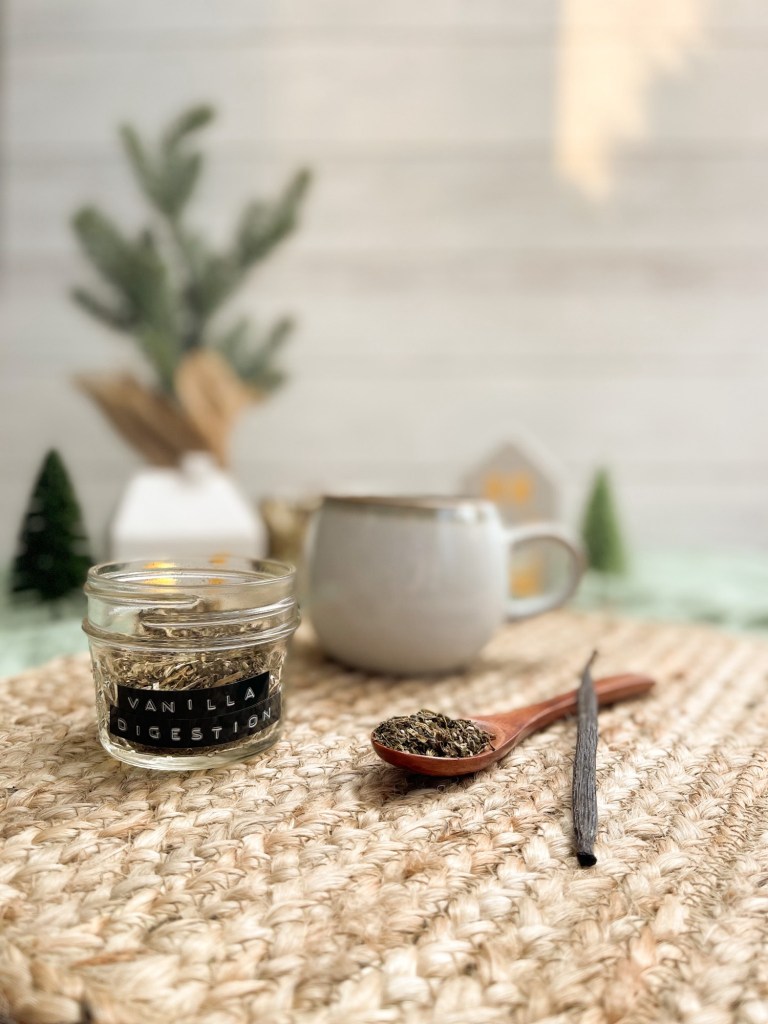
During this season of eating sweets and overindulging, a digestive-boosting tea like the Vanilla Digestion Tea I shared last year can be both helpful and tasty. An Immune Boosting Tea Blend can’t go amiss this time of year, either. Mushroom Coffee makes for a hearty and energizing, yet grounding, brew. Or check out the many other winter tea recipes in my Winter Tea Booklet in my Etsy shop.

Books

I am never at a loss for good books to read! Here I will keep the explanation short and simply share some links to books that are perfect for this season. 

Children’s books about Yule / the Winter Solstice / Wintertime (that are wonderful for adults, too):

The Shortest Day (Susan Cooper)

The Winter Solstice

Goodbye Autumn, Hello Winter

The Tomten

Flower Fairies of the Winter

The Shortest Day (Wendy Pfeffer)

The Nutcracker Ballet

Adult fiction and nonfiction – my recent cozy or cozy-adjacent favorites

Emily Wilde’s Encyclopedia of Faeries

Legends and Lattes

A Spell in the Wild

The Wake-Up Call

The Tale of Hilltop Farm (the Cottage Tales of Beatrix Potter)

The Hobbit

Kitchen Witch

A Morbid Taste for Bones (the Brother Cadfael mysteries)

Little Women

Slavic Kitchen Alchemy

Healing Herbal Teas

What cozy ways are you enjoying the Yuletide season?


For educational purposes only. Not intended for medical advice. Always consult your physician.

*This post contains affiliate links, which means if you choose to buy something from a link that I share, I will make a small percentage of the sale *at no extra cost to you*.
Categories
herbal skincare Herbs and Herbalism Hygge Recipes

Autumn Spice Botanical Hand Soap

DIY botanical hand soap is incredibly simple to make and can bring lovely, refreshing scent, moisturizing properties, and natural ingredients to the sinks in your home. It also makes a nice house-warming or holiday gift!

It is something extra special to concoct your own personalized soap from some of your favorite natural ingredients. You can capture the season, cozy vibes, and your favorite scents all in something you use many times a day! And the process of very easy and fun! My eight-year-old daughter especially enjoys creating this hand soap with me.

Simply combine castile soap, water, herb-infused oil (such as coconut, jojoba, sweet almond, or olive oil), and essential oils (these are optional but help add a stronger scent). You can also add ingredients like vegetable glycerine and/or aloe vera for extra moisturization, and vitamin E oil to extend the shelf life.

For this particular batch of hand soap, I invoked an autumnal energy by including rose-infused jojoba oil, orange essential oil, frankincense essential oil, cinnamon sticks, star anise, dried orange, and a few cloves. The dried botanicals and spices are added for accent and visual appeal, and they are hard enough so they won’t break down too much in the soap mixture to interfere with the soap. If you’d like, envision a warming and cozy intention while adding these to this soap your family and friends will use in your home.

Here is the recipe!


Autumn Spice Hand Soap

Materials:

Instructions:

Starting with a clean jar, add 1 cup water. Add 1/2 cup castille soap and all other ingredients. Replace lid and carefully swirl vigorously to mix. If the jar looks too empty, top up with a bit more water and castille soap.

The mixture will be a bit foamy at the top, and will be thin but luxuriously moisturizing for the skin.

Note: you may need to give it a swirl once in a while as the ingredients can separate while it sits and settles. Also, if very young children or anyone with skin sensitivities will be using the soap, you can omit the essential oils.


Would you make DIY hand soap? Which ingredients or scents would you use in yours?


For educational purposes only. Not intended for medical advice. Always consult your physician.

*This post contains affiliate links, which means if you choose to buy something from a link that I share, I will make a small percentage of the sale *at no extra cost to you*.

Categories
Hygge Recipes

Autumn Rain Candles

It has been so very dry where I live lately…but today, we finally got some much-needed autumn rain! It was the perfect time to pull out this Autumn Rain candle and light it to add to the cozy vibes of the day.

For these candles, I combined beeswax, a bit of coconut oil, and essential oils for a natural scent option. (Make sure you do your due diligence in choosing ethical essential oil companies to buy from).

The essential oils I used to emulate the scent of autumn rain (after some experimentation) are ylang ylang, juniper, cypress, grapefruit, and frankincense. To me, this combination evokes the sweet, earthy, and green scent of rain on autumn leaves. That fragrance is a very special sort of magic, isn’t it?!

Here is how I made the candles, if you want to try making your own!


Making 6 4-oz candles—

Materials:

Double boiler (optional)

6 four-ounce jars

6 candle wicks

Wick positioners or popsicle sticks

3 cups beeswax pellets

¾ cup coconut oil

Essential oils:

Ylang Ylang – 40 drops

Cypress – 40 drops

Juniper berry – 25 drops

Grapefruit – 15 drops

Frankincense – 20 drops

(I recommend combining your essential oils beforehand in a glass eo jar to let the scents mix and do their thing before making the candles!)

Method:

Prepare your area; wax will be dribbled! Protect your work surface if you prefer.

Melt the beeswax pellets and coconut oil in the double boiler (can also be microwaved). While they melt, prepare candle jars with wicks, using positioners or popsicle sticks.

Once the wax is melted, remove from heat and carefully add and stir in essential oils. They will not mix or dissolve completely, but will disperse well enough with mixing.

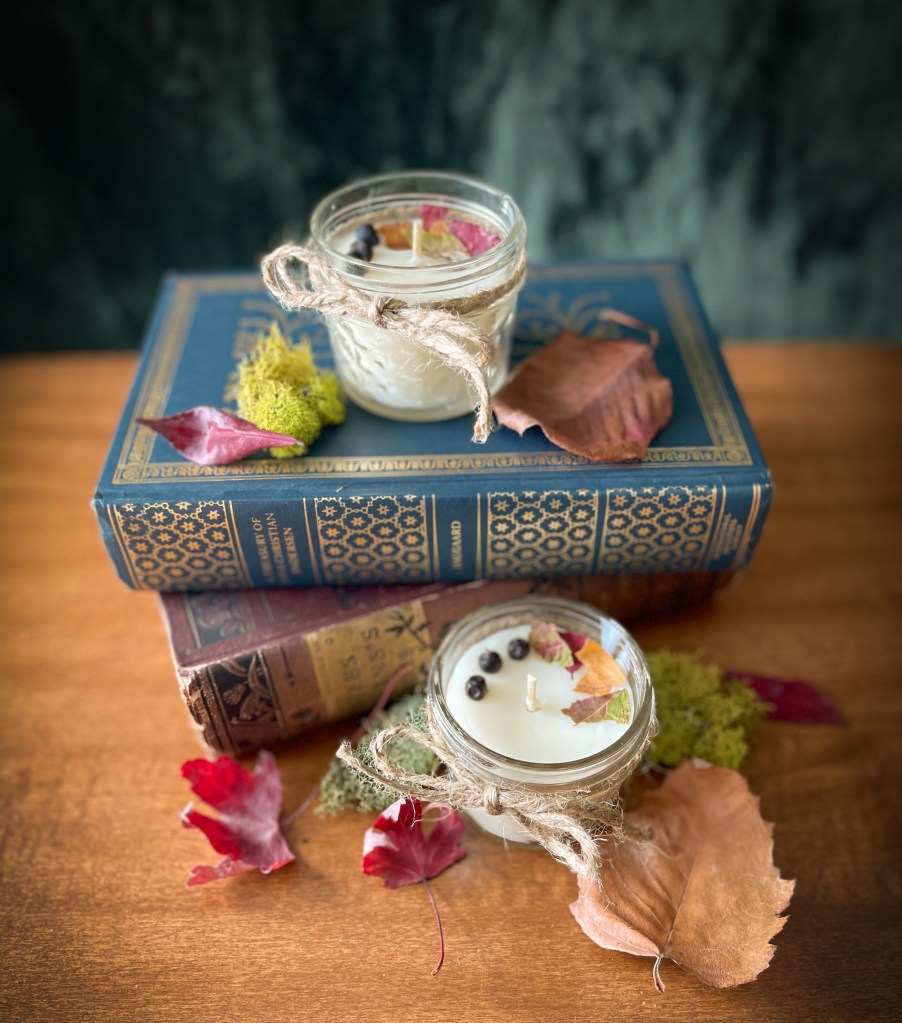
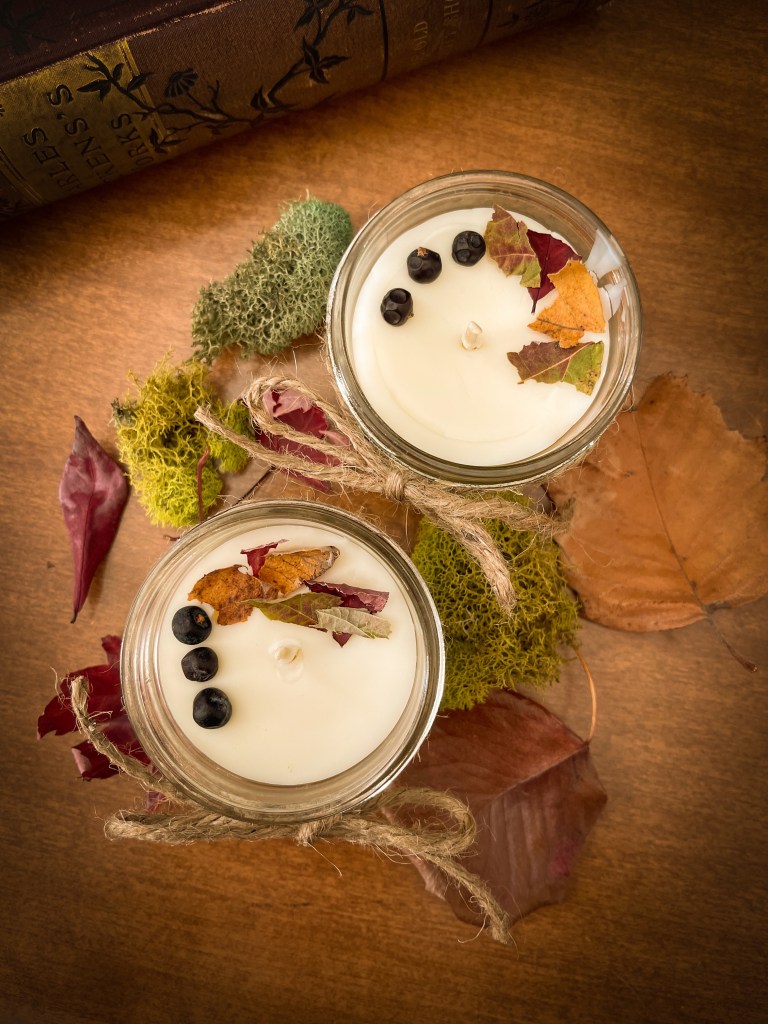
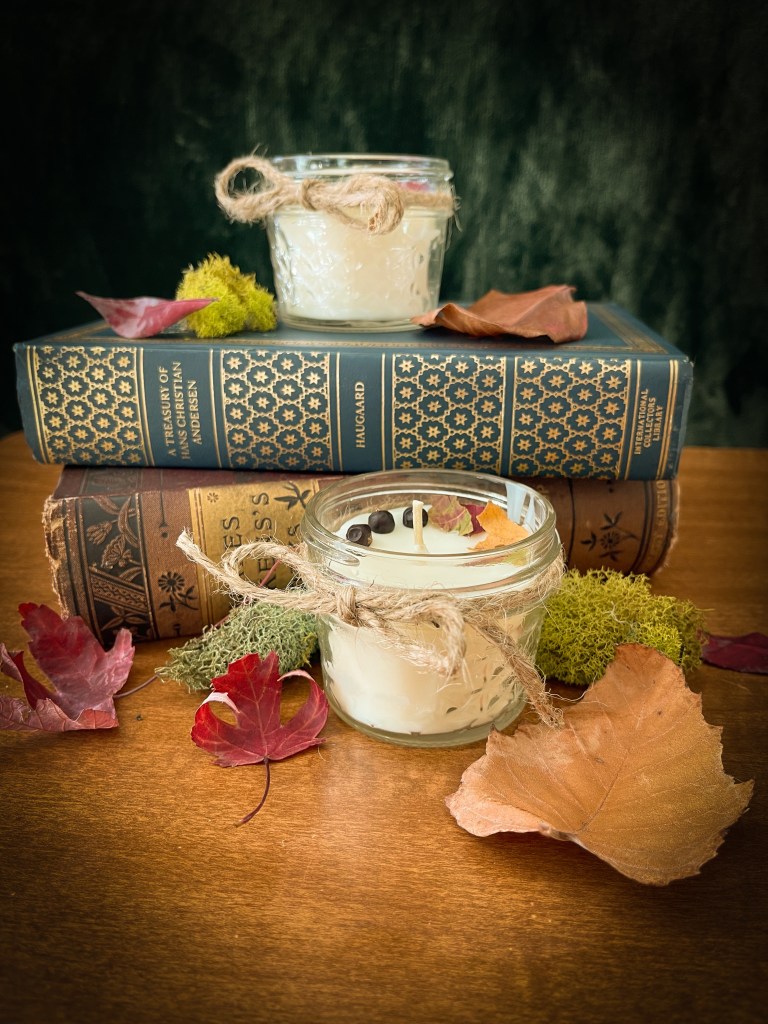
Carefully pour hot wax into jars. Allow wax to cool and set nearly completely before topping with optional adornments. (I used juniper berries and autumn leaves!)

((A trick to avoid wick tunneling: pour the candle wax about half to three-quarters full and allow to cool a bit (you might put them in the fridge to speed up the process). Using a toothpick, poke three or four deep holes into the mostly-set wax and then pour the rest of the hot wax on top. This helps the wax to settle flat and not tunnel around the wick, for some reason!))

Trim wicks and allow candles to cure for a minimum of 24-48 hours before burning. (Longer is better!)


For educational purposes only. Not intended for medical advice. Always consult your physician.

*This post contains affiliate links, which means if you choose to buy something from a link that I share, I will make a small percentage of the sale *at no extra cost to you*.

Categories
herbal skincare Hygge Recipes

September Perfume Oil

I decided to whip up an adorably tiny roller bottle of September-inspired perfume oil recently! I love teeny roller bottles because I can make a small amount to test out the scent combination, and I don’t have to worry about making too much if it’s something I’m only going to use for a short period because it’s intention is geared to a specific occasion or month.

The basis of this essential oil blend is Ho wood and benzoin, which are creamy, vanilla-esque scents that I find very cozy. Combined with these are notes that are spicy, woodsy, sweet, and a hint of floral. To me, this combination evokes early autumn: the sweet and creamy scents are rich, yet sunny and light, and the spice is subtle enough to hint at autumn without being too heavy.

If you have sensitive skin, you probably ought to cut back on the EOs when making this recipe, and you can leave out the cinnamon and cardamom if they might be irritating. (The cinnamon chips included will gradually infuse in the base oil anyway!)

And, as always, be sure to source and use essential oils responsibly and from reputable, sustainable sources. (Not an ad and not sponsored at all, but I get most of my essential oils from Mountain Rose Herbs and Simply Earth.)

Materials:

5 ml roller bottle

Dropper

Carrier oil of choice (I like olive oil even though it’s a bit unorthodox—I used calendula-infused olive oil to make it extra special!)

Cinnamon stick chips

Essential oils, in drops:

3 Ho wood

3 benzoin

2 cypress 

2 sweet orange

1 geranium

1 cinnamon

1 cardamom

Method:

Add a few pieces of cinnamon stick chips. Fill the bottle about halfway with carrier oil using a dropper. Carefully add the essential oil drops, then top with more carrier oil—make sure to leave room to insert the roller ball top. Add the roller and cap tightly, shake to mix well, and let it sit a day or two before using.

What scents put you most in mind of September?

Categories
Hygge Recipes

Gluten Free Chai Apple Crisp

It may not be pumpkin spice time yet (Says who? It’s always pumpkin spice time to me!) but apples are ripening and it’s a great time to whip up some apple crisp. I am gathering with friends this evening, so I made a chai apple crisp that is gluten-free for one of my friends’ dietary needs.

You can’t fault me for rushing Autumn if I’m using chai spices! And anyway, there are so many benefits to chai spices. Medicinally they’re immunity boosting, digestion aiding, circulation stimulating, and so much more—check out THIS blog post for more on that. Chai spices also help soothe, relax, and even help with sleep. And symbolically / spiritually, many of these warming spices are said to bring prosperity, protection, joy, and divinatory insight. Plus, they’re just cozy and tasty! Perfect for a gathering with friends paired with tart Granny Smith apples.

Here is the recipe!


Gluten-Free Chai Apple Crisp—

Ingredients

For the filling—

  • 8-10 Granny Smith apples, peeled, cored, and sliced or chopped
  • 2 Tbsp gluten-free flour blend
  • 2 Tbsp sugar
  • 1 tsp pumpkin spice mix (cinnamon, nutmeg, ginger, and cloves) or ¼ tsp of each 
  • 1/4 – 1/2 tsp allspice
  • 1/2 tsp cardamom powder
  • 1 tsp vanilla extract

For the crumble—

  • 1 cup gluten-free old-fashioned oats
  • 1/2 cup gluten-free flour blend
  • 1/8 tsp salt
  • 1 cup dark brown sugar
  • 1/2 tsp pumpkin spice
  • 1/8 tsp allspice
  • 1/4 tsp cardamom
  • 1 stick of butter of choice, cold, cubed

Method

Preheat oven to 375° F. Grease a 9 x 13 glass baking dish and set aside.

Prepare apples and put in a large mixing bowl. Sprinkle with sugar, flour, and spices and stir to coat; add vanilla extract and stir again. Scoop this mixture into your greased baking dish.

In the same mixing bowl if you’d like, mix the oats, flour, spices, and salt well. (If you’d like to ease back on the spices, omit them from the crumble.) Add the brown sugar and butter and cut in with a pastry blender or fork until pebbly consistency is reached. Sprinkle over the apple filling evenly.

Bake 30 to 35 minutes; cool before serving.


Notes

Serves 6-8

Substitute in your favorite chai spices and play around with the amounts to your preference!

Would also be amazing with walnuts in the crumble topping.

This recipe could easily be adapted to be non gluten free with conventional flour.


Are you a big fan of apple crisp? And do you think August is too soon for it? Let me know in the comments!

Categories
Botanical Anthology Folklore Hygge Recipes

Juniper Folklore

“The odor of burning juniper is the sweetest fragrance on the face of the earth, in my honest judgment; I doubt if all the smoking censers of Dante’s paradise could equal it.”

—Edward Abbey


Happy (belated) New Year!

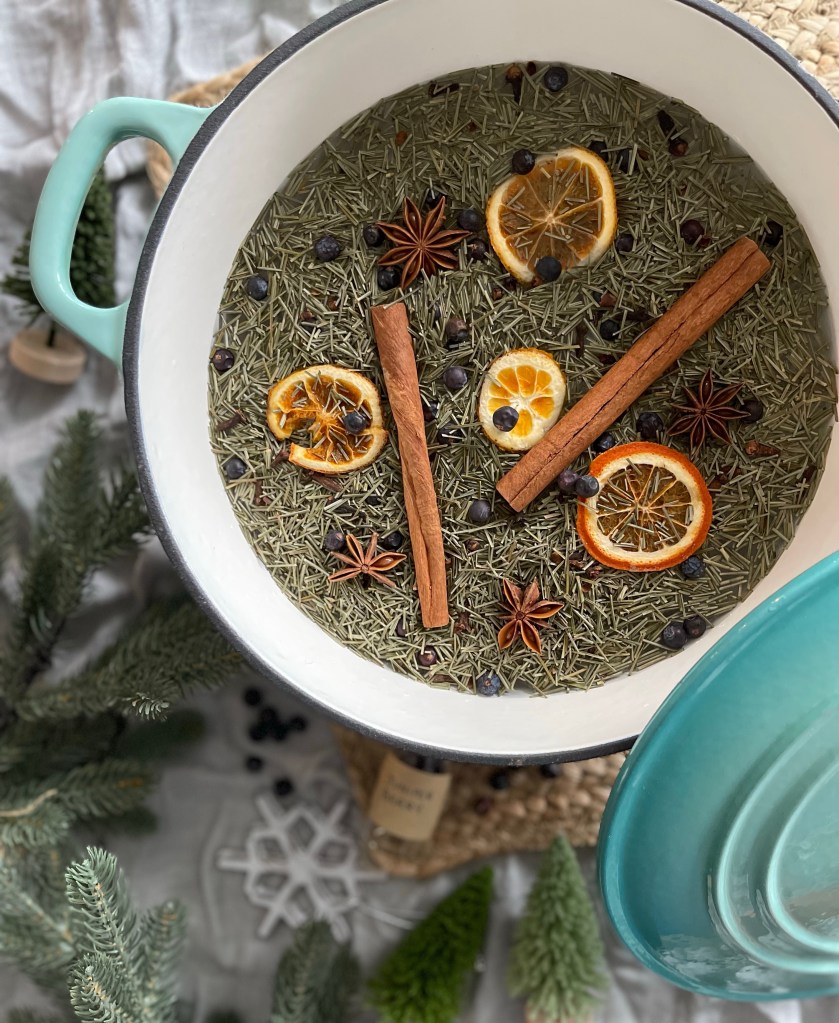
Today, my wildlings are back at school, and I am celebrating the beginning of the new year with a simmer pot containing dried juniper berries, pine needles, orange slices, cinnamon, rosemary, and cloves. (You can read more about it on my Instagram post HERE.)

Did you know I wrote an article all about juniper folklore for the recent Winter Botanical Anthology? I’m case you missed it, and because juniper is such a lovely botanical for this time of year, I thought I’d share that article with you here today!


Though it’s perhaps not the first evergreen one thinks of in connection to winter, juniper has a long and storied history that often ties it to the colder parts of the year. 

Juniper represents hope and warmth, thriving in overwrought soil where other trees can’t. It is symbolically, elementally, and astrologically associated with fire, ruled by the Sun and closely tied to Mars. Juniper also symbolizes eternal life.

The juniper tree’s berry-like cones and twigs provide food for animals, often the only available winter sustenance. They offer culinary and medicinal uses for humans, and there are many ritualistic applications for juniper’s wood and berries, as well. It is quite interesting how juniper’s folk associations mirror its medicinal uses.

The age-old use of juniper medicinally for healing, relieving stagnation, and protection from diseases probably stems in large part from the berries’ diuretic and anti-inflammatory properties. One of the most pleasant ways to administer these medicinal benefits came in the form of gin, the juniper berry liquor that dates back as far as the 11th century, as well as medicinal juniper twig beer. 

In accord with these historical medical practices, juniper was—and still is—used in folk practice for protection. For disease, poison, plague, spirits, demons, and especially thievery, juniper has been a potent ward. 

Often, smoke and charms are the vehicle by which juniper performs this protective service. Many cultures, including ancient Greeks and Egyptians, used juniper incense in this manner. Various types of protective amulets and charms were made from juniper berries, as well. The trees have even been long used in some places as Yule or Christmas trees or greenery for some added protection.

The Scottish have a long-standing winter tradition. The day after Hogmanay, the celebration of New Year’s eve, women would perform a saining, a smoke cleansing of the entire house with smoldering juniper branches. The aromatic smoke was carried and dispersed throughout the house for blessings, purification, and protection for the coming year; the same was performed through barns and to purify livestock. 

Several species of juniper are also native to the Americas, as reflected by juniper’s presence in many indigenous Americans’ traditions and tales. Among those, the Hopi, Navajo, Blackfoot, and Seneca tell legends surrounding the tree or its berries. A Seneca tale involves junipers and other evergreens standing up to old man winter so spring may return. 

While winter persists, perhaps juniper is a plant to explore a deeper relationship with. Whether it’s branches in greenery that decorates the home, fragrant incense, or even a sip of gin, inviting juniper in is a way to connect to this plant’s long history.