Categories
herbal skincare plant wonder collective

Linden & Lavender Body Wash

Linden makes a lovely, calming, skin replenishing ingredient in botanical recipes in the form of an infused oil! It also complements the scent and properties of lavender infused oil very nicely. I decided to incorporate both into a homemade body wash recipe using simple, natural ingredients!

Homemade herbal recipes that contain water can have a short shelf life, so it’s best to make them in small batches. However, if you make a larger amount of infused oil in advance—infused oils keep longer than water-based products—then it is easy to store the oils in glass jars and mix up batches of the body wash as needed. An additional option is to add a bit of natural preservative, such as leucidal liquid—made from fermented radishes!

Linden & Lavender Body Wash

Materials:

Infused oil—

Double boiler or saucepan

4 pint jars

Dried linden

Dried lavender

Jojoba oil

Sweet almond oil

Body wash—

⅓ cup castile soap

4 Tbsp linden-infused jojoba oil

2 Tbsp lavender-infused almond oil

1 Tbsp raw honey (optional)

⅓ cup water (or less!)

1 tsp leucidal SF complete

40 drops EO (optional):

20 drops lavender

10 drops chamomile

10 drops lemon

Method:

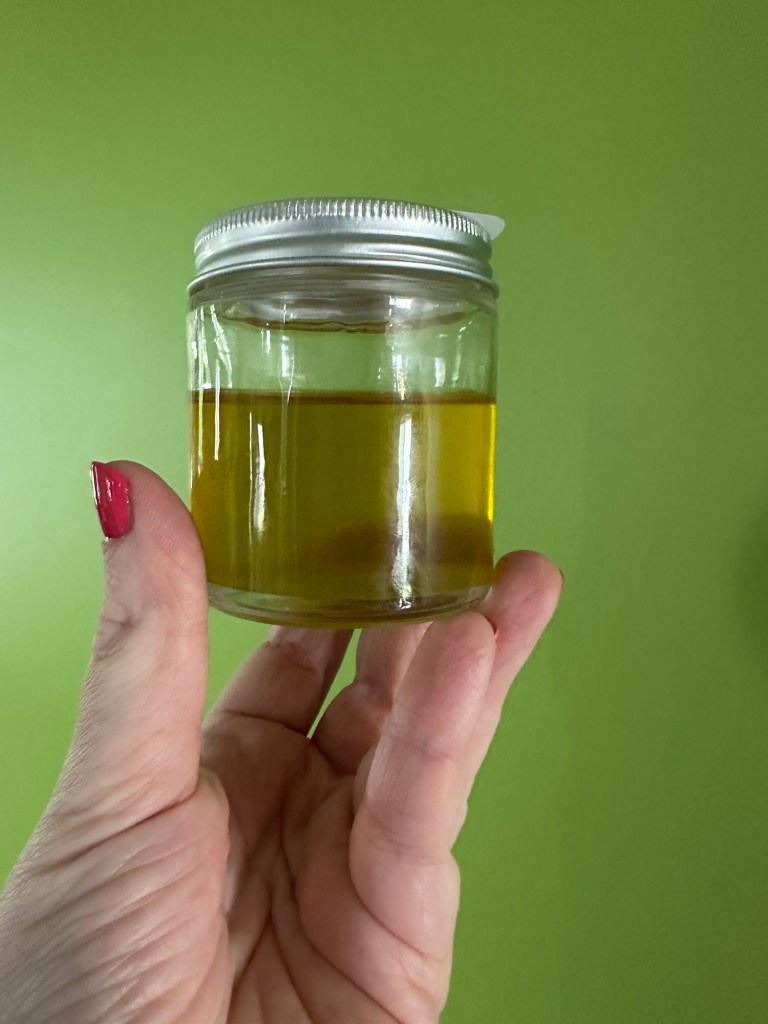
Begin by infusing your herbal oil. Do this by filling one jar about ½ full of dried linden, then filling with jojoba oil until the dried plant material is completely submerged, using a chopstick or wooden spoon handle to remove any air bubbles. Do the same with the dried lavender and sweet almond oil, filling the jar about ⅓ full with the lavender. Place both jars into a saucepan or bottom of a double boiler pan with about 1 ½ to 2 inches of water and place on the stove over low heat for 3-5 hours, watching closely to ensure that it doesn’t get too hot (you don’t want to cook your herbs!) and making sure the plant material stays submerged. Remove from heat and allow to cool once the oils have changed in color from the herbs and smell fragrant. After cooling, strain through a fine mesh strainer with cheesecloth into clean jars. 
To make the body wash, find a soap or body wash pump bottle to repurpose; remove the old label and clean well. Add the castille soap, herb-infused oils, honey if using, and water (decrease amount if you want a thicker body wash; you might also want to add small amounts of water at a time and test the consistency till you reach your preferred thickness). Cap and shake, and you might also want to stir it with a chopstick to ensure the honey is fully incorporated. Then add essential oils and leucidal liquid and shake/stir again. 

Use in the shower or bath, shaking well each time you use. Enjoy the relaxing scent and the nourishing properties of the linden and lavender oils!

——

For educational purposes only. Not intended for medical advice. Always consult your physician.

*This post contains affiliate links, which means if you choose to buy something from a link that I share, I will make a small percentage of the sale *at no extra cost to you*.
Categories
Herbs and Herbalism plant wonder collective Recipes

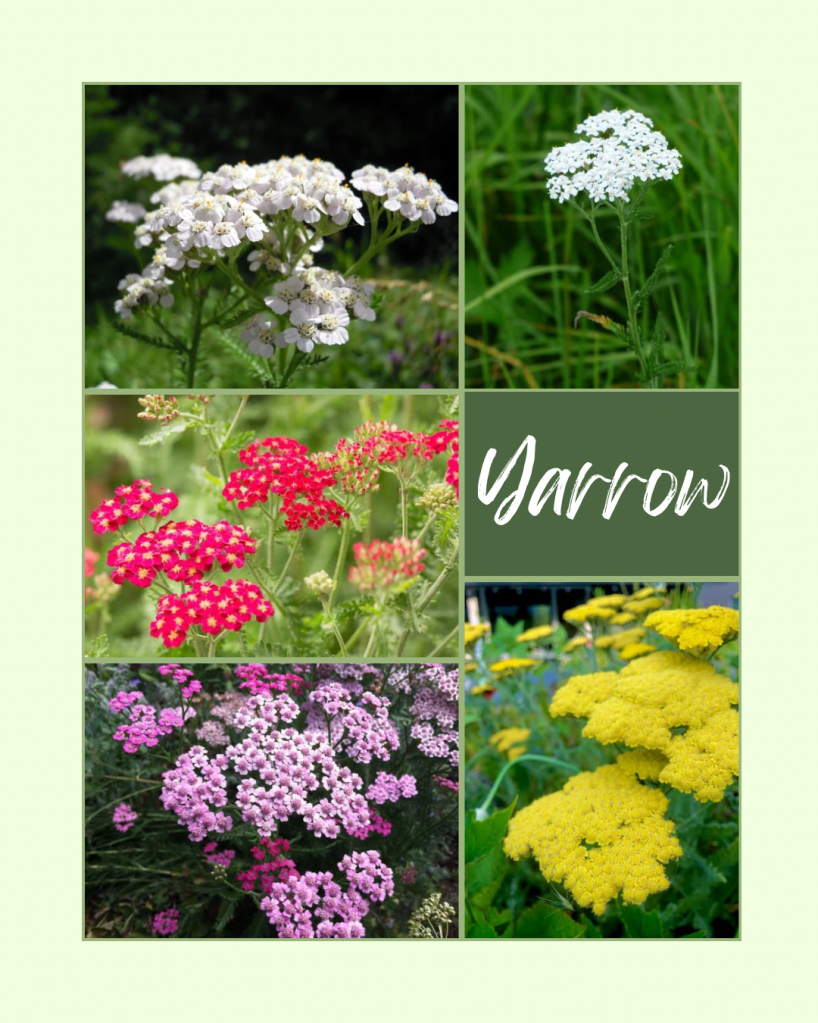
May: Yarrow Behind the Scenes

The plant of the month for herbal studies in the Plant Wonder Collective and our Patreon Study Circle is Yarrow! 

Yarrow is a plant that I had not previously worked with very much, outside of adding a pinch of it to tea blends here and there. So I am really loving learning more about it in terms of its medicinal and spiritual attributes. 

Yarrow is a bit of a chameleon; it can be both cooling and warming, aiding flow and stopping it, and in astroherbalism terms it has ties to both water and air. But harmonizing lies at the center where these variances overlap. Finding wisdom in discernment, in balance, in both drawing clear boundaries yet allowing for flow and openness, all bring harmony. (Yarrow cards shown from The Herbal Astrology Oracle and The Herbcrafter’s Tarot.) 

In folklore, yarrow is associated with love and visionary abilities; the tides of emotion and the clarity of communication that a combination of water and air brings. 

One of my new favorite ways to work with yarrow is in a lovely skin toner. Toners are not just about wiping down your face at night to improve skin and treat blemishes; they are a beneficial ritual that, when used before bed, can offer (magical-metaphorical-mindful-whatever you feel best calling it) plant-infused healing, nurturing, and intention. Botanical glamour magicks or simple self-care, it’s all the same. 

Yarrow is at the heart of this new skin toner recipe I’ve created to offer the medicinal applications of astringency (pore tightening and texture benefitting), anti-inflammation, promoting circulation, and anti-microbial action for acne. But it is also present for its more esoteric value of promoting love, beauty, attraction, happiness, balance, and protection. Its association with war and battle—Achilles was said to have treated his soldiers’ wounds on the battlefield with it—means that your use of it each night is like putting on your own magical armor to defend against outside forces. And the folk application that witches might have used yarrow to boost the potency of workings translates here as an amplifier for your own inner power. 

This toner also includes lavender for calming the skin and the mind, hawthorn for its antioxidants and heart-mending magic, and rose water for moisture, soothing, and beauty.

Materials

¼ cup dried yarrow

¼ cup dried lavender

2 Tbsp dried hawthorn leaf & flower 

2 Tbsp dried hawthorn berries 

½ cup rose water (rose hydrosol)

Witch hazel

1-pint mason jar

BPA-free plastic lid or waxed paper

Method

Add dried plant material to your jar. Add rose water, then top up with witch hazel, leaving about 1 inch of headspace at the top of the jar. Stir with a wooden chopstick or the handle of a wooden spoon to make sure all the plant material is submerged and your liquids are well combined. 

If using a BPA-free plastic lid, cap it tightly; if using waxed paper and a regular metal canning lid, add the waxed paper first before screwing the lid on to prevent corrosion of the metal. 

Label your jar with the contents and date, and allow to steep for 2-4 weeks. Top up with extra witch hazel if the plant material floats to the top and dries out. 

Strain the plant material out with a mesh strainer and coffee filter or cheesecloth, bottle (a spray bottle works well), and use by spritzing or swiping over your face gently with a soft cloth. 

Note: you can also add a few drops of lavender, rose, jasmine, or geranium essential oil to the toner if you’d like!

This year will be my first year to grow yarrow in my little chaotic herb garden at home. I am a bit of a “throw it at the wall and see what sticks” gardener, so I have a few spots where I plan to plant a bit: in those “luck garden” flower beds I mentioned earlier in this month’s Little Rituals post, in a couple containers in my patio tea garden, and around my daughter’s new rose bush because my fellow PWC friend Erin Harwood (@plantmagicwitherin on Instagram and Ponderings & Wanderings on Substack) shared that yarrow can aid in attracting helpful insects that feast on pesky aphids. Check out her Substack for lovely plant content, by the way!

Aside from love, beauty, protection, and healing, yarrow is valued for its divinitory insight, emotional strength, and has ties with the faeries and animal magic. 

A simple yarrow tea can be drunk to aid in clarity and insight.

A pouch of yarrow can be carried as a token and talisman for courage, protection, and love. 

In the kitchen, yarrow has a long history of use in fermented drinks like beer and mead. If you are a brewer, try replacing hops with yarrow to mix things up! Or, perhaps infuse some yarrow honey, add the young fresh leaves to a salad, or grind the dried flowers for seasoning blends and salts—I plan on trying that soon!

Categories
Botanical Anthology Recipes Tea

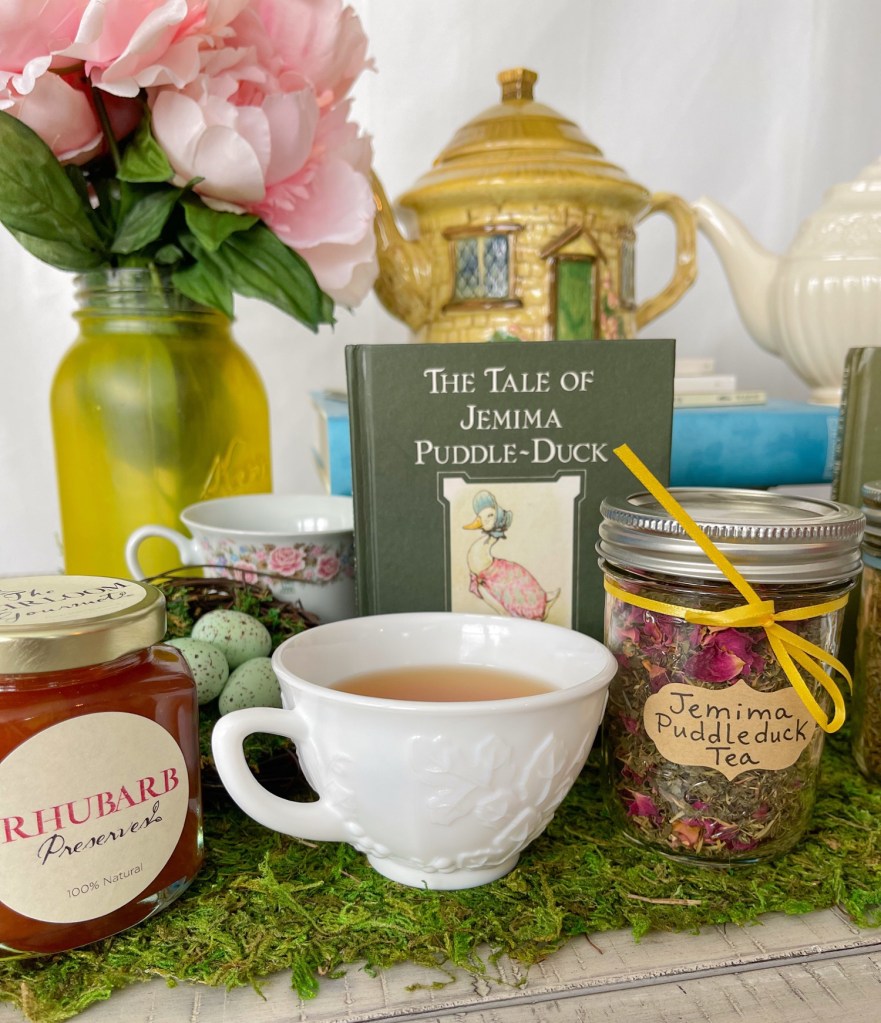
Jemima Puddleduck Tea

My love for Beatrix Potter knows no bounds. I wish so very much that I could sit down to tea with her and learn about her fascinating life! She was far more than just an author and artist: a studied naturalist, a conservationist, an entrepreneur, a generous benefactor to many causes, and an accomplished farmer and gardener.

One of my favorite tales by Beatrix Potter is that of Jemima Puddleduck. Poor Jemima—she just wants to be left alone to sit on her own nest of eggs. The farmer’s wife and children always seem to find her hiding spots, such as the rhubarb bush, and retrieve her eggs for the hen to warm instead. So, Jemima searches out a secluded spot in the woods to hide her nest, only to be offered a shed by an overly-polite foxy gentleman. More unforeseen events befall Jemima, but in the end she avoids catastrophe and hatches four ducklings on her own.

I created an herbal tea blend inspired by Jemima’s story, which includes the mint and thyme the fox requested for their dinner party, roses seen in an illustration of the garden, and rhubarb from the bush she attempted to hide her eggs in. (This tart tea is made with botanicals appropriate for a Beatrix Potter-themed baby shower, children’s birthday party, or Easter brunch!)


Materials

2 parts mint

½ part thyme

1 ½ parts rose petals

Rhubarb preserves or simple syrup

Method

To make a single cup of tea, add 1 tablespoon to a tea strainer, eco-friendly tea bag, or French press. Pour 1 to 1 ½ cups hot water over the tea and steep for 3-4 minutes. Sweeten to taste with a bit of fruit preserves or simple syrup, if desired. (Strawberry can easily be substituted for rhubarb!)

———

This recipe was originally published in the spring 2023 issue of Botanical Anthology


For educational purposes only. Not intended for medical advice. Always consult your physician.

*This post contains affiliate links, which means if you choose to buy something from a link that I share, I will make a small percentage of the sale *at no extra cost to you*.
Categories
herbal skincare willow & sage

Spring Floral Perfume Oil

There are few better ways to celebrate the delicate blooms of springtime than with a lovely tea party. A tea party in a flower garden? Even better. Or perhaps you can conjure up the feeling of such an occasion with a natural perfume oil incorporating the scents of spring blossoms. 

This recipe combines lavender-infused almond oil with some lovely essential oils: geranium, lemon, ylang ylang, and ho wood. This combination of scents is dreamy and floral, with hints of tart citrus and sweet earthiness. It’s nourishing to the skin and has a lovely calming effect. 

These mini perfume oil rollers would make sweet gifts at a flower garden tea party of your own. 

You Will Need:

To Make:

To make the lavender-infused oil, fill a pint jar about three-quarters full with dried lavender buds. Pour sweet almond oil to cover flowers, leaving about 1 inch of headspace in the jar. Use a chopstick or the handle of a wooden spoon to push the plant material into the oil so it is fully submerged. Cover with a coffee filter or cheesecloth and secure with a rubber band. Allow to infuse for four to six weeks, then strain out the lavender buds and put the remaining oil in a clean jar. Add 1 teaspoon of vitamin E oil to extend the shelf life of this oil. 

To make a perfume roller, fill a 5 ml roller bottle about halfway with lavender-infused almond oil. Add a pinch of dried lavender buds if you’d like. Add 3 drops of geranium essential oil, 2 drops of lemon essential oil, 1 drop of ylang ylang essential oil, and 1 drop of ho wood essential oil. (If you have sensitive skin, you can adjust and use less of the essential oils. If you want a stronger scent for aromatherapy, you can add 1-2 more drops of each oil.) Fill the remaining space in the bottle with more of the lavender-almond oil, leaving a little headspace for the roller. Insert the roller and screw on the cap, giving the bottle a swirl to mix the oils in. 

Store any unused portion of the lavender-almond oil in a cool dark space. 

———

This recipe can be found in the spring 2024 issue of Willow & Sage magazine!

———

For educational purposes only. Not intended for medical advice. Always consult your physician.

*This post contains affiliate links, which means if you choose to buy something from a link that I share, I will make a small percentage of the sale *at no extra cost to you*.

Categories
herbal skincare Recipes

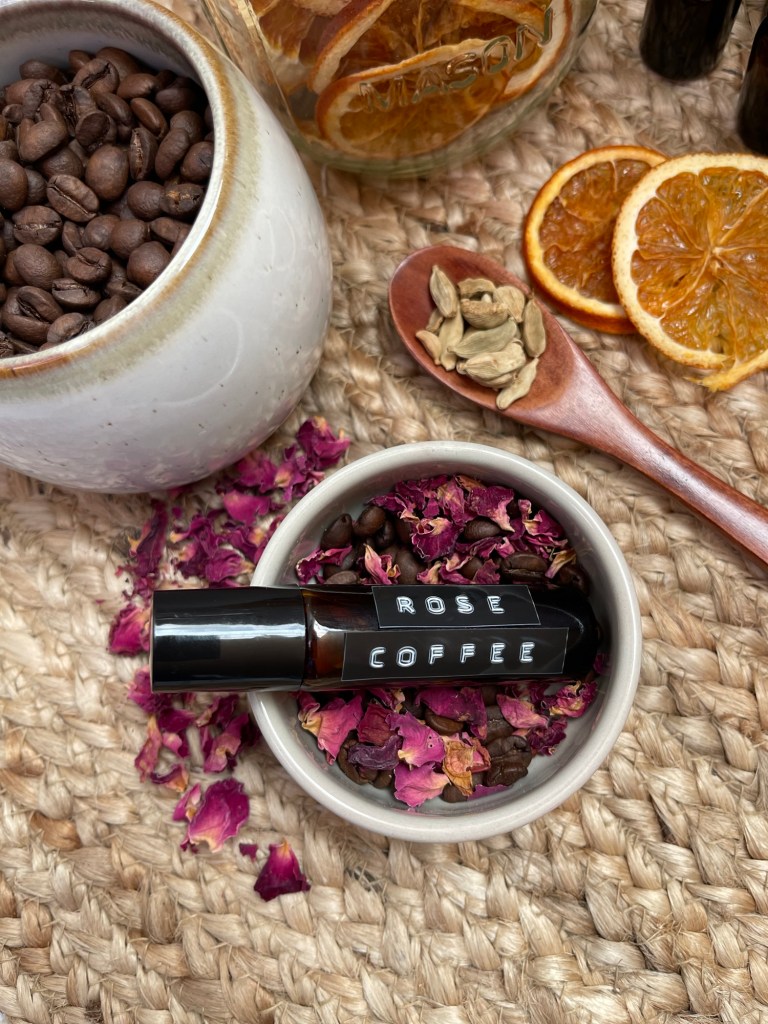
Orange, Coffee and Rose Oil Aromatherapy & Eye Serum Roller

We’re in the thick of winter, and it is a time to cozy up with both bright, invigorating aromas to bring a spark of sunshine, and rich, earthy scents for grounding and comfort. Orange and coffee both certainly fit those descriptions!

Orange’s sweetness and tartness give a vibrant boost during the dreary winter. Not only is it a potent reminder of the sun, boosting our mood just like the sun’s rays, but it provides antioxidant and antibacterial benefits that can aid skin. This makes it ideal in both skin and aromatherapy treatments.

Coffee is a botanical that energizes from the inside out. The caffeine in coffee can be invigorating and rejuvenating in skincare, especially tired and delicate under-eye skin. Use an under eye serum with coffee to brighten, awaken, and de-puff. 

The scents and properties of orange and coffee pair excellently with rose, cardamom, and jojoba oil. So excellently, in fact, that this botanical-infused oil roller can also double as an aromatherapy perfume oil. Jojoba is nourishing and moisturizing, as is rose. While the scent of sweet orange essential oil enhances the uplifting and awakening scent of coffee, cardamom adds a spiciness that imparts earthy complexity. You’ll feel a calming and joyous energy every time you inhale this lovely and luxurious oil. (It would also make a sweet gift or treat to yourself for Valentine’s Day!)

Materials

Directions

To make the rose-infused oil, fill a pint jar about three-quarters full with dried rose petals. Pour jojoba oil to cover petals, leaving about 1 inch of headspace in the jar. Use a chopstick or the handle of a wooden spoon to push the petals into the oil so they are fully submerged. Cover with a coffee filter or cheesecloth and secure with a rubber band. Allow to infuse for four to six weeks, then strain out the rose petals and put the remaining oil in a clean jar. Add 1 teaspoon of vitamin E oil to extend the shelf life of this oil. 

To make an aromatherapy / eye serum roller, fill a 10 ml roller bottle about halfway with rose-infused jojoba oil. Add 5 drops of coffee essential oil, 5 drops of sweet orange essential oil, and 3 drops of cardamom essential oil. (If you have sensitive skin and plan to use this as an eye serum, you can adjust and use less of the essential oils. If you want a stronger scent for aromatherapy, you can add about 3 more drops of each oil.) Fill the remaining space in the bottle with more of the rose-jojoba oil, leaving a little headspace for the roller. Insert the roller and screw on the cap, giving the bottle a swirl to mix the oils in. 

Store any unused portion of the rose-jojoba oil in a cool, dark space. 


For educational purposes only. Not intended for medical advice. Always consult your physician.

*This post contains affiliate links, which means if you choose to buy something from a link that I share, I will make a small percentage of the sale *at no extra cost to you*.

Categories
Herbs and Herbalism Recipes

Orange & Herb Infused Sugar

I love making herbal sugars! They are so versatile, and can be used for so many things—like to sweeten tea and hot beverages, adorn a mocktail or cocktail glass rim, sprinkle on sugar cookies / shortbread cookies / other baked goods, add pizzazz to oatmeal, and even to make a batch of sugar scrub for botanical skincare purposes!

Orange is the star of this particular blend of herbal sugar. With its bright, tangy flavor, vitamin C punch, and complexity of bitter + sour + sweet, it adds depth and delight. 

Orange offers so many nutritional and medicinal benefits. It aids the immune system, the heart, addresses inflammation, offers antioxidant benefits, and a host of other perks!

Herbal sugars can be utilized for ritual and spiritual purposes, too, and orange shines in this role. Orange is associated with love, joy, prosperity, luck, and divination. You could certainly change up the ingredients to suit your intentions, but the following recipe would certainly boost intentions of sweetness, joy, and love!


Orange & Herb Infused Sugar

Ingredients

Method

Mix white sugar, fresh orange zest, peppermint, and one vanilla bean (split and scraped, then the whole bean tossed in) in a bowl. Then spread it out to dry awhile on a cookie sheet before transferring the mixture (including the vanilla bean) to a jar. The vanilla bean will continue to impart its sweet flavor in the sugar and it will only get better!

Let the jar sit tightly lidded for a few days to infuse with all the lovely orange oil and vanilla before using it in all the delicious and creative ways you can imagine!


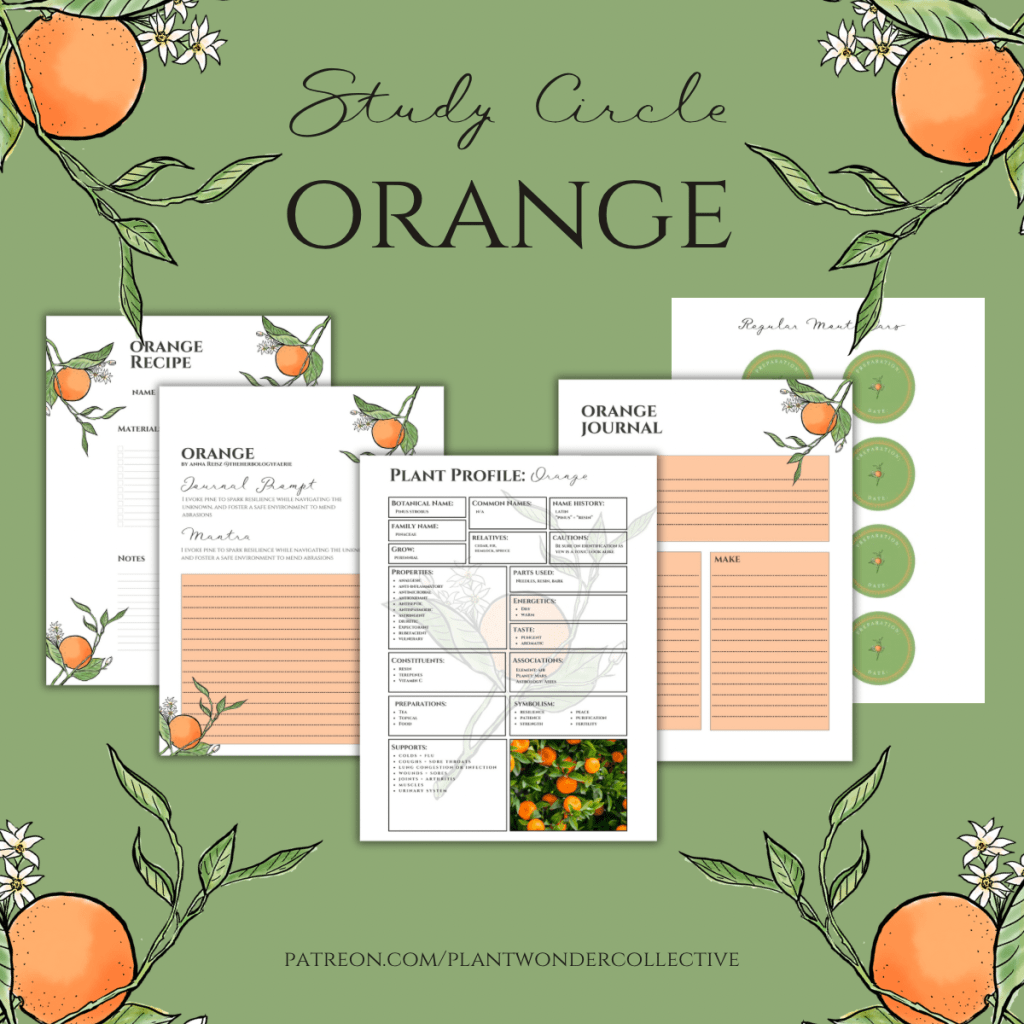
It is ORANGE month at the Plant Wonder Collective Patreon Study Circle! If you’d like to support the work of PWC, please consider joining our Study Circle for exclusive recipes, articles, digital downloads and printables for the plant of the month.


For educational purposes only. Not intended for medical advice. Always consult your physician.

*This post contains affiliate links, which means if you choose to buy something from a link that I share, I will make a small percentage of the sale *at no extra cost to you*.

Categories
Craft Hygge

Pine Impression Clay Ornaments

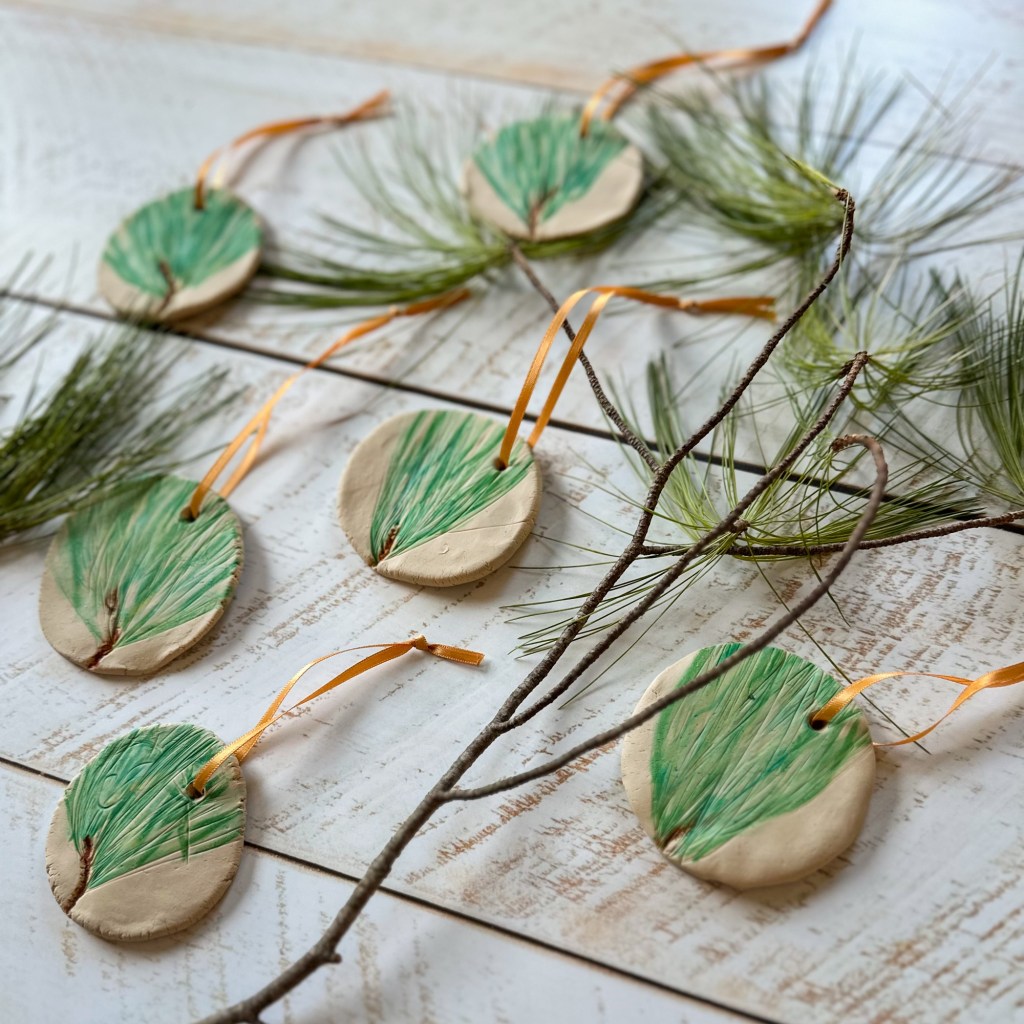
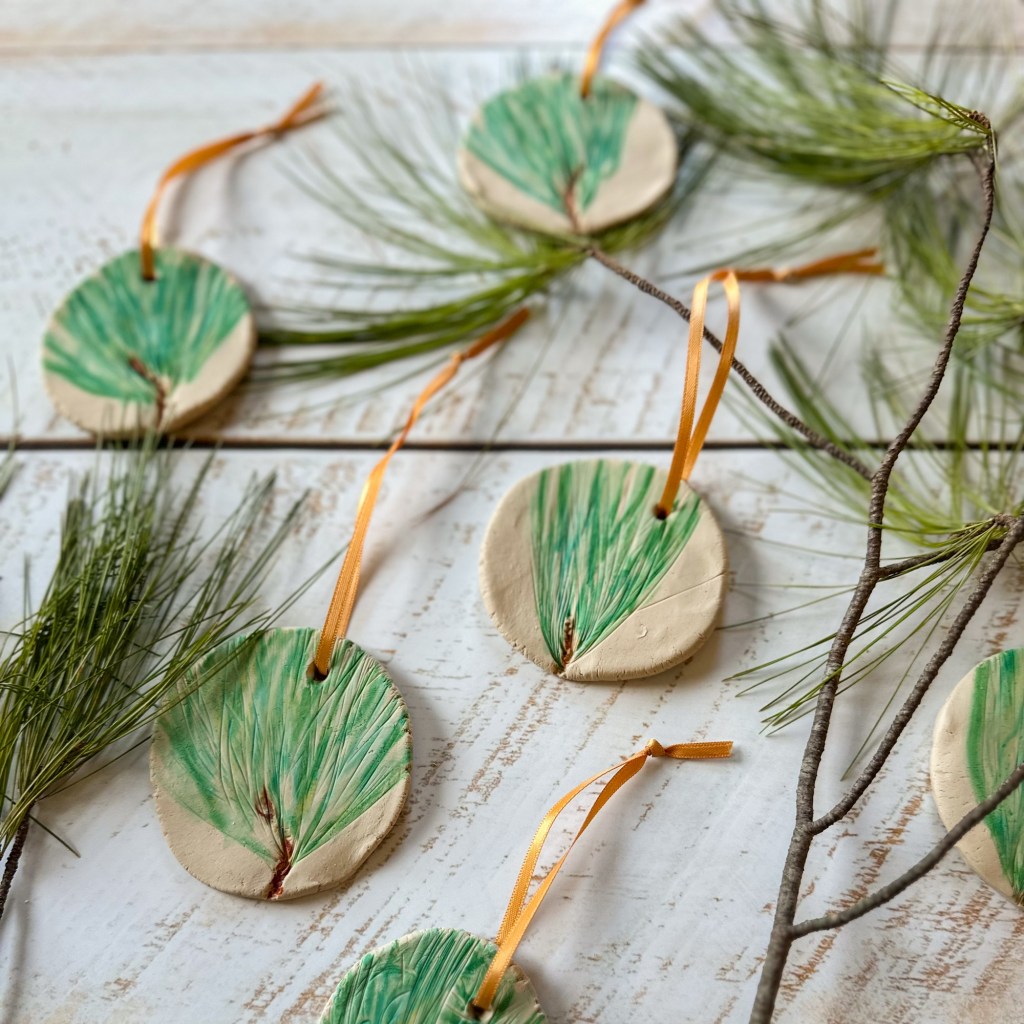
I wanted to share a fun winter craft with you today: simple, sweet pine needle impression clay ornaments!

I know these are not a new idea, but I’ve been meaning to make some for a while, and I am excited with how they turned out. They are a lovely activity for kids to make, or perhaps a gathering of friends on a wine or tea night!  

And if you live in an apartment where you can’t have a live Christmas tree, or perhaps another reason prevents you, you can forage for pine branches at a local park to take home and make this craft and then apply some drops of pine essential oil to the backs to bring fresh pine scent to your home. (Orange, clove, and cinnamon essential oils would also be fitting and traditional midwinter scents to add!) It’s an accessible way to bring the goodness of pine indoors!

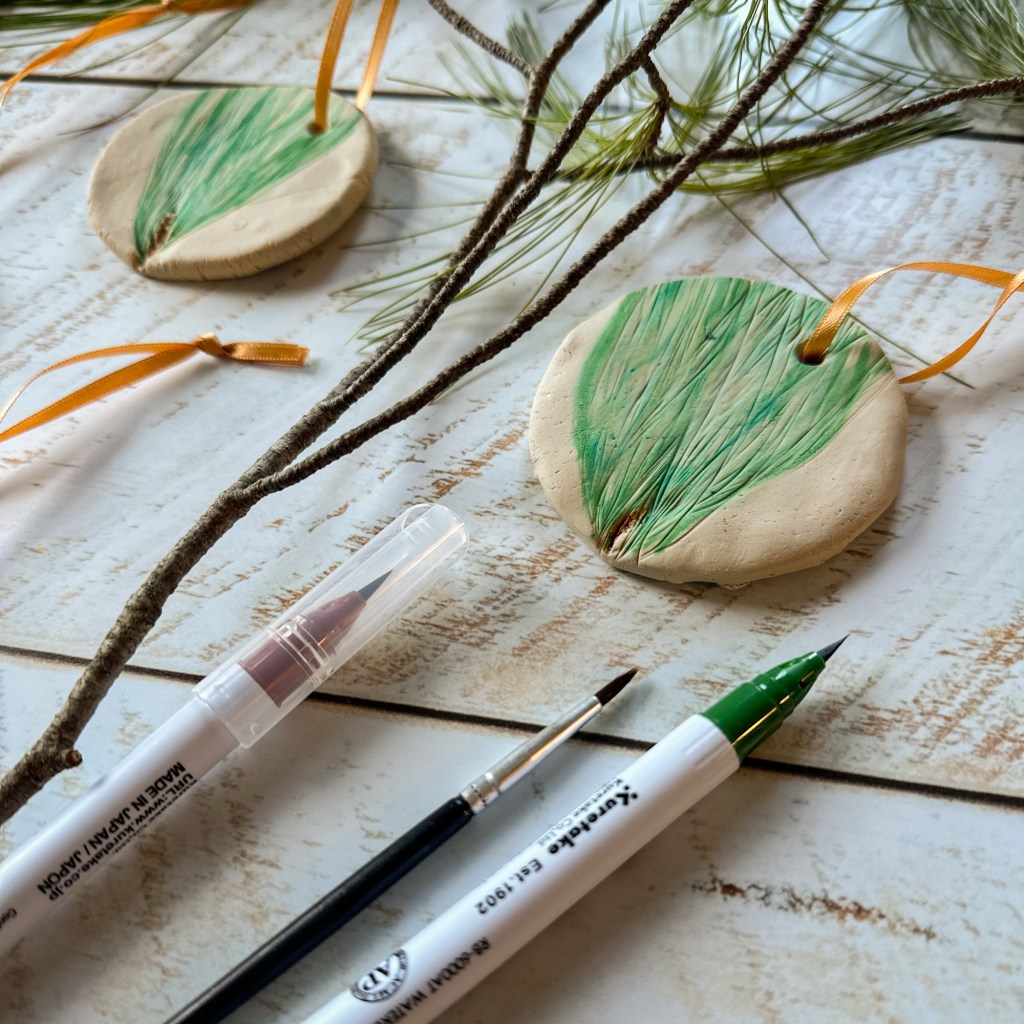
To make the ornaments, roll air-dry clay into 1-inch balls and then press flat into discs with a book or container lid. Or, if you’re fancier than me, you can roll out the clay and use cookie cutters for neater and more uniform ornaments. (Mine are “rustic,” ha!) Then press sprigs of pine needles into the clay to form an impression and poke a hole for ribbon or string. Make sure the ornaments aren’t stuck onto your work surface (waxed paper might help here). Leave them to dry overnight, then the next day paint with watercolor to emphasize the look of the pine sprigs. I used watercolor brush pens and water with a small paintbrush to thin and spread out the paint pigment. 

Once dry, string ribbon or twine through so they can be hung on a tree, drawer knobs, stocking hooks, or even used as gift tags. They can also be used as drawer or car fresheners! 

These simple little ornaments aren’t fancy, but they are cheery and fun to make, give you a chance to do some fun winter foraging with kids or friends, and bring a bit of natural pine into your holiday decorating. 


*This post contains affiliate links, which means if you choose to buy something from a link that I share, I will make a small percentage of the sale *at no extra cost to you*.

Categories
plant wonder collective Recipes Tea

Headache Helper Tea

I recently had a friend dealing with recurring tension headaches ask what herbs might be helpful in a tea to offer him some relief. (He is also being treated by his doctor, but needed some additional gentle diy to help relax his frazzled nerves and throbbing head & get him some sleep!) 

Oatstraw immediately came to mind. They’re a wonderfully gentle soother for frayed nerves, burnout, overwhelm, stress, tension—all things that lack of sleep and depletion from migraines and tension headaches can cause. 

In addition to the oatstraw, I added damiana (a headache-easing favorite of mine), calming linden, sleepy passionflower, and cooling peppermint to the batch of tea I made for my friend. He reported back that the tea was very helpful and he got a decent night’s sleep after drinking his first cup!

To make a big batch to keep on hand, choose a larger unit of measure such as a quarter cup or half cup for your parts. For a single mug of tea, choose a small unit of measure – I’d suggest half teaspoons (it will still make a very strong cuppa, or two cups). 

Here is the recipe:


Ingredients

4 parts oatstraw

4 parts damiana

3 parts linden

2 parts passionflower

2 parts peppermint 

Directions

To make a single cup of tea, add 1-2 tablespoons to a tea strainer, eco-friendly tea bag, or French press. Pour 1 to 1 1⁄2 cups hot water over the tea and steep for 4-5 minutes. Add honey or other sweetener, if desired. 


What are your favorite herbal tea ingredients to help combat headaches?


For educational purposes only. Not intended for medical advice. Always consult your physician.

*This post contains affiliate links, which means if you choose to buy something from a link that I share, I will make a small percentage of the sale *at no extra cost to you*.

Categories
plant wonder collective Recipes

Blackberry Elderberry Lemonade

School starts very early where we live (July 31 was our first day this year!), so it can be interesting to combine autumn immune boosting herbs with cold summer treats and summer seasonal plants. 

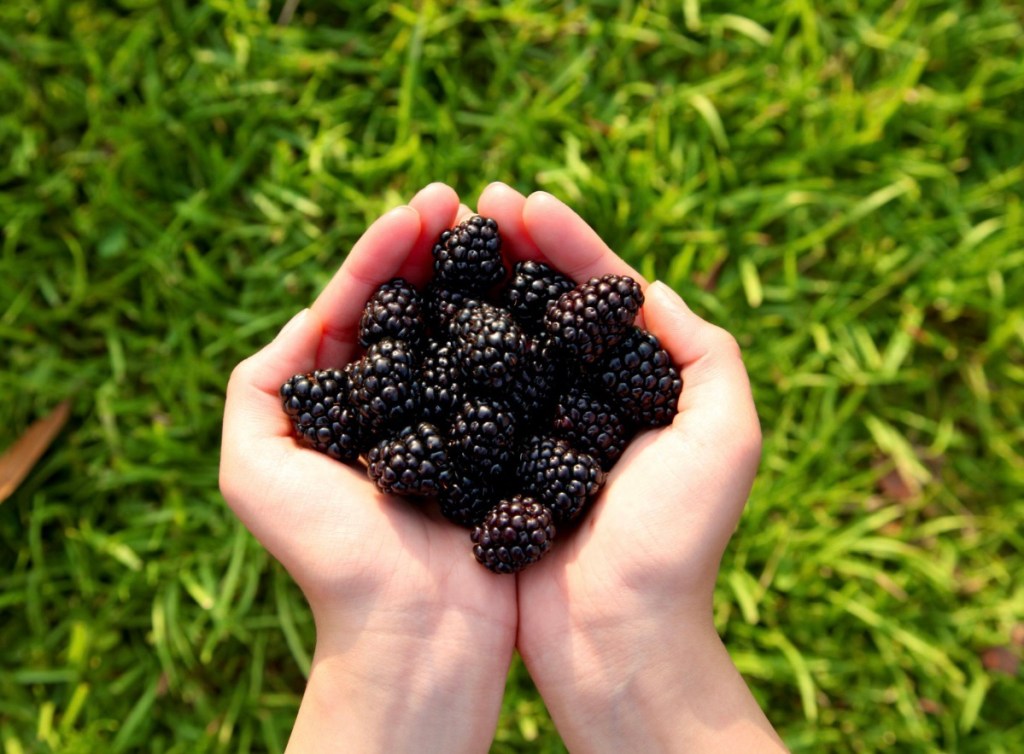
That’s where blackberry comes in! Blackberry is a nourishing, protective, antioxidant-rich ally in itself, and is in its prime this time of year. The vitamins and nutrients in blackberry can help to bolster the immune system and fight off illness. 

Add in elderberry, whose immune modulating properties are well known, along with fresh ginger for zing and an extra immune boost, and you have the start to an herbal syrup that can be used to make summer-friendly lemonade! (As an added bonus, since my kids don’t love the taste of elderberry on its own, blackberry is a perfect flavor partner to help add some sweetness and round out some of elderberry’s more mineral-y twang.)

Here’s the recipe if you’d like to try it for yourself and get a summertime immune boost!

Materials

Simple syrup:

2 c water

1 ½ c sugar (I used raw cane sugar)

1 c blackberries 

¼ c dried elderberries

3-4 slices fresh ginger 

Lemonade:

1 to 1 ½ c fresh lemon juice (5-6 lemons)

4 c ice

5 c water

Method

To make the simple syrup, add sugar and water to a saucepan and dissolve over low-medium heat. Add blackberries, elderberries, and ginger slices. Mash the contents with a potato masher. Simmer on low for 5 to 7 minutes, then remove from heat and allow to infuse for a further 10 minutes. Strain with a mesh strainer into a clean jar, cap, and refrigerate. 

To make the lemonade, juice the lemons and add to a pitcher. Add the ice, water, and 1 cup of the simple syrup. Stir well and taste; add more simple syrup if it isn’t sweet enough for your taste. Chill and serve over ice, or use frozen blackberries as ice cubes!

Notes

•Frozen or fresh blackberries can be used in this recipe interchangeably. 

•If your kids are averse to the taste of elderberry, you might choose to use less elderberries; if you’re making this for adults you might choose to add a bit more instead. 


For educational purposes only. Not intended for medical advice. Always consult your physician.

*This post contains affiliate links, which means if you choose to buy something from a link that I share, I will make a small percentage of the sale *at no extra cost to you*.

Categories
herbal skincare Herbs and Herbalism plant wonder collective

Butterfly Pea Lip Balm

Due to its nourishing skin benefits and its striking blue hue, I decided to try out making butterfly pea flower lip balm! Butterfly pea flower has long been used in Southeast Asia in beauty and skin products, but is just starting to gain notice more broadly. This versatile plant has many applications inside and out, and this is a fun and portable one!

There are a number of ways you can tailor diy lip balm to your texture preferences and skin needs. You could infuse dried butterfly pea flowers in oil (the oil won’t be blue), try different base oils and essential oils, use more or less of the powder, etc. Here is how I made this batch:


Melt and combine beeswax, shea butter, sweet almond oil, and butterfly pea powder in a double boiler over low heat, stirring very well with a wooden chopstick to help combine the ingredients and dissolve the powder. 

Remove from heat and stir in essential oils well. (Omit them if sensitive skin is an issue.) Pour into lip balm tubes (or tins) and allow to cool and harden for a few hours. (You can speed this process up by placing them in the fridge.) 

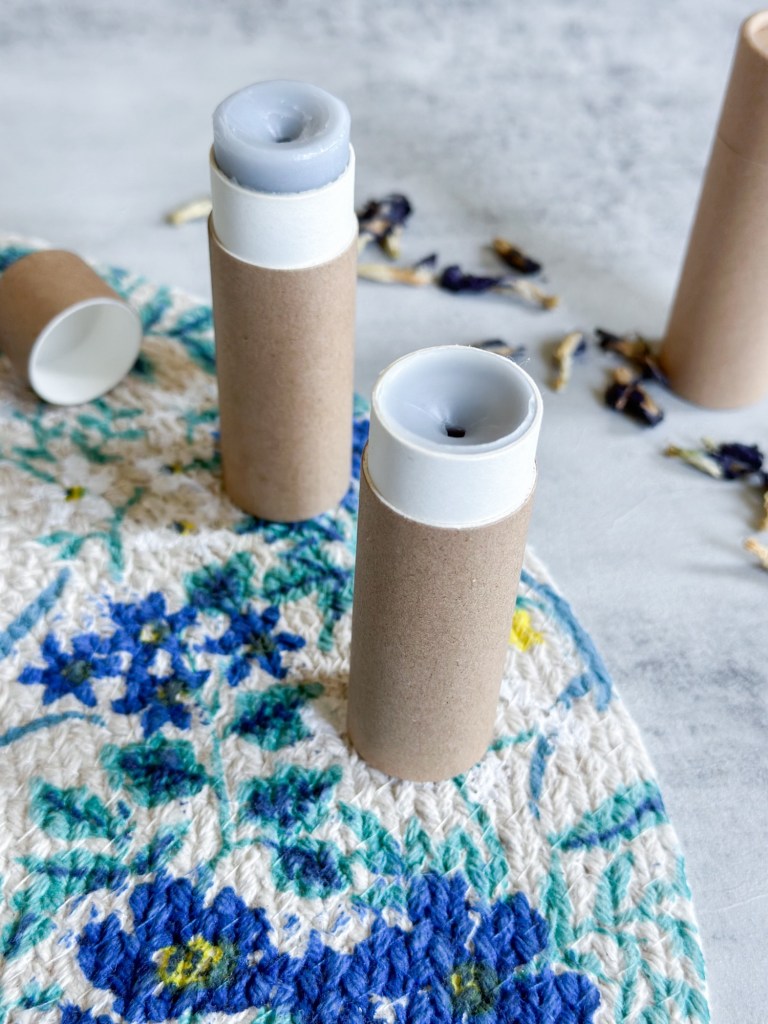
This lip balm has a pretty light blue color in the tube, but looks clear on the lips. (You could experiment with adding more powder if you want more color.) It is silky soft, incredibly moisturizing, and healing & conditioning for the lips. You could also use this lip balm on the go for other skin issues like dry, cracked knuckles in the colder months!


This recipe was shared as a part of Butterfly Pea Flower month at the Plant Wonder Collective! If you’d like to support the work of PWC, please consider joining our Study Circle on Patreon for exclusive recipes, articles, digital downloads and printables for the plant of the month. We appreciate you being on this learning journey with us!


For educational purposes only. Not intended for medical advice. Always consult your physician.

*This post contains affiliate links, which means if you choose to buy something from a link that I share, I will make a small percentage of the sale *at no extra cost to you*.