Categories
Recipes Tea

October: Falling Leaves Moon in Aries + Tea Recipe

Though the Falling Leaves Moon or Hunter’s Moon fell on October 17th this year and has technically passed, the full moon’s energy can still be tapped into. Read on to learn more about this month’s full moon and a corresponding tea recipe!


The Ojibwe named the full moon during what we call October the Falling Leaves Moon. We await the “peak” of the vibrant colors knowing the shedding of these leaves marks winter’s approach. As this full moon nears, we may feel Aries’ pull to dive into autumn with an energy as vibrant as the leaves. But the sun sign Libra may temper this drive with a need for balance to conserve our energies for the coming cold.

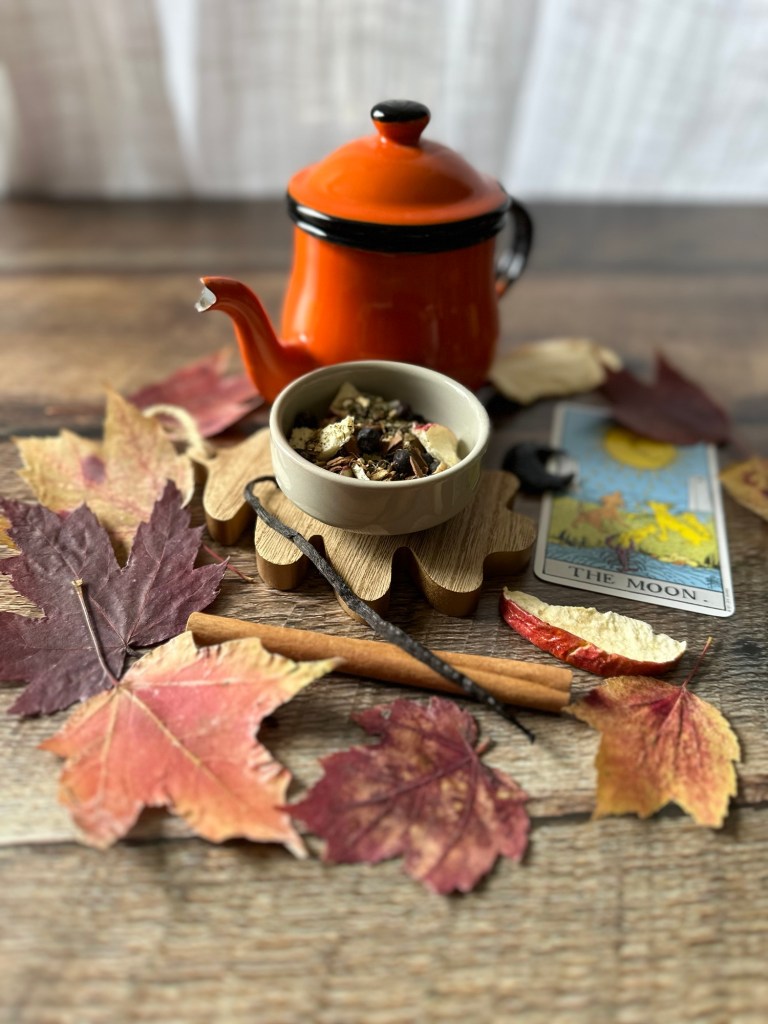
Brew this tea to mark the Falling Leaves Moon which includes gifts given from trees for both their symbolic and astro-herbalism connections. Hawthorn bolsters the heart, while juniper, cinnamon, and ginger support the Aries fire. Apple and vanilla round things out with sweetness to cool that fire off a bit and bring things back to balance.

Falling Leaves Moon in Aries Tea Materials-

1 tbsp apple pieces, dried 

1 tsp hawthorn leaf

1 tsp juniper berries

½ tsp cinnamon stick pieces

¼ tsp ginger root, dried 

¼ tsp vanilla bean powder or ¼ vanilla bean pod

Method-

To make a single cup of tea, add 1 tablespoon to a tea strainer, eco-friendly tea bag, or French press. Pour 1 to 1 ½ cups hot water over the tea and steep for about 5 minutes. Strain, and serve. Add sweetener of choice to taste, if desired.

If you’d like recipes to mark each month’s full moon, check out the current and upcoming issues of Botanical Anthology where I share these recipes!


For educational purposes only. Not intended for medical advice. Always consult your physician.

*This post contains affiliate links, which means if you choose to buy something from a link that I share, I will make a small percentage of the sale *at no extra cost to you*.

Categories
Herbs and Herbalism plant wonder collective Recipes

Medicinal Hawthorn Syrup

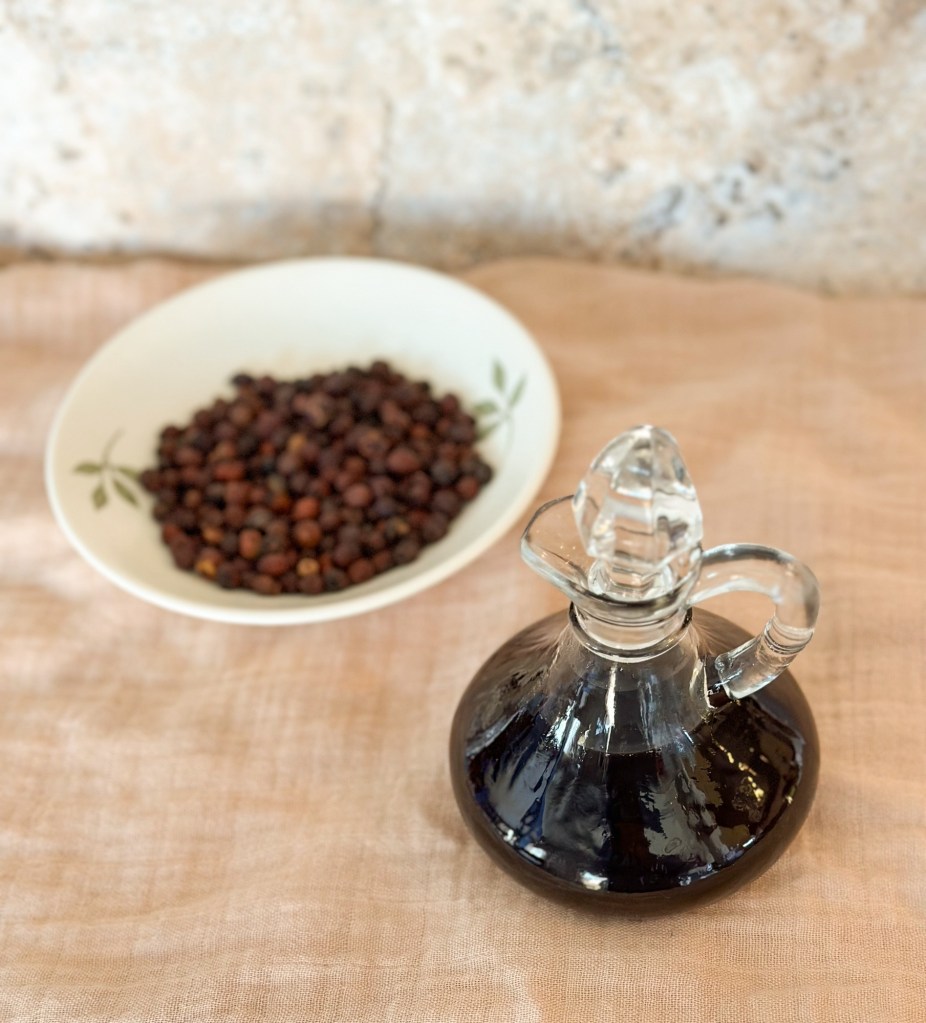
Hawthorn syrup is an amazing and delicious late-winter herbal medicine! Not only does it support circulation, blood pressure, overall heart health, digestion, and the immune system; it also helps dispel some of those late-winter blues with its sweet nervine powers. But it doesn’t need to be reserved for this time of year—it is a gentle tonic herb that can in most cases be safely taken frequently, year-round.

Whether you take a couple spoonfuls a day, mix it into water or tea, or use it as a mocktail or cocktail ingredient (who says medicine can’t be fun?!), hawthorn syrup will bolster your body as well as your emotional wellbeing. And the flavor is so, so nice—from dried berries it produces a tangy, slightly earthy berry flavor. Reminds me a little of fig, or port wine.

All you need is three ingredients to make this syrup. Here is the recipe!


Ingredients:

1 cup water

1 cup sugar (I used raw cane sugar)

1 cup dried hawthorn berries

Directions:

In a saucepan, heat water and sugar over low-medium heat until the sugar dissolves completely, stirring often with a wooden spoon. 

Add the hawthorn berries and allow to come to a light simmer, stirring often. Continue to simmer and stir for about 10 minutes. (We are being careful to keep this a syrup and not a caramel!)

Remove from heat and allow the hawthorn berries to steep in the syrup for another 20-30 minutes as it cools. Strain through a mesh strainer, and store in a clean jar or bottle in the fridge. Use within about 3-4 weeks.

Instead of discarding all the used syrup berries, brew a cup of tea with some of them!

A note about dried hawthorn berries: if you see a white substance on the outside of them, this is not mold and they’re not bad! It is the natural sugar in the berries that sort of collected on the surface as they dried.


Hawthorn is the Plant Wonder Collective plant of the month!

Plant Wonder Collective: Connecting you to nature through food, drink, play, garden, medicine, magic, and art.

If you’d like to support the work of PWC, please consider joining our Study Circle on Patreon for exclusive recipes, articles, digital downloads and printables for the plant of the month. We appreciate you being on this learning journey with us!


For educational purposes only. Not intended for medical advice. Always consult your physician.

*This post contains affiliate links, which means if you choose to buy something from a link that I share, I will make a small percentage of the sale *at no extra cost to you*.

Categories
Herbs and Herbalism plant wonder collective Recipes

Tulsi Heart-Support Tincture

You have a physical aspect to your heart, and an energetic and emotional aspect to your heart as well. It may seem like more of a metaphorical connection until you think deeply about it. That piercing aches in your chest that come periodically for some and often for others certainly points toward this inextricable connection. The emotional and energetic health of your heart can have a big impact on the physical health of your heart, and vice-versa.

Herbs can be an invaluable ally when it comes to both of these aspects of heart health, and what’s really amazing is that the same herbs can help with both. Nature certainly knows what she is doing!

My favorite herb for heart ease is tulsi. Tulsi is the Queen of Herbs, and she is a wonderful heart soother. She can aid in reducing inflammation and regulating blood pressure, but she can also help ease emotional tension and stress weighing your heart down. As both an adaptogen and a nervine, tulsi holds your hand and has your back.

I’ve brewed up a heart ease “potion,” a tincture that pairs tulsi with two other herbs that work on much the same dualistic levels for the heart: linden and hawthorn. Both of these lovely herbs are nervines often used to address blood pressure and cardiovascular health, as well as anxiety, stress, and depression. There are also folkloric and spiritual connections between all three of these herbs and protection.

Here is the recipe if you’d like to make this heart supporting tincture, too! I used the folk method, measuring in parts.

I will probably take a dropper full of this at a time in tea, ginger ale, or fruity seltzer water. It will be brimming with the intention of bringing ease and strength to my physical and emotional heart.

Have you worked with tulsi to ease and strengthen your heart?


Note: check with your physician before taking significant amounts of these herbs if you have high blood pressure, any heart conditions, or if you take any heart or blood pressure medications.


Follow along for more Tulsi wonder on Instagram with the Plant Wonder Collective! Participants share posts on the featured herb throughout the month. You can find us via

@plantwondercollective

#plantwondercollective

#pwctulsi

Plant Wonder Collective: Connecting you to nature through food, drink, play, garden, medicine, magic and art.

Categories
Herbs and Herbalism

Recharging Your Battery With Nervine Herbs

I can’t believe it’s almost June! May has really flown by. Before mental health month is over, I thought I would jump on the blog and talk a bit about one of my favorite types of mental health support: nervine herbs!

Many nervine herbs are gentle and safe for frequent use and can be a part of your daily mental health support regimen. Nervines are known for their benefits to the nervous system, hence the name. They support, tone, nourish, and soothe, offering us calming, anti-anxiety, digestion soothing, pain relieving, and grounding benefits, among many others.

Here are a few of my favorite nervine herbs:

Chamomile

Rosemary (relaxing / stimulating)

Tulsi

Lavender

Lemon balm

Linden

Hawthorn

Elderflower

Rose

Passionflower

Skullcap

Peppermint (stimulating)

Cacao (stimulating)

Most of the preceding list of herbs are normally categorized as relaxing nervines. Relaxing nervines do just what they sound like: they help to relax your nervous system. Stimulating nervines don’t stimulate in the caffeine sense; instead, they are uplifting and stimulate digestion. And some nervines do both at the same time! Also, each different nervine has its own particular chemical constituents that aid in different ways on top of the nervine qualities. For example, hawthorn is amazing for heart health, passionflower and skullcap are helpful in aiding sleep, and chamomile is known especially for helping with pain, cramps, indigestion, and fever.

As with anything, consult your doctor as needed and don’t take huge doses of any herb over short periods of time. But do think about branching out and trying different nervines to see what works well to support your particular needs. 

And since summer is fast approaching here in the northern hemisphere, I am going to leave you with a simple, cooling and soothing infusion recipe featuring nervine herbs. This is a favorite of mine! You can make this with fresh or dried herbs (I grow all of these in my mini herb garden); drink it hot or cold (my summer preference is definitely cold); and sun brew, cold brew overnight in the fridge, or infuse with hot water (I usually prefer to cold brew or sun brew). Regardless of how you make it, the soothing properties of these nervine herbs are a refreshing way to take in a bit of calm.

Soothing Summer Tea:

•Lemon balm – 2-3 parts

•Peppermint – 1 part

•Spearmint – 1 part

•Rosemary – 1 part

•Catnip – .5 part

•Chamomile – .5-1 part

If making with fresh herbs in a large jar, go heavier on the lemon balm and mints and lighter on the other herbs. Also, if drinking this cold, it’s great with a slice or two of lime tossed in. It’s crisp, refreshing, calming, cooling, and supportive — mind and body relief!

Obviously mental health is a complex issue and each person’s medical and therapeutic needs are extremely different. Herbs won’t solve or prevent problems or fulfill all your needs, but they can be a wonderful ally as part of a daily holistic approach.

Which nervine herbs are your favorite mental health allies?

Categories
Herbs and Herbalism Recipes

Herbal Spiced “Wine” Tea

Aside from chai, another beverage that I associate with autumn and winter is spiced or mulled wine. The warm, soothing-yet-spirited drink is rich with digestive, warming, and immune-supporting spices. Not to mention how festive and rooted it feels to share this deep, tart ruby liquid with others at a gathering in the colder months.

But! I very rarely imbibe actual spiced wine. Instead, I mix up a similar potion replacing the wine element with extremely beneficial harvest berries and botanicals. They add the same vibrant garnet color, along with nutritional and healing properties, without the alcohol content. An herbal substitute for mulled wine is also quicker and more convenient when you want this type of pick-me-up (any time of day!) and it can be shared with anyone.

You can make your own preferred version of spiced “wine” tea with various ingredients and methods! I’ll share my recipe with you here so you can either use it yourself, or use it as a starting point to concoct your own recipe.

Spiced “Wine” Tea

Rosehips: These tasty red jewels are ready for harvest in October in many locations. You can use fresh or dried (I always have dried rosehips on hand). They add a tart cherry type of flavor, vitamin C, and minerals that aid in heart health, circulation, pain relief, cholesterol and blood pressure health, and even pain.

Elderberries: Dried elderberries impart a deep berry flavor and amazing immune-boosting benefits. Aside from their antiviral properties, elderberries also have anti-inflammatory benefits. I am always conscious to be moderate with the amount of elderberries included, in case of possible digestive discomfort. (I’ve never experienced this side effect myself, but I’ve read that it can happen so I use caution.)

Hawthorn berries: Hawthorn berries add nearly magical benefits of not only boosting heart health in a physical sense, but also soothing and strengthening the emotional heart and aiding with anxiety.

Hibiscus: This is a go-to base ingredient in fruity, berry-flavored teas for me. Hibiscus is an excellent heart ally and gives the tea a full-bodied, cranberry-ish, and even wine-ish taste.

Orange peel, dried or fresh: Obviously vitamin C is a big part of spiced wine. But so is rich, strong flavor! Orange in some form is almost essential to this type of brew.

Spices – cloves, cinnamon, allspice, ginger: You can’t have spiced wine without your warming, grounding, immune-boosting spices! These add taste, physical and mental health benefits, warming cozy comfort, and synergy between ingredients. Of course, you can get creative and use your own favorite combination of mulling spices!

Optional – rooibos: Rooibos is an herbal ally I adore and use often to fill out and add body to teas while providing wonderful benefits. (See my rooibos profile post for more on this herb!)

You can play around with your favorite berries (even adding fresh or dried blackberries or cherries!), spices, flavorings, and even splash in apple cider for a fruity kick or ginger ale for a fizzy twist. It’s up to you how you concoct your festive, warming brew. Then enjoy it all autumn and winter on quiet afternoons or cozy family gatherings! Or take a thermos of it on your outdoor autumn adventures!

What additional or different ingredients are you going to try in your spiced “wine” tea? I’d love to hear so I can try them, too!