Rosemary is a beautiful plant! It helps protect mind, body, and spirit. This herb is both an ancient remedy and a culinary delight, and there are so many ways to work with it.
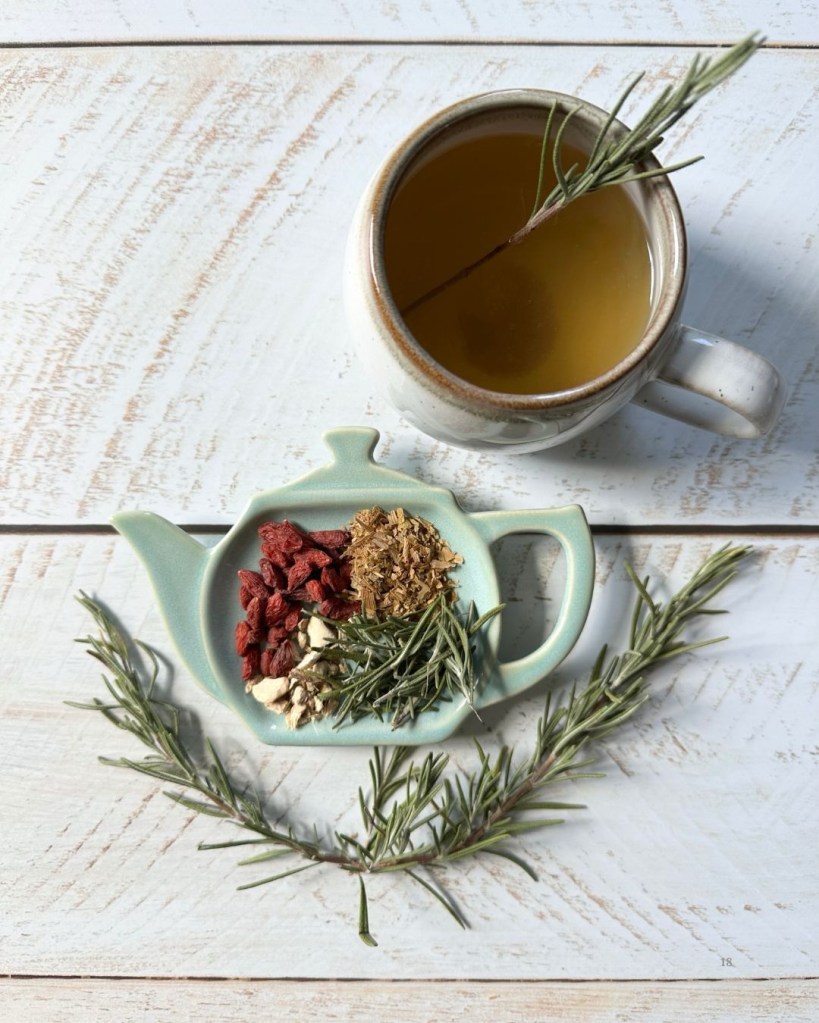
In the All About Rosemary booklet, which accompanies the autumn issue of Botanical Anthology, I shared my longevity tea recipe which combines this delightfully pungent and tasty herb with other plants valued for their neuroprotective properties. Here is the recipe portion of my article – you can find the full article in the booklet!
Materials
2 tsp rosemary, dried
1 tsp ginkgo leaves, dried
1 tsp goji berries, dried
½ tsp ginger, dried
Method
Mix the ingredients in a bowl to make a single cuppa, but you’ll probably want to scale up the
recipe and make a larger batch to sip often!
To brew one cup of tea, place a tablespoon of the blend in a tea strainer or disposable eco-
friendly paper tea bag. Pour just-boiled water over the tea and allow to steep for 10 minutes.
If you’d like, you can sweeten your tea with a bit of honey, maple syrup, or sugar.
————
Aside from my tea, the All About Rosemary booklet contains so many jewels worth reading and recipes worth trying:
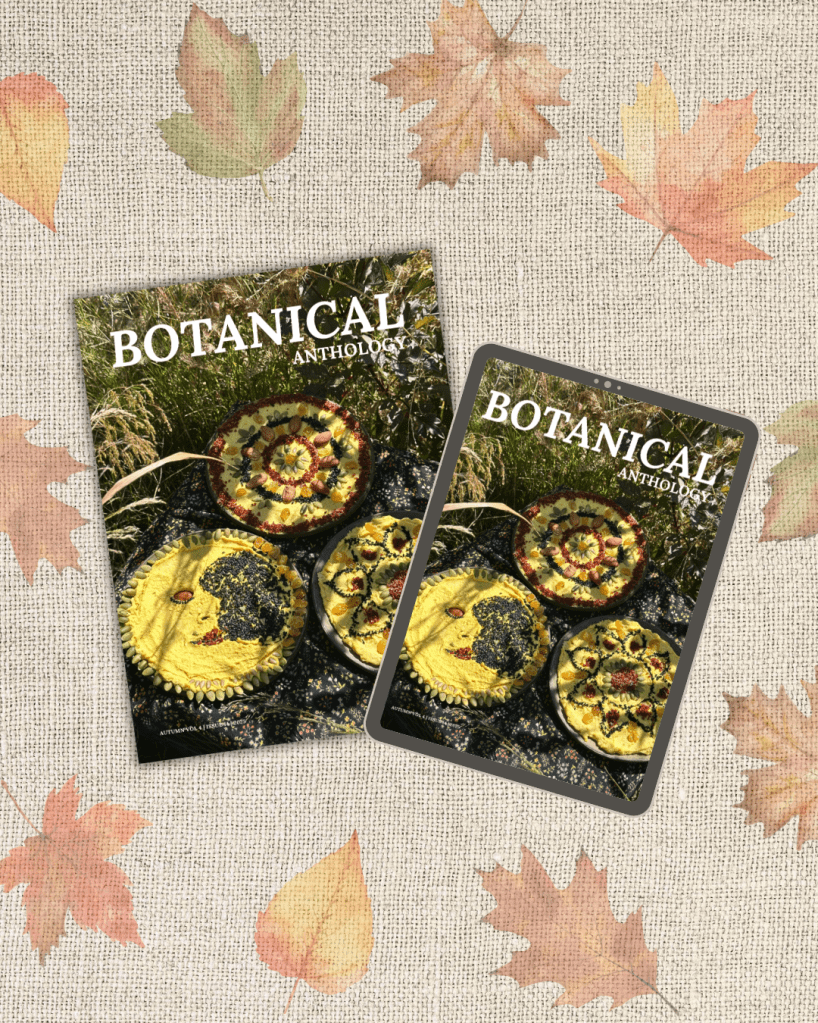
And all this accompanies the full Botanical Anthology magazine issue. I am sharing about it because this independent magazine, a labor of love by creative folks, is near and dear to me as I help edit and compile this publication and write articles for it.
With 40 articles from 38 contributors, there is something in this magazine for every budding herbalist, natural health enthusiast, (urban) homesteader, kitchen witch, and nature lover.
TODAY is the last day to download our digital version at a discounted price of $15 and receive the free All About Rosemary booklet. I hope you’ll consider treating yourself to a copy and enjoying the autumn plant goodness!
One of my most favorite forms of tea is jasmine pearls! Green tea leaves scented with delicate, luscious jasmine are rolled into little “pearls,” of which you can use 3 or 4 to a cuppa. Not only do I adore the mild floral flavor and relaxing sensation of enjoying this fancy-feeling form of tea, but it is also so lovely acting as the base of springtime tea blends!
Jasmine pearl tea tastes as delightful cold brewed or iced as it does hot. The pearls are convenient for preparing in a pitcher or mason jar, as they are quite easy to avoid when sipping (or you can scoop them out with a spoon). As for a traditional hot brew, green tea needs slightly special treatment! It needs a lighter steep so as not to turn too bitter. However, I’ve found jasmine pearls to be a little more forgiving than other types of loose leaf green tea in this regard.
It is true that green tea contains caffeine like its other Camellia sinensis counterparts, but less so, which lends well to the calming attributes it is found to possess. The tea plant in general is thought to aid in steadying and balancing the constitution, green tea especially. Jasmine’s presence adds further peace, calming, and uplifting.
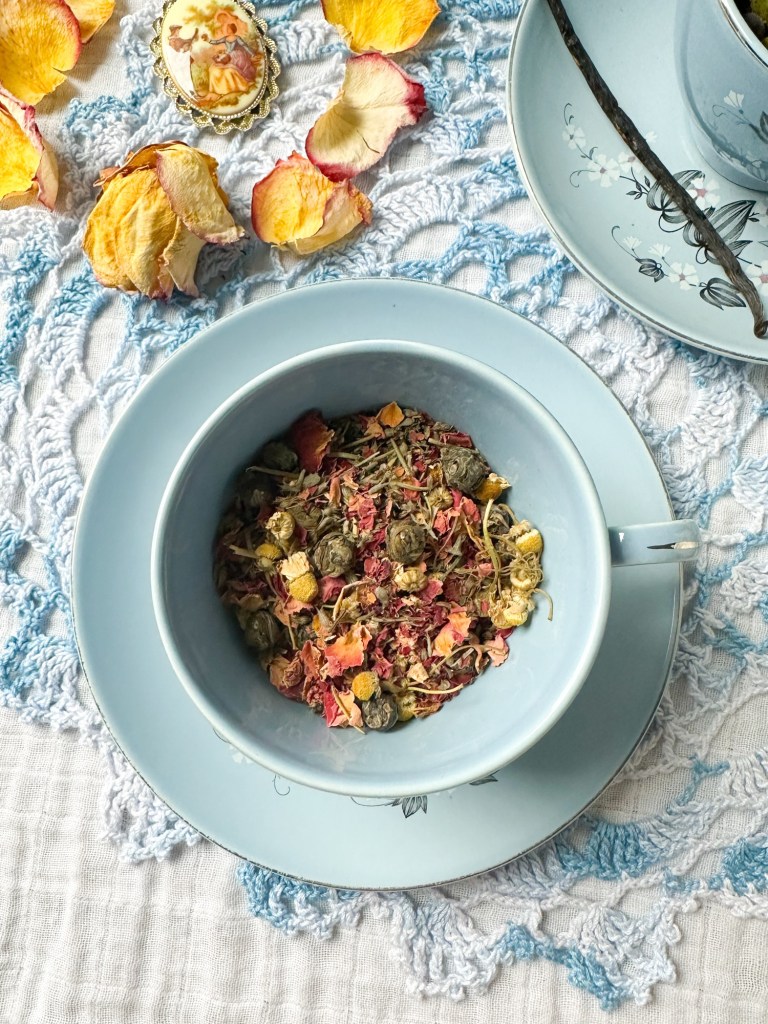
This particular jasmine pearl tea blend includes catnip, chamomile, rose, and rosemary. The combination of light, flowery tea with nervine herbs that bolster the mind and soothe the spirit is the ultimate springtime self-care sigh of contentment!
As this contains green tea, be sure to use a slightly lower water temperature (don’t quite bring the water to boiling) and a shorter brew time, about 3-4 minutes.
For educational purposes only. Not intended for medical advice. Always consult your physician.
*This post contains affiliate links, which means if you choose to buy something from a link that I share, I will make a small percentage of the sale *at no extra cost to you*.
I am lucky to not have chronic headache issues, which I know so many people have! But I do still sometimes deal with clusters of headaches, especially stress-related and cycle-related ones. And I’ve recently been ill and have experienced some unpleasant headaches associated with that. (Such a bad cold and flu season this year!) When those problems arise, herbs can absolutely help.
I have several favorite herbal allies to lean on in this circumstance, usually brewing them in tea, and damiana is the star of the show. Though perhaps better known as an aphrodisiac herb, damiana is amazing to relieve tension headaches and that pressure and pounding sensation in the head. It is my headache secret weapon and always in my headache tea blends! I love its warm (but not too warm) soothing, tension-relieving, and pain modulation and easing.
Other herbs I rely on for headache teas:
Meadowsweet– cooling, astringent, eases stabbing pain, high in salicylic acid (aspirin!)
Mint– cooling, antispasmodic, nutritious, pain-relieving, uplifting and relaxing
Lavender– soothing, relaxing, gentle, pain-relieving and aromatic
If you use essential oils, an oil roller or balm using peppermint and lavender oils mixed with a carrier oil is a great remedy, too. Roll or rub this on your temples, the back of your neck, or wherever your headaches tend to be concentrated. (Can you tell mine is well-loved? I need to replace that oily label!)
What are your favorite natural headache remedies?
For educational purposes only. Not intended for medical advice. Always consult your physician.
*This post contains affiliate links, which means if you choose to buy something from a link that I share, I will make a small percentage of the sale *at no extra cost to you*.
I recently had a friend dealing with recurring tension headaches ask what herbs might be helpful in a tea to offer him some relief. (He is also being treated by his doctor, but needed some additional gentle diy to help relax his frazzled nerves and throbbing head & get him some sleep!)
Oatstraw immediately came to mind. They’re a wonderfully gentle soother for frayed nerves, burnout, overwhelm, stress, tension—all things that lack of sleep and depletion from migraines and tension headaches can cause.
In addition to the oatstraw, I added damiana (a headache-easing favorite of mine), calming linden, sleepy passionflower, and cooling peppermint to the batch of tea I made for my friend. He reported back that the tea was very helpful and he got a decent night’s sleep after drinking his first cup!
To make a big batch to keep on hand, choose a larger unit of measure such as a quarter cup or half cup for your parts. For a single mug of tea, choose a small unit of measure – I’d suggest half teaspoons (it will still make a very strong cuppa, or two cups).
To make a single cup of tea, add 1-2 tablespoons to a tea strainer, eco-friendly tea bag, or French press. Pour 1 to 1 1⁄2 cups hot water over the tea and steep for 4-5 minutes. Add honey or other sweetener, if desired.
What are your favorite herbal tea ingredients to help combat headaches?
For educational purposes only. Not intended for medical advice. Always consult your physician.
*This post contains affiliate links, which means if you choose to buy something from a link that I share, I will make a small percentage of the sale *at no extra cost to you*.
Hawthorn syrup is an amazing and delicious late-winter herbal medicine! Not only does it support circulation, blood pressure, overall heart health, digestion, and the immune system; it also helps dispel some of those late-winter blues with its sweet nervine powers. But it doesn’t need to be reserved for this time of year—it is a gentle tonic herb that can in most cases be safely taken frequently, year-round.
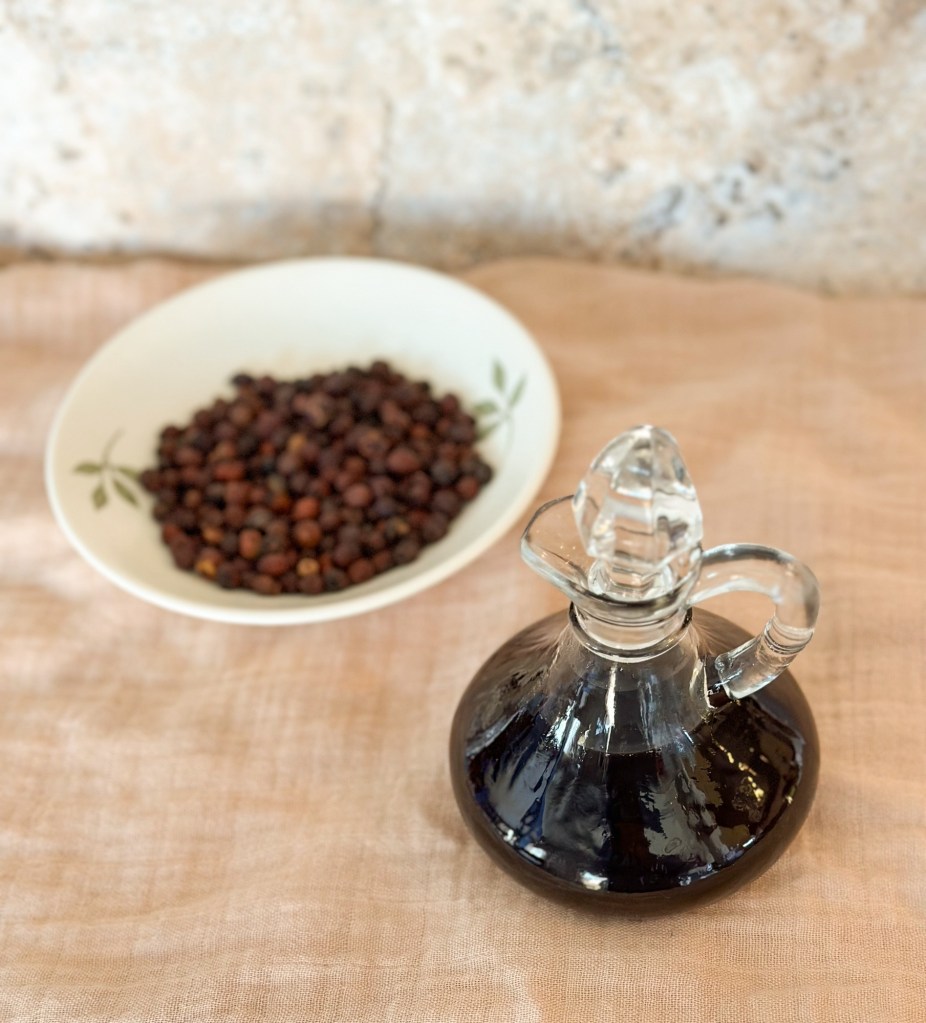
Whether you take a couple spoonfuls a day, mix it into water or tea, or use it as a mocktail or cocktail ingredient (who says medicine can’t be fun?!), hawthorn syrup will bolster your body as well as your emotional wellbeing. And the flavor is so, so nice—from dried berries it produces a tangy, slightly earthy berry flavor. Reminds me a little of fig, or port wine.
All you need is three ingredients to make this syrup. Here is the recipe!
In a saucepan, heat water and sugar over low-medium heat until the sugar dissolves completely, stirring often with a wooden spoon.
Add the hawthorn berries and allow to come to a light simmer, stirring often. Continue to simmer and stir for about 10 minutes. (We are being careful to keep this a syrup and not a caramel!)
Remove from heat and allow the hawthorn berries to steep in the syrup for another 20-30 minutes as it cools. Strain through a mesh strainer, and store in a clean jar or bottle in the fridge. Use within about 3-4 weeks.
Instead of discarding all the used syrup berries, brew a cup of tea with some of them!
A note about dried hawthorn berries: if you see a white substance on the outside of them, this is not mold and they’re not bad! It is the natural sugar in the berries that sort of collected on the surface as they dried.
Hawthorn is the Plant Wonder Collective plant of the month!
Plant Wonder Collective: Connecting you to nature through food, drink, play, garden, medicine, magic, and art.
If you’d like to support the work of PWC, please consider joining our Study Circle on Patreon for exclusive recipes, articles, digital downloads and printables for the plant of the month. We appreciate you being on this learning journey with us!
For educational purposes only. Not intended for medical advice. Always consult your physician.
*This post contains affiliate links, which means if you choose to buy something from a link that I share, I will make a small percentage of the sale *at no extra cost to you*.
This article appears in the Winter 2022 edition of Botanical Anthology. You can purchase a digital copy HERE or a print copy HERE.
Along with the joys winter brings, it unfortunately also carries increased risk of illness in its wake. Between extra time spent indoors during colder weather and the season’s gatherings and festivities, exposure to many types of illnesses sees a dramatic uptick. To that end, immune support becomes a constant refrain.
Herbal allies can be indispensable when it comes to this winter barrage of germs. But what does “herbal immune boosting” mean? It is a many-pronged approach to keeping your body functioning optimally so that you might avoid some illnesses altogether, or at least lessen their severity. Different types of herbs work together synergistically to aid with this never-ending task.
Adaptogens Fatigue, burnout, and chronic stress are common problems that weaken the immune system and its ability to fend off illness. Adaptogenic herbs help restore balance and protect the body’s systems and processes to counter these effects, the immune system being an important beneficiary. Tulsi, astragalus, reishi and chaga mushrooms and licorice root are just a few examples of adaptogens.
Nervines Stress and insomnia deplete the body and create the perfect breeding ground for germs. Luckily, nervine herbs help combat both of these issues, and many are gentle and safe for everyday use for most individuals. As an added bonus, some nervines have antimicrobial properties, too. Gentle nervine herbs include chamomile, lavender, lemon balm, tulsi, rosemary, linden, hawthorn, and passionflower.
Diaphoretics Diaphoretic herbs are warming and promote circulation. Once sick, these herbs go on to help sweat out a fever and offer respiratory relief. These include yarrow, elderflower and berry, chamomile, ginger, catnip, cayenne, garlic, and linden.
Aromatics Aromatic herbs don’t just taste great—they provide important immune boosting actions, too. Most aid digestion, while also offering strong antimicrobial support. These germ-killers include ginger, cardamom, cinnamon, cloves, anise, allspice, rosemary, and fennel.
Antioxidants Antioxidants like vitamin C aid immunity by supporting and stimulating antimicrobial actions on a cellular level as well as protecting body tissues from damage. Antioxidant herbs that provide much-needed immune boosting include rooibos, rose hips, hibiscus, elderberry, orange peel, and raspberry leaves.
Alteratives Alterative herbs aid in detoxifying your body by supporting the organs and systems that handle this important task. You need your liver, kidneys, and lymphatic system in tip-top shape to fight off illness! This category of herbs includes echinacea, calendula, dandelion root, burdock root, and nettles.
There are countless combinations one can work with to create an immune-boosting herbal recipe. To make things a little less daunting, here is a simple tea as a starting point. It features elderberry, a tried-and- true immunity aid, but also rooibos, an oft-overlooked antioxidant powerhouse. There is a bit here from each of the above categories, and plenty to tempt the taste buds, as well.
Blend this combination of herbs as the recipe states, or use it as a jumping-off point to inspire your own immune supporting formulation!
Method Mix all ingredients except orange in a bowl. Transfer to an airtight container.
To make a single cup of tea, add 1 tablespoon to a tea strainer, eco-friendly tea bag, or French press. Pour about 1 1⁄2 cups hot water over the tea and steep for 5 to 10 minutes. Add fresh orange zest or orange slice and honey to taste, if desired.
Notes This recipe yields approximately 10 servings of tea. If making a small batch, measure the parts in teaspoons—it should yield about 2 servings of tea.
For educational purposes only. Not intended for medical advice. Always consult your physician.
*This post contains affiliate links, which means if you choose to buy something from a link that I share, I will make a small percentage of the sale *at no extra cost to you*.
I don’t know about you, but for me, lavender is a scent that makes me think of spring. (I’m not sure why, because it’s not in-season where I live until the summer!) Since I am dreaming so, so much about spring, and since I had just strained some lavender-infused almond oil and mint-infused coconut oil recently, I decided to make some relaxing lip balm with a springy scent to carry me away in my daydreams of warmth and sunshine.
Lavender is such a relaxing scent, and it pairs really well with uplifting peppermint. Also, both herbs have antimicrobial and skin soothing and replenishing properties. Most people find both to be gentle for use on the skin, but if you’re sensitive (or making this recipe for young children), you might want to eliminate one or both essential oils in the recipe, or use less of both.
Lip balm is not too tricky if you’re new to making body care products. Here’s the recipe, if you want to give it a try!
Lavender Peppermint Lip Balm
(Makes 7 0.5-oz containers of lip balm)
Materials:
7 lip balm tins, 0.5 oz
Double boiler (optional)
28 g shea butter
20 g beeswax pellets
16 g almond oil infused with lavender flowers
8 g coconut oil infused with peppermint leaf
4 drops lavender essential oil
3 drops peppermint essential oil (or leave out if you have sensitive skin)
Method:
Prepare your supplies and area; you might want to put down a layer of parchment or waxed paper in case of dribbles. I place mine on a baking sheet.
Melt the beeswax pellets, shea butter, and infused oils slowly over low heat in the double boiler. If you don’t have a double boiler, set a large glass mixing bowl over a small saucepan containing about 1 inch of water, put your ingredients in the mixing bowl, and it works the same way.
Once the ingredients are melted, remove from heat and carefully add and stir in essential oil if you’re using it.
Carefully pour the hot liquid into your lip balm tins. Allow to cool completely for a good long while before using—I like to have my tins on a baking sheet and transfer that to the fridge for quicker setting, but that’s optional.
Once the lip balms are finished setting up, they’re ready to use!
This mama was SICK for Christmas. I caught a nasty stomach virus and was down for the count for a couple days. Ever since, I’ve felt weak and depleted! My muscles feel sore and weak, I am feeling extra worn down, and my stomach is still not back to normal. So, I thought I would turn to my apothecary and make some restorative tea today to help me bounce back.
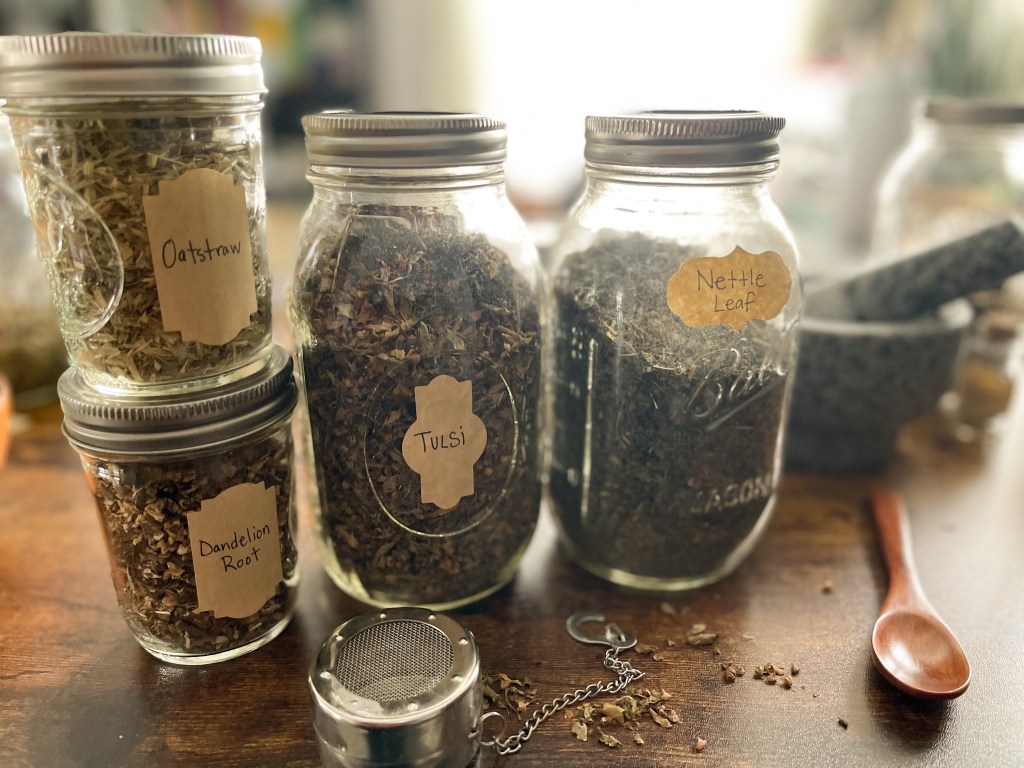
Some of my favorite herbs for building back strength after an illness include (but are not limited to!) nettle, oatstraw, dandelion root, and tulsi. You could combine all four into a soothing tea, or turn to your favorite tinctures and tea blends that contain these allies.
Here is a little bit of information on how these herbs help after an illness!
Nettle is a powerful nourishing and nutritive adaptogen that excels at building strength. Among so many benefits, it helps with fatigue, rebuilding deficient nutrients, building blood, and flushing things out.
Oatstraw aids in some of the same ways as nettle, with a bit of a different approach and the benefit of being a relaxing nervine. It is incredibly replenishing, tasty, and helps with burnout and exhaustion.
Dandelion root does important work by aiding liver function. It is nutritive, helps rebuild gut flora, aids in digestion and flushing things out, and is incredibly grounding to boot.
Tulsi is my go to herb for many things! It is an incredibly helpful adaptogen and a relaxing nervine, aiding in balancing things out and bringing you back to center.
What are your favorite herbs or remedies for rebuilding strength after illness?
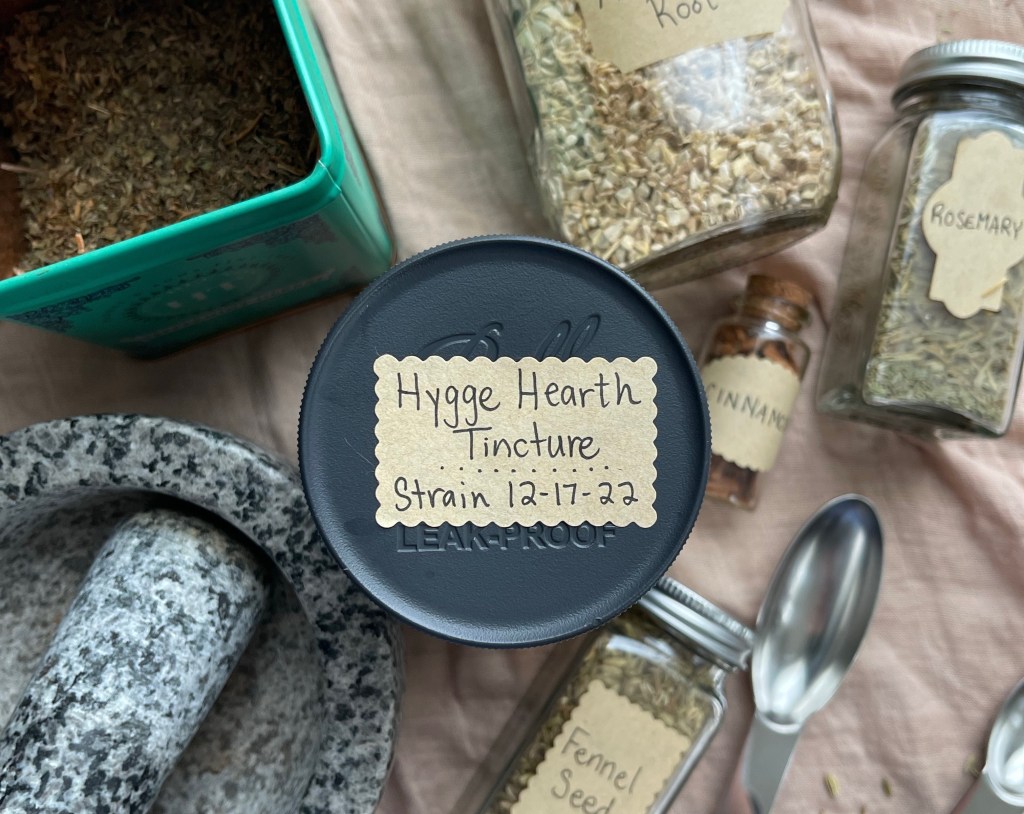
Inspiration struck this morning and I decided to start a tincture that will be ready just in time for Yule! It has all the happy, cozy, hygge vibes with digestion support, stress relief, balancing, and immune boosting to boot.
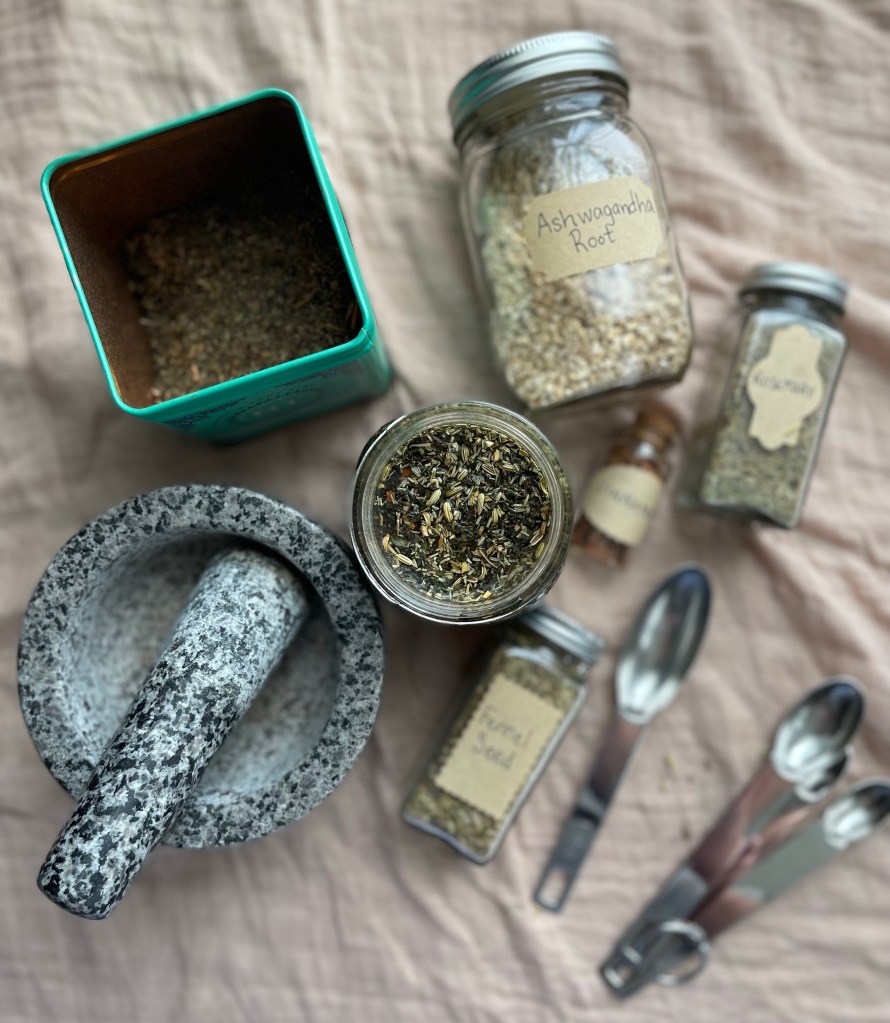
Mint is the star of the show here, paired with “really good Ceylon cinnamon” (please tell me you read that in Ina Garten’s voice 😂). I adore the sweet combo of cooling mint and warming cinnamon! With these I combined fennel seed, rosemary, and ashwagandha root.
Then I topped it off with not the usual vodka, but GIN for more cozy, botanical, wintry vibes.
Here is the full recipe! For once, I actually loosely measured instead of doing it in parts!
Add herbs to a 16 oz glass jar. Cap and shake the jar thoroughly to mix herbs. Top with gin, filling to near the brim. Cap with a plastic canning jar lid or parchment paper and canning lid. Store in a cool, dark place, shaking daily, and strain after 6-8 weeks. Store in dark glass jars or dropper bottles if you can.
You can take this tincture in tea, coffee, still or sparkling water, ginger ale, juice, or even cocktails! Ginger ale is my favorite vehicle for tinctures—if you prefer, use your favorite homemade or natural ginger ale.
Happy Tuesday! Whether you’re here from my Instagram post or you found this blog post first, welcome to the lemon balm party!
Lemon balm is a subtle but sweet and tasty herb for making simple syrup. I decided to brew some up and then experiment with using it to create some tasty mocktails and cocktails.
I used fresh lemon balm to make a small batch of simple syrup with my usual recipe: dissolve ½ cup of sugar in ½ cup of water on the stovetop over medium heat, add in about 1 cup of the herb, remove from heat and steep for 30 minutes, strain, and refrigerate for up to 2 weeks.
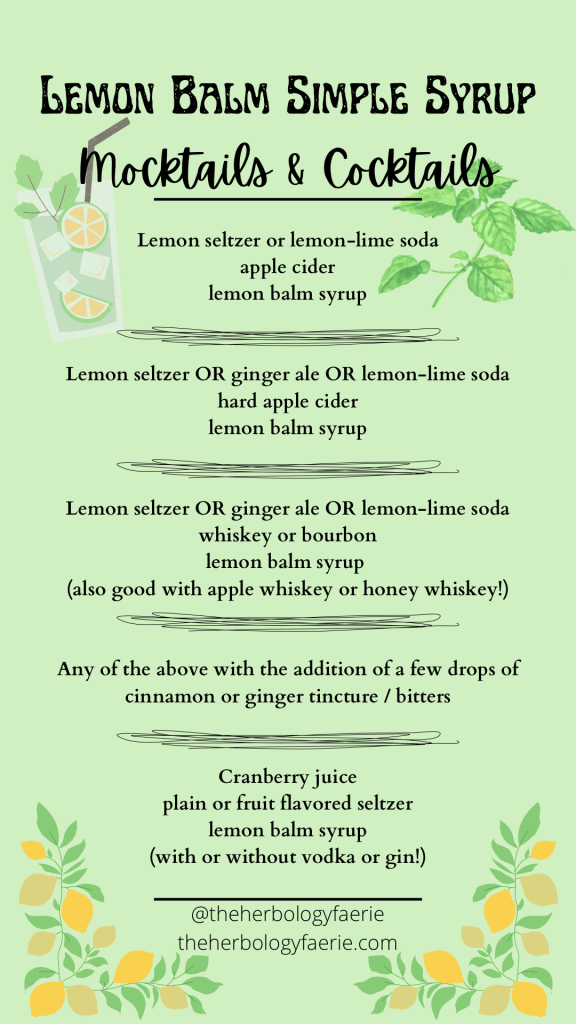
Then came the fun part! Of course, you can use the syrup in any kind of tea (black, green, herbal) for a bit of sweetness and the calming, soothing effects of lemon balm. But I decided to take a few diy concoctions for a spin! My favorite combination was ginger ale, a splash of apple cider (apple juice works too), and about a tablespoon of lemon balm simple syrup. If you find your lemon balm syrup’s flavor turned out too subtle, though, you can always just combine it with seltzer or ginger ale so it can be the star of the show.
There are plenty more ways to combine lemon balm simple syrup in other mocktails and cocktails, too. Here are some of my favorite combinations!
Follow along for more Lemon Balm wonder throughout the day and join us this month through our hashtags and at @plantwondercollective on Instagram!











 The Herbology Faerie