Categories
Recipes Tea wheel of the year

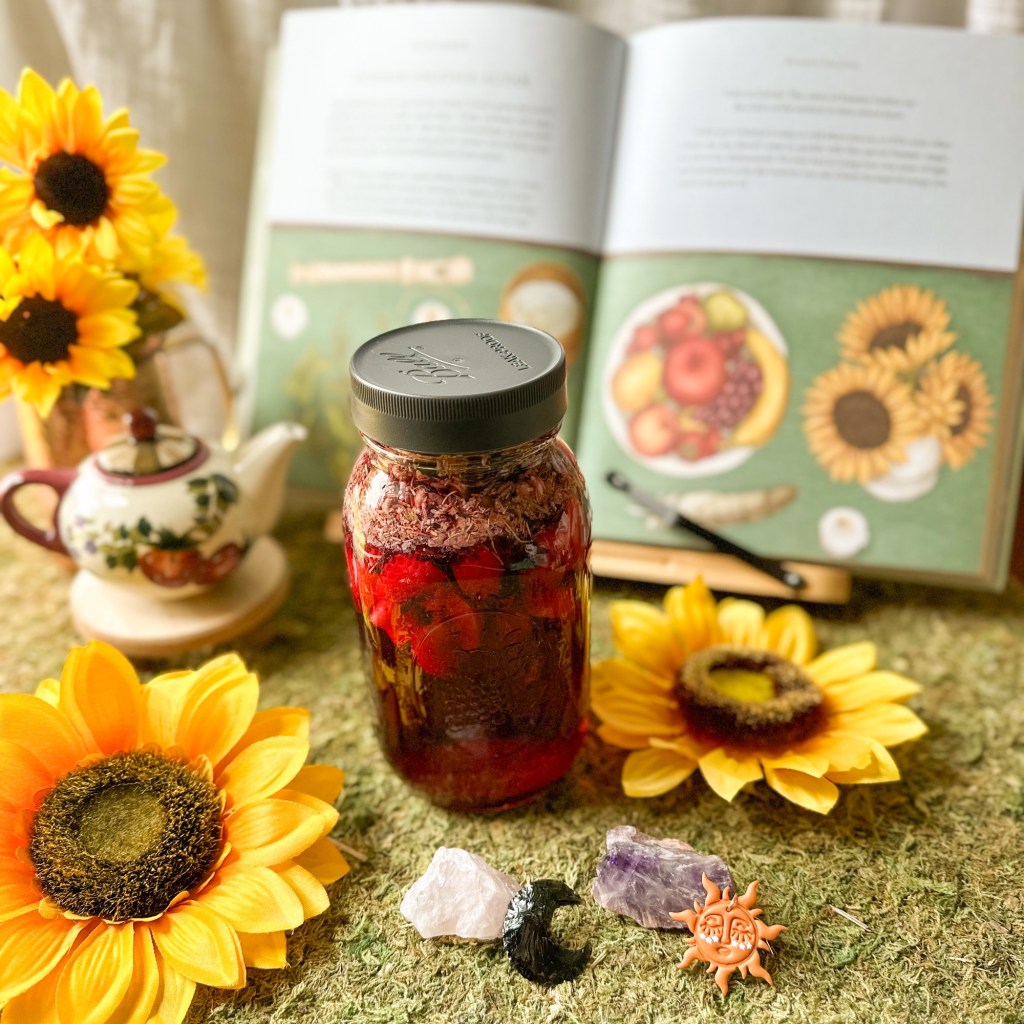
Summer Solstice Sun & Strawberry Moon Tea

I am so excited that June’s full moon (the Strawberry Moon) and Litha (the summer solstice) fall together this year. It is a convergence that doesn’t happen often—in fact, the last time it did was 1985! All that bright energy of both the longest day and the full moon combined—so magical! 

For me, I think the order of the day is celebration, gratitude, and soaking up every bit of that energy I can. I feel like too often, we see these astrological occasions as calls to act in grandiose ways, to manifest changes and new directions, to enact grand gestures. But this pressure is not necessary, and most likely you have many plates spinning already at this busy cusp of summer! Instead, it is perfectly okay to give yourself permission to rest, recharge from the added light, lean into the sensation of lightness, and simply enjoy and give thanks. Mindfulness can be your act of devotion.

To this end, I am going to brew a Sun and Moon Tea!

I am calling the tea such because I’ve chosen a blend of herbs and botanicals that includes affinities for both the sun and the moon to reflect the meaning of the occasion. There are also botanicals chosen for their ties to Litha, fire, water, and Venus, all of which I am feeling strong influences of during this time. 

Here are the ingredients, and a few of their astrological ties:

•Linden (sun, Litha)

•Chamomile (sun, Litha)

•Jasmine (moon, water)

•Rosemary (sun, moon, fire)

•Strawberry (strawberry moon, Venus, water)

•Hibiscus (fire, water, Venus)

•Lavender (Litha)

And here is the recipe! It’s simple, so you can concentrate on enjoying your mindful moments under the solstice sun and Strawberry Moon. 


Ingredients

32 oz mason jar

1 cup sliced strawberries

2 Tbsp hibiscus

1 Tbsp rosemary

1 Tbsp linden

1 Tbsp chamomile

1 Tbsp jasmine

½ Tbsp lavender

Honey to taste, optional

Directions

Add ingredients to mason jar and fill with cold, fresh water. (If using dried herbs, you might choose to place them in a large eco-friendly tea bag or linen reusable tea bag.) 

Cap tightly and place in a sunny location (free of disturbance by kids or pets!) for 2-3 hours. 

If not using a tea bag or strainer, strain tea into a fresh jar or a pitcher over ice if drinking immediately. You can stir in honey while it is still warm if you’d like! Refrigerate and drink cold. 

Note—

You can substitute fresh herbs for dried ones if you have access to them! You don’t necessarily have to go by the measurements in that case—just add sprigs of each. 


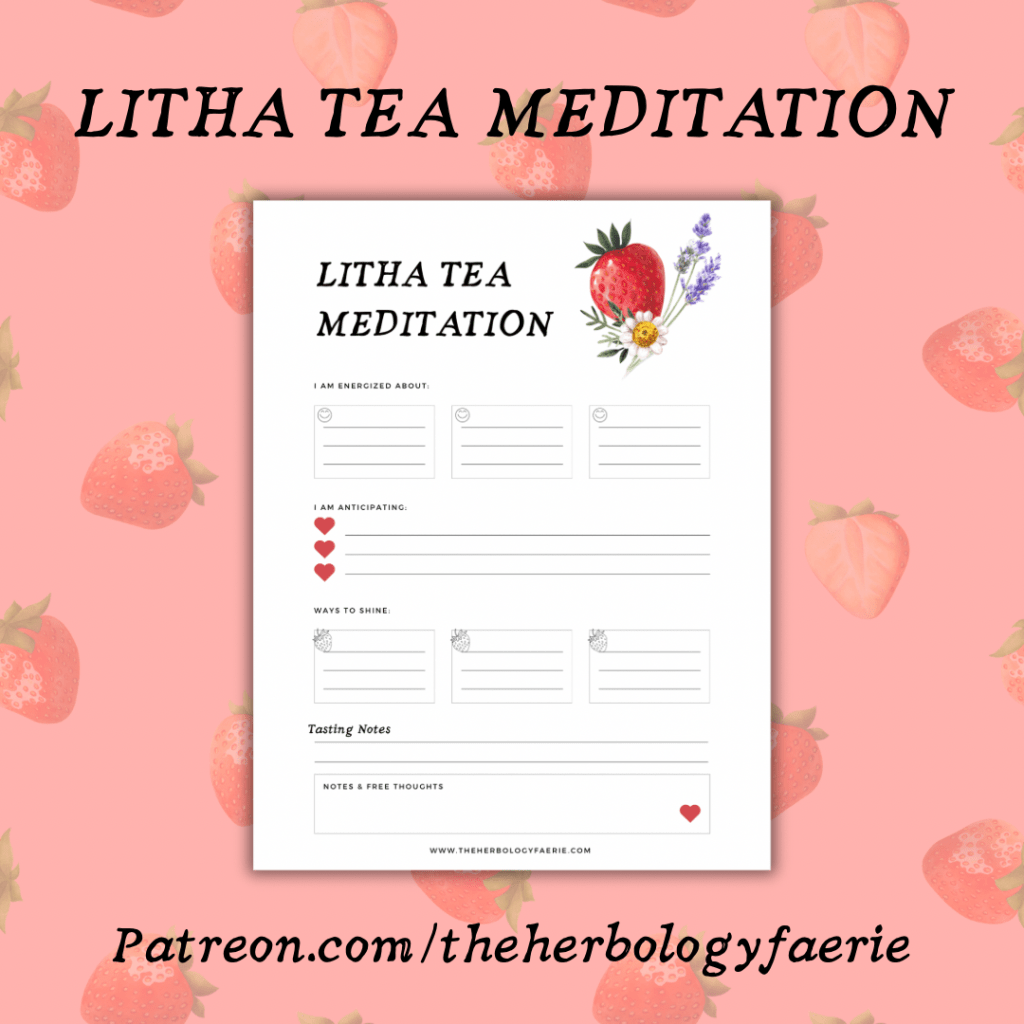
For a printable Litha Tea Meditation journaling page and a printable version of this recipe, join my Patreon at Patreon.com/theherbologyfaerie!

Categories
Botanical Anthology

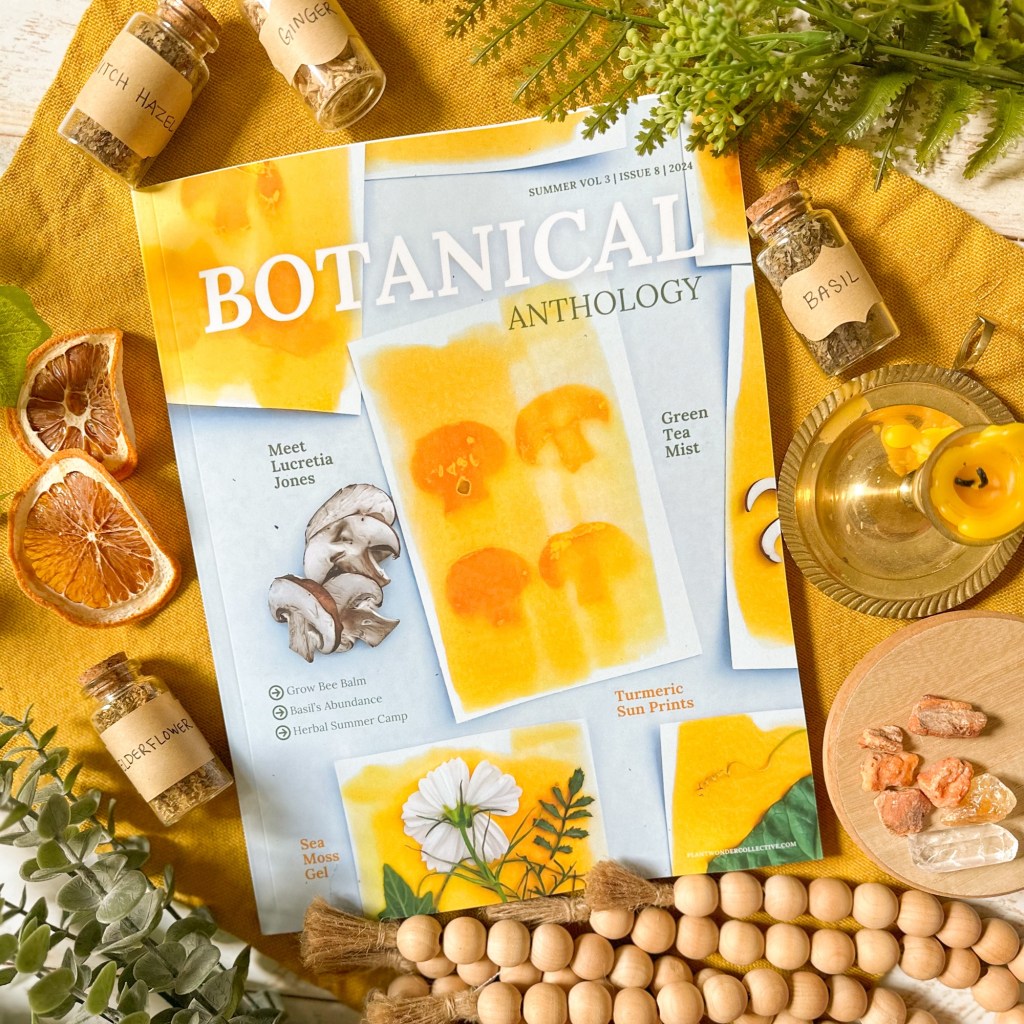
Botanical Anthology Summer 2024!

It’s here! The launch of the Summer edition of Botanical Anthology is TODAY! It’s coming at ya just when the heat is rising, and plants are coming into their full glory. 

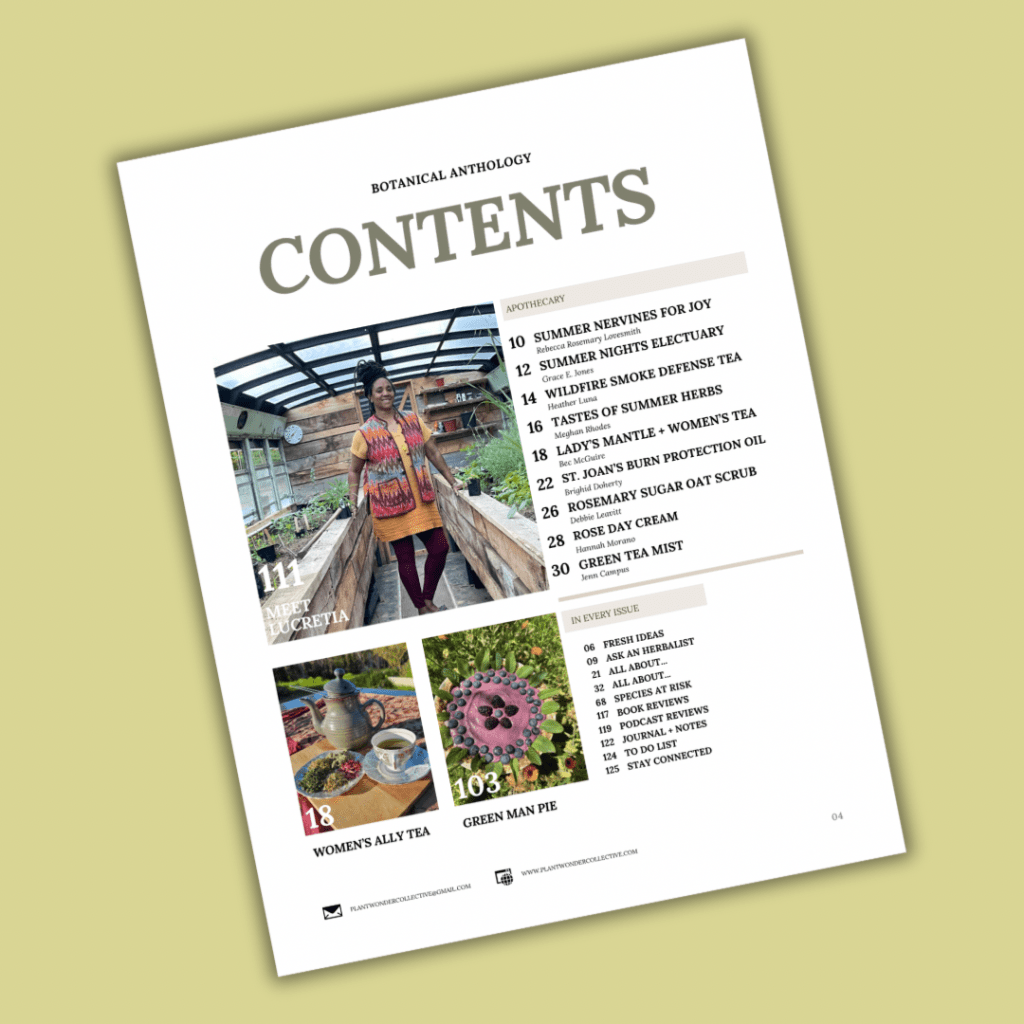
A plant lover’s dream, Botanical Anthology is a seasonal, plant-centered digital + print magazine bringing you over 40 articles from over 40 contributors in 110+ pages to incorporate herbs in your apothecary, kitchen, self-care, foraging, gardening, crafts, and summer celebrations. This is our ninth edition, beginning our next circle around the sun.

(I am extra proud of this magazine because not only am I a contributing writer, but I am also the copyeditor of the magazine!)

At Plant Wonder Collective, we love sharing daily inspiration on our plant of the month, but for this project, we really want to connect to the seasons. Let us be your guide to working with plants in the months ahead.

Through 6/19, grab your digital copy for just $16 and receive the All About Rose booklet for free

Here are the links to purchase:

DIGITAL edition

PRINT edition

We now offer gift cards and digital subscriptions, and the printed edition makes a great gift for the plant lover in your life!

Here are a few examples of what botanical goodness you’ll find within this issue’s pages!

* Whip up a batch of rose day cream, steep St. Joan’s wort oil + infuse a summer nights electuary

* Bake a cake with elderflower, sip a coriander lime cooler + dip hollyhock wraps in rose tahini sauce

* Grow bee balm, save tomato seeds + consider what is a weed

* Make sun prints with turmeric, beeswax dip plants for a garland + sew peppermint repellent sachets

* Brew full moon teas, cultivate abundance with basil + discover summer as fire

* Celebrate Father’s Day, Summer Solstice, First Harvest + Back to School with simple observances

* Meet Lucretia Jones, Reede Haroian, Tanner Filyaw, Dr. Tieraona Low Dog + Audrey Gilbert

📷  Our vibrant cover story is Solar-Powered Turmeric Prints authored by Julia Linsteadt: @a.farm.to.keep on Instagram / www.afarmtokeep.com

Categories
Herbs and Herbalism Tea wheel of the year

Beltane Lilac Tea Meditation

Beltane, also called May Day, marks the cross-quarter between Ostara (the spring equinox) and Litha (the summer solstice). Beltane is a time of heightened romance, carefree joy, ripening fruits, and faerie magic. Take care where you wander on Beltane night as the bonfires burn, lest you stumble into the land of Faerie!

Lilac is, in many parts of the northern hemisphere, ubiquitous with Beltane as its prime blooming period. To celebrate Beltane, harvest some fresh lilac if it is in bloom near you and enjoy a lilac tea meditation ritual. 

((You can also substitute a different fresh food safe flower that is in season near you, such as dandelion, for this meditation, or even dried flowers like jasmine or lavender if fresh flowers aren’t accessible to you!))

Choose a handful of blossoms that look fresh, not wilted. Leave blossoms attached to the stems, but remove most of the twigs.

Dunk in cold water to rinse off any debris and critters. Pour heated water from your tea kettle over the blossoms in a mug to cover the flowers and allow to steep for about 3 minutes before you begin to sip. No need to remove the flowers if they’re attached to the stems—they shouldn’t float loose.

Grab a journal and pen, and seat yourself in an outdoor spot if possible, or next to an open window if not. Sip the tea and feel the sun/moon/breeze on your face, closing your eyes. 

Notice the flavor of the lilac tea. It should be fragrant, floral, a tad sweet and a bit bitter all at once. Very tannic, it should pucker your tongue a bit and leave a dry mouthfeel. Savor the flavor and aroma as you drink, and think of it as nature’s champagne! Rare, beautiful, elegant, joyful, celebratory. Let the taste uplift you and permeate throughout you. Envision a sweet purple light enveloping you, bringing happiness and beauty from the outside-in, if you like. 

Grab your journal. Write down three things you are happy about, three things you are anticipating, and three ways you’d like to grow. Meditate on these ideas as you finish your tea. Then, compost the spent lilac blossoms. 


As an alternative to using a journal, I’ve made a journal page especially for this meditation that you can print and use! Just click on the file below, print, and use alongside your Beltane Lilac Tea Meditation!

Categories
Folklore Herbs and Herbalism plant wonder collective Recipes Tea

Butterfly Pea Faerie Tea

Butterfly Pea Flower is just so very magical! It is astounding how brilliantly blue the flowers can so easily turn the water in a cup of tea. It feels like a bit of faerie magic, for sure!

When I was doing some research for the faerie + plant folklore book I am writing (!!), I came across a type of Eastern European faerie called Er Tütra, which means Morning Mist: the name for a type of weather spirit/faerie. These Morning Mist folk are only visible to human eyes in the form of their namesake natural phenomenon, but they are hard at work to promote the health and growth of crops—an invaluable service to the fauna and humans of the land. 

I made the connection between butterfly pea flower and these Morning Mist faeries because of the folklore surrounding this lovely plant. There are strong ties between butterfly pea flower in Southeast Asian cultures and motherhood and divine feminine symbolism, with a distinct focus on protection and mothering. The Er Tütra certainly perform this caretaking role for the land and crops. What’s more, there are very interesting studies on the use of butterfly pea flower in natural insecticides for crops! Yet another cool connection. 

Here is the recipe for the Butterfly Pea Faerie tea! Embody the springtime Morning Mist with this tea blend and perhaps offer some to the Er Tütra for their aid in your spring garden.


Ingredients

1 part green tea or green rooibos 

1 part meadowsweet

1 part passionflower

1/2 part mint

1/2 part yarrow

1/2 part butterfly pea flower

Directions

To make a single cup of tea, add 1 tablespoon to a tea strainer, eco- friendly tea bag, or French press. Pour 1 to 1 1⁄2 cups hot water over the tea and steep for 3-4 minutes. Add honey or your preferred sweetener to taste, if desired.

To cold-brew this tea blend, add the ingredients to a glass jar or French press, steep overnight in the refrigerator, strain, and serve.


This recipe was shared as a part of Butterfly Pea Flower month at the Plant Wonder Collective! If you’d like to support the work of PWC, please consider joining our Study Circle on Patreon for exclusive recipes, articles, digital downloads and printables for the plant of the month, including this graphic available for print as an apothecary jar sticker. We appreciate you being on this learning journey with us!


For educational purposes only. Not intended for medical advice. Always consult your physician.

*This post contains affiliate links, which means if you choose to buy something from a link that I share, I will make a small percentage of the sale *at no extra cost to you*.

Categories
Hygge Recipes wheel of the year

Ostara: Orange Vanilla Soda Bread

There is, in my opinion, no better way to celebrate the turning of the season (or just anything!) than with warm, freshly baked bread. You just can’t help but be mindful for a moment as you stop and appreciate the ingredients that went into the bread, the hands that made it, and the warming and grounding experience of enjoying it. That is some simple but powerful alchemy, right there. 

This year for Ostara (the spring equinox) I decided to make an easy, rustic loaf of soda bread with some cheery, sweet, springy flavors. I incorporated orange zest and juice and vanilla, because the two together just put me in mind of sunshine and the sweet scent of early spring flowers. 

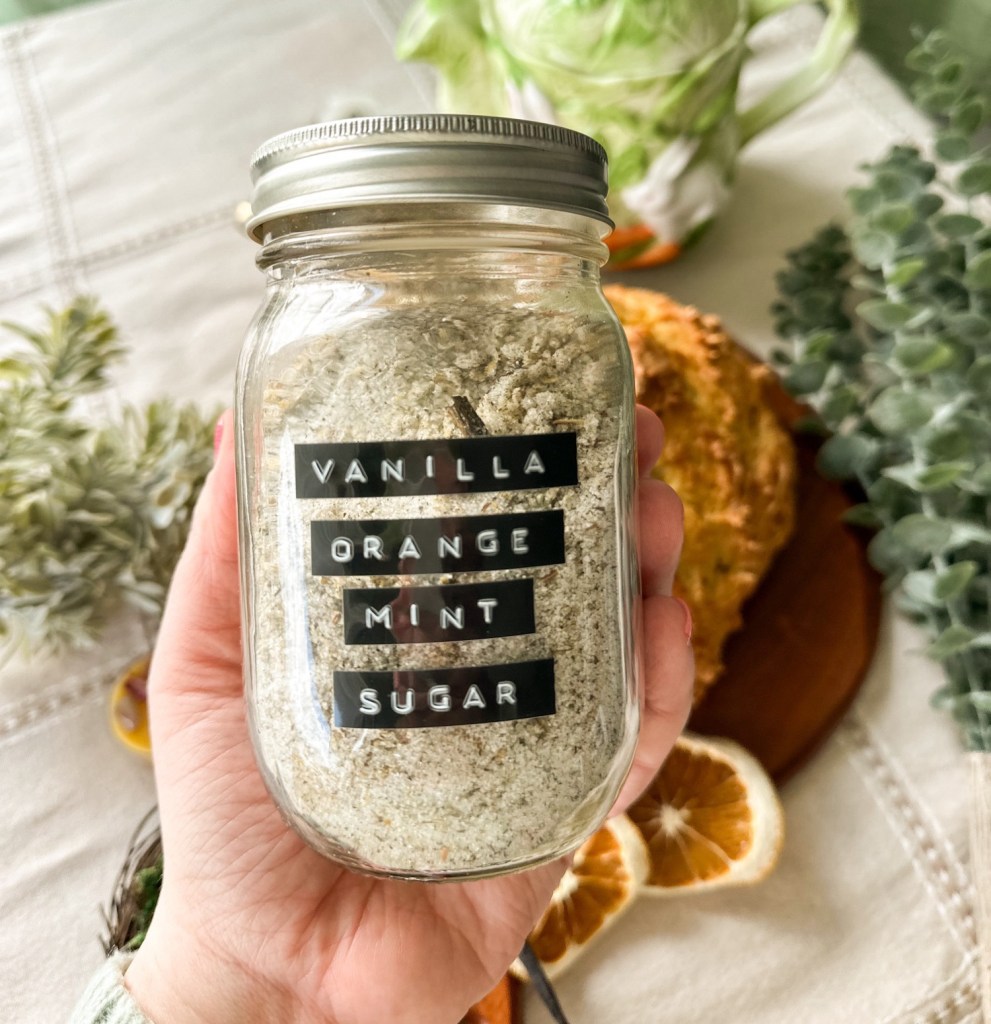
I also sweetened up this traditionally sugarless recipe with a generous helping of the vanilla-orange-mint infused sugar I made awhile back. You could easily use plain sugar, of course, but I had this on hand and it further drives that flavor home and adds a little something extra. 

My family loves snacking on this bread, and it is really nice at breakfast time, too. I like to think it’s a very hobbit-ish sort of treat to celebrate spring with!


The recipe for Orange Vanilla Soda Bread:

Ingredients

4 cups flour (all white flour, part whole wheat, or you could also try your preferred GF flour)

1 ½ tsp baking soda

1 ½ tsp salt

3 Tbsp sugar (vanilla orange mint sugar)

2 tsp vanilla extract

Zest of one orange

1-2 Tbsp orange juice

1 ½ to 1 ¾ cups buttermilk

Method

Preheat oven to 400°F.

In a deep mixing bowl, mix together flour, baking soda, salt, and sugar with a whisk. Whisk in orange zest.

Make a well in the dry ingredients and add the wet ingredients to it. Mix together with a wooden spoon, folding and turning the bowl until a sticky dough forms. If the dough seems too dry, you can add additional buttermilk a spoonful at a time.

Scoop ball of dough out onto a large floured cutting board. Knead a few times lightly. It will still be quite sticky, but you can flour your hands and add a pinch or two of flour if it seems too wet. 

Form into a large round loaf. Place in a greased / oiled Dutch oven or on parchment paper on a baking sheet. Cut an X into the top with a sharp knife. Top with a small pat of butter on each of the four quadrants if you’d like. 

Cover with the Dutch oven’s lid or tent with foil and bake for 30 minutes. Remove cover and bake for an additional 15 minutes. Bread is done when a toothpick comes out clean and/or the X in the center appears done (my X disappeared 😅 but that’s ok). It should also sound hollow if you tap it!

Allow to cool for 10-15 minutes before eating. Then, enjoy!


I love making infused sugars! Here is the recipe for Orange Mint Vanilla Sugar:

Ingredients

1.5 cups of white sugar

Zest of one orange

1 Tbsp ground dried peppermint leaf

1 vanilla bean

Method

Mix the white sugar, the fresh zest of one orange, ground dried peppermint (pulsed to a powder in a coffee grinder reserved for herbs), and one vanilla bean (split and scraped, then the whole bean tossed in) in a bowl. Then spread it out to dry a while on a cookie sheet before transferring the mixture (including the vanilla bean) to a jar. The vanilla bean will continue to impart its sweet flavor in the sugar and it will only get better!

Let the jar sit tightly lidded for a few days to infuse with all the lovely orange oil and vanilla. Then you can use the sugar in teas, coffee (have you ever tried the combo of orange and coffee?), baked goods (imagine rolling sugar cookies in this!), fancy cocktail / mocktail rims, and more!


How do you plan on celebrating the start of spring, in your own way, big or small?


For educational purposes only. Not intended for medical advice. Always consult your physician.

*This post contains affiliate links, which means if you choose to buy something from a link that I share, I will make a small percentage of the sale *at no extra cost to you*.

Categories
Botanical Anthology

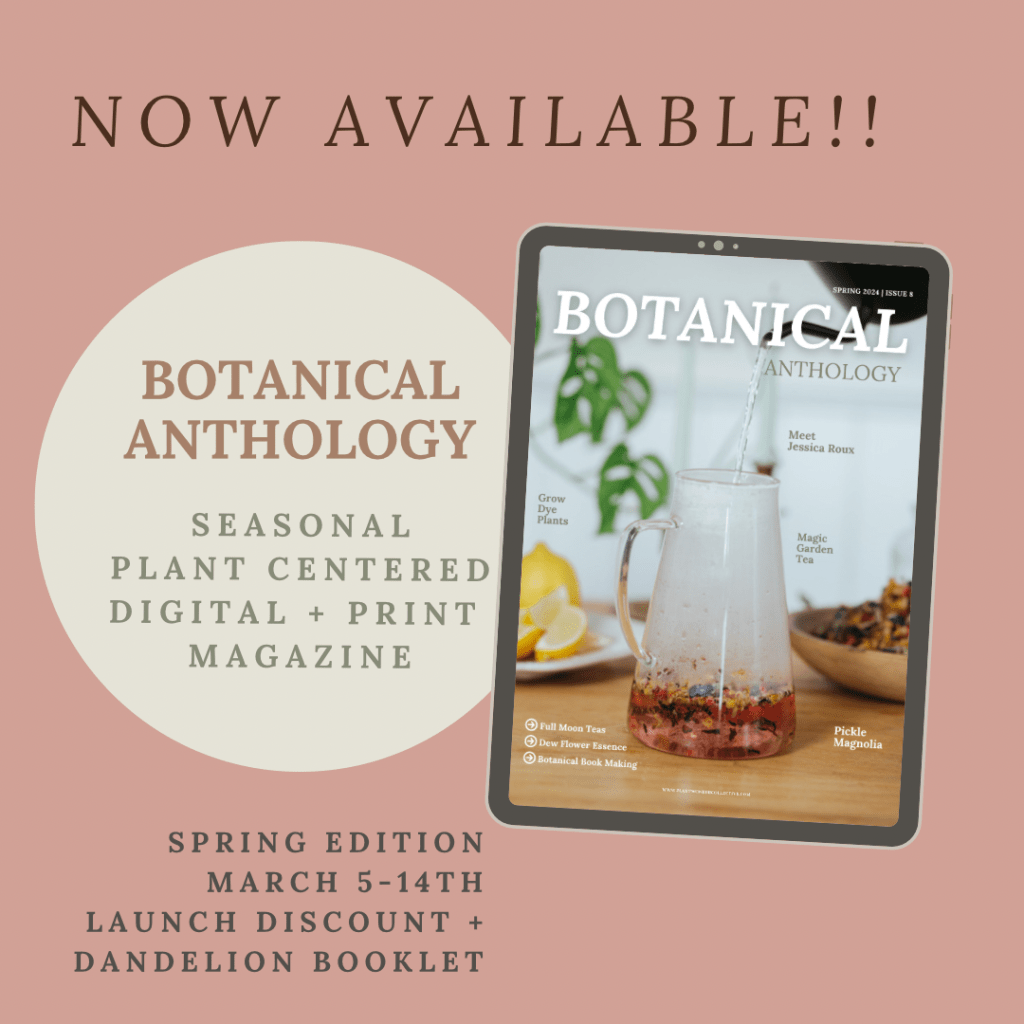
Botanical Anthology Spring Launch!

Today is the day! The spring issue of Botanical Anthology, the plant-centered independent magazine I contribute articles to (and edit) comes out today! I am so excited about all the lovely spring recipes, apothecary preparations, celebrations, crafts, sabbat magic, gardening, foraging, poetry, and more inside its pages. 

This digital + print magazine contains over 40 articles from 38 creative contributors. It is a gorgeous springtime plant-filled wonder and is evergreen—you can come back to it every year, more like a book than a magazine. 

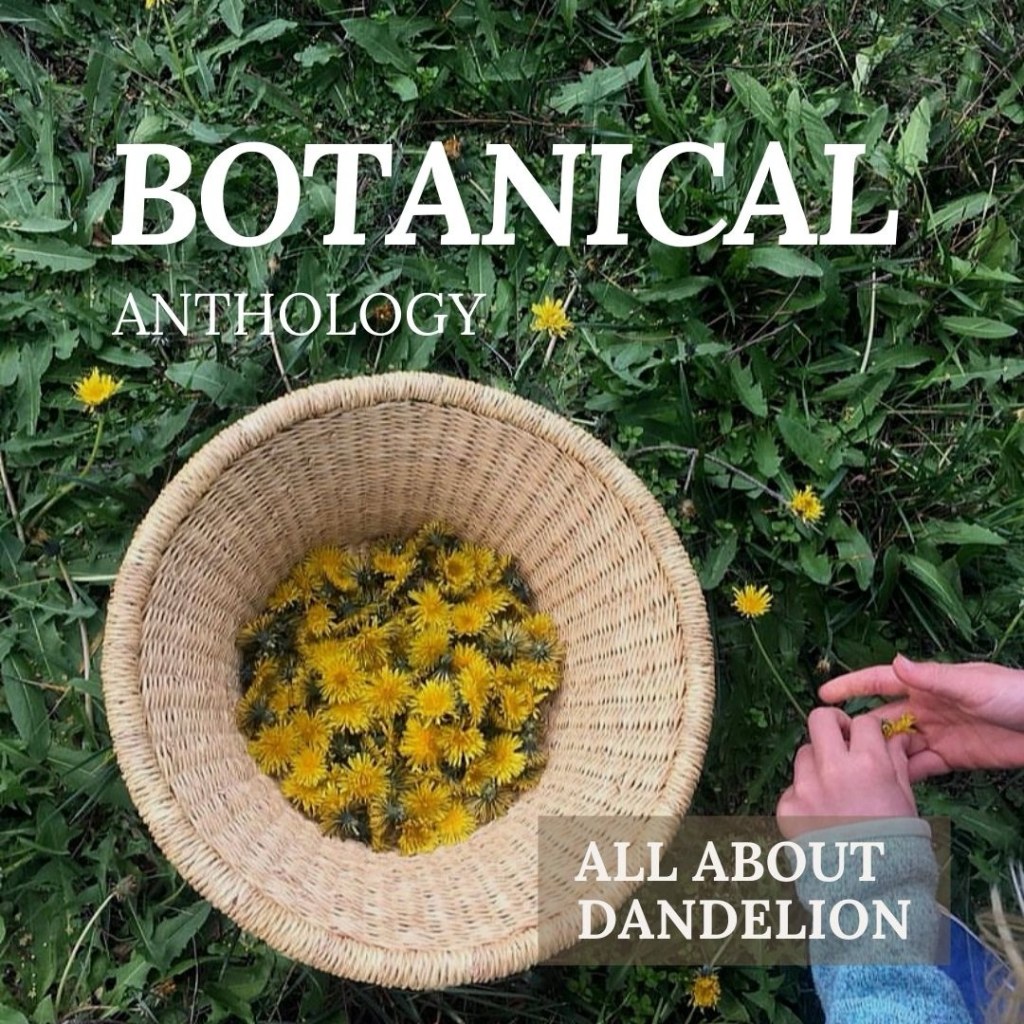
And this time around, the bonus booklet is all about DANDELION! It is the biggest bonus booklet yet, and possibly my favorite one so far. (The bonus booklet is exclusive to those who purchase the magazine now through 3/14.)


Full disclosure—if you use my link to purchase a digital copy, I get a little tiny boost; but if you prefer a physical copy, I get a teensy one if you use my link for that, too. 

Here are the links:

Spring Botanical Anthology DIGITAL

Spring Botanical Anthology PRINT


Would you like a peek at what’s inside? Then look no further!

Let us be your guide to work with plants as you journey through the spring season!

Categories
Herbs and Herbalism Hygge wheel of the year

Yule: Candles, Tea, and Books

Happy Yuletide! I can’t say that I am the most knowledgeable regarding the background and traditions of winter solstice celebrations and rituals, but I am learning more as I go and loving what I learn. I wanted to pop in today to share a few of my favorite cozy Yule traditions with you.

Whether you celebrate Christmas, Yule, a combination, or simply mark the winter solstice, the astronomical beginning of winter and the shortest day and longest night are at the center of this occasion. It is a time of merriment as a way to bring light and cheer into the darkness, and to remind ourselves that the sun and its life-giving warmth will return. This is very much based in the agrarian lifestyle of our ancestors and the greater danger winter posed to their survival. Today we feel the hold-over of these traditions in more metaphorical ways but they’re still deeply ingrained. Other pagan and Christian elements and traditions of this holiday came in later, but all still revolve around the natural occurrence of the winter solstice.

Despite the jolly festivities, as I get older I feel the need more and more to snuggle in at home, slow down, eat cozy treats, and enjoy quiet times with my family just playing games and reading books. I think my connection to the natural world slowing down and going to its winter rest deepens the older I get! So I don’t feel the need for more gifts and parties, but rather candles, tea, and good books.

Candles

I absolutely love making my own candles this time of year. With a few simple, natural ingredients, candles that are healthier and more special than the store bought variety can easily be whipped up in your kitchen. Candles add a warming glow to Yuletide evenings and events, can be given as very special gifts, and you can add your own intention both when you’re stirring the wax to make them and when you take the time to light them each night.

Check out the recipe for these Yule Forest Candles I shared last year, these cozy Pumpkin Spice Coffee Candles from when I was just beginning to learn candlemaking, or purchase the Winter Candlemaking Guide from my Etsy shop to learn how to make candles at home.

Tea

Hot tea is a wonderful way to spend a winter evening during the Yuletide season! There is nothing better than brewing a big pot of tea tailored to the energies of the season, your health, or simply your mood. 

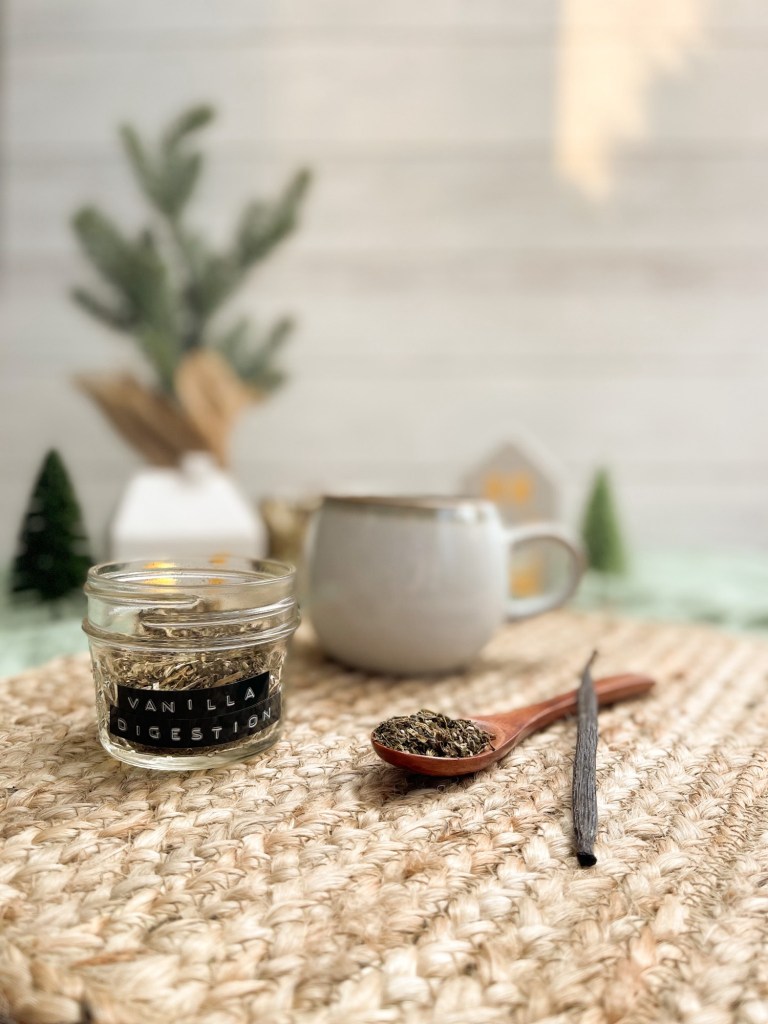
During this season of eating sweets and overindulging, a digestive-boosting tea like the Vanilla Digestion Tea I shared last year can be both helpful and tasty. An Immune Boosting Tea Blend can’t go amiss this time of year, either. Mushroom Coffee makes for a hearty and energizing, yet grounding, brew. Or check out the many other winter tea recipes in my Winter Tea Booklet in my Etsy shop.

Books

I am never at a loss for good books to read! Here I will keep the explanation short and simply share some links to books that are perfect for this season. 

Children’s books about Yule / the Winter Solstice / Wintertime (that are wonderful for adults, too):

The Shortest Day (Susan Cooper)

The Winter Solstice

Goodbye Autumn, Hello Winter

The Tomten

Flower Fairies of the Winter

The Shortest Day (Wendy Pfeffer)

The Nutcracker Ballet

Adult fiction and nonfiction – my recent cozy or cozy-adjacent favorites

Emily Wilde’s Encyclopedia of Faeries

Legends and Lattes

A Spell in the Wild

The Wake-Up Call

The Tale of Hilltop Farm (the Cottage Tales of Beatrix Potter)

The Hobbit

Kitchen Witch

A Morbid Taste for Bones (the Brother Cadfael mysteries)

Little Women

Slavic Kitchen Alchemy

Healing Herbal Teas

What cozy ways are you enjoying the Yuletide season?


For educational purposes only. Not intended for medical advice. Always consult your physician.

*This post contains affiliate links, which means if you choose to buy something from a link that I share, I will make a small percentage of the sale *at no extra cost to you*.

Categories
Herbs and Herbalism Recipes

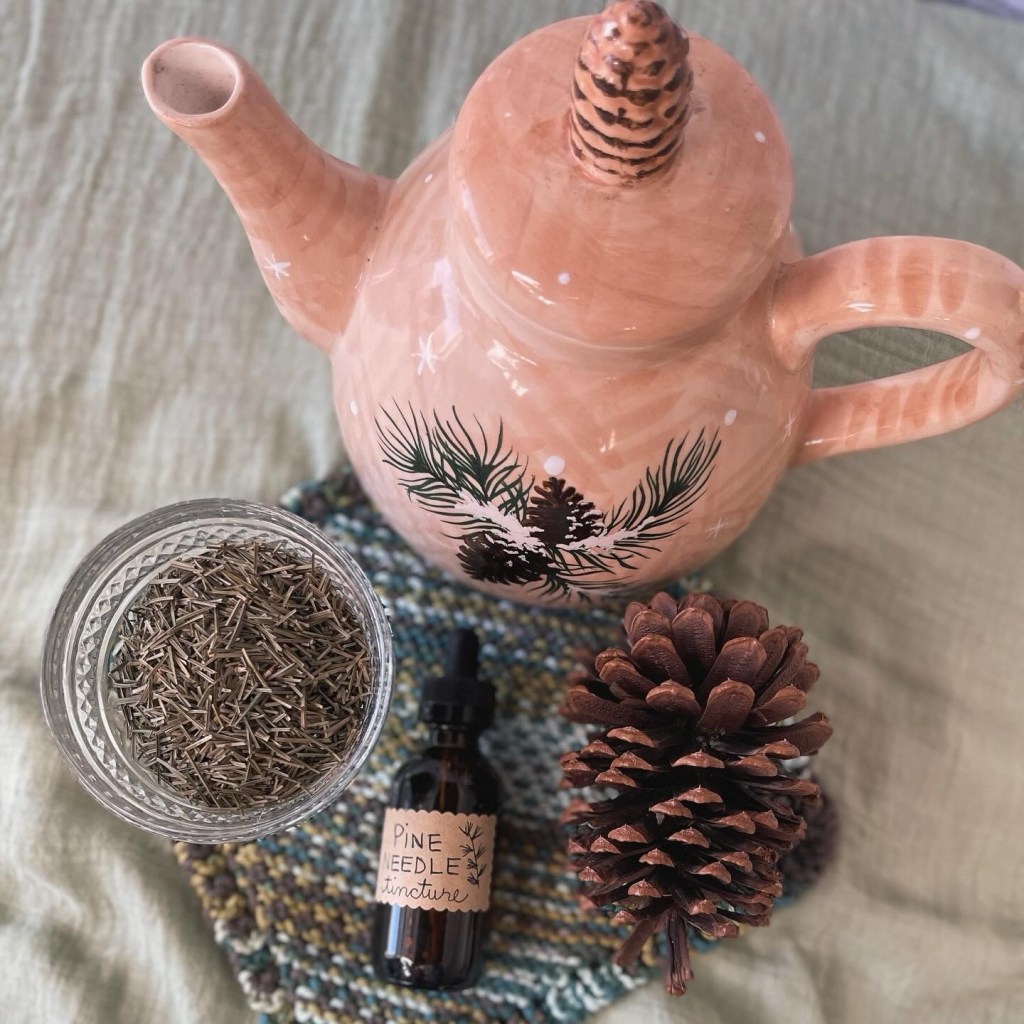
Pine Needle Tincture

A tincture is a simple and powerful way to experience an herb’s benefits and energies. I’ve brewed up a batch of pine needle tincture to enjoy the taste and effects this winter season!

Pine has so many benefits to body and mind. Medicinally, it can help aid the immune system with its high vitamin C content and antimicrobial qualities, it can help with pain and inflammation, and it can offer relief to colds and coughs. Energetically, pine is said to encourage peace, harmony, wisdom, intuition, grounding, and courage.


Here is the simple recipe for making your own pine tincture!

Materials

To make a pine tincture, fill a clean glass jar about ¾ full with dried pine needles (make sure you’ve sourced from a safe-to-consume species!) and top with high-proof alcohol such as vodka, filling to about an inch over the plant material. Stir with a wooden spoon or chopstick, and cap tightly with a bpa-free plastic lid. Store in a cool, dark place and shake daily for about 4-6 weeks. Strain and rebottle in a clean jar / dropper jars.


This can be taken medicinally by drops or dropperful in water or under the tongue…but it can also be enjoyed by the dropperful as an addition to tea or juice—or even used as fancy bitters in cocktails and mocktails! (I am envisioning it as a very cool wintry addition to an Irish whisky with gin & lime!) You can also mix a bit with a carrier oil and use it externally for minor pains and inflammation.


For educational purposes only. Not intended for medical advice. Always consult your physician.

*This post contains affiliate links, which means if you choose to buy something from a link that I share, I will make a small percentage of the sale *at no extra cost to you*.

Categories
Uncategorized

November Updates

Hello, friends! I apologize that it has been so long since I’ve shared any recipes, projects or herbal info with you here. November has been a very busy and unusual month! So I thought I would pop in and tell you a few things that have been going on lately, including some exciting publications coming out soon.

Not to start on a sad note, but my grandmother died at the beginning of November. We were not close, but I have still felt the effects of losing a family member, and have also spent some time helping my parents with a few things regarding her home and belongings. So, that has thrown off my usual autumn recipe writing and making.

My grandma

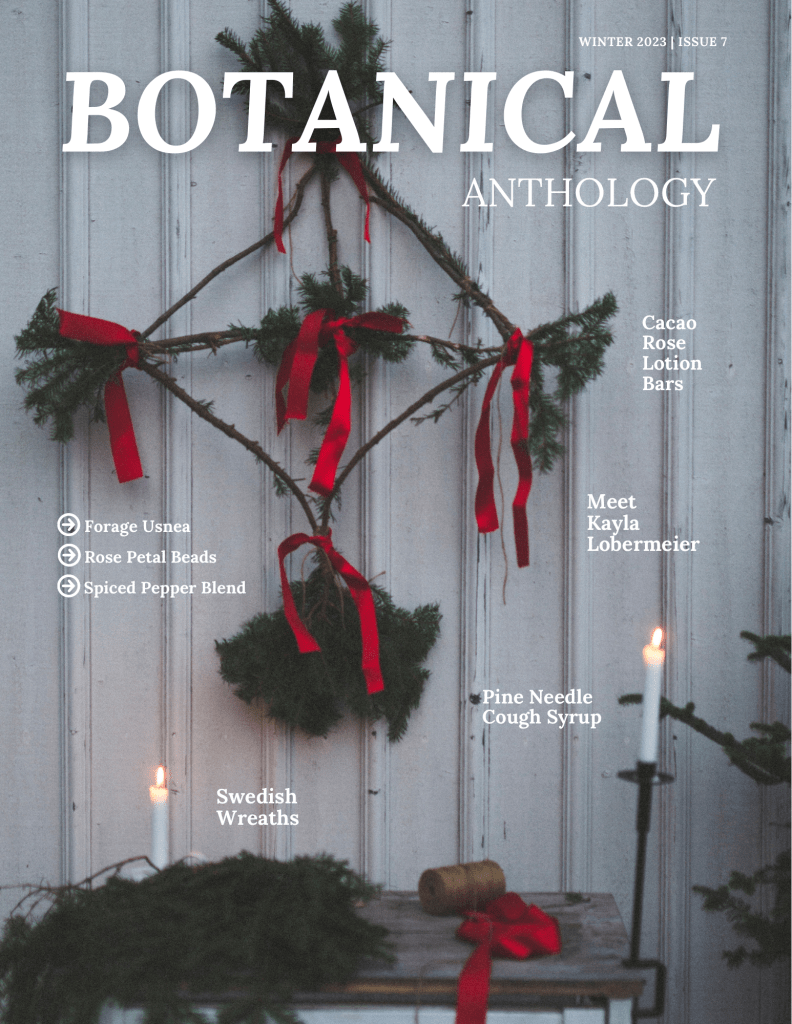
On a happier note, I have been hard at work helping to edit the upcoming winter edition of the Botanical Anthology magazine! With an almost month-early release date and lots of extra side projects tied in, this endeavor has kept me on my toes. I can’t wait to share more with you about this cozy plant-centered publication and the articles I’ve written for it.

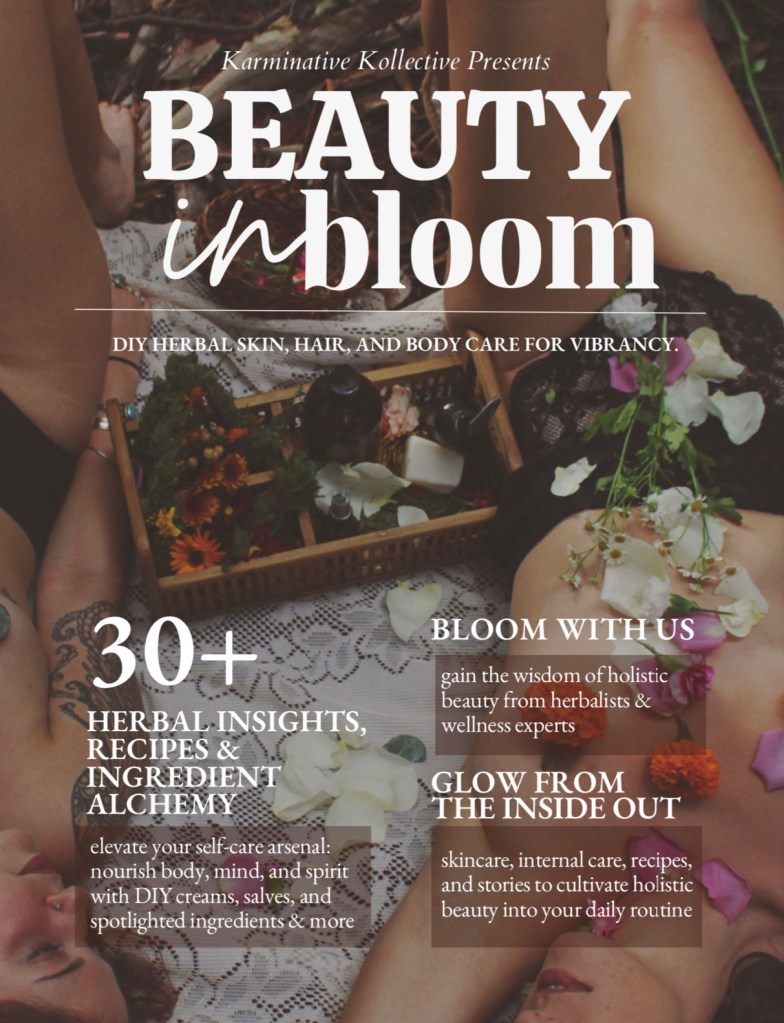
I have also written articles for other publications! The winter edition of Willow & Sage came out this month and includes a Lavender Pine Lip Balm recipe by me. And soon, a new publication called Beauty in Bloom will release with two articles by me inside!

I’ve been hard at work finishing my Winter Tea Booklet, the recipe ebook (already available!) in my Etsy shop. Rosemary Faerie tier Patreon patrons will receive this as one of their December gifts!

As ever, I’ve been creating other posts and printables for those lovely Patreon patrons, too. This month they’ve received a tea recipe coloring page, an herb monograph all about cardamom, a mini guide to crafting winter candles (also in my Etsy shop), and more!

If you’re missing the recipes I normally post here, you might be interested to hop over and check out a few from my Instagram feed this month. I’ve shared a grief tea, my November Cozy tea, Cardamom Hearth incense, herbal cooking salt, and a festive Sparkling Cranberry-Apple Spiced Sangria Mocktail. Cheers!

I will be back soon to share more about the Botanical Anthology and Beauty in Bloom, as well as more recipes again! Thank you for sticking with me here, my faerie friends!

Categories
Botanical Anthology Herbs and Herbalism Recipes

Immune Boosting Herbs + Tea

This article appears in the Winter 2022 edition of Botanical Anthology. You can purchase a digital copy HERE or a print copy HERE.

Along with the joys winter brings, it unfortunately also carries increased risk of illness in its wake. Between extra time spent indoors during colder weather and the season’s gatherings and festivities, exposure to many types of illnesses sees a dramatic uptick. To that end, immune support becomes a constant refrain.

Herbal allies can be indispensable when it comes to this winter barrage of germs. But what does “herbal immune boosting” mean? It is a many-pronged approach to keeping your body functioning optimally so that you might avoid some illnesses altogether, or at least lessen their severity. Different types of herbs work together synergistically to aid with this never-ending task.


Adaptogens
Fatigue, burnout, and chronic stress are common problems that weaken the immune system and its ability to fend off illness. Adaptogenic herbs help restore balance and protect the body’s systems and processes to counter these effects, the immune system being an important beneficiary. Tulsi, astragalus, reishi and chaga mushrooms and licorice root are just a few examples of adaptogens.

Nervines
Stress and insomnia deplete the body and create the perfect breeding ground for germs. Luckily, nervine herbs help combat both of these issues, and many are gentle and safe for everyday use for most individuals. As an added bonus, some nervines have antimicrobial properties, too. Gentle nervine herbs include chamomile, lavender, lemon balm, tulsi, rosemary, linden, hawthorn, and passionflower.

Diaphoretics
Diaphoretic herbs are warming and promote circulation. Once sick, these herbs go on to help sweat out a fever and offer respiratory relief. These include yarrow, elderflower and berry, chamomile, ginger, catnip, cayenne, garlic, and linden.

Aromatics
Aromatic herbs don’t just taste great—they provide important immune boosting actions, too. Most aid digestion, while also offering strong antimicrobial support. These germ-killers include ginger, cardamom, cinnamon, cloves, anise, allspice, rosemary, and fennel.

Antioxidants
Antioxidants like vitamin C aid immunity by supporting and stimulating antimicrobial actions on a cellular level as well as protecting body tissues from damage. Antioxidant herbs that provide much-needed immune boosting include rooibos, rose hips, hibiscus, elderberry, orange peel, and raspberry leaves.

Alteratives
Alterative herbs aid in detoxifying your body by supporting the organs and systems that handle this important task. You need your liver, kidneys, and lymphatic system in tip-top shape to fight off illness! This category of herbs includes echinacea, calendula, dandelion root, burdock root, and nettles.


There are countless combinations one can work with to create an immune-boosting herbal recipe. To make things a little less daunting, here is a simple tea as a starting point. It features elderberry, a tried-and- true immunity aid, but also rooibos, an oft-overlooked antioxidant powerhouse. There is a bit here from each of the above categories, and plenty to tempt the taste buds, as well.

Blend this combination of herbs as the recipe states, or use it as a jumping-off point to inspire your own immune supporting formulation!


Materials
3 tbsp elderberry, dried 2 tbsp rooibos
2 tbsp tulsi
1 tbsp calendula
1 tbsp lemon balm
1⁄2 tbsp yarrow
1⁄2 tbsp ginger
1⁄2 tbsp cinnamon
Fresh orange zest or slice, if desired
Honey, if desired

Method
Mix all ingredients except orange in a bowl. Transfer to an airtight container.

To make a single cup of tea, add 1 tablespoon to a tea strainer, eco-friendly tea bag, or French press. Pour about 1 1⁄2 cups hot water over the tea and steep for 5 to 10 minutes. Add fresh orange zest or orange slice and honey to taste, if desired.

Notes This recipe yields approximately 10 servings of tea.
If making a small batch, measure the parts in teaspoons—it should yield about 2 servings of tea.


For educational purposes only. Not intended for medical advice. Always consult your physician.

*This post contains affiliate links, which means if you choose to buy something from a link that I share, I will make a small percentage of the sale *at no extra cost to you*.