Categories
Recipes wheel of the year

Mabon Spiced Apple Cider

Mabon is almost here! Otherwise known as the Autumn Equinox, this sabbat marks the official beginning of fall, the second harvest festival, one of the two points in the year when day and night are equal, the height of preparations for the dark part of the year, and a day of thanksgiving and gratitude.

Depending on the year, my birthday falls right before or sometimes on Mabon (9/21), so it always feels *extra* special to me. I can always be counted on to make a bit of a fuss to celebrate the equinox! I suppose I may love fall so much because I’m a Mabon baby, but I think this most cozy, crisp, and magical time of the year would be my favorite regardless of my birthday.

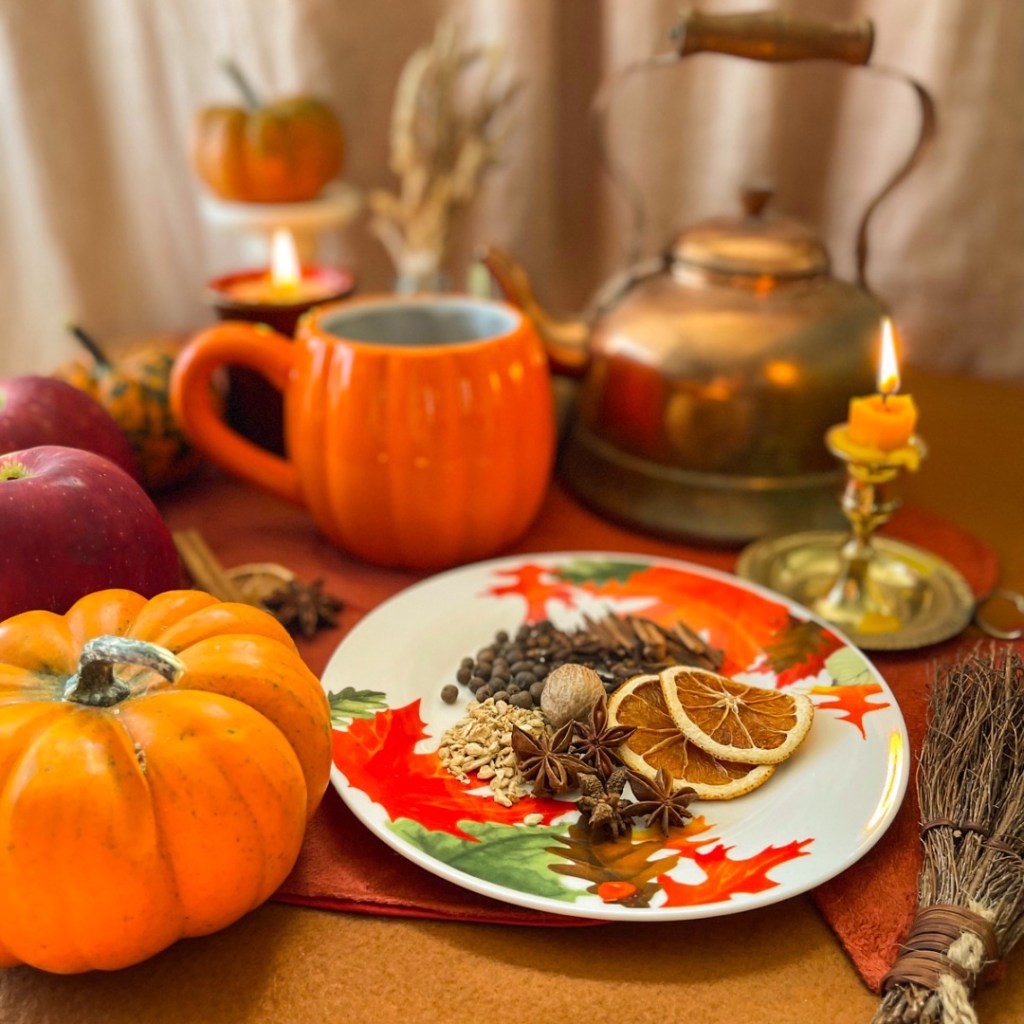
My favorite flavor of autumn is…no, not pumpkin spice…but apple! And spiced apple, which is nearly the same as pumpkin spice, but with a different vehicle. I love pumpkin, don’t get me wrong—but apple will always be the flavor of September to me. So I am brewing up a simple and delicious batch of spiced apple cider for my family to enjoy this Mabon weekend.

In this recipe, apples are combined with vitamin C rich oranges and beneficial, warming, digestion-promoting, immune-boosting spices. This drink offers a cozy, warming, festive sip with many benefits!

Here is the recipe:


Materials—

½ to 1 gallon of fresh apple cider

2-3 apples, sliced

1-2 oranges, sliced

1 small to medium knob of fresh ginger, sliced, or 2 tsp dried ginger

2-3 cinnamon sticks

1-2 tsp whole cloves

1 tsp whole allspice

1-2 tsp freshly grated nutmeg

2-3 star anise

Method

To make a hot spiced cider, fill a large stock pot or slow cooker with the fresh apple cider, sliced apples and oranges, sliced ginger if using fresh, and cinnamon sticks. Place the rest of the spices in a cheesecloth bag or large eco friendly paper tea bag and add to the pot. Heat over low heat, stirring occasionally, and serve warm. 

If the autumn equinox is still quite warm where you live, you can make this as a cold drink instead! Place all the ingredients in a pitcher in the refrigerator overnight. Try mixing it with sparkling apple cider, ginger beer, ginger ale, or Prosecco for a fizzy twist!

What are you doing to mark Mabon / the autumn solstice this year?


For educational purposes only. Not intended for medical advice. Always consult your physician.

*This post contains affiliate links, which means if you choose to buy something from a link that I share, I will make a small percentage of the sale *at no extra cost to you*.

Categories
herbal skincare Hygge Recipes

September Perfume Oil

I decided to whip up an adorably tiny roller bottle of September-inspired perfume oil recently! I love teeny roller bottles because I can make a small amount to test out the scent combination, and I don’t have to worry about making too much if it’s something I’m only going to use for a short period because it’s intention is geared to a specific occasion or month.

The basis of this essential oil blend is Ho wood and benzoin, which are creamy, vanilla-esque scents that I find very cozy. Combined with these are notes that are spicy, woodsy, sweet, and a hint of floral. To me, this combination evokes early autumn: the sweet and creamy scents are rich, yet sunny and light, and the spice is subtle enough to hint at autumn without being too heavy.

If you have sensitive skin, you probably ought to cut back on the EOs when making this recipe, and you can leave out the cinnamon and cardamom if they might be irritating. (The cinnamon chips included will gradually infuse in the base oil anyway!)

And, as always, be sure to source and use essential oils responsibly and from reputable, sustainable sources. (Not an ad and not sponsored at all, but I get most of my essential oils from Mountain Rose Herbs and Simply Earth.)

Materials:

5 ml roller bottle

Dropper

Carrier oil of choice (I like olive oil even though it’s a bit unorthodox—I used calendula-infused olive oil to make it extra special!)

Cinnamon stick chips

Essential oils, in drops:

3 Ho wood

3 benzoin

2 cypress 

2 sweet orange

1 geranium

1 cinnamon

1 cardamom

Method:

Add a few pieces of cinnamon stick chips. Fill the bottle about halfway with carrier oil using a dropper. Carefully add the essential oil drops, then top with more carrier oil—make sure to leave room to insert the roller ball top. Add the roller and cap tightly, shake to mix well, and let it sit a day or two before using.

What scents put you most in mind of September?

Categories
Hygge Recipes

Gluten Free Chai Apple Crisp

It may not be pumpkin spice time yet (Says who? It’s always pumpkin spice time to me!) but apples are ripening and it’s a great time to whip up some apple crisp. I am gathering with friends this evening, so I made a chai apple crisp that is gluten-free for one of my friends’ dietary needs.

You can’t fault me for rushing Autumn if I’m using chai spices! And anyway, there are so many benefits to chai spices. Medicinally they’re immunity boosting, digestion aiding, circulation stimulating, and so much more—check out THIS blog post for more on that. Chai spices also help soothe, relax, and even help with sleep. And symbolically / spiritually, many of these warming spices are said to bring prosperity, protection, joy, and divinatory insight. Plus, they’re just cozy and tasty! Perfect for a gathering with friends paired with tart Granny Smith apples.

Here is the recipe!


Gluten-Free Chai Apple Crisp—

Ingredients

For the filling—

  • 8-10 Granny Smith apples, peeled, cored, and sliced or chopped
  • 2 Tbsp gluten-free flour blend
  • 2 Tbsp sugar
  • 1 tsp pumpkin spice mix (cinnamon, nutmeg, ginger, and cloves) or ¼ tsp of each 
  • 1/4 – 1/2 tsp allspice
  • 1/2 tsp cardamom powder
  • 1 tsp vanilla extract

For the crumble—

  • 1 cup gluten-free old-fashioned oats
  • 1/2 cup gluten-free flour blend
  • 1/8 tsp salt
  • 1 cup dark brown sugar
  • 1/2 tsp pumpkin spice
  • 1/8 tsp allspice
  • 1/4 tsp cardamom
  • 1 stick of butter of choice, cold, cubed

Method

Preheat oven to 375° F. Grease a 9 x 13 glass baking dish and set aside.

Prepare apples and put in a large mixing bowl. Sprinkle with sugar, flour, and spices and stir to coat; add vanilla extract and stir again. Scoop this mixture into your greased baking dish.

In the same mixing bowl if you’d like, mix the oats, flour, spices, and salt well. (If you’d like to ease back on the spices, omit them from the crumble.) Add the brown sugar and butter and cut in with a pastry blender or fork until pebbly consistency is reached. Sprinkle over the apple filling evenly.

Bake 30 to 35 minutes; cool before serving.


Notes

Serves 6-8

Substitute in your favorite chai spices and play around with the amounts to your preference!

Would also be amazing with walnuts in the crumble topping.

This recipe could easily be adapted to be non gluten free with conventional flour.


Are you a big fan of apple crisp? And do you think August is too soon for it? Let me know in the comments!

Categories
Botanical Anthology

Summer Botanical Anthology!

I am so, so very excited to share with you about this labor of love, the Summer edition of Botanical Anthology, which is launching tomorrow, June 12!

I am personally more involved than ever in the production of this publication—aside from writing articles for it, I am now its copyeditor. I’ve worked closely with the magazine’s founder/editor, my friend Harmonie, on the design and content of this edition as well as editing all the articles. I can tell you that all 46 contributors are bringing amazing articles, recipes, and other content centering around summer and how to incorporate herbs in your apothecary, kitchen, spring foraging and gardening, crafts, and summer celebrations.

Here is a sampling of what’s inside:

* Whip up an itch soothing salve, steep a California poppy tincture + infuse an evening primrose oil

* Whisk a milky oats honey mustard, make watermint chocolate chip ice cream + bake a starflower cucumber cake

* Grow amaranth, make fertilizer with comfrey + learn why you should add herbs to your garden

* Create clay mushrooms, eco print with coreopsis + make sidewalk chalk

* Form summer rituals, build a Lion’s Gate altar + discover rose family folklore

* Celebrate Summer Solstice + Lammas with simple observances

* Meet Rebecca Desnos, Susan Leopold + Tiffany Jones


From June 12th – 21st, receive the Botanical Anthology Summer edition digital download, plus our lavender bonus booklet download, for just $18. Come next week, the lavender booklet will no longer be included, and the price will increase.

And now you can purchase a printed option via Amazon!!  Plus we have gift card and digital subscription options on our website!

As a thank you for being here with me as a BLOG FOLLOWER, enjoy $3 off the publication with the code: BASummer23Take$3

Thank you so much for taking the time to read this message as I share my excitement about this magazine I am so lucky to be a part of. If you’d like to learn more about the publication and what’s inside, and consider buying your own copy, follow this link:

Botanical Anthology Summer

Categories
Botanical Anthology

Beltane Floral Incense

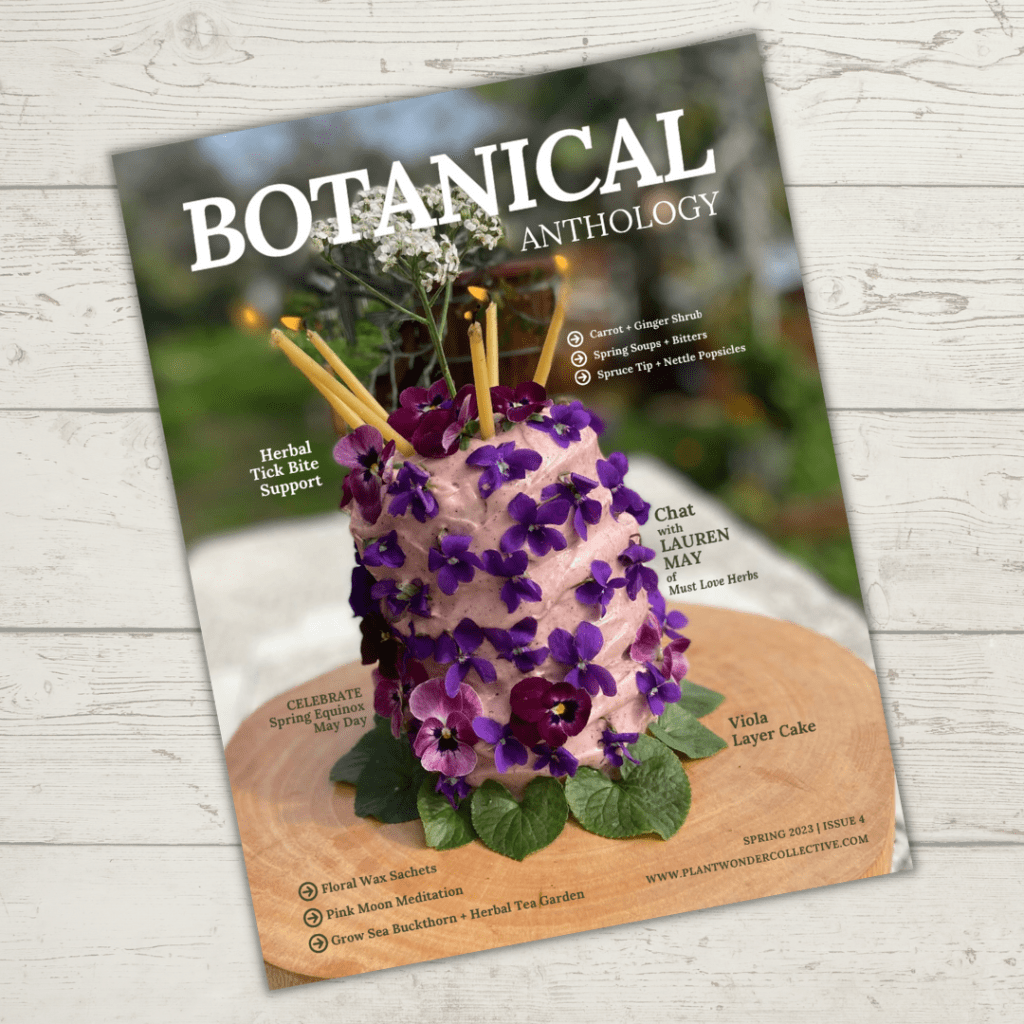
This blog post is a little something different: an excerpt from the spring edition of Botanical Anthology!

This plant centered digital publication is packed with seasonal crafts, recipes, foraging tips, articles, & more. Click here to learn more about the digital edition, or click here to check out the print edition.


Carrie Tuttle is an environmental educator, mom, and poet. She has been weaving magic into her home via kitchen and garden witchery for 30 years. She lives in Wyoming with her family, pets, and gardens.

Fires of Beltane Loose Floral Incense

By Carrie Tuttle

Beltane is a glorious celebration of fire. Translated roughly as bright fire, the day falls at the halfway point between the Spring Equinox and the Summer Solstice. Here we find a day associated with bonfires, feasting, and the fertility of the land beneath our feet. Beltane, or Mayday, is awash with flowers. In Gaelic lands, and in modern Paganism, it is celebrated with a flower wreathed Maypole, floral wreaths for the May Queen and celebrants, as well as decorating homes and sacred places and spaces with spring florals.

For many this is a time of year when spring begins its raucous state of growth; a riot of flowers, lengthening days, and getting our gardens underway. One practice to honor this day, and its connection to fire and growth, is through the crafting of ritual incense. The use of incense is common in ritual and dates back thousands of years to ancient Mesopotamia, where the burning of herbs and resins facilitated sacred communication with the gods. In addition, it is believed that the healing elements of herbs can be transferred through their burning as well, leading many to blend their own healing incense. 

Using a loose incense allows the crafter to use dried flowers and herbs in their whole form, without having to pulverize, mix and add a binder; required in the blending of stick and cone incense. It is a simple and quick way to craft incense, and involves only the herbs and a source of heat, such as a charcoal disc or electric incense burner.

The Beltane incense below was crafted with following herbs for their corresponding symbolism: 

Lavender: love, luck, grace, and connection to ones higher self

Apple or crabapple twigs: beauty, health, fertility, and harmony

Rose: romance, passion, rebirth, renewal

Jasmine : sensuality, positivity, connection to the divine

Mugwort: dreams, protection, self-love, magic

You may also add other herbs from your local environment, or from your gardens, as it enhances your connection to the land, and to your personal practice. Just be sure to look into their properties, as you don’t want to burn anything that could be toxic.

Blending these dried herbs together to burn is its own wild alchemy, because as you blend you put your intentions for this fiery holiday into work. You may imagine the correspondences as you blend each herb, or add your own magical intent. 

Materials

3 tbsp jasmine flower

2 tbsp lavender

2 tbsp mugwort

1 tbsp  roses 

1 tbsp  apple twigs, cut into ½ inch bits

Method

Mix well, place in a jar and label. 

Burn over a charcoal disk or in your outdoor Beltane fire of choice. 

Notes

The batch makes approximately ½ cup  of the incense blend.

Increase the batch size to use in a bonfire or to give as gifts.

Categories
Herbs and Herbalism Recipes

Orange Rose Shortbread Cookies

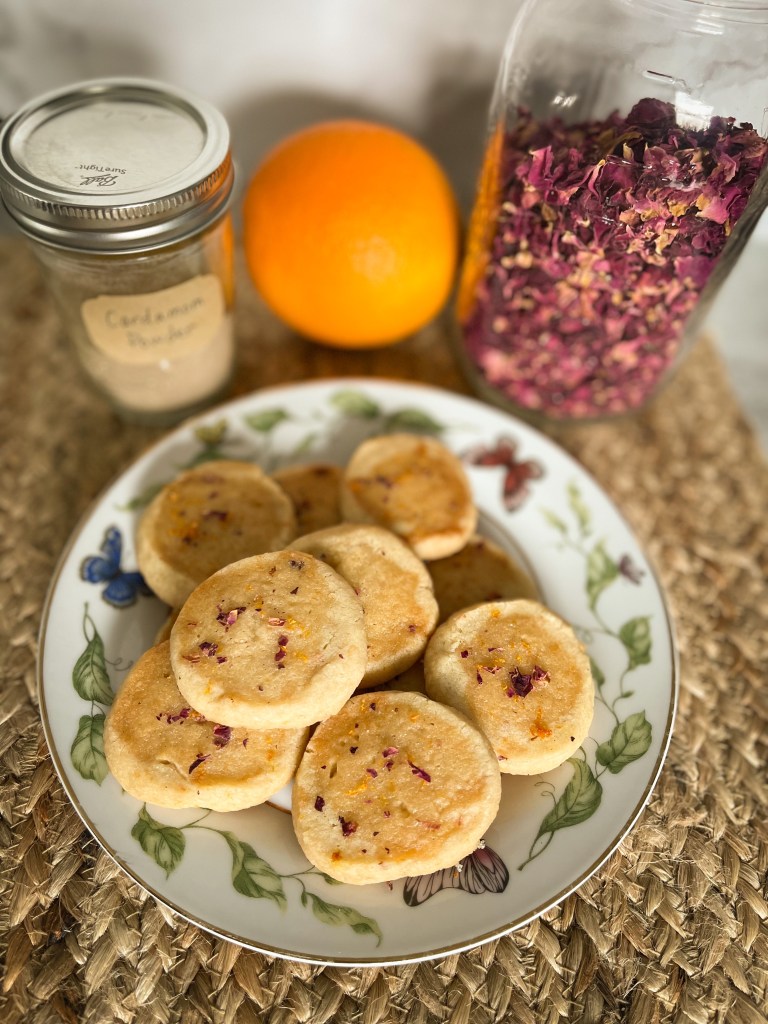
I’ll admit—this recipe was inspired entirely by rewatching old episodes of the Great British Bake Off. I keep seeing shortbread cookies, and hearing them talk of how their “biscuits” have a satisfying snap. My midwestern American palate is much more accustomed to gooey, soft cookies which are delicious but a bit simpler. So I thought I’d try my hand at some springy shortbread cookies—which, of course, had to incorporate herbs.

In addition to a classically sweet and crisp shortbread recipe, I’ve combined the flavors of rose, orange, cardamom, vanilla, and honey. These lend a distinctly layered complexity to the mild taste of the biscuits and help them pair even better with a lovely black tea. (Springtime tea party recipe, perhaps?) Also, all these botanicals are uplifting, bright, and fresh. It’s the perfect light sweet after a winter of heavy sweets and spices.

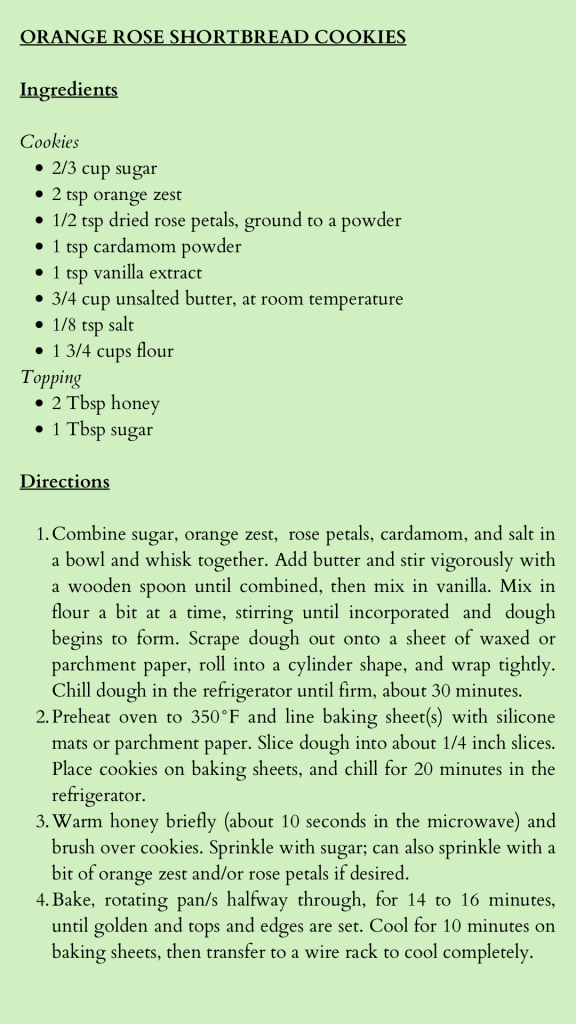
Here is the recipe if you’d like to try them!

Categories
Recipes Tea

Spring Tea Recipe Ebook!

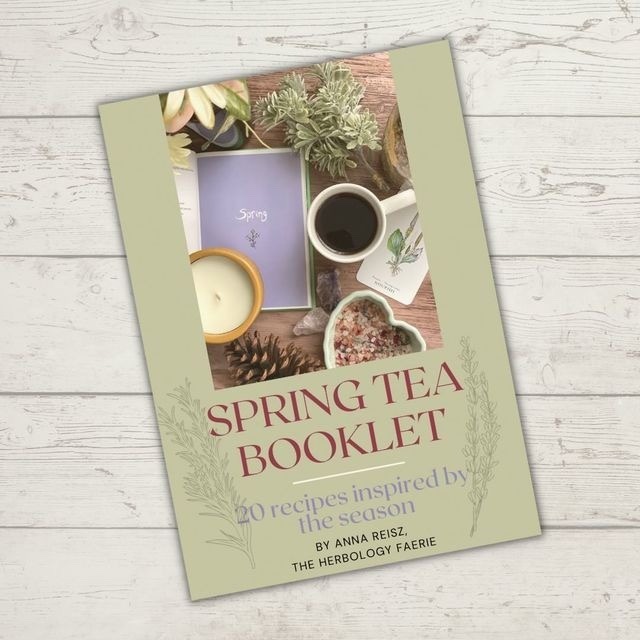
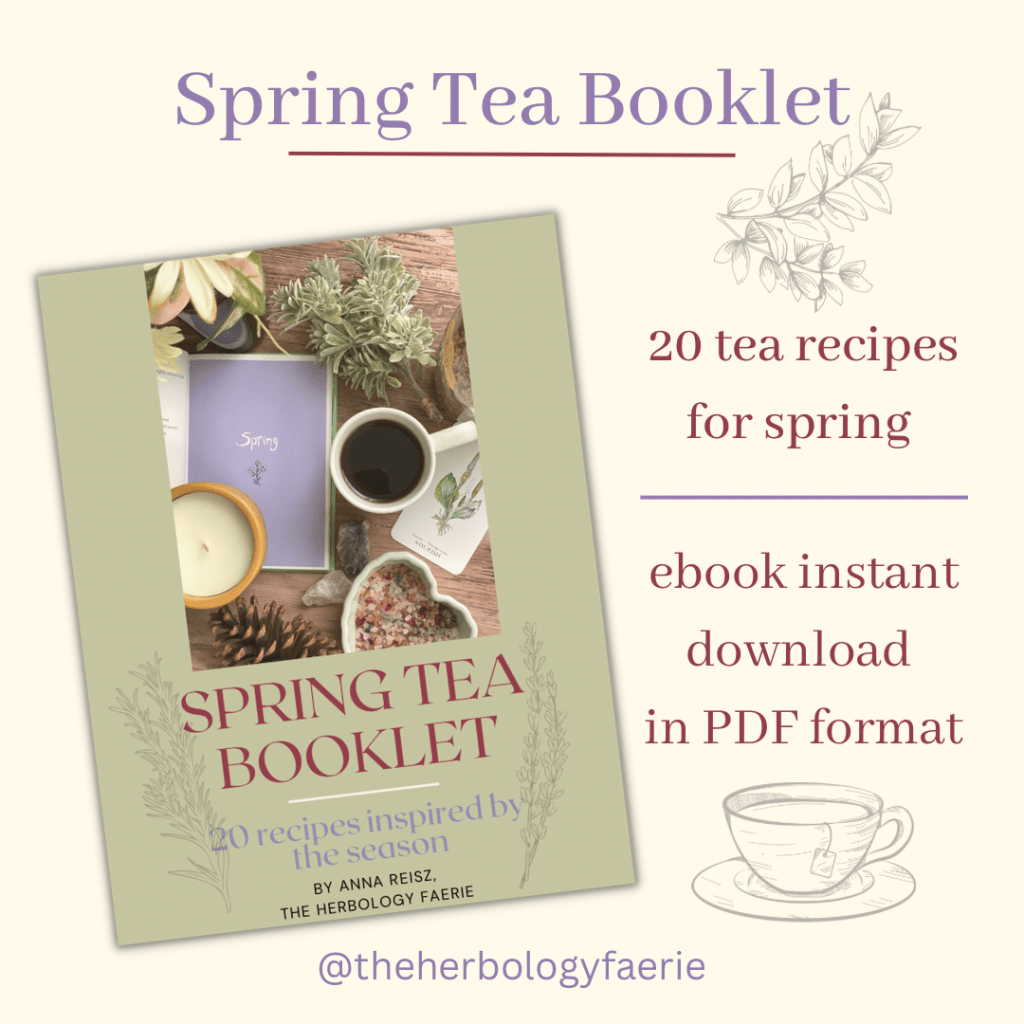
I am so proud to say that I’ve written a recipe ebook! It is available for purchase now in my Etsy shop, HERE.

The Spring Tea Booklet contains 20 tea recipes based on the season, nature, nature-based festivities, folklore, art, cozy aesthetics, and more! It also includes tips on tea-making and sourcing herbs and ingredients.

Lovingly created, written, photographed, and designed by folk herbalist Anna Reisz (me!!), this tea recipe booklet is a cozy and magical way to ground into the season. These recipes are approachable and perfect for anyone, from beginners to experienced tea blenders. Draw on the inspiration in these pages to create teas for self care, parties and special occasions, gifts, and more.

Recipes include:

Spring Full Moons (3 recipes)
Persephone
Ace of Wands
Robin
Cottagecore
Anne Shirley
Element: Air
Spring Equinox
Light Academia
Spring Forest
Intention: Creativity
Spring Zodiac Signs (3 recipes)
Beltane
Brigid
Beatrix Potter
Spring Dreams

I am grateful to anyone who considers taking a peek at this creation that I am proud of and considers purchasing a copy. This cozy herb thing is something I do because I love it, and I am so happy when others think it is pretty cool, too. Your support helps me continue to be able to do this—learning, creating, and sharing.

Categories
herbal skincare Herbs and Herbalism Recipes

Flower Garden Tea Party: Perfume Oil

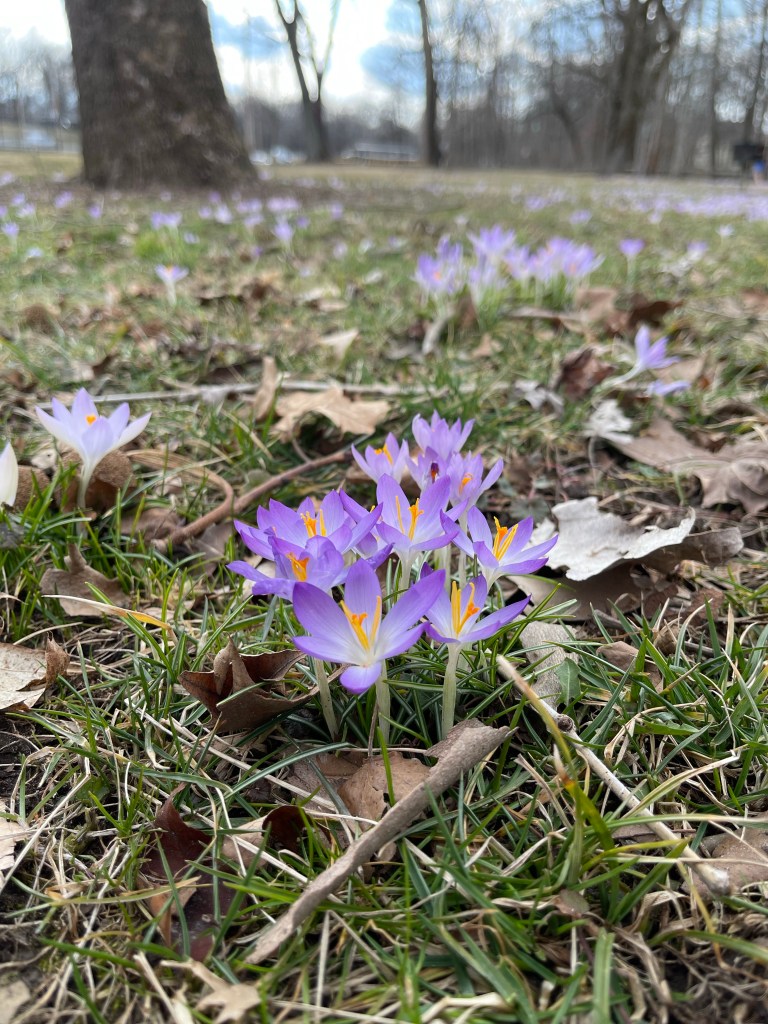
Are you as ready as I am for spring? Late February seems to always be like that for me, with sneaky early warm days making me itch for the real thing. And the fact that the first crocuses are beginning to pop up doesn’t help!

Between that and reading books about Beatrix Potter lately, I am in a distinctly flowery-tea-party mood. Not the fancy or stuffy kind, however; the unfussy, cozy, enjoying the bounty of nature and the comforts of home with friends kind. The sort with lavender Earl Grey in mismatched cups and a fresh-picked garden bouquet in a jam jar on the table. The type of flowery tea party I think Miss Potter herself would have enjoyed.

Imagining this scenario brings me to the simple little perfume oil I recently made to capture that feeling. I combined lavender-infused almond oil that I made recently with a few essential oils: geranium, bergamot, cardamom, and benzoin. This combination of scents is dreamy and floral, with a hint of sweet vanilla and warm spice. It’s nourishing to the skin and has a lovely calming effect.

The particular botanicals I chose also relate to this tea party I dreamed up. Geranium figured prominently into Beatrix Potter’s gardens and especially window boxes, with their cheery flowers and lovely rose-like scent. Bergamot, of course, is the key ingredient in Earl Grey tea, which was a bit of a special-occasion luxury to those in the Lake District at Beatrix’s time. Cardamom is more of a personal addition, but it’s my favorite and is the spice that I think ties florals, fruits, and musky scents together just right. And benzoin resin oil is an affordable alternative to vanilla with a distinctly vanilla creaminess; it also is traditionally used in incense to lift the spirits.


If you are also interested in folk and spiritual associations of botanicals, here are a few of the many associations I found for these:

Lavender: love, protection, calm, peace, insight

Geranium: uplifting and protection, balance, joy, beauty

Bergamot: happiness, harmony, love, courage

Cardamom: creativity, strength, focus, healing

Benzoin: purification, prosperity


If you’d like to join me at this imaginary tea party, here is the recipe!

Materials

One 10 ml essential oil roller bottle

Lavender-infused almond oil, or your carrier oil of choice

3 drops geranium essential oil

2 drops bergamot essential oil

2 drops cardamom essential oil

1-2 drops benzoin resin essential oil

Method

Add lavender almond oil to the roller bottle until it is half full. Add the drops of essential oils. Top with more lavender almond oil, leaving about 1/4 inch head space. Securely place the roller top and lid on the bottle, then shake to mix. I like to let a perfume oil sit and infuse for a few days before using so the scents develop fully, but you wouldn’t have to.

Wear this perfume oil where you’d normally place perfume, and dream about springtime tea parties on sunny days! Just don’t forget to send me an invitation and let me know when teatime begins!

Categories
Recipes wheel of the year

Imbolc: Blackberry Lemon Poppyseed Muffins

Imbolc is upon us!

Also known as Candlemas or Midwinter, the first of February has long been a traditional time to celebrate the hope of winter’s end. The days are getting longer, the sun is beginning to return, and it’s time to start thinking about the seeds to be planted in spring (both literal and metaphorical). Traditionally, Imbolc was a feasting occasion and marked the lambing time, too. Nearing winter’s end the vegetable stores were dwindling, so foods involving milk, butter, and baking staples are customary.

It’s also a time to honor Brigid, who holds dual status as a pagan deity and as a Christian saint. She opens the way for spring’s return and is a fire and hearth goddess, among her many other associations. Brigid is also linked to fertility, inspiration, and poetry—all befitting the eager looking forward toward spring.

I decided to follow the Imbolc tradition of making a sweet celebratory baked good full of the dairy goodness traditionally associated with the occasion. I chose to make blackberry lemon poppyseed muffins specifically due to the ties between seeds and Imbolc, lemons and the sun as a symbol of the day, and blackberries and Brigid, to whom they are sacred. I also added cardamom as another seed connection (and because I adore it and add it to baked goods every chance I get).

I based my recipe off this wonderful one by Sally’s Baking Addiction—full credit to Sally for her tasty recipe!

This batch is delicious but turned out a bit…well, “rustic-looking!” Still, I think that is well within the spirit of the occasion. A couple changes I’d make the next time I make a batch of these include: use fewer blackberries (the recipe below is adjusted for that) and cut them up, bake a little longer, don’t do the 5 minutes at a higher temp at the beginning that the original recipe called for, and maybe consider larger muffin tins. (I’m far from an expert baker—so you get a realistic picture of the process here!)

Here is the original recipe I based mine off of, and below is my tweaked version. I used the recipe page template from the Materia Medica in my Etsy shop to make you a pretty recipe to save!

Let me know if you try this recipe! I’d love to hear how it turned out and if you enjoyed these Imbolc muffins!

Categories
Botanical Anthology Folklore Hygge Recipes

Juniper Folklore

“The odor of burning juniper is the sweetest fragrance on the face of the earth, in my honest judgment; I doubt if all the smoking censers of Dante’s paradise could equal it.”

—Edward Abbey


Happy (belated) New Year!

Today, my wildlings are back at school, and I am celebrating the beginning of the new year with a simmer pot containing dried juniper berries, pine needles, orange slices, cinnamon, rosemary, and cloves. (You can read more about it on my Instagram post HERE.)

Did you know I wrote an article all about juniper folklore for the recent Winter Botanical Anthology? I’m case you missed it, and because juniper is such a lovely botanical for this time of year, I thought I’d share that article with you here today!


Though it’s perhaps not the first evergreen one thinks of in connection to winter, juniper has a long and storied history that often ties it to the colder parts of the year. 

Juniper represents hope and warmth, thriving in overwrought soil where other trees can’t. It is symbolically, elementally, and astrologically associated with fire, ruled by the Sun and closely tied to Mars. Juniper also symbolizes eternal life.

The juniper tree’s berry-like cones and twigs provide food for animals, often the only available winter sustenance. They offer culinary and medicinal uses for humans, and there are many ritualistic applications for juniper’s wood and berries, as well. It is quite interesting how juniper’s folk associations mirror its medicinal uses.

The age-old use of juniper medicinally for healing, relieving stagnation, and protection from diseases probably stems in large part from the berries’ diuretic and anti-inflammatory properties. One of the most pleasant ways to administer these medicinal benefits came in the form of gin, the juniper berry liquor that dates back as far as the 11th century, as well as medicinal juniper twig beer. 

In accord with these historical medical practices, juniper was—and still is—used in folk practice for protection. For disease, poison, plague, spirits, demons, and especially thievery, juniper has been a potent ward. 

Often, smoke and charms are the vehicle by which juniper performs this protective service. Many cultures, including ancient Greeks and Egyptians, used juniper incense in this manner. Various types of protective amulets and charms were made from juniper berries, as well. The trees have even been long used in some places as Yule or Christmas trees or greenery for some added protection.

The Scottish have a long-standing winter tradition. The day after Hogmanay, the celebration of New Year’s eve, women would perform a saining, a smoke cleansing of the entire house with smoldering juniper branches. The aromatic smoke was carried and dispersed throughout the house for blessings, purification, and protection for the coming year; the same was performed through barns and to purify livestock. 

Several species of juniper are also native to the Americas, as reflected by juniper’s presence in many indigenous Americans’ traditions and tales. Among those, the Hopi, Navajo, Blackfoot, and Seneca tell legends surrounding the tree or its berries. A Seneca tale involves junipers and other evergreens standing up to old man winter so spring may return. 

While winter persists, perhaps juniper is a plant to explore a deeper relationship with. Whether it’s branches in greenery that decorates the home, fragrant incense, or even a sip of gin, inviting juniper in is a way to connect to this plant’s long history.