Categories
Craftbrunch Folklore Recipes Tea

Chang’e  and the Moon Rabbit: Immortality Elixir Tea 

As a lover of all things autumn, I love branching out and learning about how different cultures mark my favorite season! I have recently learned a bit about the Mid-Autumn Festival in Chinese culture, which takes place around mid-September to early October and centers around the timing of what we know as the Harvest Moon. 

During this autumn equinox festival, celebrations focus on the harvest—with gratitude and family gatherings; the moon; Chang’e (the goddess of the moon); and her companion, a white rabbit who pounds herbs in his mortar and pestle to make immortality elixir. Other symbols and parts of the celebration include lanterns, mooncakes, cassia wine, and burning incense as an offering to Chang’e.

This festival and the lore surrounding Chang’e and the Moon Rabbit are a wonderful Craftbrunch theme! There are lovely picture books on this folklore to share with children, you can decorate lanterns and make moon cakes, and more. 

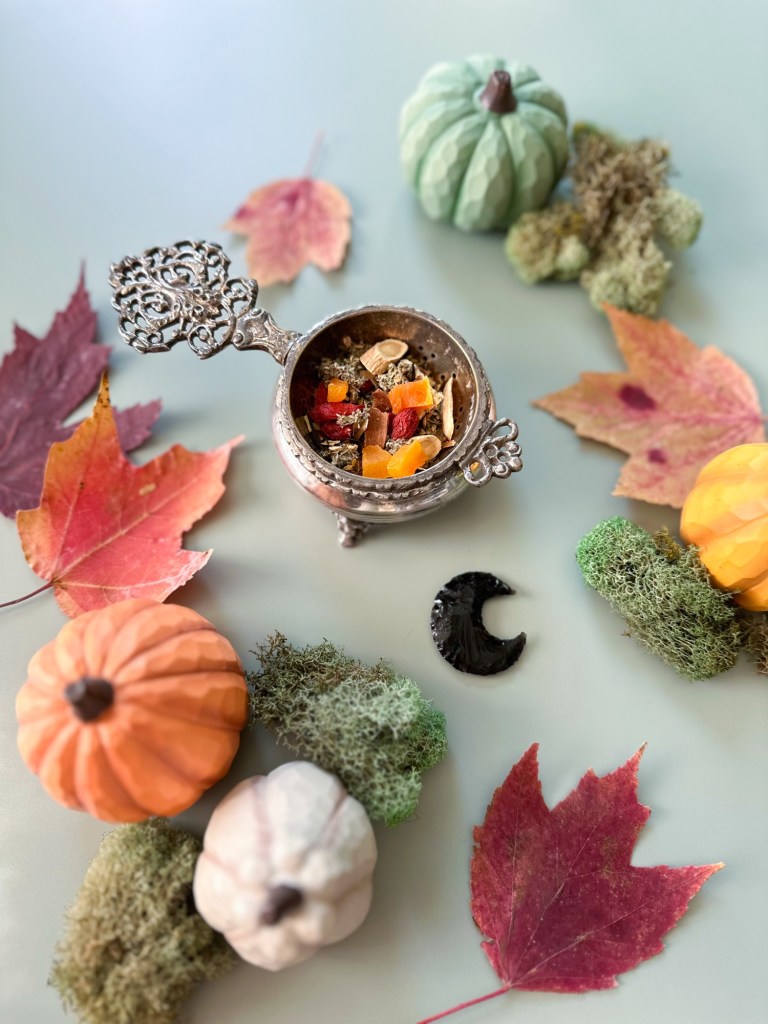
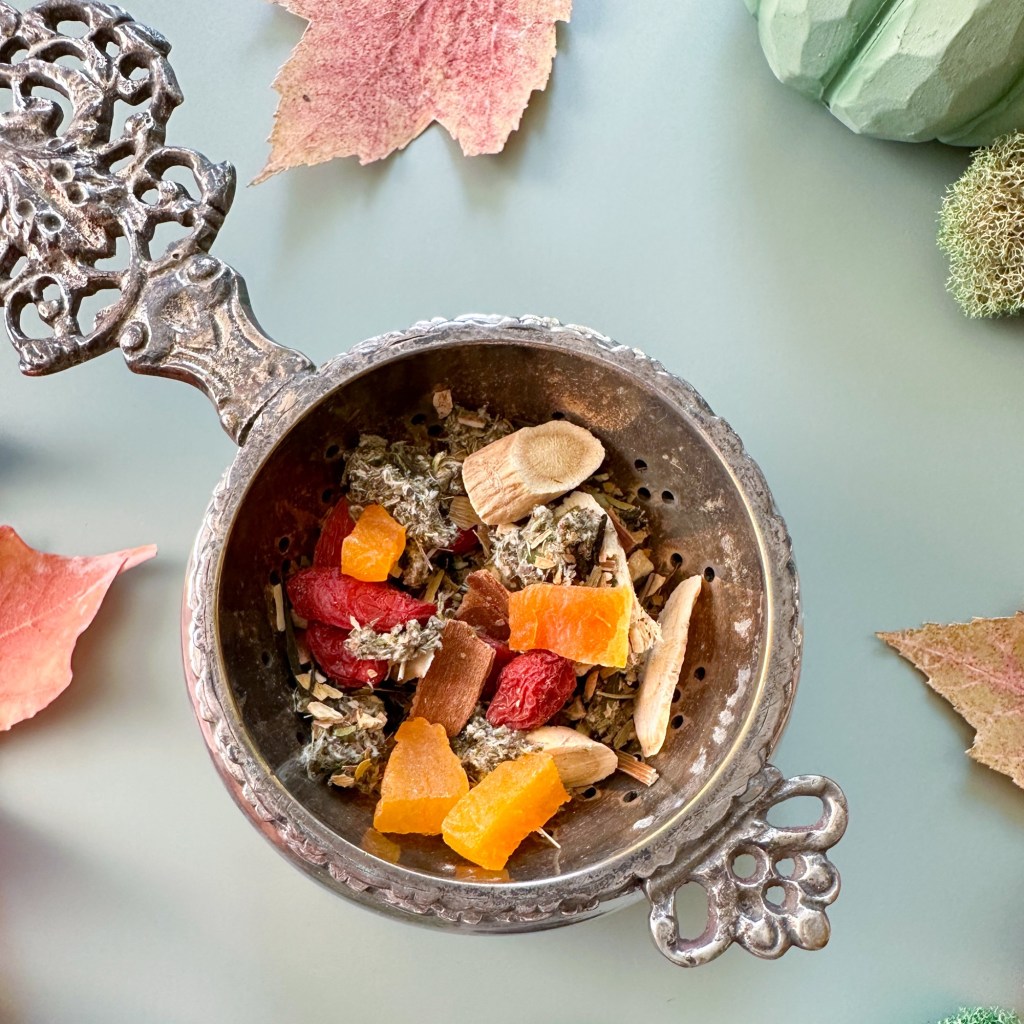
My contribution to the #autumnnaturemagic #Craftbrunch celebration I’ve joined on Instagram is a tea blend based on the idea of the immortality elixir that the Moon Rabbit makes! Most of the ingredients are longevity herbs in TCM (Traditional Chinese Medicine), and the cassia cinnamon and dried apricots are present to represent cassia wine, which I’ve not tried but I read it tastes like peaches or apricots!

(This tea is safe for adults and kids alike, but if you prefer you can substitute decaf green tea or leave it out altogether.)

Here is the recipe! It should be enough for a few cups of tea but you can increase accordingly for the number of people you’re serving. 


Moon Rabbit’s Immortality Tea

Ingredients:

1 Tbsp Green tea

1 Tbsp Astragalus root

1 Tbsp Ginkgo (I like golden ginkgo)

1 Tbsp Mugwort

1 Tbsp Goji berries, dried

½ Tbsp Ginger, dried, or 1-2 small knobs fresh

Cassia cinnamon, 1-2 sticks broken into pieces

Dried apricots – 3-4, chopped

Instructions:

Brew for 3-4 minutes with just-boiled water; you can brew longer if you omit the green tea, or perhaps put the green tea in a separate tea strainer and remove it before the other ingredients. 

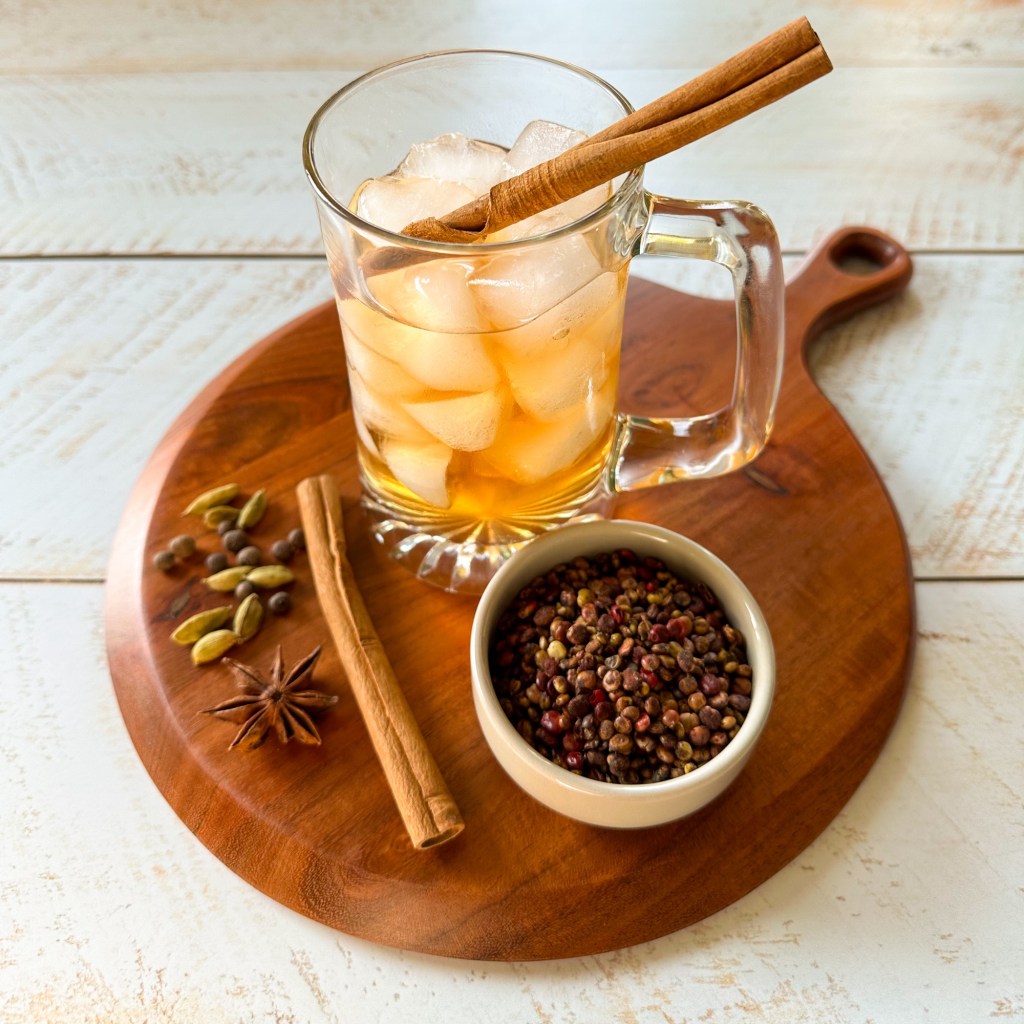
Garnish with cinnamon sticks and dried apricots if you like! Sip this tea before a lantern-lit autumn hike under the moonlight!


For educational purposes only. Not intended for medical advice. Always consult your physician.

*This post contains affiliate links, which means if you choose to buy something from a link that I share, I will make a small percentage of the sale *at no extra cost to you*.
Categories
Herbs and Herbalism Tea wheel of the year

Lammas, Calendula, & a Tea Meditation

Lammas / Lughnasadh / the First Harvest festival is almost here, coming up on August 1!

In years past, I was very much NOT a fan of the month of August. Where I live it tends to be incredibly hot, buggy, and like a dragging obstacle between me and my favorite season: autumn.

But recently, I came to see August in a new light. I’ve learned about the sabbat of Lughnasadh / Lammas (they tend to be used interchangeably) on the wheel of the year. Lammas marks the first harvest festival—the first of three, including Mabon and Samhain. The connections with Lammas tend to be the late summer veg and herb harvests, grain, bread making, beer, wine, fruits and vegetables, abundance, and gratitude. This opens the doorway for our descent toward autumn. Nights begin to gradually get cooler, and sunflowers bloom at the flower farm near my home. I can get behind this imagery, this spirit of anticipating autumn and gratitude for the end of summer’s abundance!

Lammas and Calendula

When I first learned about Lammas, I immediately, intuitively connected it with calendula. This may not resonate for you—you may have another plant you feel called to at this time. But for me, it’s all about this gorgeous, sunny orange flower.

Medicinally, calendula offers immune boosting, gut healing, inflammation modulating, stagnation clearing, and liver supporting properties when used internally. Externally, it supports skin healing and treats bug bites, rashes, burns, wound healing, and overall skin health support.

Spiritually, calendula is connected to the sun, Leo and Cancer—giving fiery yet nurturing qualities, warmth, comfort, healing, protection, happiness, peace, abundance, hard work, and responsibility. I find that ingesting, and even just seeing this plant on my home altar spaces, helps bolster and nourish me during this industrious time! I tend to add calendula into most of my teas and baked goods during the Lammas season.

Lammas Tea Meditation Download

To celebrate this occasion, I am sharing with you a special Lammas Tea Meditation journaling page that you can download, print, and perhaps pair with a mug of calendula tea. Quiet your mind, breathe deeply, and allow your impressions of the herb to wash over you and impart its gifts.

Download, print, and use this mediation journal page along with any other Lammas / Lughnasadh / First Harvest celebrations and reflections!

Categories
Recipes Tea wheel of the year

Summer Solstice Sun & Strawberry Moon Tea

I am so excited that June’s full moon (the Strawberry Moon) and Litha (the summer solstice) fall together this year. It is a convergence that doesn’t happen often—in fact, the last time it did was 1985! All that bright energy of both the longest day and the full moon combined—so magical! 

For me, I think the order of the day is celebration, gratitude, and soaking up every bit of that energy I can. I feel like too often, we see these astrological occasions as calls to act in grandiose ways, to manifest changes and new directions, to enact grand gestures. But this pressure is not necessary, and most likely you have many plates spinning already at this busy cusp of summer! Instead, it is perfectly okay to give yourself permission to rest, recharge from the added light, lean into the sensation of lightness, and simply enjoy and give thanks. Mindfulness can be your act of devotion.

To this end, I am going to brew a Sun and Moon Tea!

I am calling the tea such because I’ve chosen a blend of herbs and botanicals that includes affinities for both the sun and the moon to reflect the meaning of the occasion. There are also botanicals chosen for their ties to Litha, fire, water, and Venus, all of which I am feeling strong influences of during this time. 

Here are the ingredients, and a few of their astrological ties:

•Linden (sun, Litha)

•Chamomile (sun, Litha)

•Jasmine (moon, water)

•Rosemary (sun, moon, fire)

•Strawberry (strawberry moon, Venus, water)

•Hibiscus (fire, water, Venus)

•Lavender (Litha)

And here is the recipe! It’s simple, so you can concentrate on enjoying your mindful moments under the solstice sun and Strawberry Moon. 


Ingredients

32 oz mason jar

1 cup sliced strawberries

2 Tbsp hibiscus

1 Tbsp rosemary

1 Tbsp linden

1 Tbsp chamomile

1 Tbsp jasmine

½ Tbsp lavender

Honey to taste, optional

Directions

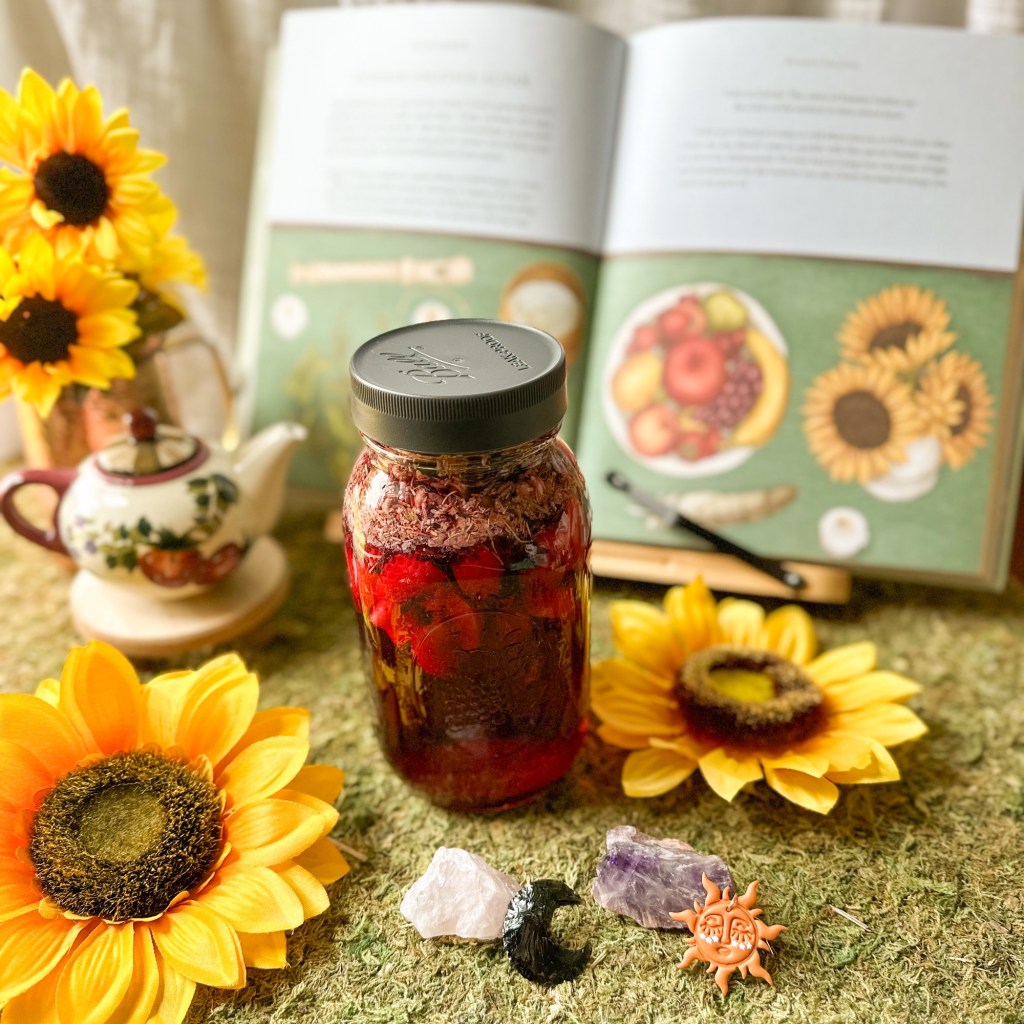
Add ingredients to mason jar and fill with cold, fresh water. (If using dried herbs, you might choose to place them in a large eco-friendly tea bag or linen reusable tea bag.) 

Cap tightly and place in a sunny location (free of disturbance by kids or pets!) for 2-3 hours. 

If not using a tea bag or strainer, strain tea into a fresh jar or a pitcher over ice if drinking immediately. You can stir in honey while it is still warm if you’d like! Refrigerate and drink cold. 

Note—

You can substitute fresh herbs for dried ones if you have access to them! You don’t necessarily have to go by the measurements in that case—just add sprigs of each. 


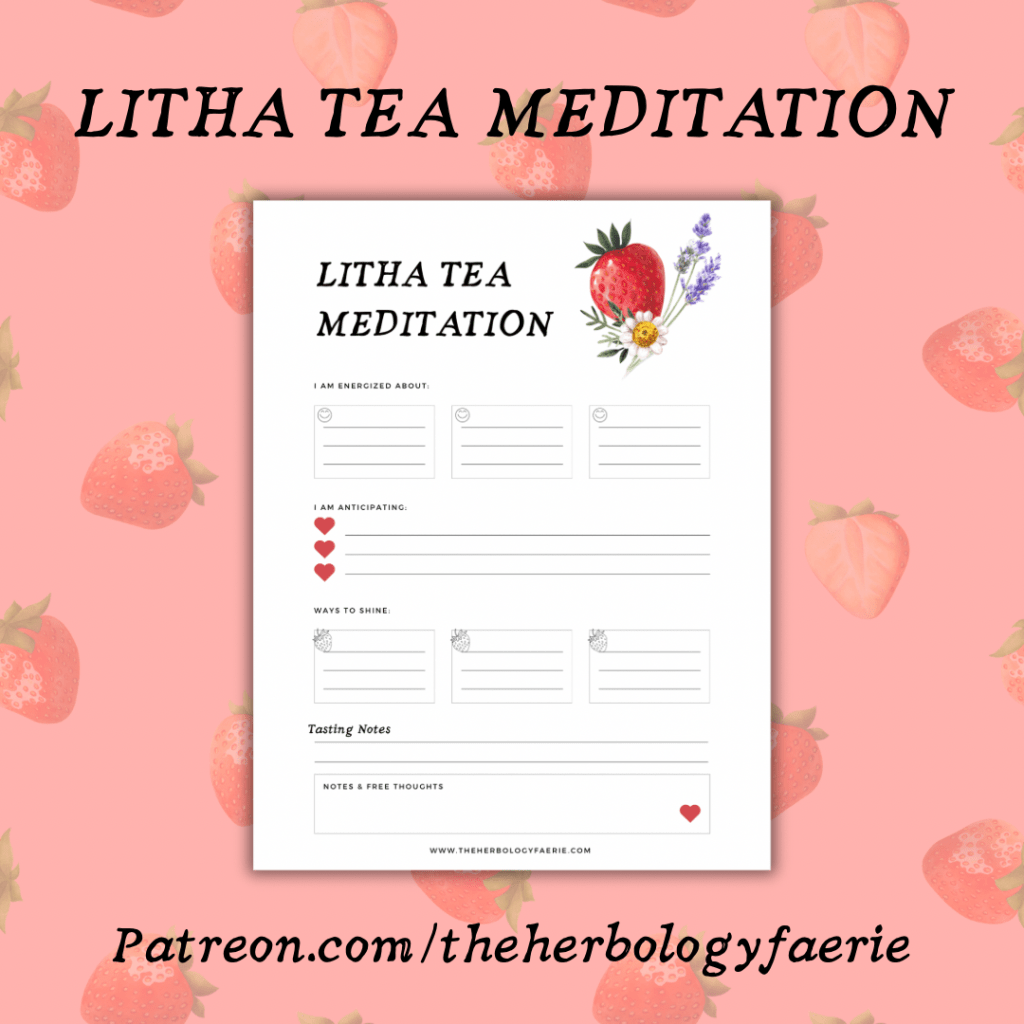
For a printable Litha Tea Meditation journaling page and a printable version of this recipe, join my Patreon at Patreon.com/theherbologyfaerie!

Categories
Herbs and Herbalism Tea wheel of the year

Beltane Lilac Tea Meditation

Beltane, also called May Day, marks the cross-quarter between Ostara (the spring equinox) and Litha (the summer solstice). Beltane is a time of heightened romance, carefree joy, ripening fruits, and faerie magic. Take care where you wander on Beltane night as the bonfires burn, lest you stumble into the land of Faerie!

Lilac is, in many parts of the northern hemisphere, ubiquitous with Beltane as its prime blooming period. To celebrate Beltane, harvest some fresh lilac if it is in bloom near you and enjoy a lilac tea meditation ritual. 

((You can also substitute a different fresh food safe flower that is in season near you, such as dandelion, for this meditation, or even dried flowers like jasmine or lavender if fresh flowers aren’t accessible to you!))

Choose a handful of blossoms that look fresh, not wilted. Leave blossoms attached to the stems, but remove most of the twigs.

Dunk in cold water to rinse off any debris and critters. Pour heated water from your tea kettle over the blossoms in a mug to cover the flowers and allow to steep for about 3 minutes before you begin to sip. No need to remove the flowers if they’re attached to the stems—they shouldn’t float loose.

Grab a journal and pen, and seat yourself in an outdoor spot if possible, or next to an open window if not. Sip the tea and feel the sun/moon/breeze on your face, closing your eyes. 

Notice the flavor of the lilac tea. It should be fragrant, floral, a tad sweet and a bit bitter all at once. Very tannic, it should pucker your tongue a bit and leave a dry mouthfeel. Savor the flavor and aroma as you drink, and think of it as nature’s champagne! Rare, beautiful, elegant, joyful, celebratory. Let the taste uplift you and permeate throughout you. Envision a sweet purple light enveloping you, bringing happiness and beauty from the outside-in, if you like. 

Grab your journal. Write down three things you are happy about, three things you are anticipating, and three ways you’d like to grow. Meditate on these ideas as you finish your tea. Then, compost the spent lilac blossoms. 


As an alternative to using a journal, I’ve made a journal page especially for this meditation that you can print and use! Just click on the file below, print, and use alongside your Beltane Lilac Tea Meditation!

Categories
Folklore Herbs and Herbalism plant wonder collective Recipes Tea

Butterfly Pea Faerie Tea

Butterfly Pea Flower is just so very magical! It is astounding how brilliantly blue the flowers can so easily turn the water in a cup of tea. It feels like a bit of faerie magic, for sure!

When I was doing some research for the faerie + plant folklore book I am writing (!!), I came across a type of Eastern European faerie called Er Tütra, which means Morning Mist: the name for a type of weather spirit/faerie. These Morning Mist folk are only visible to human eyes in the form of their namesake natural phenomenon, but they are hard at work to promote the health and growth of crops—an invaluable service to the fauna and humans of the land. 

I made the connection between butterfly pea flower and these Morning Mist faeries because of the folklore surrounding this lovely plant. There are strong ties between butterfly pea flower in Southeast Asian cultures and motherhood and divine feminine symbolism, with a distinct focus on protection and mothering. The Er Tütra certainly perform this caretaking role for the land and crops. What’s more, there are very interesting studies on the use of butterfly pea flower in natural insecticides for crops! Yet another cool connection. 

Here is the recipe for the Butterfly Pea Faerie tea! Embody the springtime Morning Mist with this tea blend and perhaps offer some to the Er Tütra for their aid in your spring garden.


Ingredients

1 part green tea or green rooibos 

1 part meadowsweet

1 part passionflower

1/2 part mint

1/2 part yarrow

1/2 part butterfly pea flower

Directions

To make a single cup of tea, add 1 tablespoon to a tea strainer, eco- friendly tea bag, or French press. Pour 1 to 1 1⁄2 cups hot water over the tea and steep for 3-4 minutes. Add honey or your preferred sweetener to taste, if desired.

To cold-brew this tea blend, add the ingredients to a glass jar or French press, steep overnight in the refrigerator, strain, and serve.


This recipe was shared as a part of Butterfly Pea Flower month at the Plant Wonder Collective! If you’d like to support the work of PWC, please consider joining our Study Circle on Patreon for exclusive recipes, articles, digital downloads and printables for the plant of the month, including this graphic available for print as an apothecary jar sticker. We appreciate you being on this learning journey with us!


For educational purposes only. Not intended for medical advice. Always consult your physician.

*This post contains affiliate links, which means if you choose to buy something from a link that I share, I will make a small percentage of the sale *at no extra cost to you*.

Categories
Herbs and Herbalism Hygge wheel of the year

Yule: Candles, Tea, and Books

Happy Yuletide! I can’t say that I am the most knowledgeable regarding the background and traditions of winter solstice celebrations and rituals, but I am learning more as I go and loving what I learn. I wanted to pop in today to share a few of my favorite cozy Yule traditions with you.

Whether you celebrate Christmas, Yule, a combination, or simply mark the winter solstice, the astronomical beginning of winter and the shortest day and longest night are at the center of this occasion. It is a time of merriment as a way to bring light and cheer into the darkness, and to remind ourselves that the sun and its life-giving warmth will return. This is very much based in the agrarian lifestyle of our ancestors and the greater danger winter posed to their survival. Today we feel the hold-over of these traditions in more metaphorical ways but they’re still deeply ingrained. Other pagan and Christian elements and traditions of this holiday came in later, but all still revolve around the natural occurrence of the winter solstice.

Despite the jolly festivities, as I get older I feel the need more and more to snuggle in at home, slow down, eat cozy treats, and enjoy quiet times with my family just playing games and reading books. I think my connection to the natural world slowing down and going to its winter rest deepens the older I get! So I don’t feel the need for more gifts and parties, but rather candles, tea, and good books.

Candles

I absolutely love making my own candles this time of year. With a few simple, natural ingredients, candles that are healthier and more special than the store bought variety can easily be whipped up in your kitchen. Candles add a warming glow to Yuletide evenings and events, can be given as very special gifts, and you can add your own intention both when you’re stirring the wax to make them and when you take the time to light them each night.

Check out the recipe for these Yule Forest Candles I shared last year, these cozy Pumpkin Spice Coffee Candles from when I was just beginning to learn candlemaking, or purchase the Winter Candlemaking Guide from my Etsy shop to learn how to make candles at home.

Tea

Hot tea is a wonderful way to spend a winter evening during the Yuletide season! There is nothing better than brewing a big pot of tea tailored to the energies of the season, your health, or simply your mood. 

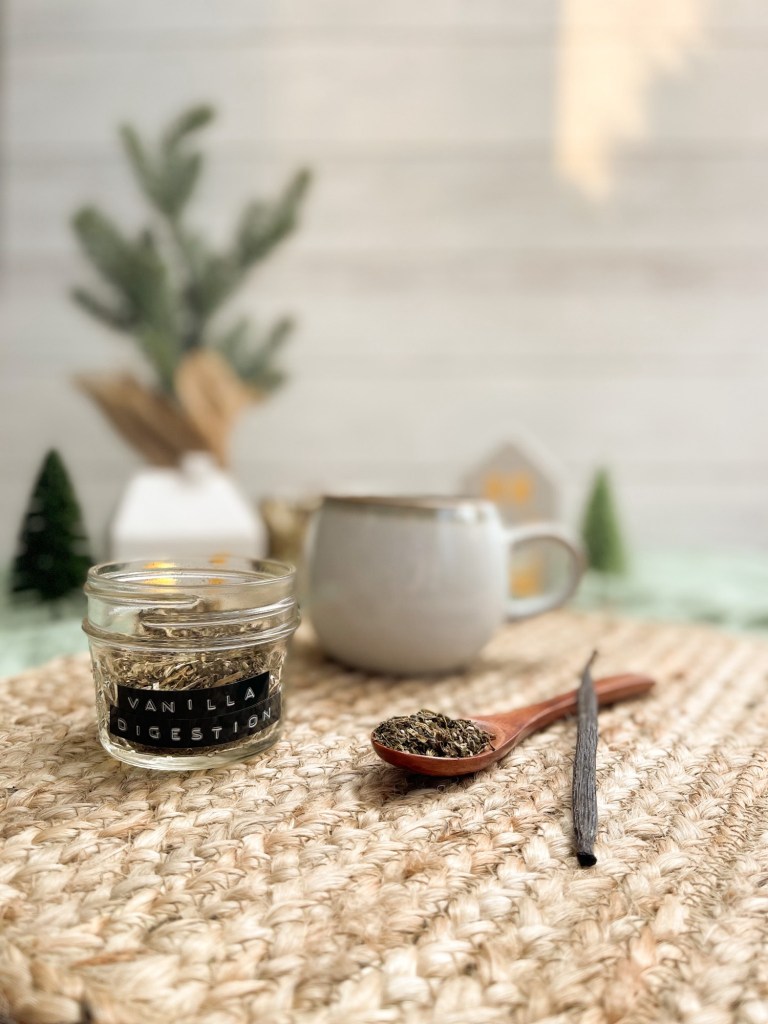
During this season of eating sweets and overindulging, a digestive-boosting tea like the Vanilla Digestion Tea I shared last year can be both helpful and tasty. An Immune Boosting Tea Blend can’t go amiss this time of year, either. Mushroom Coffee makes for a hearty and energizing, yet grounding, brew. Or check out the many other winter tea recipes in my Winter Tea Booklet in my Etsy shop.

Books

I am never at a loss for good books to read! Here I will keep the explanation short and simply share some links to books that are perfect for this season. 

Children’s books about Yule / the Winter Solstice / Wintertime (that are wonderful for adults, too):

The Shortest Day (Susan Cooper)

The Winter Solstice

Goodbye Autumn, Hello Winter

The Tomten

Flower Fairies of the Winter

The Shortest Day (Wendy Pfeffer)

The Nutcracker Ballet

Adult fiction and nonfiction – my recent cozy or cozy-adjacent favorites

Emily Wilde’s Encyclopedia of Faeries

Legends and Lattes

A Spell in the Wild

The Wake-Up Call

The Tale of Hilltop Farm (the Cottage Tales of Beatrix Potter)

The Hobbit

Kitchen Witch

A Morbid Taste for Bones (the Brother Cadfael mysteries)

Little Women

Slavic Kitchen Alchemy

Healing Herbal Teas

What cozy ways are you enjoying the Yuletide season?


For educational purposes only. Not intended for medical advice. Always consult your physician.

*This post contains affiliate links, which means if you choose to buy something from a link that I share, I will make a small percentage of the sale *at no extra cost to you*.

Categories
Herbs and Herbalism Tea

Herbal Coffee Alternatives

Someone recently brought up in conversation that she is trying to wean herself off coffee, and it made me think about coffee alternatives. I don’t think it is necessarily as simple as swapping out any tea or herbal tea for your morning joe. Especially since some want to cut caffeine completely, some just want to reduce their intake, and some have non-caffeine related issues with coffee instead like stomach problems.

I am personally still a coffee drinker, even though I am a home herbalist and spend so much time blending and drinking herbal and “true” tea blends! I definitely don’t overdo coffee and tend to only drink it in the mornings, and I love experimenting with herb/spice/botanical additions to my mug.

I am very much NOT caffeine sensitive, so my one or two cups a day don’t have much impact on me, and though I might feel a bit grumpy if I miss my morning java ritual, I honestly don’t feel any detrimental physical impact if I skip a day. I know I am very lucky in this, however! Coffee can affect people so differently, and some just need ways to cut back or cut it out completely.

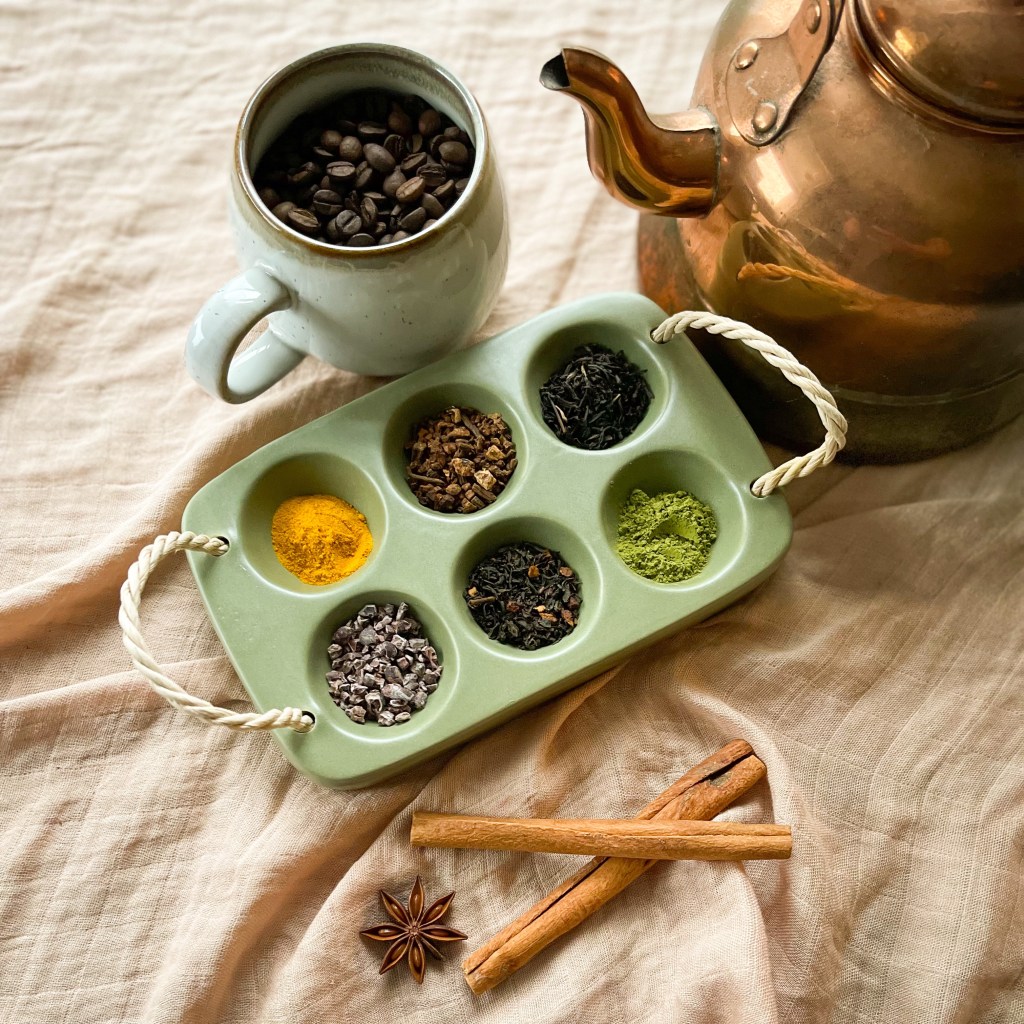
There are many different herbal / botanical coffee alternatives that can suit different needs. I thought I would share a few of my favorites, which can help fill a specific void that coffee leaves behind:


Golden Milk (turmeric, sweet spices, black pepper, sugar / honey / etc., and milk) for a warming, very healthy, comforting, aromatic, immune-boosting & inflammation-modulating decaf sip (although to be honest—I personally still drink coffee myself, but often add about ¼ tsp of this to my mug and stir it in to enjoy the benefits & taste of both)

Roasted dandelion root for a cozy, earthy, hearty, grounding, detoxifying caffeine-free brew (my evening go-to; I often mix this with cacao nibs and cinnamon stick chips. You can also cut your ground coffee with dandelion root to reduce the caffeine and add health benefits!)

Lapsang souchong for some caffeine (but not as much as coffee) and a dark, bitter, smoky, complex, satisfying cuppa (an acquired taste, but I adore it)

Cacao nibs for a wee bit of caffeine, tons of antioxidants & beneficial minerals, mood-boosting endorphins, and rich & decadent taste

Chai or other spiced black tea for a bit of caffeine in a satisfying, aromatic, grounding, flavorful, cozy, warming brew (pictured here is a favorite of mine—hot apple spice)

Matcha for a complex, earthy, herbaceous, fresh, soothing cuppa with moderate caffeine that is offset by amazing health benefits (I’ll admit, I am not a huge matcha person when it’s by itself, but I do sometimes incorporate it into recipes and blends—but some people swear by it!)


Have you transitioned away from coffee with any of these, or perhaps a different alternative? Let us know in the comments — I have a feeling there are others who could benefit from some ideas to try!

Categories
Folklore plant wonder collective Tea

Mugwort Diana Tea

Long time, no write! I have been away from this space because life has been very busy lately…including editing a novel and a magazine, writing articles and taking photos for various publications, and some unexpected life bits mixed in along the way. So, I am more than ready to return today with a calming tea featuring the Plant Wonder Collective’s herb of the month for June: mugwort!

Mugwort is sacred to the goddess Artemis (Greek) / Diana (Roman): the goddess of the hunt, the moon, fertility, wild places, maidens, and magic. (In fact, the Latin name of this plant is Artemisia vulgaris.) I decided it would be very fitting to create a tea blend in Artemis / Diana’s honor that focuses on mugwort but also includes other herbs specifically associated with her. Here are the ingredients–


Mugwort: dream work, clairvoyance, magic, visions; used medicinally for anxiety, menstruation & uterine health, digestion, pain relief

(California) Poppy: dream work, moon magic, love, visions, luck; used medicinally for sleep, anxiety, menstrual cramps, headaches, pain relief

Lemon Balm: clarity, comfort, emotional healing, love, focus, memory; used medicinally for anxiety, colds, fever, sleep, depression

Pine: fertility, grounding, spirituality, strength, wisdom, peace; used medicinally for nutrients, inflammation, cold and flu, skin applications

Nutmeg: awareness, clairvoyance, divination, dream work, memory, the mind; used medicinally for stress, sleep, digestion


Mugwort and these other accompanying herbs make an excellent tea for sleep, and perhaps dream work. Here is the simple recipe for brewing a cup!

1 part mugwort

½ part California poppy

1 part lemon balm

½ part pine needles

¼ part freshly grated nutmeg

Brew with hot water for 4-5 minutes, and sweeten with honey or maple syrup if you’d like.


Have you worked with mugwort before? What is your favorite way to work with mugwort?

Categories
Tea wheel of the year

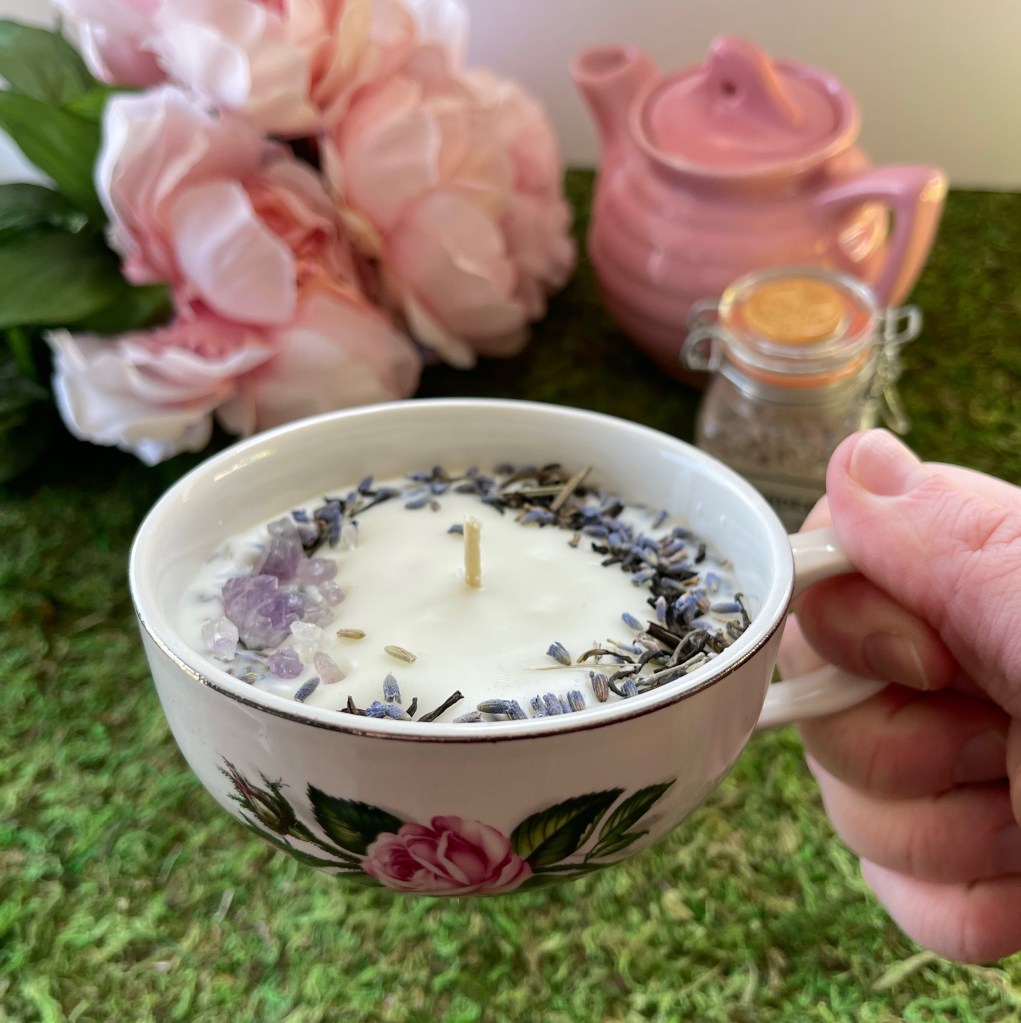
Lavender Earl Grey Ostara Candle

I don’t know why exactly, but spring makes me think of Earl Grey tea. Maybe it’s the citrusy bergamot, or the fact that I’m just more in the mood in spring than any other season to drink black tea…it’s more stimulating than caffeine-free herbs, but lighter than coffee. Maybe flowers and tea parties just make me think of spring? I don’t know, but let’s go with it!

In that spirit…I decided to make a lavender Earl Grey teacup candle to welcome Ostara. To me, Ostara, or the Spring Equinox, is the true start of the new year: the awakening. What better way to brighten the sweet first morning of spring than lighting this candle to add to the warmth of the sun, and enjoying a mug of Earl Grey tea?


The essential oils I chose to scent the candle with do have associations that fit quite well with the spirit of the occasion:

Lavender- love, protection, calm, peace, insight

Bergamot- happiness, harmony, love, courage

Benzoin- purification, prosperity

Cardamom- creativity, strength, focus, healing


Benzoin oil imparts a warm, creamy vanilla-like scent which reminds me of adding milk to tea, and cardamom adds a tea-like quality. I also topped the candle with amethyst, quartz, lavender buds, and a bit of actual lavender Earl Grey tea.

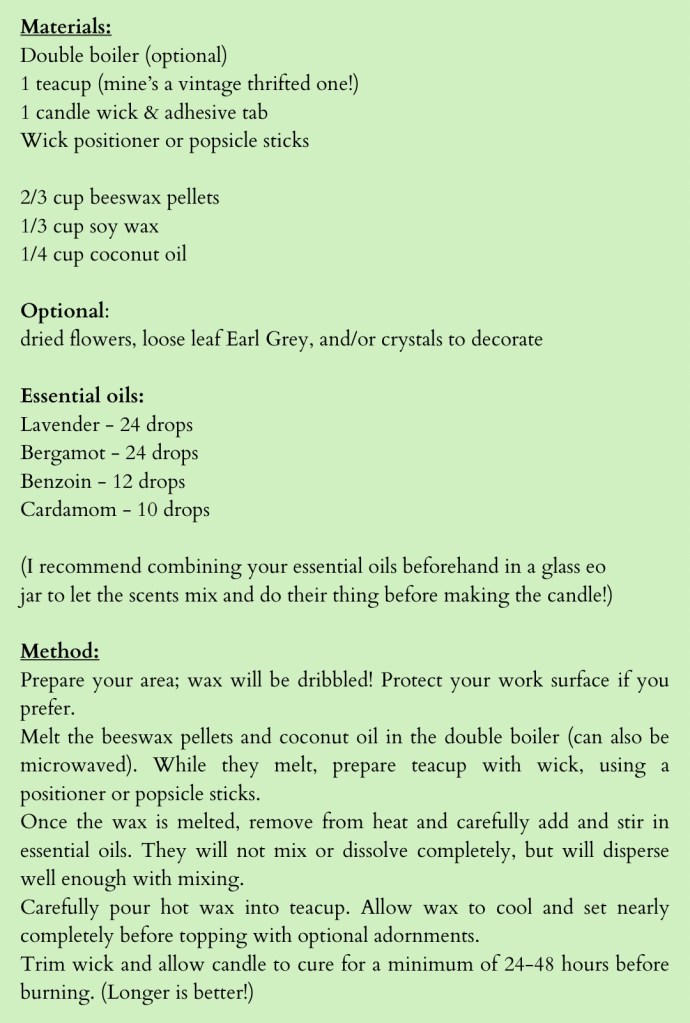
Here are the instructions, in case you’d like to make one of these sweet candles yourself!

This Ostara season I’m planning to enjoy this little candle with tea and shortbread cookies with the two of my three children that actually like tea. (Two out of three isn’t bad, and he will still eat the cookies!) —cookie recipe soon to come.

How will you mark the Spring Equinox / Ostara?

Categories
Recipes Tea

Spring Tea Recipe Ebook!

I am so proud to say that I’ve written a recipe ebook! It is available for purchase now in my Etsy shop, HERE.

The Spring Tea Booklet contains 20 tea recipes based on the season, nature, nature-based festivities, folklore, art, cozy aesthetics, and more! It also includes tips on tea-making and sourcing herbs and ingredients.

Lovingly created, written, photographed, and designed by folk herbalist Anna Reisz (me!!), this tea recipe booklet is a cozy and magical way to ground into the season. These recipes are approachable and perfect for anyone, from beginners to experienced tea blenders. Draw on the inspiration in these pages to create teas for self care, parties and special occasions, gifts, and more.

Recipes include:

Spring Full Moons (3 recipes)
Persephone
Ace of Wands
Robin
Cottagecore
Anne Shirley
Element: Air
Spring Equinox
Light Academia
Spring Forest
Intention: Creativity
Spring Zodiac Signs (3 recipes)
Beltane
Brigid
Beatrix Potter
Spring Dreams

I am grateful to anyone who considers taking a peek at this creation that I am proud of and considers purchasing a copy. This cozy herb thing is something I do because I love it, and I am so happy when others think it is pretty cool, too. Your support helps me continue to be able to do this—learning, creating, and sharing.