Categories
Herbs and Herbalism seasons

Herbs to Love in June

June is here! For my family that means trips to nearby and faraway lakes, balmy-breezy backyard days, jar after jar of fresh herbal sun tea, and strawberries galore. Summer is here in spirit, even before the solstice has occurred, and we feel it on our sun-warmed shoulders. 

To that end, here are some of my favorite June plants!
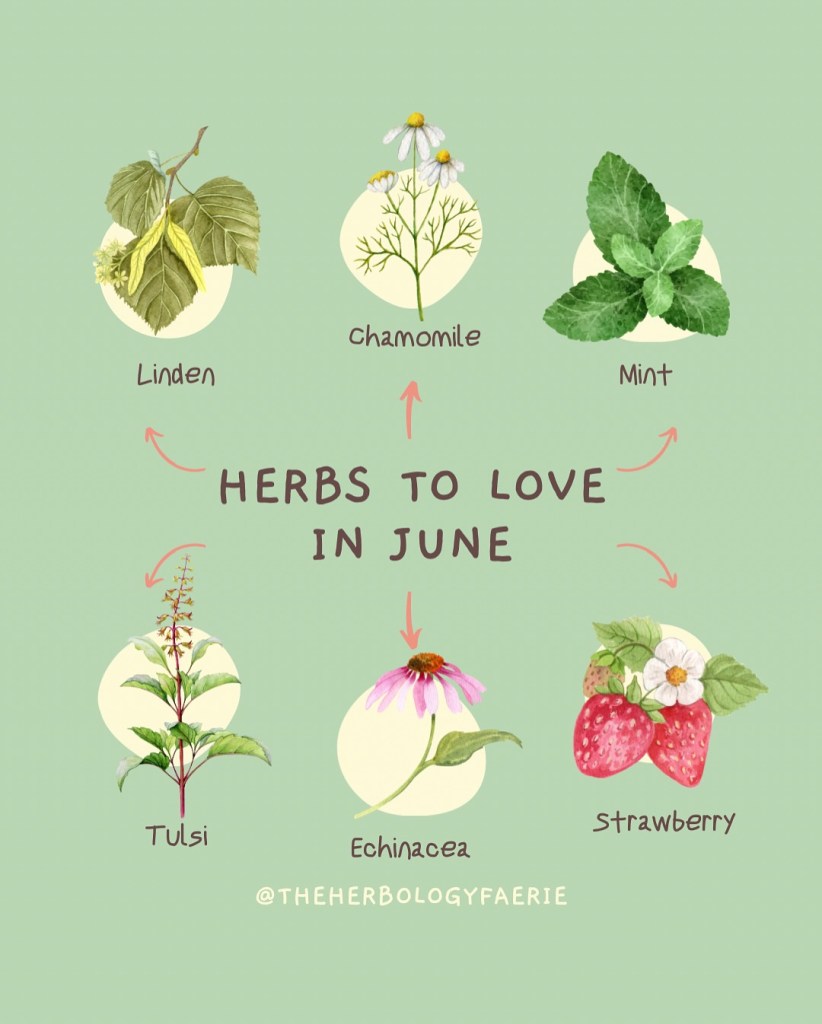
Linden: the herb of the month with the Plant Wonder Collective this June, my local linden trees aren’t in bloom yet but I have some lovely, high quality dried linden leaf and blossom to work with. This gentle, soothing herb is perfect for refreshing and calming with its moist, cooling action, making it perfect for summer. I plan to make the most of working more closely with this herb in tension-taming recipes, inside and out! Whether applied to sunburn, added to cooking baths, or dipped in chilled herbal concoctions, I have a feeling linden will become a summertime staple for me and my rambunctious kiddos. Stay tuned to see how I work with it throughout the month!

Chamomile: these joyful, sunny blooms begin to really take off in my garden in June! I love sipping soothing chamomile on summer evenings to wind down, pairing it with strawberries in fresh and baked treats, and even just burying my nose in their little delicate blooms as I harvest them. I always make sure to dry at least one jar’s worth despite feeling greedy to enjoy it all fresh—because there is nothing like the honey-sweet scent of freshly dried chamomile when you open the jar and stick your nose in. It is true garden magic!

Mint: mint is so easy to grow, it thrives in June, and my kiddos love tending their own pots of it. I love making skin-soothing fresh hydrosols on my stovetop with mint! It’s easy to do and when stored in the fridge in a little mister bottle, it is the best thing ever to spritz onto sunburned skin or even just your overheated face after toiling away in the garden under the summer sun. I also adore adding mint to every cold drink I make in the summer, be it tea, lemonade, mocktail, or cocktail. 

Tulsi: it is my first year to grow tulsi in my garden, and I couldn’t be more thrilled! This amazing herb is beloved by plant nerds, and for good reason. Also called holy basil, and sacred in Ayurveda, it is the queen of herbs and a boon to mind, heart, body, and spirit. Though energetically it is gently warming and drying, it is still lovely in the summertime (perhaps I’m a good candidate as I can feel so soggy and wrung out in the hot weather). I plan to brew many jars of fresh tulsi chai to enjoy on ice this summer—here’s to that extra tulsi pep in my step!

Echinacea: I have recently fallen in love with this native species which begins to fan out its showy blooms in June where I live. It is more than just a cold remedy! Echinacea attracts pollinators to the garden, and planting it is a small act of giving back to the earth as the species has suffered from over-harvesting. Echinacea represents inner strength, healing, and prosperity. 

Strawberry: ripe for the picking, sweet strawberries are a June staple! So much so, that June’s full moon is often called the Strawberry Moon. These berries’ sweetness is the perfect pairing with many other herbs: with chamomile in shortbread, popsicles, or cakes; with lavender in delicious cocktails; with lemon balm and lemons for a super relaxing lemonade drink; with thyme, in a surprising savory-and-sweet combo; and the list goes on. 

Which herbs do you love in June? 

Categories
Botanical Anthology Herbs and Herbalism Recipes

Immune Boosting Herbs + Tea

This article appears in the Winter 2022 edition of Botanical Anthology. You can purchase a digital copy HERE or a print copy HERE.

Along with the joys winter brings, it unfortunately also carries increased risk of illness in its wake. Between extra time spent indoors during colder weather and the season’s gatherings and festivities, exposure to many types of illnesses sees a dramatic uptick. To that end, immune support becomes a constant refrain.

Herbal allies can be indispensable when it comes to this winter barrage of germs. But what does “herbal immune boosting” mean? It is a many-pronged approach to keeping your body functioning optimally so that you might avoid some illnesses altogether, or at least lessen their severity. Different types of herbs work together synergistically to aid with this never-ending task.


Adaptogens
Fatigue, burnout, and chronic stress are common problems that weaken the immune system and its ability to fend off illness. Adaptogenic herbs help restore balance and protect the body’s systems and processes to counter these effects, the immune system being an important beneficiary. Tulsi, astragalus, reishi and chaga mushrooms and licorice root are just a few examples of adaptogens.

Nervines
Stress and insomnia deplete the body and create the perfect breeding ground for germs. Luckily, nervine herbs help combat both of these issues, and many are gentle and safe for everyday use for most individuals. As an added bonus, some nervines have antimicrobial properties, too. Gentle nervine herbs include chamomile, lavender, lemon balm, tulsi, rosemary, linden, hawthorn, and passionflower.

Diaphoretics
Diaphoretic herbs are warming and promote circulation. Once sick, these herbs go on to help sweat out a fever and offer respiratory relief. These include yarrow, elderflower and berry, chamomile, ginger, catnip, cayenne, garlic, and linden.

Aromatics
Aromatic herbs don’t just taste great—they provide important immune boosting actions, too. Most aid digestion, while also offering strong antimicrobial support. These germ-killers include ginger, cardamom, cinnamon, cloves, anise, allspice, rosemary, and fennel.

Antioxidants
Antioxidants like vitamin C aid immunity by supporting and stimulating antimicrobial actions on a cellular level as well as protecting body tissues from damage. Antioxidant herbs that provide much-needed immune boosting include rooibos, rose hips, hibiscus, elderberry, orange peel, and raspberry leaves.

Alteratives
Alterative herbs aid in detoxifying your body by supporting the organs and systems that handle this important task. You need your liver, kidneys, and lymphatic system in tip-top shape to fight off illness! This category of herbs includes echinacea, calendula, dandelion root, burdock root, and nettles.


There are countless combinations one can work with to create an immune-boosting herbal recipe. To make things a little less daunting, here is a simple tea as a starting point. It features elderberry, a tried-and- true immunity aid, but also rooibos, an oft-overlooked antioxidant powerhouse. There is a bit here from each of the above categories, and plenty to tempt the taste buds, as well.

Blend this combination of herbs as the recipe states, or use it as a jumping-off point to inspire your own immune supporting formulation!


Materials
3 tbsp elderberry, dried 2 tbsp rooibos
2 tbsp tulsi
1 tbsp calendula
1 tbsp lemon balm
1⁄2 tbsp yarrow
1⁄2 tbsp ginger
1⁄2 tbsp cinnamon
Fresh orange zest or slice, if desired
Honey, if desired

Method
Mix all ingredients except orange in a bowl. Transfer to an airtight container.

To make a single cup of tea, add 1 tablespoon to a tea strainer, eco-friendly tea bag, or French press. Pour about 1 1⁄2 cups hot water over the tea and steep for 5 to 10 minutes. Add fresh orange zest or orange slice and honey to taste, if desired.

Notes This recipe yields approximately 10 servings of tea.
If making a small batch, measure the parts in teaspoons—it should yield about 2 servings of tea.


For educational purposes only. Not intended for medical advice. Always consult your physician.

*This post contains affiliate links, which means if you choose to buy something from a link that I share, I will make a small percentage of the sale *at no extra cost to you*.

Categories
Herbs and Herbalism

Herbs to Bounce Back

This mama was SICK for Christmas. I caught a nasty stomach virus and was down for the count for a couple days. Ever since, I’ve felt weak and depleted! My muscles feel sore and weak, I am feeling extra worn down, and my stomach is still not back to normal. So, I thought I would turn to my apothecary and make some restorative tea today to help me bounce back.

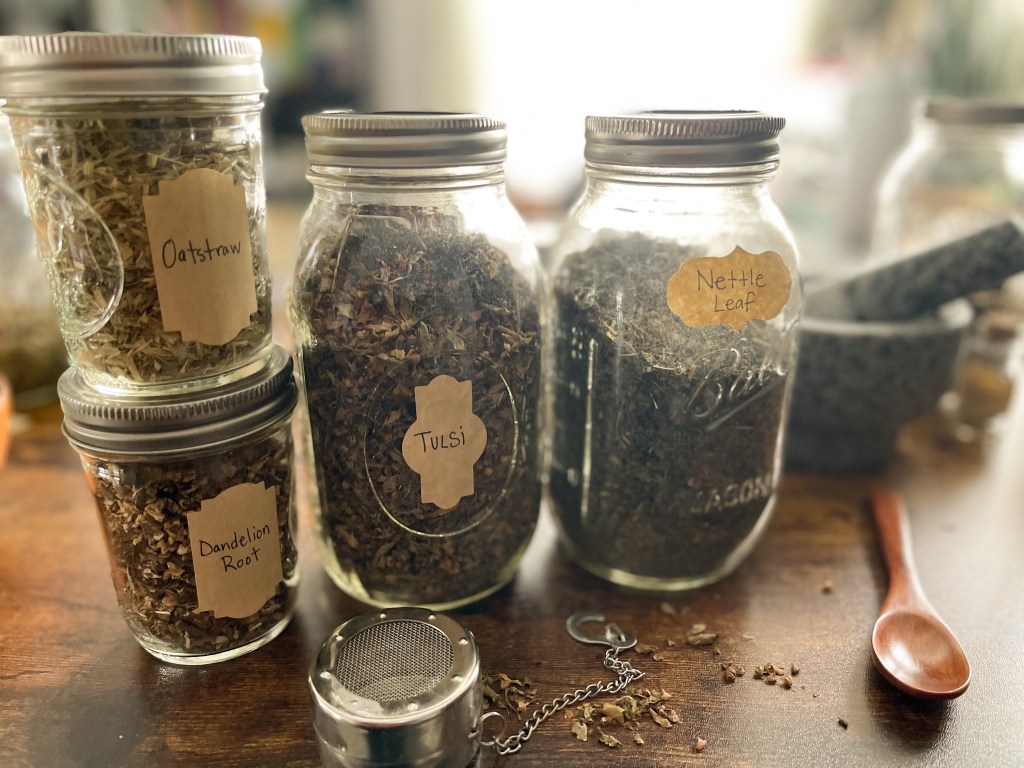
Some of my favorite herbs for building back strength after an illness include (but are not limited to!) nettle, oatstraw, dandelion root, and tulsi. You could combine all four into a soothing tea, or turn to your favorite tinctures and tea blends that contain these allies.


Here is a little bit of information on how these herbs help after an illness!

Nettle is a powerful nourishing and nutritive adaptogen that excels at building strength. Among so many benefits, it helps with fatigue, rebuilding deficient nutrients, building blood, and flushing things out.

Oatstraw aids in some of the same ways as nettle, with a bit of a different approach and the benefit of being a relaxing nervine. It is incredibly replenishing, tasty, and helps with burnout and exhaustion.

Dandelion root does important work by aiding liver function. It is nutritive, helps rebuild gut flora, aids in digestion and flushing things out, and is incredibly grounding to boot.

Tulsi is my go to herb for many things! It is an incredibly helpful adaptogen and a relaxing nervine, aiding in balancing things out and bringing you back to center.


What are your favorite herbs or remedies for rebuilding strength after illness?


Sources:

• Rosalee de la Foret, Alchemy of Herbs

HerbMentor monographs

Categories
Herbs and Herbalism plant wonder collective Recipes

Tulsi Heart-Support Tincture

You have a physical aspect to your heart, and an energetic and emotional aspect to your heart as well. It may seem like more of a metaphorical connection until you think deeply about it. That piercing aches in your chest that come periodically for some and often for others certainly points toward this inextricable connection. The emotional and energetic health of your heart can have a big impact on the physical health of your heart, and vice-versa.

Herbs can be an invaluable ally when it comes to both of these aspects of heart health, and what’s really amazing is that the same herbs can help with both. Nature certainly knows what she is doing!

My favorite herb for heart ease is tulsi. Tulsi is the Queen of Herbs, and she is a wonderful heart soother. She can aid in reducing inflammation and regulating blood pressure, but she can also help ease emotional tension and stress weighing your heart down. As both an adaptogen and a nervine, tulsi holds your hand and has your back.

I’ve brewed up a heart ease “potion,” a tincture that pairs tulsi with two other herbs that work on much the same dualistic levels for the heart: linden and hawthorn. Both of these lovely herbs are nervines often used to address blood pressure and cardiovascular health, as well as anxiety, stress, and depression. There are also folkloric and spiritual connections between all three of these herbs and protection.

Here is the recipe if you’d like to make this heart supporting tincture, too! I used the folk method, measuring in parts.

I will probably take a dropper full of this at a time in tea, ginger ale, or fruity seltzer water. It will be brimming with the intention of bringing ease and strength to my physical and emotional heart.

Have you worked with tulsi to ease and strengthen your heart?


Note: check with your physician before taking significant amounts of these herbs if you have high blood pressure, any heart conditions, or if you take any heart or blood pressure medications.


Follow along for more Tulsi wonder on Instagram with the Plant Wonder Collective! Participants share posts on the featured herb throughout the month. You can find us via

@plantwondercollective

#plantwondercollective

#pwctulsi

Plant Wonder Collective: Connecting you to nature through food, drink, play, garden, medicine, magic and art.

Categories
Herbs and Herbalism Recipes

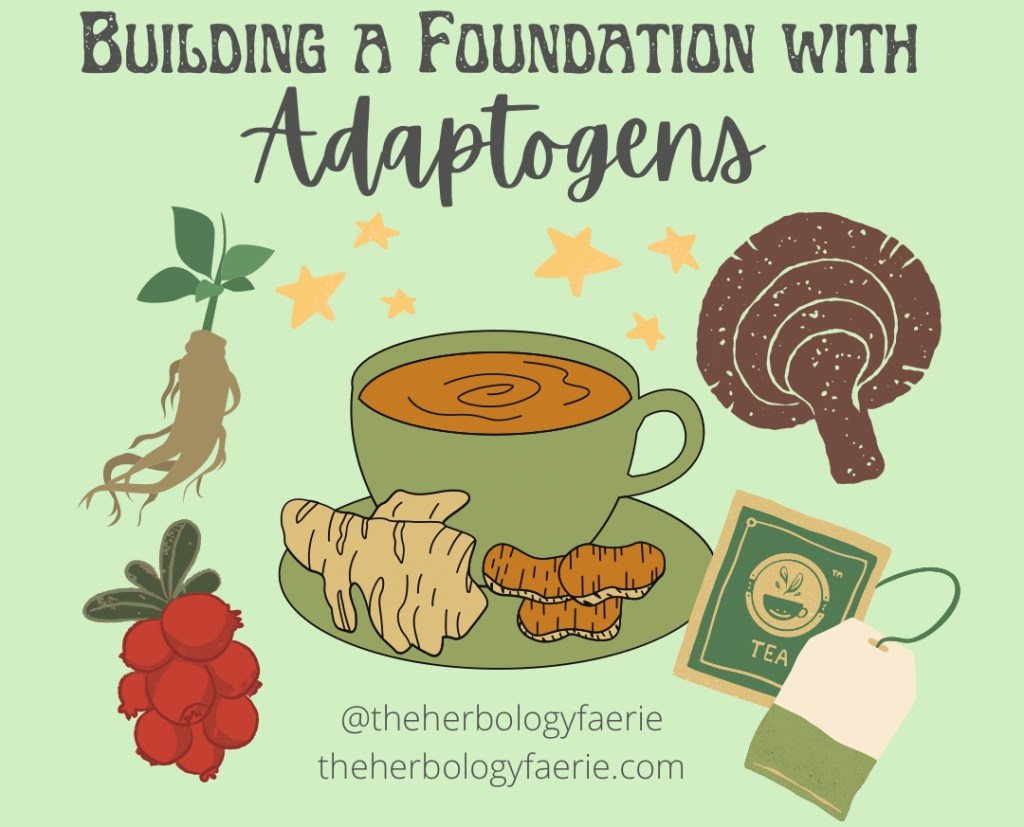
Building a Foundation With Adaptogens

Not long ago, I shared a post that was a brief overview of nervine herbs and how they work to relax, tone, soothe, calm, and even gently stimulate the nervous system, digestive function, and circulation. Nervines are such gentle, steady friends!

I thought today I would touch on another, often overlapping category of herbs and botanicals: adaptogens.

Where nervines primarily help calm, adaptogens are known for helping to stabilize and protect. They are extremely grounding; help to protect from fatigue, overwhelm, and burnout; aid against anxiety, depression, and chronic stress; support and protect brain function; build resilience and uplift; and aid the immune system. Basically, adaptogens are powerhouse holistic mental and physical health supporters! Though every person’s constitution and health situation is different and they must use caution before trying any new substances, many adaptogens are generally as safe as most nervines are in normal doses.

If you prefer a less clinical perspective, think of it this way. While nervines can offer you a steady, calming pulse of reassurance and mental and physical support, adaptogens can hold you up, offer you inner strength, sharpen your mind, and keep you going. Adaptogens have your back.

So, who are these adaptogenic allies? Here is a list of a few of my favorites!

Tulsi

Nettles

Rhodiola

Schisandra

Eleuthero

Ashwagandha

Reishi

Astragalus

Licorice

Maca

Green tea

Ginseng

Most of these adaptogens can be found where you purchase herbs online if you can’t find them in person—Mountain Rose Herbs is often where I go to look for herbs on this list.


And now it’s recipe time! I thought I’d share two adaptogen recipes: a tea and a tincture. The tea is a great one to sip in the morning—you might even want to replace coffee with it sometimes for a more stable energy boost. In both the tea and the tincture, I’ve added some nervines too for taste and added benefits.

Simple Strength Adaptogen Tea:

1 part green tea

1 part tulsi

½ part mint 

½ part cardamom

¼ part fennel


Adaptogen Tincture:

1 part ashwagandha 

1 part astragalus 

1 part nettle

½ part mint

Vodka

. . . . . . .

Place herbs in a clean glass jar. Fill about ½ inch above the herbs with vodka, using a wooden spoon to make sure the herbs are fully covered. Place waxed paper and canning lid or bpa-free plastic lid on jar and store in a cool, dry place. Shake the jar each day, and if the herbs rise above the vodka or appear to have absorbed too much, add a bit more to cover them. (You can also move your mixture to a larger jar mid-process if needed.) Allow to macerate for 4-6 weeks. Strain into dropper bottles; take one dropperful either in a glass of water, in another beverage, or under the tongue.


If your health situation supports it, then daily doses of a couple of adaptogens that are suited to your needs can be an amazing holistic health approach. Many people sip on an adaptogen-based beverage every day instead of coffee to build up a strong foundation and mental and physical reserves. (I actually enjoy drinking coffee that has adaptogens right in it!)

Are you new to adaptogenic herbs? If not, which are your favorites? If so, which do you think you’d like to try?

Categories
Herbs and Herbalism

Recharging Your Battery With Nervine Herbs

I can’t believe it’s almost June! May has really flown by. Before mental health month is over, I thought I would jump on the blog and talk a bit about one of my favorite types of mental health support: nervine herbs!

Many nervine herbs are gentle and safe for frequent use and can be a part of your daily mental health support regimen. Nervines are known for their benefits to the nervous system, hence the name. They support, tone, nourish, and soothe, offering us calming, anti-anxiety, digestion soothing, pain relieving, and grounding benefits, among many others.

Here are a few of my favorite nervine herbs:

Chamomile

Rosemary (relaxing / stimulating)

Tulsi

Lavender

Lemon balm

Linden

Hawthorn

Elderflower

Rose

Passionflower

Skullcap

Peppermint (stimulating)

Cacao (stimulating)

Most of the preceding list of herbs are normally categorized as relaxing nervines. Relaxing nervines do just what they sound like: they help to relax your nervous system. Stimulating nervines don’t stimulate in the caffeine sense; instead, they are uplifting and stimulate digestion. And some nervines do both at the same time! Also, each different nervine has its own particular chemical constituents that aid in different ways on top of the nervine qualities. For example, hawthorn is amazing for heart health, passionflower and skullcap are helpful in aiding sleep, and chamomile is known especially for helping with pain, cramps, indigestion, and fever.

As with anything, consult your doctor as needed and don’t take huge doses of any herb over short periods of time. But do think about branching out and trying different nervines to see what works well to support your particular needs. 

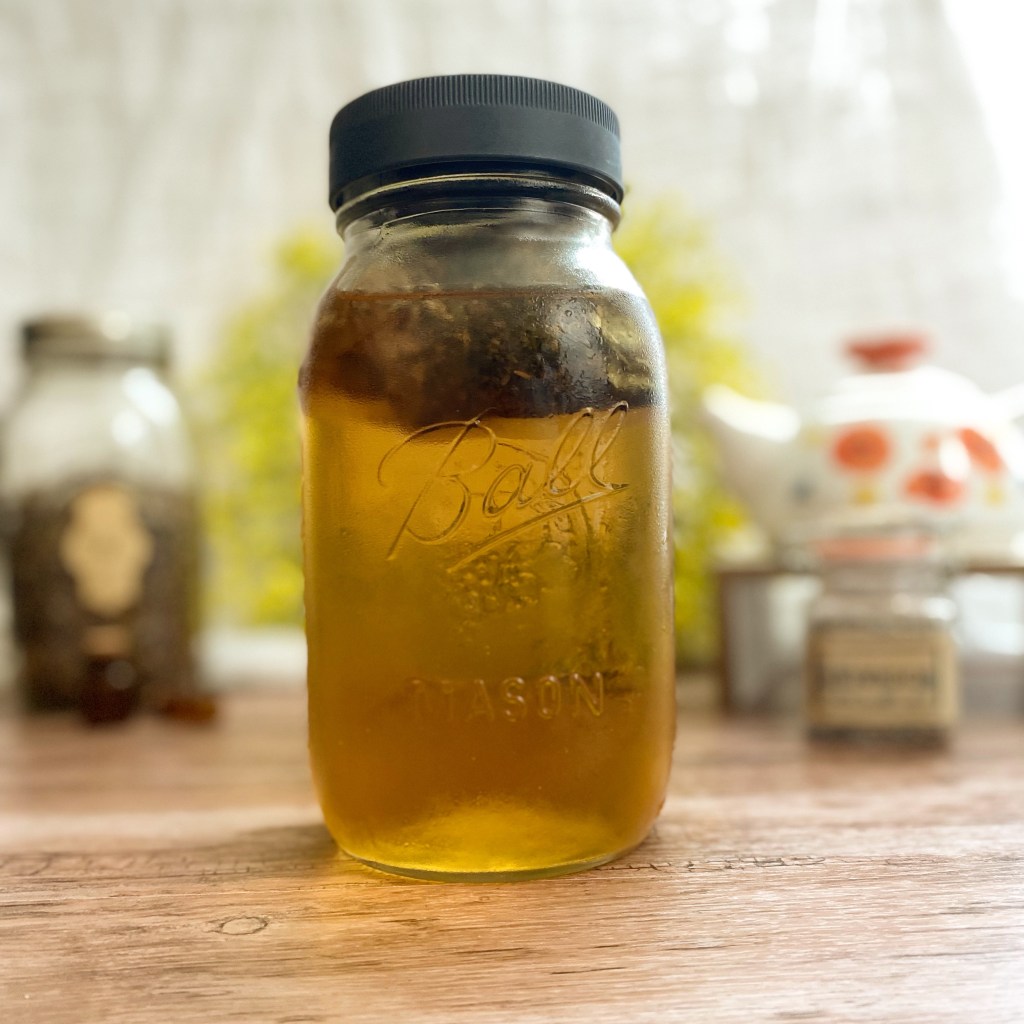
And since summer is fast approaching here in the northern hemisphere, I am going to leave you with a simple, cooling and soothing infusion recipe featuring nervine herbs. This is a favorite of mine! You can make this with fresh or dried herbs (I grow all of these in my mini herb garden); drink it hot or cold (my summer preference is definitely cold); and sun brew, cold brew overnight in the fridge, or infuse with hot water (I usually prefer to cold brew or sun brew). Regardless of how you make it, the soothing properties of these nervine herbs are a refreshing way to take in a bit of calm.

Soothing Summer Tea:

•Lemon balm – 2-3 parts

•Peppermint – 1 part

•Spearmint – 1 part

•Rosemary – 1 part

•Catnip – .5 part

•Chamomile – .5-1 part

If making with fresh herbs in a large jar, go heavier on the lemon balm and mints and lighter on the other herbs. Also, if drinking this cold, it’s great with a slice or two of lime tossed in. It’s crisp, refreshing, calming, cooling, and supportive — mind and body relief!

Obviously mental health is a complex issue and each person’s medical and therapeutic needs are extremely different. Herbs won’t solve or prevent problems or fulfill all your needs, but they can be a wonderful ally as part of a daily holistic approach.

Which nervine herbs are your favorite mental health allies?