Categories
Herbs and Herbalism

Autumn Harvest: Hickory Nuts

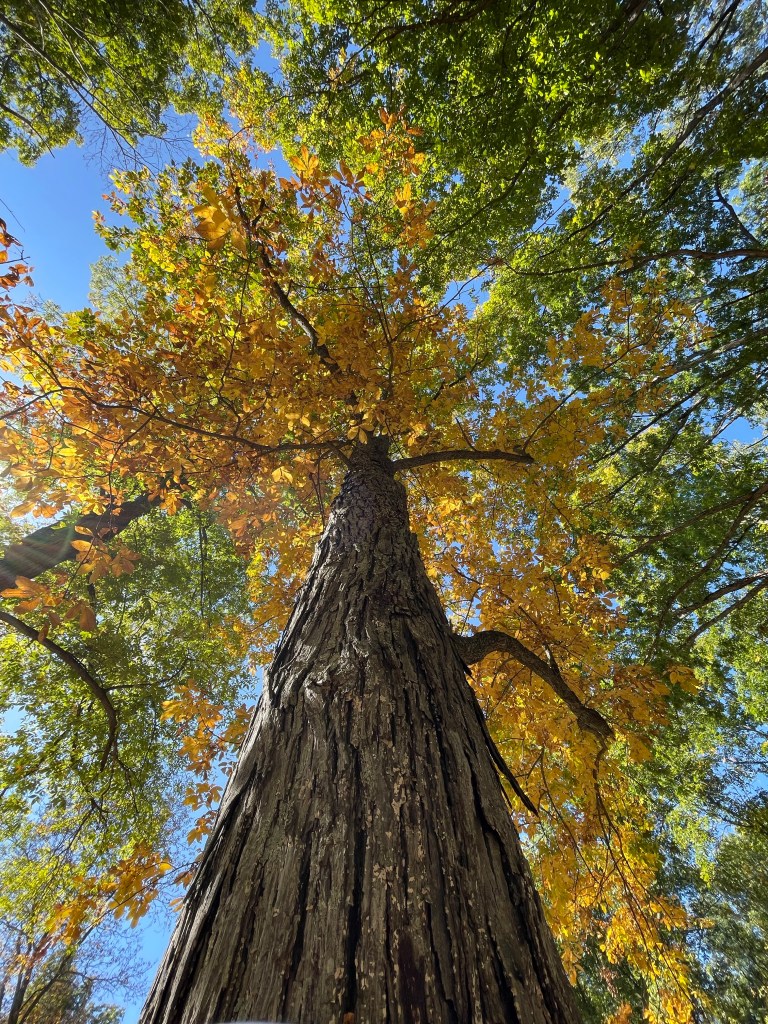
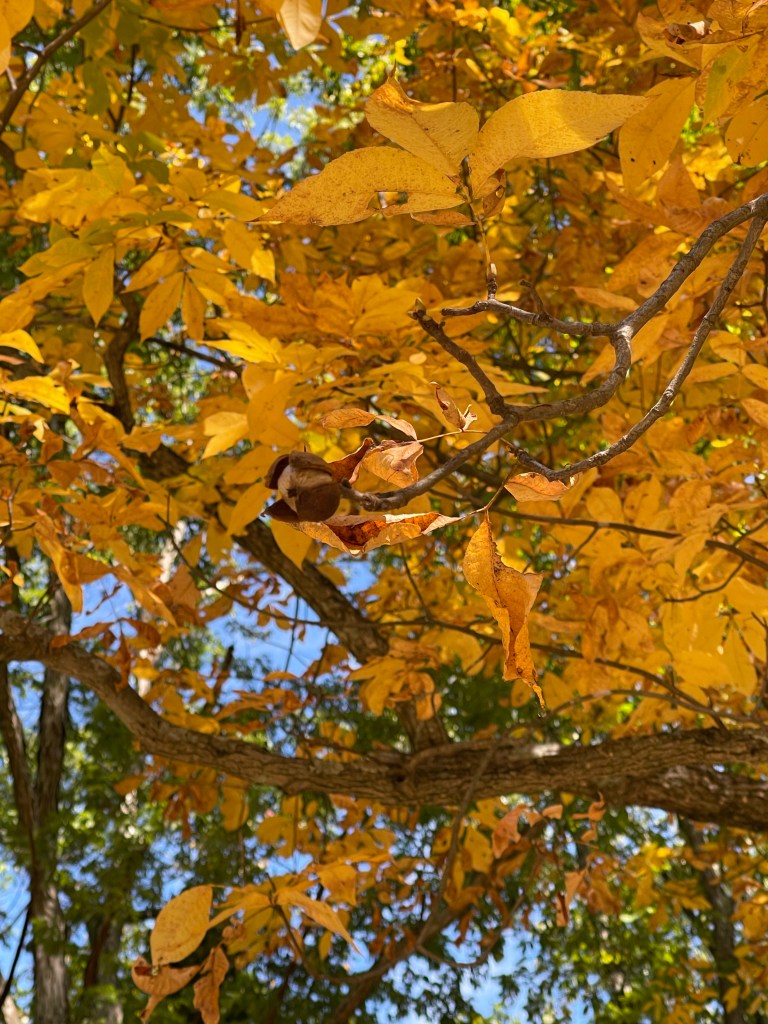
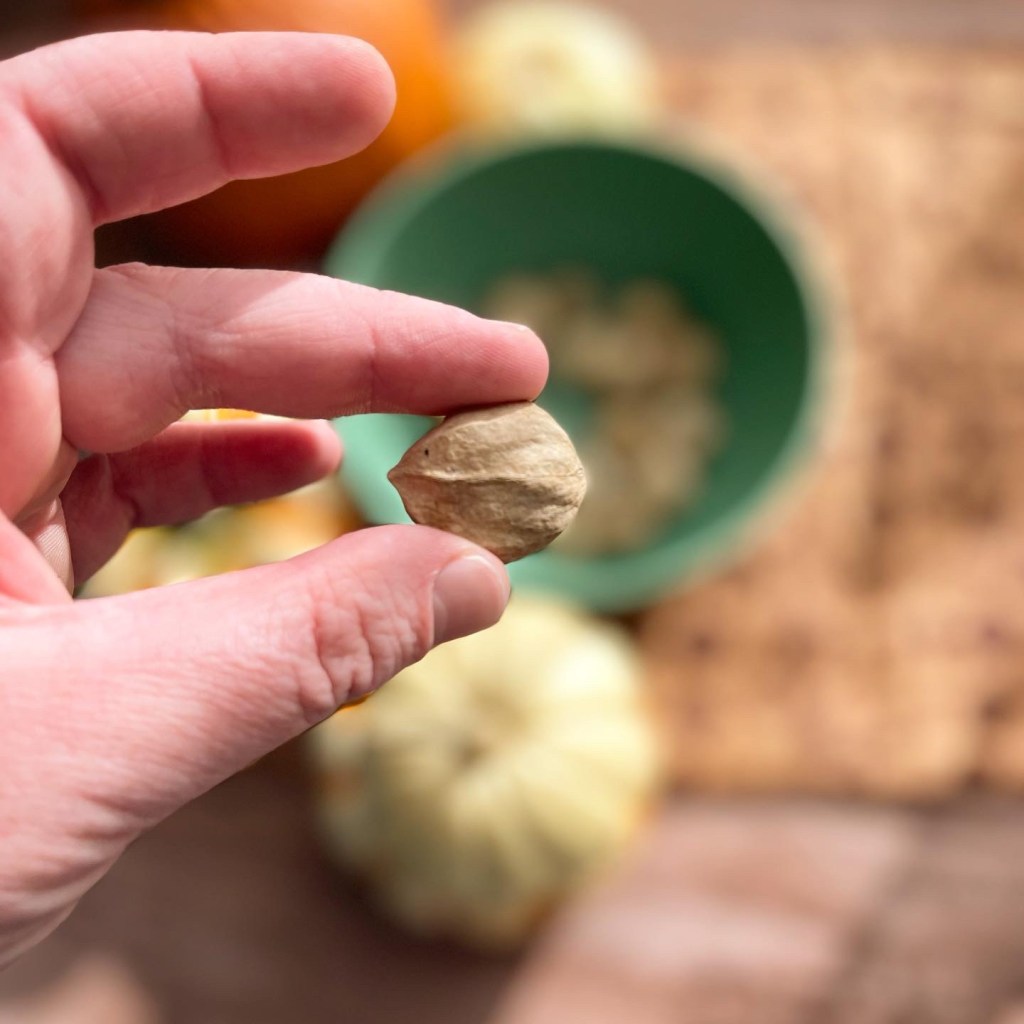
Last October I had the opportunity to collect some hickory nuts, and I’m hoping I get to when I revisit the same location again this year! Yesterday at a state park we encountered some shagbark hickory trees that were quite picked over by the squirrels already. But the place we collected them last year was so busy with people (an apple orchard) that the squirrels had steered clear and left them for the lucky humans to find.

Hickory nuts are incredibly nutritionally dense. They’re quite tricky and time consuming to crack and extract from the shells, so it’s a good thing they pack a punch! They are incredibly high in protein and those heart-protecting, cholesterol-lowering good fats you find in olive oil and avocados. They provide lots of folate and other important nutrients, as well. Hickory nuts are important to many native peoples whose diets have long included them. Numerous wildlife species also rely on them for vital nutrition.

And they taste amazing! If you have the patience to dig through these tricky shells, you’re rewarded with nuts that are wonderful raw and taste somewhat like a cross between walnuts and pecans but with a sweeter, maple syrup-like hint of flavor.

Hickory nuts have folk associations as well. In many Seneca tales, hickory nuts are associated with the dead and even bringing the dead back to life. (Very fitting as we approach Samhain!) Hickory nuts also represent nourishment, grounding, strength, and patience. (Not in small part because it takes 30-40 years of growth before the tree starts to bear nuts!)

With last year’s small harvest (I was mindful not to take more than my share) I allowed them to dry out in the sun before savoring a couple, while saving most of them for special occasions since I only have a few. I considered making a little strength talisman out of the smallest one, but I haven’t done so yet. I hope I get to add a few more to my little, precious collection!

Have you ever tried a hickory nut? What would you do with them if you had a few?

Categories
Botanical Anthology

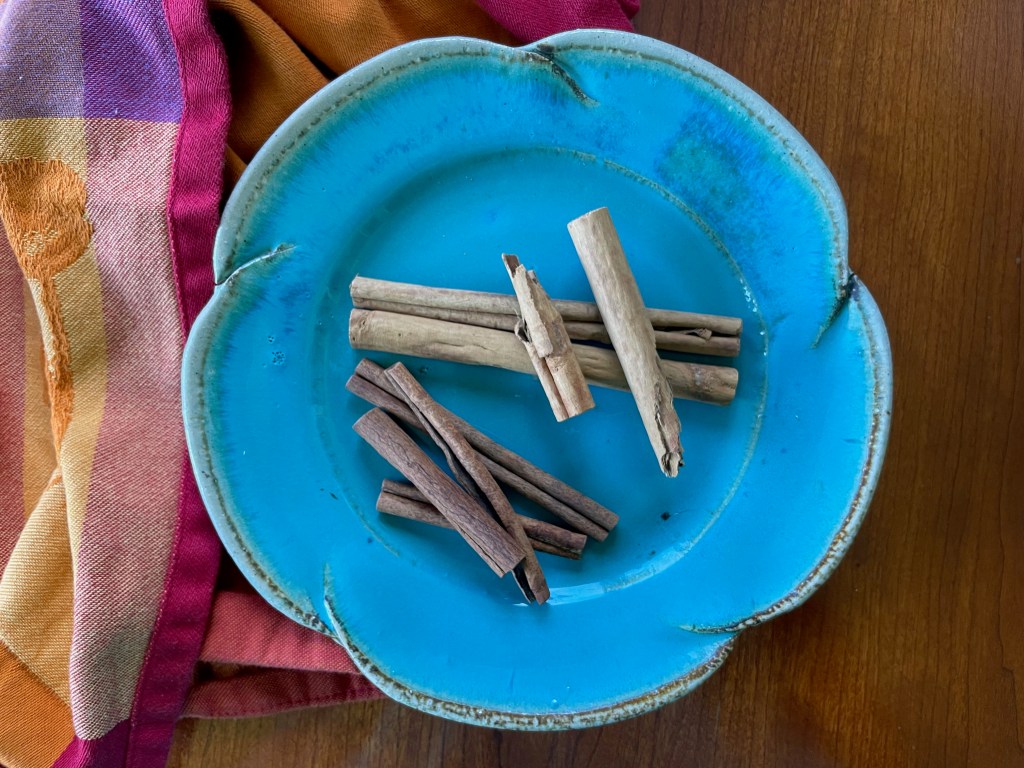
Cinnamon + Spiced Milk by Brighid Doherty

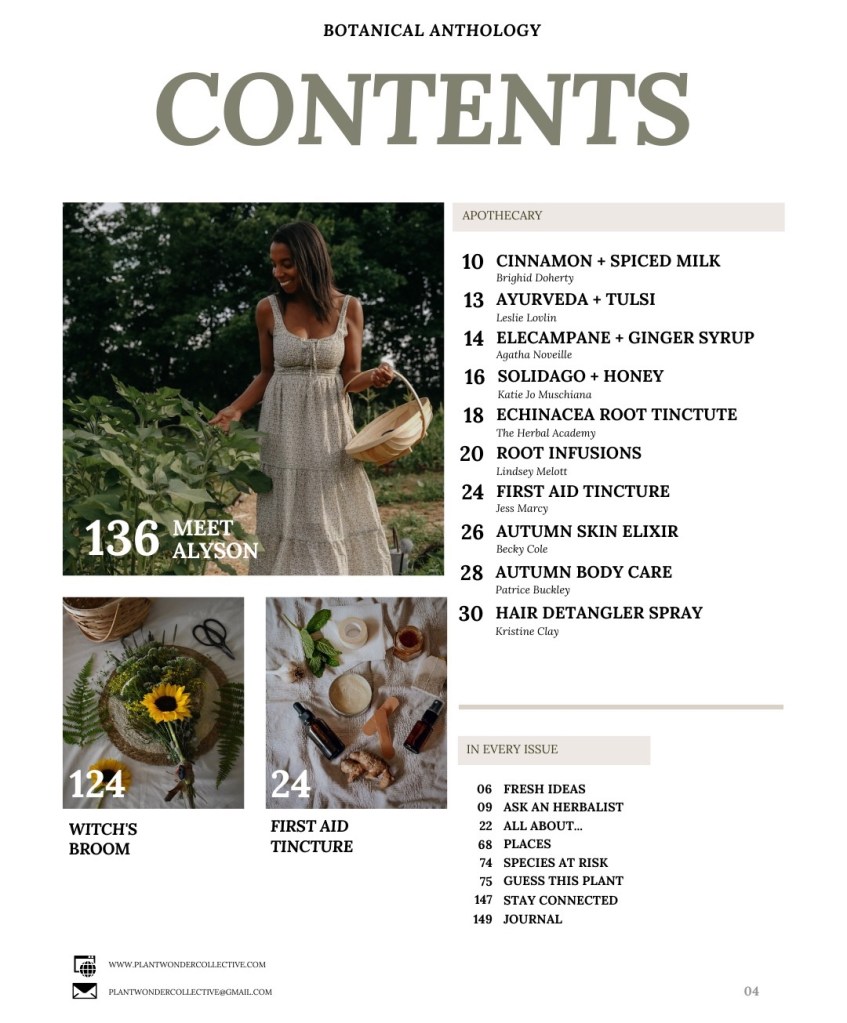
This is an excerpt from the article Cinnamon, More than One Spice by Brighid Doherty featured in the Autumn edition of Botanical Anthology. A plant lover’s dream, it is a seasonal, plant centered quarterly publication bringing you over 50 articles from 49 contributors to incorporate herbs in your apothecary, kitchen, foraging and gardening, crafts, and celebrations.

To learn more about the similarities and differences between the two types of cinnamon plus their medicinal qualities check out our autumn edition. This herbal magazine, featuring remedies and recipes with medicinal plants for budding herbalists, can be purchased as a digital version here and as a printed version here.

Photo by Brighid Doherty

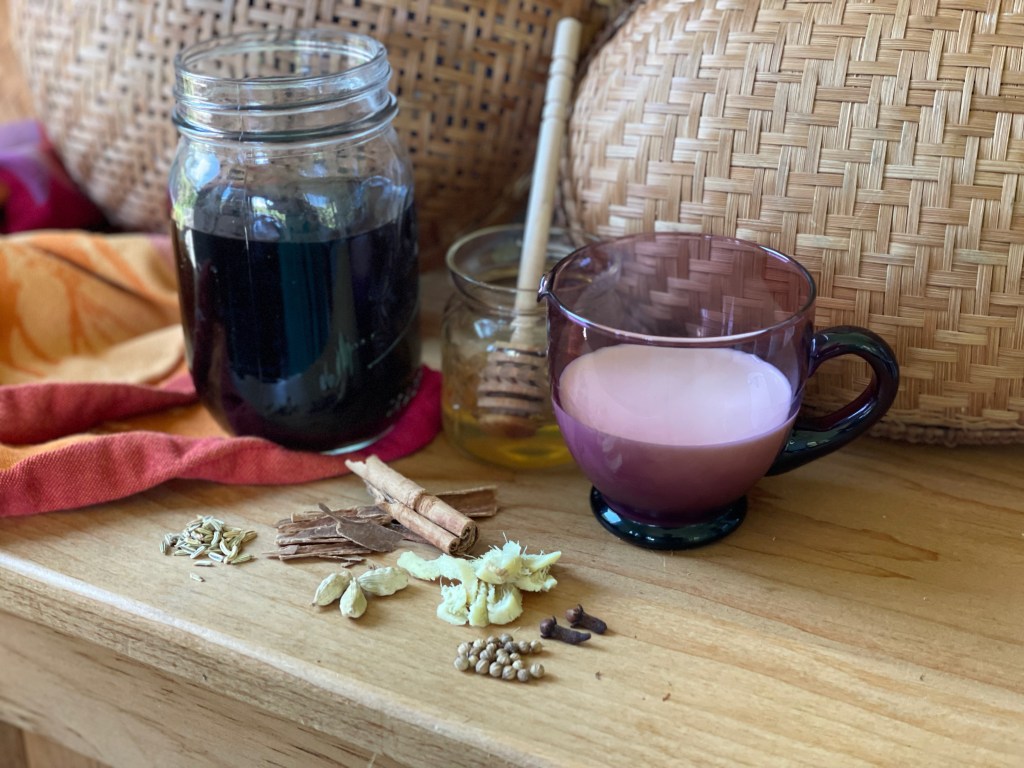
Breathe Easy Spiced Milk

This infusion is a nourishing combination of mullein, cinnamon, milk and honey that supports lung health. Whether the lungs have been exposed to excessive smoke or air pollution or experience chronic asthma, allergies, bronchitis or coughs, this remedy will help them function better. All of the ingredients soothe and nourish lung tissue. Mullein is a classic lung tonic herb. Cinnamon is warming, soothing and antimicrobial. Milk soothes lung tissue and provides important minerals allowing them to be calm. Honey sweetens and adds anti-microbial and soothing properties to the beverage.

Photo by Brighid Doherty

Materials

½ oz mullein leaves

2 c water, boiling hot 

2 tbsp cinnamon chips or 2 quills  

1-2 teaspoon each of cloves, cardamom, ginger, fennel seeds, optional

2 c organic whole milk or half and half

1 tbsp or more honey

1 quart mason jar and lid

Unbleached coffee filter paper and ceramic drip cup or fine mesh strainer

Small sauce pot

Method

Add mullein and boiling water to a quart mason jar and cover with a tight lid. Steep for 4-8 hours.

Strain the infusion into a small sauce pot. Add the milk, cinnamon and other desired spices. Simmer gently for 20-40 minutes.

Strain out the cinnamon and spices. Sweeten with honey to your preference. Pour into the quart jar to store.

Drink at least one cup per day.  Enjoy warm or cold.

Store mullein infusion in the fridge for up to 1 week. Once the milk has been added it should be consumed within three days.

Notes

Mullein leaves have fine hairs that have the potential to irritate the throat when consumed.  To avoid the hairs, mullein infusion is best strained through a fine mesh or unbleached coffee filter.  

Premixed chai blends can be used instead of using cinnamon alone, or you can make your own spice blend.

Photo by Brighid Doherty

Brighid is a mother, gardener, herbalist, educator, podcaster, and author living on a bridged island in Maine. She is founder of The Solidago Herb School, The Healthy Herb Podcast, and author of Drinkable Healing Herbal Infusions. Connect with her @solidagoherbschool and solidagoherbschool.com

Categories
Botanical Anthology

Botanical Anthology: Autumn!

I am so excited to share that yesterday was the launch of the autumn issue of Botanical Anthology!

We have worked hard to create a beautiful, useful, cozy, and magical botanical compendium (because it’s way too huge to call a “magazine,” in reality) about all things plants + fall. (I am both a contributing writer for this magazine, with 4 articles / pieces in this issue, as well as its copyeditor!)

If you love plants, living aligned with the seasons, trying your hand at homemade foods + skin products + decor + fun crafts, connecting to nature, and extreme coziness, you’ll love the BA. It is a seasonal, plant-centered quarterly digital + print journal bringing you over 50 articles from 49 contributors to incorporate herbs into your autumn apothecary, kitchen, foraging and gardening, crafts, and celebrations.

From September 12th – 21st, receive the Botanical Anthology Autumn edition digital download, plus our garlic bonus booklet digital download, for just $18. Come next week, the garlic booklet will no longer be included, and the price will increase. (It is also available in print on Amazon for ~$26; Amazon changes the price periodically but that’s the current price.)

In this issue:

* Infuse a first aid tincture, steep root infusions + transition skincare to autumn

* Make pumpkin spice marshmallows, sip cacao bone broth + bake chocolate chestnut cookies

* Harvest medicinal roots, forage birch polypore + put your garden to rest

* Print leaves, dye with mushrooms + weave a cornucopia

* Divine with apples, craft a witch’s broom + discover olive folklore

* Celebrate Autumn Equinox + Samhain with simple observances

* Meet Alyson Morgan, Leah Larabell + Kirstie Gildersleeve

* Check out our new feature Ask an Herbalist

We are so proud of this labor of love, creativity, and love of plants. Let us be your guide to work with plants as you journey through the autumn season!

Categories
herbal skincare Hygge Recipes

September Perfume Oil

I decided to whip up an adorably tiny roller bottle of September-inspired perfume oil recently! I love teeny roller bottles because I can make a small amount to test out the scent combination, and I don’t have to worry about making too much if it’s something I’m only going to use for a short period because it’s intention is geared to a specific occasion or month.

The basis of this essential oil blend is Ho wood and benzoin, which are creamy, vanilla-esque scents that I find very cozy. Combined with these are notes that are spicy, woodsy, sweet, and a hint of floral. To me, this combination evokes early autumn: the sweet and creamy scents are rich, yet sunny and light, and the spice is subtle enough to hint at autumn without being too heavy.

If you have sensitive skin, you probably ought to cut back on the EOs when making this recipe, and you can leave out the cinnamon and cardamom if they might be irritating. (The cinnamon chips included will gradually infuse in the base oil anyway!)

And, as always, be sure to source and use essential oils responsibly and from reputable, sustainable sources. (Not an ad and not sponsored at all, but I get most of my essential oils from Mountain Rose Herbs and Simply Earth.)

Materials:

5 ml roller bottle

Dropper

Carrier oil of choice (I like olive oil even though it’s a bit unorthodox—I used calendula-infused olive oil to make it extra special!)

Cinnamon stick chips

Essential oils, in drops:

3 Ho wood

3 benzoin

2 cypress 

2 sweet orange

1 geranium

1 cinnamon

1 cardamom

Method:

Add a few pieces of cinnamon stick chips. Fill the bottle about halfway with carrier oil using a dropper. Carefully add the essential oil drops, then top with more carrier oil—make sure to leave room to insert the roller ball top. Add the roller and cap tightly, shake to mix well, and let it sit a day or two before using.

What scents put you most in mind of September?

Categories
Herbs and Herbalism plant wonder collective Recipes

Mushroom Coffee

I am so excited that September is mushroom month at the Plant Wonder Collective! I love all things mushroom for culinary, medicinal, craft, and folklore purposes. I can’t wait to share the mushroom love this month!

The medicinal and therapeutic qualities of mushrooms have become much more widely known and embraced in the mainstream, and that has led to lots of commercially available mushroom coffee blends and coffee alternatives. Which is great! But they can be quite costly. So today I am sharing a simple and cost-effective diy option if you’d like to try making your own mushroom coffee at home.

((I will note, if your aim is primarily to get the medicinal benefits, you might not get the most out of your woody mushrooms by brewing them in a simple infusion or decoction. (In the summer Botanical Anthology, Susan Ilka Tuttle shared a great article on how to make a reishi double decoction to extract all the beneficial constituents.) But there are definitely water-soluble constituents you can benefit from if coffee is the most accessible & preferable method for you.))

This coffee-alternative blend uses reishi mushrooms, coral tooth mushrooms, roasted dandelion root, roasted chicory root, and cinnamon chips. You could easily modify the recipe with your own favorite hearty spices like cloves and allspice. Or combine it with actual coffee! (This is my preference usually.)

The idea of mushroom coffee sounds quite odd and even off-putting to some, but it tastes nothing like the mushrooms on your pizza! It tastes bitter, earthy, and pungent, but in a way that is reminiscent of traditional coffee—especially when combined with coffee itself or roasted roots that are often used in place of coffee.


Before we get into the recipe, let’s take a quick look at the benefits of the two mushrooms we’re using—

Reishi

Reishi mushroom has long been associated with longevity. It can aid the liver, help with blood pressure and cholesterol, boost the immune system, reduce inflammation, help you relax, and much more. Reishi has been pretty well-studied and the results are so promising!

Coral Tooth

Coral tooth is very closely related to lion’s mane mushroom, and is used interchangeably with it. It may help boost the immune system, modulate inflammation, relieve allergies and eczema, reduce anxiety symptoms, and more.


Mushroom Herbal Coffee Blend

Ingredients per about two cups

  • 1 tsp dried mushrooms of choice (reishi and coral tooth in this case), broken into small pieces or crushed with mortar and pestle
  • 1 tsp roasted dandelion root
  • 1 tsp roasted chicory root
  • 1 tsp cinnamon stick chips
  • 1/2 tsp cloves

Method

Add ingredients plus about three cups water (adjust according to your coffee strength preferences) to a saucepan and simmer over low-medium heat for anywhere from 20 to 40 minutes, strain, and serve how you take your coffee.

Or—

You can also grind the blend in a coffee grinder to a rough grind and brew in a French press or drip coffee maker. Not as many medicinal constituents will extract from the mushrooms, but you’ll still get some benefits and enjoy the earthy taste.

Alternatively, you can mix this blend to your preferred ratio with traditional ground coffee and brew as usual.

One more note:

Take care when foraging or purchasing medicinal mushrooms and make sure you are absolutely certain of the species before consuming! Also be sure to forage ethically or purchase mushrooms that were sourced ethically. My reishi and coral tooth were ethically foraged by my brother and his partner and gifted to me!


Have you ever tried mushroom coffee? Are you interested or curious to try it?

Categories
herbal skincare willow & sage

Willow & Sage Autumn 2023

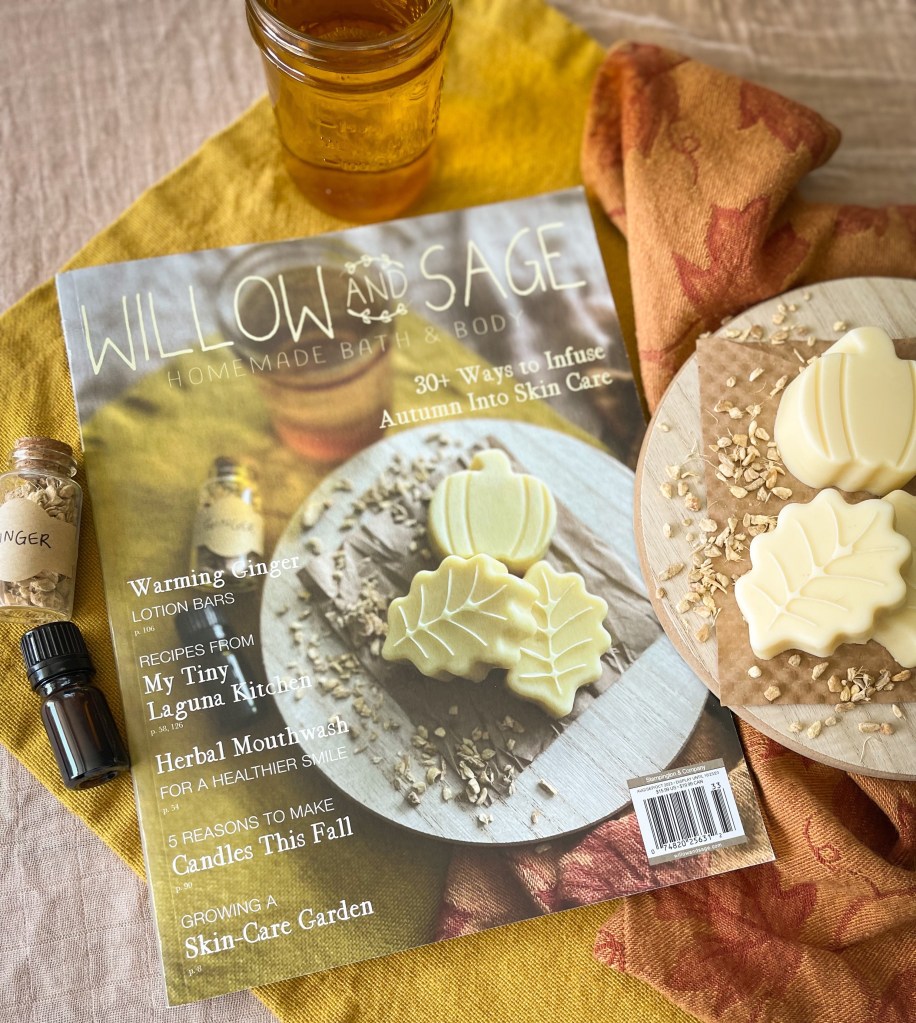
Have you ever read Willow & Sage magazine? It’s a lovely publication that shares recipes, crafts, gardening, uses, and packaging ideas for handmade botanical bath, body, and natural home products. Many creatives contribute these recipes, articles, and photos which make up this unique magazine.

I am so excited to share that a photo I took is on the cover of Willow & Sage magazine’s latest issue, and two articles I wrote are inside! You can find this issue at, among other retailers, Barnes & Noble and Joann, both of which I did on August 1 to see it out in the wild with my own eyes. I am very excited and proud to be a part of this publication!

I wrote the cover article with the recipe for warming ginger lotion bars, as well as an article and recipe for coffee and rose aromatherapy oil. I loved crafting these cozy and creative botanical projects, and I can’t wait to follow the other recipes in this issue to make some amazing creations by all the other contributors.

Thank you to Willow & Sage for this opportunity! I am so thankful for this chance to flex my creative muscles and brew up recipes such as these.

Thank you so much to everyone who purchases a copy or subscription of Willow & Sage, too! I am so grateful for all the ways you support my work.

Categories
Herbs and Herbalism Tea

Herbal Coffee Alternatives

Someone recently brought up in conversation that she is trying to wean herself off coffee, and it made me think about coffee alternatives. I don’t think it is necessarily as simple as swapping out any tea or herbal tea for your morning joe. Especially since some want to cut caffeine completely, some just want to reduce their intake, and some have non-caffeine related issues with coffee instead like stomach problems.

I am personally still a coffee drinker, even though I am a home herbalist and spend so much time blending and drinking herbal and “true” tea blends! I definitely don’t overdo coffee and tend to only drink it in the mornings, and I love experimenting with herb/spice/botanical additions to my mug.

I am very much NOT caffeine sensitive, so my one or two cups a day don’t have much impact on me, and though I might feel a bit grumpy if I miss my morning java ritual, I honestly don’t feel any detrimental physical impact if I skip a day. I know I am very lucky in this, however! Coffee can affect people so differently, and some just need ways to cut back or cut it out completely.

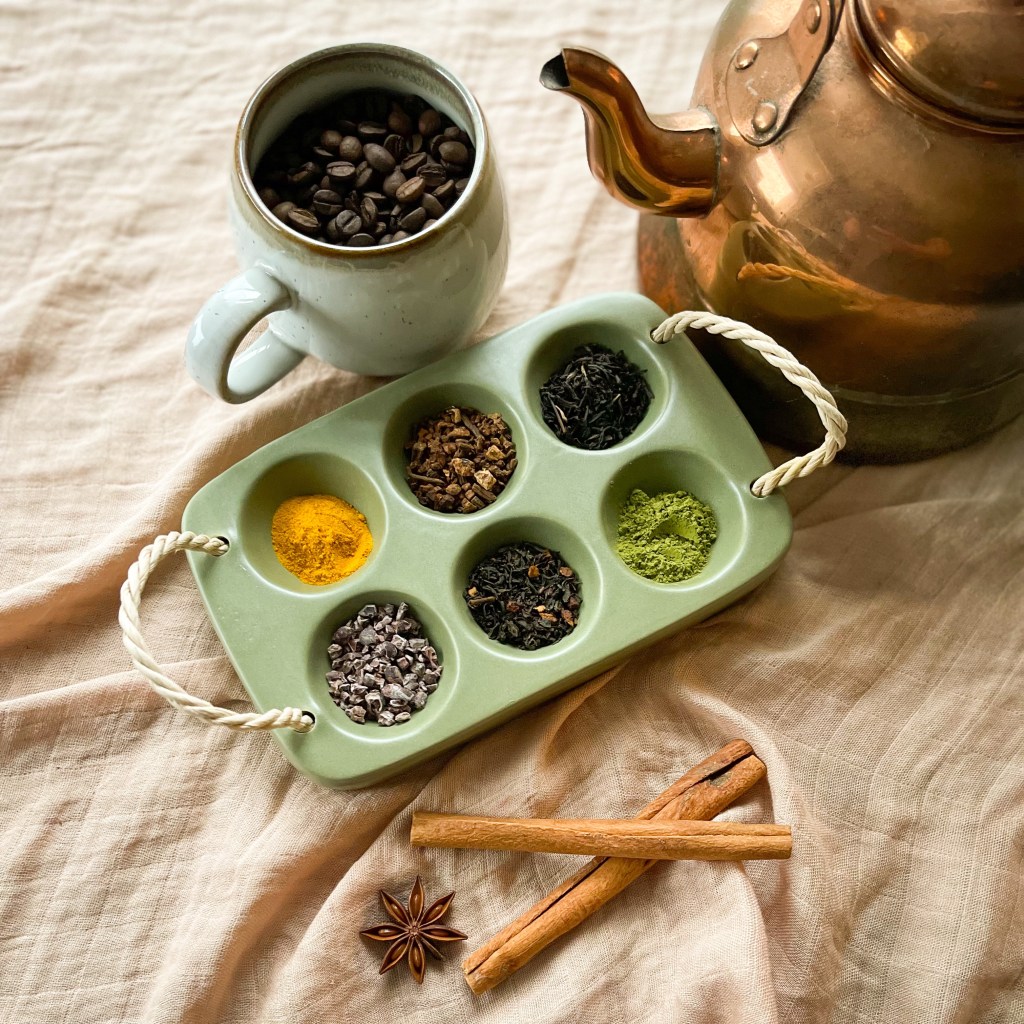
There are many different herbal / botanical coffee alternatives that can suit different needs. I thought I would share a few of my favorites, which can help fill a specific void that coffee leaves behind:


Golden Milk (turmeric, sweet spices, black pepper, sugar / honey / etc., and milk) for a warming, very healthy, comforting, aromatic, immune-boosting & inflammation-modulating decaf sip (although to be honest—I personally still drink coffee myself, but often add about ¼ tsp of this to my mug and stir it in to enjoy the benefits & taste of both)

Roasted dandelion root for a cozy, earthy, hearty, grounding, detoxifying caffeine-free brew (my evening go-to; I often mix this with cacao nibs and cinnamon stick chips. You can also cut your ground coffee with dandelion root to reduce the caffeine and add health benefits!)

Lapsang souchong for some caffeine (but not as much as coffee) and a dark, bitter, smoky, complex, satisfying cuppa (an acquired taste, but I adore it)

Cacao nibs for a wee bit of caffeine, tons of antioxidants & beneficial minerals, mood-boosting endorphins, and rich & decadent taste

Chai or other spiced black tea for a bit of caffeine in a satisfying, aromatic, grounding, flavorful, cozy, warming brew (pictured here is a favorite of mine—hot apple spice)

Matcha for a complex, earthy, herbaceous, fresh, soothing cuppa with moderate caffeine that is offset by amazing health benefits (I’ll admit, I am not a huge matcha person when it’s by itself, but I do sometimes incorporate it into recipes and blends—but some people swear by it!)


Have you transitioned away from coffee with any of these, or perhaps a different alternative? Let us know in the comments — I have a feeling there are others who could benefit from some ideas to try!

Categories
herbal skincare plant wonder collective Recipes

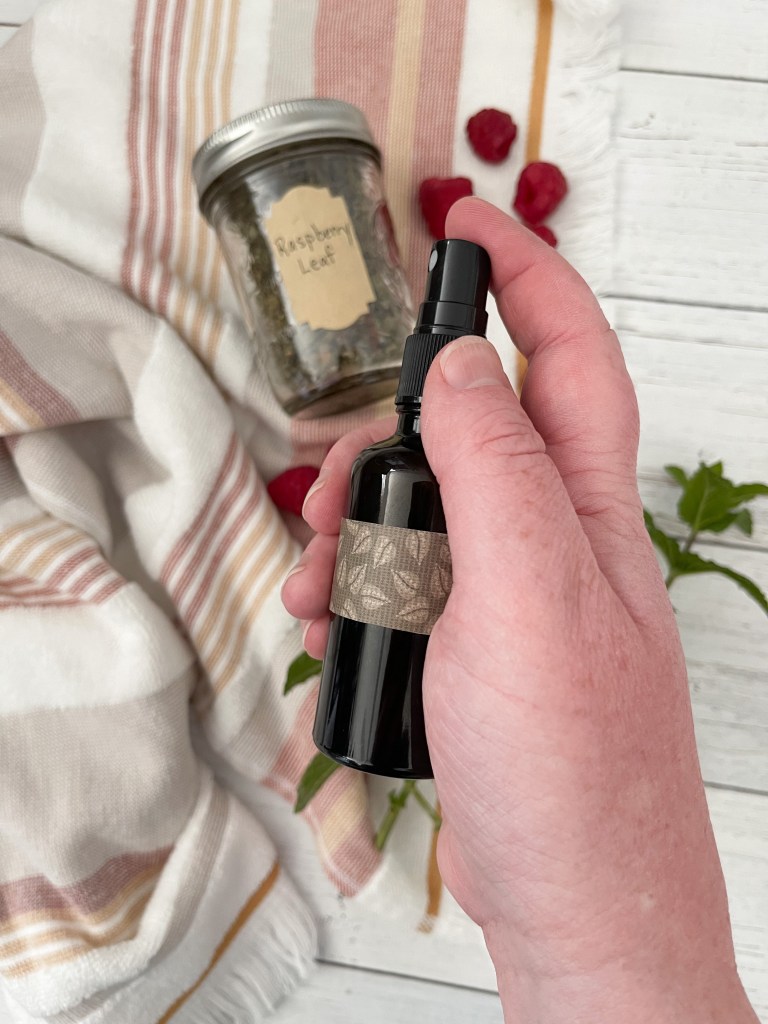
Raspberry Leaf Face Refreshing Mist

In these dog days of summer, your skin can easily become overheated and stressed out! That’s where raspberry leaf comes in. Raspberry leaf is well known for its tissue tightening and toning properties, and in a gentle face mist, this action can help to prevent moisture loss and provide soothing.

This recipe isn’t for a witch hazel or alcohol based toner—I didn’t want it to be that strongly astringent. So, instead, I’ve made a strong tea with the raspberry leaf and combined that with a cooling mint hydrosol—which you can easily make on your stovetop with some fresh mint, or you can purchase ready-made mint (or rose, lavender, or chamomile) hydrosol if you prefer.

Because this is an entirely water-based recipe, it has a shorter shelf life so you’ll want to make it in small batches and store it in the fridge. But it’s totally worth it for a very gentle, refreshing, soothing summer face mist that even the kids can use after a sweaty day of playing out in the hot sun! (It makes a great after-sun spray, too!)

This recipe comes in two parts: the mint hydrosol recipe and the raspberry tea / face mist recipe. Let’s start with the mint hydrosol!

Mint Hydrosol

Materials:
Large stock pot with lid
Small heat-safe bowl (ceramic or glass)
Heat-safe glass measuring cup
Distilled water
Fresh mint leaves
Ice

Method:
Place the heat-safe bowl upside down in the stock pot and fill the bottom of the pot with enough water that it covers the bowl. Place the glass measuring cup right-side up on top of the bowl. Place a good amount of mint leaves in the water around the bowl—a couple big handfuls of plant material. Place the pot lid upside-down on the pot and place ice cubes on top. Simmer on medium heat until a sufficient amount of steam has condensed and dripped into the measuring cup—that’s your hydrosol! Store this in the fridge.

Raspberry Leaf Facial Mist

Materials:
3 tablespoons dried raspberry leaf
Large tea mug
Plate to cover the mug with
Distilled water
Tea kettle
Strainer
Glass bowl or measuring cup
Small misting bottle (4-8 oz)

Method:
Place raspberry leaf in the tea mug and cover with water freshly boiled in a tea kettle; cover with plate and allow to steep for 10-15 minutes. Strain into a glass bowl or measuring cup and allow to cool or refrigerate.

Fill the misting bottle half full with mint hydrosol and half with raspberry leaf tea. Cap tightly and shake well to mix. Store in the fridge to prolong its shelf life and so it’s nice and cool when you’re ready to mist your face!

Categories
Botanical Anthology Recipes

Strawberry Lavender Julep by Kristine Clay

This is an excerpt from the Summer edition of Botanical Anthology. A plant lover’s dream, it is a seasonal, plant centered quarterly publication bringing you over 45 articles from 46 contributors to incorporate herbs in your apothecary, kitchen, summer foraging and gardening, crafts, and celebrations.

This herbal magazine, featuring remedies and recipes with medicinal plants for budding herbalists, can be purchased as a digital version here and as a printed version here.


Photo by Kristine Clay

If you enjoy the classic herbal cocktail, the mint julep, then this fruity, floral rendition is sure to become a fast favorite.

Infused whiskey lends stunning color and bursts with fresh strawberry flavor, while lavender rounds out the beverage with pleasant herbaceous notes that hint of mint. Lavender can ease stress and anxiety, helping you to unwind as you sip.

Serve this boozy beverage at your next get together or enjoy with friends on a warm summer evening. 

Strawberry Whiskey Materials

2 c strawberries, fresh, sliced 

Whiskey

16 oz jar

Strawberry Whiskey Method 

Place strawberries in a jar. 

Pour whiskey over top, filling the jar.

Cap tightly with a lid and shake well. Let the strawberries steep in whiskey for at least 1-2 weeks, shaking daily or as often as you remember. 

You can use the whiskey after about a week, but giving it a full 2 weeks to infuse will allow the flavor to really develop.

Note

If you won’t be using the whiskey right away, there’s no need to strain out the infusing strawberries after 2 weeks. Longer steep times allow the flavor to deepen, and can make for a very tasty liquor.

Photo by Kristine Clay

Lavender Simple Syrup Materials

¼ c lavender, dried

½ c sugar

¼ c lime juice

¼ c water

Lavender Simple Syrup Method

Add the ingredients to a small saucepan.

Bring the liquid to a rapid boil then reduce the heat and simmer lightly for about 10 minutes. 

Remove from heat and let the syrup cool. 

Strain out the lavender pieces and bottle the syrup. 

Store leftover syrup in the refrigerator.

Photo by Kristine Clay

Strawberry Lavender Julep Materials

1 ½ f. oz strawberry whiskey

½ fl oz lavender simple syrup

Ice cubes

Fresh lavender sprigs 

Club soda or sparkling water, optional 

Strawberry Lavender Julep Method

Pour whiskey and simple syrup into a glass and stir. 

Add ice. 

If desired, top with a splash of club soda or sparkling water. 

Garnish with a sprig or two of fresh lavender.

Note

This recipe makes one cocktail.


Article written by Kristine Clay. Kristine is a mother, herbalist, & writer who lives on an off-grid homestead in the Ecuadorian Andes. She enjoys crafting botanical concoctions, baking, and hiking with her partner in the eco-sanctuary they steward. You can read her musings about herbs, nourishing foods, & holistic mothering on her blog: mamalibelula.com and find out more about Andean plants, regenerative land management, & raising rabbits at: SierrayCielo.org.

Categories
Botanical Anthology

Summer Botanical Anthology!

I am so, so very excited to share with you about this labor of love, the Summer edition of Botanical Anthology, which is launching tomorrow, June 12!

I am personally more involved than ever in the production of this publication—aside from writing articles for it, I am now its copyeditor. I’ve worked closely with the magazine’s founder/editor, my friend Harmonie, on the design and content of this edition as well as editing all the articles. I can tell you that all 46 contributors are bringing amazing articles, recipes, and other content centering around summer and how to incorporate herbs in your apothecary, kitchen, spring foraging and gardening, crafts, and summer celebrations.

Here is a sampling of what’s inside:

* Whip up an itch soothing salve, steep a California poppy tincture + infuse an evening primrose oil

* Whisk a milky oats honey mustard, make watermint chocolate chip ice cream + bake a starflower cucumber cake

* Grow amaranth, make fertilizer with comfrey + learn why you should add herbs to your garden

* Create clay mushrooms, eco print with coreopsis + make sidewalk chalk

* Form summer rituals, build a Lion’s Gate altar + discover rose family folklore

* Celebrate Summer Solstice + Lammas with simple observances

* Meet Rebecca Desnos, Susan Leopold + Tiffany Jones


From June 12th – 21st, receive the Botanical Anthology Summer edition digital download, plus our lavender bonus booklet download, for just $18. Come next week, the lavender booklet will no longer be included, and the price will increase.

And now you can purchase a printed option via Amazon!!  Plus we have gift card and digital subscription options on our website!

As a thank you for being here with me as a BLOG FOLLOWER, enjoy $3 off the publication with the code: BASummer23Take$3

Thank you so much for taking the time to read this message as I share my excitement about this magazine I am so lucky to be a part of. If you’d like to learn more about the publication and what’s inside, and consider buying your own copy, follow this link:

Botanical Anthology Summer