Categories
Herbs and Herbalism Recipes Tea

Springtime Jasmine Pearls Tea Blend

One of my most favorite forms of tea is jasmine pearls! Green tea leaves scented with delicate, luscious jasmine are rolled into little “pearls,” of which you can use 3 or 4 to a cuppa. Not only do I adore the mild floral flavor and relaxing sensation of enjoying this fancy-feeling form of tea, but it is also so lovely acting as the base of springtime tea blends!
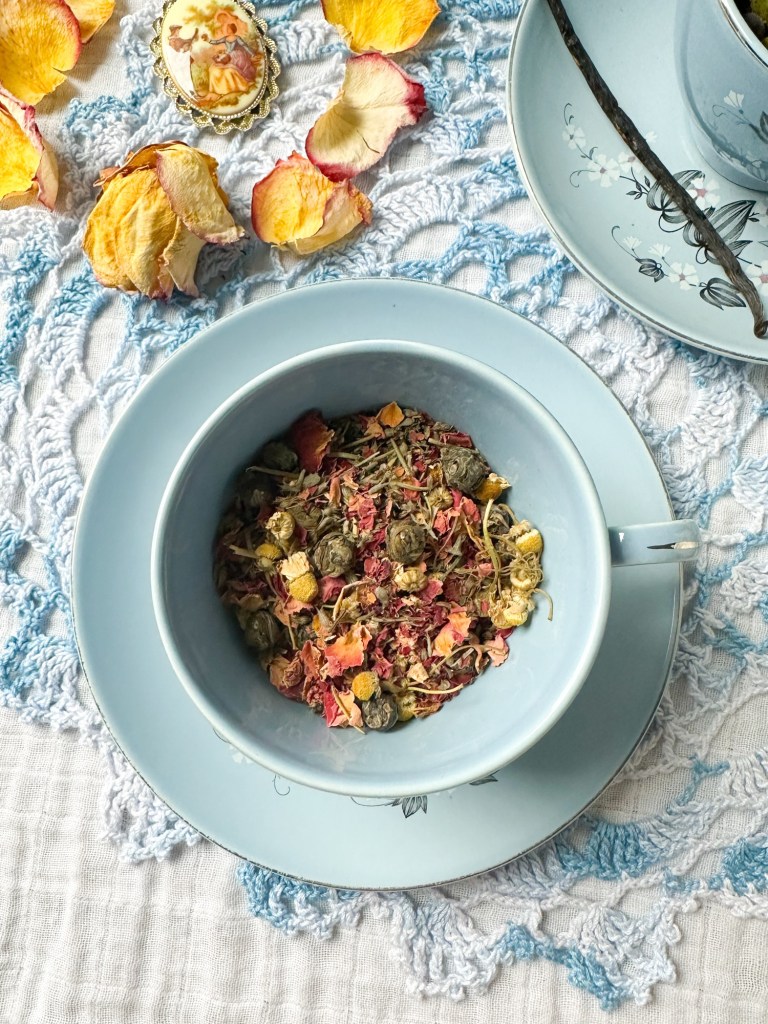
Jasmine pearl tea tastes as delightful cold brewed or iced as it does hot. The pearls are convenient for preparing in a pitcher or mason jar, as they are quite easy to avoid when sipping (or you can scoop them out with a spoon). As for a traditional hot brew, green tea needs slightly special treatment! It needs a lighter steep so as not to turn too bitter. However, I’ve found jasmine pearls to be a little more forgiving than other types of loose leaf green tea in this regard. 

It is true that green tea contains caffeine like its other Camellia sinensis counterparts, but less so, which lends well to the calming attributes it is found to possess. The tea plant in general is thought to aid in steadying and balancing the constitution, green tea especially. Jasmine’s presence adds further peace, calming, and uplifting.

This particular jasmine pearl tea blend includes catnip, chamomile, rose, and rosemary. The combination of light, flowery tea with nervine herbs that bolster the mind and soothe the spirit is the ultimate springtime self-care sigh of contentment!

Here is the full recipe!

For one cup of tea:

3 jasmine pearls 

½ tsp catnip

½ tsp chamomile

½ tsp rose petals

¼ tsp rosemary 

As this contains green tea, be sure to use a slightly lower water temperature (don’t quite bring the water to boiling) and a shorter brew time, about 3-4 minutes.


For educational purposes only. Not intended for medical advice. Always consult your physician.

*This post contains affiliate links, which means if you choose to buy something from a link that I share, I will make a small percentage of the sale *at no extra cost to you*.
Categories
Recipes Tea wheel of the year

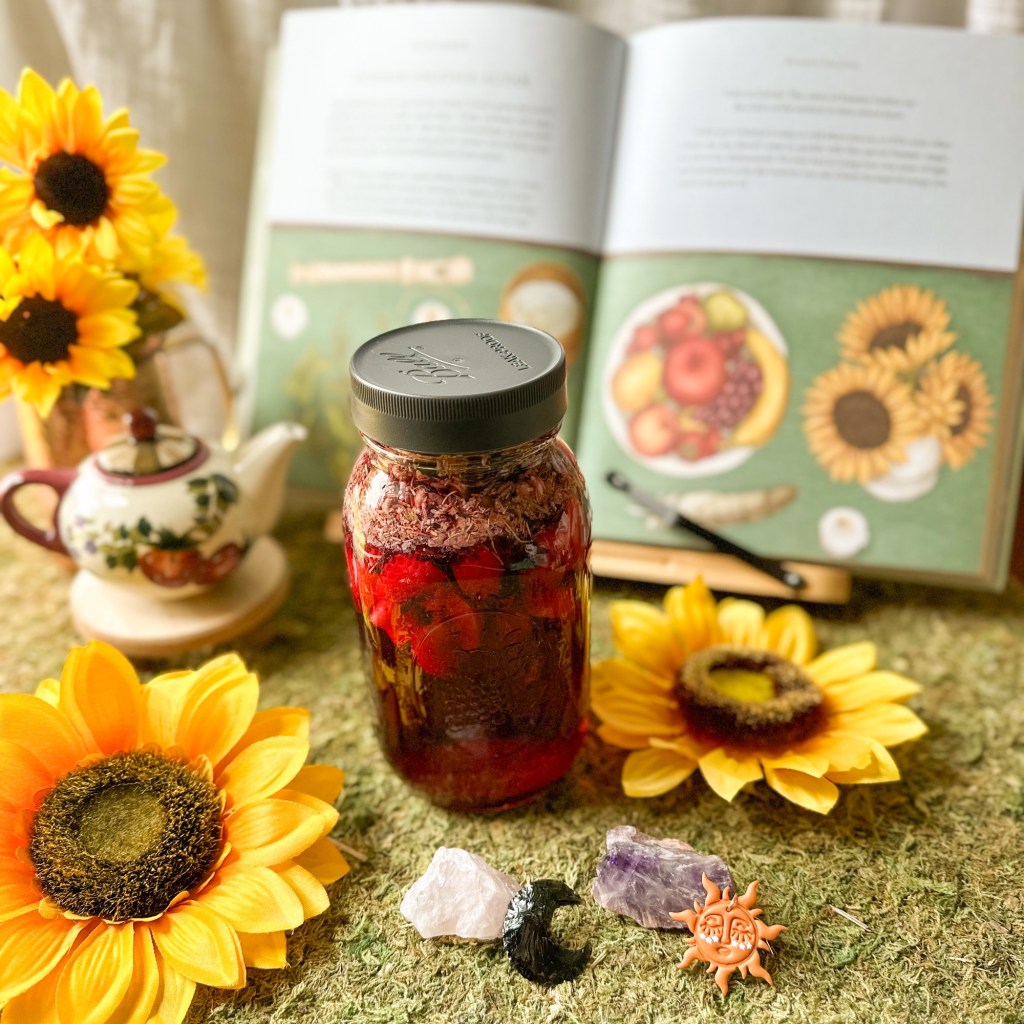
Summer Solstice Sun & Strawberry Moon Tea

I am so excited that June’s full moon (the Strawberry Moon) and Litha (the summer solstice) fall together this year. It is a convergence that doesn’t happen often—in fact, the last time it did was 1985! All that bright energy of both the longest day and the full moon combined—so magical! 

For me, I think the order of the day is celebration, gratitude, and soaking up every bit of that energy I can. I feel like too often, we see these astrological occasions as calls to act in grandiose ways, to manifest changes and new directions, to enact grand gestures. But this pressure is not necessary, and most likely you have many plates spinning already at this busy cusp of summer! Instead, it is perfectly okay to give yourself permission to rest, recharge from the added light, lean into the sensation of lightness, and simply enjoy and give thanks. Mindfulness can be your act of devotion.

To this end, I am going to brew a Sun and Moon Tea!

I am calling the tea such because I’ve chosen a blend of herbs and botanicals that includes affinities for both the sun and the moon to reflect the meaning of the occasion. There are also botanicals chosen for their ties to Litha, fire, water, and Venus, all of which I am feeling strong influences of during this time. 

Here are the ingredients, and a few of their astrological ties:

•Linden (sun, Litha)

•Chamomile (sun, Litha)

•Jasmine (moon, water)

•Rosemary (sun, moon, fire)

•Strawberry (strawberry moon, Venus, water)

•Hibiscus (fire, water, Venus)

•Lavender (Litha)

And here is the recipe! It’s simple, so you can concentrate on enjoying your mindful moments under the solstice sun and Strawberry Moon. 


Ingredients

32 oz mason jar

1 cup sliced strawberries

2 Tbsp hibiscus

1 Tbsp rosemary

1 Tbsp linden

1 Tbsp chamomile

1 Tbsp jasmine

½ Tbsp lavender

Honey to taste, optional

Directions

Add ingredients to mason jar and fill with cold, fresh water. (If using dried herbs, you might choose to place them in a large eco-friendly tea bag or linen reusable tea bag.) 

Cap tightly and place in a sunny location (free of disturbance by kids or pets!) for 2-3 hours. 

If not using a tea bag or strainer, strain tea into a fresh jar or a pitcher over ice if drinking immediately. You can stir in honey while it is still warm if you’d like! Refrigerate and drink cold. 

Note—

You can substitute fresh herbs for dried ones if you have access to them! You don’t necessarily have to go by the measurements in that case—just add sprigs of each. 


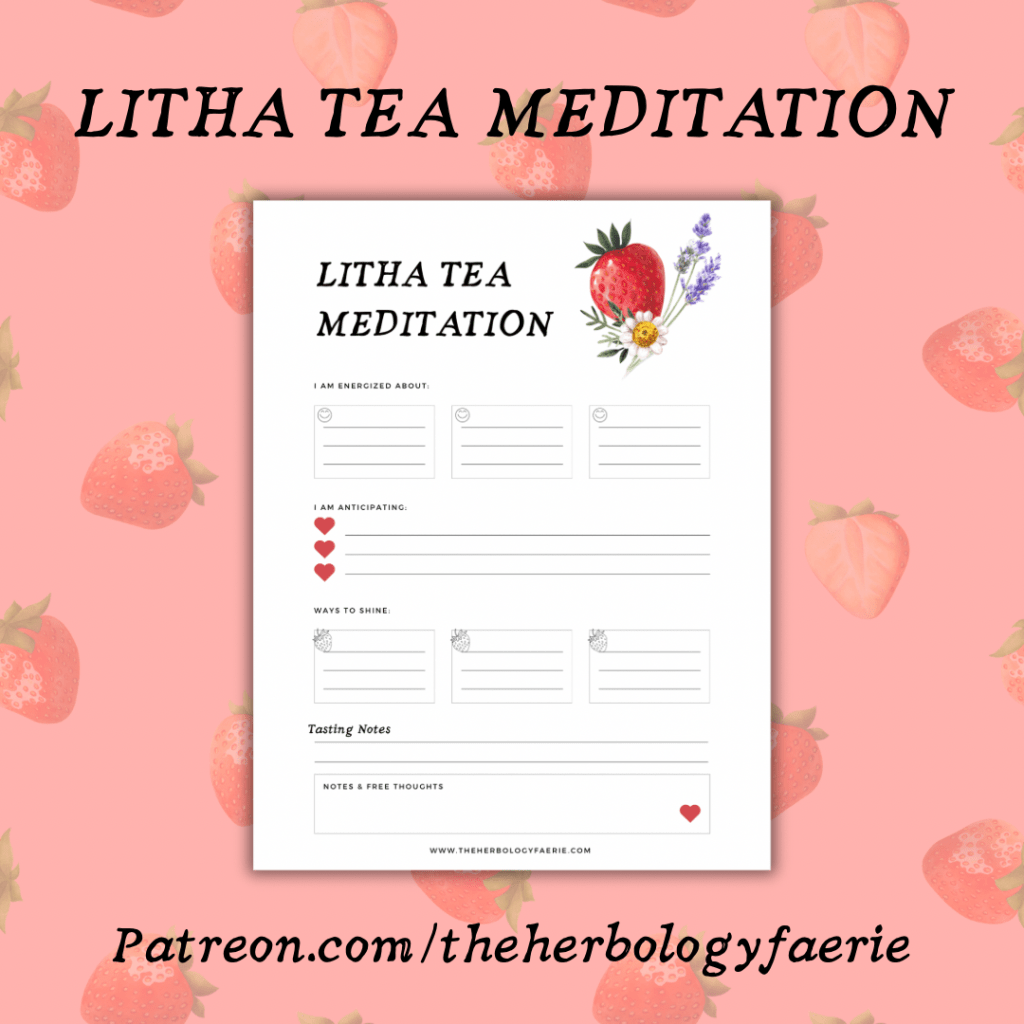
For a printable Litha Tea Meditation journaling page and a printable version of this recipe, join my Patreon at Patreon.com/theherbologyfaerie!

Categories
Folklore Herbs and Herbalism Recipes

Protection Carpet & Sweeping Powder

This time of year, the quest for protection from illness lines right up nicely with the folk idea of protection from negative energy, unfriendly spirits, and the like. Whether you are seeking one, the other, or both forms of protection, there is a simple and cozy way to invoke that sentiment, freshen your house, and refresh the energies of your home: herbal carpet powder!

Did you know that strewing herbs on the floor goes way, way back? From the ancient Romans to the Middle Ages, and even up to about the 18th century herbs were strewn over the floor with rushes and straw to release a pleasant aroma and repel unwanted pests. Some households swept them up each day and replaced them with fresh herbs, while others left them for a longer interval. Rosemary, lavender, chamomile, hyssop, sage, and marjoram were among the many herbs commonly used for this purpose. Modern carpet / vacuum powders aren’t left on the floor for very long—you let them sit for 15-30 minutes before vacuuming back up—but they certainly hearken back to this practice.

While you can easily buy ready-made carpet powders at the grocery store, it is incredibly easy and fun to make your own and stir a bit of intention and personalization into the mix. If you have pets and small children, it would be best to leave out any essential oils or only use the gentlest ones you’re already used to using around your small people and creatures. Otherwise, you can experiment and create your own blend that combines the scents and intentions you prefer!

For this recipe, I’ve used rosemary for protection and remembrance (for the upcoming sabbat of Samhain); allspice and cinnamon for prosperity, luck, and healing; and orange for lovely, cozy, and uplifting vibes. And all these ingredients have antibacterial and antimicrobial properties!


Ingredients:

3 cups baking soda

3 tsp rosemary powder

1 tsp allspice powder

1 tsp cinnamon powder

20 drops sweet orange essential oil

OR 1-2 tsp orange zest

Method:

Mix ingredients well in a bowl and transfer to a glass jar. I used an empty Himalayan pink salt shaker jar because of the convenient shaker lid! Sprinkle on your carpet (and even wood or tile floors if you like), allow to sit for 15-30 minutes, and then vacuum up thoroughly. You can also sprinkle a bit of this powder around doorways and windowsills to repel insects (and maybe more? 👻).


For educational purposes only. Not intended for medical advice. Always consult your physician.

*This post contains affiliate links, which means if you choose to buy something from a link that I share, I will make a small percentage of the sale *at no extra cost to you*.
Categories
Herbs and Herbalism Hygge Recipes

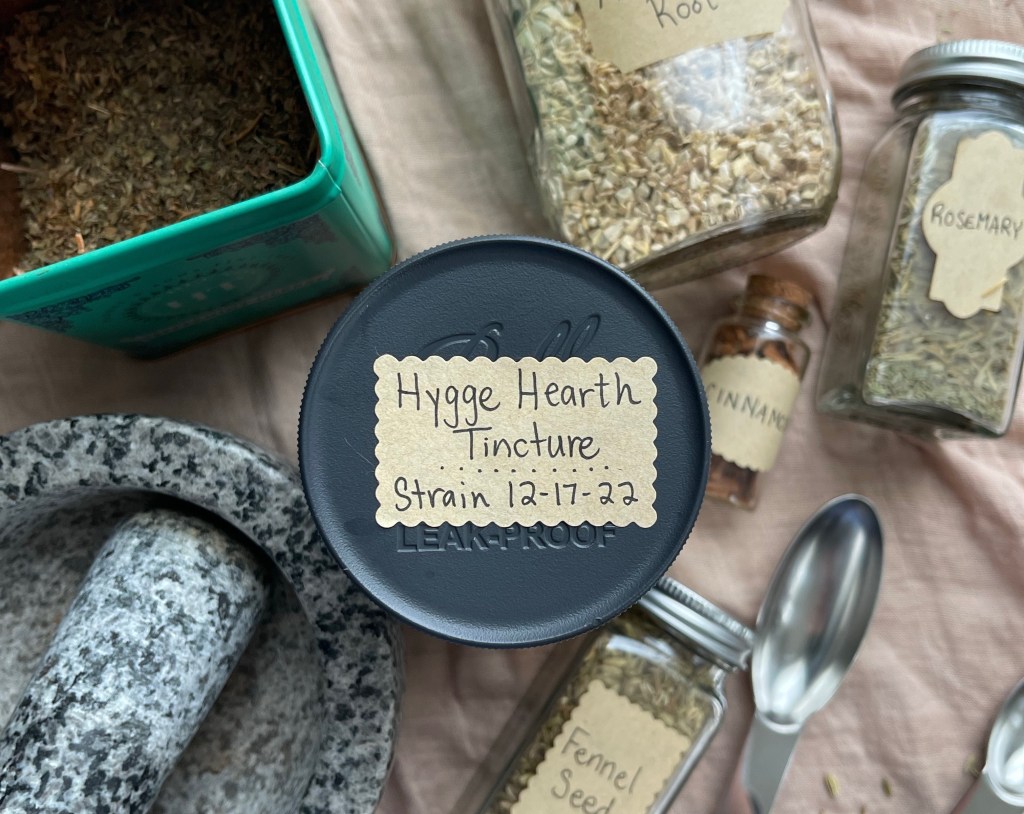
Hygge Hearth Tincture

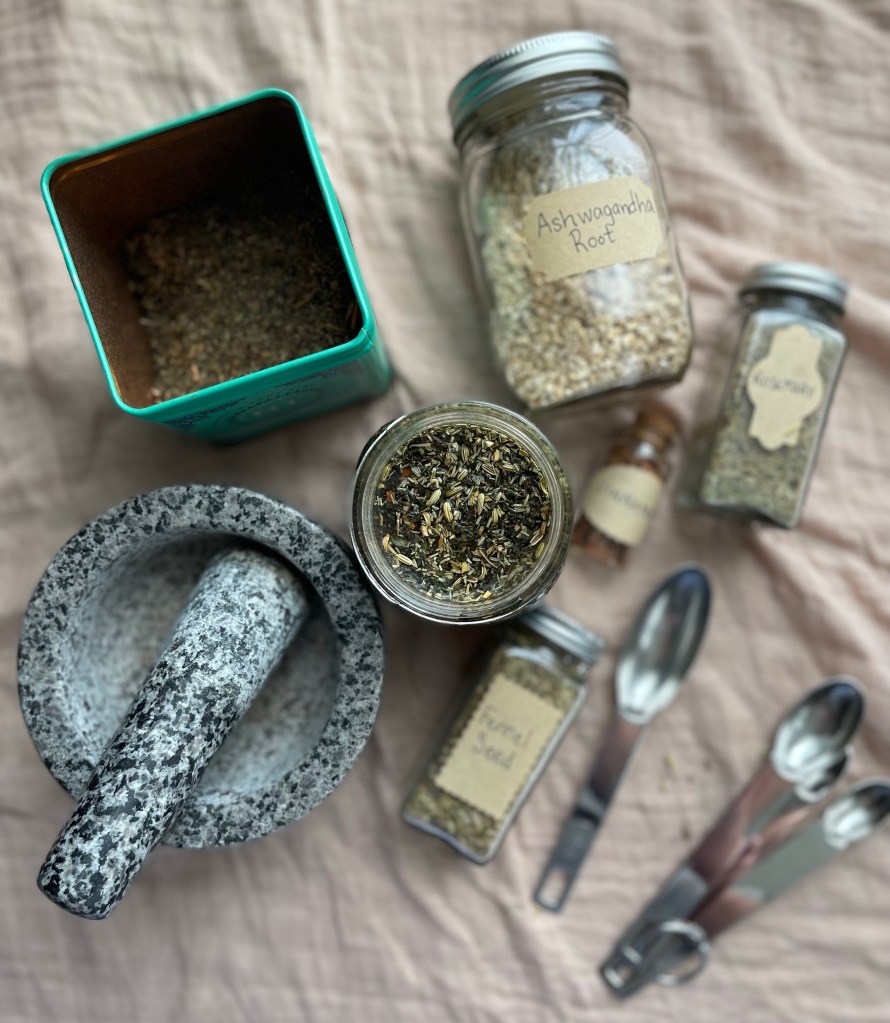
Inspiration struck this morning and I decided to start a tincture that will be ready just in time for Yule! It has all the happy, cozy, hygge vibes with digestion support, stress relief, balancing, and immune boosting to boot.

Mint is the star of the show here, paired with “really good Ceylon cinnamon” (please tell me you read that in Ina Garten’s voice 😂). I adore the sweet combo of cooling mint and warming cinnamon! With these I combined fennel seed, rosemary, and ashwagandha root. 

Then I topped it off with not the usual vodka, but GIN for more cozy, botanical, wintry vibes.

Here is the full recipe! For once, I actually loosely measured instead of doing it in parts!

Add herbs to a 16 oz glass jar. Cap and shake the jar thoroughly to mix herbs. Top with gin, filling to near the brim. Cap with a plastic canning jar lid or parchment paper and canning lid. Store in a cool, dark place, shaking daily, and strain after 6-8 weeks. Store in dark glass jars or dropper bottles if you can. 

You can take this tincture in tea, coffee, still or sparkling water, ginger ale, juice, or even cocktails! Ginger ale is my favorite vehicle for tinctures—if you prefer, use your favorite homemade or natural ginger ale.

Categories
Herbs and Herbalism

Recharging Your Battery With Nervine Herbs

I can’t believe it’s almost June! May has really flown by. Before mental health month is over, I thought I would jump on the blog and talk a bit about one of my favorite types of mental health support: nervine herbs!

Many nervine herbs are gentle and safe for frequent use and can be a part of your daily mental health support regimen. Nervines are known for their benefits to the nervous system, hence the name. They support, tone, nourish, and soothe, offering us calming, anti-anxiety, digestion soothing, pain relieving, and grounding benefits, among many others.

Here are a few of my favorite nervine herbs:

Chamomile

Rosemary (relaxing / stimulating)

Tulsi

Lavender

Lemon balm

Linden

Hawthorn

Elderflower

Rose

Passionflower

Skullcap

Peppermint (stimulating)

Cacao (stimulating)

Most of the preceding list of herbs are normally categorized as relaxing nervines. Relaxing nervines do just what they sound like: they help to relax your nervous system. Stimulating nervines don’t stimulate in the caffeine sense; instead, they are uplifting and stimulate digestion. And some nervines do both at the same time! Also, each different nervine has its own particular chemical constituents that aid in different ways on top of the nervine qualities. For example, hawthorn is amazing for heart health, passionflower and skullcap are helpful in aiding sleep, and chamomile is known especially for helping with pain, cramps, indigestion, and fever.

As with anything, consult your doctor as needed and don’t take huge doses of any herb over short periods of time. But do think about branching out and trying different nervines to see what works well to support your particular needs. 

And since summer is fast approaching here in the northern hemisphere, I am going to leave you with a simple, cooling and soothing infusion recipe featuring nervine herbs. This is a favorite of mine! You can make this with fresh or dried herbs (I grow all of these in my mini herb garden); drink it hot or cold (my summer preference is definitely cold); and sun brew, cold brew overnight in the fridge, or infuse with hot water (I usually prefer to cold brew or sun brew). Regardless of how you make it, the soothing properties of these nervine herbs are a refreshing way to take in a bit of calm.

Soothing Summer Tea:

•Lemon balm – 2-3 parts

•Peppermint – 1 part

•Spearmint – 1 part

•Rosemary – 1 part

•Catnip – .5 part

•Chamomile – .5-1 part

If making with fresh herbs in a large jar, go heavier on the lemon balm and mints and lighter on the other herbs. Also, if drinking this cold, it’s great with a slice or two of lime tossed in. It’s crisp, refreshing, calming, cooling, and supportive — mind and body relief!

Obviously mental health is a complex issue and each person’s medical and therapeutic needs are extremely different. Herbs won’t solve or prevent problems or fulfill all your needs, but they can be a wonderful ally as part of a daily holistic approach.

Which nervine herbs are your favorite mental health allies?

Categories
Herbs and Herbalism

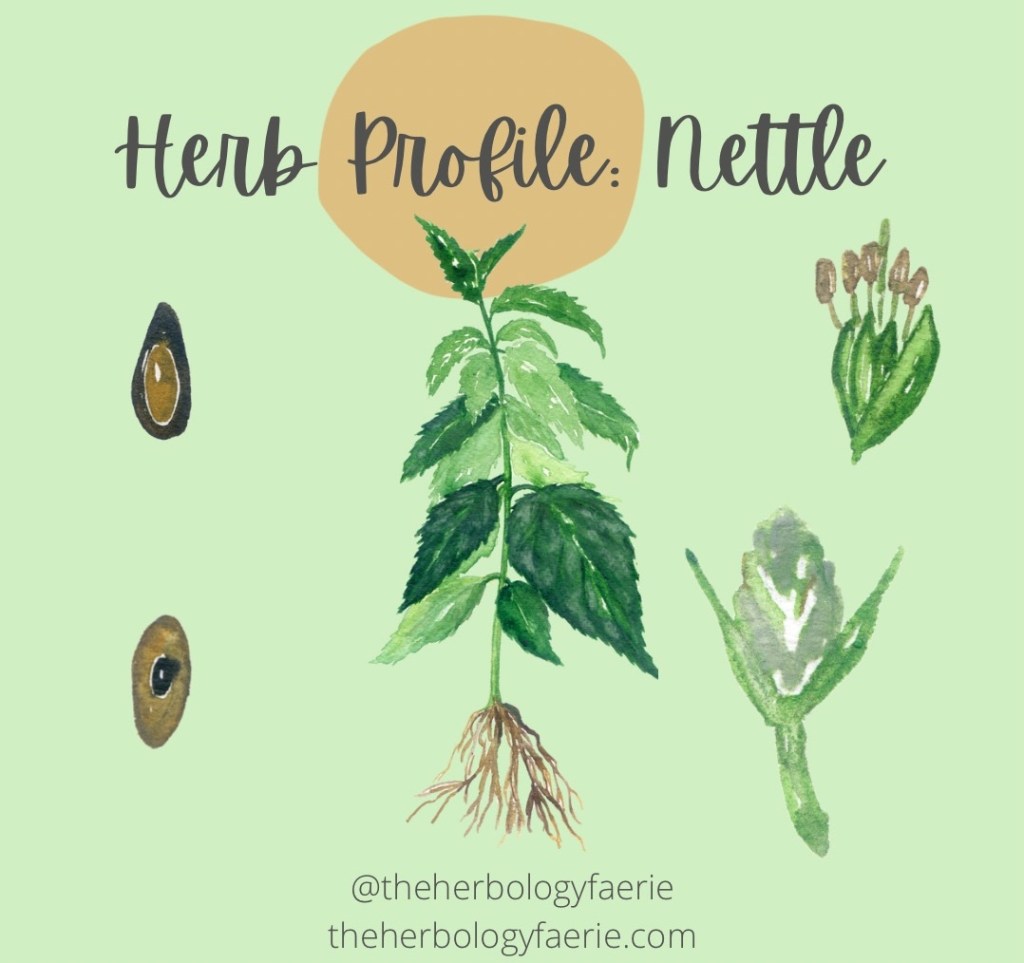
Herb Profile: Nettle

Hey there, Herbology Faeries! Since spring is almost here, I thought I’d share a new herb profile today about the herb I most associate with early spring: nettle.

Nettle, or stinging nettle, is a sign of early spring because in many places it flourishes during this time. Nettle is also a beneficial spring ally in aiding with seasonal allergies, nourishing and toning body systems after the winter, fighting inflammation, and much more. Folk traditions see nettle as a protective ally, helping with not only healing but also courage and banishing, and it’s not hard to see why when you encounter its prickles!

I know there are many who forage fresh nettles in the spring. There are many benefits to consuming local, fresh nettles. That said, not everyone has local nettles available or are not able to get out there and brave the stings to collect them fresh. That’s okay—high quality dried nettle can be purchased from small online apothecaries or Mountain Rose Herbs.

Nettle is a salty, slightly bitter, cooling and drying herb. It is nutrient dense, full of fiber, iron, calcium, and magnesium. Not only is nettle used to support allergies and to nourish the body, but it’s said to aid menstrual issues, eczema, fatigue, arthritis, and more. It’s a wonderful herb to consume daily as a holistic health aid for maintaining energy and health. The main safety considerations with nettles are the stings if you are working with fresh nettles (use gloves and blanch the leaves before consumption), and the diuretic effect the herb has—you might need to adjust your intake based on how strongly this affects you. 

I do drink nettle in tea—it goes well combined with herbs like mint and rose. I am also intrigued with the idea of using nettle as food! You see many instances of this online: nettle pesto, nettle soup, even dried nettle used in baking. I am experimenting with using nettle in homemade ramen recipes for a salty, mineral-y kick and added nutrition!

Here is a simple springtime tea recipe featuring nettle, to get you started with this wonderful ally!

Daily Nettle Boost:

• 1 part nettle

• 1 part tulsi

• 1 part peppermint

• 1/2 part rosemary

This can be hot-brewed by the cup if you prefer it in small doses. You can also hot or cold brew it in a larger batch in a glass jar. If cold brewing, the longer you let it brew, the more helpful constituents will be infused into your tea. I’ve run across some sources that say you should hot brew nettle and let it infuse for 4+ hours to reap the full benefits, but I prefer my nettle a bit weaker and more palatable than that—to keep me coming back to it! 

Have you tried nettles? How do you like to prepare them, or how do you think you would like to if you’re new to them?

———————

Sources:

• Rosalee de la Foret, Alchemy of Herbs

• Herb Mentor’s Stinging Nettle monographs 

• Sarah Farr, Healing Herbal Teas

Categories
Herbs and Herbalism

Herb Profile: Rosemary

It’s been awhile, Herbology Faeries! Life has been chaos for me lately, with my wildlings’ school year beginning and all the changes involved with that. But, I am taking a moment to slow down and share with you about a recent favorite herbal ally: rosemary.

Many people think of rosemary as a primarily culinary herb, but it’s so much more than that! There are good reasons the Owens women in the Practical Magic books and movie say to “plant rosemary by your garden gate.”

Rosemary is a pungent, warming, drying, and aromatic herb. According to the plant monograph in Learning Herbs’s Herb Mentor database, rosemary boasts “carminative, circulatory stimulant, hepatic, antimicrobial, stimulating/relaxing nervine, [and] antioxidant” properties. Its uses include “mental stimulation, digestion, colds/flu, fungal infections, hair wash, food preservation, [and] skin protection.” It can be used in many applications, like teas, tinctures, skin and hair products, and food. Traditional wisdom attributes remembrance and protection to rosemary, as well.

Basically, use rosemary as much as you can. It is an herb you can’t go wrong with, because it adds so many benefits to your life and tastes amazing! Lately I have been taking a brain-boosting tincture that includes herbs good for memory and mental acuity like rosemary (of course), gotu kola, ginkgo, and sage. While the intended use of the tincture is for brain health, I notice a very marked calming effect when I take this tincture! Rosemary has always been a culinary favorite of mind, but I’ve also realized that I need to explore more therapeutic and broader uses for the herb because it’s just one that really jives well with me.

And now it’s recipe time! Rosemary pairs amazingly well with grapefruit, so this is a fun fizzy drink (alcoholic or not, it’s equally amazing either way)!

Rosemary Grapefruit Fizz

•Rosemary tincture or bitters (store-bought or homemade; see my post on tincture-making!)

•Grapefruit soda OR grapefruit juice & soda water & simple syrup

•Optional: gin or whiskey
(You could also sub rosemary simple syrup for the tincture / bitters if you’re going the juice and soda water route!)

Are you a fan of rosemary? Which ways do you like to work with this herb?