Categories
Herbs and Herbalism Tea wheel of the year

Beltane Lilac Tea Meditation

Beltane, also called May Day, marks the cross-quarter between Ostara (the spring equinox) and Litha (the summer solstice). Beltane is a time of heightened romance, carefree joy, ripening fruits, and faerie magic. Take care where you wander on Beltane night as the bonfires burn, lest you stumble into the land of Faerie!

Lilac is, in many parts of the northern hemisphere, ubiquitous with Beltane as its prime blooming period. To celebrate Beltane, harvest some fresh lilac if it is in bloom near you and enjoy a lilac tea meditation ritual. 

((You can also substitute a different fresh food safe flower that is in season near you, such as dandelion, for this meditation, or even dried flowers like jasmine or lavender if fresh flowers aren’t accessible to you!))

Choose a handful of blossoms that look fresh, not wilted. Leave blossoms attached to the stems, but remove most of the twigs.

Dunk in cold water to rinse off any debris and critters. Pour heated water from your tea kettle over the blossoms in a mug to cover the flowers and allow to steep for about 3 minutes before you begin to sip. No need to remove the flowers if they’re attached to the stems—they shouldn’t float loose.

Grab a journal and pen, and seat yourself in an outdoor spot if possible, or next to an open window if not. Sip the tea and feel the sun/moon/breeze on your face, closing your eyes. 

Notice the flavor of the lilac tea. It should be fragrant, floral, a tad sweet and a bit bitter all at once. Very tannic, it should pucker your tongue a bit and leave a dry mouthfeel. Savor the flavor and aroma as you drink, and think of it as nature’s champagne! Rare, beautiful, elegant, joyful, celebratory. Let the taste uplift you and permeate throughout you. Envision a sweet purple light enveloping you, bringing happiness and beauty from the outside-in, if you like. 

Grab your journal. Write down three things you are happy about, three things you are anticipating, and three ways you’d like to grow. Meditate on these ideas as you finish your tea. Then, compost the spent lilac blossoms. 


As an alternative to using a journal, I’ve made a journal page especially for this meditation that you can print and use! Just click on the file below, print, and use alongside your Beltane Lilac Tea Meditation!

Categories
Herbs and Herbalism plant wonder collective Recipes

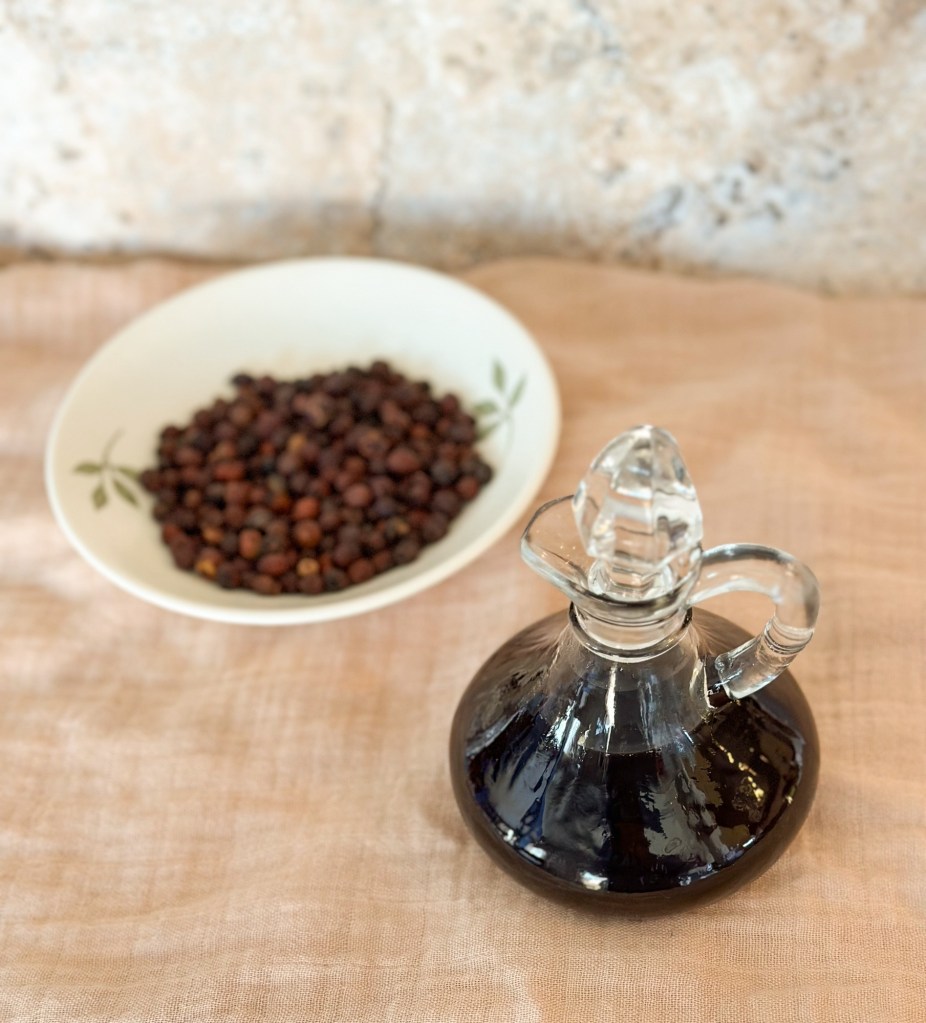
Medicinal Hawthorn Syrup

Hawthorn syrup is an amazing and delicious late-winter herbal medicine! Not only does it support circulation, blood pressure, overall heart health, digestion, and the immune system; it also helps dispel some of those late-winter blues with its sweet nervine powers. But it doesn’t need to be reserved for this time of year—it is a gentle tonic herb that can in most cases be safely taken frequently, year-round.

Whether you take a couple spoonfuls a day, mix it into water or tea, or use it as a mocktail or cocktail ingredient (who says medicine can’t be fun?!), hawthorn syrup will bolster your body as well as your emotional wellbeing. And the flavor is so, so nice—from dried berries it produces a tangy, slightly earthy berry flavor. Reminds me a little of fig, or port wine.

All you need is three ingredients to make this syrup. Here is the recipe!


Ingredients:

1 cup water

1 cup sugar (I used raw cane sugar)

1 cup dried hawthorn berries

Directions:

In a saucepan, heat water and sugar over low-medium heat until the sugar dissolves completely, stirring often with a wooden spoon. 

Add the hawthorn berries and allow to come to a light simmer, stirring often. Continue to simmer and stir for about 10 minutes. (We are being careful to keep this a syrup and not a caramel!)

Remove from heat and allow the hawthorn berries to steep in the syrup for another 20-30 minutes as it cools. Strain through a mesh strainer, and store in a clean jar or bottle in the fridge. Use within about 3-4 weeks.

Instead of discarding all the used syrup berries, brew a cup of tea with some of them!

A note about dried hawthorn berries: if you see a white substance on the outside of them, this is not mold and they’re not bad! It is the natural sugar in the berries that sort of collected on the surface as they dried.


Hawthorn is the Plant Wonder Collective plant of the month!

Plant Wonder Collective: Connecting you to nature through food, drink, play, garden, medicine, magic, and art.

If you’d like to support the work of PWC, please consider joining our Study Circle on Patreon for exclusive recipes, articles, digital downloads and printables for the plant of the month. We appreciate you being on this learning journey with us!


For educational purposes only. Not intended for medical advice. Always consult your physician.

*This post contains affiliate links, which means if you choose to buy something from a link that I share, I will make a small percentage of the sale *at no extra cost to you*.

Categories
Herbs and Herbalism Hygge Recipes

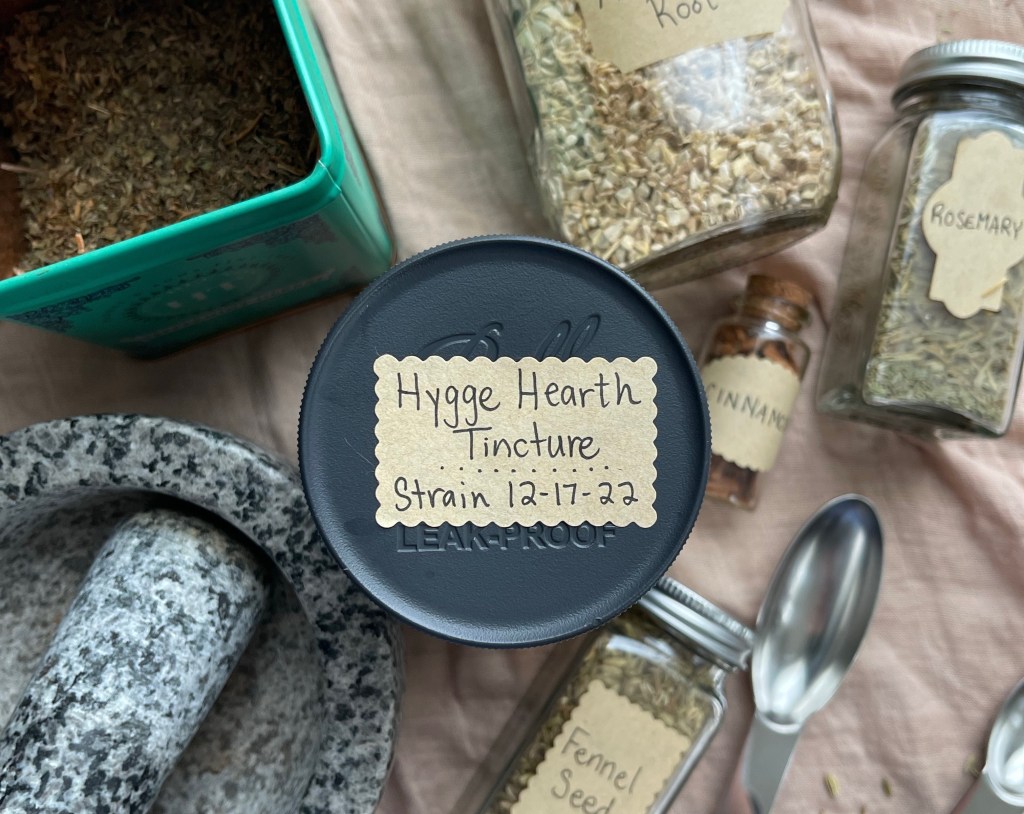
Hygge Hearth Tincture

Inspiration struck this morning and I decided to start a tincture that will be ready just in time for Yule! It has all the happy, cozy, hygge vibes with digestion support, stress relief, balancing, and immune boosting to boot.

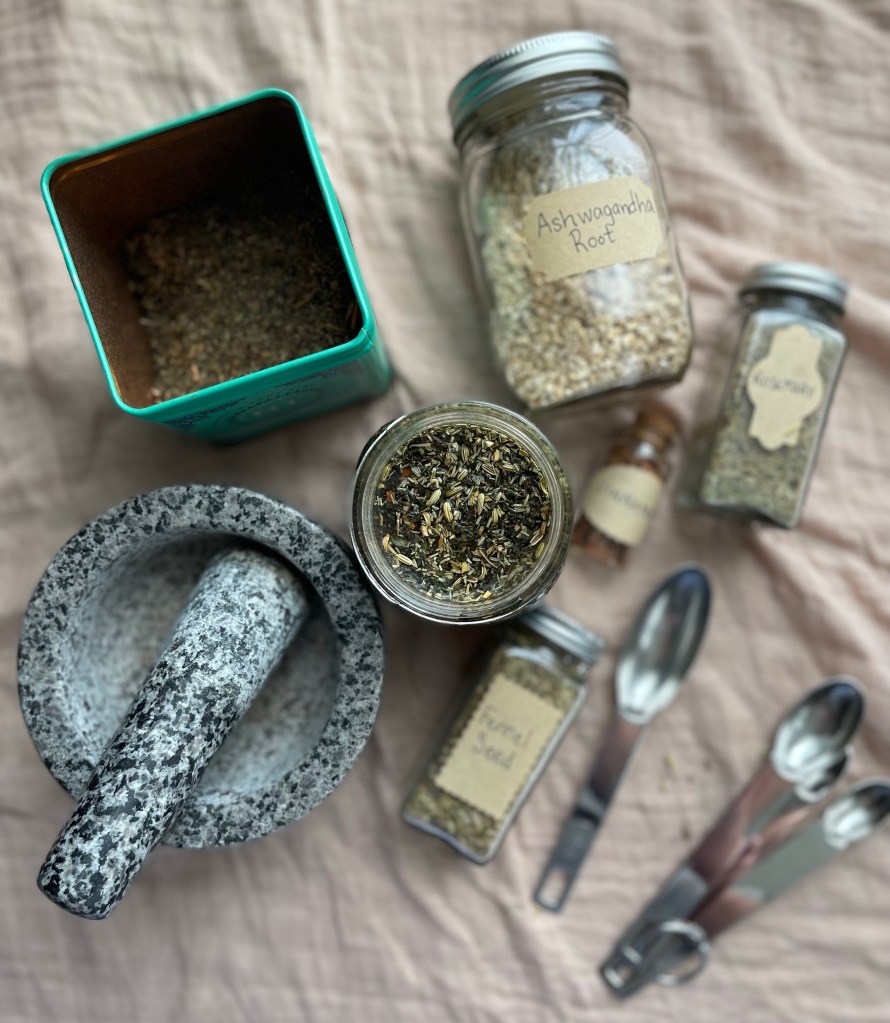
Mint is the star of the show here, paired with “really good Ceylon cinnamon” (please tell me you read that in Ina Garten’s voice 😂). I adore the sweet combo of cooling mint and warming cinnamon! With these I combined fennel seed, rosemary, and ashwagandha root. 

Then I topped it off with not the usual vodka, but GIN for more cozy, botanical, wintry vibes.

Here is the full recipe! For once, I actually loosely measured instead of doing it in parts!

Add herbs to a 16 oz glass jar. Cap and shake the jar thoroughly to mix herbs. Top with gin, filling to near the brim. Cap with a plastic canning jar lid or parchment paper and canning lid. Store in a cool, dark place, shaking daily, and strain after 6-8 weeks. Store in dark glass jars or dropper bottles if you can. 

You can take this tincture in tea, coffee, still or sparkling water, ginger ale, juice, or even cocktails! Ginger ale is my favorite vehicle for tinctures—if you prefer, use your favorite homemade or natural ginger ale.

Categories
Herbs and Herbalism plant wonder collective Recipes

Lemon Balm Simple Syrup Mocktails & Cocktails

Happy Tuesday! Whether you’re here from my Instagram post or you found this blog post first, welcome to the lemon balm party!

Lemon balm is a subtle but sweet and tasty herb for making simple syrup. I decided to brew some up and then experiment with using it to create some tasty mocktails and cocktails.

I used fresh lemon balm to make a small batch of simple syrup with my usual recipe: dissolve ½ cup of sugar in ½ cup of water on the stovetop over medium heat, add in about 1 cup of the herb, remove from heat and steep for 30 minutes, strain, and refrigerate for up to 2 weeks. 

Then came the fun part! Of course, you can use the syrup in any kind of tea (black, green, herbal) for a bit of sweetness and the calming, soothing effects of lemon balm. But I decided to take a few diy concoctions for a spin! My favorite combination was ginger ale, a splash of apple cider (apple juice works too), and about a tablespoon of lemon balm simple syrup. If you find your lemon balm syrup’s flavor turned out too subtle, though, you can always just combine it with seltzer or ginger ale so it can be the star of the show. 

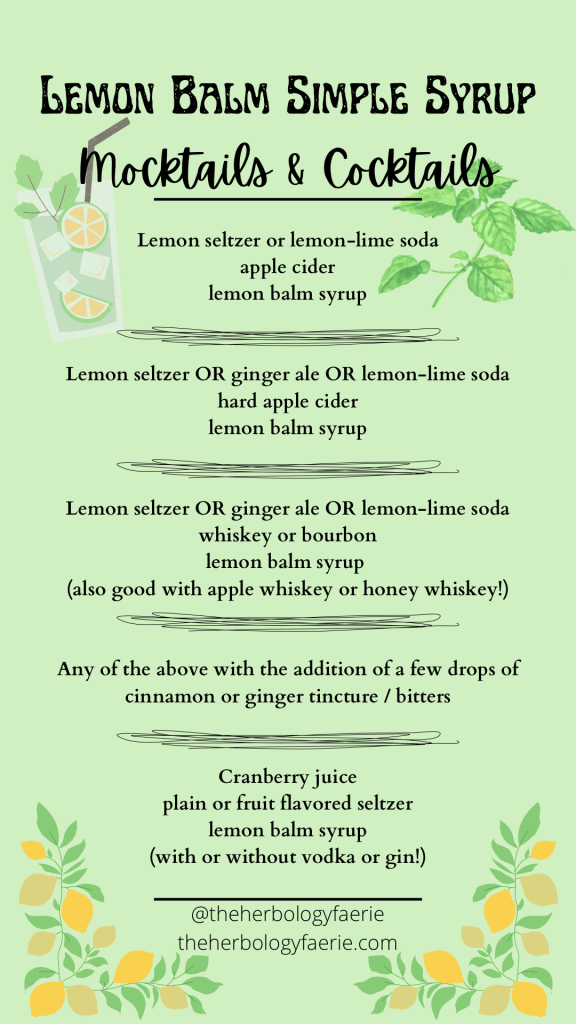
There are plenty more ways to combine lemon balm simple syrup in other mocktails and cocktails, too. Here are some of my favorite combinations!

Follow along for more Lemon Balm wonder throughout the day and join us this month through our hashtags and at @plantwondercollective on Instagram!

#plantwondercollective

#pwclemonbalm

Meet the participants!

@plantwondercollective

@florasfeastbotanicals

@wineberryadventurescouts

@herbalfae

@mamalibelula

@theherbologyfaerie

@herbal_pirate

@katwb444

Plant Wonder Collective: Connecting you to nature through food, drink, play, garden, medicine, magic and art.

Categories
Herbs and Herbalism plant wonder collective Recipes

Tulsi Heart-Support Tincture

You have a physical aspect to your heart, and an energetic and emotional aspect to your heart as well. It may seem like more of a metaphorical connection until you think deeply about it. That piercing aches in your chest that come periodically for some and often for others certainly points toward this inextricable connection. The emotional and energetic health of your heart can have a big impact on the physical health of your heart, and vice-versa.

Herbs can be an invaluable ally when it comes to both of these aspects of heart health, and what’s really amazing is that the same herbs can help with both. Nature certainly knows what she is doing!

My favorite herb for heart ease is tulsi. Tulsi is the Queen of Herbs, and she is a wonderful heart soother. She can aid in reducing inflammation and regulating blood pressure, but she can also help ease emotional tension and stress weighing your heart down. As both an adaptogen and a nervine, tulsi holds your hand and has your back.

I’ve brewed up a heart ease “potion,” a tincture that pairs tulsi with two other herbs that work on much the same dualistic levels for the heart: linden and hawthorn. Both of these lovely herbs are nervines often used to address blood pressure and cardiovascular health, as well as anxiety, stress, and depression. There are also folkloric and spiritual connections between all three of these herbs and protection.

Here is the recipe if you’d like to make this heart supporting tincture, too! I used the folk method, measuring in parts.

I will probably take a dropper full of this at a time in tea, ginger ale, or fruity seltzer water. It will be brimming with the intention of bringing ease and strength to my physical and emotional heart.

Have you worked with tulsi to ease and strengthen your heart?


Note: check with your physician before taking significant amounts of these herbs if you have high blood pressure, any heart conditions, or if you take any heart or blood pressure medications.


Follow along for more Tulsi wonder on Instagram with the Plant Wonder Collective! Participants share posts on the featured herb throughout the month. You can find us via

@plantwondercollective

#plantwondercollective

#pwctulsi

Plant Wonder Collective: Connecting you to nature through food, drink, play, garden, medicine, magic and art.

Categories
Herbs and Herbalism Recipes

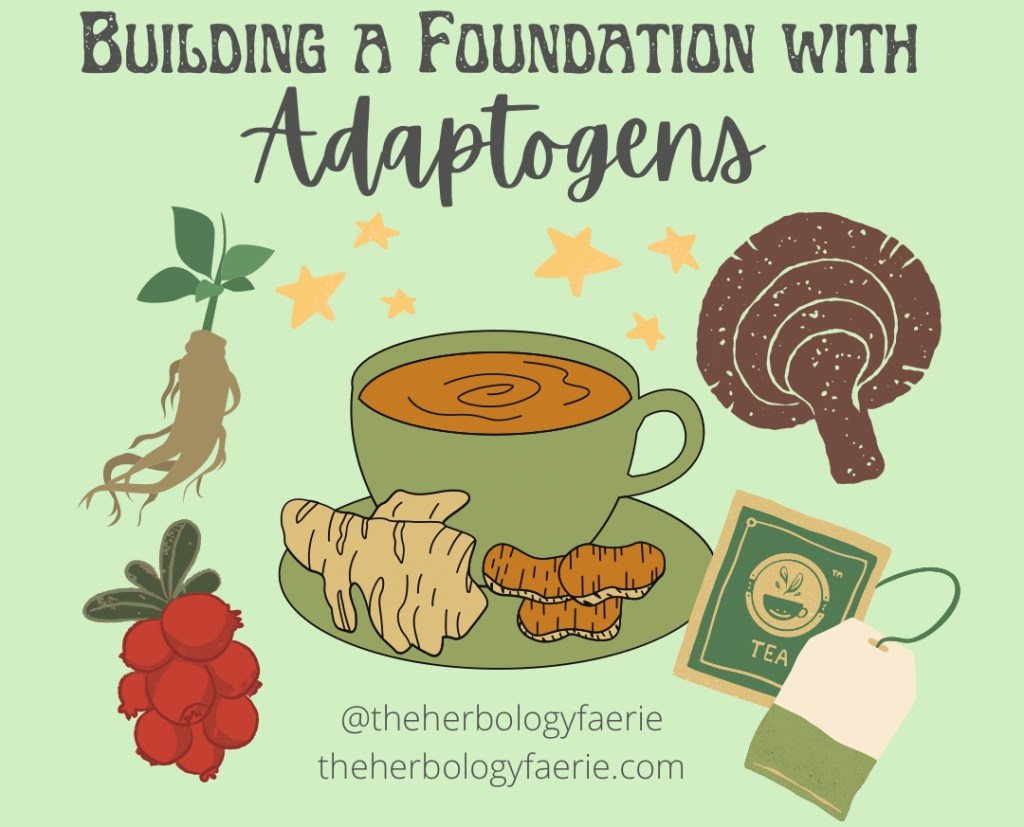
Building a Foundation With Adaptogens

Not long ago, I shared a post that was a brief overview of nervine herbs and how they work to relax, tone, soothe, calm, and even gently stimulate the nervous system, digestive function, and circulation. Nervines are such gentle, steady friends!

I thought today I would touch on another, often overlapping category of herbs and botanicals: adaptogens.

Where nervines primarily help calm, adaptogens are known for helping to stabilize and protect. They are extremely grounding; help to protect from fatigue, overwhelm, and burnout; aid against anxiety, depression, and chronic stress; support and protect brain function; build resilience and uplift; and aid the immune system. Basically, adaptogens are powerhouse holistic mental and physical health supporters! Though every person’s constitution and health situation is different and they must use caution before trying any new substances, many adaptogens are generally as safe as most nervines are in normal doses.

If you prefer a less clinical perspective, think of it this way. While nervines can offer you a steady, calming pulse of reassurance and mental and physical support, adaptogens can hold you up, offer you inner strength, sharpen your mind, and keep you going. Adaptogens have your back.

So, who are these adaptogenic allies? Here is a list of a few of my favorites!

Tulsi

Nettles

Rhodiola

Schisandra

Eleuthero

Ashwagandha

Reishi

Astragalus

Licorice

Maca

Green tea

Ginseng

Most of these adaptogens can be found where you purchase herbs online if you can’t find them in person—Mountain Rose Herbs is often where I go to look for herbs on this list.


And now it’s recipe time! I thought I’d share two adaptogen recipes: a tea and a tincture. The tea is a great one to sip in the morning—you might even want to replace coffee with it sometimes for a more stable energy boost. In both the tea and the tincture, I’ve added some nervines too for taste and added benefits.

Simple Strength Adaptogen Tea:

1 part green tea

1 part tulsi

½ part mint 

½ part cardamom

¼ part fennel


Adaptogen Tincture:

1 part ashwagandha 

1 part astragalus 

1 part nettle

½ part mint

Vodka

. . . . . . .

Place herbs in a clean glass jar. Fill about ½ inch above the herbs with vodka, using a wooden spoon to make sure the herbs are fully covered. Place waxed paper and canning lid or bpa-free plastic lid on jar and store in a cool, dry place. Shake the jar each day, and if the herbs rise above the vodka or appear to have absorbed too much, add a bit more to cover them. (You can also move your mixture to a larger jar mid-process if needed.) Allow to macerate for 4-6 weeks. Strain into dropper bottles; take one dropperful either in a glass of water, in another beverage, or under the tongue.


If your health situation supports it, then daily doses of a couple of adaptogens that are suited to your needs can be an amazing holistic health approach. Many people sip on an adaptogen-based beverage every day instead of coffee to build up a strong foundation and mental and physical reserves. (I actually enjoy drinking coffee that has adaptogens right in it!)

Are you new to adaptogenic herbs? If not, which are your favorites? If so, which do you think you’d like to try?

Categories
Herbs and Herbalism

Recharging Your Battery With Nervine Herbs

I can’t believe it’s almost June! May has really flown by. Before mental health month is over, I thought I would jump on the blog and talk a bit about one of my favorite types of mental health support: nervine herbs!

Many nervine herbs are gentle and safe for frequent use and can be a part of your daily mental health support regimen. Nervines are known for their benefits to the nervous system, hence the name. They support, tone, nourish, and soothe, offering us calming, anti-anxiety, digestion soothing, pain relieving, and grounding benefits, among many others.

Here are a few of my favorite nervine herbs:

Chamomile

Rosemary (relaxing / stimulating)

Tulsi

Lavender

Lemon balm

Linden

Hawthorn

Elderflower

Rose

Passionflower

Skullcap

Peppermint (stimulating)

Cacao (stimulating)

Most of the preceding list of herbs are normally categorized as relaxing nervines. Relaxing nervines do just what they sound like: they help to relax your nervous system. Stimulating nervines don’t stimulate in the caffeine sense; instead, they are uplifting and stimulate digestion. And some nervines do both at the same time! Also, each different nervine has its own particular chemical constituents that aid in different ways on top of the nervine qualities. For example, hawthorn is amazing for heart health, passionflower and skullcap are helpful in aiding sleep, and chamomile is known especially for helping with pain, cramps, indigestion, and fever.

As with anything, consult your doctor as needed and don’t take huge doses of any herb over short periods of time. But do think about branching out and trying different nervines to see what works well to support your particular needs. 

And since summer is fast approaching here in the northern hemisphere, I am going to leave you with a simple, cooling and soothing infusion recipe featuring nervine herbs. This is a favorite of mine! You can make this with fresh or dried herbs (I grow all of these in my mini herb garden); drink it hot or cold (my summer preference is definitely cold); and sun brew, cold brew overnight in the fridge, or infuse with hot water (I usually prefer to cold brew or sun brew). Regardless of how you make it, the soothing properties of these nervine herbs are a refreshing way to take in a bit of calm.

Soothing Summer Tea:

•Lemon balm – 2-3 parts

•Peppermint – 1 part

•Spearmint – 1 part

•Rosemary – 1 part

•Catnip – .5 part

•Chamomile – .5-1 part

If making with fresh herbs in a large jar, go heavier on the lemon balm and mints and lighter on the other herbs. Also, if drinking this cold, it’s great with a slice or two of lime tossed in. It’s crisp, refreshing, calming, cooling, and supportive — mind and body relief!

Obviously mental health is a complex issue and each person’s medical and therapeutic needs are extremely different. Herbs won’t solve or prevent problems or fulfill all your needs, but they can be a wonderful ally as part of a daily holistic approach.

Which nervine herbs are your favorite mental health allies?

Categories
Herbs and Herbalism

Herb Profile: Tulsi

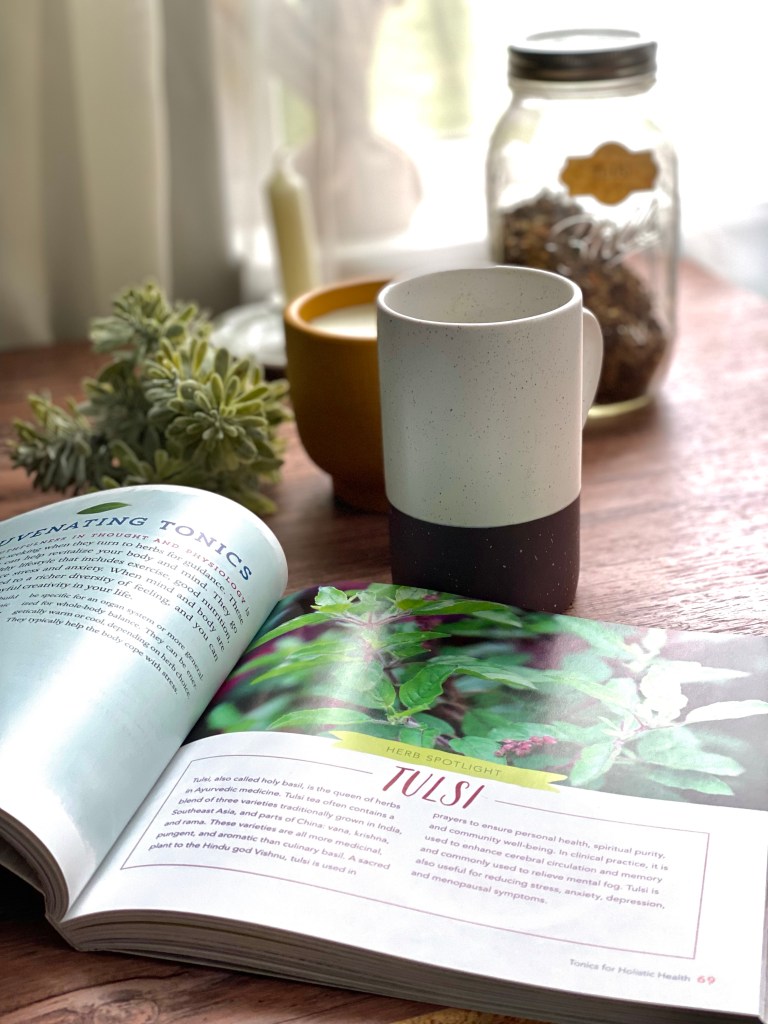
Hello, Herbology Faeries! It has been busy around these parts and I’ve had less time for the blog than I would have hoped this past month…but I am back today with another herb profile. Today we’re talking about an herb I lean on a LOT for support and grounding: tulsi!

Tulsi, or Holy Basil, is a pungent, aromatic, and somewhat warming herb. Though tulsi has reached herbal popularity heights in Western herbalism, it is a sacred plant in India and is native to subtropical climates. It thrives best grown in warm, sunny regions.

It’s easy to see why tulsi is so revered in India and beyond. Tulsi is an herb that does it ALL. It is a relaxing nervine and an adaptogen, meaning it addresses stress, anxiety, depression, and overall health and functioning. Tulsi is also incredibly helpful for pain, infections, viruses, heart health and blood pressure, allergies, high blood sugar, digestion, cognitive health, the immune system, and more. It is one of those herbs you can’t go wrong with as a daily tonic. (Some suggest caution if fertility is a priority for you, as tulsi may affect that.) Not only offering these health benefits, tulsi is also grounding and soothing to the spirit.

Tulsi represents spiritual and physical health, the well-being of the home and community, and mindfulness and the body-mind connection. Maia Toll says very aptly in her book The Illustrated Herbiary that tulsi reminds you to “come home” to your body and to honor your body and your spirit. If you ever feel like you need a reminder that you are enough, tulsi is definitely the ally to seek out.

You can use tulsi in teas, tinctures, oils, honey, and even as a culinary herb to flavor foods. Tulsi pairs excellently with spicy botanicals like ginger and cardamom, or with cooling herbs like mint and hibiscus. Honestly, though, I’ve rarely felt there was a combination of herbs that didn’t blend well with tulsi.

Instead of offering a recipe, I’m going to suggest a couple of simple options to help you get to know tulsi. The first is to purchase some tulsi and make a strong cup of hot tulsi tea. In my opinion, this herb stands so well on its own and is so incredibly grounding and nourishing, you will benefit from getting to know it on its own. I’m not kidding—sipping a strong mug of hot tulsi is like wrapping up in the softest blanket. It is pure comfort.

The other option I’m suggesting is this: if you need the simplest, cheapest, or most low-energy means of introduction to tulsi, you can find boxed tulsi tea without too much trouble. Traditional Medicinals sells a delicious Tulsi with Ginger tea, Numi makes a Tulsi blend, and Pukka has a Tulsi Clarity tea—you might even be able to find one of these at the grocery store, depending on your location. Trying a store bought variety of herbal tea is a super accessible, and no less legitimate approach!

So, are you a tulsi / holy basil lover already? If not, are you planning to give this amazing herb a try?

——————————————

Sources:

• Rosalee de la Foret, Alchemy of Herbs

• Herb Mentor’s Holy Basil monographs 

• Sarah Farr, Healing Herbal Teas

• Maia Toll, The Illustrated Herbiary